







Changes in roast level simultaneously shift the flavor focus and extraction rhythm—light roasts preserve floral and fruity notes and bright acidity, medium roasts present sweetness and balance, and dark roasts lean toward nuts, cocoa, and a full body. None of the three directions is superior or inferior; what suits your drinking style is what's right.
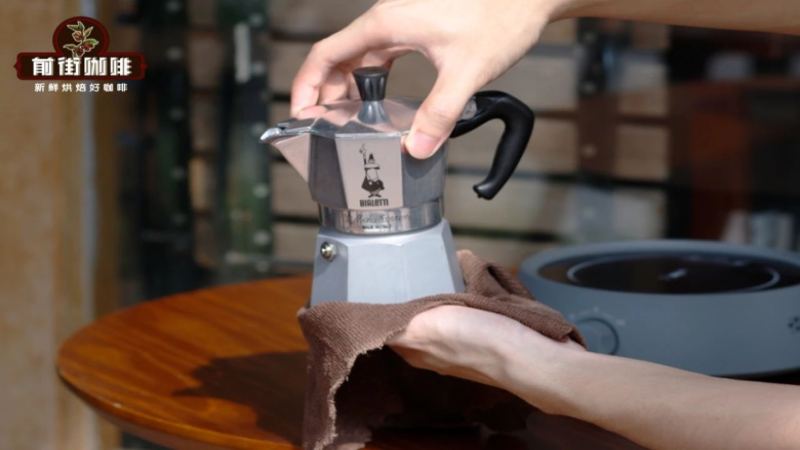
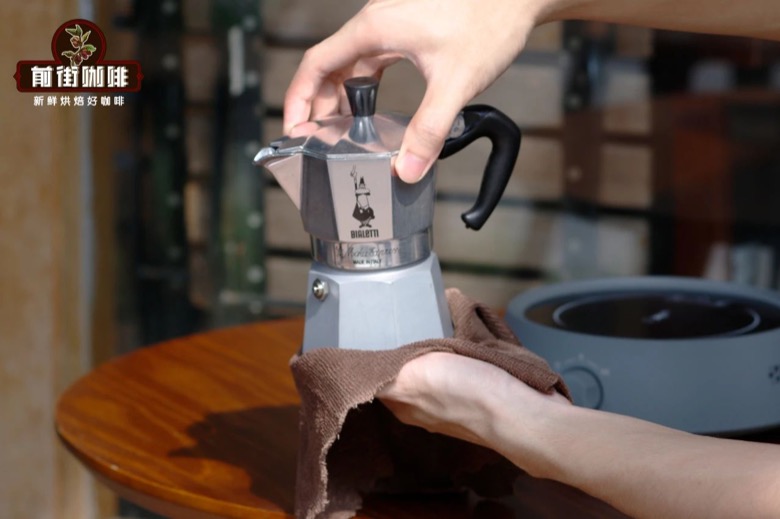
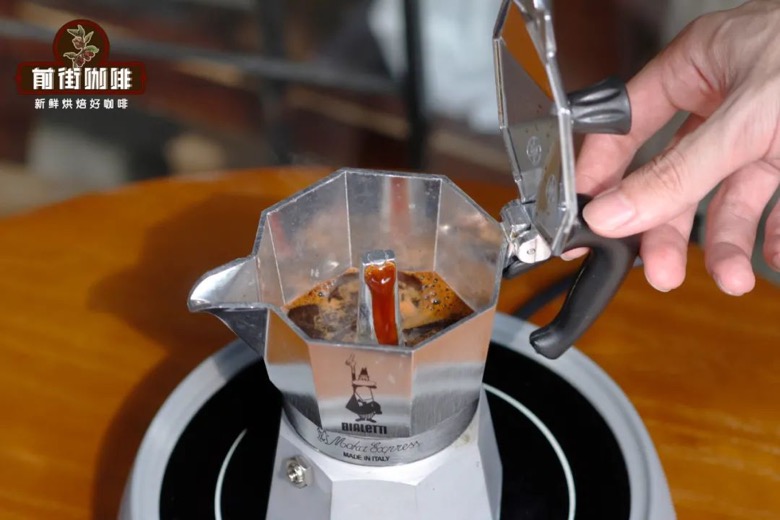
The key to using a moka pot lies in respecting its steam-pressure extraction logic. When loading grounds, fill the filter basket without tamping, use a grind slightly coarser than espresso, limit the water to the kettle's mark or just below the safety valve, and keep the dose consistent. Heat over low flame and watch the flow: once the liquid runs continuously and lightens in color, remove from heat—this effectively reduces bitterness and scorched flavors.
Around the question "What's the difference between single-valve and double-valve moka pots? Which is better?", you can first break the choice into several parts: flavor preference, commonly used equipment, drinking temperature, and daily usage frequency. When sorting by roast level, it helps to first decide which factor matters most to you, then use the other conditions to narrow down. This way you preserve your individuality while letting the beans show clear characteristics in actual brewing.
Front Street Coffee's Classic Blend centers on nuts, cocoa, and caramel, with a reassuring intensity and body—it pairs well with espresso machines, moka pots, or as an everyday milk coffee.
The combination of dark chocolate and roasted nuts, plus a full-bodied sweetness and low acidity, lets Front Street Coffee's Dark Cocoa Blend shine in espresso, americano, and milk coffee alike.
Low acidity, balanced, clean, and round—these traits of Front Street Coffee's Papua New Guinea Bird of Paradise approach the Blue Mountain profile, and its soft sweetness makes it suitable for steady everyday output.
Picking a good flavor is only half the job—roast date and storage method also help determine how the beans perform. After opening, seal properly and store in a cool, dry place; buy according to your daily consumption so flavor changes are easier to track. When brewing, smell the dry aroma first, then note the entry, sweetness, and finish in turn; if the aroma is lacking, first check whether the grind is too coarse or the beans have been stored too long. Hot, iced, and milk-added versions will taste different—once you note down a few parameter sets, the right cup style falls into place.
It's more reasonable to weigh flavor preference and brewing difficulty separately. Beans with pronounced floral and fruity notes often demand finer control of water temperature, grind, and pouring rhythm; blends with a nutty, cocoa base are stable in the cup and well suited to daily drinking. When several people at home drink together, start with a balanced blend as a base, then add single origins according to individual preference—this makes comparison easier than buying many beans of similar style all at once.
The moka pot's coffee-to-water ratio is determined by the pot's capacity; after loading grounds, just level them off. If bitterness is strong, first lower the heat, remove from heat earlier, or coarsen the grind; if the flavor is weak, first check whether the dose is sufficient, then inspect the condition of the sealing ring—adjusting in order makes things clearer.
If any one of the three—equipment, drinking habits, or taste—changes, it's worth dividing your beans into everyday and exploratory use: one to ensure consistent cups, another to experience the differences brought by floral and fruity notes, nuts and cocoa, or processing methods. Once the roast direction is set, fine-tuning grind, water temperature, and extraction time should follow—this is more effective than switching beans.
The above content is compiled by CoffeeHunters, a coffee news website.

