







Search Results for: Coffee delivery
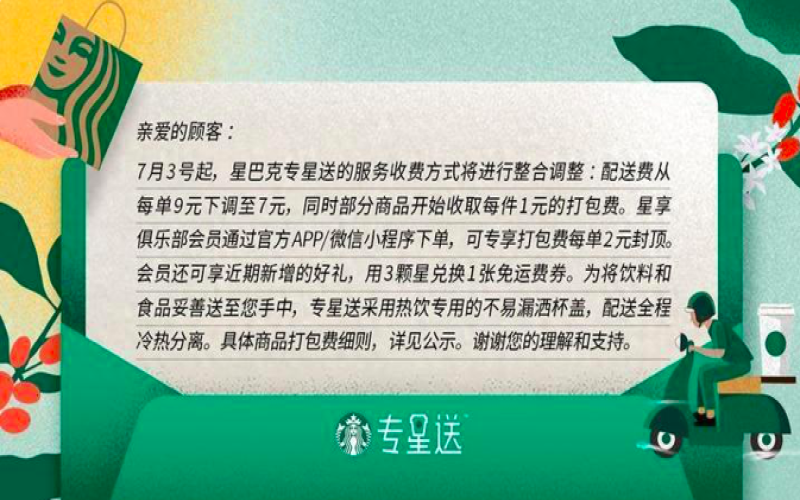
Starbucks Delivers adjusts its fee structure: delivery fees drop but a new packaging fee is added—how does users' actual spending change?
Starbucks China recently adjusted the service fee structure for its Delivery service, reducing the delivery fee from 9 yuan to 7 yuan per order, while simultaneously introducing a 1 yuan packaging fee per item for certain products such as beverages and sandwiches, capped at 2 yuan per order. Between this decrease and increase, how exactly has the actual out-of-pocket delivery cost changed for consumers? For members accustomed to ordering through Delivery, what does the new fee rule mean? Can third-party platforms avoid the packaging fee? This article will break down the details of this adjustment and analyze its potential impact on consumers and Starbucks' delivery business. [more…]
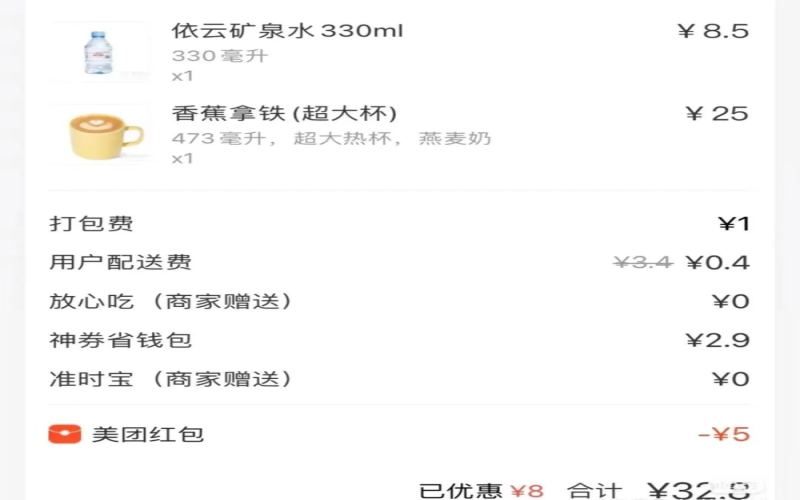
Manner's delivery minimum sparks debate: hard to order a single cup, the reasons behind the high spending threshold and consumers' voices
Recently, many loyal customers of Manner Coffee have been complaining on social media that they keep getting stumped by the minimum order fee when trying to order a drink through delivery—a 30-yuan minimum is now the norm, and in some areas it is as high as 80 yuan. To get a cup of coffee, some people search everywhere for a "coffee buddy" to pool an order with, some are forced to add bottled water or bread to their cart, and others end up drinking two cups in a single day. By comparison, brands such as Starbucks and Luckin have lower delivery thresholds, which makes Manner's delivery strategy stand out all the more. What exactly is the reason Manner sets such a high delivery threshold? And how should consumers respond? This article takes you through it. [more…]
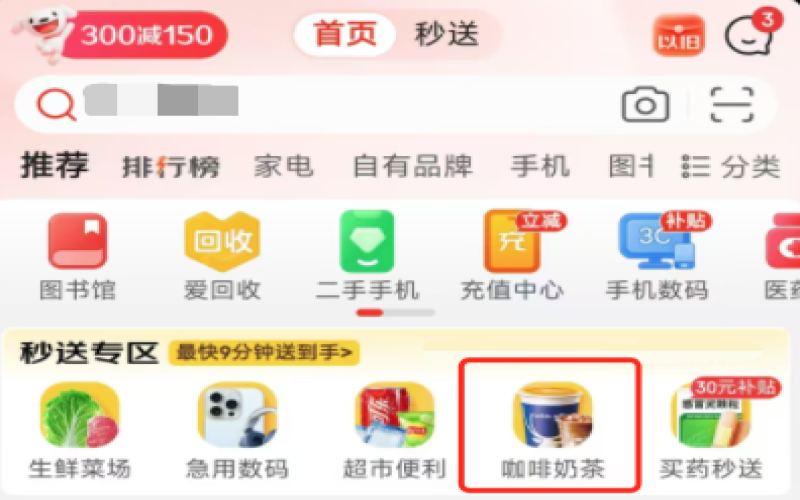
JD Instant Delivery launches a 9.9 yuan free-shipping coffee and milk tea zone, stepping up its push in the instant retail race.
Recently, a dedicated section named "Coffee & Milk Tea" quietly appeared in the "Instant Delivery" area of the JD APP, promoting "9.9 yuan with free shipping," giving many consumers accustomed to ordering on Meituan and Ele.me a new option. This section not only gathers chain beverage brands such as Luckin, Cotti, Tims, and Chagee, but also includes fast-food merchants like Burger King and Yonghe King, with its category expanding from beverages to fast food. JD PLUS members can even treat friends to coffee for free. Behind this move is JD's continued intensification in the instant retail and food delivery market—from revealing its intention in 2022, to upgrading "JD Instant Delivery" in May this year, and then increasing its stake in Dada Group to 63.2% in September, JD is trying to use high-frequency, rigid-demand coffee and milk tea as an entry point, using subsidies to cultivate users' mindset of ordering food delivery on JD. Front Street Coffee notes that this instant delivery battle centered on "9.9 yuan" may have only just begun. [more…]
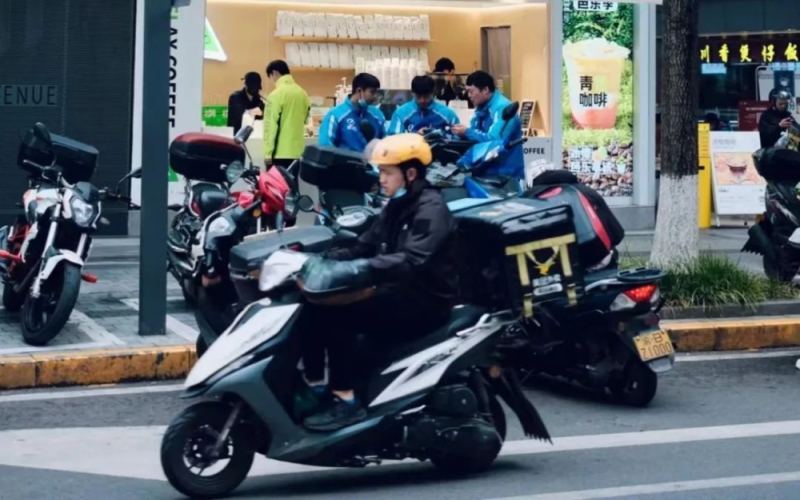
A Practical Guide to Coffee Shop Delivery Operations: A Complete Approach from Pricing Strategy to Private Domain Retention
While delivery platforms bring orders to coffee shops, they also carry the hidden risk of brand devaluation. Many shop owners have found that blindly joining price wars not only makes profitability difficult but can also erode the store's brand value. This article systematically sorts out the key aspects of coffee shop delivery operations, from pre-opening pricing planning, accumulating Dianping ratings, and delivery menu strategies, to how to convert platform traffic into private-domain customers. It also emphasizes that independent coffee shops should differentiate themselves from chain brands through professional quality and service details, rather than getting caught in low-price involution. The article also shares practical techniques such as stamp cards and scratch cards to guide delivery customers to offline visits, helping coffee shops effectively attract traffic through delivery while maintaining their brand tone. [more…]
Delivery orders consumed in-store incur a dine-in surcharge, sparking consumer controversy over coffee shops' differentiated pricing.
Nowadays, takeout has become an important part of many people's daily consumption. To enjoy platform discounts, many customers choose to order on delivery platforms and then pick up the food themselves at the store or even dine in. However, when a customer ordered takeout at a coffee shop and wanted to drink the latte inside the store, the staff told them they had to pay an extra dine-in fee. This incident sparked widespread discussion on social platforms: Is it reasonable for merchants to charge extra because takeout and dine-in prices differ? How should the consumer experience be safeguarded? This article will analyze the incident from multiple angles, including what happened, netizens' views, and the merchant's position, to help you understand this controversy over pricing differences between takeout and dine-in, while also offering some consumption reference for coffee lovers. [more…]
Rising delivery platform fees leave coffee merchants in a bind: the tug-of-war between climbing costs and business strategy
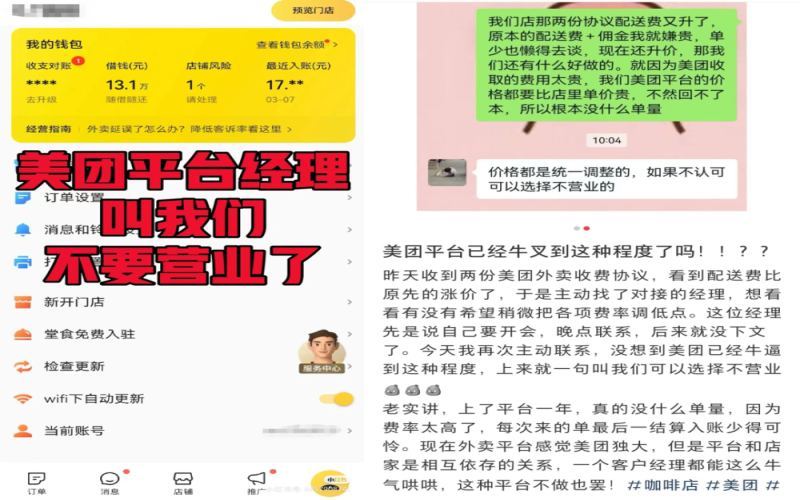
Recently, the rise in delivery fees on food delivery platforms has sparked heated discussion among coffee merchants. Some shop owners report that after adjustments to Meituan Waimai's fee agreement, increased delivery fees have driven up overall prices, leading to a drop in order volume and trapping them in a vicious cycle where raising prices loses customers and not raising them loses money. Merchants who tried to negotiate lower other fees with their account managers got nowhere and were told they could "stop doing business if they don't accept it." Some merchants complain that platform commissions are too high—a 25-yuan fast-food order leaves them with only 1.24 yuan, and some even end up with negative income. Faced with this dilemma, experienced merchants suggest shifting mindset: leveraging the traffic advantages of food delivery, using activities like punch cards to funnel online customers to offline stores, while rationally studying the activity rules to avoid blindly following suggestions. Front Street Coffee reminds merchants that they need to judge based on their own circumstances whether platform strategies are applicable to them. [more…]
Tea Delivery Minimum Order Thresholds Spark Debate: One Cup Hard to Deliver, Padding Orders with Tissues—Consumers and Stores Each Have Their Woes
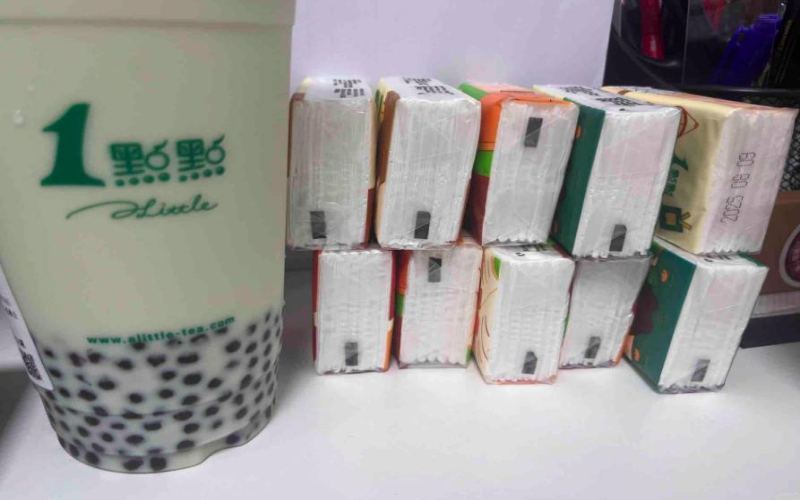
Recently, many users on social platforms have been sharing milk tea orders that include non-drink items such as tissues. This is not a brand promotion, but rather the result of consumers being forced to add extra items to meet the minimum order threshold for delivery. Many chain tea and coffee shops set their delivery minimum at 20 to 30 yuan, while a single cup of drink often costs only around ten yuan, leaving customers who just want one cup unable to place an order directly. They can only add tissues, snacks, or upgrade to a larger size to reach the required amount. Some orders also require a minimum actual payment to qualify for free delivery, further adding to the consumer's burden. Store operators say the minimum order fee and delivery rules are set uniformly by brand headquarters and the platform, and franchisees have no authority to adjust them. This discussion surrounding delivery thresholds reflects the real conflict between the demand for single-person, single-cup consumption and platform operating rules. [more…]
Why are Starbucks delivery drinks often not filled to the top? The company advises drinking them as soon as possible, while consumers are calling for greater consistency in product quality.
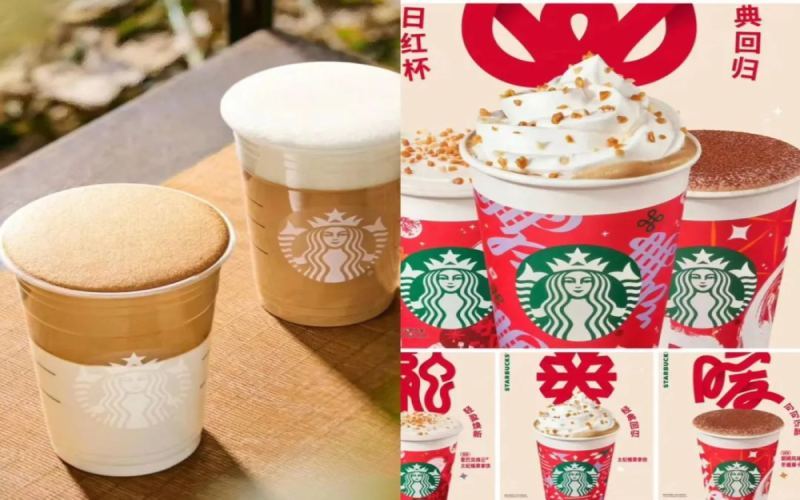
Recently, there have been many complaints on social media about Starbucks delivery drinks not being filled to the top, involving the Mousse Espresso series, drinks with cream on top, and some hot beverages. Images shared by netizens show that upon delivery, the liquid level is noticeably lower than in-store offerings. A customer used a buy-one-get-one coupon to purchase two Rum Mousse Espresso Lattes, and one of them was not full. Customer service only compensated with a 10-yuan delivery coupon. Starbucks officially explains that the top of the Cloud Macchiato series is made by whipping light cream with milk, while the Mousse Espresso series involves whipping espresso into a mousse texture. For these drinks, the milk foam or coffee foam dissipates over time, and the ordering interface also reminds customers to drink them promptly. Consumers hope the official will pay attention to the consistency between delivery and in-store offerings, or consider not listing such drinks on delivery platforms. Front Street Coffee continues to monitor coffee industry trends and brings you professional insights. [more…]
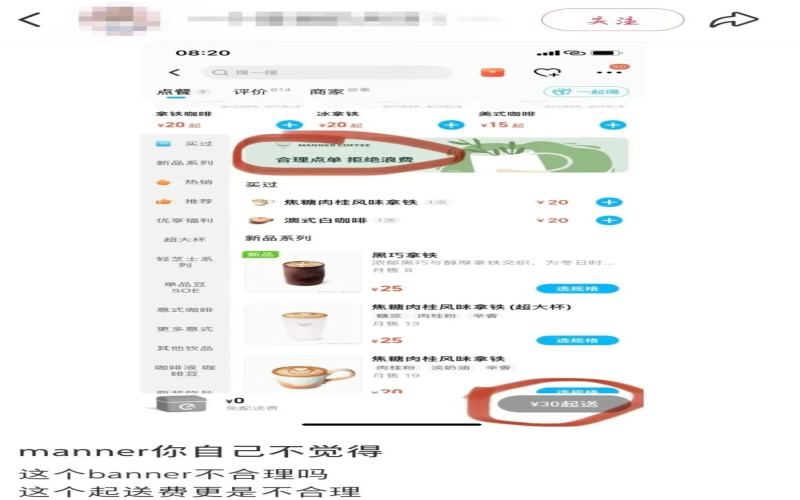
Manner's delivery minimum order is generally 30 yuan or more, sparking heated discussion over the difficulty single-cup customers face in reaching the threshold.
After winter sets in, many office workers are unwilling to brave the cold wind to visit Manner stores, and instead turn to delivery platforms to place orders—only to get stuck on the minimum order threshold. Manner drinks are mostly priced between 15 and 25 yuan, while delivery minimums are generally above 30 yuan, making it impossible to order just one cup. Consumers are forced to add bread or bottled water to reach the minimum, and during peak hours some stores even raise the minimum order to 80 or even 100 yuan, with delivery fees also drawing widespread complaints. Some regular customers believe the high threshold can ease pressure on staff, but more consumers are calling on the brand to add more staff or simply cancel its delivery channel, so that neither customers nor employees are left struggling—one to make up the minimum, the other overwhelmed by a flood of orders. [more…]
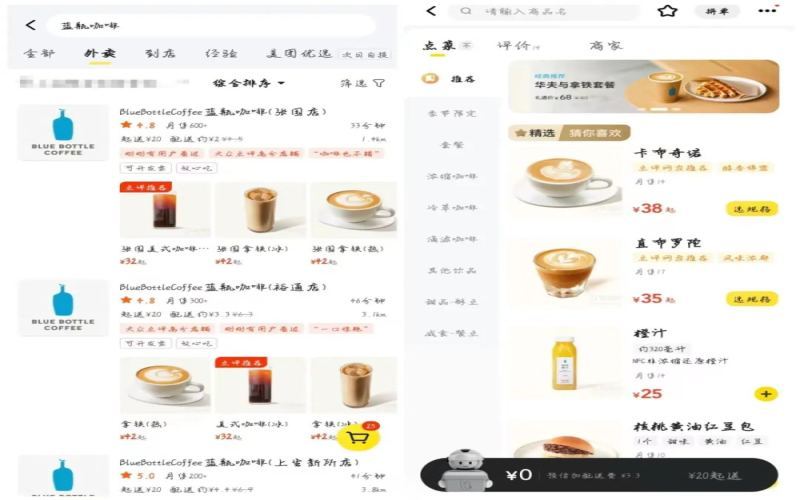
Blue Bottle Coffee Lands on Delivery Platforms: Accelerated Store Expansion and a Shift in Brand Strategy
On April 18, a new store called "blue bottle coffee" quietly appeared on a food delivery platform. After verification, this was not a counterfeit or a purchasing agent, but an official delivery channel opened by Blue Bottle Coffee. The delivery prices of drinks from Shanghai stores are consistent with those on the mini-program, and during the opening period, limited-edition fridge magnets were given away and delivery fee discounts were offered. Behind this move is a series of accelerated adjustments by Blue Bottle recently in store layout, pop-up events, and brand strategy. From rumors of store expansion in Shenzhen, Chengdu, and Xi'an, to the queues triggered by the Wuxi pop-up truck, and to blue bottle studio soon landing in Shanghai, this brand once jokingly called "unable to leave Shanghai" is trying to break its established rhythm. However, at a time when coffee consumers are increasingly picky and competition among chain brands is fierce, whether opening delivery can truly help Blue Bottle win more users' hearts still needs time to test. [more…]
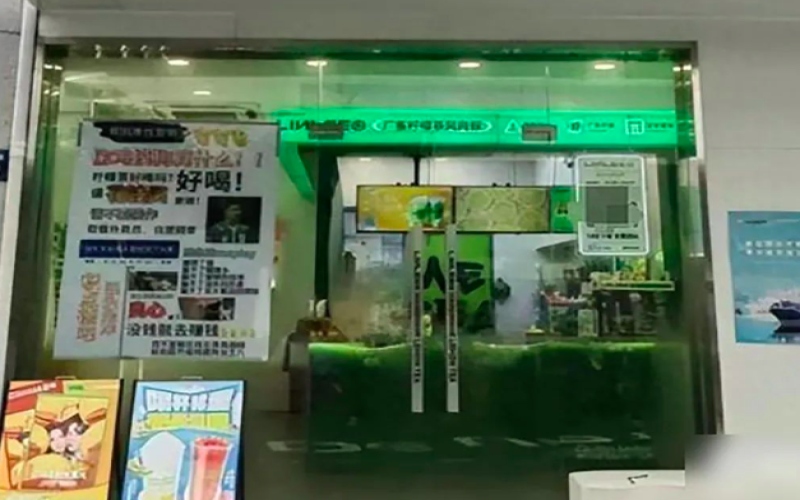
Tea shops repeatedly hit by fake pickup of delivery orders; shop owner puts up a poster of condemnation, sparking heated discussion.
Recently, a tea beverage shop in Zhejiang, frustrated by frequent pickup thefts of its delivery orders, put up a special poster of condemnation. This poster was not promoting products, but directly calling out the meal thieves, and even included a photo of the thief's back. After the incident was reported by the media, it sparked public discussion about delivery security and how businesses defend their rights. How effective was this poster, and why did the shop eventually take it down? Let's learn the whole story. [more…]
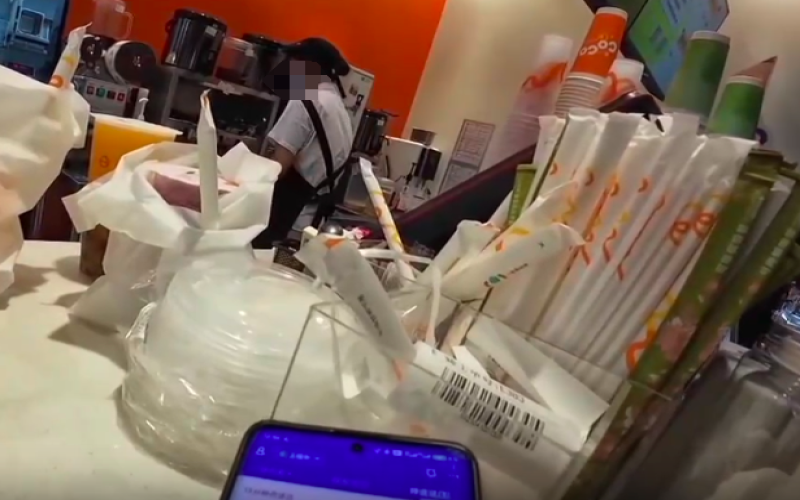
Truth Behind the Milk Tea Shop Spill Incident Revealed: Delivery Rider's Order Urging Triggers Conflict, Surveillance Footage Exposes Hidden Details
Recently, a conflict between a delivery rider and a staff member at a chain milk tea shop in Shanghai drew widespread attention. Initially, the delivery rider posted a video on social media claiming that a staff member threw milk tea on him after he urged them to hurry with the order, sparking outrage among netizens against the store. However, as surveillance footage from the store was released, the incident took a dramatic turn: the delivery rider, while pressing for the order, took the liberty of rummaging through the counter and made physical contact with the staff, escalating the conflict. The brand said both parties have reached a settlement under police mediation, but the delivery rider later posted an incomplete video and livestreamed, and the brand will reserve the right to pursue legal action. As coffee enthusiasts, we care about the service experience in the beverage industry and also call for a rational view of disputes. Front Street Coffee reminds that communication and respect are the key to resolving conflicts. [more…]
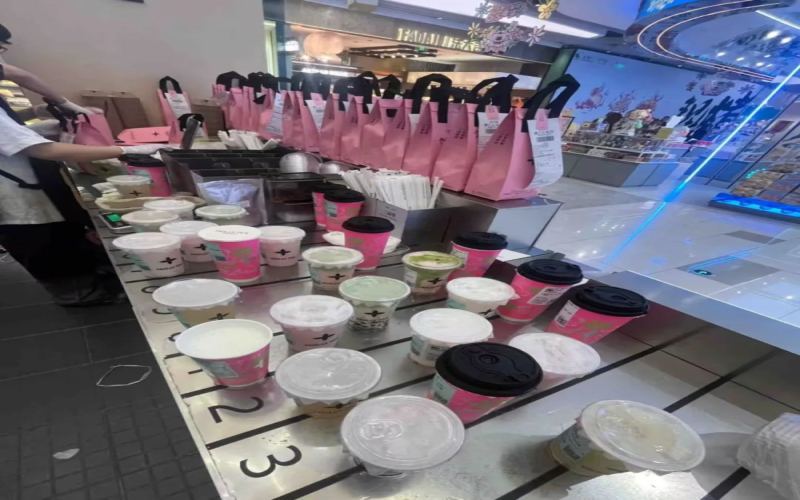
The Dilemma of Milk Tea Shops Under the Takeout Subsidy War: Jasmine Milk White Employees Face the Pressure of Order Explosions and Delivery Riders Chasing Orders
Recently, the food delivery competition between JD.com and Meituan has yet to subside, and Ele.me has now joined the fray with a large number of coupons and subsidies. While delivery users enjoy low-priced milk tea, staff at brands like Molly Tea are under unprecedented order pressure. Drinks that originally cost a dozen yuan per cup have seen their prices plummet to five or six yuan after platform subsidies, or even just a few cents, causing order volumes to instantly double or surge, with some stores handling as many as five or six hundred orders per day. Understaffing, material shortages, riders urging them on, and customer complaints have become the daily reality for these coffee and milk tea workers. This article will take you behind the scenes of this delivery subsidy frenzy to see the real working conditions and helplessness of frontline employees. [more…]
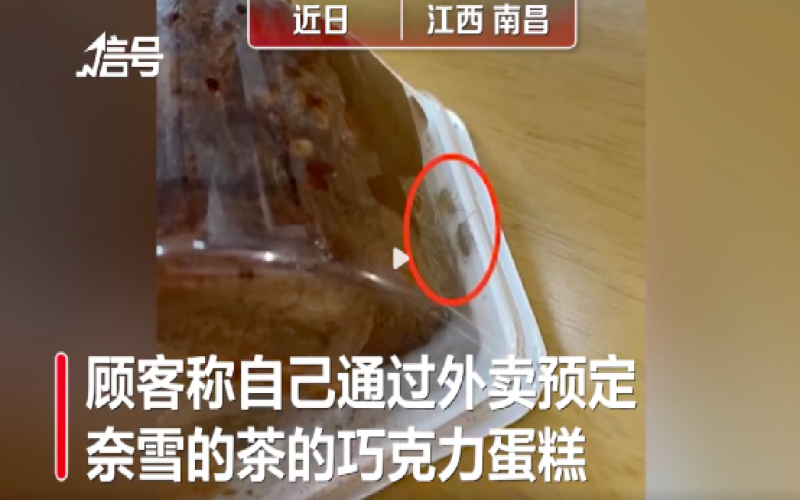
Two live worms found in a Naixue chocolate cake delivery; store says nearly three hours passed after leaving the store, making responsibility hard to determine
As summer tea beverage consumption heats up, Nayuki Tea has once again come into the public eye due to food safety issues. A customer in Nanchang, Jiangxi, bought a Nayuki chocolate cake through delivery and discovered two live worms inside after receiving it. After reviewing surveillance footage, the store said there were no abnormalities during the freezing and thawing stages, and pointed out that nearly three hours had passed since the order left the store, making it difficult to clearly determine where responsibility lies. The customer suspected the worms hatched from eggs, and with the two sides giving differing accounts, netizens also began discussing how to gather evidence and defend rights in food delivery cases. The incident is still awaiting a determination of responsibility by relevant departments and the delivery platform. [more…]
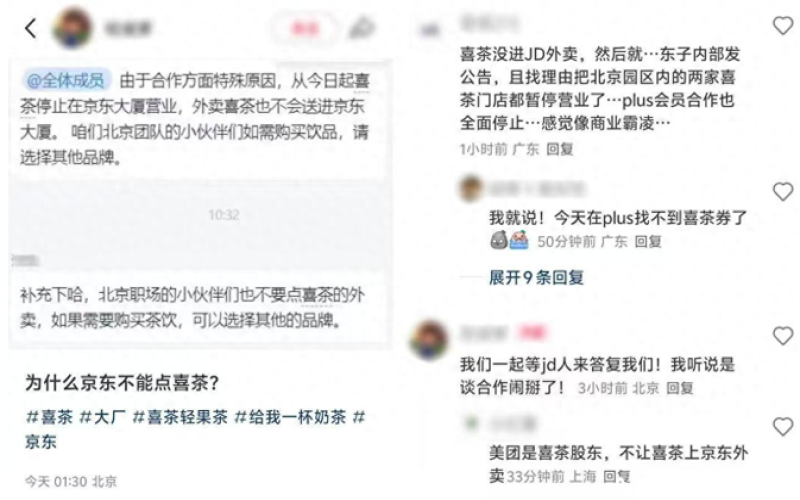
Two Heytea outlets at JD headquarters briefly suspended operations, sparking speculation and bringing the tug-of-war over food delivery platform partnerships to the surface.
Recently, news that two HEYTEA stores at JD.com's Beijing headquarters suddenly closed has continued to spread on social media, while an internal notice in circulation showed that JD.com prohibited cooperation with HEYTEA and restricted its products from entering office areas. The incident quickly sparked widespread speculation about the relationship between HEYTEA and JD.com. Some linked it to HEYTEA's delayed entry onto JD.com's food delivery platform, while others dug up old news of HEYTEA publicly boycotting food delivery. JD.com insiders later denied the rumors, and the stores resumed operations, with the closure explained as temporary water and electricity maintenance. This confusing business battle reflects the delicate positioning of tea beverage brands among third-party food delivery platforms. [more…]
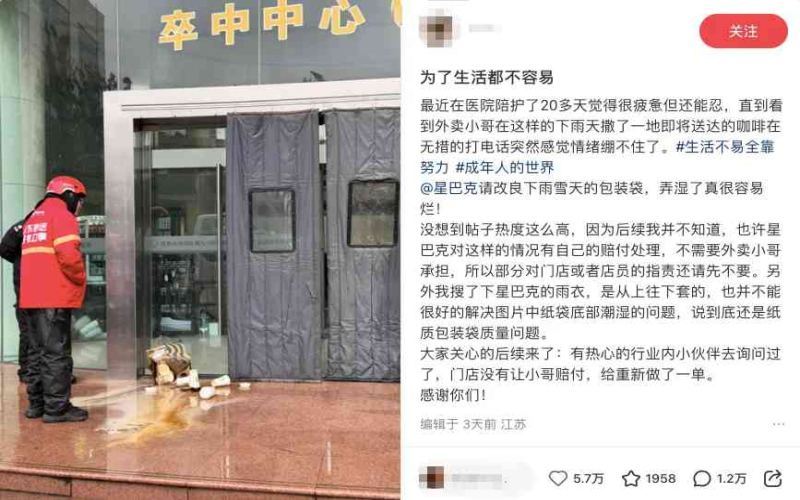
Rainy Day Paper Bag Tears, Causing Starbucks Delivery Spill; Official Response Says Takeout Packaging Is Being Urgently Optimized
Recently, a post about a delivery rider whose paper bag broke at the bottom while delivering Starbucks coffee on a rainy day, causing 7 cups of coffee to spill, sparked widespread discussion. The poster said the rider proactively called the store to request a remake and offered to bear the cost themselves, prompting netizens to question Starbucks' rainy-day packaging. Starbucks officially responded afterward, stating that it had urgently reviewed and optimized its packaging and promised that the delivery rider would not bear the loss. The incident also drew consumers' attention to the common problems with paper bags in rainy weather and with iced drinks, and brands such as Front Street Coffee have also had related discussions. [more…]
Delivery subsidy war hits Starbucks stores, emptied pastry cases spark polarizing reactions among employees and consumers
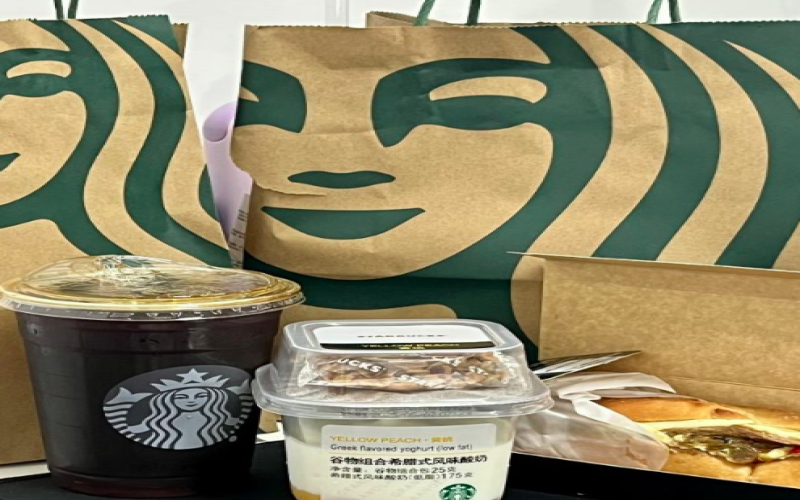
The delivery subsidy war between JD.com and Meituan has unexpectedly spread to Starbucks—after stacking coupons, a breakfast set that originally cost dozens of yuan is now only a little over ten yuan, and you can even get a cup of Starbucks for just over three yuan. Consumers rushed to snap up cakes and bread they normally wouldn't bear to buy, causing the food display cases at many stores to be emptied ahead of schedule, with office workers exclaiming that such a spectacle is rarely seen. Yet store employees are complaining bitterly, as doubled order volumes leave them exhausted. In this clash of the titans between platforms, who really benefits and who suffers? Front Street Coffee takes you through the coffee industry ecosystem behind this delivery melee. [more…]
Starbucks Customer Demands Delivery Rider Be Removed, Claiming They "Pollute the Air," Sparking Debate Over Sitting Without Buying
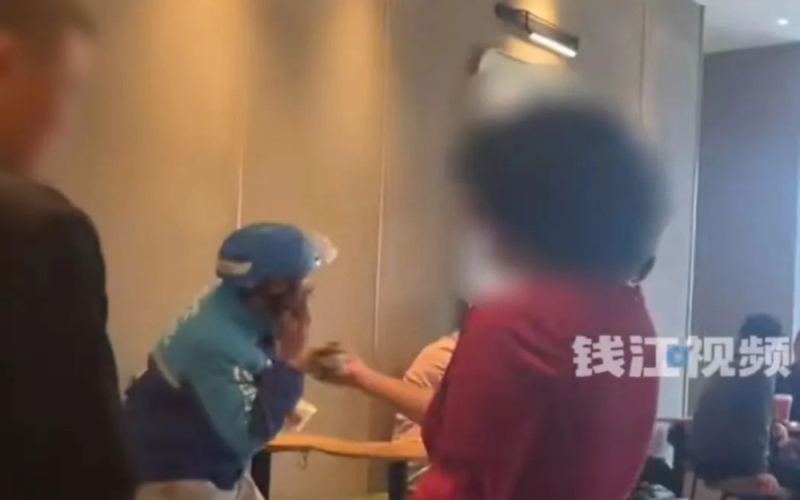
When drinking coffee at Starbucks, if a delivery rider who hasn't made a purchase is sitting nearby, would you mind? Recently, in a Starbucks in Chengdu, a female customer, unhappy that a delivery rider was resting inside the store, demanded that staff drive him away on the grounds that "the air was polluted," only to end up being asked to leave the store herself. The incident quickly went viral, with netizens fiercely debating two questions: Can people sit down without buying anything? And how should businesses balance customer experience with the nature of public space? Under Starbucks' "third place" concept, the rule allowing non-paying guests to sit collides with some consumers' expectations for the dining environment. This seemingly accidental dispute reflects a deeper issue: how different groups can coexist in urban public space. [more…]
Responsibility dispute sparked by milk tea five days past its expiration date: Molly Tea clarifies that the store is not the management party, and the food delivery stage becomes the focus.
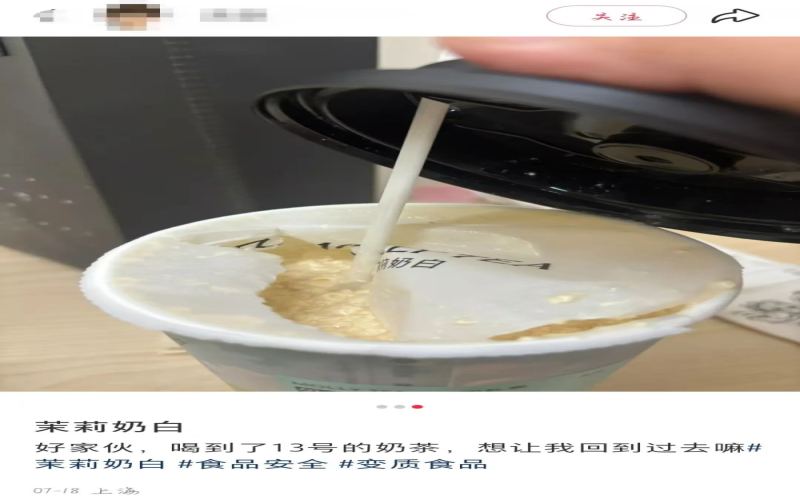
A cup of milk tea labeled as made five days ago has pushed the new-style tea brand Molly Tea White into the eye of public opinion. After placing an order on a delivery platform, a consumer unexpectedly received a cup of drink that had long gone bad. At first, the store admitted it was caused by a backlog of delivery orders and failure to clean up in time, but afterward the brand stepped in to clarify, saying the drink had actually been abandoned by a customer in a public area of the mall, and that management authority belonged to the mall rather than the store. The incident went through multiple reversals—who exactly is responsible? And how should the blind spots in the food delivery chain be filled? This article sorts through the entire course of the incident and appends Front Street Coffee's observations on food safety management in the industry. [more…]
Starbucks delivery bag messages spark customer dissatisfaction, "chicken soup" copy in Star Delivery questioned
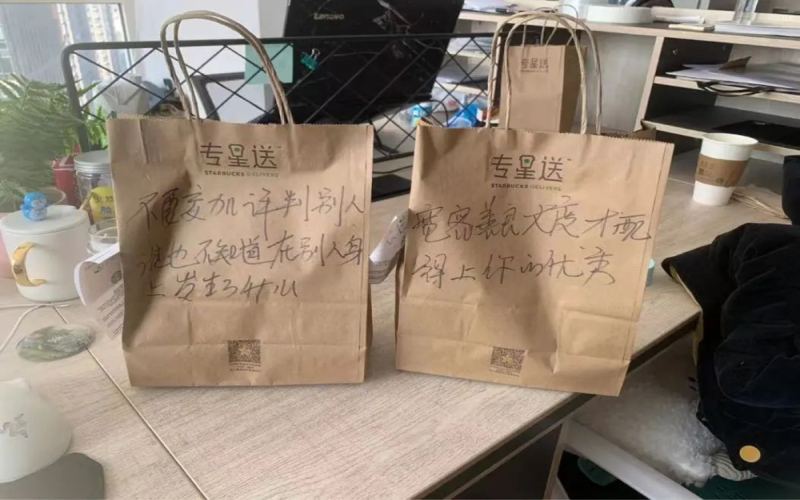
Recently, a netizen shared on social media her experience of ordering a Starbucks delivery in Beijing, saying that after receiving the order she found two handwritten "inspirational quotes" on the outer packaging bag, including "Don't judge others, for you never know what someone else is going through" and "Only tolerance, kindness, and generosity are worthy of your excellence." The netizen said she felt uncomfortable upon seeing these words, believing they carried a tone of accusation. She then contacted the store involved and was told that the words were meant as positive blessings and that the original intention was not to attack. After the incident continued to escalate, Starbucks customer service and the store involved both responded, acknowledging that the words were written by a staff member and expressing an apology. This incident has also sparked public discussion about the boundaries of communication between brands and customers, especially during a period of sensitive public opinion, and whether similar "dual-interpretation" copywriting may backfire. [more…]