







Search Results for: Coffee Tasting Period
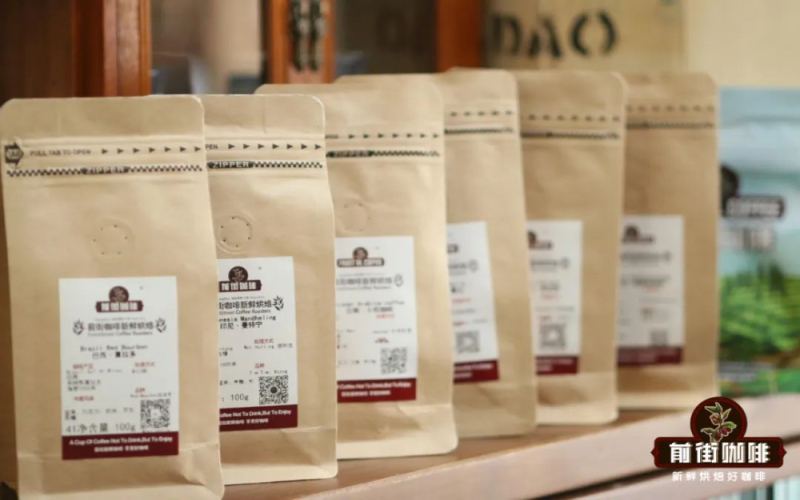
What's the difference between coffee bean shelf life and peak flavor period? An analysis of how production date affects flavor and the necessity of resting beans
Have you ever paid attention to the expiration date and production date on a bag of coffee beans? For specialty coffee, focusing only on the food-safety expiration date is not enough—we care more about the peak period of coffee flavor, the "prime tasting window." During this window, the aromatic characteristics of the coffee beans are fully expressed, rather than the coffee simply being a safe drink. At the same time, opinions vary widely on the "resting period" for beans: some suggest drinking them as soon as you receive them, while others insist on waiting several days. This article will start from the relationships among the expiration date, the prime tasting window, the production date, and the resting period to help you clarify these concepts, and will share Front Street Coffee's practical recommendations, so you can more confidently judge when to enjoy a good cup of coffee. [more…]
Coffee Bean Resting Period | What Is the Coffee Bean Peak Flavor Window? Why Do Freshly Roasted Coffee Beans Need Resting? How Should Coffee Beans Be Rested and Awakened?
For professional coffee knowledge exchange and more coffee bean information, please follow Coffee Workshop (WeChat official account: cafe_style). For more specialty coffee beans, please add our personal WeChat Front Street Coffee (FrontStreet Coffee), WeChat ID: qjcoffeex. "Are coffee beans [more…]
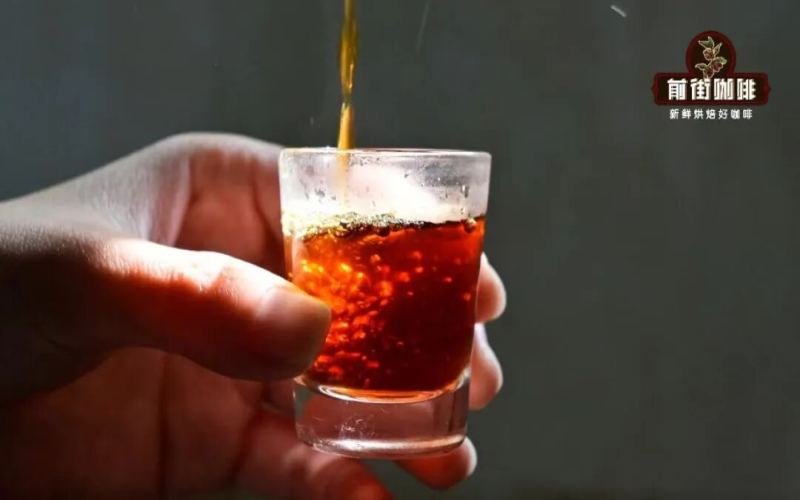
Coffee Tasting Time | How soon after brewing is it best to finish a pour-over coffee? What changes in the coffee flavor of a pour-over coffee the longer it sits?
The peak flavor period refers to the optimal window for tasting coffee beans after roasting is completed. During this time, because there is not too much carbon dioxide interference, and the coffee's flavor compounds have not yet been lost in large amounts, we can brew coffee with the richest aroma and obtain the most complete flavor experience. But did you know, [more…]

Can Drip Bag Black Coffee Be Brewed Repeatedly? A Detailed Guide to Buying Brazilian, Mandheling, and Yirgacheffe and the Standard Pour-Over Method
Drip bag coffee has quickly become part of daily life thanks to its convenience and the advantage of freshly ground coffee, but many people are still confused: can one bag be repeatedly re-brewed? How should you choose based on acidity and body? From the perspective of Front Street Specialty Coffee, this article sorts out the Japanese origins and market popularity of drip bag coffee, explains why a second brewing is not recommended, and discusses key purchasing points from roast date, packaging best-by period, and flavor orientation, covering examples such as Front Street · Brazil Semi-Washed, Front Street · Panama Butterfly, Front Street · Indonesia Mandheling, and Front Street · Ethiopia Yirgacheffe. Finally, it includes the complete steps from warming the cup, water temperature, hanging the bag, pre-wetting, pouring, to serving, to help you consistently brew a cup of fragrant black coffee. [more…]

Drip Bag Coffee | What Are the Differences and Similarities Between Drip Bag Coffee and Hanging Ear Coffee? How to Brew Drip Bag Coffee? How to Brew Hot Coffee with a Hanging Ear Coffee Bag?
Speaking of drip bag coffee, this reminds Front Street of the convenient and simple hanging ear coffee, but they are not actually the same thing. In terms of steps, drip bag coffee is even simpler than hanging ear coffee—just put it into a clean container and add liquid, such as hot water, cold water or milk. [more…]

Can you still drink coffee beans after they expire? Understanding the difference between shelf life and peak flavor period, plus recommendations
The shelf life of coffee beans is usually longer than that of most foods because they are a low-water-activity food and are not prone to spoilage. The packaging of coffee beans sold by Front Street Coffee indicates a shelf life of one year; this period has been determined through professional testing, and under proper storage conditions, the risk of spoilage is relatively low. However, in addition to the shelf life, coffee beans also have a more critical "flavor window"—the optimal tasting period. After the flavor window passes, aromatics are largely lost due to volatilization, and the coffee becomes mediocre. So, can expired coffee beans still be drunk? This article will analyze in detail the difference between shelf life and flavor window from the two perspectives of food safety and flavor performance, and give Front Street Coffee's drinking recommendations. [more…]
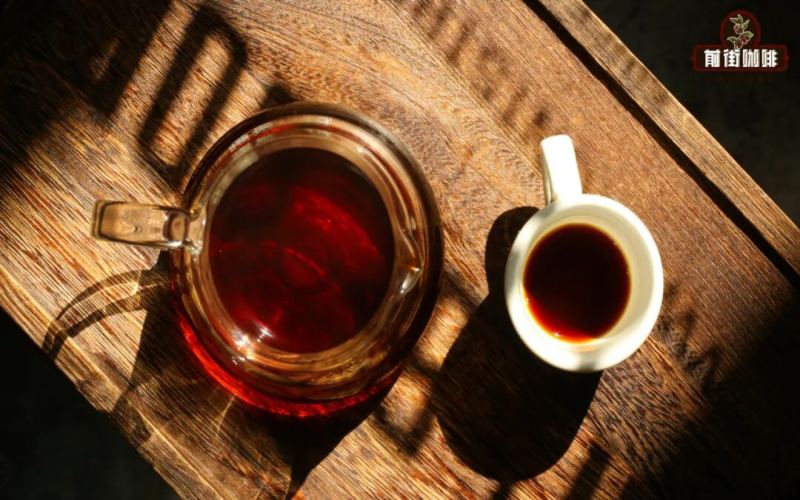
Coffee Storage | How long is coffee's optimal flavor period? How long can ground coffee be stored after grinding? Which storage method can extend the optimal flavor period of ground coffee?
Recently, due to the crazy discounts of Double Eleven, many friends have gathered to place orders online, and Front Street Coffee's Taobao Tmall customer service has therefore received more coffee-related questions than ever before. Questions related to grinding on demand, such as "how long can coffee beans last after being ground into powder" and "within how many days after grinding is it best to finish drinking it," are among the questions these friends have been consulting about recently. [more…]
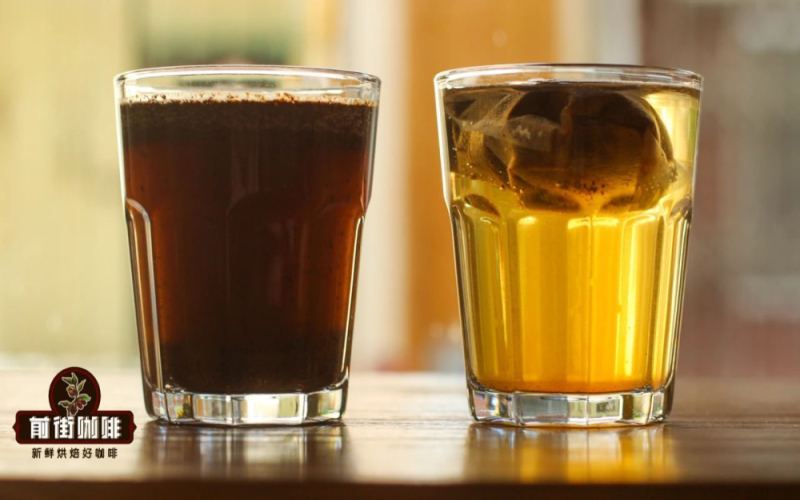
Can teabag coffee only be brewed hot or cold? A detailed guide to drip bag coffee brewing parameters and freshness assessment tips
Bagged coffee and drip bag coffee are often lumped together, but in fact each has its own characteristics in terms of operation and extraction principles. Bagged coffee only needs to be placed in a container with liquid added, and is suitable for both hot and cold, and can even be steeped in coconut milk or fruit wine for a different flavor; drip bag coffee is closer to a simplified version of pour-over, with requirements for water temperature, pouring technique, and freshness. This article will start with the extraction principle of bagged coffee, systematically sort out the brewing key points of drip bag coffee, common misconceptions, and methods for judging freshness, and attach Front Street Coffee's recommended drip bag selections by origin as well as complete brewing steps, to help coffee lovers consistently produce a good cup of coffee at home. [more…]
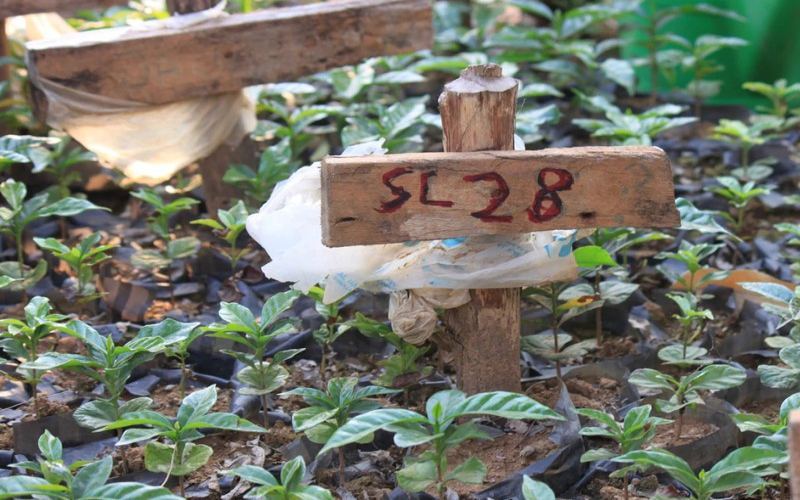
The Tasting Window for Single-Origin Espresso Beans: The Opening Rhythm from the Degassing Period to Peak Flavor
Freshly roasted single-origin espresso beans trap a large amount of carbon dioxide gas inside. This gas builds up intense internal pressure in the early stages after roasting. If the beans are ground and brewed straight out of the roaster, the gas hinders full contact between the hot water and the coffee particles, producing a sharp, harsh acidity in the cup, or causing the espresso crema [more…]
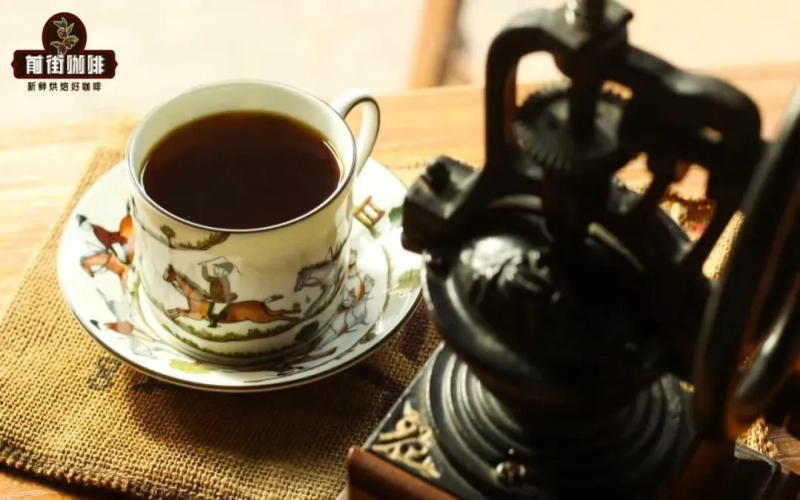
How long can coffee maintain its optimal flavor window? Why does the flavor deteriorate after cooling? Is storing it in a thermos feasible?
Freshly brewed coffee is rich with aroma, but once you get delayed by something, the coffee left to cool often loses its fragrance and its taste deteriorates, making it seem like a completely different cup from when it was first brewed. This shows that the coffee in your cup also has an optimal window for enjoyment, and beyond that window, the experience drops off noticeably. So, is there a way to extend this golden tasting period? Front Street Coffee once shared a simple method: create a relatively sealed environment for the coffee, such as putting on a cup lid or pouring it into a thermos. This article will explain, from the perspectives of the concentration gradient principle behind aroma volatilization and oxidation reactions, why coffee tastes bad after it cools, and how sealed storage slows the loss of flavor, while also reminding you that the container capacity should not be too large, so that every cup of coffee can be enjoyed in its best state. [more…]
Can Drip Coffee Bags Be Reused for Multiple Brews? A Detailed Guide to the Correct Brewing Method for Mandheling, Yirgacheffe, and Brazil Drip Black Coffee
Drip bag coffee, with its convenient and efficient characteristics, has become the first choice for many coffee lovers in their daily drinking. But there are still many questions surrounding drip bag coffee: Can it be brewed repeatedly? How to choose a flavor that suits you? How to brew it to get a cup of rich and aromatic black coffee? This article will start from the origin of drip bag coffee, answer the question of whether it can be brewed multiple times, and introduce in detail the key points of selection and the correct brewing steps. At the same time, combined with specific products such as Front Street. Mandheling, Front Street. Yirgacheffe, and Front Street. Brazil Semi-washed, it will help you easily brew a delicious cup of black coffee at home. [more…]
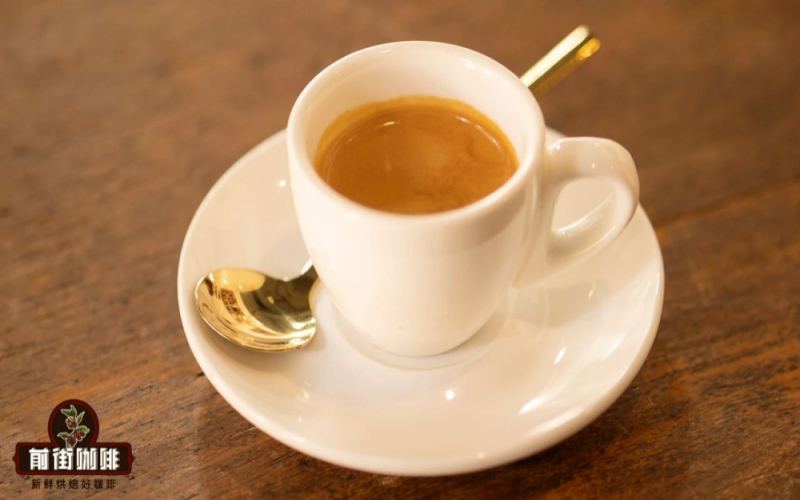
A Detailed Guide to Espresso Making Standards and Extraction Parameters, and a Buying Guide for Front Street Coffee's Espresso Blend Beans
As the soul of a café's offerings, espresso's preparation process and extraction standards have always been a focal point for coffee enthusiasts. Starting from international technical standards, this article will provide a detailed interpretation of how the six major extraction parameters—dose, ratio, time, flow rate, pressure, and water temperature—affect espresso flavor, helping readers understand how to make a proper Espresso. At the same time, the article will introduce several espresso blend coffee beans currently sold by Front Street Coffee, including Black Cocoa Blend, Specialty Blend, Commercial Blend, and Strawberry Candy Blend, covering specific recipes, flavor descriptions, and suitable applications. Finally, we will also remind everyone to pay attention to the roasting date and optimal flavor period when purchasing coffee beans, ensuring that every cup of coffee can present its best state. [more…]
Which country did drip bag coffee originate from? A detailed explanation of the historical background, core characteristics, and water volume for brewing with 10 grams of powder
Drip bag coffee has won the favor of many coffee lovers in a fast-paced life thanks to its convenience and efficiency. But there are also many questions surrounding it: Which country actually invented drip bag coffee? How much water should be used for a 10-gram packet of grounds? Can it be brewed repeatedly? This article will start with the historical origins of drip bag coffee, sort out its essential differences from instant coffee, explain why multiple brews are not recommended, and share practical methods for choosing fresh drip bag coffee. At the same time, Front Street Coffee combines the flavor performance of different producing regions, processing methods, and roast levels to provide a complete drip bag brewing process, including warming the cup, water temperature control, hanging the bag, pre-wetting, and pouring, to help you consistently brew a cup of full-aroma black coffee. [more…]
Where to Source Beans for Your Independent Coffee Shop? Front Street Coffee Bean Recommendations and Key Purchasing Considerations
Planning to open a coffee shop—where should you buy beans, and how should you choose them? This article centers on the sourcing dilemmas faced by independent cafés and small neighborhood shops, and systematically sorts through the highlights of Front Street Coffee’s bean lineup: there are more than 50 specialty beans, along with 4 espresso blends tucked in as well. The article focuses on the widely popular washed Yirgacheffe and PWN·Golden Mandheling, including origin information, flavor descriptions, and brewing parameters, and then breaks down one by one the positioning and recipe approach of the four espresso blends—Black Cocoa, Specialty, Commercial, and Warm Sun. Finally, it summarizes practical points to note when buying coffee beans—check the roast date, grasp the optimal tasting window, choose beans or ground coffee, and select beans according to the extraction method—to help you find a reliable coffee bean source. [more…]
Coffee Storage | Which is fresher: pre-ground coffee or freshly roasted coffee beans? How long is the shelf life of coffee beans? Can proper coffee bean storage methods extend the freshness of coffee?
Front Street recently noticed that some coffee-loving friends have stored their coffee beans unopened for two months, believing that as long as the bag is unopened, the beans won't go bad. In fact, it's true they won't spoil, but this will affect the flavor of the coffee beans. So in this next article, Front Street will explain a bit about cof [more…]
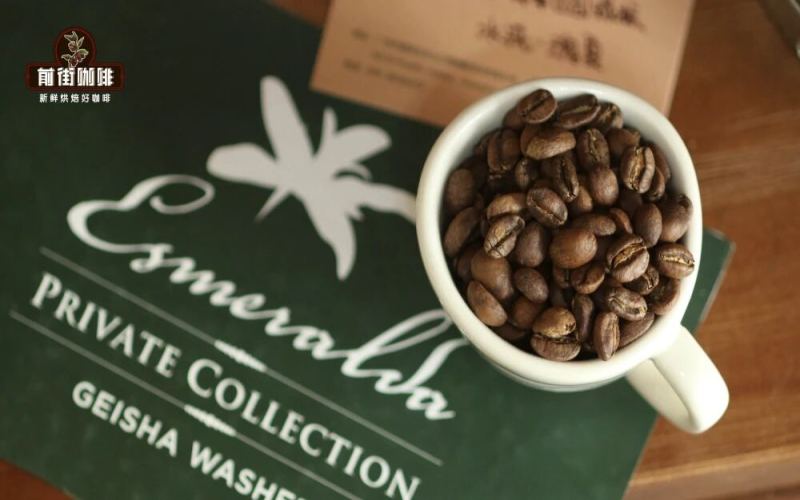
Detailed Guide to Pour-Over Parameters for Premium Geisha and Blue Mountain Coffee Beans, with Bean Resting Period and Optimal Tasting Time
Faced with a bag of expensive auction-grade coffee beans, many people brew with great trepidation, yet the results are often disappointing. What exactly makes high-priced beans so expensive? How can we avoid wasting them? Drawing on Front Street's practical experience, this article centers on three core points: "not too fresh but brew while fresh," "understand the basic information of the coffee beans," and "improvements in the details." Using the light-roast representative Front Street Emerald Estate Red Label Geisha and the medium-dark roast representative Front Street Blue Mountain No. 1 as examples, it provides specific parameters for grind size, coffee-to-water ratio, water temperature, and pouring technique one by one, while also explaining the resting recommendations of 4~6 days for medium-dark roasted beans and 7~8 days for medium-light roasted beans, helping you find the optimal flavor window for each bean and brew a rich, layered cup of good coffee. [more…]

Why Light-Roast Pour-Over Coffee Tastes More Acidic as It Cools, and Recommended Tasting Times
Many coffee enthusiasts notice that when brewing light-roast coffee, it is rich in aroma and stands out with fruity sweetness right after brewing, but as the temperature drops, the sourness becomes especially pronounced. Is this phenomenon normal? What sensory and chemical reasons lie behind it? Front Street Coffee will analyze this from two dimensions: the patterns of human taste perception and the changes in coffee's own components, explaining the differences in how bitterness, sweetness, and sourness are perceived at different temperatures, as well as the impact of aroma volatilization on the flavor experience. At the same time, the article will also discuss the time windows for tasting at high, medium, and low temperatures, and explain the bitterness and astringency caused by the release of tannic acid, helping you fully experience a cup of coffee's flavor layers within the optimal period. [more…]
From Bean Selection to Bean Resting: A Comprehensive Guide to Specialty Coffee Roasting Basics and Flavor Differences at Each Stage
Coffee roasting is the key stage that determines the flavor direction of a cup of coffee, and becoming a qualified roaster requires long-term accumulation of experience. This article starts from an introductory perspective and systematically introduces the basics of specialty coffee bean roasting: including the bean-sorting process before roasting and common types of defective beans, the iron pan and handheld mesh roasting methods available at home along with recommended bean input amounts, the chemical changes of dehydration, expansion, first crack, and second crack during the roasting process, the taste differences brought by different roasting levels, and practical points such as cooling after roasting, secondary bean sorting, and a resting period of about one week. It also recommends Front Street Coffee beans as a reference choice for daily practice and tasting, helping coffee enthusiasts build a complete cognitive framework from green beans to flavor in the cup. [more…]
Jamaican Blue Mountain Coffee Flavor Analysis: A Complete Tasting Guide from Origin and Grade to Pour-Over Extraction
Jamaican Blue Mountain coffee is renowned worldwide for its balanced and elegant flavor, but coffee beans that truly meet CIB standards are scarce, and the grading is strict. This article will guide you through the four major Blue Mountain producing regions, the green bean grading standards, the environmental philosophy of Clifton Estate, and Front Street Coffee's recommended brewing parameters and flavor profile for Blue Mountain No. 1 pour-over. From bean selection to brewing details, it will help you fully master the key tasting points of this legendary coffee and experience the classic Blue Mountain charm where acidity, sweetness, bitterness, and sweetness blend together. [more…]

Pros and Cons of Drip Bag Coffee | How to Brew Jamaican Blue Mountain No. 1 Drip Coffee Bags? What Are the Wrong Ways to Brew Filter Coffee Bags?
For more specialty coffee knowledge, please follow the WeChat official account: Front Street Coffee (FrontStreet Coffee). Drip bag coffee is loved by coffee enthusiasts for its convenience, so many novice coffee lovers who have just started using drip bag coffee ask Front Street Coffee (FrontSt [more…]