







What are the key points of drip bag coffee brewing?
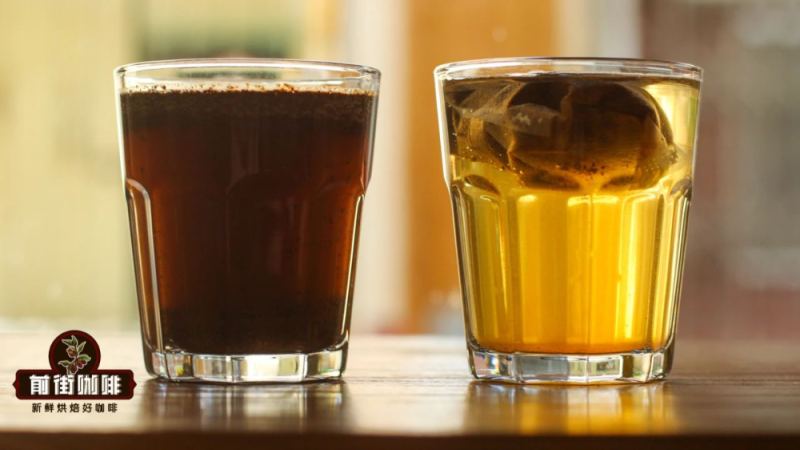
Drip bag coffee is placed in a container with liquid added and works with hot water, cold water or milk, so it suits both hot and cold brewing. Hang-ear coffee is different: it is closer to a simplified pour-over and depends on water temperature, pouring technique and freshness. Getting a good cup from a drip bag is mostly about time and agitation.
The grounds sit together inside the bag, and water penetrates slowly from the outside in, so the outer layer saturates first and releases most of the flavor. Stirring the bag during soaking evens out the coffee bed and makes the result fuller. Know how to prepare coffee powder and liquid in the right proportion, and check freshness before brewing, since stale grounds flatten the cup.
Drip bag coffee and hang-ear coffee are often lumped together, but they actually have their own characteristics in terms of operation and extraction principles. Drip bag coffee only needs to be placed in a container with liquid added, and is suitable for both hot and cold, and can even be soaked in coconut juice or fruit wine for a unique flavor; hang-ear coffee is closer to a simplified version of pour-over, with requirements for water temperature, pouring technique, and freshness. This article will start with the extraction principle of drip bag coffee, systematically sort out the brewing key points, common misconceptions, and freshness identification methods of hang-ear coffee, and attach Front Street Coffee's recommended origin hang-ear selections and complete brewing steps, to help coffee lovers consistently produce a good cup of coffee at home.
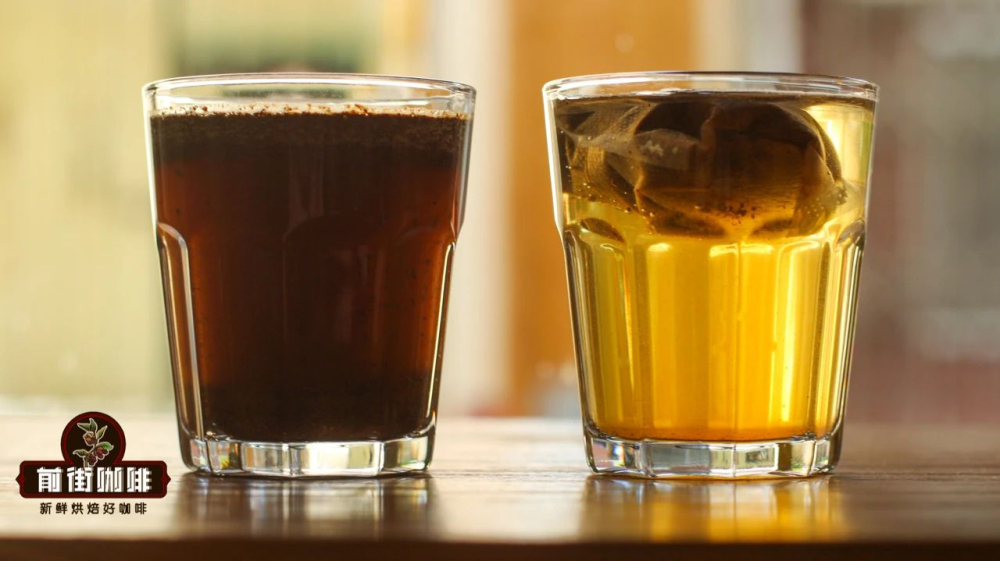
When drip bag coffee is mentioned, Front Street always thinks of the easy-to-use hang-ear coffee, but the two are not the same thing.
From the perspective of the operation process, drip bag coffee is even easier than hang-ear coffee. Just throw it into a clean container and pour in liquid, and it is done. Hot water, cold water, and even milk all work. This is a coffee extraction method that has gradually become popular in the past two years.
But in terms of the final goal, it is quite similar to the hang-ear bag coffee familiar to the public, as both are meant to let people get a cup of coffee more quickly, without buying equipment or mastering techniques. With hot water, cold water, or milk on hand, you can start brewing. If you want more variations, you can also, like Front Street, soak it with pure coconut juice, various fruit wines, mixed drinks, or other liquids, thereby experiencing different flavors and enjoying the fun coffee brings.
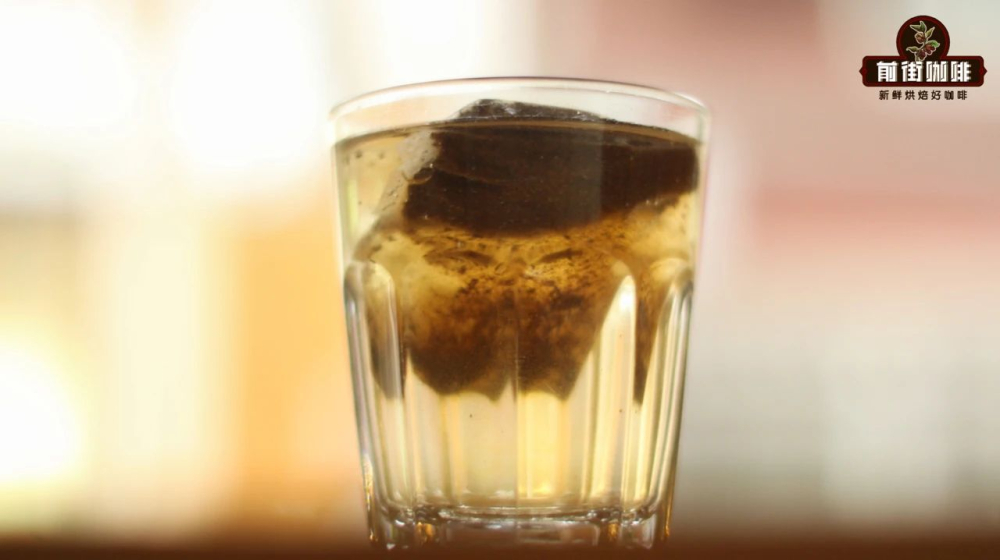
The principle of extracting coffee with a tea bag is not complicated: after the coffee grounds are wrapped in the tea bag, they gather together. As time passes, the fine powder inside will not "escape," because water can only slowly penetrate from the outside inward. The outer coffee grounds will inevitably be soaked by water to saturation first, and the flavor substances are released along with it. However, if you want the coffee taste to be fuller, you need to properly stir the coffee bag during soaking so that the coffee bed extracts more evenly.
Having discussed drip bag coffee, let's move on to hang-ear coffee.
Front Street believes that hang-ear coffee is equivalent to a simplified version of pour-over, with certain attention needed for brewing time, temperature, and water amount. The water temperature for hang-ear coffee is especially critical and needs to be determined according to the flavor of the origin and the degree of roasting. For dark roasting, Front Street hang-ear coffee recommends using a water temperature of 88°C; for light roasting, it is best to use 90 to 92°C. Friends do not need to worry about not being able to distinguish the roast level. Front Street's official account has already published relevant knowledge and brewing methods for hang-ear coffee, so you can buy with confidence.
Many customers often come to the FrontStreet Coffee store to ask whether hang-ear coffee can be brewed repeatedly. In fact, a small bag of hang-ear coffee usually contains 10 grams of grounds, and 10 grams of grounds is generally only enough for one brew. When brewing repeatedly, you may feel the taste is still quite strong and it seems you can still drink it, but that is not the case. Soaking hang-ear coffee for a long time will increase the amount of caffeine released as the soaking time increases. This is actually a sign of over-extraction, and bitterness and astringency follow. The best flavor of this coffee has basically disappeared. Even if the coffee is still within its optimal tasting period, multiple brews will dilute the best flavor, so Front Street usually does not recommend that customers repeatedly brew the same hang-ear coffee.
Everyone buys hang-ear coffee and brews it at home. If you fail to brew out the best flavor, that bag of hang-ear coffee is wasted. So be sure to brew it within the coffee's optimal tasting period. To brew the best taste of hang-ear coffee, you must pay attention to the brewing parameters. Although the brewing process of hang-ear coffee is similar to pour-over, Front Street suggests that everyone not directly copy pour-over parameters. Compared with V60, the hang-ear design is not conducive to heat preservation, and the actual temperature will be on the low side, so Front Street suggests appropriately raising the water temperature by 1°C during brewing, which is more conducive to extracting the best flavor.
If you come to the Front Street store, you will see that when baristas make pour-over for customers, they usually use 15 grams of coffee grounds to brew 225 milliliters of coffee, and will never use leftover coffee grounds from last time to brew another cup for a customer, because Front Street wants to present every customer with a cup of coffee at its best flavor. This is the original intention of FrontStreet Coffee.
In addition, Front Street teaches everyone a little trick to judge whether the hang-ear coffee you bought is fresh. First, look at the roasting date marked on the hang-ear packaging. This date refers to the time the coffee beans came out of the roaster. To judge whether coffee beans are fresh, we look at the roasting date, not the shelf life. Freshly roasted coffee will undergo self-fermentation within a week, and the flavor tends toward perfection. After this stage, the coffee begins to oxidize and volatilize, and its unique aroma is no longer so obvious.
Generally speaking, hang-ear coffee with no date marked on the packaging may have been sitting for a relatively long time. Although the shelf life is usually much longer than the optimal tasting period, and passing the optimal tasting period does not mean it cannot be drunk, Front Street believes that coffee brewed after the optimal tasting period will have a discounted flavor and mouthfeel. This is because when brewed within the optimal tasting period, the coffee oils will be very rich, with the coffee's unique sweetness, and the aroma it gives off is refreshing and delightful.
Furthermore, when brewing hang-ear coffee, if the coffee is fresh and within the optimal tasting period, after hot water is poured in, the center of the coffee bed will rise. The fresher it is, the more obvious this is. This phenomenon is usually called "hamburger brewing." Generally speaking, light-roasted beans expand less noticeably than dark-roasted beans.
Also, Front Street suggests that when buying hang-ear coffee, try not to choose ones made more than five days ago, because after coffee beans are ground into powder, the unique aroma will quickly be lost and the flavor will be greatly reduced. Just like customers who come to FrontStreet Coffee to buy coffee beans, we suggest grinding right before drinking. There are also many customers who do not have a grinder at home and will grind directly into powder at the Front Street store, but Front Street still suggests trying to finish drinking it within the optimal tasting period.
Once you have decided to buy hang-ear coffee, the problem troubling you becomes how to choose a brand that suits you. Front Street suggests that it is best to buy seasonal hang-ear bags from the origin. For example, Front Street's seasonal hang-ear bags mainly select hang-ear coffee that best represents the flavor of seven origins, somewhat similar to the positioning of Front Street's daily beans.
For example, if you like coffee with citrus fruit notes, Front Street would recommend Ethiopia Yirgacheffe hang-ear coffee; if you prefer a sweeter flavor, such as sweet orange or honey, then you can try Front Street Guatemala Huehuetenango hang-ear coffee; if you like the rich nutty and chocolate flavors of the Americas, Front Street Brazil Cerrado, Colombia Huila, and Costa Rica Tarrazu hang-ear coffees are most suitable.
If your taste is relatively intense, you can absolutely boldly try Front Street's Indonesia Mandheling hang-ear coffee. Its wild herbal and medicinal plant notes will leave a deep impression on you! If you cannot accept Mandheling's unique mouthfeel, you might as well try Front Street Yunnan small-batch hang-ear coffee. Its light fruity and tea-like taste is a bit like drinking tea. If you have difficulty making choices, then take some time to visit the FrontStreet Coffee store and let the barista help you choose a hang-ear coffee brand that suits you.
In addition, Front Street has attached the brewing method for hang-ear coffee.
The brewing process of hang-ear coffee
1. Warm the cup - Prepare the cup and first pour in some hot water to warm it. The purpose is to keep the brewed coffee from cooling too quickly. Coffee flavor changes continuously as the temperature drops. If it cools too quickly, you will miss many different mouthfeels.
2. Water temperature - The water temperature for brewing is very important. It is recommended to be between 85 and 90°C. If the brewed coffee is too bitter, you can try lowering the water temperature. Conversely, if it is too weak or too astringent, you can raise the water temperature, but the range should still be between 85 and 90°C.
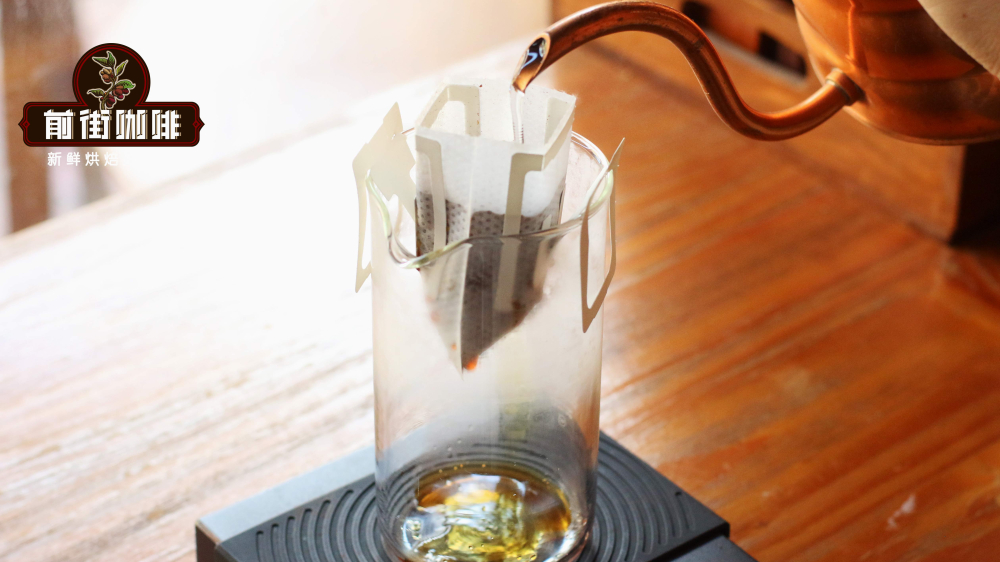
3. Hang the coffee - First gently shake the hang-ear bag to let the coffee grounds settle, to avoid coffee grounds scattering when tearing it open. Then pour out the hot water in the cup, tear off the seal on the hang-ear bag, open the paper hang-ears on both sides, and shake to level the coffee grounds, and finally hang it on the rim of the cup.
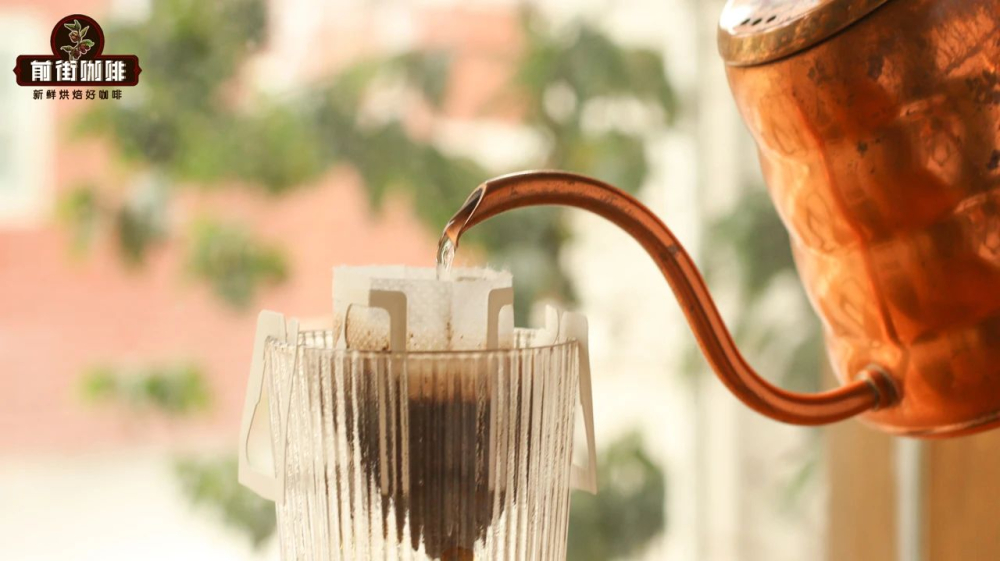
4. Pre-wet -
The amount of water for the first pour should be just enough to wet the coffee grounds. Too much or too little will affect the flavor. Then wait 20 seconds to let the coffee grounds fully absorb water. The strength of the coffee can be adjusted by the pre-wetting time; extending it to 40 seconds can produce a stronger coffee.
5. Pouring - For the second pour, you can fill it to eight-tenths full of the filter paper. It is best to use a thin, slender stream of water. After the water level drops to the pre-wetted height, you can continue pouring to eight-tenths full until 150 to 180 cc has been extracted. Once extraction is complete, there is no need to wait for all the water in the filter paper to flow out; just discard it directly.
6. Enjoy the coffee! Remember that as the temperature changes, you can taste different flavors!
The above content is compiled by CoffeeHunters, a coffee news website.


