








Can coffee drip bags be brewed more than once?
No. A drip bag is designed for a single brew, and a second pour mostly pulls out woody, bitter compounds rather than flavor. The bag was invented by UCC Ueshima Coffee in Japan for convenience, and each sachet holds a pre-measured dose of ground coffee meant to be used once, so a repeat brew tends to taste thin, harsh, and watery rather than delicious coffee.
Buying decisions matter more than repeat brewing. Check the roast date and packaging shelf life, then choose by flavor: Brazilian pulped natural for nutty sweetness, Indonesia Mandheling for body, Ethiopia Yirgacheffe for floral acidity. Standard steps: warm the cup, use water around 90 to 93C, hang the bag, pre-wet, pour in stages, then serve.
Drip bag coffee has quickly entered daily life thanks to its convenience and fresh-ground advantages, but many people are still confused: can one bag be repeatedly brewed? How should acidity and body be chosen? From the perspective of Front Street Specialty Coffee, this article sorts out the Japanese origins and market popularity of drip bag coffee, explains why a second brew is not recommended, and discusses purchasing points from roast date and packaging shelf life to flavor orientation, covering examples such as Front Street Brazil Pulped Natural, Front Street Panama Butterfly, Front Street Indonesia Mandheling, and Front Street Ethiopia Yirgacheffe. Finally, it includes the complete steps from warming the cup, water temperature, hanging the bag, pre-wetting, pouring, to serving, to help you consistently brew a cup of aromatic black coffee.
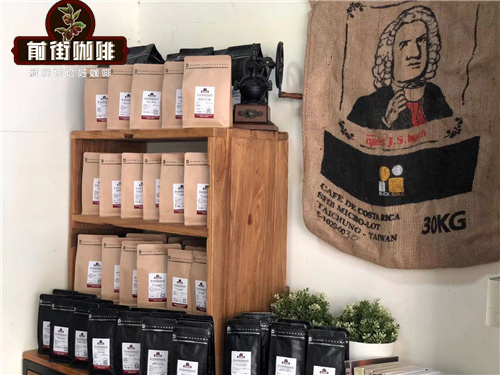
As the specialty coffee wave continues to advance, coffee culture has spread along with it, and sales of equipment and coffee beans are both rising. As a shop focused on specialty coffee, Front Street not only brews delicious coffee for guests, but also hopes to pass on coffee culture. Friends who follow the Front Street official account will see that coffee news is updated there almost every day. These contents are carefully written by Front Street baristas, hoping to let more people come into contact with coffee culture—a good cup of coffee is not only about taste, but also carries humanistic stories.
Of course, what most people care about may not be culture, but how to drink a good cup of coffee. This is also very normal: when it comes to drinking coffee, only by continuing to drink can you gradually understand and find the flavor you prefer. As the pace of life accelerates, drip bag coffee has risen accordingly, precisely meeting this demand; but choosing the one that suits you from many products is not easy either.
Recently many customers have come to ask about drip bag coffee: which one tastes better? How should it be brewed to be smooth? Can one bag be repeatedly brewed? The following explanation centers on these questions.
I. The Origin of Drip Bag Coffee Drip bag coffee was invented by UCC Ueshima Coffee in Japan, and its characteristics are simplicity, time-saving, and high efficiency. Nowadays people may not have time to go to a café and wait for a pour-over, so as soon as drip bag coffee entered the market, it was welcomed by many enthusiasts. At Front Street stores alone, many customers ask whether drip bags are sold, which shows how broad the demand is.
II. Can Drip Bag Coffee Be Brewed Multiple Times? Coffee, like agricultural products, emphasizes freshness, but a more accurate way to put it is the optimal flavor period, that is, the best tasting period. Front Street usually recommends drinking it within the tasting period as much as possible, otherwise the taste will change over time. So, can drip bag coffee really be repeatedly brewed?
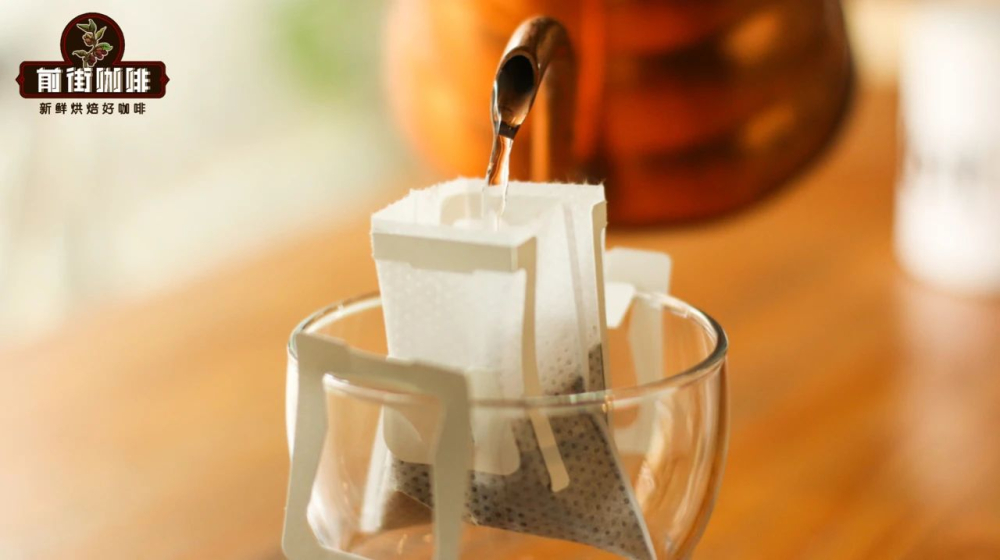
Front Street has also noticed that many people compare instant coffee with drip bag coffee. Instant is indeed more convenient; there is no need to worry about water temperature, just add hot water directly. But it should be understood that instant coffee is a dry extract obtained by evaporating the water from coffee extract, and strictly speaking it is not real coffee. The powder in drip bag coffee comes from freshly roasted coffee beans ground and extracted by drip filtration into real black coffee. The brewing methods of the two are different. Drip bag coffee cannot be brewed like instant by pouring the powder out, otherwise your mouth will be full of grounds, the texture will be very poor, and the method itself is wrong. Therefore Front Street suggests reading the instructions clearly before brewing drip bag coffee.
Generally speaking, drip bag coffee is not suitable for a second brewing. The flavor substances in coffee that are easy to extract account for only about 3%, while the rest is difficult to release, and usually one extraction is basically complete. Front Street has also tested second and third brews, and the conclusion is that after the first time, there is basically no flavor in the subsequent brews.
A bag of drip coffee usually contains 10 grams of powder, and 10 grams of powder generally corresponds to only one brew. When repeatedly pouring water, you may feel that the taste is still quite strong and it seems you can still drink it, but that is not the case. Long soaking will release more substances such as caffeine, which is essentially over-extraction; over-extraction brings out bitterness and astringency, and the optimal flavor of this coffee disappears. Even if it is still within the tasting period, multiple brews will dilute the good flavor, so Front Street usually does not recommend that customers repeatedly brew the same bag of drip coffee.
Even if this bag of drip coffee is still within the tasting period, Front Street does not recommend brewing it multiple times. Drip bag coffee itself is an instant-brew product that can brew a cup of rich black coffee at any time, fully presenting acidity, sweetness, bitterness, and aroma; after repeated brewing, the flavor is basically lost.
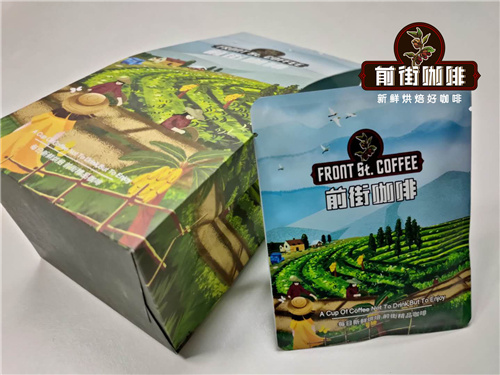
III. How to Choose Drip Bag Coffee That Suits You When drinking coffee, of course you should drink the flavor you like. Some people prefer the lemon-citrus notes of Front Street Ethiopia Yirgacheffe, some like the full-bodied taste of Front Street Indonesia Mandheling, and some love the intense floral aroma and juicy texture of Front Street Panama Geisha. These are all very good choices. But Front Street wants to emphasize one premise: the drip bag coffee you buy must be fresh and exactly within the best tasting period, otherwise even the best beans will not taste as delicious as they should. Experienced baristas or enthusiasts can even judge how long it has been sitting by smell, but for ordinary enthusiasts, the safer way is still to judge freshness by the following methods.
1. Check the production date When buying drip bag coffee, first look at the roast date on the package. The roast date refers to the date marked after the coffee beans come out of the roaster; when judging whether coffee beans are fresh, we usually look at the roast date rather than the shelf life. 2. Check the packaging bag and tasting period Coffee bean packaging often includes a one-way valve, the purpose of which is to let carbon dioxide out of the package and avoid bag swelling or even bursting. Front Street's drip bag coffee does not include a one-way valve: although a one-way valve allows you to squeeze and smell the aroma, squeezing at the same time also causes the coffee to release aroma, which instead shortens its life; even if a drip bag is equipped with a one-way valve, it only increases cost and cannot extend the best tasting period.
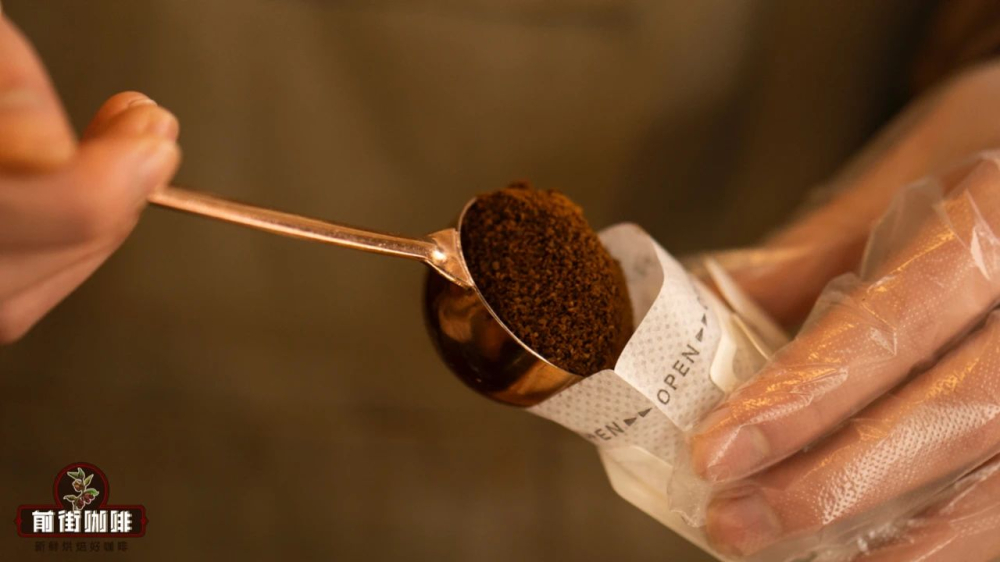
Front Street also suggests that you should not stock up on several months' worth of drip bag coffee at once just because buying more comes with a discount. Drip bag coffee values freshness; if you buy too much and cannot finish it, you will miss the best tasting period, and the brewed coffee will naturally not taste as good.
3. Choose the coffee flavor you like Drip bag coffee can be understood as a simplified pour-over, so what determines the flavor is still the coffee beans inside. Drip bag coffee can be single-origin or a blend; however, most drip bag coffees sold by Front Street are single-origin coffee, with relatively few blends. The packaging generally marks flavor descriptions, such as jasmine floral aroma, citrus, lemon, cream, etc., to indicate the flavor tendency of this drip bag coffee.
For example, Front Street Brazil Pulped Natural coffee has the nut, chocolate, cream, and peanut flavors common to Brazilian beans. There is also Front Street Panama Butterfly coffee, which is a blended bean containing 70% high-quality Geisha lineage, with a small amount of Caturra and Catuai added; after brewing, the floral aroma is especially prominent, and the citrus, floral, honey, and sweetness are all high. Another example is Kenyan coffee with a fresh and light acidity like cherry tomatoes, which is also suitable for making into drip bag coffee.
Some Front Street customers also choose drip bag coffee according to processing method. There are many coffee processing methods: Brazil commonly uses the natural method, which can retain more flavor and enhance aroma and sweetness. For example, the relatively high sweetness of Front Street Fazenda Rainha is related to natural processing; washed processing methods such as Ethiopia Yirgacheffe have a clean taste, obvious lemon-citrus notes, and also a faint jasmine floral aroma; Costa Rica commonly uses honey processing, such as Front Street Mozart, which uses raisin honey processing, drying selected coffee cherries like raisins before hulling and drying again, so Costa Rican coffee often has a fuller body and more prominent sweetness.
Of course, all of the above are suitable for making into drip bag coffee. IV. How to Brew a Delicious and Aromatic Cup of Drip Bag Coffee Once you have roughly clarified your taste direction, the next step is to master the brewing method. Before that, Front Street suggests first understanding the grind size of drip bag coffee: the coarser the coffee powder, the lower the extraction efficiency, and vice versa. The grind size also affects the expression of sweetness. Too coarse easily leads to under-extraction, tasting like water; too fine easily leads to over-extraction, becoming hard to swallow. Front Street has made many attempts with drip bag grind size and ultimately adopted medium-fine grinding as the grind size for drip bags, which is more conducive to brewing coffee with a rich aroma.
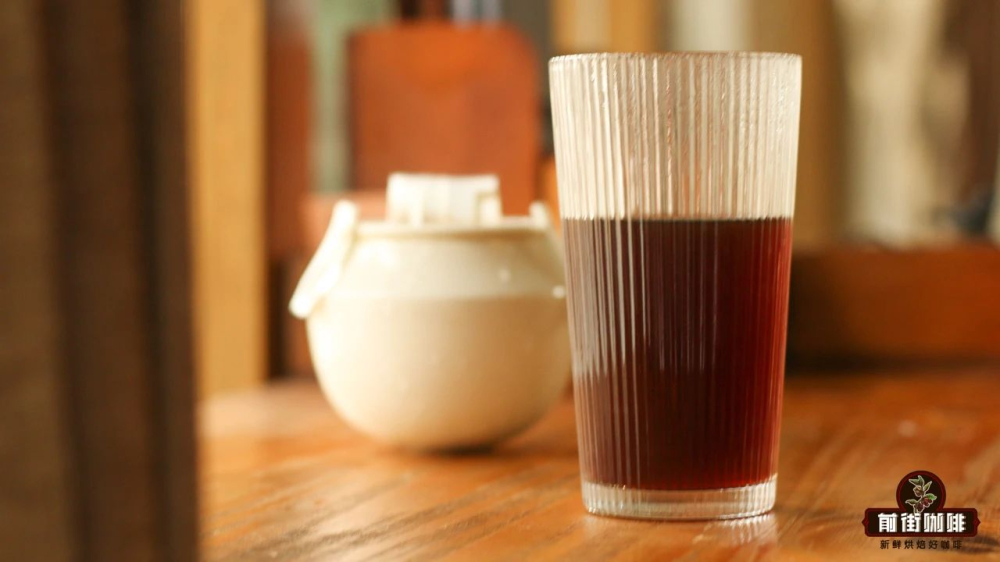
Front Street believes that drip bag coffee is equivalent to simplified pour-over, and time, temperature, and water volume all have requirements. Water temperature should be combined with the flavor of the producing region and the degree of roast: for darker roasts, Front Street recommends about 88°C for drip bags; for light roasts, 90°C to 92°C is recommended. Do not worry about not knowing how to judge the roast level. Front Street's official account has published knowledge about drip bag coffee and brewing methods, so you can buy with confidence.
In addition, Front Street also includes the brewing method for drip bag coffee. The brewing process of drip bag coffee
1. Warm the cup—— Prepare a cup and first pour in some hot water to warm it. The purpose is to keep the brewed coffee from cooling too quickly; coffee continuously changes flavor as the temperature drops, and if it cools too fast, you will miss many different tastes.
2. Water temperature—— First prepare enough boiling hot water, because only when the water temperature is high enough can more aromatic substances in the coffee powder be released. For pour-over, Front Street recommends brewing at 86–93°C; if the water is only around 80°C, the coffee easily becomes bland and tasteless, while boiling water easily extracts burnt and bitter flavors. Therefore Front Street lets boiled water sit uncovered at room temperature for 1–2 minutes to bring the water temperature down to about 90°C.
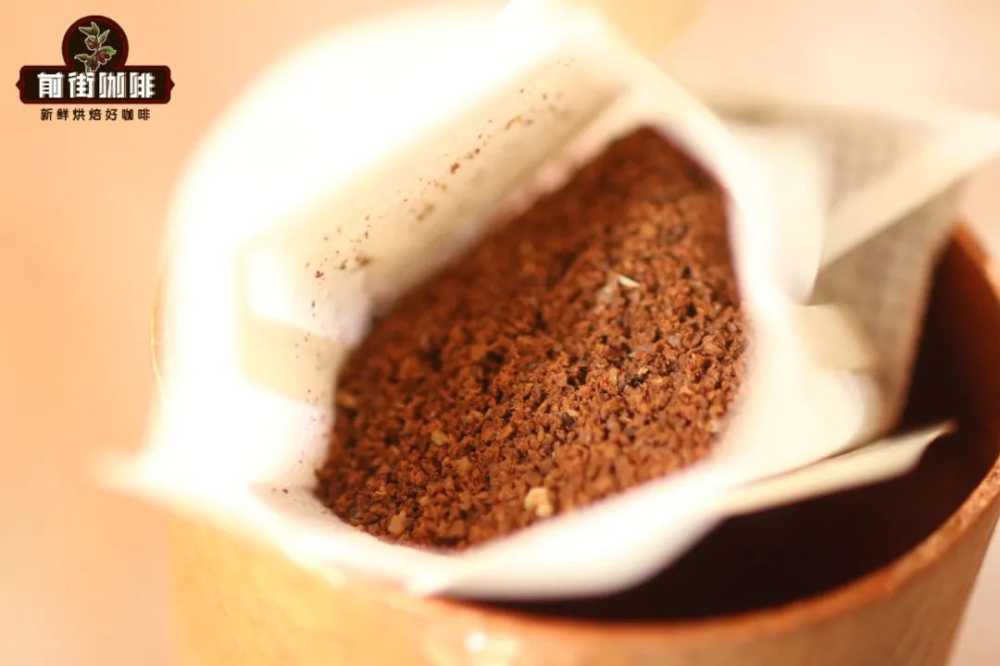
3. Hang the coffee bag—— First gently shake the drip bag to let the coffee powder settle, avoiding scattering when tearing it open; pour out the hot water in the cup, tear open the sealing strip of the drip bag, spread open the paper hangers on both sides, and shake so the coffee powder is level, finally hanging it on the rim of the cup.
4. Pre-wetting—— The first pour of water should be just enough to wet the coffee powder; too much or too little will affect the flavor. Then wait 20 seconds to let the coffee powder fully absorb water. Strength can be adjusted by pre-wetting time; extending it to 40 seconds can produce stronger coffee.
5. Pouring—— For the second pour, fill to eight-tenths of the filter paper, preferably using a thin, long stream of water; after the water level drops to the pre-wetted height, continue pouring to eight-tenths full until 150 to 180 cc has been extracted. After extraction is complete, there is no need to wait for all the water in the filter paper to drain; simply discard it.
6. Enjoy your coffee! Remember that as the temperature changes, you can taste different flavors.
The above content is compiled by CoffeeHunters, a coffee news website.


