







Search Results for: Coffee Region Flavors
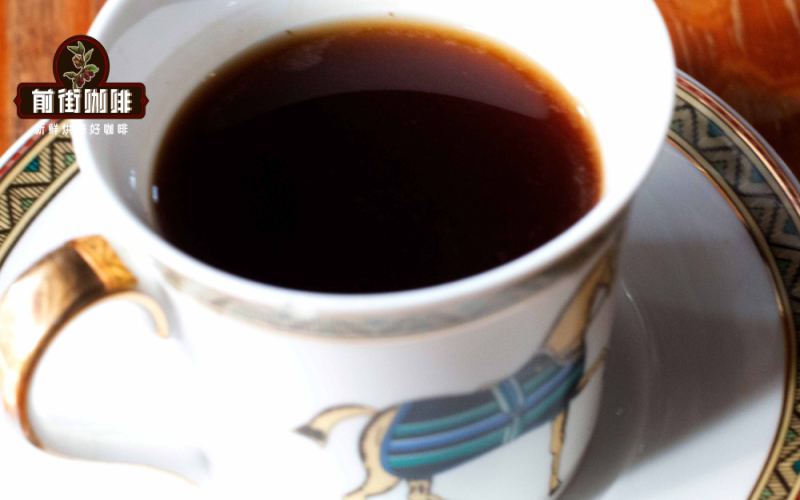
A Full Analysis of Kenyan Washed Coffee Flavors: Pour-Over Performance and the Origins of Berry Notes in Three Specialty Regions
Kenyan coffee has long been known for its vivid berry notes, but a country label alone can no longer satisfy enthusiasts' curiosity about the details of its origins. This article focuses on three major specialty regions in Kenya—Nyeri, Kirinyaga, and Muranga—sorting out their respective geographical environments, altitude ranges, main varieties, and harvest rhythms, and, combined with Front Street Coffee's cupping records, presents the flavor differences among regions under washed processing. At the same time, readers are reminded that regional styles are not ironclad rules; altitude, variety, and processing method all influence the direction of the final cup. [more…]
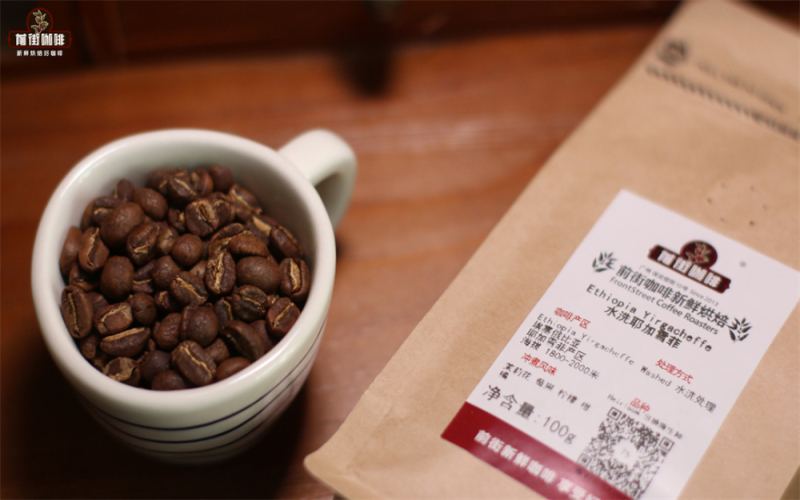
A Comprehensive Analysis of Ethiopian Sidama Washed Coffee and the Shakiso Region Classification System
Ethiopia's Sidamo region is renowned for its diverse flavors and exceptional terroir, standing alongside Yirgacheffe as a major specialty coffee stronghold. This article begins with an overview of the Sidamo region's characteristics, then examines the terroir conditions and signature coffees of sub-regions such as Guji, Hambela, and Shakiso one by one. It also explains in detail Ethiopia's G1 to G6 grading system, which is based on the proportion of defective beans, and compares how the two major processing methods—washed and natural—affect flavor profiles. At the same time, it presents Front Street Coffee's professional recommendations and tasting perspectives on this region, guiding you to a deeper understanding of the full picture of Sidamo coffee. [more…]

A Complete Analysis of Coffee Flavors from Colombia's Huila Region: From Washed Everyday Beans to Brewing Guides for Huayueye and Huajian
Huila (also translated as Huilan or Huilan) is one of the most renowned coffee-producing regions in the Andes of southwestern Colombia, accounting for about 12% of the country's output. Its fertile volcanic soil, moderate rainfall, and high-altitude microclimate nurture Arabica coffee that is balanced and consistent, with a full body and delicate berry-like sweet acidity. Front Street Coffee has listed several representative beans from this region: a washed Huila everyday drinking coffee suitable for beginners, an anaerobic natural Flower Moonlight with intense strawberry jam aromas, and a washed Hanami with notes of pink pepper and chamomile. This article will outline Huila's variety structure and the reasons behind its flavor, and provide V60 three-pour hand-brew parameters to help coffee enthusiasts fully understand the appeal of this top specialty region. [more…]
A curated selection of ten single-origin coffee beans: a comprehensive guide from flavor characteristics to gifting occasions
When choosing coffee beans as a gift, you need to consider both the flavor characteristics and the taste preferences of the recipient. This article compiles ten single-origin coffee beans suitable for gifting, covering producing regions in Africa, Central and South America, and Asia, ranging from floral and fruity notes to nutty and chocolatey notes. It introduces each one by producing region, altitude, variety, processing method, and brewing flavor, and notes who it suits. Several beans from Front Street Coffee made the list thanks to their distinctive flavors and consistent quality—whether you're gifting a seasoned coffee enthusiast or an everyday drinker, you'll find a suitable choice. [more…]

A Complete Analysis of Ethiopia's Nine Major Coffee Regions: Yirgacheffe, Sidamo Native Species Flavors, and Front Street Roasting & Brewing Guide
As the birthplace of Arabica coffee, Ethiopia is home to the world's largest coffee gene pool. Its nine specialty regions each possess a distinct terroir character, from the citrus and floral notes of Yirgacheffe to the wild, complex aromas of Harrar, from the rich fruity tones of Sidama to the sandalwood finish of Limu, presenting an astonishing spectrum of flavors. This article systematically reviews the altitude, processing methods, and flavor characteristics of Ethiopia's various regions, offers an in-depth interpretation of the variety classification logic behind Heirloom landraces, including the origins of the JARC series, Dega, and Kurume, and, combined with Front Street Coffee's Huakui roasting curve and V60 brewing parameters, provides coffee lovers with a complete guide from origin to cup. [more…]
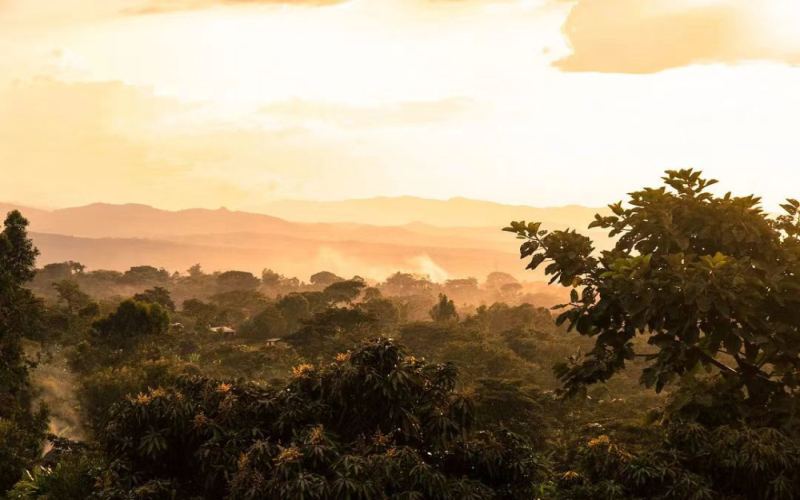
A Complete Analysis of Ethiopia's Nine Specialty Coffee Regions: Flavor Differences and Farming Systems of Yirgacheffe and Sidamo
Ethiopia, as the birthplace of coffee, boasts the world's richest and most diverse coffee-growing system and nine specialty regions. From wild forest coffee to garden-mixed cultivation, from Yirgacheffe's citrus florals to Sidamo's full-bodied berries, each region displays its own distinctive flavor charm. This article will provide an in-depth analysis of Ethiopia's four cultivation systems and the terroir characteristics of its nine major regions, with a focus on comparing the flavor differences between Yirgacheffe and Sidamo, and introduce representative coffee beans selected by Front Street Coffee, taking you to appreciate the diverse flavors of this coffee kingdom. [more…]
Ethiopian Sidamo Coffee Flavor Analysis and Complete Guide to Huakui Natural Beans
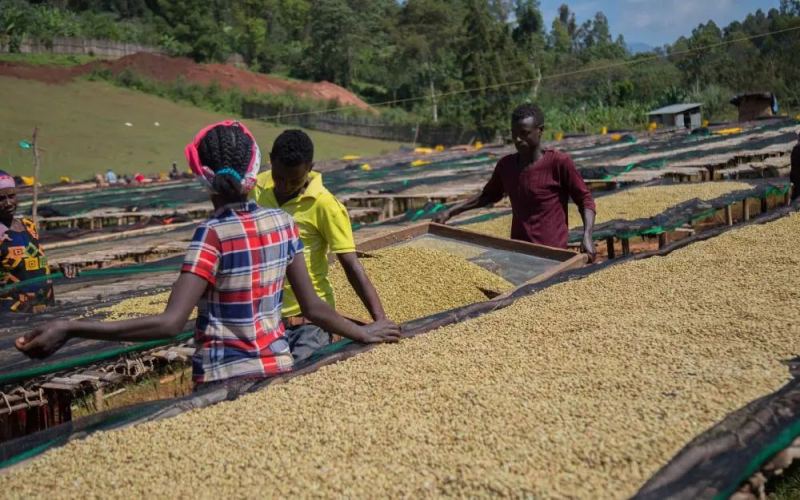
Ethiopia, as the birthplace of coffee, is home to numerous distinctive specialty coffee regions, among which Sidama and Yirgacheffe stand as the two most renowned. Thanks to its diverse terrain, fertile volcanic soil, and rich native varieties, the Sidama region presents an extremely varied flavor profile. This article will explore the geography of the region, the origins of Hambela and Huakui, and sun-dried processing techniques to offer a detailed interpretation of the unique charm of Sidama coffee, along with Front Street Coffee's brewing recommendations and parameter references to help coffee enthusiasts gain a more comprehensive understanding of specialty coffee from this region. [more…]
Deep Dive into Ethiopia's Guji Region: A Full Analysis of Coffee Pour-Over Flavors and the Region
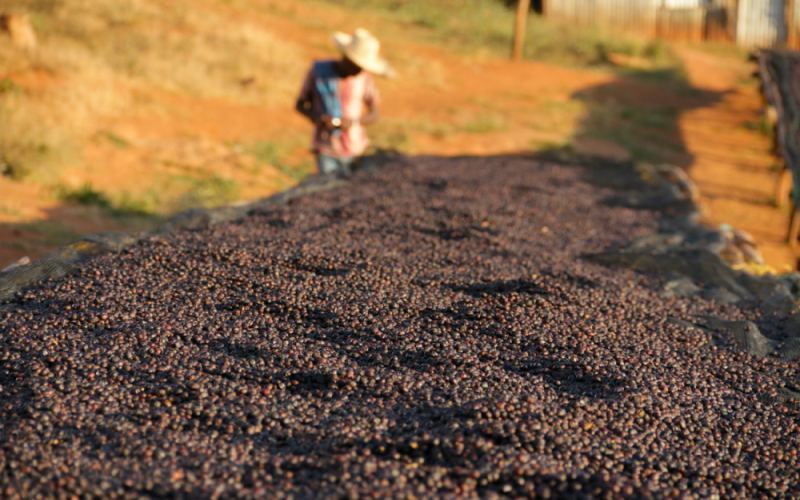
As the birthplace of coffee, Ethiopia has always been a dream destination for specialty coffee lovers. This article begins with the country's geography and coffee-growing conditions, systematically outlining the terroir characteristics of major producing regions such as Sidamo, Yirgacheffe, Guji, and Bebeka, with a particular focus on the distinctive flavors that the Guji region nurtures thanks to its unique microclimate and volcanic soil. It also shares Front Street Coffee's pour-over parameters and flavor profile for a washed Yirgacheffe, offering beginners a clear path to tasting. [more…]

A Complete Guide to Kenyan Coffee Flavors and Grading System: From the East African Highlands to the Thika Region
Kenya, as an important coffee-producing country in East Africa, is renowned for its multi-layered flavors and bright, juicy acidity. This article starts with the terrain and climatic conditions of the African highlands, sorts out the three major coffee-growing regions in Kenya, focuses on the geographical advantages of the central producing region Thika and the distribution of processing plants, and explains in detail Kenya's official green bean grading system AA+, AA, AB, PB, C, E, TT, and T, as well as the TOP, PLUS, and FAQ cupping grades added by exporters. The article also presents the flavor description of Front Street Coffee's coffee beans from the Asalia processing plant in the Thika producing region, helping coffee enthusiasts gain a comprehensive understanding of the unique charm of Kenyan coffee. [more…]
Flavor Analysis of Coffee Beans from Ethiopia's Uraga Region: What Makes the TOH Washed Category Champion Batch So Unique?
Front Street Coffee recently launched a highly anticipated coffee bean—the 2020 TOH Washed Group Champion, produced in Ethiopia's Uraga region. This bean impresses with its fresh flavors of citrus and green tea. Geographically, the Uraga region is close to Yirgacheffe and was often sold under the name Yirgacheffe in the past, until the ECX issued Announcement No. 1051 in 2017, after which it was able to be traded independently and gradually emerged. This article will introduce the region's background, the meaning of the TOH competition, the processing details of the champion lot, and the cupping flavors, as well as provide a horizontal comparison with the Yirgacheffe Gedeb Cooperative, giving you a comprehensive understanding of the unique charm of this champion coffee. [more…]
Flavor Comparison of Kenyan Coffee Regions: What Are the Characteristics of Nyeri, Kirinyaga, and Murang'a? An Analysis of Washed AA Beans
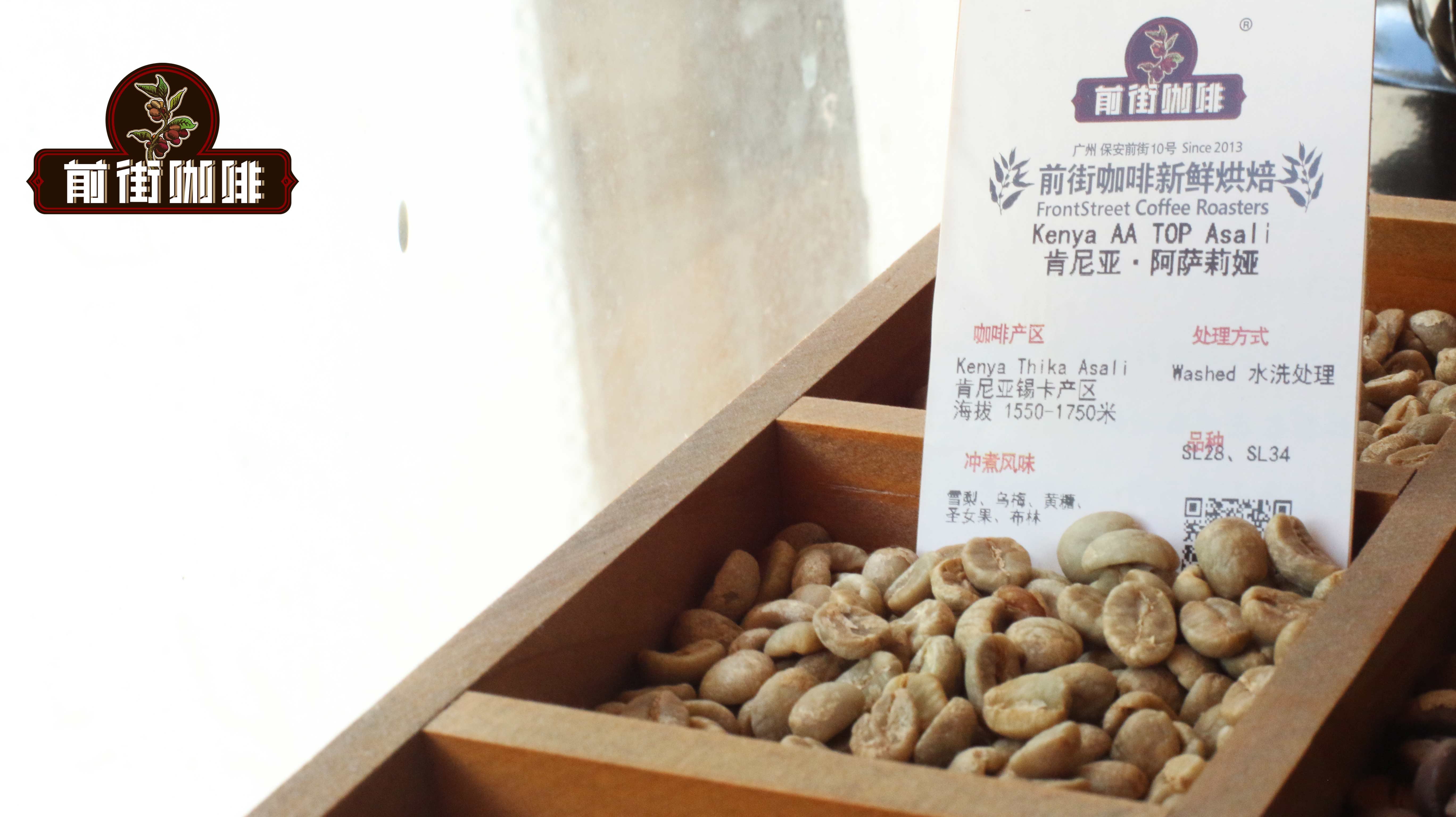
肯尼亚是非洲最具代表性的咖啡产国之一,以强烈的莓果酸香闻名,常驻各大精品咖啡馆。但仅以国家论风味已难以满足咖啡爱好者的好奇,肯尼亚内部其实划分出多个产区,各自呈现不同调性。本文梳理肯尼亚七大产区,重点聚焦尼耶利、麒麟雅嘉、穆兰加三个精品产区,结合前街咖啡的杯测实践,对比它们的水洗AA咖啡风味差异,并提醒读者产区风味并非绝对,海拔、品种、处理法都会影响最终表现。 [more…]
A Complete Guide to Central and South American Coffee Regions: Flavors, Varieties, and Key Producing Countries of Latin American Coffee Beans
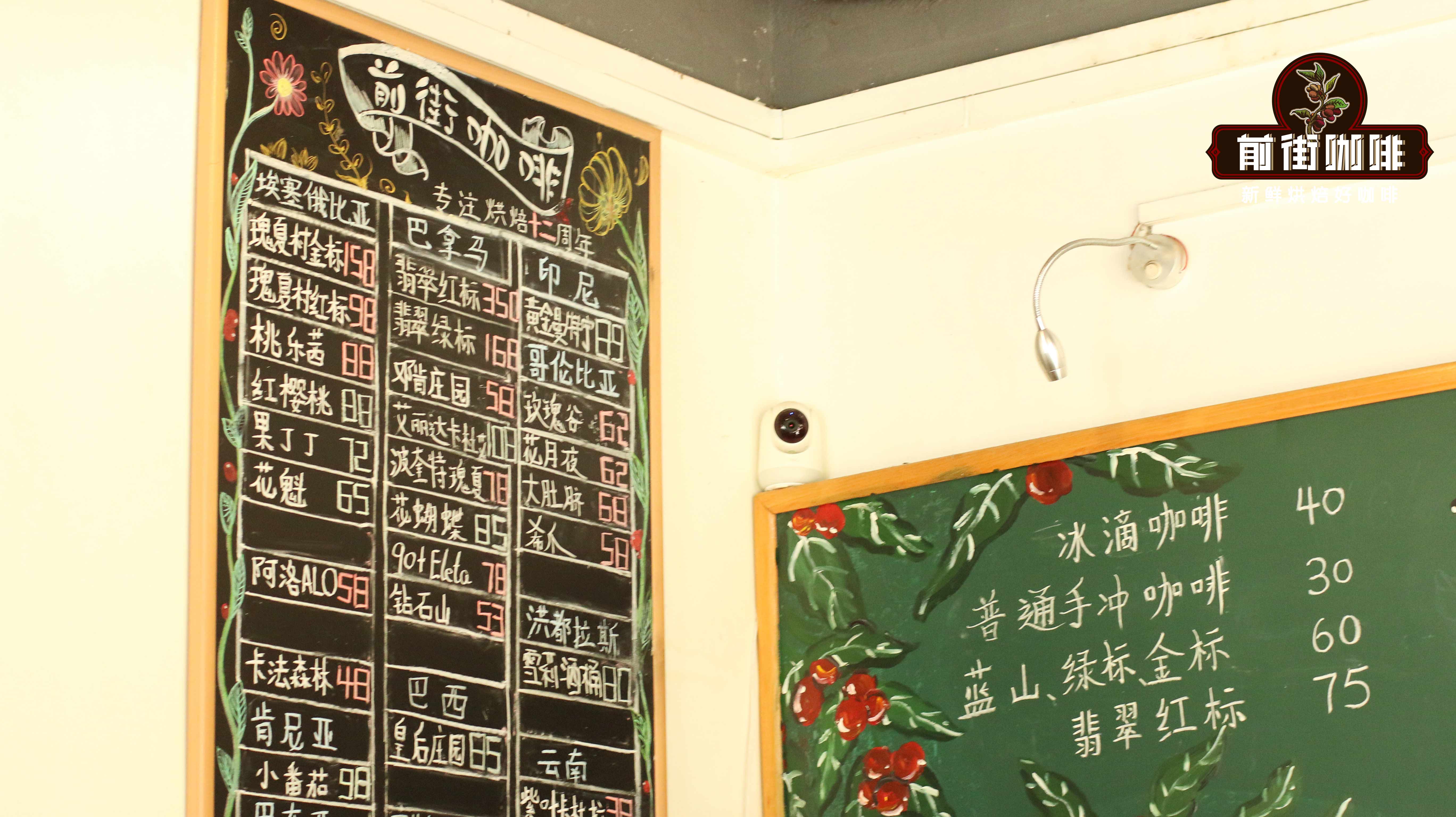
The world's coffee belt can be divided into three major producing regions: Africa, Asia-Pacific, and Latin America, each presenting distinctly different flavor profiles. African beans are known for their fruity acidity, Asian beans for their herbal richness, while Latin American coffees fall somewhere in between, celebrated for their balanced, mellow character reminiscent of cocoa and dark chocolate. This article focuses on the Central and South American producing regions, examining country by country—Brazil, Colombia, Panama, Costa Rica, Honduras, Jamaica, Guatemala, and Nicaragua—their coffee varieties, processing methods, major producing areas, and flavor characteristics, and combines this with Front Street Coffee's everyday drinking bean series and brewing demonstrations to help coffee enthusiasts build a systematic understanding of Latin American coffee. [more…]
A Detailed Guide to the World's Top Ten Coffee Brands: From Geisha to Kilimanjaro—Origins, Flavors, and Processing Methods
There are numerous coffee varieties worldwide, and differences in origin, variety, and processing method give each bean its own unique flavor expression. Washed processing brings bright acidity and a clean mouthfeel, natural processing presents tropical fruit and fermented aromas, and honey processing offers a balanced sweet-and-tart profile reminiscent of wine and dried fruit. This article takes the world's three major producing regions as its framework and, one by one, sorts through ten representative coffees—Panama Geisha, Jamaica Blue Mountain, Indonesia Mandheling, Ethiopia Yirgacheffe, Kenya K72, Costa Rica honey-processed, Brazil Yellow Bourbon, Guatemala, Papua New Guinea, and Tanzania Kilimanjaro—combining Front Street Coffee's bean selection and brewing suggestions to provide coffee enthusiasts with a flavor reference that balances professionalism and practicality. [more…]
An Analysis of the Pour-Over Charm of Heirloom Geisha and Huakui Coffee Beans from Ethiopia's Guji Region
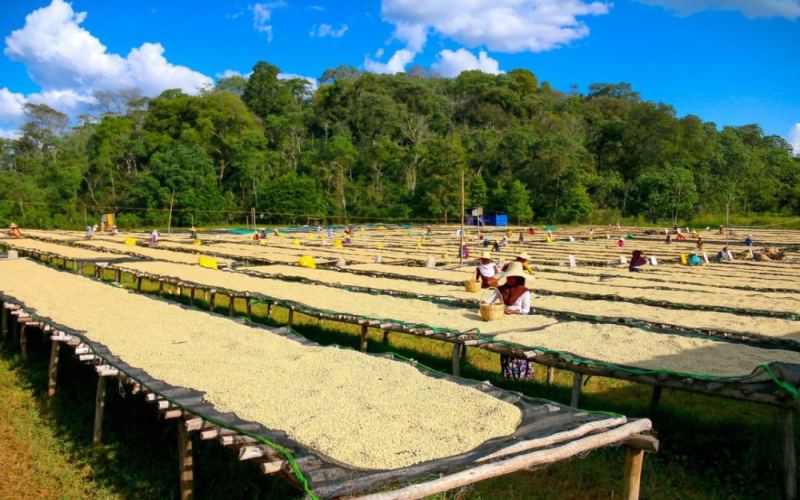
Ethiopia's Guji region, with a terroir character entirely distinct from Yirgacheffe, emerged as separate from Sidama and became the birthplace of many classic coffees—Front Street Coffee's Huakui series originates from its sub-region, Hambela. The high altitude and large temperature swings between day and night here give the coffee cherries richer acidity and fruit-toned character. The Buku processing station adheres to strict standards of whole-ripe-cherry picking and a sugar content value above 30, combined with African raised-bed sun-drying and meticulous turning management, ultimately presenting multi-layered flavors of citrus, pineapple juice, peach, guava, and strawberry jam. This article will take you into the world of Guji's heirloom landrace varieties, exploring how everything from regional terroir to processing details, and then to roasting approach, comes together to create a cup of specialty pour-over coffee. [more…]
A Full Comparison of Three Famous Ethiopian Coffees: Gesha, Yirgacheffe, and Huakui—Origins, Varieties, and Flavors
Ethiopia is the birthplace of Arabica coffee and, in the minds of coffee lovers worldwide, a region with an exceptionally high quality-to-price ratio. Within this genetic treasure trove, Geisha, Yirgacheffe, and Huakui are collectively known as the "Three Giants of Ethiopian Coffee" thanks to their fame. Although most coffee enthusiasts have heard of them, not everyone can clearly explain the specific differences among the three in terms of regional attributes, the meaning of their names, and flavor expression. From the perspective of Front Street, this article systematically sorts out the origins and development of these three coffees: Yirgacheffe is actually the name of a region, Geisha is the name of a variety but has two references, and Huakui is a commercial name. Only by understanding their identities and flavors can one truly appreciate the rich charm of Ethiopian coffee. [more…]
A Complete Guide to the Flavors of Brazil's Specialty Coffee Regions: The Origin Stories of Minas, Cerrado, Mogiana, and the Port of Santos
Brazil is not only the largest country in South America, but also the world's number one producer of coffee beans. This nation, where passion and serenity coexist, produces coffee that carries the rich notes of nuts and chocolate while offering a smooth and mild mouthfeel. A total of 17 states in Brazil produce coffee, with the main growing regions distributed across six states: Bahia, Espírito Santo, Minas Gerais, São Paulo, Paraná, and Rondônia. Among them, Minas Gerais contributes more than half of the country's Arabica coffee beans and is also the core zone for specialty coffee; the Port of Santos in São Paulo state serves as an important gateway for Brazil's coffee exports. On Front Street Coffee's bean list, there are two Brazilian beans—the Red Bourbon from the Cerrado region and the Yellow Bourbon from Queen Mogiana Estate. The former represents the classic Brazilian flavor, while the latter showcases even better sweetness through refined natural processing. [more…]
Flavor Analysis of the World's Top Ten Coffee-Producing Countries: From Brazil to Guatemala, a Full Comparison of the Taste Differences Between Mandheling and Blue Mountain
As an agricultural product, coffee's flavor is deeply influenced by the terroir of its origin. The soil, altitude, and climate conditions of different countries give coffee beans vastly different aromas and tastes. This article systematically reviews the flavor characteristics of the world's top ten coffee-producing countries, covering Brazil, Vietnam, Colombia, Indonesia, Ethiopia, India, Honduras, Kenya, Mexico, and Guatemala, and focuses on analyzing the core differences in taste and flavor between Mandheling and Blue Mountain coffee beans. At the same time, the article retains the detailed parameters and brewing flavor descriptions of several representative coffee beans under the Front Street brand, providing coffee lovers with a regional guide that is both informative and practical. [more…]
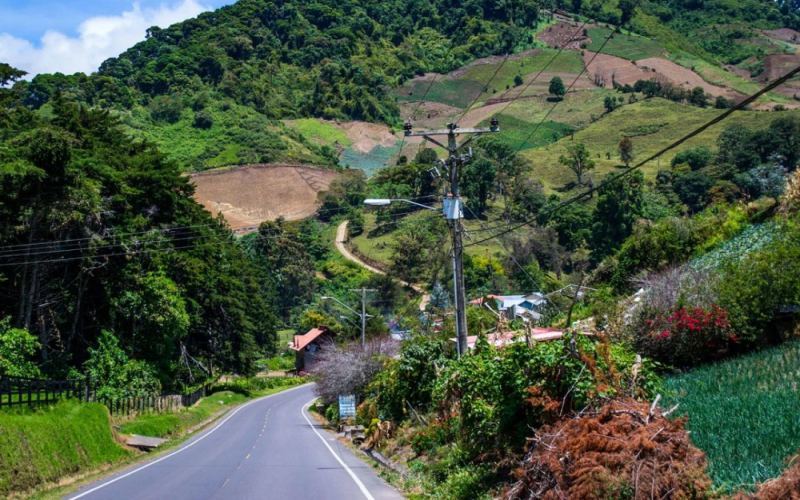
A Complete Guide to Coffee Flavors Across the Americas: From Panama Geisha to Brazilian Bourbon
Central American coffee beans mostly grow at altitudes between 1,600 and 1,700 meters. The temperature difference between day and night at high altitudes extends the development cycle of the coffee fruit, which increases the density of the beans and makes them harder in texture. Through cupping, Front Street Coffee has found that Central American coffees generally present soft acidity, good cleanliness, and medium body. However, the flavor differences among producing countries are quite obvious. This article focuses on five well-known producing countries in Central and South America—Panama, Colombia, Costa Rica, Brazil, and Honduras—and reviews the terroir characteristics of each region and the flavor performance of representative coffee beans one by one. It also introduces information on products currently sold by Front Street, such as Geisha, Sidra, the Musician series, Red Bourbon, and Yellow Bourbon. [more…]
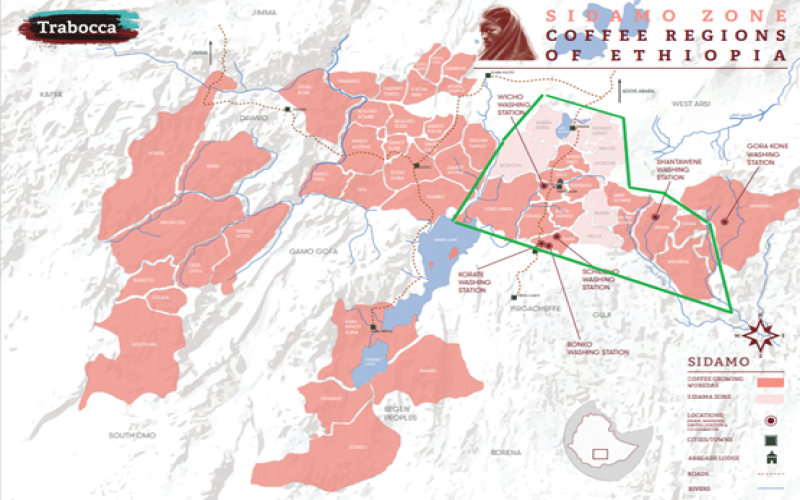
A Comprehensive Guide to Ethiopia's Sidama Region: From Guji to Hambela, the Origins and Flavor Profile of Huakui Coffee
Sidamo is one of Ethiopia's most representative specialty coffee regions, spanning the fertile highlands of the East African Rift Valley and famed for its intense flavors, bright acidity, and rich floral and fruity notes. This article systematically covers Sidamo's geography, the regional divisions of Guji and Hambela, the rise to fame and naming conventions of Huakui coffee, and the cultivation model of the Arsi region in detail. It also shares Front Street Coffee's brewing parameters and flavor review of Sidamo natural beans, giving you a comprehensive look at this region's unique charm. [more…]
How to Describe Coffee Flavors? A Comprehensive Analysis of Flavor Characteristics of Major Coffee-Producing Countries and Regions Worldwide
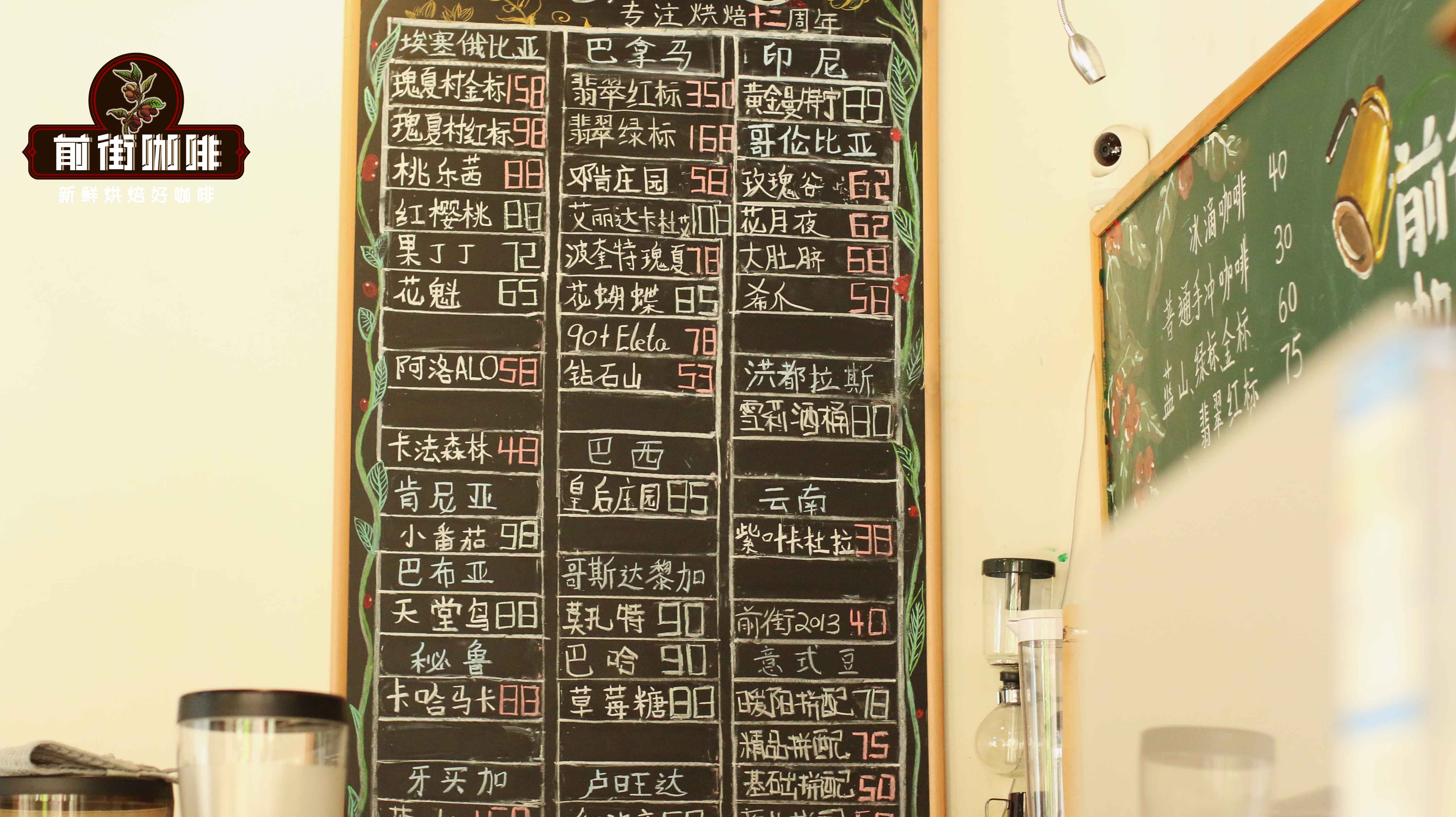
Even coffee from different plots within the same estate can vary in flavor, let alone regions spanning different countries. The three major specialty coffee regions—Asia, Africa, and the Americas—each display distinctly different regional characteristics due to their unique terroir. Ethiopia's floral and citrus notes and the rich, full-bodied character of Asian coffees each have their own following. When recommending single-origin beans to customers, Front Street Coffee matches them based on taste preferences—those who prefer acidity can choose Front Street Kenya Small Tomato or Front Street Yirgacheffe, while those who enjoy a full-bodied cup can try Front Street Jamaica Blue Mountain or Front Street Golden Mandheling. Front Street currently offers more than 200 specialty coffee beans, and every bean has undergone repeated roasting tests and cupping screenings, only being recommended to consumers after confirming it is representative of its region. The following content is a coffee flavor guide compiled by Front Street after multiple rounds of roasting and cupping of common coffee regions around the world. [more…]