








Where Does Coffee Originated and Why Ethiopia Matters?
Coffee originated in Ethiopia, which is also the birthplace of Arabica coffee and holds the world's largest coffee gene pool. The country's nine specialty regions each have distinct terroir, from the citrus and floral notes of Yirgacheffe to the wild complexity of Harrar, the fruity tones of Sidama, and the sandalwood finish of Limu.
Arabica thrives across altitudes of roughly 1,400 to 2,300 meters in these regions. Yirgacheffe was once a town within Sidama before becoming its own region, and heirloom landraces such as the JARC series, Dega, and Kurume shape the flavors. A Front Street roasting curve and V60 parameters complete the guide from origin to cup.
As the birthplace of Arabica coffee, Ethiopia is home to the world's largest coffee gene pool. Its nine specialty regions each possess distinct terroir characteristics, from the citrus and floral notes of Yirgacheffe to the wild complexity of Harrar, from the rich fruity tones of Sidama to the sandalwood finish of Limu, presenting an astonishing spectrum of flavors. This article systematically reviews the altitude, processing methods, and flavor characteristics of Ethiopia's coffee regions, provides in-depth interpretation of the variety classification logic behind Heirloom landraces, including the origins of the JARC series, Dega, and Kurume, and combines Front Street Coffee's Huakui roasting curve with V60 brewing parameters to offer coffee enthusiasts a complete guide from origin to cup.

For more specialty coffee knowledge, please follow our WeChat official account: Front Street Coffee (FrontStreet Coffee)
Ethiopia occupies a unique position in the global coffee landscape—it is both the birthplace of Arabica coffee and the custodian of the world's largest coffee variety resources. Nine distinctive specialty coffee regions are distributed across the country, each nurturing vastly different coffee flavors due to variations in terroir conditions. Front Street Coffee (FrontStreet Coffee) will introduce the specific conditions of these regions one by one below.
I. Yirgacheffe Specialty Region
Yirgacheffe was originally a well-known coffee town within the Sidama region, situated at an altitude between 1,700 and 2,100 meters. Although rainfall is frequent, the area does not feel humid; the air is fresh and clean, and this environment gives the coffee varieties grown here a natural regional flavor. Front Street Yirgacheffe is a quintessential example of East African specialty coffee, and because its flavor expression is so distinctive, it was later separated from Sidama as its own region.
Front Street Coffee (FrontStreet Coffee) Yirgacheffe Front Street Natural Red Cherry Region: Yirgacheffe Washing Station: Aricha Altitude: 2,300m Variety: Local landrace Processing: Natural
II. Sidama Specialty Region
The Sidama region is located in southern Ethiopia and is a major coffee-producing area in the south of the country, with cultivation altitudes ranging from 1,400 to 2,200 meters. The terrain here is complex and diverse, and microclimates combined with fertile soil and a rich variety of soil types together shape a distinctive coffee flavor. Front Street Sidama coffee shares some similarities with Front Street Yirgacheffe, also known for its floral and orange notes.
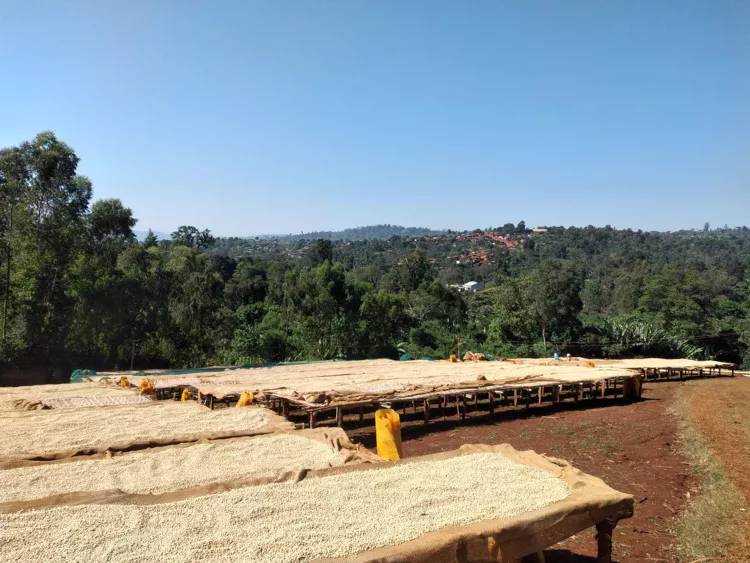
Front Street Sidama Front Street Huakui Coffee Beans Region: Guji Hambela Washing Station: Buku Able Altitude: 2,350 meters Variety: Dega Processing: Natural
The Guji region was formerly part of Sidama but was designated as an independent region by the Ethiopian Commodity Exchange (ECX) as early as 2010. Guji is located to the southeast of Yirgacheffe. This area features rolling mountains with interwoven valleys and plains, offering considerable topographic variation. The soil in this region is fertile black soil (Vertisol), nearly two meters deep, with an average altitude exceeding 1,800 meters. The significant diurnal temperature difference brought by these special geographical conditions provides an ideal terroir foundation for producing high-quality specialty coffee.
Hambella is located within Guji (GUJI), Ethiopia's largest coffee-producing region, and administratively belongs to the Oromia Zone. To the west, Hambella faces the Kochore region of Yirgacheffe across a highland area approximately 30 kilometers wide with altitudes reaching 3,200 meters. To its southeast and north, it borders the Shakiso, Uraga, and Kercha sub-regions of Guji respectively. It is the highest-altitude coffee sub-region in Ethiopia (though if speaking of the highest main producing region, Harrar takes that title).
III. Harrar Specialty Region
The Harrar specialty region spans altitudes from 1,500 to 2,400 meters. Because annual rainfall is only about 1,000 millimeters, the overall climate is hot and dry, desert-like, so green coffee beans here are almost exclusively processed using the natural method. Most Ethiopian coffee comes from the west and south, and Harrar is one of the few regions located in the east. Harrar coffee is regarded as a representative of the bold, powerful type, with an extremely unique flavor profile that delivers a daring, uninhibited taste experience with wild fruity notes, famous for its one-of-a-kind "wild complexity." When tasting, one can perceive a pleasant fermented wildness accompanied by intense jasmine floral notes.
IV. Limu Specialty Region
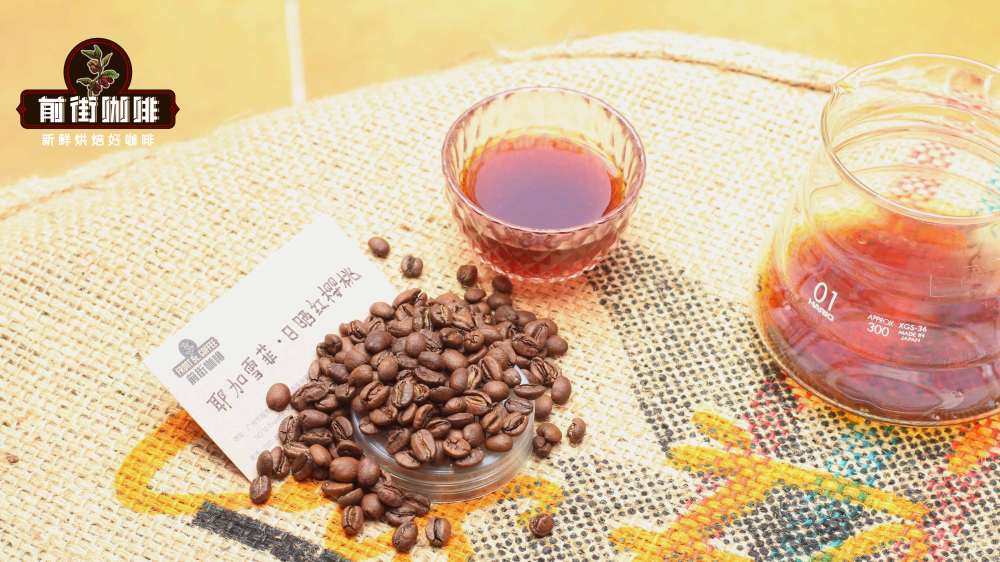
The Limu specialty region cultivates the local Heirloom coffee varieties. Producers are mainly smallholder farmers in the Limu region, with cultivation altitudes between 1,850 and 1,900 meters, and the harvest season runs from October to February of the following year. Production in this region is relatively limited, mainly exported to European and American markets, where it is quite popular. Green coffee beans are processed using three methods: natural, washed, and semi-washed. The flavor presents grassy notes, brown sugar sweetness, and sandalwood-like woody tones, with bright fruity acidity.
V. Gimma Commercial-Grade Region
The Gimma commercial-grade region spans altitudes from 1,350 to 1,850 meters, and its coffee flavor is characterized by an irreplaceable wild acidity. Natural Gimma has mild acidity and nutty aromas with a long finish; washed Gimma, although lacking the orange and floral notes of Yirgacheffe, performs exceptionally well in low acidity, with a clean and transparent flavor profile similar to Central American specialty coffee. Commercial-grade specialty Gimma is quite common in Taiwan; with luck, one can find extremely cost-effective Gimma with a lemon-zest-like freshness, matching Sidama in quality. Gimma coffee has an annual production of 70,000 tons, the highest in Ethiopia, accounting for one-third of the nation's exports, making it arguably the most widely distributed mocha coffee bean in the world.
VI. Illubabor Commercial-Grade Region
The Illubabor commercial-grade region is located to the southwest of Gimbi and is Ethiopia's westernmost coffee region, with coffee grown at altitudes of 1,350 to 1,850 meters. Coffee from this region is rarely sold separately; most is shipped to Gimma as blend components for mixed sales, and it does not fall into the specialty bean category. The coffee has relatively low fruity acidity, good body and viscosity, balanced flavor, and overall good cleanliness.
VII. Gimbi and Lekempti Commercial-Grade Region
Coffee in the Gimbi and Lekempti commercial-grade region is grown at altitudes of 1,500 to 1,800 meters. The beans here resemble Harrar's longberry shape and are typically processed using both natural and washed methods, though natural beans predominate, earning them the nickname "the poor man's Harrar." The coffee has pronounced fruity acidity and fruit flavors and is a common natural bean in the American specialty coffee scene.
VIII. Teppi and Bebeka Commercial-Grade Region
Teppi coffee is grown at altitudes of 1,000 to 1,900 meters, and Bebeka coffee at 900 to 1,200 meters. Beans from western Teppi are noticeably larger, with heavier wild notes but lower fruity acidity. These two regions are very close together, so their coffee flavors do not differ much. Wild coffee is found in both areas, and production is not high. Coffee from here is rarely used as specialty or single-origin beans.
IX. Lake Tana Alternative Region
This is called an alternative region because there are no dedicated plantations here; coffee trees are typically scattered naturally throughout forests and gardens. Annual production is extremely low, even less than 10 tons, so strictly speaking it cannot be considered a producing region. Coffee here is grown at an altitude of 1,840 meters, and the coffee produced has been dubbed the world's most "divine-tasting" coffee.
Ethiopia's most renowned coffee regions include Yirgacheffe, Sidama, Limu, and washed Gimma, and their coffee flavors display rich diversity. Enthusiasts interested in Ethiopian specialty coffee beans should pay close attention to Yirgacheffe, Sidama, Limu, and Harrar; coffees from these regions possess intense orange and floral notes, forming a sharp contrast with Central and South American coffee beans.
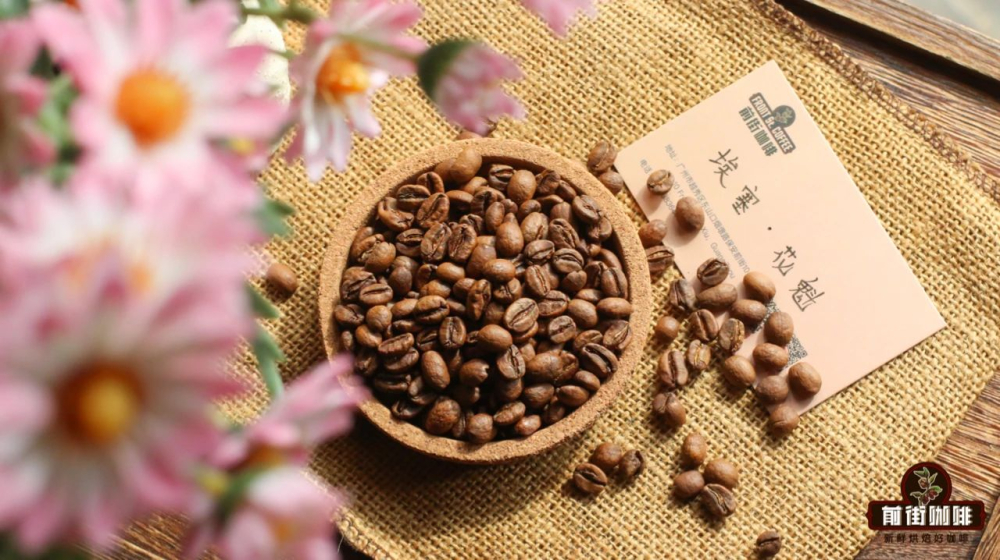
Overall, each region has its own unique flavor personality. In general, beans from western Teppi, Bebeka, Illubabor, and Lake Tana in the northwest are noticeably larger, with heavier wild notes and lower fruity acidity. Central Limu and the south-central Yirgacheffe and Sidama are rich in fruity flavors, floral notes, and acidity, with relatively stable quality. Eastern Harrar combines the wildness of the west with the fruitiness of the south-central regions, but quality variation is also considerable.
What Are Ethiopian Landrace Coffees?
Ethiopia is the birthplace of Arabica coffee, harboring tens of thousands of natural coffee varieties within its borders. The genetic heritage of 99% of the world's coffee varieties can be found in Ethiopia. Due to the sheer number of varieties, identification and classification are extremely difficult, and the Ethiopian government, in consideration of protecting its natural coffee resources, is unwilling to disclose specific information about these varieties. As a result, coffee beans exported from Ethiopia are often uniformly labeled as "Heirloom" landrace in the variety column.
Beyond the unified landrace classification, Ethiopia has also categorized certain varieties as follows, such as JARC, Dega, Kurume, and others.
JARC Varieties
JARC varieties were developed by the Jimma Agricultural Research Center (JARC), under the Ethiopian Institute of Agricultural Research, with the goals of enhancing coffee trees' resistance to pests and diseases and increasing yields. This series includes approximately 40 varieties, among which the more outstanding performers include 74110, 72112, and 74158.
74110, 74112, and 74158 are varieties selected by the Jimma Agricultural Research Center (JARC) in the 1970s for resistance to Coffee Berry Disease ("CBD"). These variety numbers begin with "74," representing the year of classification and selection in 1974, while the last three digits are the experimental coffee numbers.
The 74110 variety was selected in 1974 from original "mother trees" in Bishari village, Metu province, Illuababora region of Oromia State. After research into its resistance to Coffee Berry Disease and overall yield, JARC officially released this variety in 1979. 74110 has a short, compact tree shape with relatively small leaves and fruit. This variety is widely cultivated for its floral and citrus flavors and claimed 2nd, 3rd, 8th, 12th, 17th, and 27th places in the 2020 COE competition.
The 74112 variety also originated from the Metu-Bishari forest and was released in 1979 for its disease resistance and yield potential, similar to 74110. Its tree shape is also small and compact. Both varieties perform well under climatic conditions similar to those of the original mother trees.
The 74158 variety is very close to 74110, but 74158 is not as widely cultivated as 74110, being mainly distributed in the Gera, Jimma, and Illuababora areas. It won 1st, 7th, and 11th places in the 2020 COE.
Dega
Dega is a local variety named after a local tree species. The wood of the Dega tree emits a sweet, fragrant aroma when burned, similar to the smell of coffee roasting. Additionally, "dega" in Amharic means "cool highland area," which aptly describes the agro-ecological conditions where Dega coffee grows. In COE competitions, "Dega" also achieved an excellent 21st place.
Kurume
Kurume is one of the recognized local varieties of the Yirgacheffe region. Kurume does not refer to a single variety but is a collective term for coffee varieties in the Yirgacheffe area that have adapted to the local climate and soil environment over time. Kurume trees produce smaller fruit, have high annual yields, rich sweetness, and abundant floral notes. Kurume is commonly grown in the Guji and Yirgacheffe areas. Sometimes, due to similar tree appearance, the name Kurume is also used to refer to varieties selected by JARC.
Processing Methods
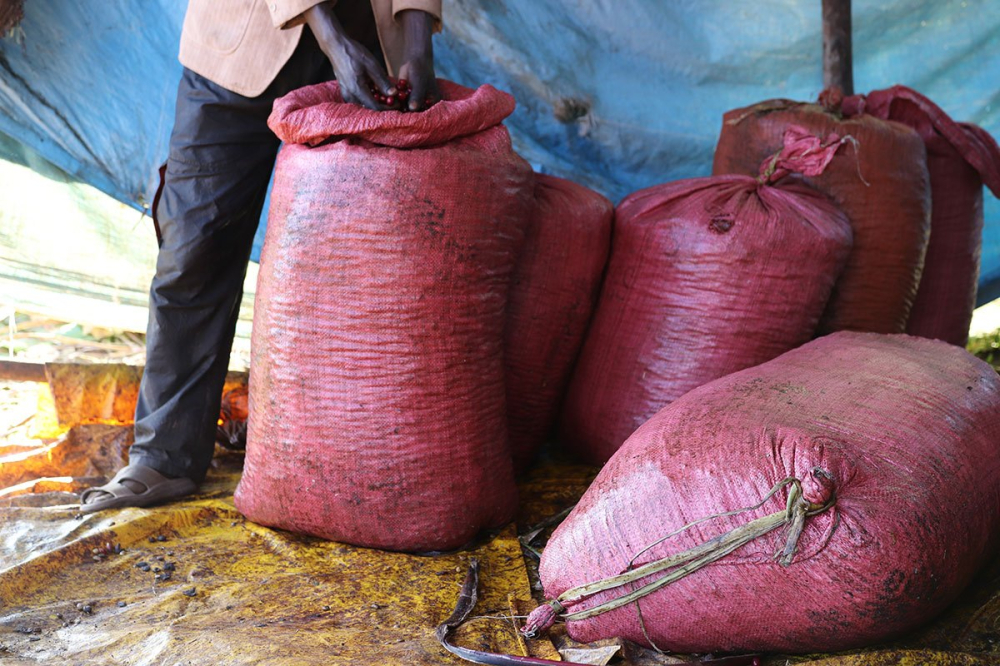
Ethiopia commonly uses natural and washed processing methods for coffee. The fundamental difference between the two lies in whether the coffee bean's flavor is influenced by the fruit pulp. The washed method first selects high-quality cherries, removes the skin and pulp, then places the beans in a tank for soaking and fermentation, followed by drying to approximately 12% moisture content. The natural method dries the cherries directly to approximately 12% moisture content, after which the skin and pulp are removed. From the processing flow, the degree of pulp involvement is clear: the washed method better showcases the coffee bean's most original flavors, with the final product being relatively cleaner and more transparent; the natural method adds aroma and sweetness on top of the original flavors.
Front Street Coffee (FrontStreet Coffee) Roasting Analysis
Ethiopian coffee beans are characterized by prominent fruity notes, as exemplified by Sidama coffee beans. Front Street Coffee's (FrontStreet Coffee) roaster chose a light roast when roasting this Front Street Sidama Huakui coffee. The purpose is to fully showcase its brilliant flavors, and because the beans are smaller in size, they also absorb heat more extensively during roasting.
The equipment used by Front Street Coffee (FrontStreet Coffee) is a Yangjia 800N, with a green bean charge of 550g. The green beans are loaded when the drum temperature rises to 200°C, with the damper set at 3.5. After 1 minute, the heat is adjusted to 160°C, the damper remains unchanged, then reduced to 140°C. At 5'18'', the temperature reaches 154°C, the bean surface turns yellow, the grassy smell completely dissipates, and the dehydration phase is complete. The heat is then adjusted to 105°C and the damper opened to 4. At the 8th minute, wrinkles and dark patches appear on the bean surface, and the toast-like aroma distinctly transitions to coffee aroma, which can be regarded as the precursor to first crack. First crack begins at 8'37'', the heat is reduced to 80°C, the damper fully opened, and the beans are discharged at 198.1°C.
Front Street Coffee (FrontStreet Coffee) Brewing Recommendations
In order to fully extract the rich layers of Front Street Huakui, Front Street uses a higher water temperature and a finer grind size for extraction. However, to avoid over-extraction caused by high temperatures, a faster-flowing dripper is chosen, such as the V60. The V60 has a 60-degree cone shape; this angle allows the coffee grounds to concentrate, and the water flow automatically converges toward the center of the dripper when pouring, ensuring sufficient contact time between water and coffee grounds to extract a suitable coffee liquid. Additionally, the ribs on the inner wall of the V60 extend in a clockwise spiral from bottom to top, leaving ample space between the filter paper and the dripper. Water flow is smooth, and combined with the large hole at the bottom, the flow rate is faster than many other drippers.
The specific brewing parameters used by Front Street are: V60 dripper, water temperature 90°C, water-to-coffee ratio 1:15, coffee dose 15g, grind size (80% passing through a Chinese No. 20 standard sieve).
Front Street uses a staged extraction: the bloom water amount is twice the coffee grounds, i.e., 30 grams of water for a 30-second bloom, then a slow circular pour to 125 grams for the first stage. When the water level drops and is about to expose the coffee bed, continue pouring to 225 grams and stop. The total extraction time (including bloom) is 2 minutes.
The above content is compiled by CoffeeHunters, a coffee news website.


