







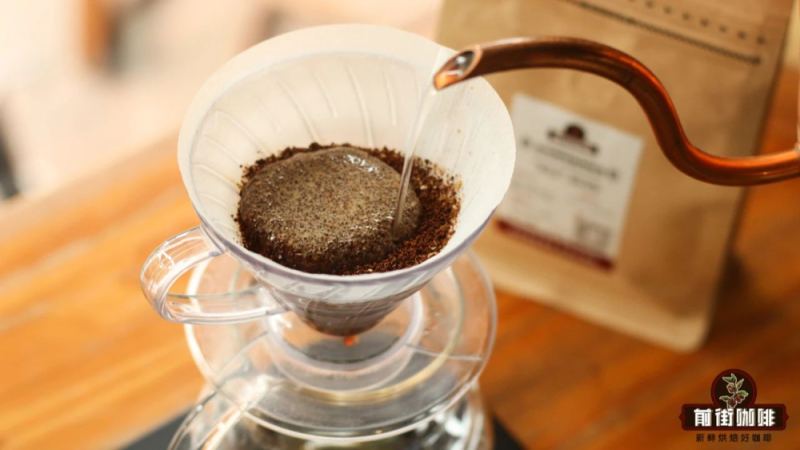
How do mandheling and Blue Mountain beans differ in flavor?
Coffee flavor follows terroir, so soil, altitude and climate give each producing country a distinct profile. The ten leading origins covered are Brazil, Vietnam, Colombia, Indonesia, Ethiopia, India, Honduras, Kenya, Mexico and Guatemala, with a close look at how Mandheling and Blue Mountain beans differ in taste and aroma.
Brazil has been the largest producer for over a century, with a planting area of about 27,000 square kilometers, and mostly uses the dry method, drying cherries in the sun. Kenya coffee is known for a different profile shaped by its own growing conditions. Indonesia produces Mandheling, one of the two beans compared in detail here.
As an agricultural product, coffee's flavor is deeply influenced by the terroir of its origin. The soil, altitude, and climate conditions of different countries endow coffee beans with vastly different aromas and tastes. This article systematically reviews the flavor characteristics of the world's top ten coffee-producing countries, covering Brazil, Vietnam, Colombia, Indonesia, Ethiopia, India, Honduras, Kenya, Mexico, and Guatemala, with a focus on analyzing the core differences in taste and flavor between Mandheling and Blue Mountain coffee beans. At the same time, the article retains the detailed parameters and brewing flavor descriptions of several representative coffee beans under the Front Street brand, providing coffee enthusiasts with a guide to producing regions that is both informative and practical.
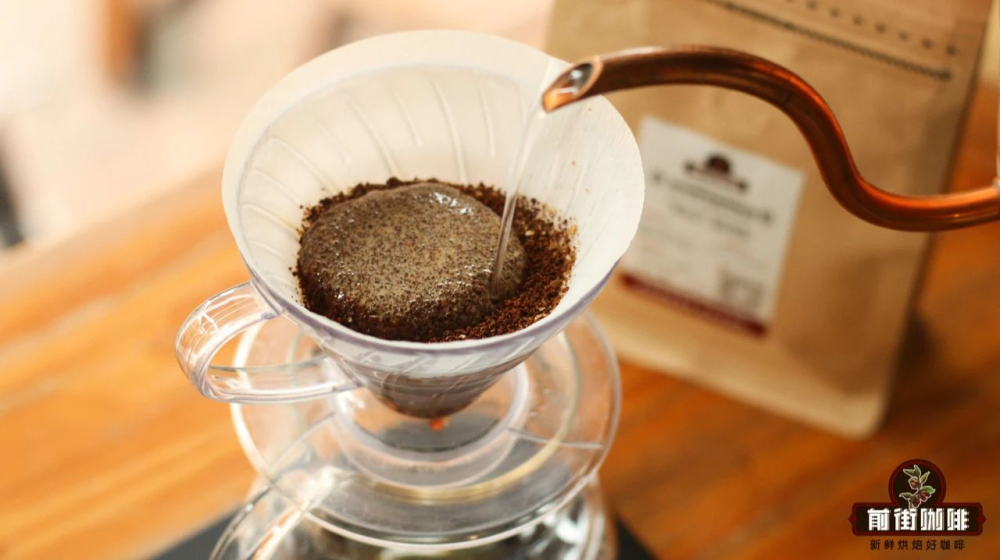
Coffee is essentially an agricultural crop, and different regions' soil and climate nurture distinctive flavors. So what are the flavor profiles of the world's top ten coffee-producing regions? Front Street will now guide you through the flavor coffee beans of these ten regions one by one.
1. Brazil Coffee Bean Producing Region:
For over a century, Brazil has firmly held the throne as the world's number one coffee producer, earning it the title "Coffee Kingdom." The coffee produced here is renowned worldwide for its excellent quality and rich flavor, making Brazil the largest coffee exporter globally. In 1727, coffee was first introduced to Brazil. Thanks to its tropical and subtropical geographical location, suitable climate conditions, and low labor costs, the coffee planting industry in Brazil grew rapidly. By the 19th century, coffee cultivation in Brazil covered almost the entire country, reaching its peak in the 1920s when it once accounted for 80% of the world's total coffee production. Later, as other countries widely planted coffee, this proportion gradually declined, but Brazil's coffee planting area still stands at 27,000 square kilometers.
Brazil differs from other producing countries in its coffee processing methods. Locals mostly use the dry method (without washing), directly drying the coffee cherries in the sun before sorting; today, some coffee beans are also processed using semi-washed or honey methods. Brazil produces both roasted and ground coffee powder as well as instant coffee, offering a rich variety with flavors that are very suitable for the general public. It is worth mentioning that Brazil is one of the few countries in the world that both produces and consumes large amounts of coffee, which shows how much Brazilians love coffee.
The main coffee varieties grown in Brazil include Bourbon, Caturra, Catuai, and Mundo Novo.
Brazil Coffee Representative — Front Street Queen Estate Yellow Bourbon Coffee Beans
Country: Brazil Region: Mogiana Estate: Queen Estate Variety: Yellow Bourbon Processing Method: Semi-washed (pulped natural) Altitude: 1400–1950m Brewing Flavor: The fresh sweetness of sugarcane juice, black tea, a soft and smooth fruity sweetness, distinct nutty flavors, balanced and gentle acidity, a weak and clean bitterness, rich chocolate aroma and nutty flavors, a bright and refreshing taste, smooth and delicate mouthfeel.
2. Vietnam Coffee Bean Producing Region:
Located in Southeast Asia, Vietnam has a hot and humid tropical climate, making it an ideal place for coffee trees to grow, and its production has long ranked second in the world. As is well known, the iconic way to drink Vietnamese coffee is with condensed milk, giving it a sweet taste, and this method is popular in many places; nowadays some people also like to add ice. However, some people believe that Vietnam mainly grows Robusta varieties, and the coffee has a heavier bitter and burnt taste, which may be an important reason why locals like to add condensed milk to balance it. Although Vietnam's coffee industry is now developing steadily, it was historically affected by war, but production has surged from 6,000 tons in 1975 to second in the world, already exceeding one million tons.
The main coffee variety grown in Vietnam is Robusta.
A small amount of Robusta from Vietnam is used in Front Street's commercial espresso blend, mainly for use in coffee shops, and it can also meet the needs of home brewing.
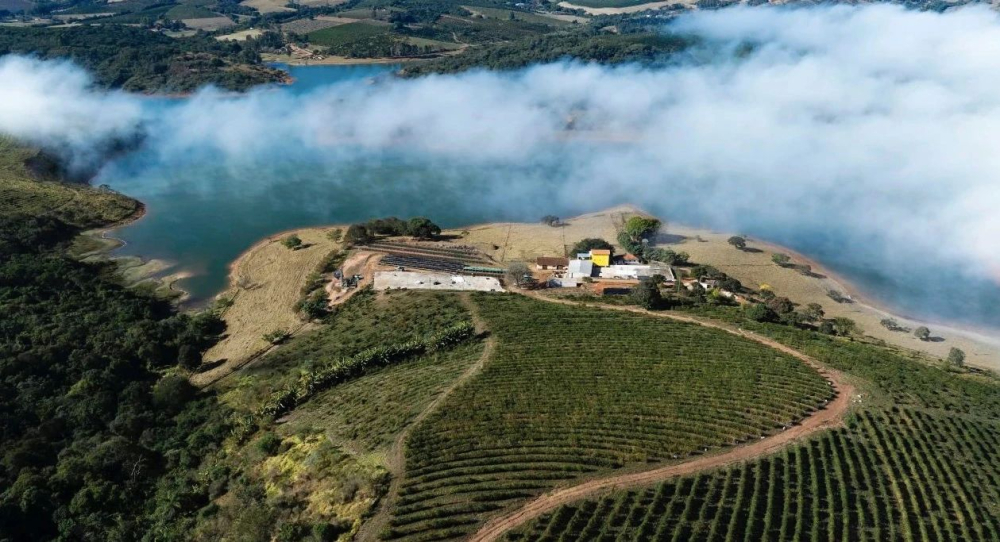
3. Colombia Coffee Bean Producing Region:
Colombian coffee is also highly renowned globally and is one of the few products sold worldwide as a single-origin coffee under a country's name, partly thanks to the promotion by the National Federation of Coffee Growers. They created the coffee farmer image named Juan Valdez, contributing greatly to the development of the local coffee industry. In the past, Colombia was long the world's second-largest coffee producer, but with the rise of Vietnam and the impact of climate change on Colombia, its ranking has slipped to third. However, this does not affect Colombia's status in the hearts of coffee lovers; the coffee here has a mild and balanced taste, not as intense as Brazilian coffee, with a sweet and fragrant aroma, understated yet elegant.
Colombia Coffee Representative — Front Street Diviso Estate Sidra Coffee Beans
Region: Santander Altitude: 1700m Processing Method: Anaerobic Natural Variety: Caturra Brewing Flavor: Rose floral aroma, strawberry, chocolate flavors, low acidity, pronounced sweetness, sweet and fragrant taste.
4. Indonesia Coffee Bean Producing Region:
Indonesia is one of Asia's famous coffee-producing countries, with Mandheling coffee being the most renowned. Mandheling has low acidity, high body, a grassy aroma, a rich and full mouthfeel, and an impressive sweet aftertaste. For those who don't like acidity, it is well worth trying. Since Front Street opened, it has always been a loyal fan of Mandheling coffee, and the Front Street Golden Mandheling from PWN has always been favored by Front Street fans. Front Street PWN Golden Mandheling selects the best of the best, undergoing multiple rounds of manual sorting, requiring plump and consistent appearance; compared to regular Mandheling, it has a cleaner taste and richer flavor.
Indonesia Coffee Representative — Front Street PWN Golden Mandheling Coffee Beans
Country: Indonesia Company: Pawani Region: Gayo Mountain, Aceh, North Sumatra Processing Method: Wet-hulled (Giling Basah) Variety: Ateng Altitude: 1100-1600 meters Brewing Flavor: Layered and complex, rich and clean, high balance, intense nutty and caramel aromas, with chocolate notes, long-lasting finish.
5. Ethiopia Coffee Bean Producing Region:
Traditional Ethiopian coffee bean roasting process
Ethiopia is the birthplace of the Arabica coffee bean that has swept the globe, with a long history of coffee production and a profound coffee culture. Over 1,100 years ago, a shepherd discovered that his flock became unusually excited after accidentally eating coffee beans, and since then coffee's invigorating effect became known. Ethiopia's Yirgacheffe coffee is famous worldwide, synonymous with local specialty coffee, with a rich and complex aroma. Yirgacheffe was originally just a sub-region, but due to its outstanding flavor, it became independent from the larger region and is highly sought after by connoisseurs.
Ethiopia Coffee Representative — Front Street Yirgacheffe Natural Red Cherry Region: Yirgacheffe Region Altitude: 1900-2300m Variety: Heirloom Processing Method: Natural Grade: G1 Brewing Flavor: Tropical fruit, strawberry flavors, full and rounded acidity, juicy mouthfeel, long-lasting finish.
6. India Coffee Bean Producing Region:
Unlike most countries, India's coffee trees are grown in the shade, avoiding direct sunlight, resulting in a delicate taste. In India, coffee trees are usually planted alongside cardamom and cinnamon trees, so the coffee produced here often has spice-like flavors and aromas. Another difference from other coffee-producing countries is that coffee is not popular locally in India; most coffee is exported, mainly to markets like Europe, though domestic coffee consumption in India is gradually growing today.

India Representative Coffee — Front Street Indian Monsooned Malabar Coffee
Country: South India Region: Malabar Coast, South India Altitude: 1100-1200 meters Variety: Kents, S795, Catimor, selection 9 Processing Method: Monsooned (sun-dried)
7. Honduras Coffee Bean Producing Region:
Honduras is located near the Caribbean Sea, with prominent mountainous terrain, suitable for coffee production, and coffee beans are also an important export product for the country. However, in fact, market awareness of the country's coffee is not high. Besides the country's limited international recognition, it also lacks representative coffee brands, and another reason is that the coffee beans here are mostly used for blends, so they are rarely known to the public. In reality, this seemingly obscure coffee country is the largest coffee producer in Central America.
Honduras Coffee Representative — Front Street Honduras Washed Caturra Region: Marcala Altitude: 1500-1700 meters Variety: Caturra Processing Method: Washed Brewing Flavor: Nutty, almond, dark chocolate flavors, with a maple syrup sweetness in the finish.
8. Kenya Coffee Bean Producing Region:
Kenyan coffee is globally recognized as high-quality coffee, and with the country's full support and strict grading system, it has earned the reputation of "coffee connoisseur." AA is Kenya's highest quality coffee grade, and coffee of this grade can be considered the cream of the crop. Front Street is deeply fond of the Kenya AA TOP from the Thika region. TOP is labeled by Kenyan coffee traders after cupping. This Front Street Kenya AA TOP bean uses the K72 double washed fermentation process, with very bright and lively acidity, as delicate and enticing as berries and red wine. When brewing, the rich berry aroma immediately wafts out, and on the palate there are distinct cherry tomato and smoked plum flavors, with acidity and aroma lingering in the mouth, and a creamy sweet aftertaste with long-lasting sweetness.
Kenya Coffee Representative — Front Street Little Tomato AA TOP
Region: Thika, Kenya Processing Station: Asali Processing Station Altitude: 1550–1750 meters Grade: AA TOP Variety: SL28, SL34 Processing Method: Kenyan 72-hour washed Brewing Flavor: Ripe tomato and floral aromas, with cherry tomato and smoked plum flavors on the palate, bright acidity, clean and the most solid and rich mouthfeel, prominent sweetness in the middle, juicy, with berry and brown sugar sweetness in the finish, and green tea aroma.
9. Mexico Coffee Bean Producing Region:
Mexico is known for producing high-quality Arabica coffee beans. The coffee beans here are larger in size, with a rich aroma and sweet-tart taste, most of which are exported to the United States. The development of the coffee industry has provided locals with more job opportunities and sources of income. Those who love alcohol know that Mexico is famous for producing Tequila, and some bold people even add tequila to their coffee.
Mexico Coffee Representative — Front Street Mexico Chiapas Swiss Water Decaf Coffee
Country: Mexico Region: Chiapas Altitude: 900-1500 meters Variety: Bourbon, Caturra, Typica, Criollo Processing Method: Swiss Water Process Grade: HG Harvest Season: 2020
10. Guatemala Coffee Bean Producing Region:
Guatemala borders Mexico and was the largest coffee producer in Central America until 2011, when it was gradually overtaken by Honduras. Guatemala Antigua coffee is the nobility among coffees, with a rich sweet-tart taste and an enchanting hint of smokiness, as if emphasizing its mysterious character. Some say that from a cup of Guatemala Antigua coffee with its unique smoky flavor, one can read a fascinating story about the wisdom of the Maya who once lived on this land.
Representative Coffee — Front Street Guatemala Antigua Floral God
Region: Antigua Region Altitude: 1200-1600m Variety: Bourbon, Caturra Processing Method: Washed Grade: SHB Brewing Flavor: Berry acidity, citrus, slight chocolate, rich layers, smooth mouthfeel.
The above content is compiled by CoffeeHunters, a coffee news website.


