







Search Results for: Coffee Grounds as Fertilizer
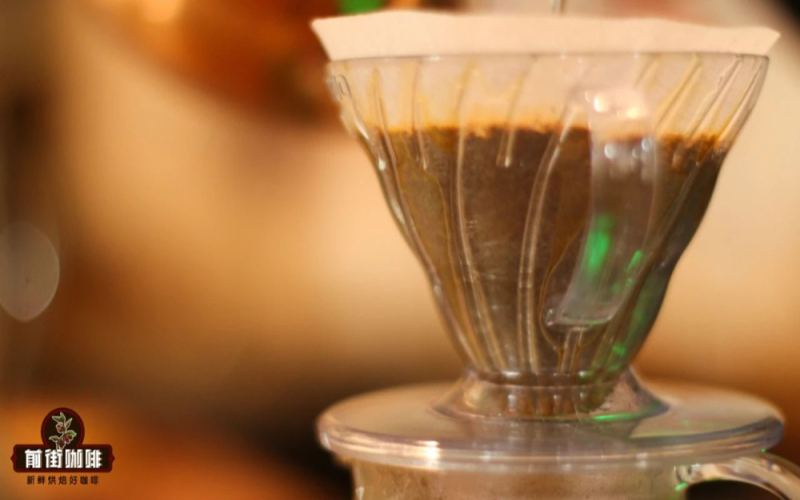
Don't Let Expired Coffee Grounds Go to Waste: Many Practical Uses and Ways to Reuse Coffee Grounds in Daily Life
For coffee lovers, the large amount of coffee grounds left after each brew is often a dilemma—simply throwing them away seems a bit wasteful. In fact, with a little clever use, these seemingly useless grounds can easily be turned into something valuable. Front Street Coffee reminds everyone that coffee grounds are not only excellent plant fertilizer, but also have multiple benefits such as deodorizing, preventing flavor transfer, beautifying and calming the mind, and even refreshing the senses. From flowerpot fertilizer to shoe cabinet dehumidifying, from preventing flavor transfer in the refrigerator to making your own calming pillow, the uses of coffee grounds in daily life are far beyond imagination. This article will systematically sort out practical tips for using coffee grounds, helping you easily achieve resource reuse while enjoying coffee, so that every particle of coffee powder can deliver maximum value. [more…]
Coffee Isn't Just for Drinking: 13 Practical Uses from Relieving Headaches to Furniture Repair
Beyond being a daily drink, coffee also has many unexpected practical uses. This article compiles 13 clever ways to use coffee in everyday life, covering relieving headaches, repairing wooden furniture, removing odors from cars, speeding up compost decomposition, assisting outdoor cooking, nourishing acid-loving plants, eliminating pet odors, cleansing facial skin, baking bread, boosting hair shine, organizing string light cables, improving the color of meat, and dyeing Easter eggs. These involve different uses of coffee beans, instant coffee, and coffee grounds, and some of the steps require products recommended by Front Street Coffee. Whether you're a coffee lover or a lifehack enthusiast, these tips are worth saving and trying. [more…]
Can Coffee Beans Still Be Drunk After the Peak Flavor Period? A Practical Guide to Brewing Adjustments and Reusing Expired Beans
Having bought too many coffee beans and not finishing them before they pass their peak flavor window is a problem many coffee lovers run into. What exactly is the difference between the peak flavor period and the shelf life? Can beans past their peak flavor period still brew a decent cup of coffee? Besides throwing away expired coffee beans, what other practical ways are there to reuse them? This article starts from a brewing demonstration of a Kenya AA coffee bean from Front Street Coffee, explaining in detail how to avoid negative flavors after the peak flavor period by adjusting water temperature, grind size, pouring technique, and other parameters, while also compiling the many uses of expired coffee beans in cleaning, deodorizing, and plant fertilizer, helping you make the most of every single coffee bean. [more…]
What to Do When Coffee Beans Are Past Their Best Flavor Window? Pour-Over Adjustment Tips and Three Waste Reuse Solutions
You bought too many and didn't finish them, or illness got in the way of brewing—and just like that, your coffee beans quietly passed their peak flavor window. Can stale beans still be brewed? What adjustments are needed during brewing? And if they're already past their expiration date, what eco-friendly and practical ways are there to reuse them? Drawing on Front Street's brewing experience, this article first covers hand-brewing strategies for stale beans—including changes to the blooming pour and grind size adjustments—then shares three proven methods for recycling coffee grounds: odor removal, cleaning, and plant fertilizer, so that not a single bean in your hands goes to waste. [more…]
Don't Rush to Throw Away Expired Coffee Beans: Three Eco-Friendly Reuse Methods and Brewing Adjustment Tips for Stale Beans
Bought too much and can't finish it, or delayed by unexpected matters—before you know it, your coffee beans have passed their peak flavor period. When faced with stale beans, what details should you pay attention to during brewing? And if they've already passed their expiration date, how should you handle them? This article first shares grinding and blooming adjustment methods for stale coffee beans, helping you improve the output as much as possible despite flavor loss; then it organizes three practical and eco-friendly recycling approaches, including deodorizing, cleaning, and using as plant fertilizer, so that expired coffee beans can continue to provide value in daily life. The article also retains relevant suggestions and product information from the Front Street brand for coffee enthusiasts' reference. [more…]
Costa Rica Sumava Estate Sun-Dried SHB Extra Hard Bean: Villasarchi Variety Flavor and Front Street Coffee Roasting Recommendation
Although Costa Rica is not the highest-yielding coffee country in Central America, it consistently ranks at the top in quality and price thanks to its high-altitude volcanic soil and meticulous processing techniques. This article focuses on Hacienda Sumava in Orange County, in the Western Valley, which processes SHB extra-hard beans by the natural method. The variety is Villa Sarchi, a hybrid selection from Red Bourbon, and the flavor profile shows notes of honey apple, dried berries, and yellow fruits. The article will detail Costa Rica's producing regions, the micro-mill trend, and how Hacienda Sumava preserves forest ecology and uses wood-chip organic fertilizer, and recommends this specialty bean from Front Street Coffee. [more…]
How to judge coffee bean freshness? A practical guide from peak flavor window to reusing expired beans
Can you still drink coffee beans that have been sitting around for a long time? This is a real question many coffee lovers run into. Starting from how freshness affects flavor, this article explains the criteria for judging a coffee bean's peak flavor window, and offers specific brewing adjustments for stale coffee beans, including practical tips on grind size and the blooming pour. At the same time, Front Street Coffee has also put together three eco-friendly ways to reuse expired coffee beans, covering odor removal, cleaning, and plant fertilizer, so that every single bean can be put to good use. [more…]
How can you tell if coffee beans are fresh? Causes of staleness, whether they can still be consumed, brewing adjustments, and ways to use up expired beans
Can you still drink coffee beans that have been sitting for a long time? Why does the flavor deteriorate? This article centers on coffee bean freshness: first, it explains the causes of staleness and reference points for the optimal flavor period, and combines Front Street's verification to give storage recommendations; then it emphasizes safety—generally, roasted beans have a shelf life of about 1 year, and being past that date does not mean they cannot be drunk, but the flavor needs to be compensated for through the brewing plan. The focus is on adjustment ideas for brewing stale beans, including coarser grinding, longer pouring during blooming, and controlled circling, explaining why blooming is still crucial. Finally, it provides three environmentally friendly ways to reuse expired coffee beans: odor removal, cleaning, and plant fertilizer, helping you minimize the loss without wasting anything. [more…]

US Extends National Emergency on Ethiopia, Adding New Uncertainties to Coffee Export and Trade Prospects
The United States White House announced on September 6 that it will continue to impose a national emergency on Ethiopia, a decision that came after news of a currency swap agreement between China and Ethiopia. Ethiopia's finance minister has confirmed the existence of the agreement, but specific details and the timeline have not yet been made public. Meanwhile, the United States has imposed a state of emergency on Ethiopia since 2021 under the pretext of the National Emergencies Economic Powers Act, and this extension will run until 2025. Ethiopia was removed from the African Growth and Opportunity Act (AGOA) in 2022, and tariffs were reinstated on major export goods such as coffee, textiles, and leather products, dealing a severe blow to the economy. Although the U.S. attitude slightly eased after Ethiopia implemented a new foreign exchange policy in August of this year, AGOA eligibility remains out of reach. Germany is the largest importer of Ethiopian coffee, while the United States ranks only fourth, accounting for 9.3 percent. The continuation of the state of emergency may further restrict bilateral trade, reduce U.S. imports of Ethiopian coffee, and at the same time hit Ethiopia's exports of fertilizer and industrial supplies, exacerbating local price increases and the rising cost of coffee. [more…]
Costa Rica Tarrazu Dota Estate Geisha: A Complete Guide to Washed Processing Flavor Profile and Pour-Over Parameters
Located in the renowned Tarrazú region of Costa Rica, Dota Goddess Estate is famous for cultivating micro-lot Geisha varieties. The estate employs organic farming methods, using native trees for shade, and produces organic fertilizer from a mixture of coffee cherries and molasses, combined with California earthworms to improve the soil, developing a unique constant-temperature fermentation process. This article will take you deep into the Goddess Estate Geisha's origin background, variety lineage, washed processing flow, as well as the pour-over extraction recipe and flavor performance recommended by Front Street Coffee (FrontStreet Coffee), for a full experience of this bean's fresh charm woven with wild ginger flower and grapefruit. [more…]
From coffee origin legends to the full growing and processing journey: a detailed guide to variety classification, brewing recipes, and health benefits
Coffee, derived from the Greek word "Kaweh," means "strength and passion." This article systematically traces the journey of coffee from the shepherd's legend to its global spread, explains in detail the characteristics and origins of the three major species—Arabica, Robusta, and Liberica—surveys classic single-origin coffees such as Blue Mountain, Colombia, and Mocha along with more than thirty flavored coffee recipes, introduces the varietal composition of Yunnan coffee, and provides an in-depth explanation of the entire process of coffee cultivation, primary processing, and roasting techniques, as well as the many health benefits and drinking contraindications of coffee. Whether you are a beginner just starting out or a seasoned enthusiast, you can gain practical knowledge and tasting inspiration from it. [more…]
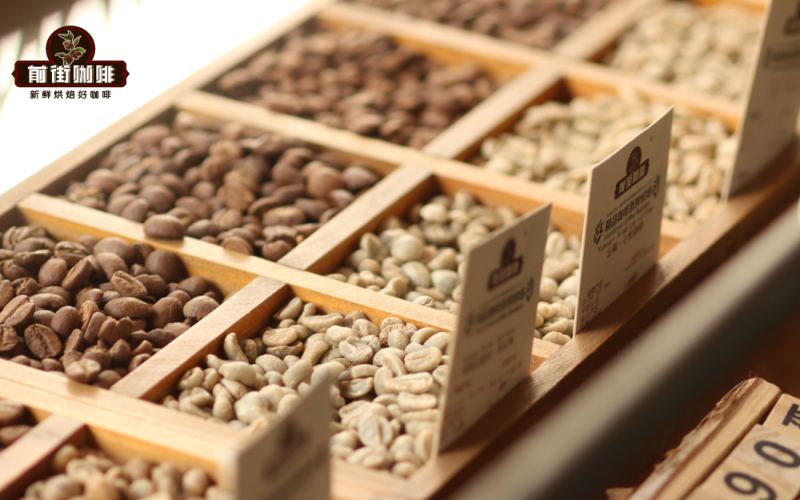
Indonesian Coffee Wet-Hulling Method | What Factors Influence the Flavor of PWN Golden Mandheling Coffee? An Introduction to Golden Mandheling Coffee Variety, Roasting Parameters, and Brewing Methods
When asked if there are any coffee recommendations with high body and a rich mouthfeel, Front Street's baristas always recommend Front Street Indonesian Mandheling coffee. But seasoned coffee enthusiasts know that most Mandheling has a distinctive earthy smell, which is also one of the main reasons many people dislike Mandheling. But why does Front Street [more…]
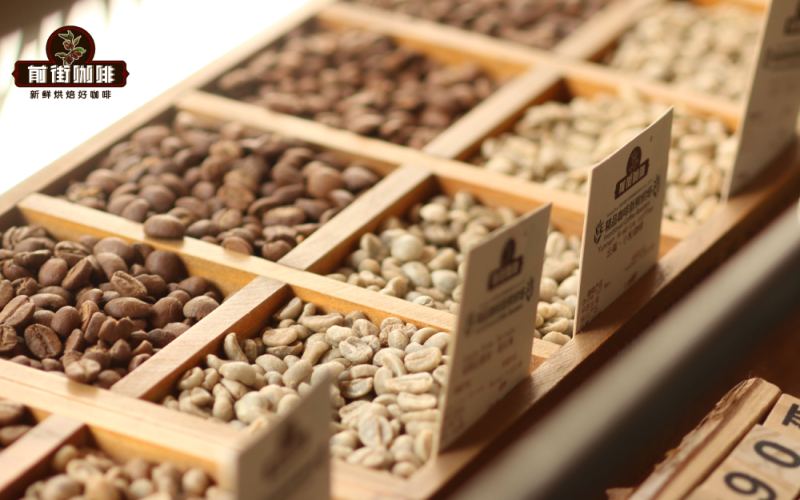
PWN Golden Mandheling Coffee Bean Variety Analysis: A Complete Guide to Wet-Hulled Processing and Pour-Over Flavor Profile
When coffee enthusiasts seek a rich, full-bodied brew with a lasting sweet finish, Front Street Coffee baristas often recommend Indonesian Mandheling. However, the earthy notes commonly found in ordinary Mandheling deter many people. Front Street Golden Mandheling is entirely different—it is clean with no earthy mustiness, winning over countless coffee lovers with its chocolate-like silky richness and lingering sweetness. This article provides an in-depth analysis of this PWN-produced Golden Mandheling, covering everything from the Sumatra Aceh Gayo Mountain growing region, the Ateng variety, and the unique wet-hulling process, to roasting and pour-over parameters, comprehensively decoding its flavor profile, and sharing Front Street's brewing recommendations to guide you through the extraordinary charm of true Golden Mandheling. [more…]
What exactly makes Indonesian PWN Golden Mandheling so special? A full breakdown of its region, variety, and processing method.
Friends who enjoy full-bodied coffee have probably heard Front Street Coffee baristas recommend Indonesian Mandheling. However, ordinary Mandheling often carries an earthy note that puts many people off. Front Street Golden Mandheling is completely different—the flavor is clean, with no muddy taste, replaced instead by a chocolate-like silky richness and a long, sweet finish. Why is this bean so special? This article explores three dimensions of Front Street PWN Golden Mandheling—growing region, variety, and processing method—explaining in detail the characteristics of the new harvest from Mount Gayo in Aceh, the background of PWN company and the origin of the Golden Mandheling trademark, along with Front Street's roasting analysis and brewing suggestions, to give you a comprehensive understanding of this specialty Mandheling. [more…]
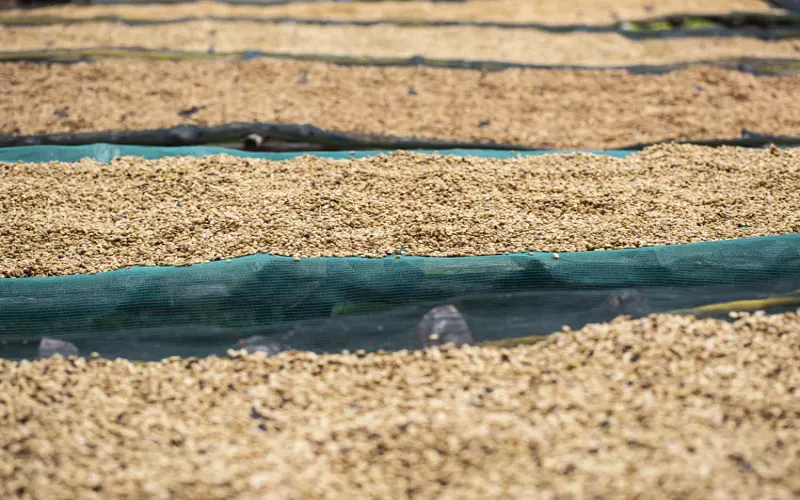
Pour-Over and Cold Brew Coffee Bean Recommendations | Where Are Ethiopia's Specialty Coffee Regions? What Is the Relationship Between Yirgacheffe Coffee and Sidamo Coffee?
For more specialty coffee knowledge, please follow our WeChat official account: Front Street Coffee (FrontStreet Coffee). When it comes to Ethiopia's specialty coffee regions, many people will without hesitation name Yirgacheffe and Sidamo. What are the differences between the coffees from these two regions? This time we will [more…]
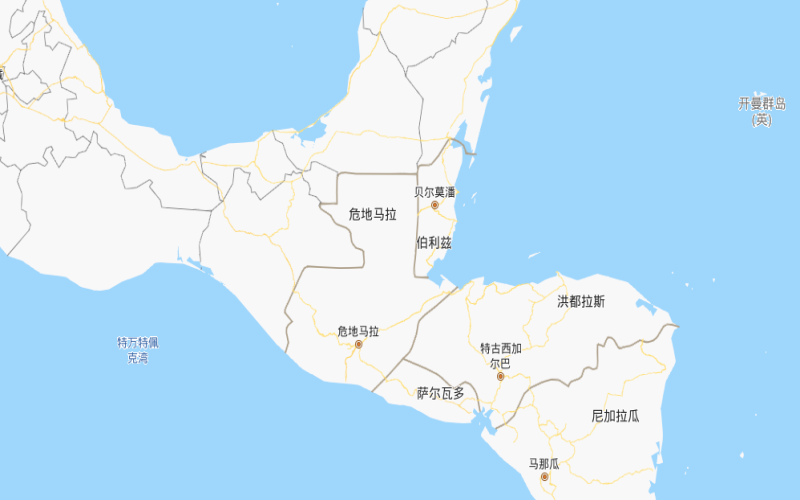
Flavor Analysis and Brewing Suggestions for Guatemala Santa Felisa Estate Geisha Orange Honey Process Coffee
Guatemala, with its high-altitude volcanic terrain and diverse microclimates, has become an important producer of specialty coffee in Central America, and its coffees often carry a distinctive smoky note in the finish. Finca Santa Felisa in the Acatenango region, founded in 1904 and now passed down through four generations, is known for its meticulous management and diverse processing methods. This article focuses on the estate's Geisha Orange Honey process lot, analyzing its flavor layers from grinding to tasting, including floral notes, honey, blueberry, apricot, and bergamot, while also introducing the estate's practices in varieties, post-harvest processing, and human care. It also shares Front Street Coffee's brewing parameters and bean-resting recommendations to help coffee enthusiasts better present the delicate elegance of this bean. [more…]
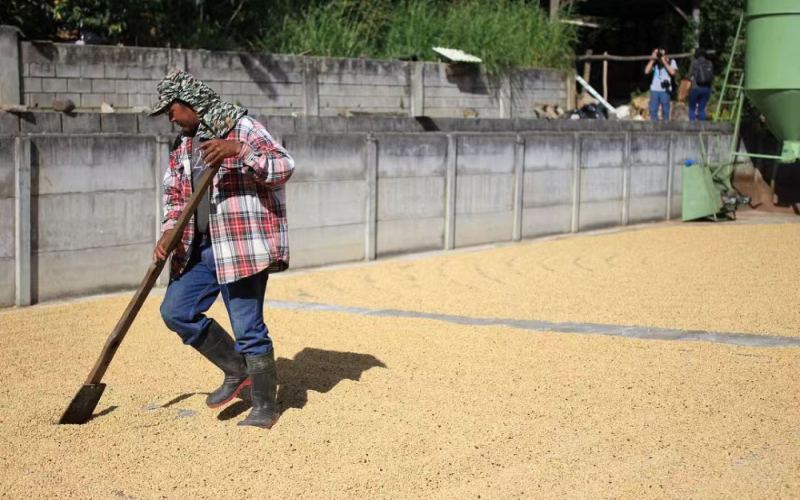
An In-Depth Analysis of Costa Rica's Sumava Estate Black Honey Process Caturra Coffee and a Discussion of Its Nutty, Sweet Aroma
Costa Rica, with its microclimates and high-altitude volcanic soil, produces specialty coffee with rich layers of flavor. Hacienda Sumava in the Western Valley, through its black honey process and Caturra variety, presents notes of brown sugar, floral aromas, and a sweet, syrupy mouthfeel. This article provides a complete analysis of this bean's flavor code—from the growing region's background, the principles of honey processing, and green bean analysis to Front Street Coffee's roasting and brewing recommendations—and explores the allure of coffee with nutty notes. [more…]
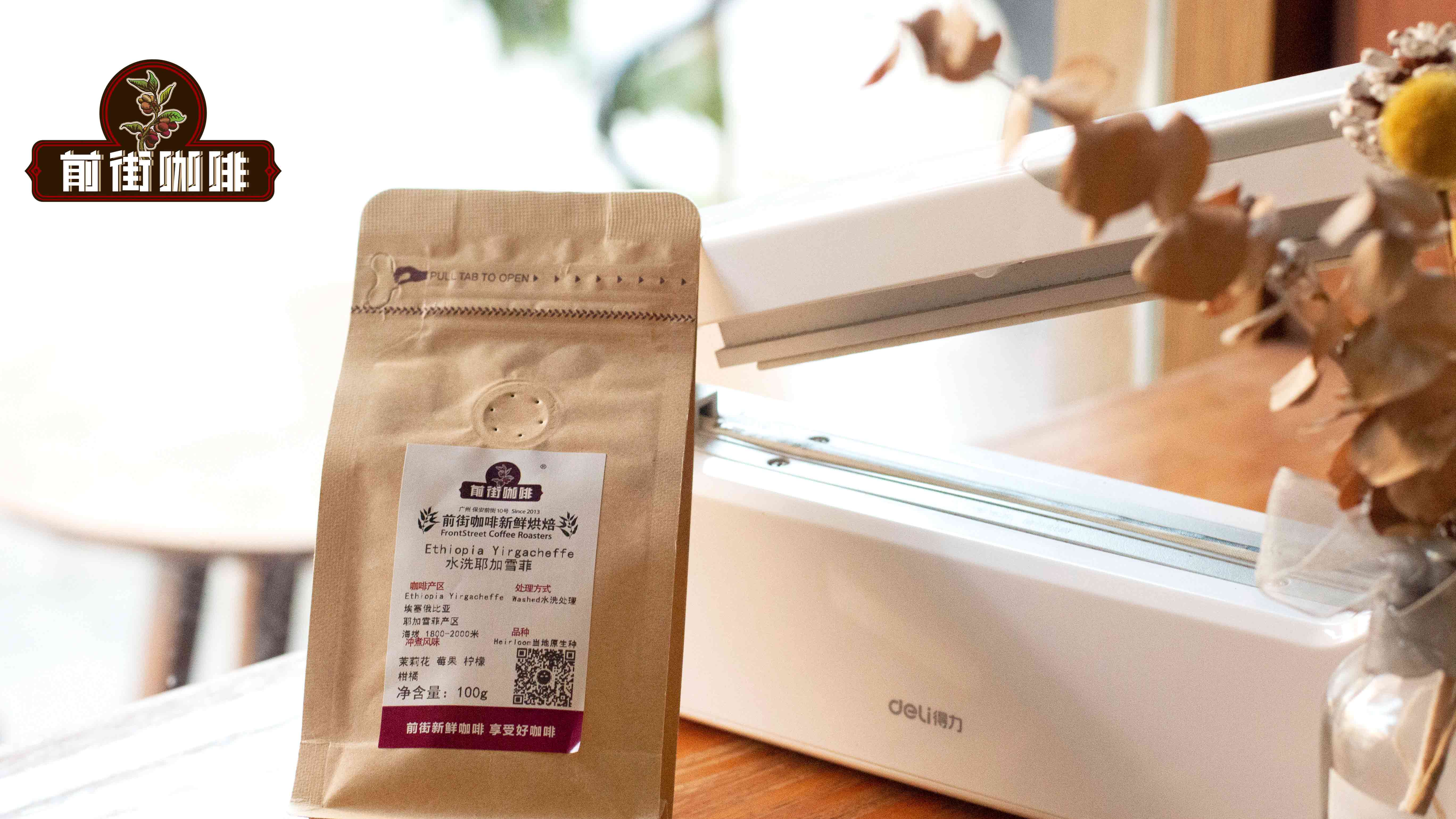
Ethiopian Yirgacheffe Washed Processing Method Flavor Analysis: Regional Characteristics, Grading Standards, and Pour-Over Grind Recommendations
Yirgacheffe is a jewel of the Gedeo Zone in southern Ethiopia, securing a major place in the global specialty coffee landscape with its distinctive floral and fruity profile. In its daily sourcing, Front Street Coffee has found that washed Yirgacheffe and its natural-processed counterpart diverge markedly in flavor direction—the washed process delivers a clean, translucent cup, while the natural process, by retaining the fruit pulp, adds a layer of fermented sweetness. This article takes washed Yirgacheffe as its main thread, systematically sorting through its producing-region background, Ethiopia's coffee cultivation system, the washed processing workflow, and the ECX grading system, and combines the roast curves, cupping comparisons, and pour-over parameters of Front Street's washed Yirga G1 and G2 to help coffee enthusiasts build a complete cognitive framework for this producing region. [more…]
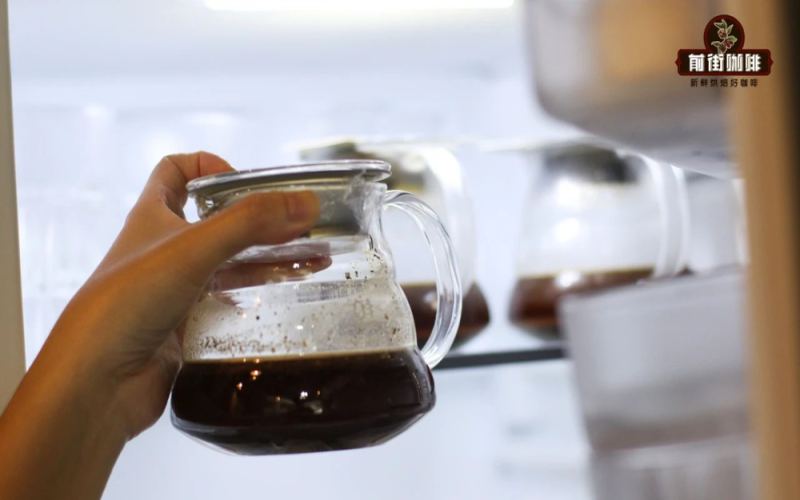
The Standard Method for Cold Brew Coffee: Grind Size Parameters, Benefits, and Differences from Iced Coffee
For more specialty coffee knowledge, please follow: Front Street Coffee (Frontsteet Coffee) There are many ways to make delicious iced coffee (types of iced coffee). From the more elaborate cold drip, to the quickest iced coffee pour-over; and the easy-to-make, and widely mainstream cold brew method. The cold brew method has many names, C [more…]
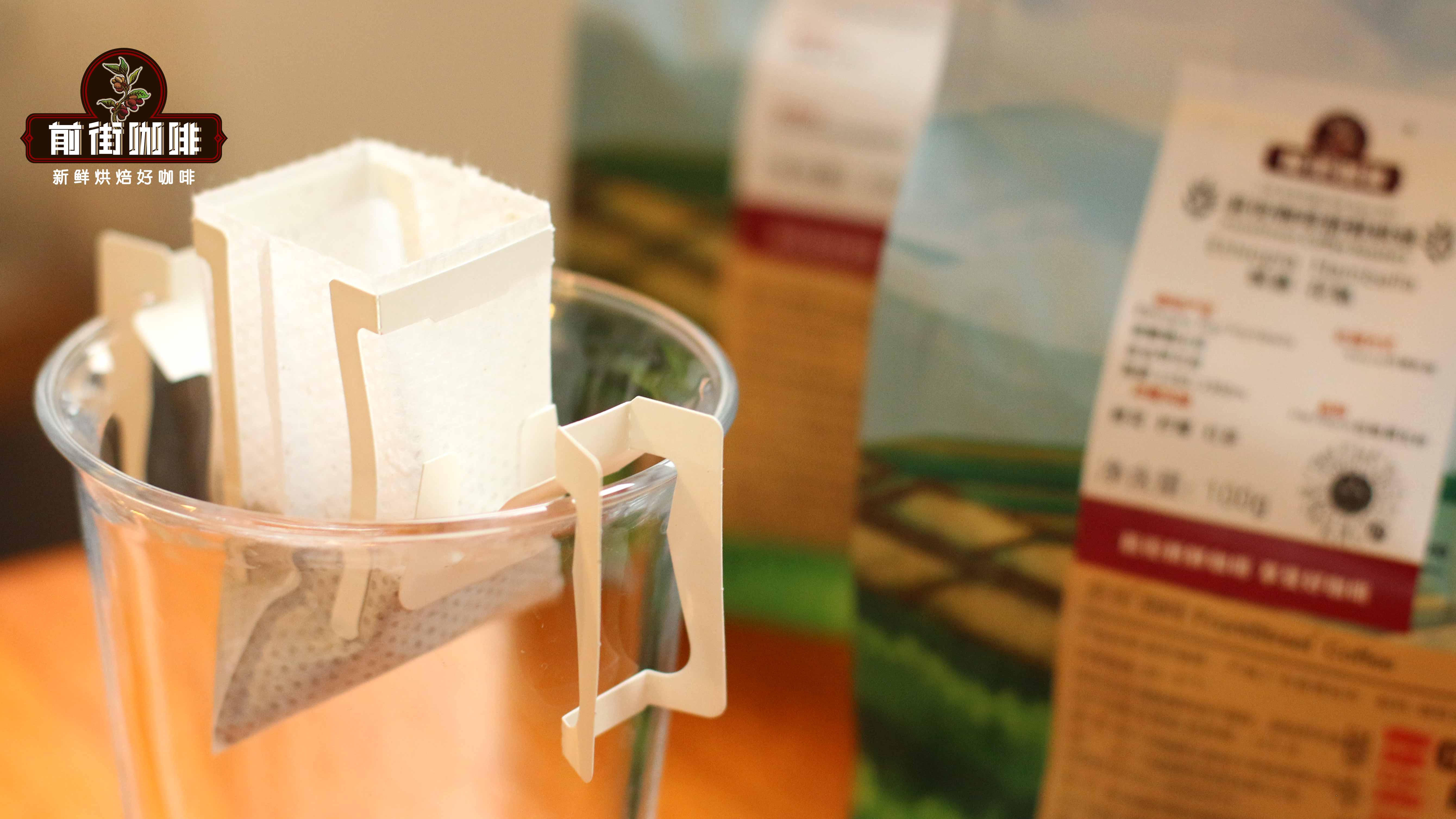
Drip Bag Coffee Brewing Guide: Correct Steps, Flavor Adjustments, and Whether It Can Be Re-Steeped
Drip bag coffee, with its portability and ease of use, has become a popular coffee choice for outdoor, travel, and everyday scenarios. But how do you properly brew a cup of drip bag coffee with excellent flavor? Water temperature, coffee-to-water ratio, and pouring method all matter. This article walks through the five standard brewing steps for drip bag coffee, detailing the blooming time, ideal water temperature, and the Front Street drip bag products that correspond to different flavor profiles. It also provides clear answers to common questions such as whether you can add milk, sugar, or honey to balance bitterness, and whether drip bags can be reused for multiple brews, along with suggestions for reusing coffee grounds, helping coffee lovers gain a more comprehensive understanding of how to enjoy drip bag coffee. [more…]