







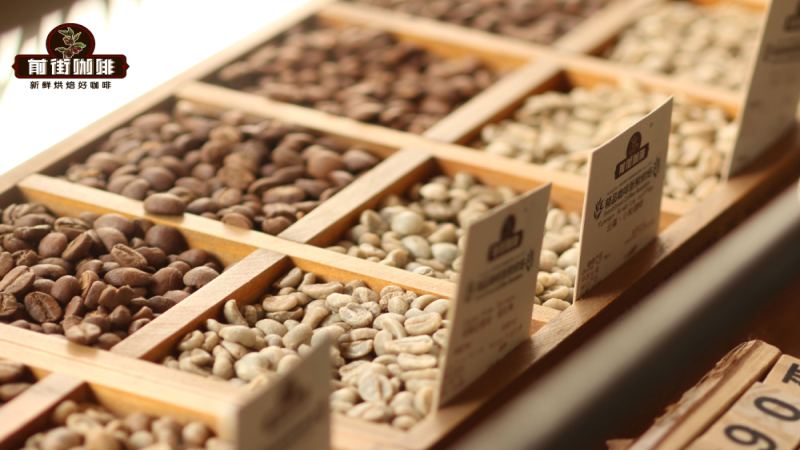
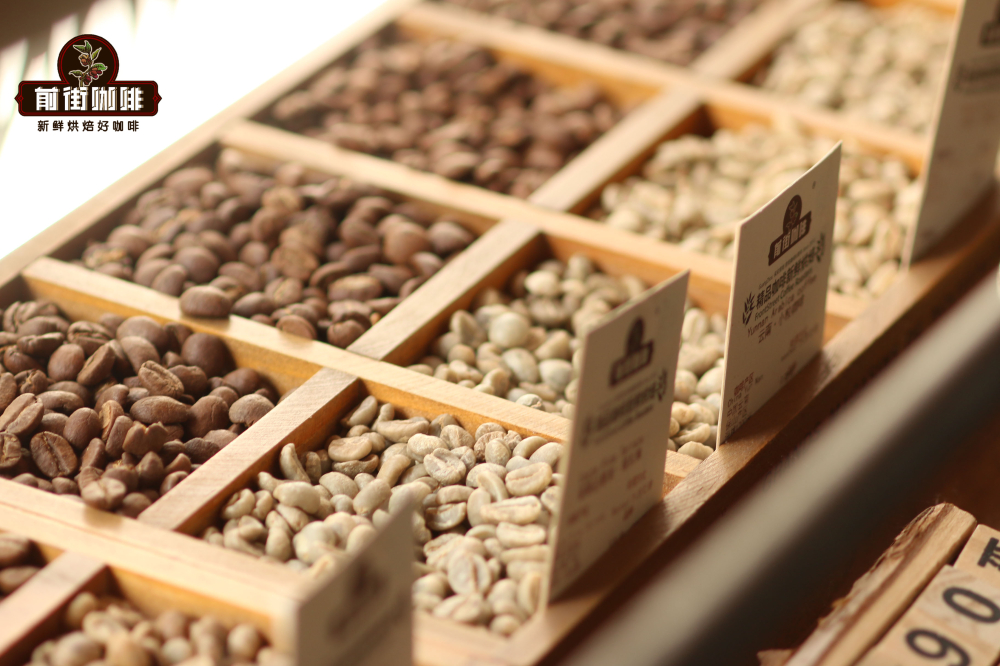
When generally asked if there are any coffees with high body and rich flavor to recommend, Front Street's baristas always recommend Front Street Indonesia Mandheling coffee. But seasoned coffee enthusiasts know that most Mandheling has a distinctive earthy taste, which is one of the main reasons many people dislike Mandheling. But why do Front Street's baristas recommend Indonesia Front Street Golden Mandheling coffee beans to customers? The reason is that Front Street Golden Mandheling is largely different in flavor from ordinary Mandheling; its flavor is cleaner, without the fishy earthy taste, and instead offers more of the rich, silky chocolate notes and continuously emerging sweet aftertaste, making it widely loved by coffee enthusiasts around the world. So in this article, Front Street will talk aboutFront Street Golden Mandheling.

FrontStreet Coffee · PWN Golden Mandheling Coffee Beans
Country: Indonesia
Region: Sumatra, Aceh, Gayo Mountain
Altitude: 1100-1600m
Variety: Ateng
Processing Method: Wet Hulling
Flavor: Baked toast, nuts, pine, caramel, herbal
This Front Street Golden Mandheling sold at Front Street stores is the company's latest release in 2020. Unlike the Front Street Golden Mandheling purchased in previous years, the latest batch of Mandheling comes from the Gayo Mountain region of Aceh, Sumatra, whereas the previous ones were from Lake Tawar in Sumatra. What are the characteristics of this Front Street Golden Mandheling coffee? According to Front Street's cupping and brewing of this latest-crop Front Street Golden Mandheling, compared with the previous Front Street Golden Mandheling, it has more baked toast flavor and a slightly fuller body.PWNFrontStreet Coffee has often mentioned in previous articles that the three essential conditions for producing a high-quality coffee bean are region, variety, and processing method. Next, Front Street will discuss Front Street Golden Mandheling coffee around these points.

Front Street Golden Mandheling
RegionMandheling coffee
is mainly produced on the island of Sumatra in Indonesia. It is Indonesia's largest island, located near the equator, with a typical tropical rainforest climate—hot and humid with abundant rainfall—making it very suitable for the growth of Arabica coffee beans.However, Indonesia's altitude is limited, and so is the space for growing high-quality Arabica coffee beans. Therefore, among the coffee beans produced in Indonesia, only 25% belong to the Arabica species, because Arabica can only achieve its best flavor when grown at high altitudes. The remaining 75% consists of Robusta coffee trees, which can be grown at low altitudes. And the highest-altitude area in Indonesia is Sumatra.
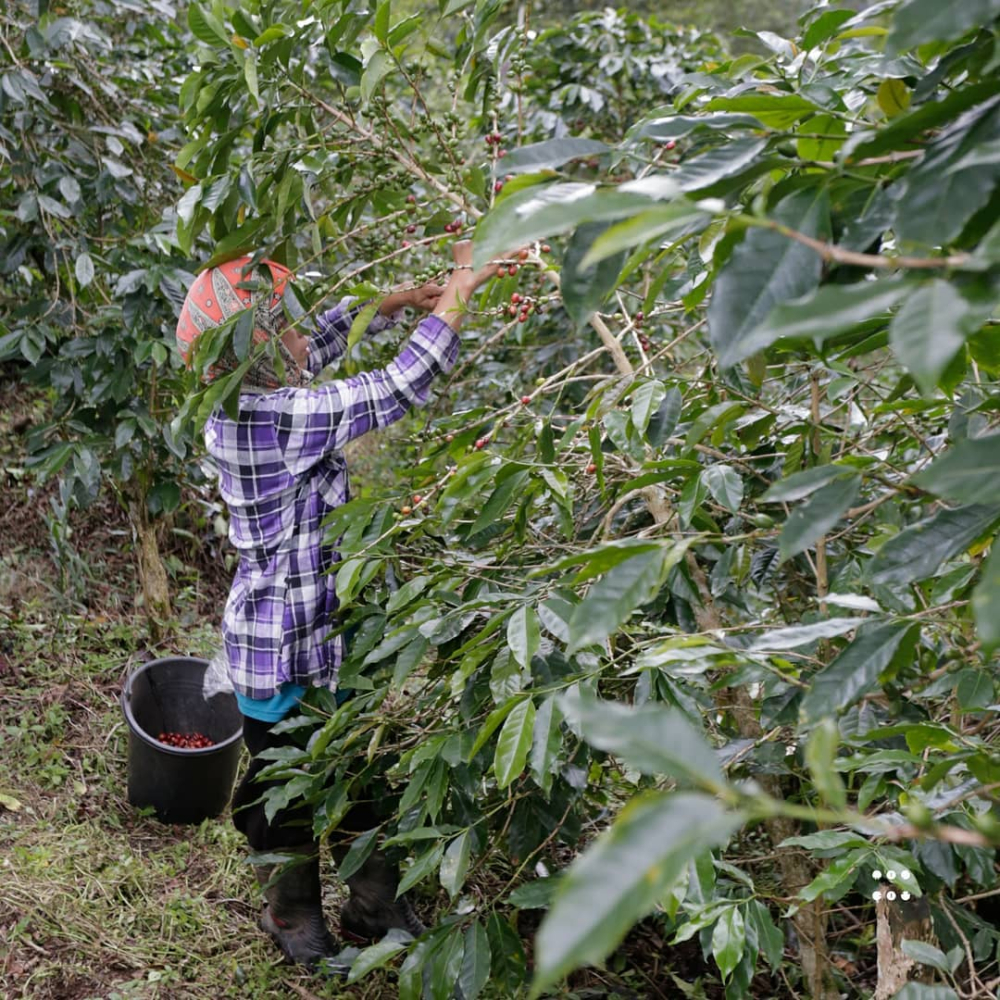
The Mandheling coffee produced in Sumatra is Indonesia's most famous specialty coffee. As Front Street mentioned above, Indonesia's climate is very humid and water resources are limited, so traditional sun-drying or washing methods cannot be used to process coffee beans. But the wisdom of Indonesian coffee farmers should not be underestimated—because of limited conditions, they developed the unique wet-hulling method to process coffee cherries. This not only greatly shortens the drying time and ensures stable green bean quality, thereby improving production efficiency, but the wet-hulling steps also give Indonesian Mandheling a unique herbal note.
FrontStreet Coffee · PWN Golden Mandheling
The company that does
Mandheling coffeebest is none other than PWN. PWN's full name is N.V. Pawani Medan company, an export trading company founded by an overseas Chinese family from Quanzhou, Fujian, located in Medan, an important port in Sumatra. It has been in the export business since 1957, dealing in products such as rubber, cassia seed, cloves, patchouli oil, and of course exporting Sumatran coffee beans to Japan.Front Street
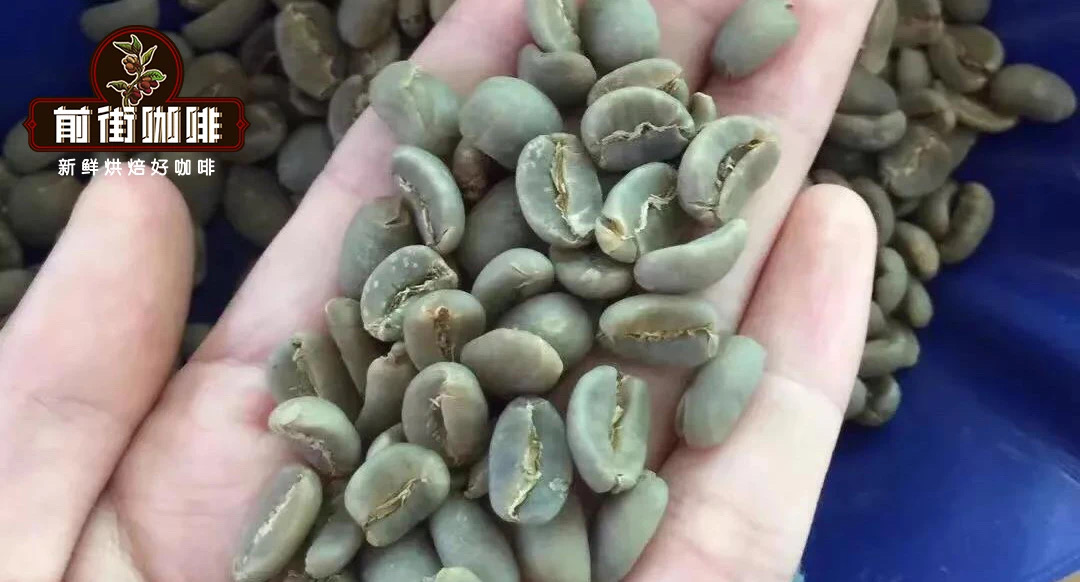
Golden Mandheling is produced by their company. Seasoned coffee enthusiasts know that Japanese people especially love Mandheling coffee. The Japanese have paid special attention to Mandheling for a long time and have strict standards for selecting coffee cherries—that is, the produced coffee must undergo four rounds of manual sorting to remove defective beans before it can be processed, packaged, and sold. And the reason it is called Golden Mandheling comes from a little folk story: when Mandheling producers were selecting flawless green coffee beans, they found that the green beans emitted a golden glow under the sunlight, hence the name "Golden Mandheling."PWNBut unfortunately, even though the Japanese were so devoted to Mandheling coffee, "golden mandheling" was registered as a trademark first by Indonesia's Pawani coffee company, making "Golden Mandheling" exclusive to PWN. And PWN was one of the earliest companies to sell Mandheling coffee beans to Japan. FrontStreet Coffee found through cupping that Front Street Golden Mandheling, compared with several other Front Street Mandheling offerings in the store, has a stronger sweet aftertaste and sucrose-like quality, making it particularly special, with a very clean mouthfeel. Therefore, Front Street decided that no matter what, it would bring this uniquely flavored Front Street Golden Mandheling coffee to Front Street's coffee enthusiast friends to taste.
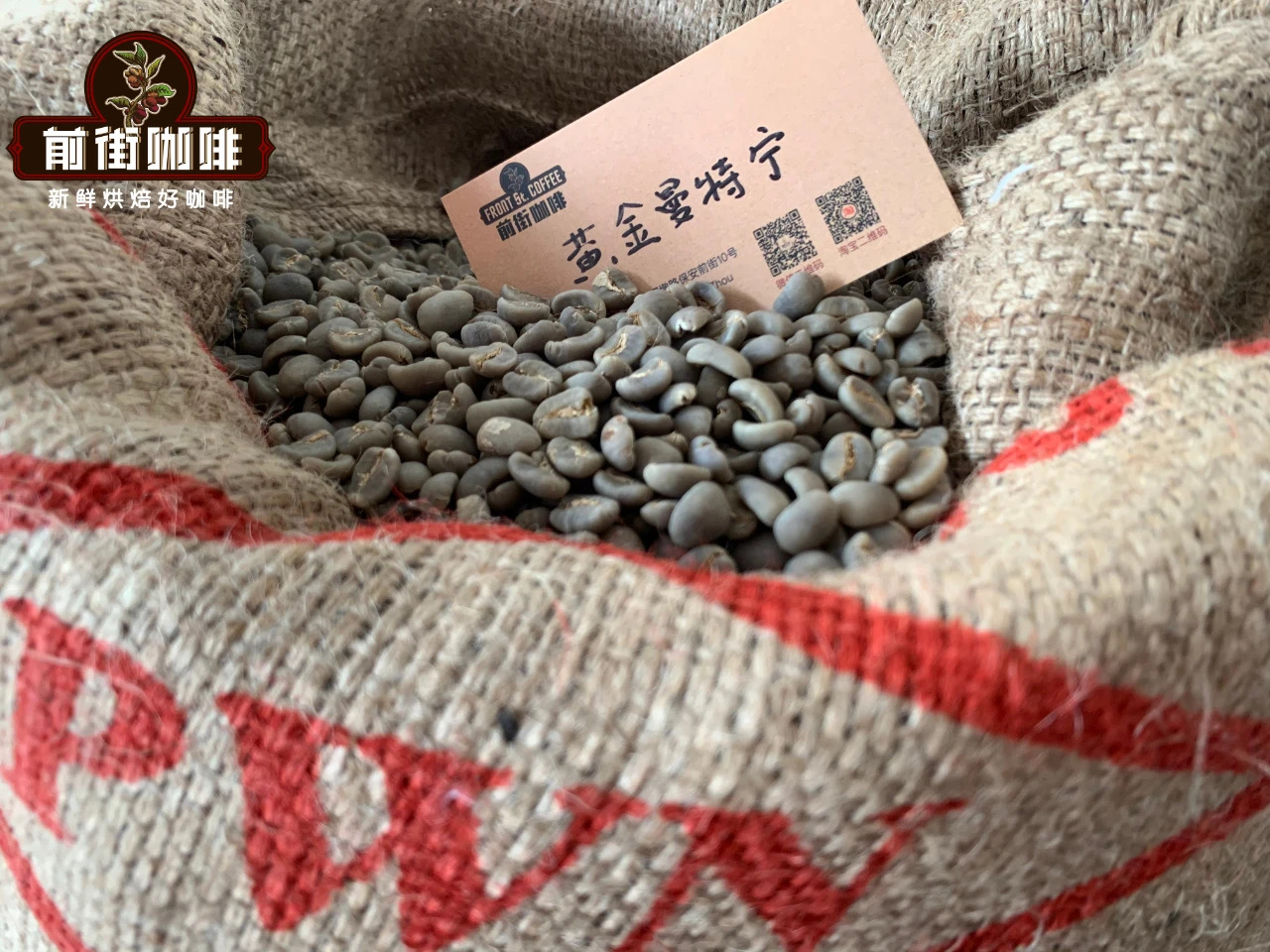
Front Street PWN
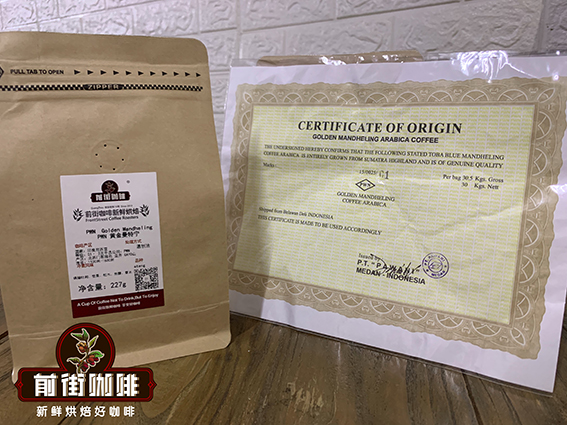
Golden Mandheling green beans are actually not easy to procure, because its annual output is not large. In the market, there are actually many unscrupulous coffee shops and merchants selling ordinary Mandheling under the guise of Golden Mandheling, but professionally trained cuppers or baristas can taste and compare the difference. For ordinary coffee novices to identifyGolden Mandheling is also very simple—just ask the merchant to provide the PWN-marked green bean burlap sack or the factory certificate accompanying the beans to know whether it is PWN Golden Mandheling.PWN Among the dazzling array of Golden Mandheling on the market, onlycompany's Golden Mandheling is truly Front Street Golden Mandheling in the real sense, andPWN's Golden Mandheling undergoes three rounds of manual sorting and one machine sorting. The beans are beautiful and also very uniform, so the roasted coffee will appear cleaner.PWNFront Street
Golden Mandheling is absolutely authentic. It was originally expected to arrive at Front Street stores in October 2020, but due to the pandemic, the ships that could transport from Indonesia were very limited, so this latest-crop Front StreetPWNGolden Mandheling arrived a month later than expected.PWNAceh Gayo Mountain Region
As Front Street mentioned before,
the company chose a new region this year—Aceh Gayo Mountain, located at the northernmost corner of Sumatra Island. Coffee cultivation in Gayo Mountain is mainly around the town of Takegon and the hillsides by Lake Tawar. The average production altitude is between 1100 and 1600 meters. Its coffee quality has always been excellent, but due to previous political instability, coffee from this region was difficult to export. In recent years, with the situation becoming peaceful, coffee cultivation in Aceh has also developed, and its quality is now superior to that of the Lintong region. This is undoubtedly an affirmation of the quality of Gayo Mountain coffee cherries, and Golden Mandheling, as Indonesia's top coffee brand, will naturally not disappoint coffee enthusiasts.PWNFront Street PWN Golden Mandheling Coffee Processing Method

As Front Street mentioned above, the flavor characteristics of Front Street Golden Mandheling depend not only on
the pursuit of quality in premium coffee cherries, but also on its unique wet-hulling processing method, which makes the coffee flavor even more special—even famous for its herbal taste. Next, Front Street will explain the process of Indonesia's wet-hulling method.PWNWet-Hulling Process:
1. Harvesting
March to May and September to December each year are the harvest seasons for Sumatran coffee, and each farmer harvests coffee cherries. With the promotion of specialty coffee and the implementation of the all-red cherry program, more and more coffee farmers now harvest only fully red coffee cherries.
2. Depulping and Fermentation
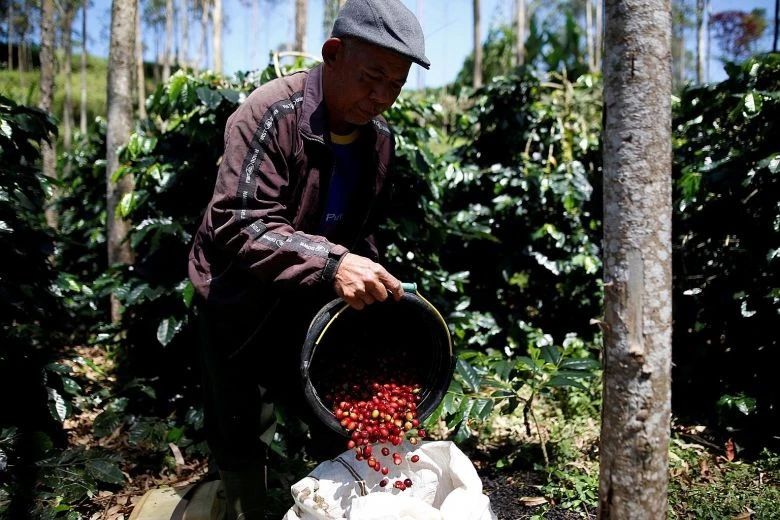
After noon each day during harvest season, coffee farmers send the coffee cherries collected in the morning to the depulping workshop for processing—that is, removing the skin and pulp of the coffee cherries to become wet parchment coffee.
Coffee farmers ferment the parchment coffee, usually for 12 to 36 hours depending on the specific circumstances. After fermentation, the parchment coffee is dried. During harvest season, burlap sacks of drying parchment coffee are spread out in front of every household—this is their source of coffee income. The removed skin and pulp are fermented into fertilizer, and plantations using such ecological fertilizer can earn extra points when applying for organic coffee plantation certification.

3. Hulling and Drying
When the moisture of the parchment coffee is dried to 35-40%, coffee farmers collect them into woven bags—either 40 kg or 80 kg per bag—and send them to the coffee processing factory for hulling, but they still need to continue drying to about 15% moisture.
4. Machine Sorting and Hand Sorting

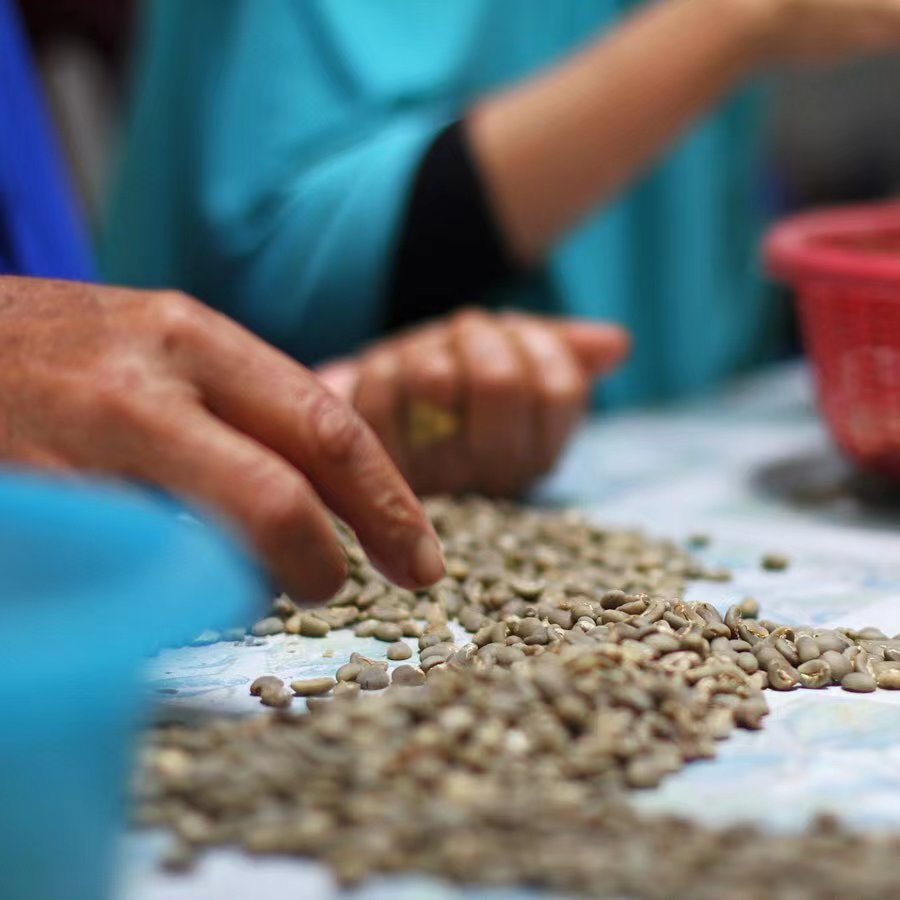
When the coffee beans are dried to 15%-14% moisture, they must be machine-sorted to remove impurities and classified by bean size. This step is usually done by machine, so it is called machine sorting. But to improve quality, the machine-sorted green coffee beans are also sent to the hand-sorting warehouse for sorting, where workers use keen eyesight and nimble hands to pick out remaining defective beans.
Front Street PWN Golden Mandheling Coffee Variety

This year
PWN'sFront Street Golden Mandheling uses a coffee variety different from the Typica variety used in previous years—it uses local Ateng coffee cherries. The Ateng coffee variety may sound unfamiliar, but it is actually the local Indonesian name for Catimor. Andthe company adopting the Ateng variety, Front Street believes they probably want to try developing toward higher volume, because Catimor is a hybrid of Robusta coffee beans and Arabica coffee beans, characterized by high yield and disease resistance, thus offering better returns.PWNAteng (Catimor)
As Front Street mentioned above, Catimor is not the pure Arabica bean we often talk about, but a hybrid of Timor from the Robusta species and the Bourbon variety's mutation Caturra. It was initially developed in 1959 and began to be promoted in Brazil in the 1970s and 1980s. With its disease resistance and high yield, it secured a place among Central and South American coffee varieties. The recurring coffee leaf rust crises in Central and South America also helped promote the use of Catimor coffee beans.
Its characteristics are high yield and short plants that can be densely planted, with new leaves being reddish-brown. However, because of its fast maturation and high yield, it requires sufficient fertilizer supply and shade. But according to Front Street's understanding, its lifespan is very short—only about ten years on average.
Now, Front Street will share roasting and brewing information with all you coffee enthusiast friends.
FrontStreet Coffee Roasting Analysis
Front Street PWN
Golden Mandheling (Characteristics) has a premium herbal aroma, stronger caramel sweetness, relatively steady and elegant fruity acidity, rich sweetness, and a full-bodied, wild spicy flavor. Generally, Front Street Lintong Mandheling is best roasted until after second crack before unloading, which can effectively reduce off-flavors. But Front Street Golden Mandheling has good clarity and sweetness even when unloaded before second crack, giving a wider range for roasting interpretation.Charge at 200°C, set airflow to 3, adjust heat to 160°C after 1 minute, keep airflow unchanged, roast until 5'40 at 148°C when the bean surface turns yellow and the grassy smell completely disappears, completing dehydration, then adjust heat to 140 and airflow to 4;

At 9'40, the bean surface shows ugly wrinkles and dark streaks, and the baked bread smell clearly turns into coffee aroma, which can be defined as the prelude to first crack. At this point, listen carefully for the sound of first crack. At 9'54, first crack begins; reduce heat to 60, open airflow fully (adjust heat very carefully, not so low that there is no crackling sound), and unload at 204.5°C.
FrontStreet Coffee Brewing Suggestions
This brewing mainly aims to highlight the full-bodied, clean, and aromatic characteristics of Front Street Golden Mandheling, so a KONO dripper is used for brewing (this dripper was invented to mimic the rich coffee produced by flannel). For medium-dark roasted coffee, choose a medium-coarse grind. Use a 1:15 coffee-to-water ratio, with 15 grams of coffee grounds,
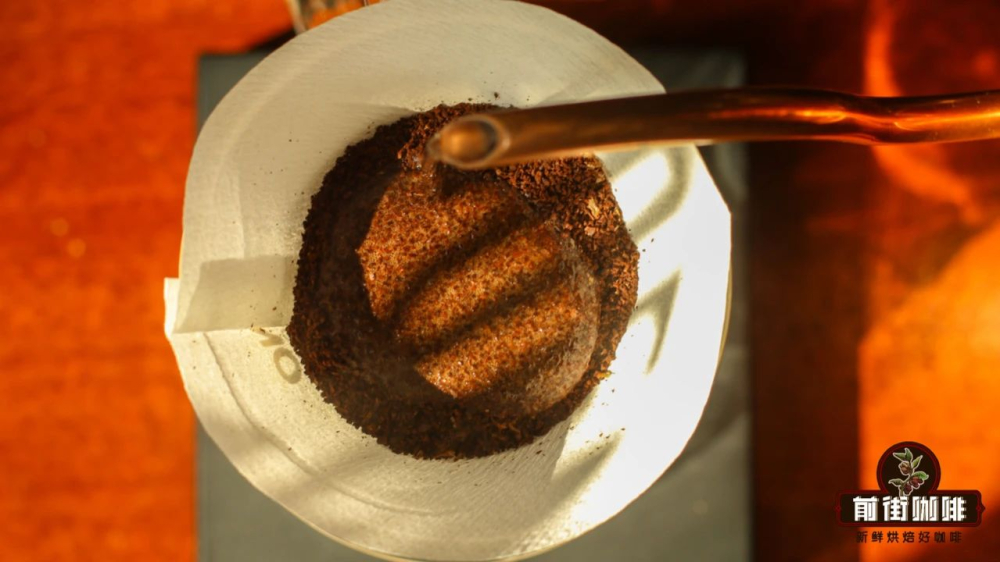
and a water temperature of 88°C. Lowering the coffee-to-water ratio makes the coffee taste richer.Brewing process: Slowly pour in the coffee grounds, trying to keep them as level as possible during pouring, and avoid shaking the dripper (because shaking reduces the spacing between coffee grounds, which is not conducive to blooming and degassing). For the first stage, pour 30g of water in a small circular motion in the center and bloom for 30 seconds; the coffee bed will slowly expand into a "hamburger." For the second stage, pour 120g in a circular motion from the center outward, keeping the pouring height as close to the coffee bed as possible, moving slowly to avoid excessive agitation. For the final stage, pour 100g, and wait for all the coffee liquid in the dripper to flow into the server to end extraction. Extraction time is 2 minutes.
Professional coffee knowledge exchange
More coffee bean information Please follow Coffee Workshop (WeChat public account cafe_style )For more specialty coffee beans, please add private WeChat FrontStreet Coffee, WeChat ID: kaixinguoguo0925
For more specialty coffee beans, please add our private WeChat: Front Street Coffee (FrontStreet Coffee), WeChat ID: kaixinguoguo0925
The above content is compiled by CoffeeHunters, a coffee news website.


