







Search Results for: Coffee Grounds Freshness Period
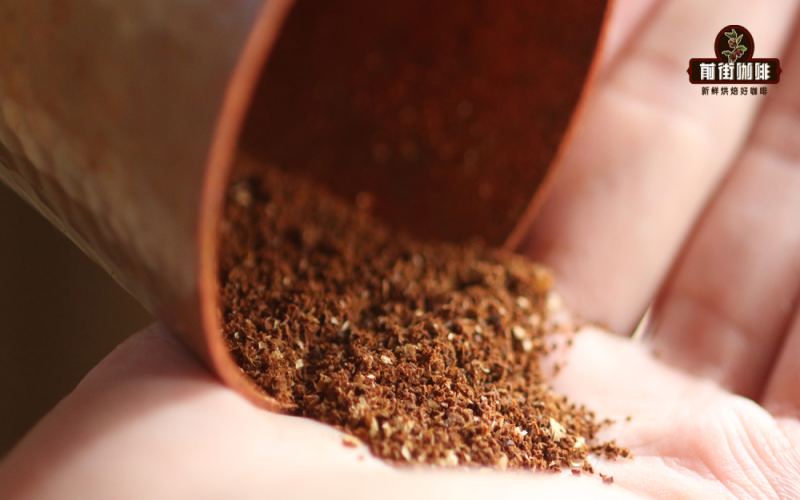
Three Major Causes of Coffee Ground Quality Decline and Practical Storage Tips to Extend Freshness
The freshness of ground coffee directly determines the quality of the flavor in your cup. Starting from the gas release patterns of coffee beans after roasting, this article provides a detailed analysis of how the three major factors—oxygen, moisture, and high temperature—accelerate the deterioration of ground coffee quality, and shares Front Street Coffee's storage recommendations. At the same time, through Front Street's comparative experiments and day-by-day flavor tests of Yirgacheffe, it reveals the timeline of aroma loss after coffee is ground into powder, helping you retain as much of coffee's essential aroma as possible in your daily brewing. [more…]
Professional Coffee Grounds Storage Guide | How Long Can Coffee Beans Last After Opening? How to Store Freshly Ground Coffee Without Losing Flavor? What Factors Affect Coffee Bean Freshness?
The freshness of coffee beans directly affects the flavor of a cup of coffee, and proper storage is a key factor influencing the freshness of coffee beans. How should roasted coffee beans be stored? Roasted coffee beans need to be protected from humidity, temperature, and oxidation; oxidation accelerates the dissipation of the flavor of roasted coffee beans. So [more…]
How Long Can Coffee Beans Be Stored After Opening? An Analysis of Tips to Prevent Coffee Grounds from Losing Flavor and Key Professional Storage Points
The freshness of coffee beans directly determines the flavor quality of a cup of coffee, and whether the storage method is scientific is also a key factor affecting freshness. After roasting, coffee beans need to simultaneously withstand the triple challenges of humidity, temperature, and oxidation, among which oxidation accelerates the dissipation of aromatic compounds. So how long can coffee beans be kept after opening? How many days can the flavor of ground coffee be maintained? This article will start with the difference between the peak flavor period and the shelf life, analyze one by one the several "killers" of coffee freshness—light, high temperature, moisture, and oxygen—and, combined with the packaging characteristics of Front Street Coffee, provide practical preservation suggestions. [more…]
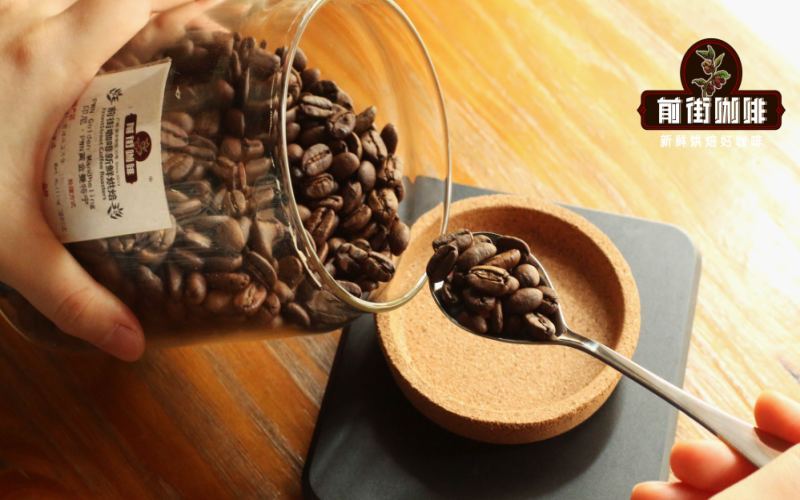
The Complete Guide to Keeping Coffee Beans Fresh: Best-By Dates, Storage Mistakes, and the Right Way to Store Them
The freshness of coffee beans directly determines the flavor performance of a cup of coffee, and whether the storage method is appropriate is the key factor affecting the freshness of coffee beans. From the professional perspective of Front Street Coffee, this article systematically sorts out the two major categories of coffee bean storage—the different precautions for green beans and roasted beans—deeply analyzes the mechanisms of the three major freshness "killers": light, high temperature, humidity, and oxygen, and provides two practical storage solutions: one-way exhaust valve packaging bags and vacuum-sealed canisters. The article will also answer how long coffee beans can actually be stored, the difference between the peak flavor period and the shelf life, why refrigeration is not recommended, and clever ways to reuse expired beans, helping coffee lovers maximize the retention of the best flavor of every bag of beans. [more…]
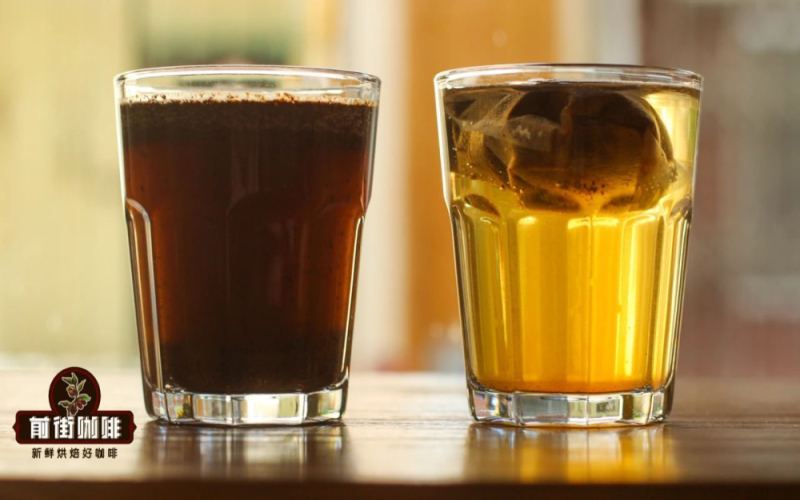
Can teabag coffee only be brewed hot or cold? A detailed guide to drip bag coffee brewing parameters and freshness assessment tips
Bagged coffee and drip bag coffee are often lumped together, but in fact each has its own characteristics in terms of operation and extraction principles. Bagged coffee only needs to be placed in a container with liquid added, and is suitable for both hot and cold, and can even be steeped in coconut milk or fruit wine for a different flavor; drip bag coffee is closer to a simplified version of pour-over, with requirements for water temperature, pouring technique, and freshness. This article will start with the extraction principle of bagged coffee, systematically sort out the brewing key points of drip bag coffee, common misconceptions, and methods for judging freshness, and attach Front Street Coffee's recommended drip bag selections by origin as well as complete brewing steps, to help coffee lovers consistently produce a good cup of coffee at home. [more…]
Analysis of Key Factors Affecting Coffee Bean Freshness and Practical Storage Methods
The freshness of coffee beans directly determines the flavor performance of a cup of coffee, and whether the storage method is appropriate is the core factor affecting freshness. In this article, Front Street Coffee systematically sorts out the differences between the two types of storage scenarios for green coffee beans and roasted beans, focusing on analyzing the mechanisms of the three major "killers" of coffee bean freshness: light sources, high temperature, humidity, and oxygen, and provides practical storage solutions such as one-way exhaust valve sealed bags and vacuum-sealed canisters. At the same time, the article also answers common questions such as the difference between the optimal drinking period and the shelf life of coffee beans, and whether they are suitable for refrigerator storage, helping coffee enthusiasts protect the flavor of every bag of beans in a more scientific way. [more…]
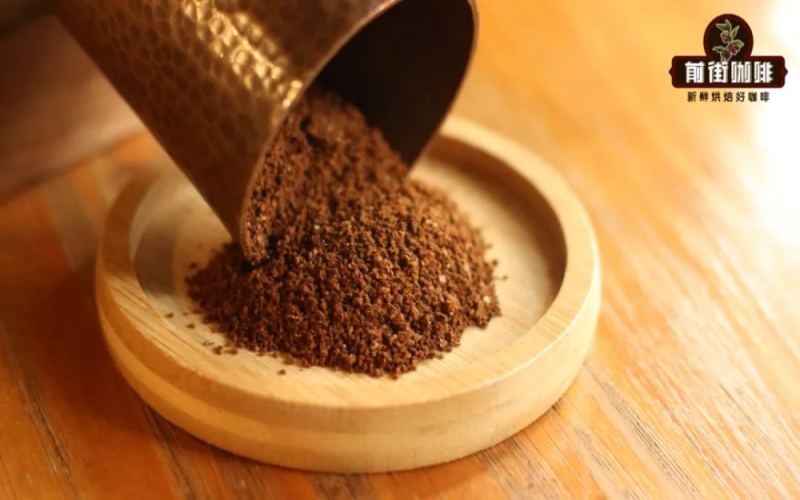
How Long Is the Shelf Life of Ground Coffee? An In-Depth Look at the Causes of Flavor Loss After Grinding and Practical Ways to Extend Freshness
Once coffee beans are ground into powder, their optimal flavor period is significantly shortened to less than a month, whereas whole beans can maintain good flavor for two months. The key reason behind this lies in the accelerated loss of carbon dioxide. Front Street Coffee has verified this phenomenon through dedicated experiments and summarized practical suggestions such as sealed packaging, reducing the number of times the package is opened, and a reasonable storage environment, to help coffee enthusiasts retain the aroma of ground coffee as much as possible in daily brewing. This article will analyze in detail the mechanism of flavor degradation after grinding and provide specific, actionable preservation methods. [more…]
How to judge coffee bean freshness? A practical guide from peak flavor window to reusing expired beans
Can you still drink coffee beans that have been sitting around for a long time? This is a real question many coffee lovers run into. Starting from how freshness affects flavor, this article explains the criteria for judging a coffee bean's peak flavor window, and offers specific brewing adjustments for stale coffee beans, including practical tips on grind size and the blooming pour. At the same time, Front Street Coffee has also put together three eco-friendly ways to reuse expired coffee beans, covering odor removal, cleaning, and plant fertilizer, so that every single bean can be put to good use. [more…]

How long can coffee beans be stored after grinding into powder? Analyzing the shelf life difference between coffee grounds and coffee beans
Many coffee enthusiasts have encountered this situation: ground coffee powder is delayed for some reason, and by the time it is brewed, the aroma has already vanished. The optimal flavor period for coffee beans is usually about two months, but once ground into powder, their freshness may last only half as long as the beans, or even shorter. Behind this is the scientific principle that a sharp increase in surface area causes aroma to escape more rapidly. Front Street has verified through cupping experiments that coffee powder used within 10 minutes of grinding still has a clear flavor, but after being left for more than 30 minutes it becomes noticeably flat. This article will analyze in detail the freshness preservation differences between coffee powder and coffee beans, and share practical storage tips to slow aroma loss. [more…]
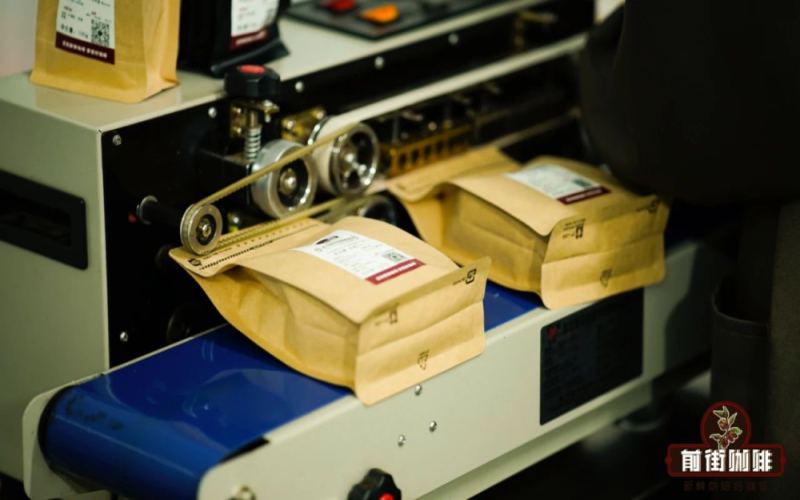
Coffee Grounds Storage | What Factors Affect the Freshness of Roasted Coffee Beans? How Long Is the Shelf Life of Freshly Ground Coffee? Do Coffee Beans Still Need to Be Rested After Grinding?
Recently, a friend asked Front Street Coffee: "Why should the air valve be sealed after coffee beans are ground into powder? Wouldn't that prevent the carbon dioxide inside the package from escaping?" The meaning of the exhaust valve on coffee packaging. Front Street Coffee immediately seals and packages the coffee beans after roasting and cooling, which can minimize the loss of coffee bean flavor. [more…]
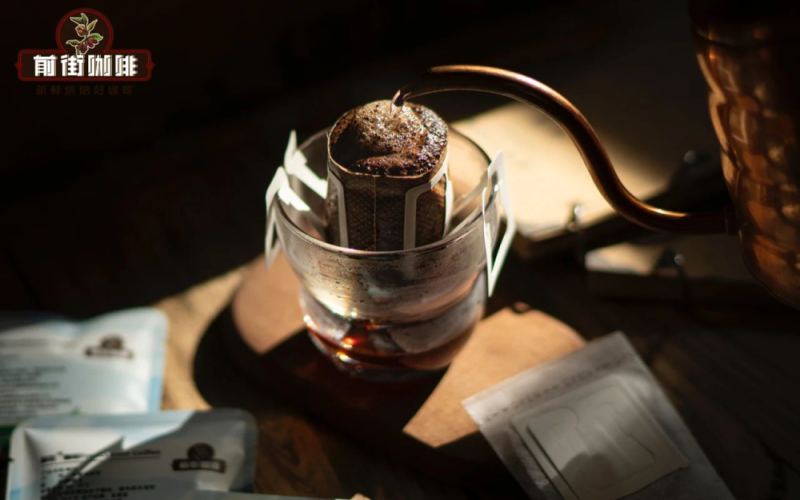
Can Drip Coffee Bags Be Reused for Multiple Brews? Can You Still Drink Them After Expiry? A Detailed Guide to Judging Freshness and Correct Brewing Methods
Drip bag coffee is convenient and quick, but many people have questions about how many times it can be brewed, its shelf life, and how to judge its freshness. This article will address common confusions about drip bag coffee one by one, from identifying the roast date, the hamburger brewing phenomenon, and choosing drip bags, to the complete brewing steps of warming the cup, water temperature, pre-wetting, and pouring. At the same time, recommendations for several Front Street Coffee drip bags run throughout, helping you find the one that suits your taste while learning the basics. Whether you are a beginner just getting into drip bags or a seasoned drinker looking to improve your brewing skills, you will find practical information here. [more…]
How can you tell if coffee beans are fresh? Causes of staleness, whether they can still be consumed, brewing adjustments, and ways to use up expired beans
Can you still drink coffee beans that have been sitting for a long time? Why does the flavor deteriorate? This article centers on coffee bean freshness: first, it explains the causes of staleness and reference points for the optimal flavor period, and combines Front Street's verification to give storage recommendations; then it emphasizes safety—generally, roasted beans have a shelf life of about 1 year, and being past that date does not mean they cannot be drunk, but the flavor needs to be compensated for through the brewing plan. The focus is on adjustment ideas for brewing stale beans, including coarser grinding, longer pouring during blooming, and controlled circling, explaining why blooming is still crucial. Finally, it provides three environmentally friendly ways to reuse expired coffee beans: odor removal, cleaning, and plant fertilizer, helping you minimize the loss without wasting anything. [more…]
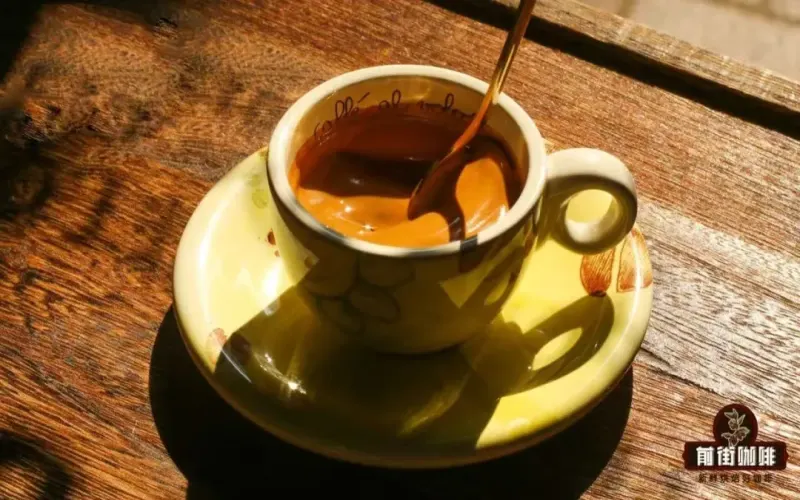
The Secrets Behind Espresso Crema Thickness: Judging Coffee Bean Freshness and Extraction Timing from Crema Condition
The layer of golden-brown crema on the surface of an espresso is not just a visual pleasure—it actually carries important clues about the state of the coffee beans. Many friends who own espresso machines will notice that the crema extracted each time is sometimes thick and rough, and sometimes fine and thin. These differences are not accidental, but an external manifestation of changes in the carbon dioxide content inside the coffee beans. From the perspective of Front Street, this article guides everyone to understand the essential composition of crema, and to learn to judge whether the coffee beans are in their optimal flavor period by observing the thickness, fineness, and stability of the crema, so as to adjust the extraction plan in time and let every cup of espresso perform at its proper level. [more…]

A Complete Guide to Coffee Bean Resting: Whether to Rest, How Long, and How to Judge Freshness
When you first buy coffee beans, you'll often hear baristas suggest letting them "rest" before brewing for better flavor. But why do coffee beans need to rest? How long should the resting period be? And how long can freshly roasted beans be stored? These questions puzzle many coffee lovers. From Front Street's perspective, this article discusses the principles behind resting beans: freshly roasted beans carry popcorn and smoky notes and are rich in carbon dioxide, which hinders extraction; resting is precisely the process that lets the gas release slowly and the flavors gradually unfold. It also shares how to judge a bean's condition by the doming during the bloom, and why, once you receive your beans, you might as well drink them while observing how they change. [more…]
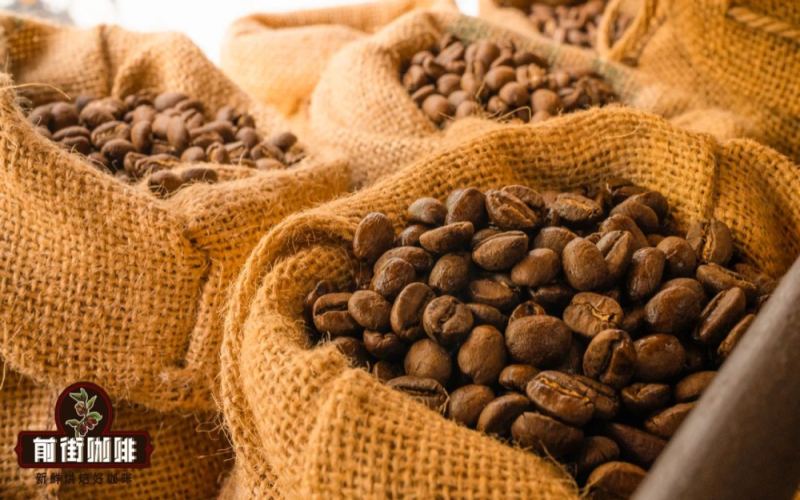
Does Coffee Bean Oiliness Mean It's Spoiled? A Complete Guide to Coffee Bean Storage Methods and Freshness Assessment
The surface of coffee beans taking on an oily sheen is a phenomenon that often confuses beginners—some worry the beans have absorbed moisture and spoiled, while others suspect they have been stored too long. In fact, oiliness is closely tied to the roast level of the coffee beans and cannot be directly equated with staleness. So what kind of oiliness is normal, and what signs indicate that coffee beans have actually absorbed moisture? From Front Street's perspective, this article breaks down the causes of coffee bean oiliness, how to judge moisture absorption, and how to properly store coffee beans through sealing, light protection, low temperatures, and other methods to keep the flavor lasting as long as possible. [more…]
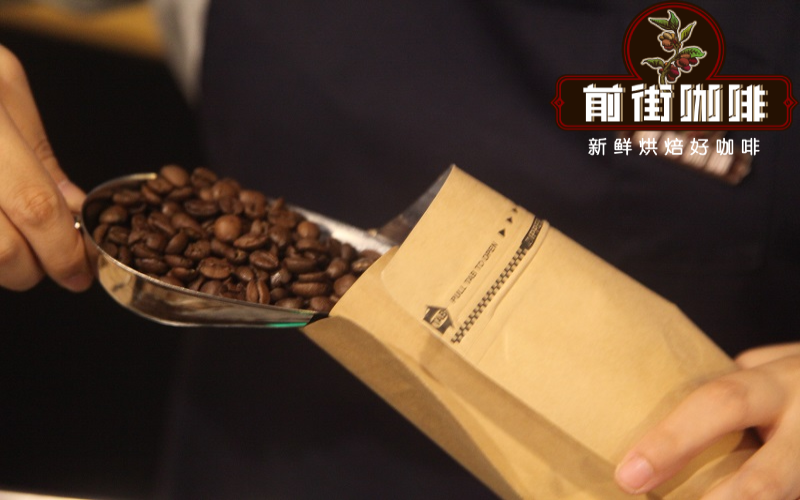
A Detailed Guide to Coffee Bean Resting Periods and Storage Essentials: A Practical Guide from Degassing and Maturing to Drip Bag Freshness
Freshly roasted coffee beans are not suitable for brewing right away; they need a period of degassing and maturation, commonly known as resting or aging the beans. Beans of different roast levels require different resting times: the lighter the roast, the slower the degassing and the longer the maturation; under-rested beans taste thin, while over-rested beans miss their peak flavor window. Beyond mastering the resting rhythm, sealing and moisture-proofing after opening the bag are equally critical, and storing beans in the refrigerator often does more harm than good. If you really can't wait, you can also improvise by grinding and letting the grounds sit, or by extending the bloom time. Drip bag coffee, already ground, loses flavor faster, so it's best finished within a week and never re-brewed. In this article, Front Street Coffee walks through these practical points one by one, drawing on everyday experience. [more…]
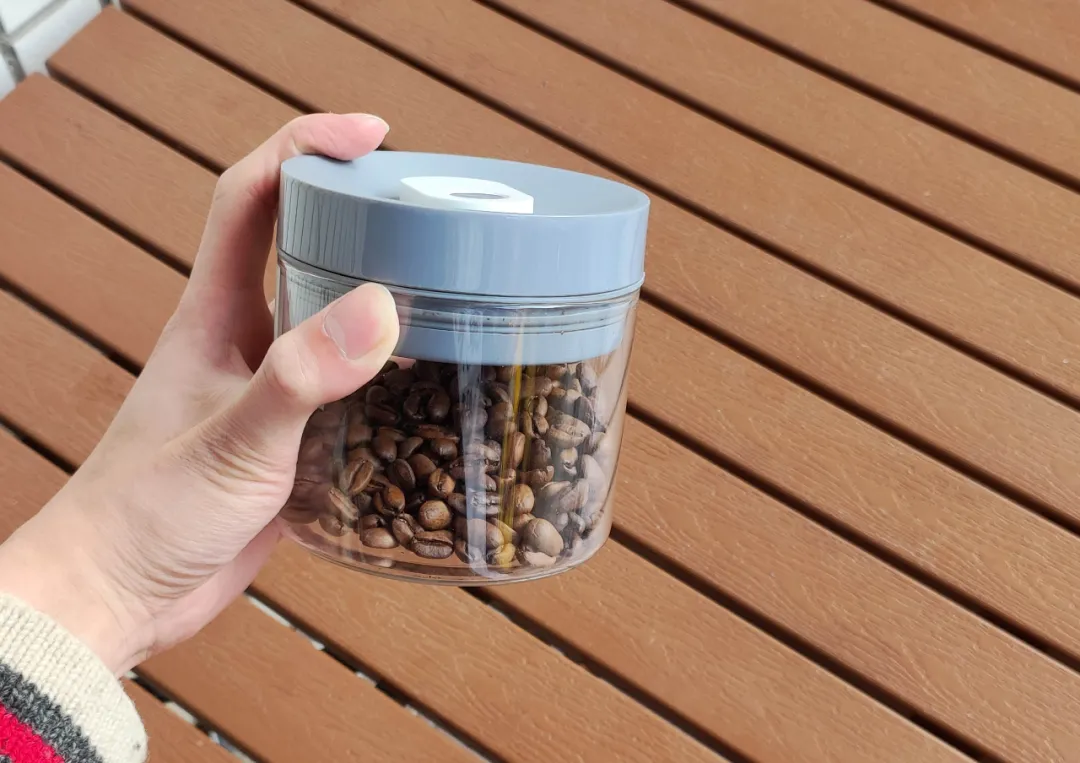
Coffee Grounds Shelf Life | How Long Do Fresh Coffee Beans Last? Can You Still Drink Coffee Beans Past Their Peak Flavor Period? How to Properly Store Coffee Beans?
For more specialty coffee knowledge, please follow: Front Street Coffee (Frontsteet Coffee). Front Street recently noticed that a small number of coffee-loving friends have left their coffee beans unopened for two months, believing that as long as the package is unopened, the coffee beans will not spoil. In fact, it really does not affect the coffee's [more…]
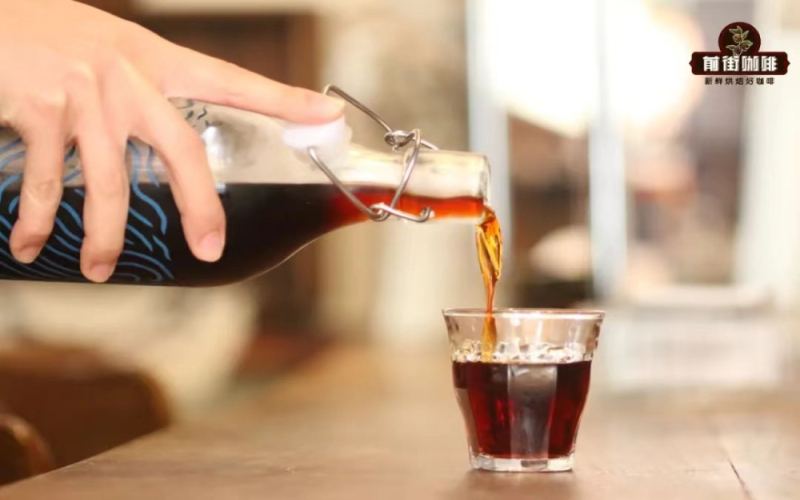
What Is Ice-Drip Coffee? Flavor Characteristics, Differences from Cold Brew, and Front Street Brewing Tips
Ice drip coffee is a type of coffee extracted by the prolonged dripping of ice water. It originated in Europe and is also known as Dutch Coffee because of the distiller invented by the Dutch. It is brewed slowly at low temperature, so astringent substances do not easily dissolve out, and after refrigerated fermentation it has a full body and a faint fermented aroma. Cold brew coffee, by contrast, is extracted by steeping in cold water for a longer time, giving it a heavy flavor similar to espresso. The two differ clearly in extraction method, flavor expression, and equipment. Front Street Coffee also offers advice on coffee bean freshness, the resting period, and the timing of grinding, helping coffee enthusiasts better enjoy this kind of low-temperature coffee. [more…]
Should Coffee Beans Be Refrigerated or Frozen? Understanding the Science of Freezer Freshness and Proper Everyday Storage
How to properly store coffee beans after bringing them home is a topic many enthusiasts often discuss. Some people habitually put their beans in the fridge, while others worry that moisture will instead harm the quality. After noticing this question in the community chat, Front Street specifically sorted out the principles behind frozen storage and the conditions for its use. Freezing can indeed slow oxidation and lock in flavor, but improper handling can also lead to moisture and flavor transfer issues. This article will explain the purpose of freezing coffee beans, its effect on grinding, the hardware conditions that need to be met, and more practical ways to store coffee beans day to day, helping you keep your beans in good condition at home. [more…]
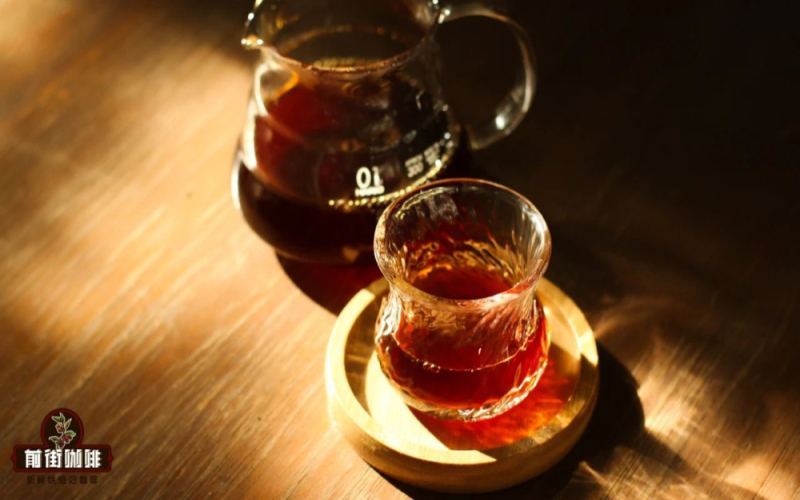
Drip Bag Coffee Shelf Life and Peak Flavor Period Explained: Brewing Water Temperature, Key Parameters, and Whether It Can Be Reused
Drip bag coffee, with its dual advantages of convenience and flavor, has become a daily choice for many coffee lovers. But how long can a pack of drip bag coffee actually be stored? How should it be brewed to restore the best taste? Can the same drip bag be brewed repeatedly? This article will explain item by item the shelf life and optimal flavor period of drip bag coffee, the drinking time limits for different roast levels, brewing water temperature and parameter adjustments, as well as tips for judging freshness. It will also address the misconception of repeated brewing and include complete drip bag brewing steps to help you consistently brew a delicious cup of black coffee at home. [more…]