







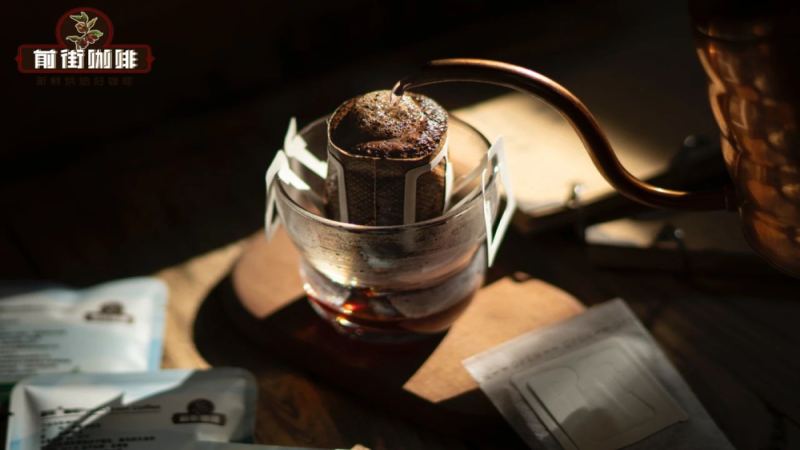
Drip bag coffee is convenient and quick, but many people have questions about how many times it can be brewed, its shelf life, and how to judge its freshness. This article will address common concerns about drip bag coffee one by one, from identifying the roast date, the hamburger brewing phenomenon, and choosing drip bags, to the complete brewing steps of warming the cup, water temperature, pre-wetting, and pouring. At the same time, recommendations for several Front Street brand drip bag coffees are woven throughout, helping you find the one that suits your taste while learning the basics. Whether you are a beginner just getting into drip bags or a seasoned drinker looking to improve your brewing skills, you will find practical information here.
How can you tell whether the drip bag coffee you bought is still fresh?
When choosing drip bag coffee, the first thing to pay attention to is the roast date printed on the packaging. This date refers to the day the coffee beans came out of the roaster, not the expiration date. Judging whether coffee beans are fresh is usually based on the roast date. The reason is that coffee beans about one week after roasting are in a stage of self-fermentation, and their flavor gradually reaches its peak; once this window passes, oxidation and volatilization begin to dominate, and the coffee's signature aroma noticeably weakens.
Generally speaking, if the packaging does not clearly indicate a date, then this drip bag coffee has likely been stored for quite a long time. Although the shelf life is often much longer than the optimal drinking period, passing the optimal drinking period does not mean it cannot be consumed. However, Front Street believes that at this point the brewed coffee will be compromised in both flavor and mouthfeel. If brewed within the optimal drinking period, the coffee oils will be especially rich, with a natural sweetness, and the aroma released will be very pleasant.
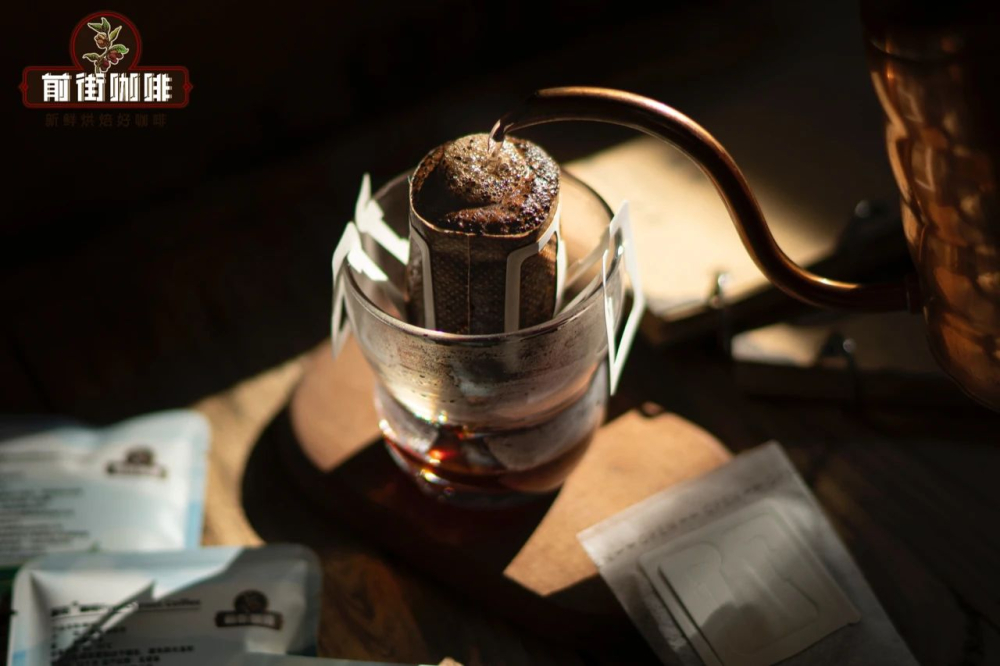
Second, during the brewing process, if the coffee is fresh and within its optimal drinking period, after hot water is poured in, bubbles will continuously rise from the center of the coffee bed and it will dome upward. The fresher it is, the stronger this reaction. This is generally called the "hamburger effect," though lightly roasted beans show it less. Conversely, if the coffee grounds show no signs of bubbling at all, then the drip bag is no longer very fresh, and it is best to finish it as soon as possible.
In addition, Front Street suggests that when choosing drip bag coffee, try to avoid products that were made more than five days ago. Once coffee beans are ground into powder, their unique aroma quickly dissipates and the flavor is greatly reduced. For this reason, all drip bag coffee sent out by Front Street insists on fresh roasting within 5 days, on-site grinding, and support for shipping within 24 hours, all to preserve the complete flavor as much as possible.
Once you have decided to buy drip bag coffee, the next challenge is how to choose a brand that suits you. It is recommended to prioritize drip bags from the current season's producing regions.
For example, if you prefer citrus fruit notes, you can try Front Street. Yirgacheffe drip bag coffee; if you prefer flavors with prominent sweetness, such as sweet orange or honey, then Front Street. Costa Rica drip bag coffee would be a good choice;
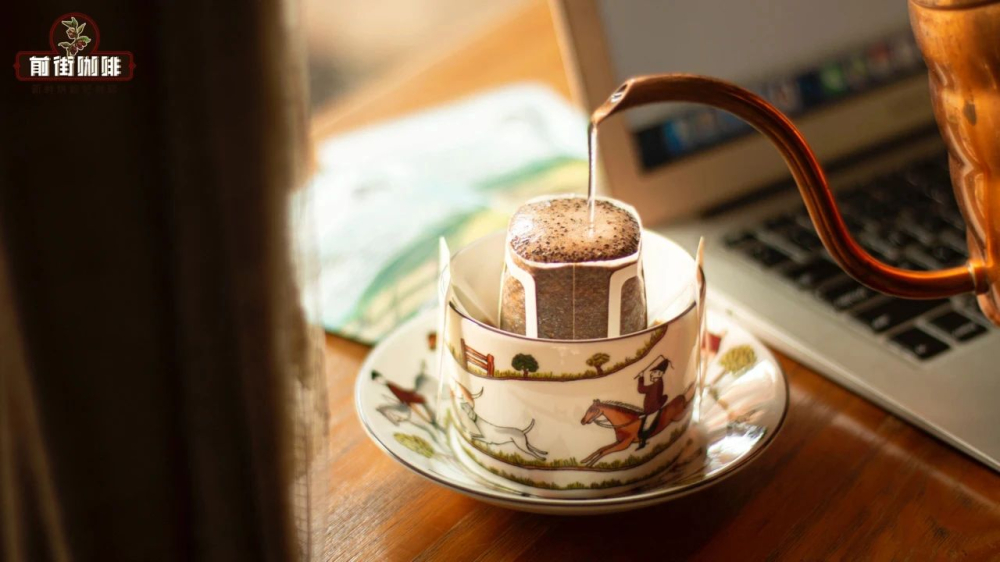
If you love the rich nutty and chocolate notes of American beans, Front Street. Brazil Cerrado drip bag should suit your taste well. If you cannot accept sourness at all, then just choose Front Street. Mandheling drip bag coffee and you will not go wrong. It not only has excellent body but also carries a rich fragrance of spices and caramel.
If you prefer a heavier taste, you can boldly try Front Street's Indonesian Mandheling drip bag coffee; its wild herbal and medicinal flavors will leave a very deep impression! If you cannot accept Mandheling's distinctive character, you might try Front Street Yunnan small-bean drip bag coffee, with its light fruity aroma and tea-like quality, it feels a bit like drinking tea.
1. Warm the cup -
First prepare a cup and pour in a small amount of hot water to warm it. This is to prevent the brewed coffee from cooling too quickly, because coffee continually changes flavor as its temperature changes. If it cools too abruptly, many layers of taste cannot be appreciated.
2. Water temperature -
The brewing water temperature is crucial, and it is recommended to keep it between 85 and 90 degrees Celsius. If the brewed coffee tastes too bitter, try lowering the water temperature; if it tastes too weak or astringent, you can appropriately raise the water temperature, but always keep it within the 85 to 90 degree range.
3. Hang the coffee bag -
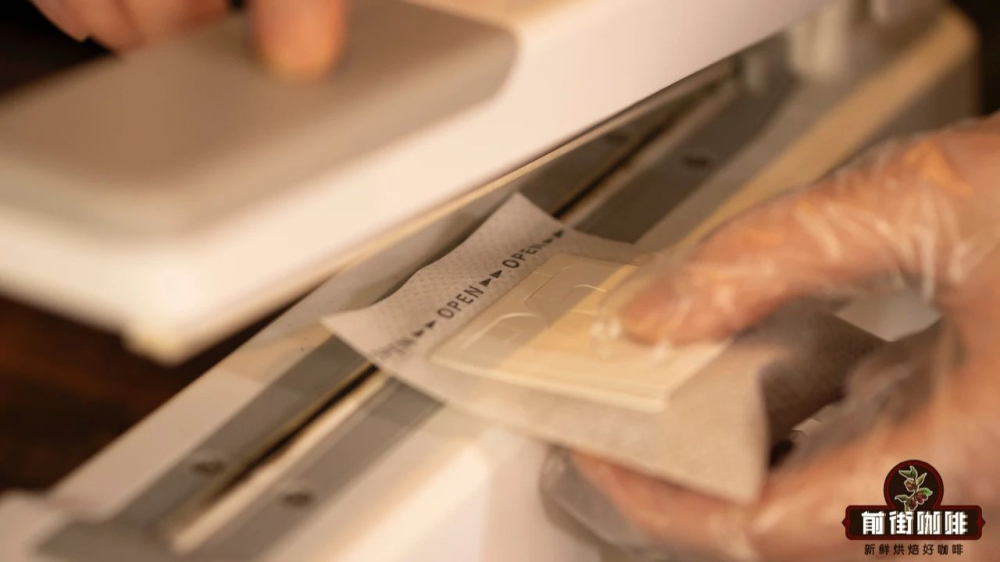
First gently shake the drip bag to let the coffee grounds settle, so that powder does not spill out when you tear it open. Then pour out the hot water used to warm the cup, tear open the seal at the top of the drip bag, unfold the paper hooks on both sides, shake it a few times to level the surface of the coffee grounds, and finally set it on the rim of the cup.
4. Pre-wetting -
The first pour should use just enough water to submerge the coffee grounds; too much or too little will affect the final flavor. Then let it sit for 20 seconds so the coffee grounds can fully absorb water. The strength of the coffee can be adjusted through the pre-wetting time; extending it to 40 seconds gives a richer taste.
5. Pouring -
For the second pour, you can fill to eight-tenths of the filter paper, and it is best to use a thin, steady stream. After the water level drops to the height it was at during pre-wetting, continue pouring to eight-tenths full until 150 to 180 milliliters have been extracted. After extraction is complete, there is no need to wait for all the water in the filter paper to drip through; simply discard it.
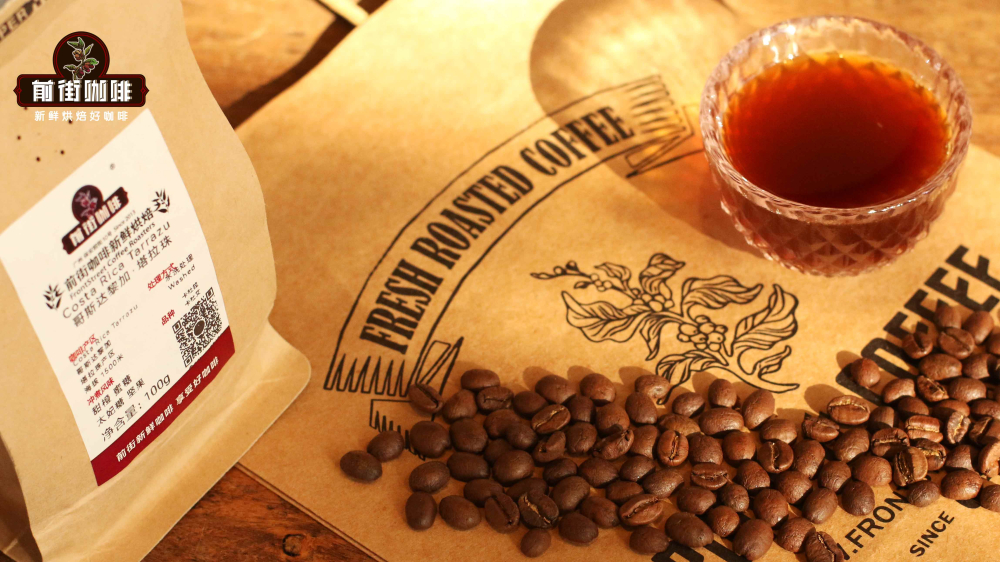
6. Enjoy your coffee! Remember that as the temperature changes, you can taste different flavors!
The above content is compiled by CoffeeHunters, a coffee news website.


