







Search Results for: Coffee Grind Size Adjustment
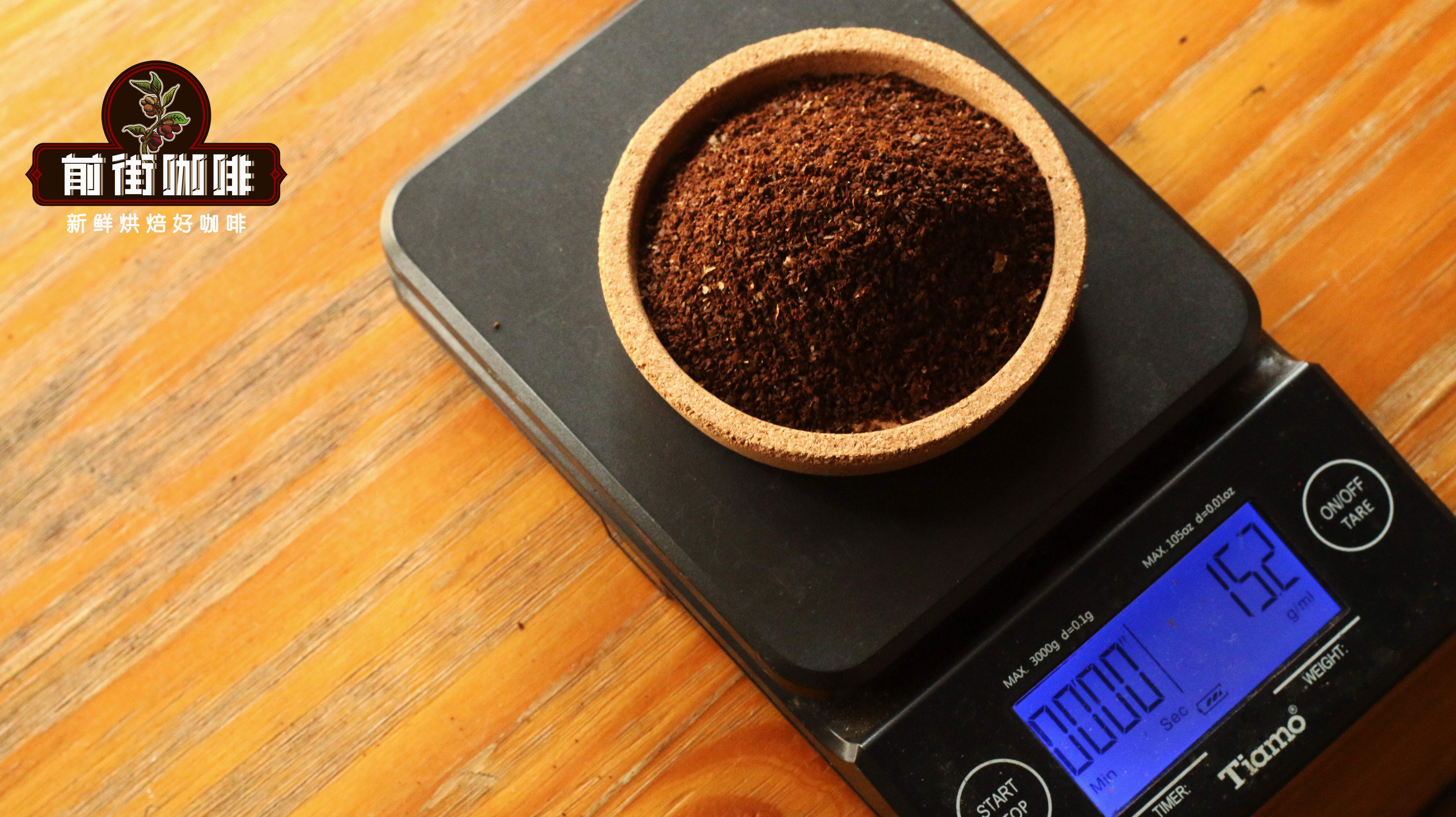
A Detailed Guide to Manual Coffee Grinder Adjustment Methods and Pour-Over Coffee Grind Size Standards
The first step in pour-over coffee often begins with grinding, and manual coffee grinders have become the choice of many enthusiasts due to their cost-effectiveness. But how should a manual grinder be used correctly? And to what degree should the coarseness be adjusted to be appropriate? In this article, Front Street Coffee will systematically explain the structural components, adjustment steps, and operating methods of a manual coffee grinder, and share how to use a 0.80mm standard sieve to determine whether the grind size for pour-over coffee is appropriate. At the same time, it will also sort out the grind coarseness patterns corresponding to different brewing methods, as well as the effects of key parameters such as the coffee-to-water ratio, water temperature, and extraction time on flavor. Finally, using Panama Diamond Mountain coffee beans as an example, it will fully demonstrate a three-pour pour-over process to help readers master the coordination between grinding and brewing in practice. [more…]
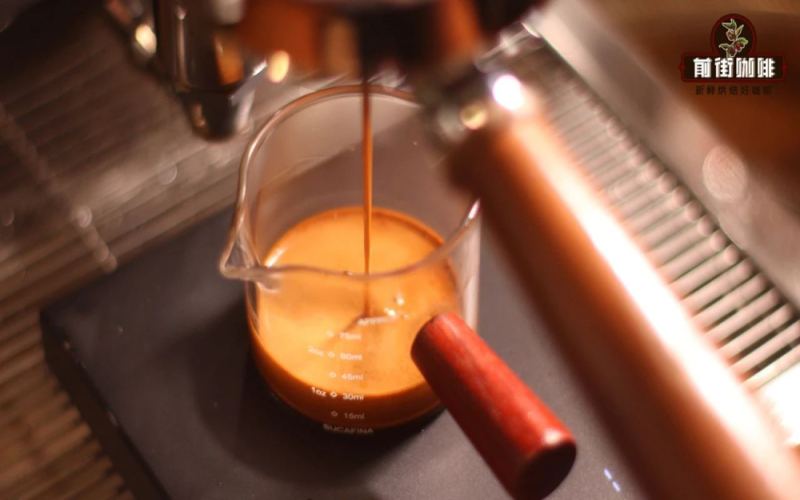
Espresso Extraction Recipe Adjustment Guide: From Grind Size to Dose-Yield Ratio, Quickly Find Great-Tasting Parameters
Making espresso at home with an espresso machine is most frustrating when it comes to dialing in parameters—one careless move and half a bag of beans is gone. Even professional baristas, when facing a new espresso blend, often need to pull seven or eight shots before finding a satisfying flavor. Actually, the key to taking fewer detours and quickly dialing in to a tasty state is to understand what impact each parameter change will bring. Based on Front Street Coffee's hands-on experience, this article sorts out the three major adjustable variables—grind size, dose, and yield—and, combined with the 1:2 brew ratio and 25-30 second extraction framework, teaches you how to judge the grind setting through timing differences, and gives specific adjustment directions for common problems such as burnt-bitterness and short aftertaste. [more…]
Espresso Extraction Adjustment Guide: A Full-Process Analysis from Parameter Variables to Iced Americano Preparation
The soul of an Americano lies in the quality of the espresso. Yet dialing in espresso often feels daunting—even professional baristas need multiple attempts when facing a new bean. Drawing on the hands-on experience of Front Street Coffee, this article systematically breaks down the various parameters that affect espresso extraction, explains in detail the adjustment logic behind the three core variables of grind size, dose, and yield, and offers specific correction plans based on flavor performance. In addition, the article includes a standardized procedure for making iced Americano, as well as the many health benefits of drinking Americano in moderation, providing coffee lovers with a complete reference from dialing in to serving. [more…]
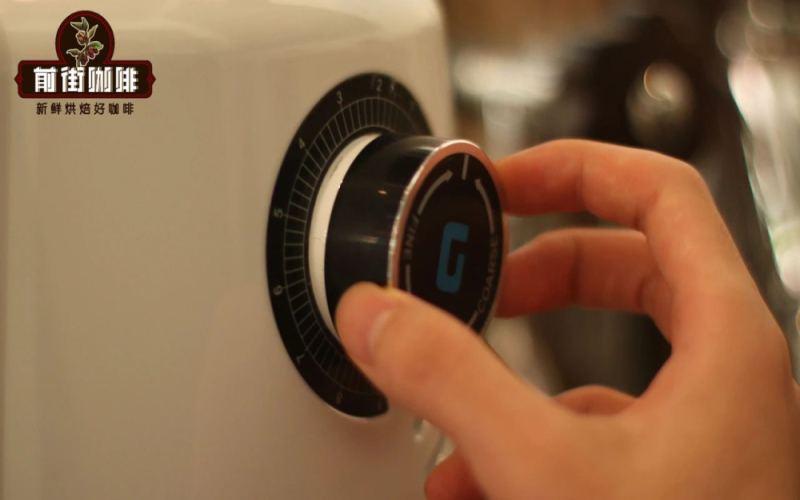
Espresso Grinder Grind Size Adjustment Guide: A Complete Step-by-Step Process from Judging the Powder to Dialing In an Electronic Grinder
To pull a proper espresso, adjusting the grinder's grind setting is an unavoidable daily task. Why do cafes need to adjust the grind so frequently? How does the coarseness of the grounds affect water flow and extraction time? And how do you tell whether the grind is right? This article starts with why grind adjustment is necessary, then breaks down the specific tuning methods for ordinary grinders and electronic grinders, including the linked relationship between dose and grind level, the ideal gap between the puck and the water outlet, and other details, and shares practice ideas for water-to-coffee ratios, to help you consistently recreate a delicious espresso at home. [more…]
A Complete Guide to Grind Settings for Pour-Over and Espresso: From the Principles of Grind Adjustment to Practical Operation of Electric Grinders
Why must coffee shops adjust their coffee grinder every day? Because the humidity of the coffee beans, storage time, and even subtle changes in air pressure, temperature, and humidity are all magnified under high-pressure extraction, directly affecting the quality of the final cup. Starting from the principles of grinding, this article explains in detail how the spacing of the burrs determines particle size and water flow rate, and teaches you to judge whether the grind is appropriate by observing the texture of the powder; it also provides a complete set of adjustment steps from traditional manual coffee grinders to electric coffee grinders, including the linked relationship between output volume and grind degree, and the optimal distance between the puck and the spout, and other practical parameters. No matter what equipment you use, only by mastering these adjustment principles can every cup of espresso consistently present the ideal flavor. [more…]
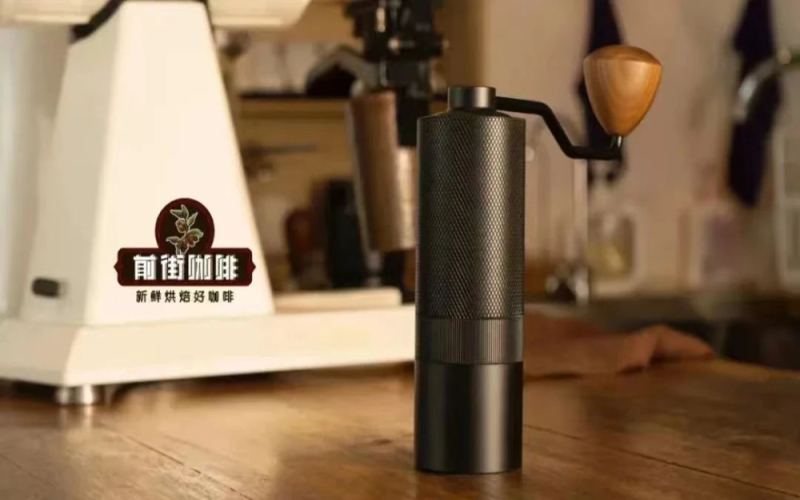
Coffee Grinder Settings Guide: Hand Grinder Disassembly and Pour-Over Grind Standards
Grind size is one of the core variables affecting coffee flavor. This article starts with the structure of a manual coffee grinder, gradually explaining how to disassemble it and adjust the grind adjustment screw, and, combined with the hands-on experience of Front Street Coffee, provides grind size standards for different brewing methods. At the same time, the article also shares a method for judging whether the grind is appropriate using a 0.80 mm standard sieve, as well as reference suggestions for pour-over parameters such as the coffee-to-water ratio, water temperature, and extraction time. Finally, using Panama Diamond Mountain coffee beans as an example, it demonstrates a complete three-stage brewing process to help readers put theory into daily practice. [more…]
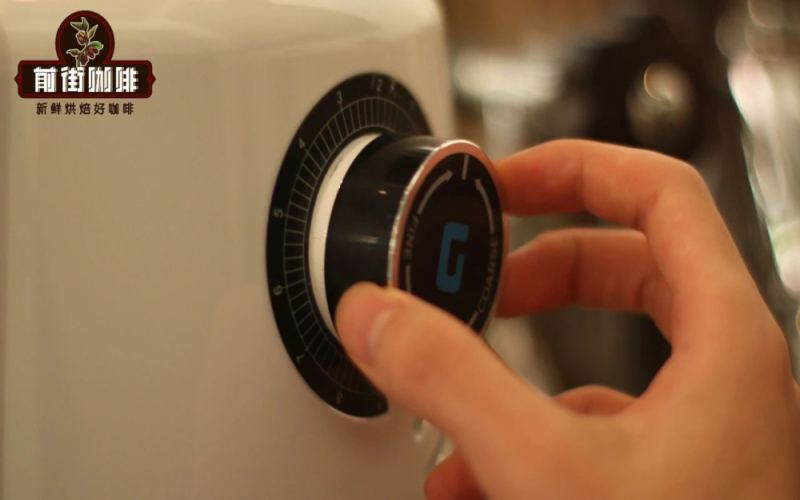
Espresso Grind Size Adjustment Guide: A Practical Approach from Beginner to Precise Fine-Tuning
How fine exactly should the grind size for espresso be? This is a core question that troubles many home coffee enthusiasts. Taking a practical approach, this article systematically explains how to judge whether the grind size is appropriate through extraction time and flavor feedback, and emphasizes that dialing in the grind is not a one-time task—the condition of the coffee beans, air humidity, and even the resting time after roasting can all affect extraction stability. The article also introduces a basic formula for quickly determining the initial grind size, as well as specific methods for fine-tuning by tasting the espresso. Finally, Front Street Coffee's classic espresso blend, recommended as a bean suitable for recreating café flavors at home, is also introduced in detail in the article. [more…]

How Beginners Can Brew a Good Cup of Coffee with the Perfect Strength and Balanced Acidity, Sweetness, and Bitterness: A Full Guide to Grind, Dose, and Water Temperature Adjustment
To brew a cup of coffee at home that is both balanced and moderate in strength, relying on a single fixed set of parameters is far from enough. Starting with coffee bean selection, this article breaks down how to flexibly adjust the extraction plan for coffee beans in different states around three core variables: grind size, dose, and water temperature. It also specifically shares correction ideas for when strength and taste balance deviate, helping beginners gradually build a logical brewing correction framework. Whether you are just getting into pour-over or already have some experience, you can find practical directions for adjustment here. [more…]
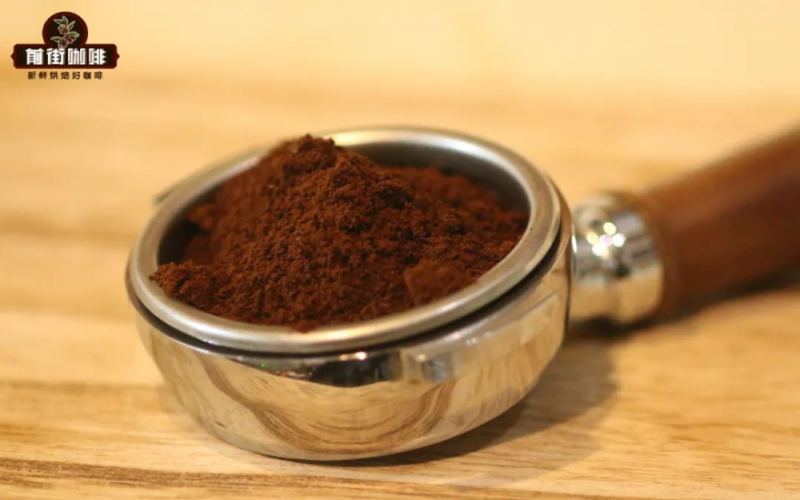
How to Precisely Control Espresso Grind Size? A Complete Analysis of Particle Size Range and Adjustment Methods
Grind size selection is a key factor determining coffee extraction quality. Because espresso uses high-temperature, high-pressure, short-time extraction, its requirements for particle fineness and uniformity are far higher than those of other brewing methods. This article will sort out the extraction principles of espresso from the beginning, explain why the grind particle size needs to be controlled within the 150–300 micron range, and detail how to calibrate the grind setting through flow-rate observation and taste judgment. It also provides specific daily grind adjustment steps, including debugging methods, coffee-to-liquid ratio references, and adjustment strategies for common problems such as bitter burnt notes, thin crema, and a short finish, helping coffee enthusiasts and professionals quickly find suitable grind parameters. [more…]

Espresso Morning Calibration Grinding Strategy: Use Three Coffee Bean Batches to Quickly Lock In the Day's Extraction Parameters
Adjusting the espresso recipe every morning is a required course for many baristas, but many people waste a large amount of beans through repeated trial and error, which is costly and can easily lead to heart palpitations from drinking too much. Front Street Coffee also went through this stage, and ultimately it was because they kept staring only at the grind setting and adjusting repeatedly, without finding the true source of the problem. This article sorts out from the beginning a method for determining the day's extraction formula within three shots: first determine whether the grind needs to be changed, then infer underextraction or overextraction from the taste, and finally master the two key details when adjusting the grinder—distinguishing the size of the adjustment increment and purging residual grounds. The article also includes practical tips such as preheating the blind basket, helping reduce waste and improve morning adjustment efficiency. [more…]
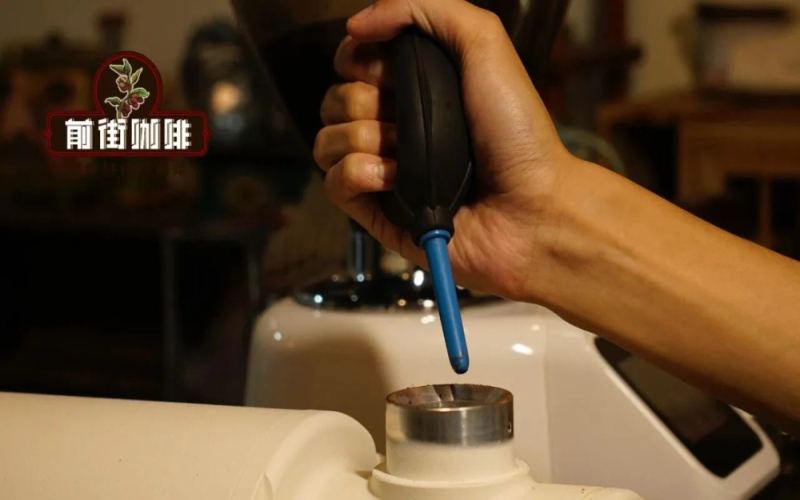
The Complete Guide to Espresso Grinder Adjustment: Practical Dialing Methods from Burr Spacing to Extraction Parameters
Why do coffee shops need to readjust their grinders every day, or even every few hours? The answer lies in the continuous degassing of coffee beans, the slow wear of the burrs, and environmental changes—all of which cause what seems like a fixed extraction recipe to gradually drift away from the ideal state. Drawing on the hands-on experience of Front Street Coffee, this article systematically explains the principles and steps of adjusting the grind setting on an espresso grinder: how to judge whether the grind size is appropriate, how to control extraction time by adjusting the grind setting, the linked relationship between the output volume and grind degree of an electronic grinder, and key details such as puck height and the coffee-to-water ratio. Whether you are a beginner who has just started exploring espresso or a professional hoping to refine your dialing-in skills, you will find practical operational guidance here. [more…]
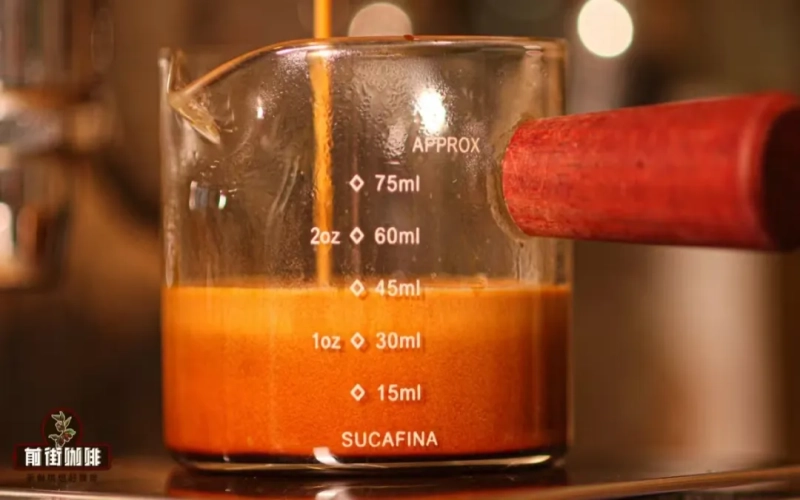
Analysis of the Causes of Insufficient Espresso Crema: A Complete Guide from the Definition of Crema to Grind Size Adjustment
When extracting espresso, the richness of the crema is often regarded as an important reference for judging the quality of the shot. When the espresso surface lacks that tempting golden-brown foam, many coffee lovers feel puzzled. This article will first explain the essential composition of crema, then, in response to the phenomenon of thin crema when extracting dark-roasted beans, provide an in-depth analysis of overly coarse grinding—the most common cause—and, drawing on Front Street Coffee's daily dialing-in experience, offer specific ideas for grind-size adjustment and operating formulas to help you respond correctly when the state of your coffee beans changes. [more…]
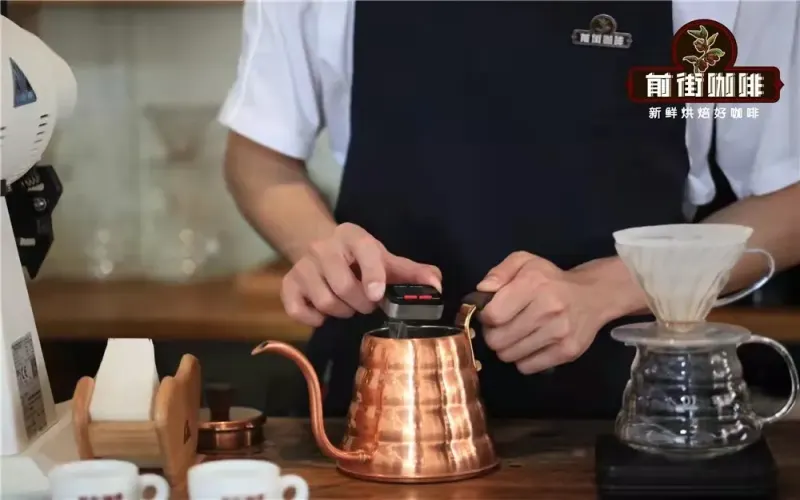
How to Calibrate Pour-Over Coffee Grind Size? A Guide to 80% Pass Rate on a #20 Sieve and Grinder Setting Adjustment
Grind size is the most difficult part of pour-over parameters to master. Front Street Coffee uses an 80% pass rate through a No. 20 sieve as a beginner-friendly calibration baseline, but different grinders vary enormously in performance, and the same sieve pass rate can produce drastically different flavor outcomes. This article centers on grind calibration: it first explains the limitations of the sieve method and the particle size distribution characteristics of uniform grinders such as the EK43s, then offers remedies for poor-quality grinders, including hand grinder RPM control, the pull-back technique for staged grinding, and the direction for adjustment when too many fines cause off-flavors. Finally, it discusses the criteria for deciding whether sieving is necessary and the practical technique of a single-pour flush to wash away fines, helping you find the grind parameters that suit you. [more…]
A Guide to Adjusting the Grind Size on a Manual Coffee Grinder and a Detailed Explanation of Pour-Over Coffee Brewing Parameters
Want to make a delicious pour-over at home? Controlling the grind size is often the first hurdle. Compared to expensive electric grinders, manual hand grinders have become the top choice for many enthusiasts just starting out, but how to correctly adjust their grind size parameters is something many people aren't clear about. In this article, Front Street Coffee starts with the disassembly steps of a manual hand grinder, explains one by one the relationship between the rotation direction of the adjustment screw and the grinding effect, and provides the grinding standards corresponding to different brewing methods. At the same time, combining variables such as the coffee-to-water ratio, water temperature, and extraction time, we use Panama Diamond Mountain coffee beans for a complete brewing demonstration to help readers build a replicable brewing approach. [more…]

Why does espresso require regular grind adjustment? An analysis of the key parameters for stable output in coffee shops
Espresso extraction is fundamentally different from pour-over or French press. It relies on an extremely fine grind and 9 bar of high pressure to concentrate flavor compounds in a short amount of time—highly efficient, but also extremely sensitive. The degassing state of the coffee beans, batch-to-batch differences, roast level, and even changes in the weather can all cause extraction results to deviate from expectations. For this reason, many coffee shops regularly calibrate their espresso flavor to ensure consistent output. Drawing on Front Street's hands-on experience, this article explains the necessity of dialing in the grind, the factors that affect extraction, and how to decide whether to adjust parameters based on extraction time and taste evaluation. [more…]
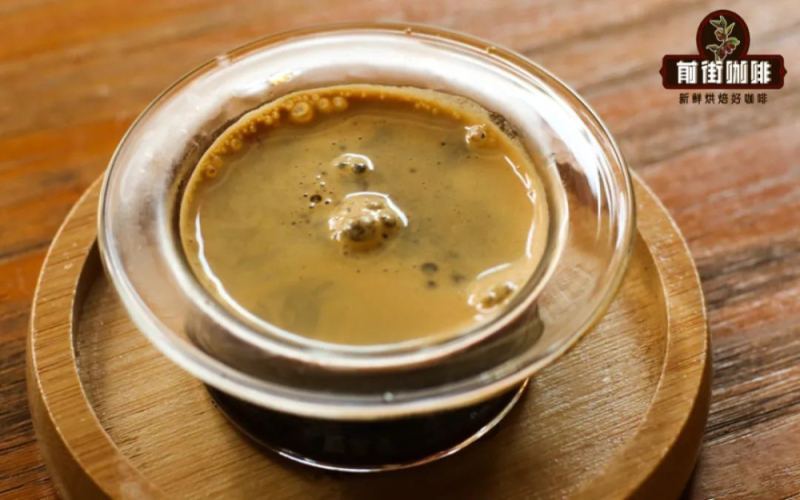
A Complete Analysis of the Causes of Thin Espresso Crema, Large Bubbles in Crema, and Bland Flavor, and Grind Adjustment
When making espresso, have you ever encountered thin crema, large bubbles floating on the surface, or a weak-tasting shot? The root cause of these problems often points to the same variable—grind size. Grinding too coarse speeds up the flow of hot water and shortens the contact time between water and coffee grounds, which not only under-extracts the flavors but also causes the force of the liquid stream to whip air into the espresso, forming large bubbles. In addition, improper storage of coffee beans leading to the loss of carbon dioxide and aromatic compounds, or switching to beans with a different roast level without recalibrating the grind, can likewise trigger similar symptoms. This article will break down these causes one by one and provide specific grind adjustment methods and formulas to help you once again extract espresso with rich crema and full-bodied flavor. [more…]
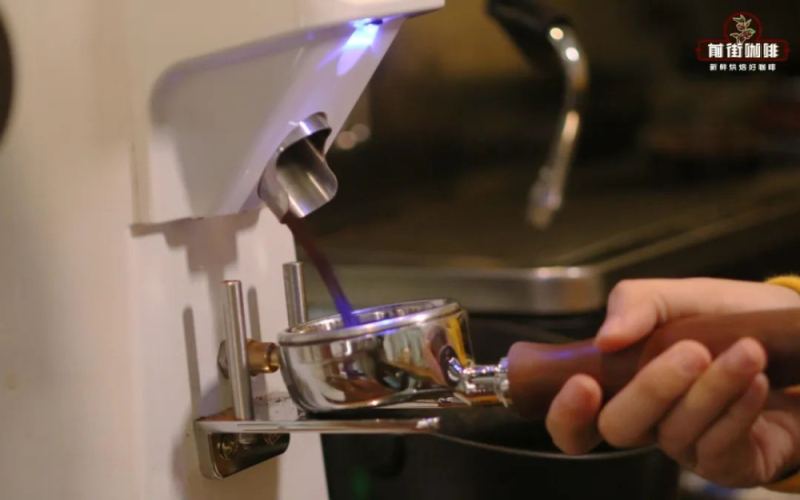
How does espresso grind size affect flavor? A guide to common setting references and adjustment approaches
Grind size is one of the key variables that determines the direction of coffee flavor, especially in the pressurized, short-extraction espresso system, where a tiny change in the setting can tip a shot from balanced to over-extracted or under-extracted. This article focuses on how grind size affects taste. It first explains why a standard sieve is needed to confirm the actual particle size, then compares the different tolerances for grind precision in pour-over versus espresso, and afterward gives beginners a two-step method to quickly lock in the espresso grind range, along with guidance on fine-tuning based on flavor feedback. The article also explains why Front Street Coffee recommends buying whole coffee beans rather than pre-ground coffee, helping readers build a daily grind-calibration management habit. [more…]
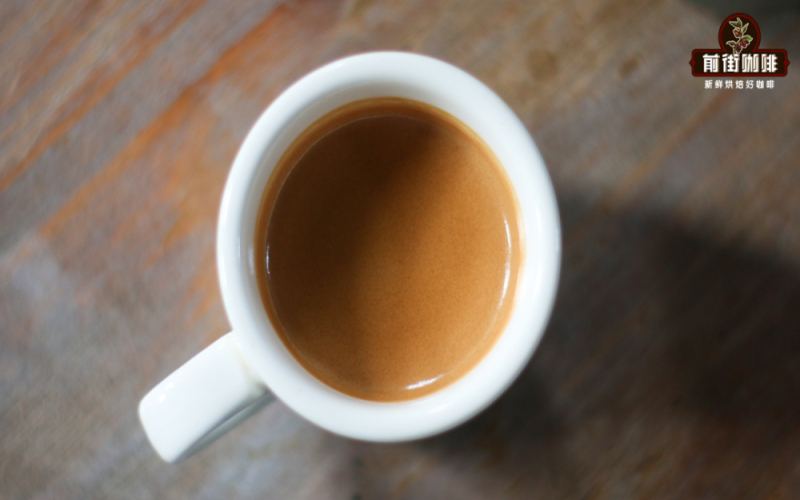
A Detailed Guide to the Espresso Extraction Workflow and Parameter Adjustment Methods
Espresso is the foundation for making popular coffee drinks such as Americano, latte, and cappuccino. This article provides a systematic explanation of the extraction principles of espresso, equipment characteristics, coffee bean selection, and practical operating steps, helping coffee enthusiasts master the key points for extracting a good shot of espresso. The article covers adjustment approaches for core parameters such as grind size, dose, extraction time, and liquid yield, while also introducing the standard daily production process at Front Street stores and the recommended "Sunflower Warm Sun Blend Coffee Beans," offering practical reference for home brewing and daily production. [more…]
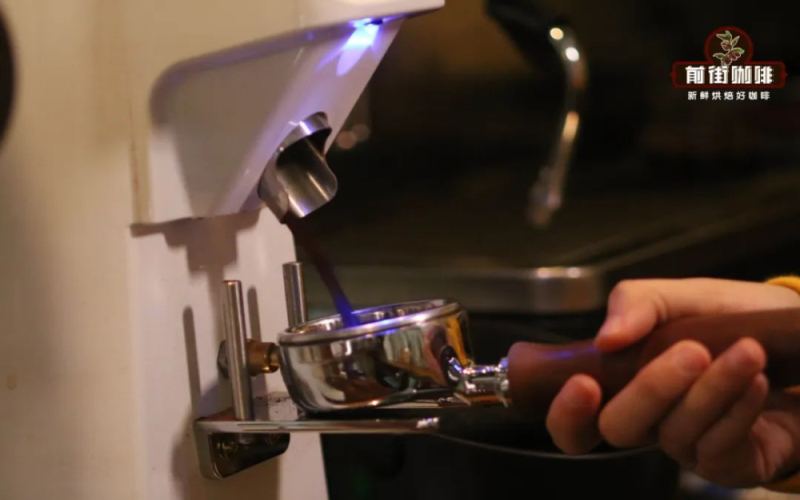
Espresso Grind Adjustment Guide: The Right Way to Fine-Tune from Extraction Time to Flavor
Making a proper espresso hinges on one key step: setting the grind size. But many people mistakenly assume that once it's dialed in, it can be left alone forever. In reality, the condition of the coffee beans and the humidity in the air are constantly changing, so the grind size needs fine-tuning along with them. This article walks through the logic of adjusting espresso grind size. It first explains why you should check it daily—or even calibrate separately in the morning and afternoon—then points out how bean freshness affects extraction stability and gives Front Street's recommended resting period. From there it moves into the hands-on part, stressing that other variables must be locked down while dialing in the grind, using a 1:2 brew ratio and a 20–30 second window as the baseline, judging whether to go coarser or finer by watching the extraction time, and finally making fine corrections based on taste. [more…]
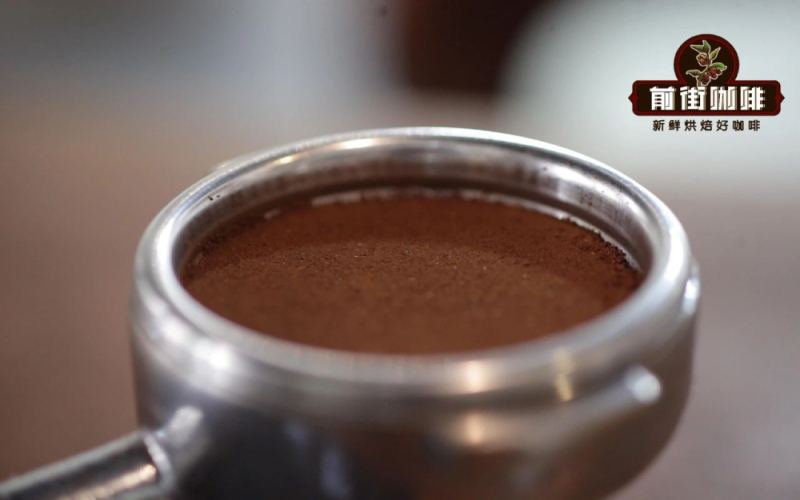
Espresso Recipe Adjustment Guide: Mastering Flavor Balance from Dose and Yield to Time Control
To consistently produce a delicious espresso every day, morning parameter calibration is an essential task. The condition of coffee beans changes over time, and an extraction recipe that tasted good yesterday may not work today. Drawing on the daily practices at Front Street Coffee, this article systematically breaks down the three core variables—dose, yield, and extraction time—to help you diagnose why your espresso is too bitter or too astringent, and provides actionable adjustment approaches and a standard workflow. [more…]