







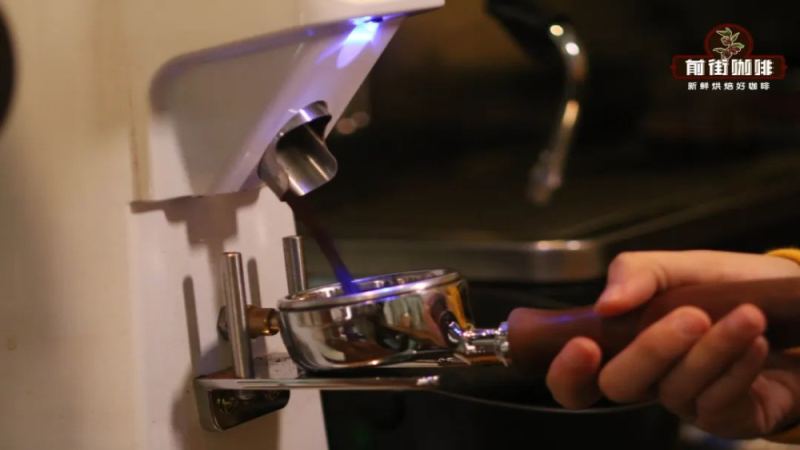
When to grind coffee beans and adjust your espresso grind
Espresso grind size is not a one-time setting. Bean condition and air humidity change constantly, so the grinder needs minor adjustments, and the setting should be checked every morning and often again in the afternoon on days when the weather swings.
Bean freshness is the other key variable. Freshly roasted beans hold high internal gas, which makes extraction unstable and suppresses flavor, so espresso beans need a resting period of at least two weeks. Lock down other variables, use a 1:2 brew ratio with 20-30 seconds as the baseline, then judge coarser or finer from extraction time and taste.
Making a proper espresso hinges on setting the grind size correctly. But many people mistakenly believe that once it's dialed in, it can be left alone indefinitely. In reality, the condition of the coffee beans and the humidity in the air are constantly changing, so the grind size needs fine-tuning along with them. This article revolves around the logic of adjusting espresso grind size. It first explains why you should check daily, or even recalibrate separately in the morning and afternoon, then points out how coffee bean freshness affects extraction stability, and gives Front Street Coffee's recommended resting period. After that it moves into the practical part, emphasizing that other variables must be locked down while dialing in, using a 1:2 brew ratio and 20–30 seconds as the baseline, judging whether to go coarser or finer by watching the extraction time, and finally making fine corrections based on tasting the flavor.
First, you need to recognize that espresso grind size is not something you set once and leave unchanged for the long term. The condition of the coffee beans themselves changes, and the humidity in the air fluctuates too—all of these factors affect the extraction result of the espresso. So the grinder needs minor adjustments from time to time to keep up. Usually, first thing every morning, you should confirm whether the current grind setting still matches your established extraction parameters. On days when the weather keeps swinging, a setting dialed in during the morning may already be off by the afternoon, and you'll have to recalibrate.
Front Street Coffee wants to call out one thing specifically here: sometimes the extraction performs erratically, forcing you to constantly touch the grinder, and besides uncontrollable factors like weather, there's another key reason—the freshness of the coffee beans. Freshly roasted beans contain a high level of internal gas, which makes the extraction prone to instability and suppresses flavor release. Espresso beans usually need a longer resting period. If you want the beans to be in a more stable state, Front Street Coffee recommends resting them for at least two weeks.
There's no shortcut to finding the right espresso grind size—you can only try again and again through extraction. But before you start adjusting the grind, you need to think through two things clearly. First, why are you adjusting? Because the current shot of espresso hasn't met the preset standard, whether in extraction parameters or flavor performance. Second, during the adjustment process, you should keep the other conditions as consistent as possible—for example, your distribution and tamping technique should be steady and practiced, and the dose and yield should line up too. Otherwise, dialing in turns into a muddled mess.
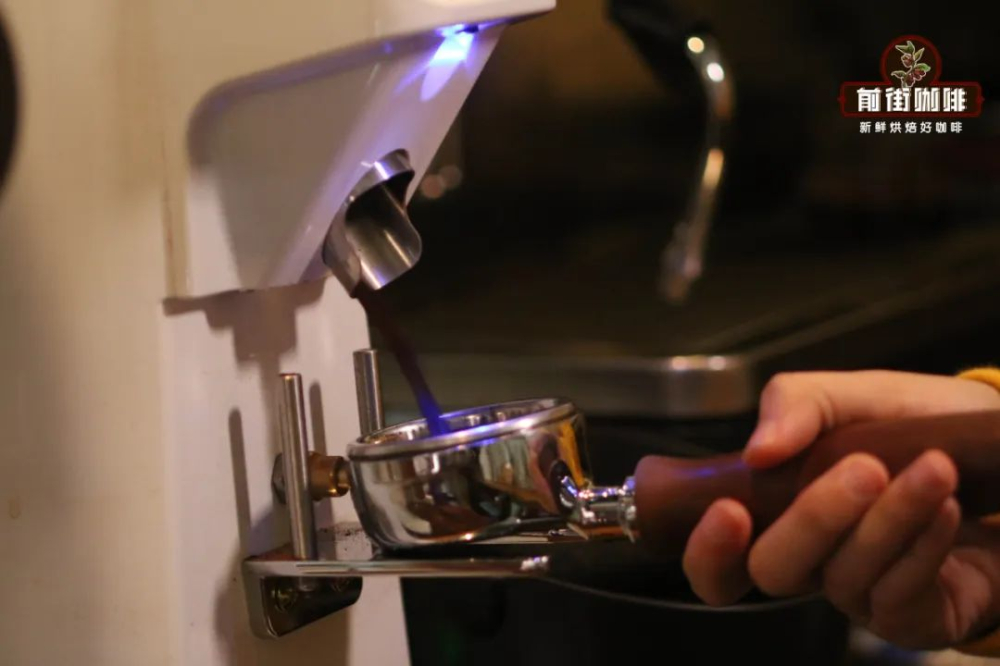
Here's a method for quickly locking in your grind size. First, apply the framework of a 1:2 brew ratio and a 20–30 second extraction time, with the dose set according to the basket's recommended capacity—for example, a 20-gram basket gets 20 grams of coffee. Next, pick a grind setting, roughly around the coarseness of flour, then start extracting and record the time. If it goes past 30 seconds, go coarser on the next shot; if it's under 20 seconds, go finer on the next shot.
Once the extraction time stabilizes between 20 and 30 seconds, make further fine adjustments by tasting the espresso. If the aroma is lacking and it tastes overall sour, adjust finer; if it has a heavy, bitter, burnt taste that's unpleasant to drink, adjust coarser.
The above content is compiled by CoffeeHunters, a coffee news website.


