







Search Results for: Coffee Flavor Layers

Why Dirty Coffee Layers Are Not Distinct: Causes, Solutions, and Front Street Coffee Espresso Blend Recommendation
Want to make a beautifully layered, richly flavored Dirty coffee, but always end up with the embarrassing situation where the espresso shoots straight into the milk and turns into an iced latte? In fact, the key factors affecting the layering effect are not complicated, mainly including the distance between the espresso outlet and the milk surface, the temperature and concentration of the milk itself, and the extraction quality of the espresso. This article will analyze the common causes of layering failure one by one from these three perspectives, and give specific and feasible adjustment methods, including various operational solutions for shortening the distance, suggestions for using iced milk and a chilled cup, and how to judge whether the espresso concentration meets the standard through extraction time and grind size. At the same time, it will also recommend the types of coffee beans suitable for making Dirty and the specific flavor performance of Front Street Coffee's classic Italian blend, helping coffee lovers consistently produce a cup of Dirty with clear layers and harmonious taste. [more…]

How Does Pour-Over Coffee Reveal Layering? Analyzing the Difference Between Layers and Layering, Plus Four Practical Techniques
Many coffee enthusiasts often mention the term "layering" during tasting, but what exactly is layering? How does it differ from plain "layers"? This article, from the perspective of Front Street, uses visual comparisons to help understand the meaning of layering, then returns to coffee tasting to analyze the manifestations of rich layering and two typical cases of lacking layering. At the same time, Front Street will share four practical methods, including coffee bean selection, fines retention, staged pouring, and adjusting the coffee-to-water ratio, to help you better present the layering of coffee during pour-over brewing. [more…]
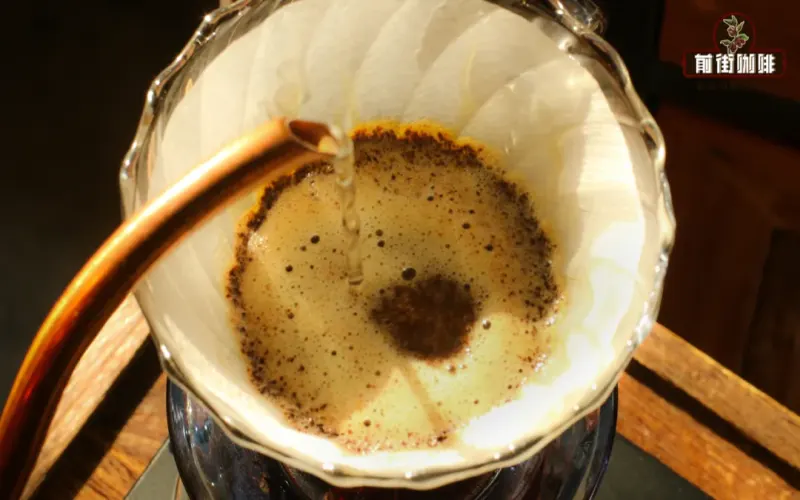
Analysis of the Difference Between Coffee Beans' Peak Flavor Period and Shelf Life: Can Expired Beans Still Brew a Good Cup?
Many coffee enthusiasts know that roasted coffee beans, beyond their shelf life, also have a peak flavor window—the optimal tasting period. But if you accidentally miss this window, can the beans still be consumed? And how much will the flavor degrade? This article compares freshly roasted coffee beans with those stored for two months, using cupping to intuitively demonstrate the differences between the two, and explains how aroma volatilization affects the layers of coffee flavor. At the same time, the article also shares Front Street Coffee's commitment to fresh roasting and how to conveniently purchase high-quality coffee beans roasted within a week. [more…]
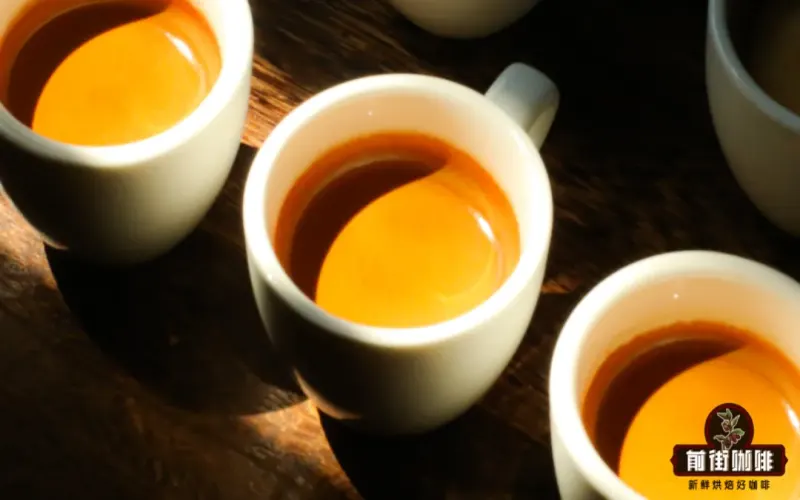
Five Practical Methods to Improve Espresso Extraction Uniformity and an Analysis of Flavor Differences
Under the same extraction yield, the level of uniformity leads to drastically different flavor directions—when uniform, the cup is balanced and solid with a long finish; when uneven, it is layered and clearly structured. Most drip coffee extractions naturally have differences between the upper and lower layers and between the inner and outer layers, which has led many coffee enthusiasts to explore how to make espresso extraction more uniform. From the perspective of Front Street, this article outlines five actionable improvement approaches: placing filter paper at the bottom of the portafilter basket, switching to a high-density basket, low-pressure pre-infusion, reducing the dose to thin the coffee bed, and adjusting the brew ratio to increase liquid weight. Through a comparative experiment with Front Street Espresso Strawberry Candy, it presents the specific differences in flavor expression between the two extraction styles. [more…]
Ethiopia Sidamo Washed Hero Coffee Beans: Flavor Layers and Mouthfeel Characteristics Explained
This washed Ethiopian Hero coffee bean brought to you by Front Street Coffee once won the 2019 TOH Washed Group championship, making it a premium bean with exceptional aroma, balance, and body. It displays refined, delicate flavor layers, a solid and well-balanced mouthfeel, and bright, uplifting acidity, with a cost-performance ratio comparable to Hambela. This article will detail the bean's origin background, TOH competition knowledge, and the floral-fruity aroma and juicy mouthfeel brought by washed processing, giving you a comprehensive understanding of the unique charm of heirloom varieties at 2,150 meters above sea level in the Sidamo Guji producing region. [more…]

Creating a Layered Dirty Coffee: A Full Breakdown of Key Techniques from Pour Height to Milk Density
Want to make a Dirty with distinct layers, but always run into the problem of the coffee and milk blending too early, leaving the layers unclear? The key actually lies in two details: the distance the espresso falls from, and the viscosity and density of the milk itself. This article takes a practical approach and shares how to adjust the receiving height, use purified milk, chill your cups, and more, so that both the visual effect and the mouthfeel of your Dirty come closer to the ideal. It will also answer the question of whether the roast level of the coffee beans affects layering, and share Front Street Coffee's actual test conclusions to help you easily make a cup of "dirty" with true pedigree. [more…]
Ethiopian Natural Yirgacheffe Aricha G1: Clean Layers and Flavor Interpretation Under Light Roast
In the world of specialty coffee, natural-process beans are often celebrated for their complex layers, yet they frequently fall short of washed beans in terms of clarity. However, this natural Yirgacheffe G1 from Ethiopia's Aricha processing station shatters that preconception—it retains the rich layers of ripe fruit characteristic of natural beans while displaying a cleanliness comparable to washed coffee, making it truly stunning. This article will guide you through this bean's origin background, processing method, roast profile, and flavor performance, and compare the stylistic differences between washed and natural Yirgacheffe. Front Street Coffee will also recommend this captivating natural Yirgacheffe for you, as we explore its unique charm together. [more…]
The Coffee Flavor Code: Acidity, Mouthfeel, and the Four Principles of Appreciation — Understanding the Taste Layers of Specialty Beans
Is the acidity in coffee an advantage or a disadvantage? Why is some acidity pleasant while other acidity makes people frown? Starting from the sources and perception of acidity, this article analyzes one by one the meanings of tasting terms such as clean, balanced, texture, and complexity, and introduces the four major appreciation principles of acidity, texture, aroma, and flavor. At the same time, drawing on Front Street Coffee's brewing experience, it helps enthusiasts clarify the difference between good acidity and bad acidity, master the effects of adding sugar and extraction temperature on flavor, and thereby truly understand how to describe and appreciate the layers and personality of a cup of specialty coffee. [more…]
Front Street Coffee Aricha Natural Yirgacheffe: A Full Analysis of Flavor Layers and the Grading System
Yirgacheffe is a dazzling calling card of Ethiopian specialty coffee, and Front Street Coffee's Aricha sun-dried Yirgacheffe has captured the hearts of countless coffee lovers with its complex and enchanting flavors. This article will meticulously describe the taste layers of this coffee, from dry aroma and wet aroma to its performance on the palate, and delve into Yirgacheffe's unique grading system—which does not judge quality by screen size, but rather determines grade by the proportion of defective beans. At the same time, it will take you into the geography and history of the small town of Yirgacheffe, helping you understand the cultural heritage behind the names "settle down" and "wetland," and experience the fresh brightness of lemon, floral notes, and honeyed sweetness interwoven under a light roast. [more…]
Kenyan Coffee Flavor Analysis: Acidity Characteristics and Taste Layers of Africa's Top Region
Kenya, as one of Africa's most important coffee-producing countries, nurtures coffee beans with distinct flavors and rich layers thanks to its unique terroir of high altitudes and cool mountainous regions. Its signature bold acidity and fruity notes of blackcurrant, grapefruit, and the like have kept Kenyan coffee a fixture in the global specialty coffee scene. This article will systematically sort through the taste characteristics and quality assurance system of Kenyan coffee from the perspectives of the producing environment, flavor traits, and grading system, and answer the common question of "Is Kenyan coffee on the acidic side?" to give you a comprehensive understanding of the charm of this top-tier African origin. [more…]
From Exocarp to Endosperm: Breaking Down the Coffee Cherry Layer by Layer, and How Processing Methods Shape the Flavor in Your Cup
Every coffee cherry is like a miniature flavor factory, with six layers—from the outermost skin to the seed buried deep within—each playing its own role. It is precisely the existence of these layers and the differences in how they are removed that determine the flavor directions of different processing methods such as natural, washed, and honey. The coffee tree belongs to the Rubiaceae family as an evergreen shrub or small tree, and its fruit is called a coffee cherry in the industry because its shape closely resembles a cherry. This time, we will not discuss the legend of the shepherd, nor repeat the classification of the three major varieties; instead, we will focus on the internal structure of the coffee cherry, disassembling one by one the six layers—exocarp, pulp, mucilage layer, endocarp, silver skin, and endosperm—to see how they work together to give coffee its ever-changing flavor expression. [more…]
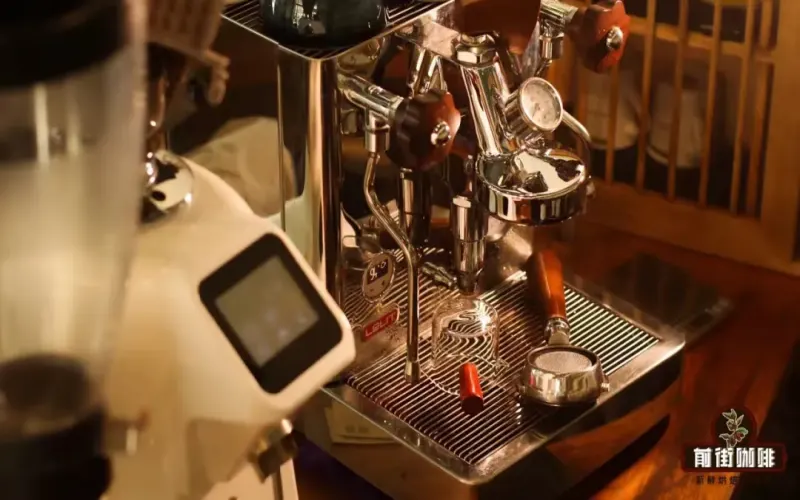
A Guide to Espresso Bean Types: How to Choose Espresso Beans That Are Not Sour and Have Rich Layers
Espresso is beloved for its rich flavor and that layer of golden-brown, dense crema, and choosing the right coffee beans is the key to success. Due to the characteristics of pressurized espresso machines, medium to dark roast beans offer a higher success rate in preparation, while avoiding the acidity issues of light to medium roasts. If you want an espresso that isn't sour and has well-defined layers, a high-quality espresso blend is the ideal choice—it provides rich aroma and balanced taste while making the extraction process more stable. This article will guide you through the logic of classifying espresso beans and recommend two standout Front Street Coffee blend products: Front Street Coffee Strawberry Candy Espresso and the Classic Blend, helping you easily find your preferred flavor. [more…]

A Complete Guide to Making a Dirty Coffee: The Secret Behind the Contrast Between Espresso and Milk, Plus a Milk Selection Guide
In summer, what milk coffee could be more captivating than a cup of Dirty? With its striking layers and strong sense of contrast, it has quickly won the hearts of many latte lovers. But when many people try it at home, they always feel it lacks that punch found in coffee shops. In fact, the soul of a Dirty lies in contrast—from temperature to taste, the espresso and milk need to form an extreme contrast. This article, drawing on the practical experience of Front Street Coffee, will break down in detail how to choose coffee beans, milk, and the key techniques during preparation, so you can easily make a cup of Dirty with long-lasting layers and an amazing mouthfeel. [more…]
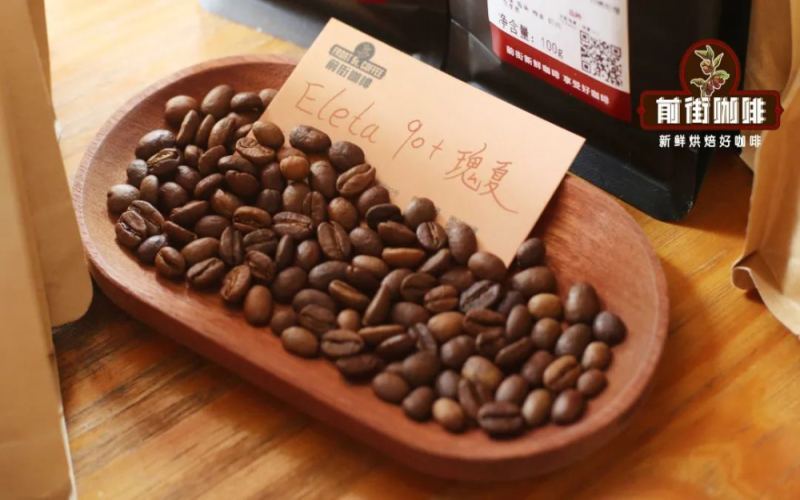
Front Street Selection: Panama 90+ Geisha Estate Eleta Coffee Beans—Rich Layers of Tropical Fruit Flavors, Worth Savoring
Front Street Coffee is bringing you a micro-lot coffee bean from the 90+ Geisha Estate Eleta, sourced from Panama's Volcán region. This bean uses the 90+ processing method, is medium-roasted, grown at an altitude of 1,400 to 1,800 meters, and is produced by the 90+ company. In terms of flavor, it presents bergamot, sweet orange, ripe grapes, fermented notes, and a variety of tropical fruit aromas. This article will provide coffee lovers with a complete and detailed introduction, from the background of the 90+ brand and the founding history of the Geisha Estate to the specific flavor expression of this Eleta Geisha, helping everyone understand the unique charm and tasting points of this bean. [more…]
Berry-Flavored Coffee Beans: The Sweet-and-Tart Layers of Strawberry and Blueberry
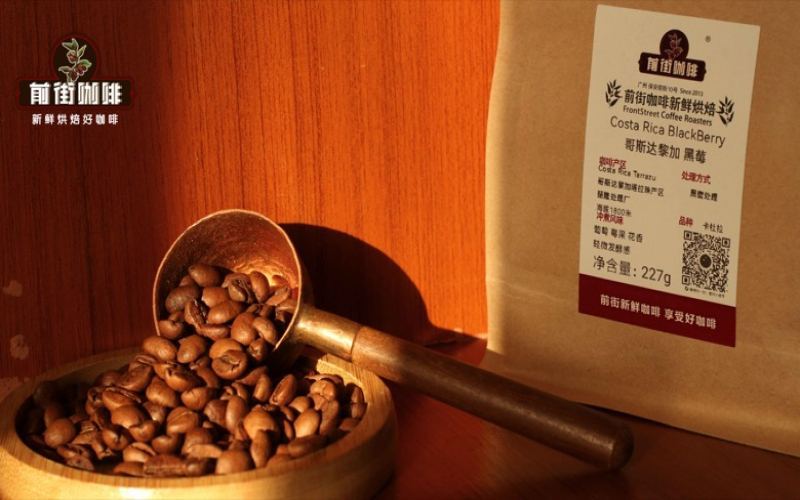
Berry-flavored coffee beans have a flavor profile best described as "intertwined sweet and sour": the aromas of strawberry, blueberry, and raspberry need an acidic foundation to come across as three-dimensional. Front Street Coffee's Granja Estate Geisha has a strawberry jam aroma paired with sun-dried sweetness, making it a richer expression of berry notes; Colombia's Sidra, by contrast, has a brighter blueberry flavor, and in iced pour-over its berry character [more…]
What Are the Benefits of Adding Salt to Coffee? Explaining the Principles Behind Bitterness Suppression, Flavor Enhancement, and Added Complexity
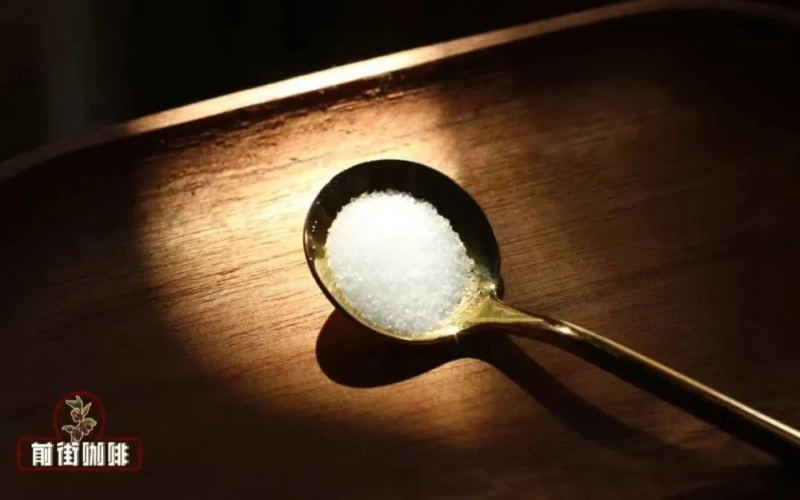
Adding salt to coffee may sound unbelievable, but this practice actually contains rich taste science. Salt can not only effectively suppress the bitterness of coffee, but also enhance sweetness, improve astringency, and even add layers by highlighting saltiness. This article will start from Front Street's perspective and systematically sort out the three major roles of salt in coffee: suppressing bitterness, improving quality and enhancing flavor, and adding layers, while analyzing the principles of taste interaction behind it. At the same time, the article will also remind readers of precautions when using it, such as dosage control and applicable scenarios. Whether you are a coffee lover or a pour-over player, you can gain practical inspiration from it. [more…]

How can coffee reveal rich layers in the mouth? A complete approach from bean selection to brewing
Many coffee enthusiasts hope that the coffee they brew is not just a single flavor, but can present changes and rich sensations in the mouth—this is what is called layering. How exactly is layering defined? It is reflected both in the evolution of sweet, sour, bitter, and salty tastes and in whether the flavors are clearly distinguishable. To get a cup of coffee with rich layering, you need to start from multiple steps: bean selection, processing method, retention of fines, adjustment of the coffee-to-water ratio, and pouring method. This article will systematically sort out the key points for brewing layering, from conceptual understanding to practical methods, to help you adjust parameters with more direction in daily brewing, making the coffee's flavor expression more three-dimensional and clearer. [more…]
Brewing Yingde Yinghong No.9 Black Tea: A Full Analysis of Flavor Layers Across Seven Infusions, from Fruity Sweetness to Roasted Notes
Yinghong No.9 comes from Yingde, Guangdong, and is named after an experimental cultivar. The dry leaves are tightly rolled with visible golden buds, carrying forest-floor earthiness and a roasted aroma. In this session it was brewed gongfu style, using 3g of tea with 150ml of boiling water, a 45-second first infusion, and an extra 15 seconds for each subsequent infusion, for five to seven consecutive steeps. Front Street Coffee recommends brewing it in a gaiwan, which better reveals its complete progression from sweet, fruity notes to woody roast. From the first infusion's deep amber color, musky earthiness, and sweet plum flavors to the seventh infusion's roast and astringency, each steep delivers a different experience. This tea suits lovers of earthy, fruity, or roasted black teas, and is especially good for savoring on a winter afternoon. [more…]

What does "layering" mean in pour-over coffee? How can you improve the layering of coffee?
When tasting coffee, we focus on flavor, mouthfeel, and aftertaste, but when it comes to complexity, few people understand what it means. In this article, Front Street Coffee will help you understand complexity in coffee!! When a coffee is rich in complexity, it means that in one sip, you can clearly perceive multiple flavors, that is, [more…]
Pour-Over vs. Espresso and Americano: Flavor Complexity, Brewing Time, and a Front Street Coffee Bean Selection Guide
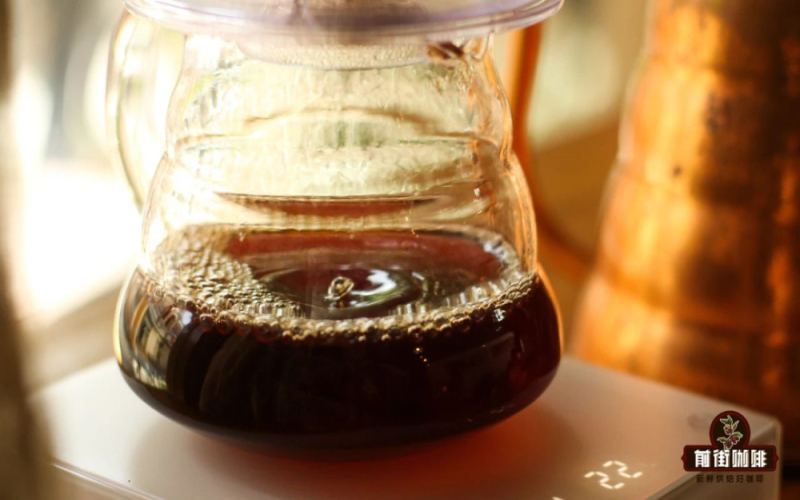
Both are black coffee, yet pour-over and Americano have completely different personalities. Pour-over uses a drip filtration method, allowing precise control of extraction through grind size, water temperature, and pouring technique, showcasing the layers of acidity and sweetness in coffee along with the flavor surprises brought by temperature changes; Americano, on the other hand, is made by diluting espresso with water, relying on rapid extraction under 9 bars of pressure, emphasizing body and clarity of flavor. At Front Street Coffee, in daily production, pour-over commonly uses PWN Golden Mandheling and Ethiopia Sidamo Natural Huakui 5.0, while Americano uses the Sunflower Warm Sun espresso blend of Natural Yirgacheffe blended with Honduras Sherry, with a dilution ratio of about 1:6. If time permits, pour-over takes 3-5 minutes and offers a soothing experience; when in a hurry, an Americano can be completed in just 1-2 minutes. This article provides a detailed analysis of the differences between the two, helping you make the right choice in a café. [more…]