







Search Results for: Coffee Filter Cup
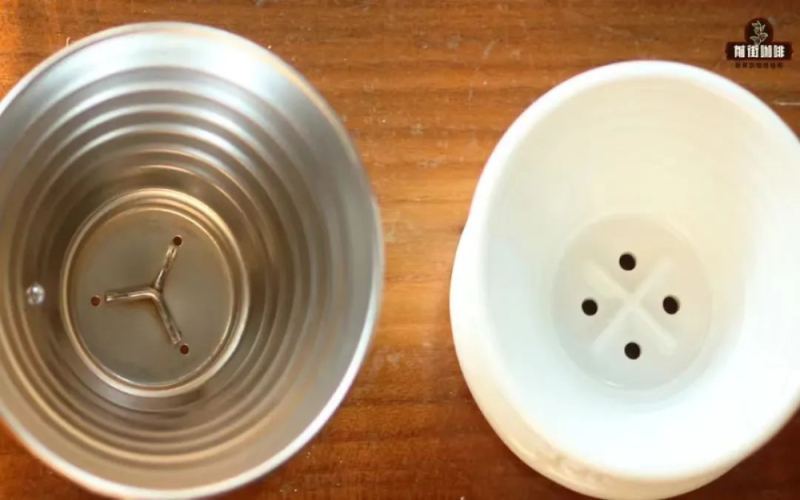
How do filter cup shape and flow rate influence pour-over parameters? How should extraction time be reasonably set?
Many coffee enthusiasts often wonder after switching filter cups: can the original pour-over parameters still be used, and exactly how long should the extraction time be controlled to be considered appropriate. Starting from the differences in filter cup shape and flow rate, and combined with Front Street Coffee's measured data, this article compares the extraction performance and flavor differences of the V60 and flat-bottom cake filter cup under the same parameters, explaining that the real purpose of parameter adjustment is not to pursue fixed values, but to serve the ideal taste. The article also provides a ranking of the flow rates of common filter cups, helping readers understand the relationship between filter cup characteristics and extraction time, so as to formulate brewing plans more flexibly. [more…]
Panama Elida ASD Anaerobic Low-Temperature Slow Natural Geisha: Four Pour-Over Brewer Methods and Flavor Comparison
Front Street recently acquired a Geisha coffee bean from Elida Estate in Panama, processed using the NATURAL-ASD anaerobic fermentation low-temperature slow sun-drying method—the same process used for this year's Panama BOP champion Geisha in the processing category. After the beans were properly rested, we tested brewing with a hollow filter cup, Ice Eye filter cup, cake filter cup, and diamond filter cup, standardizing the parameters to 15 grams of coffee, medium-fine grind, 90°C water temperature, and a 1:15 coffee-to-water ratio, recording the extraction time and flavor performance for each filter cup. Elida Estate is renowned for its sun-dried processing, and this ASD Geisha shines in fermentation aroma, juicy mouthfeel, and layered tea-like notes. Below, we share four specific brewing recipes and comparison results for coffee enthusiasts' reference. [more…]
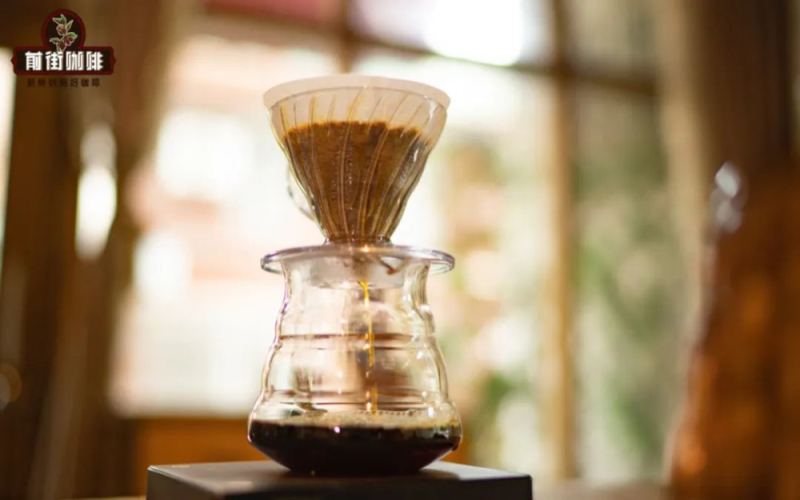
How Does Filter Cone Material Affect Coffee Extraction? Analyzing Brewing Differences Through Thermal Conductivity and Specific Heat Capacity
Coffee filter cups on the market come in a wide variety of materials—resin, glass, ceramic, and metal each have their own fans—but what real impact do different materials actually have on brewing? Many people's first thought is the price difference, but setting aside cost, the most core difference between materials lies in their ability to control temperature. Thermal conductivity determines how quickly heat is transferred, while specific heat capacity relates to how much heat an object can store. Together, these two physical parameters directly change the temperature performance of hot water during the extraction process. Metal conducts heat fastest but also dissipates it quickly; ceramic has a high specific heat capacity but needs thorough preheating; glass performs mildly; and resin, because it absorbs heat slowly, has almost no effect on water temperature. In this article, Front Street Coffee will break down the characteristics of four common filter cup materials one by one, and combine them with the actual differences in flow rate among V60 versions made of different materials, to help everyone understand why you cannot simply copy extraction formulas from the internet, but should instead flexibly adjust your brewing strategy according to the material of the filter cup in your hands. [more…]

Pour-Over Coffee Beginner's Guide | How Should Coffee Newbies Choose Coffee Filters? How Do You Use Coffee Filters? What Types of Coffee Filters Are There?
For professional coffee knowledge exchange and more coffee bean information, please follow FrontStreet Coffee. How to choose coffee filter paper? How to use coffee filter paper? What types of coffee filter paper are there? Many enthusiasts buy their own coffee beans, use a grinder, and purchase equipment to brew coffee, all [more…]
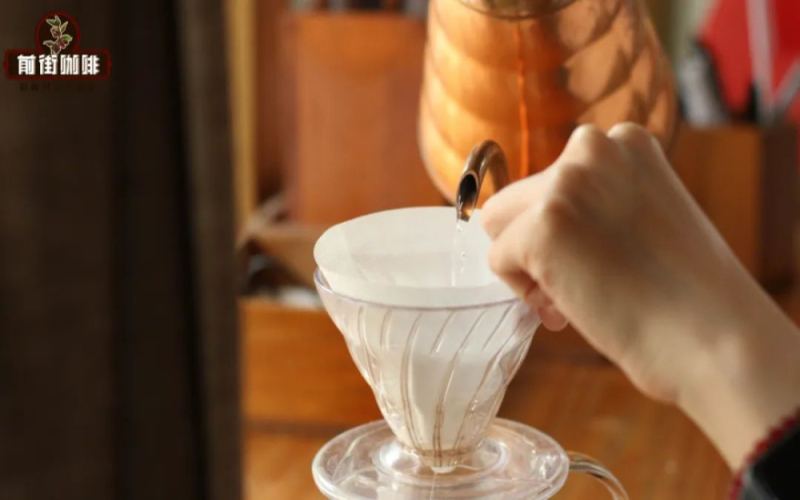
For pour-over coffee, should you use hot or room-temperature water to wet the filter paper? A hands-on test of the flavor differences across three filter-cup materials
Should you wet the filter paper with hot water or room-temperature water before pour-over coffee? Does this seemingly insignificant step really affect the final flavor? Many coffee enthusiasts share this confusion. In this experiment, Front Street Coffee used filter holders made of three different materials—resin, ceramic, and copper—and wet the filter paper with either room-temperature water or hot water above 90°C, conducting a comparative experiment under identical brewing parameters. The results showed that wetting the filter paper at different water temperatures does indeed lead to differences in the temperature and concentration of the coffee liquid, and the flavor profile also showed different tendencies toward sweetness and acidity. Through detailed experimental data, this article will analyze the mechanism by which the water temperature used to wet the filter paper affects the extraction process, helping you find the cup that best suits your taste. [more…]
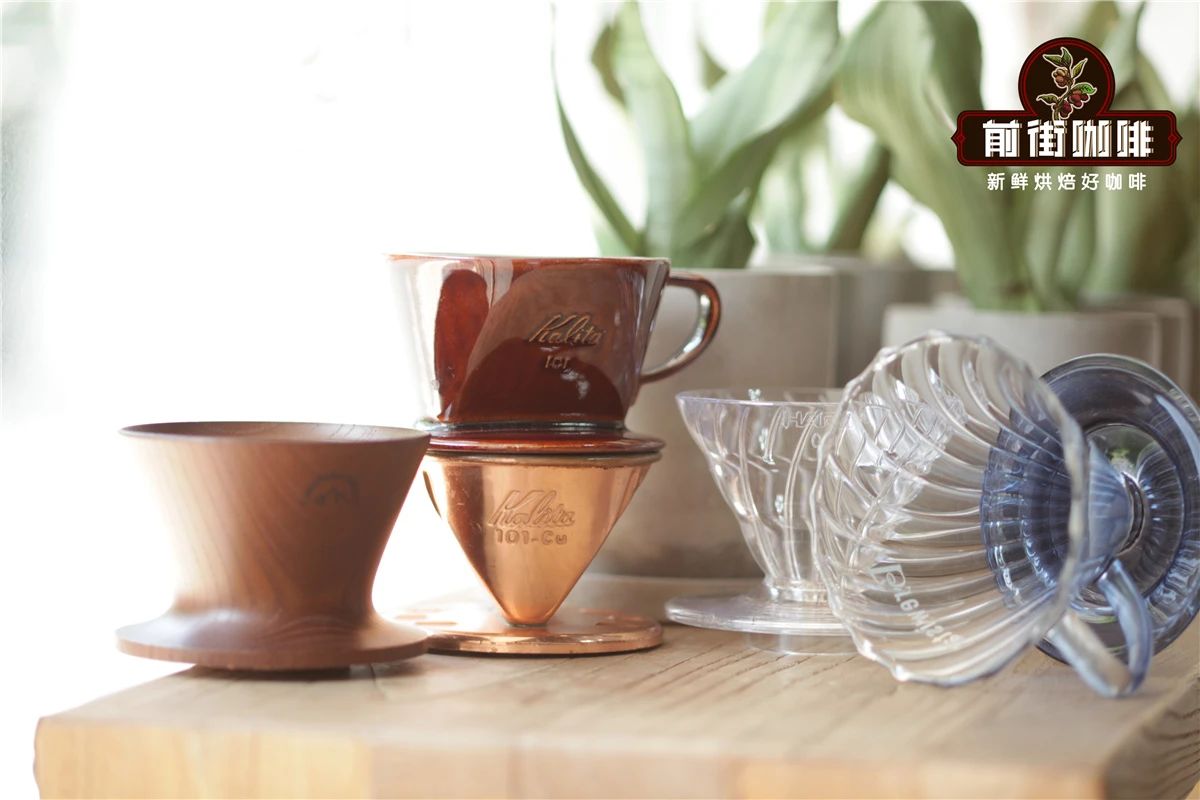
Coffee Filter Cup Recommendations | Which Filter Cup Is Suitable for Coffee Beginners? What Filter Cup Should Newbies Use for Brewing Coffee? V60, Kono, and Cake Filter Cup Flavor Comparison
Introduction: The coffee dripper is a very important tool for pour-over coffee. There are now so many dripper styles on the market that many consumers are stricken with choice paralysis. Today Front Street is here to share a way of thinking about how to choose! Drippers can be compared from these angles. I. The material of the dripper. Up to now, drippers [more…]
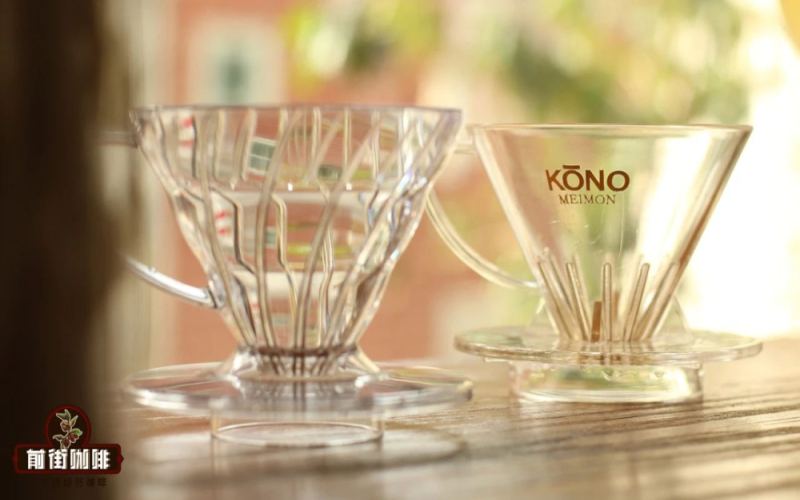
The Complete Smart Cup Brewing Guide: From Working Principles to Practical Steps, Comparing Flavor Differences with Pour-Over
For friends who are just getting into pour-over coffee, the water-flow control required by drippers like the Hario V60 and KONO often feels daunting. The appearance of the Clever Cup, however, lets even complete beginners easily brew a cup of good coffee that won't fail. This article starts with the structure and principles of the Clever Cup, then gradually breaks down the complete brewing process, and also sorts through the origins of pour-over coffee, equipment choices, and standard steps. Finally, using Front Street Coffee's Yirgacheffe Red Cherry as an example, it compares the flavor differences brought by the two brewing methods to help you find the cup that suits you. [more…]

Filter Paper Folding Methods Vary? Front Street Teaches You the Complete Guide to Correctly Choosing, Folding, and Rinsing Filter Paper
Pour-over coffee enthusiasts often encounter a confusion: why do different baristas fold their filter papers in different ways? Which filter paper should be chosen, how should it be folded, and should it be pre-wetted? These seemingly minor details actually directly affect the flavor performance of the final cup. Front Street Coffee has accumulated considerable experience with filter paper usage in daily production, so this time we will conduct a systematic review centered on filter paper selection, folding techniques, and wetting treatment. Starting from the differences between natural wood filter paper and bleached filter paper, and then moving on to specific operational details, we hope to help everyone truly understand this seemingly simple step of filter paper, making every cup of pour-over more stable and clean. [more…]
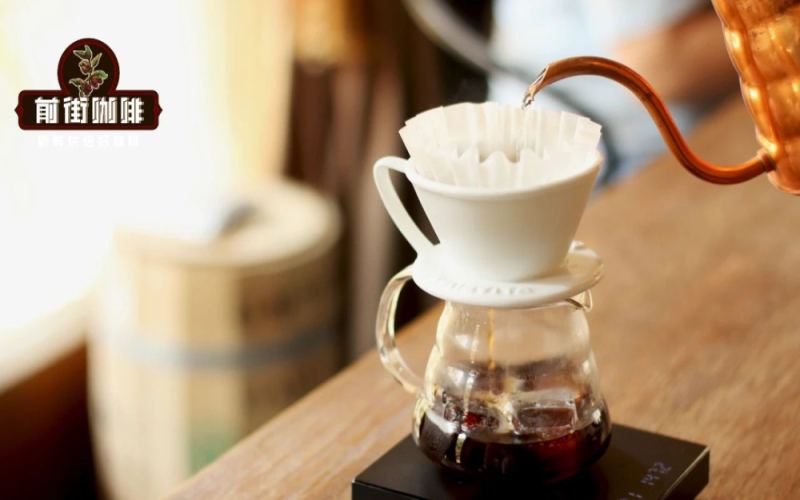
The Complete Guide to Brewing Coffee with the Clever Dripper: A Full Breakdown from Extraction Mechanism to Brewing Steps
The Clever Cup is a unique coffee brewing device that combines a dripper with a valve design, originally developed and manufactured in Taiwan Province of China. It uses a rubber piston valve at the bottom to control water flow; when pouring water, it seals and stops the water, and when placed on a cup, it opens automatically, allowing the coffee liquid to filter out slowly. In terms of operation, you simply pour water and let it steep, wait four minutes, then place it on the rim of a cup. For cleaning, discard the coffee grounds together with the filter paper, and rinse with water to finish. Today, Front Street will guide everyone through the extraction principles of the Clever Cup and, using beans from Panama's Elida Estate as an example, demonstrate this lazy-friendly immersion brewing method in practice. [more…]
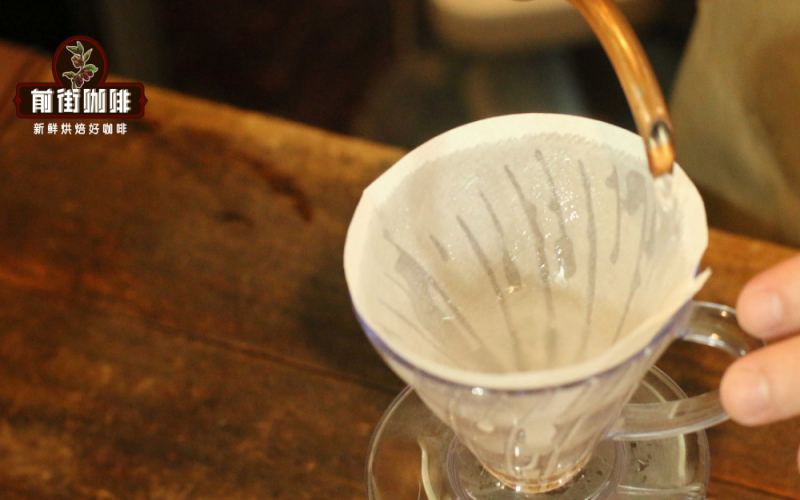
How to Choose and Use Coffee Filters? A Complete Guide to Bleached vs. Unbleached, Cone Filter Parameters, and Three Brewing Methods
Brewing coffee at home—paper filters, metal filters, or cloth filters: how exactly should you choose? This article starts with the difference between bleached and unbleached paper filters, explains why you should rinse your paper filter, and lists the weight and feel of several common cone-shaped paper filters for reference. It also compares metal filters, flannel cloth filters, and drip coffee bags by their pros and cons. Whether you're after a clean, crisp cup or want to keep more of the coffee oils and original flavors, you'll find the right filtration solution for you here, and avoid detours when shopping. [more…]
Pour-Over Coffee Beginner's Guide: Four Major Advantages, Filter Paper Selection, and Key Brewing Practices
Pour-over coffee has become the preferred brewing method for many coffee enthusiasts thanks to its advantages of being clean, free of off-flavors, clear, and simple and safe. This article starts from a comparison of brewing devices such as the French press, the Clever Cup, the AeroPress, and the siphon, and takes an in-depth look at the core principles of pour-over coffee—the three key elements of coffee grounds, filter paper, and hot water. It focuses on revealing the critical influence of filter paper on flavor and explores the feasibility of brewing with boiling water. At the end, using the 2018 Huakui Natural Sidamo as an example, it fully presents the V60 brewing parameters and flavor performance, making it suitable as a reference for readers who wish to improve their pour-over brewing skills. [more…]
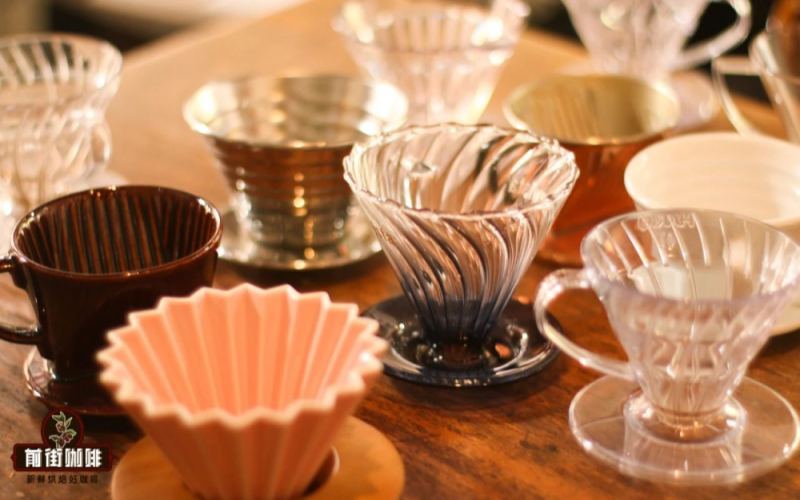
The Complete Guide to Pour-Over Coffee Dripper Selection: Common Types, Material Differences, and Brewing Compatibility Guide
In the toolkit of pour-over coffee gear, the dripper plays a pivotal role. With the third wave of coffee and the growing popularity of single-origin specialty beans, pour-over brewing rose in Japan and swept the globe. Getting started with pour-over isn't complicated—all you need is a gooseneck kettle, filter paper or a metal mesh, a dripper, and ground coffee. Yet the sheer variety of drippers often leaves beginners at a loss. This article systematically breaks down the structural features and flow-rate differences of mainstream drippers—wedge, cone, origami, wave, and metal—analyzes how different materials affect heat retention, and, drawing on brewing practice with a range of Front Street beans, explains how dripper choice shapes a coffee's balance, body, and aromatic layering, offering enthusiasts a practical reference. [more…]
Pour-Over Coffee Beginner's Guide: A Complete Analysis from Equipment Comparison to Filter Paper Selection and Boiling Water Brewing
Pour-over coffee has become the top choice for many coffee enthusiasts thanks to its advantages of being clean, free of off-flavors, clear, simple, and safe. This article starts with a horizontal comparison of the French press, the Clever Cup, the AeroPress, and the siphon pot, then sorts out the three truly indispensable conditions for pour-over—coffee grounds, filter paper, and hot water—and takes a deep dive into how the filter paper material affects flavor, debunking the common misconception that "boiling water can't be used to brew coffee." At the end, it includes Front Street's recommended Huakui brewing parameters and flavor description, making it suitable reading for coffee enthusiasts who want to systematically understand the logic of pour-over. [more…]
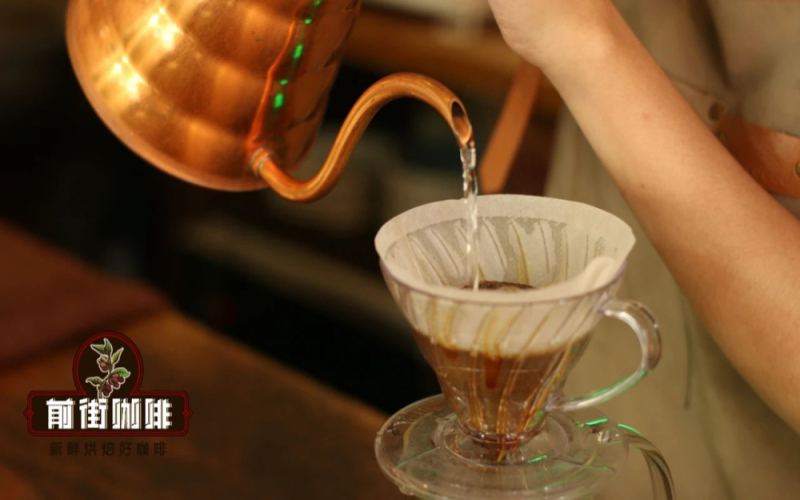
Smart Filter Cup Practical Review: Immersion Extraction Principles, Operating Steps, and Whether It Can Replace a Regular Pour-Over Filter Cup
Although pour-over coffee may look simple to operate, it actually involves a rich array of techniques and details, and the flavor expression of the coffee varies noticeably depending on the brewing device used. This time Front Street Coffee is going to introduce a dripper that is very beginner-friendly—the Clever Cup, which combines both immersion brewing and filtered brewing functions, has a low barrier to entry, and makes it easy to reproduce a stable flavor. The following article will explain the Clever Cup's brewing principles, specific usage steps, recommended parameters, and whether it can be used as an ordinary dripper, helping coffee lovers quickly master this device. [more…]
How to Choose the Filter Material for Pour-Over Coffee? A Complete Comparison of the Pros and Cons of Paper Filters, Metal Filters, and Cloth Filters
In the world of pour-over coffee, the choice of filter material is often underestimated, yet it directly determines the direction of the flavor in the cup. Paper filters, metal filters, and cloth filters each have their adherents, and they differ vastly in how much they intercept oils, fine particles, and flavor compounds. This article begins with the century-old origins of the coffee paper filter, then breaks down one by one the structural principles, operational experience, and pros and cons of the three filtration methods, along with a comparison of mainstream filters such as KONO, HARIO, and CHEMEX, as well as practical advice from Front Street Coffee for everyday brewing. Whether you prefer a clean, bright sense of layering or pursue a thick, full-bodied original flavor, you can find the filtration solution that suits you in this article. [more…]
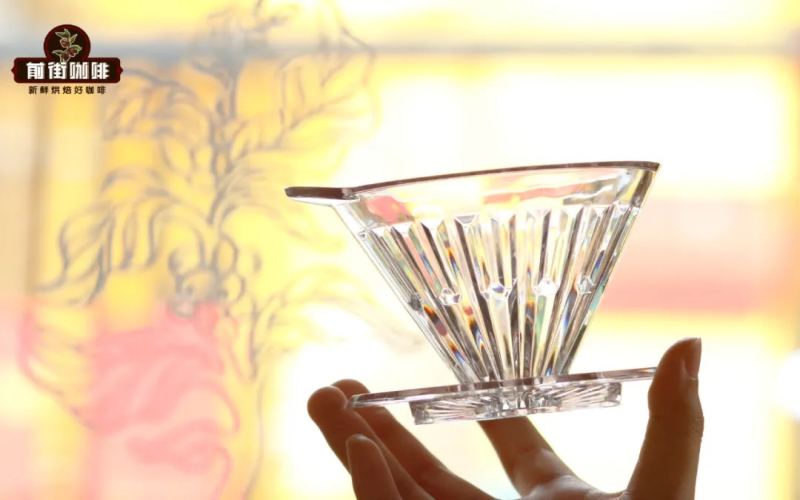
Coffee Beginner's Filter Cup Buying Guide: Ice Eye Filter Cup Structure Principles, Brewing Performance, and Comparison with V60
For those new to pour-over coffee, choosing the right dripper is often the first step in ensuring consistent results. This article provides a detailed analysis of the Ice Eye dripper, starting with the design of its exhaust groove structure, explaining its fundamental differences from the V60's spiral ribs, and presenting the differing flavor tendencies of the two drippers through practical comparisons under identical brewing parameters. The article also incorporates a brewing case using Front Street Yirgacheffe Gotiti Cooperative washed beans, offering dripper selection recommendations for coffee beans of different roast levels and processing methods, helping beginners make more suitable choices based on bean characteristics. [more…]
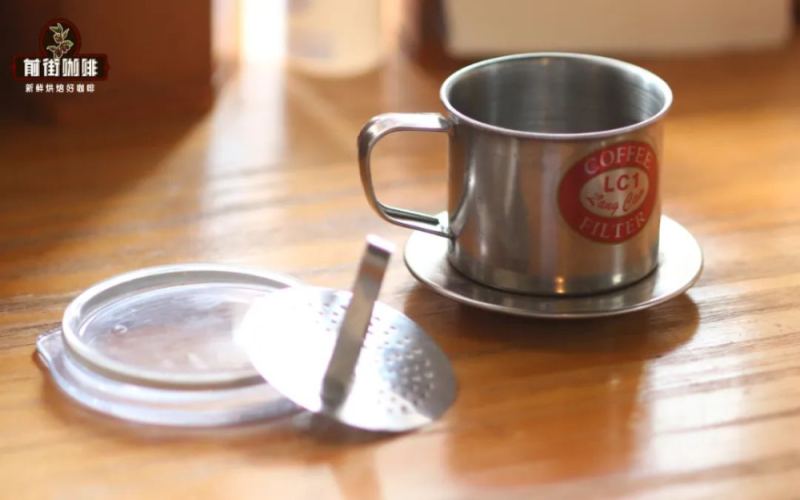
How to Use a Vietnamese Phin Filter? A Complete Practical Guide from Condensed Milk Coffee to Light-Roast Pour-Over
The Vietnamese drip filter has a simple structure and an affordable price, making it a practical choice for many coffee enthusiasts just starting out. After repeated testing with it, Front Street Coffee found that as long as you get the grind size, water temperature, and coffee-to-water ratio right, this device—which seems suited only to strong, bitter Robusta—can also brew light-roast beans with floral and fruity acidity into a tasty cup, and can even make a decent latte. This article starts with the device's structure and extraction principles, then moves on to specific parameters for black coffee and iced lattes, taking you step by step through mastering the Vietnamese filter. [more…]
The Complete Guide to Specialty Coffee Brewing: An Analysis of Common Methods Including Paper Filter, Cloth Filter, Siphon, and Steam Pressure
To brew a great cup of coffee at home, choosing the right method matters more than buying expensive equipment. This article systematically sorts through several common brewing methods—paper filter drip, flannel filter, steam pressure, siphon, cold drip, and iced coffee—explaining one by one their key operating points, grind size, and flavor characteristics. The content covers key details such as equipment selection, coffee-to-water ratio, water temperature control, and pouring technique, making it suitable for coffee enthusiasts who want to advance their skills. Whether you prefer a clean, bright cup or a rich, full-bodied one, you'll find a corresponding brewing approach here. [more…]
Pour-Over Coffee Filter Cup Selection Guide: How Different Shapes and Materials Affect Extraction and Flavor Performance
In the ecosystem of pour-over coffee equipment, the dripper plays a key role in determining the direction of extraction. Since the introduction of filter paper and drippers in the early twentieth century, more than a century of improvements has produced a rich variety of drippers on the market in terms of shape, number of holes, grooves, and materials, and each difference directly affects flow rate and extraction time, ultimately reflected in the coffee's mouthfeel and flavor. This article systematically reviews the design characteristics and suitable applications of mainstream dripper types such as fan-shaped, conical, wave, and metal, and further discusses the impact of materials such as ceramic, resin, and glass on heat retention. At the same time, drawing on Front Street Coffee's bean list, the article provides specific pairing suggestions for different drippers, helping coffee enthusiasts find a brewing method that suits them on the basis of understanding the equipment's characteristics. [more…]
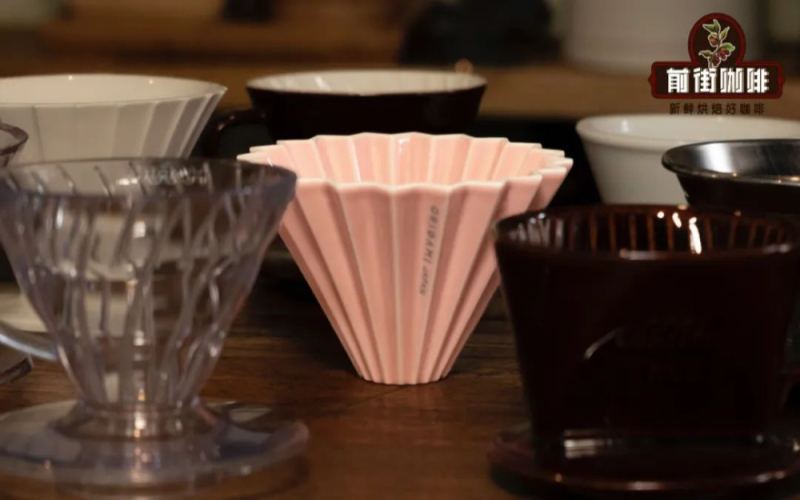
A Complete Analysis of the Flavor Differences and Pros and Cons of the Origami Dripper with Different Filter Papers
With its distinctive angular shape, the Origami dripper is highly recognizable among the many coffee drippers out there, and it can be seen in both coffee shops and world-class competitions. Designed by Yasuo Suzuki, this dripper's standout feature is that it can be paired with two different types of filter paper—conical and cake—and switching the paper directly affects the extraction rhythm and the final flavor direction. This article will start from the design origins of the dripper, combine a hands-on tasting with Geisha beans, compare the mouthfeel differences brought by the two types of filter paper, and objectively analyze the Origami dripper's strengths in terms of versatility as well as points to note when choosing a dripper stand. It also includes Front Street Coffee's store information, offering coffee enthusiasts a complete reference. [more…]