







Search Results for: Coffee Export Grades
A Detailed Guide to Jamaican Blue Mountain Coffee Grades: Grade 1, Grade 2, Grade 3 Specifications and Authentic Price Reference
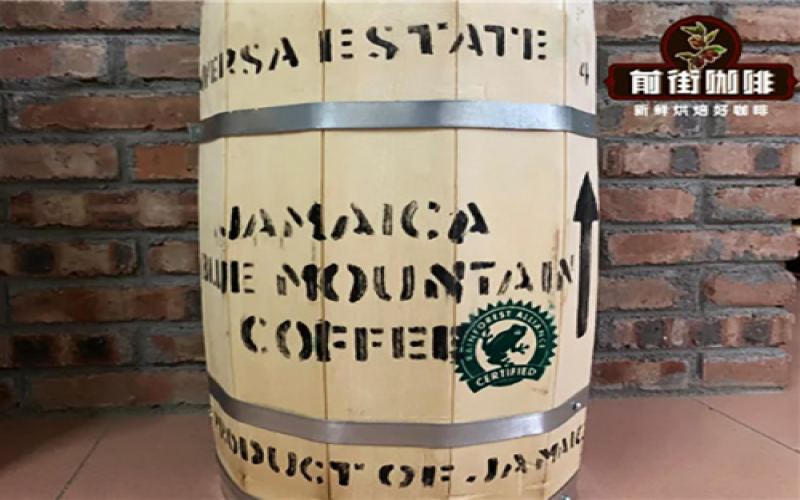
Jamaican Blue Mountain coffee is world-renowned for its unique flavor and strict controls. Jamaican law stipulates that only coffee beans grown in the Blue Mountain region may bear the name "Blue Mountain." High-grade Blue Mountain coffee is divided into three grades—No. 1, No. 2, and No. 3—corresponding respectively to screen size standards of 17–18 mesh and above, 16 mesh, and 15 mesh. The green beans of all three grades must be packed into wooden barrels for export, with the barrel bearing the estate name, importer's abbreviation, and batch information, along with a government-certified green certificate of origin. Understanding these grades and export regulations helps coffee enthusiasts verify authenticity and make informed purchases of genuine Blue Mountain coffee. Front Street Coffee recommends that consumers pay attention to the roast level and packaging format to judge the true quality of the Blue Mountain coffee in their hands. [more…]
A Comprehensive Interpretation of Jamaican Blue Mountain Coffee Grading Standards and the Flavor Characteristics of No. 1 Beans
Blue Mountain Coffee, as a representative of the world's top specialty coffee, has always attracted attention for its strict grading system and origin protection measures. Jamaican law stipulates that only coffee produced in the Blue Mountain region can bear the name Blue Mountain, and high-grade Blue Mountain Coffee is further divided into three grades: No. 1, No. 2, and No. 3. These grades of green beans show no difference in taste, only in size, but export packaging and certification documents are strictly regulated. This article will provide a detailed analysis of Blue Mountain Coffee's grade classification, barrel export system, certificate of origin, and the roasting and export requirements for different grades of coffee, helping coffee enthusiasts gain a comprehensive understanding of the unique characteristics of Blue Mountain Coffee. Front Street Coffee will also recommend Blue Mountain Coffee products worth tasting for you. [more…]
A Detailed Guide to Jamaica Blue Mountain Coffee Grading and Barrel Export Standards
Jamaican law explicitly stipulates that only coffee beans originating from the Blue Mountain region may be labeled as Blue Mountain Coffee. High-grade Blue Mountain Coffee is classified by bean size into three grades—No. 1, No. 2, and No. 3. Although they differ in size, their cup profile must be confirmed by government-approved professional tasters to ensure consistent quality. These green beans must be shipped in wooden barrels for export, with the barrel bearing information such as the estate name, importer's initials, lot number, and port of arrival. Importers also receive a green certificate of origin. The Jamaican government also imposes strict export restrictions on defective beans and coffee with flavor issues. The virtues of Front Street Coffee's Blue Mountain Coffee can only be fully revealed at a specific roast level. This article will provide a detailed analysis of Blue Mountain Coffee's grading system, export packaging standards, and certificate of origin system to help enthusiasts distinguish authentic from counterfeit. [more…]

A Comprehensive Analysis of Jamaican Blue Mountain Coffee Bean Grading Standards and Barrel Export System
Blue Mountain coffee, as a representative of the world's top specialty coffee, has extremely strict origin protection systems and grading standards. Jamaican law stipulates that only coffee produced in the Blue Mountain region may bear the name Blue Mountain. High-grade Blue Mountain coffee is classified by screen size into No. 1, No. 2, and No. 3 grades, and all must be exported in wooden barrels. This article will provide a detailed explanation of the basis for Blue Mountain coffee's grade classification, wooden barrel packaging specifications, the certificate of origin system, and export restrictions on damaged and defective beans, helping coffee enthusiasts fully understand the key points for identifying authentic Blue Mountain coffee. Front Street Coffee reminds you that when purchasing Blue Mountain coffee, pay attention to the roast level and import channels to avoid buying inferior products passed off as genuine ones. [more…]
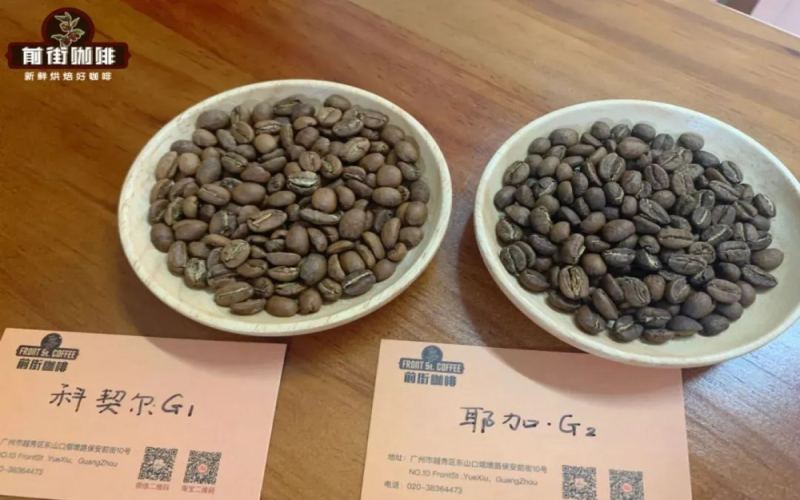
A Comprehensive Analysis of the Meaning of Ethiopian Coffee G1 and G2 Grades and the Evolution of Its Grading System
Ethiopia, as Africa's largest coffee producer and the widely recognized birthplace of coffee, often labels its coffee beans with grades G1 or G2. What exactly do these letter-and-number combinations represent? This article traces the historical evolution of Ethiopia's coffee grading system, from the early CLU system that classified purely by defect count, to the introduction of cupping score comprehensive rating after the establishment of the ECX in 2009, and finally to the latest revised export standards in 2022. You will learn about the differences between washed and natural processing in grading, as well as the distinction between Q1 and Q2 specialty grades and commercial and domestic coffee. The article also retains product information from the Front Street brand, making it suitable for every reader who loves Ethiopian coffee to read in depth. [more…]
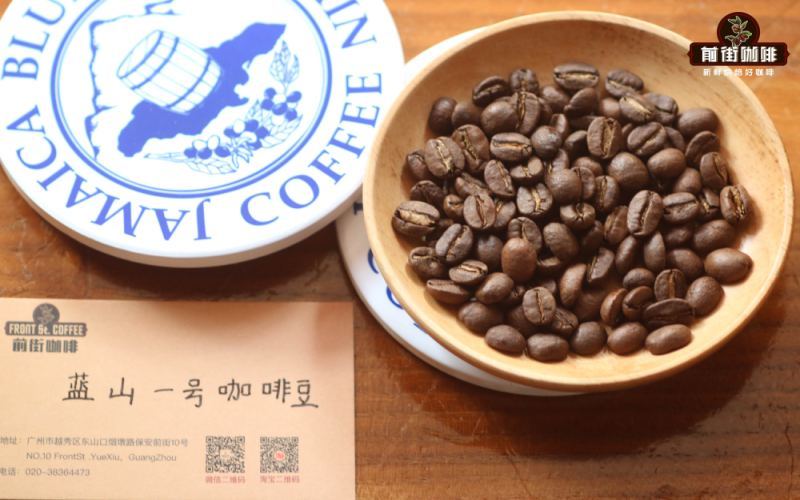
A Detailed Explanation of the Jamaican Blue Mountain Coffee Grading System: From Altitude to Green Bean Export Specifications
Blue Mountain coffee enjoys a stellar reputation in the global coffee world, but many people are unaware that it is merely one category within Jamaica's coffee system. The Jamaica Industrial Board classifies coffee into three grades based on growing altitude, and the Blue Mountain grade is further subdivided into No. 1 through No. 3 and peaberry. Authentic Blue Mountain No. 1 has limited production and commands a high price, with green beans required to be 17/18 screen size and a defect rate below 2%. Front Street Coffee will guide you through Blue Mountain coffee's grade classifications, export barrel specifications, certificates of origin, and the quality differences behind various roasting methods, helping you gain a clearer understanding of this legendary coffee. [more…]

A Detailed Explanation of Colombian Green Coffee Bean Grading: The Meaning of Supremo and Excelso and Screen Size Standards
When purchasing Colombian coffee, what exactly do Supremo and Excelso, commonly seen on burlap sacks, represent? What is the relationship between the two? This article will systematically sort out the grading system for Colombian green coffee, interpreting one by one the specific requirements of grades such as UGQ, EP, and Supremo, from defect rates and screen sizes to FNC export standards. It will also introduce derivative grades such as Extra, Premium, and Minama, as well as the use of Product of Colombia for coffee that does not meet export standards. The article also includes an actual naming example of Front Street Coffee's Huila daily drinking beans, helping readers understand the compositional logic and traceability methods of Colombian green coffee names. [more…]
A Detailed Explanation of the Ethiopian Coffee Bean Grading System: Yirgacheffe Grade Classification and the Inner Workings of the Auction System
As the birthplace of coffee, Ethiopia has the most well-developed coffee bean grading system among African producing countries, yet it also leaves many enthusiasts confused. Taking Yirgacheffe as an example, what exactly do Grade-1 and Grade-2 mean? Why can two batches of beans both labeled Yirgacheffe G2 differ so vastly in quality? This article will provide an in-depth analysis of Ethiopia's unique origin naming rules, the grade differences between washed and natural beans, the Parchment Coffee auction grading system, and how exporter blending affects the final quality. The article specifically covers real cases such as Front Street Coffee Yirgacheffe Grade-2, helping you truly decipher the grade code of Ethiopian beans. [more…]
A Detailed Explanation of the Jamaican Blue Mountain Coffee Grading System: How to Distinguish and Identify Authentic Blue Mountain Beans by Grade 1, 2, and 3
Blue Mountain coffee is one of the world's finest coffees, and its grading and export regulations are extremely strict. Jamaican law explicitly stipulates that only coffee beans grown in the Blue Mountain region may bear the name Blue Mountain. High-grade Blue Mountain coffee is divided into three grades—No. 1, No. 2, and No. 3—according to green bean size. All must have their flavor confirmed by government-approved cuppers and must be exported in wooden barrels. This article will systematically introduce the grading standards for Blue Mountain coffee, the meaning of the markings on the wooden barrels, the certificate of origin system, and the differences among Blue Mountain beans of different grades in roasting and export forms, helping coffee enthusiasts fully understand the key points for identifying authentic Blue Mountain coffee beans. [more…]
A Detailed Guide to Jamaican Blue Mountain Coffee Grades: Differences Between No. 1, No. 2, and No. 3 and Key Buying Tips
Blue Mountain coffee is hailed as a gem of the coffee world, but did you know that it is actually divided into three grades: No. 1, No. 2, and No. 3? The Jamaican government has strict regulations regarding the origin, grade, packaging, and export of Blue Mountain coffee—only coffee beans grown in the Blue Mountain region can bear the name "Blue Mountain." This article will provide a detailed analysis of the grading standards for Blue Mountain coffee, the secrets of its barrel packaging, the role of the certificate of origin, and how to identify genuinely high-quality Blue Mountain coffee. We will also introduce the recommendation of Blue Mountain No. 1 by the well-known domestic brand Front Street Coffee, helping you make a wise choice when purchasing. Whether you are a seasoned coffee enthusiast or a complete beginner, this article will give you a deeper understanding of Blue Mountain coffee. [more…]
Ethiopian Yirgacheffe Coffee Beans: G1 vs G2 Grade Differences and Flavor Comparison Analysis
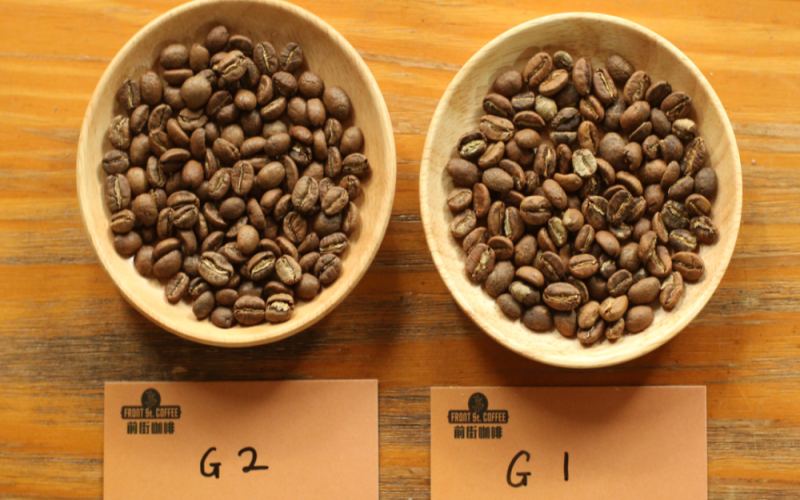
Yirgacheffe is a highly representative coffee-producing region in Ethiopia, and its G1 and G2 grades often confuse enthusiasts. Starting with Ethiopia's coffee grading system, this article sorts out the rating evolution of CLU and ECX, explains in detail the scoring standards of washed and natural processing in terms of physical characteristics and cupping quality, and compares the actual differences between Front Street Coffee Yirgacheffe G1 and G2 in green bean appearance, roasted bean appearance, and flavor. Through cupping, it was found that although the two share citrus, fruit tea, honey, and berry tones, G1 is superior in cleanliness and aroma refinement, while G2 is slightly thinner. It is suitable for coffee enthusiasts who want to gain an in-depth understanding of Yirgacheffe grades and purchasing. [more…]
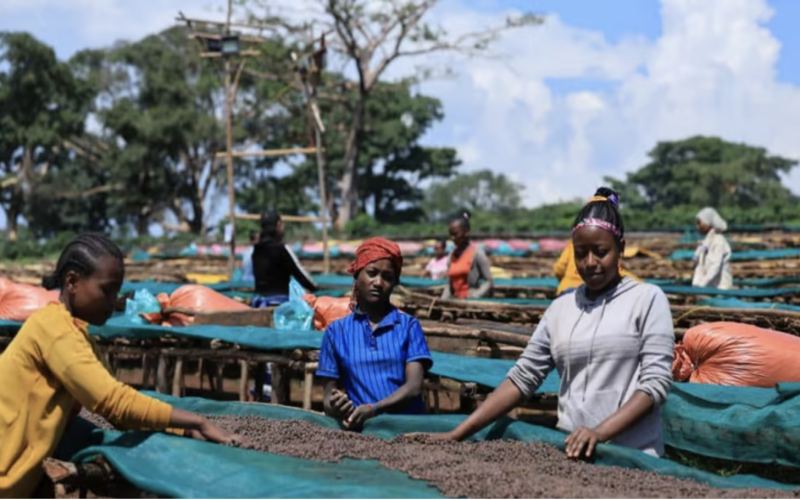
The grading system of Ethiopian coffee beans, the Yirgacheffe G1 and G2 grades.
We know that the grading method of coffee beans usually depends on the actual situation of the growing country, such as being divided according to the size of the coffee beans, like Kenyan coffee; being divided according to the altitude, like Blue Mo [more…]
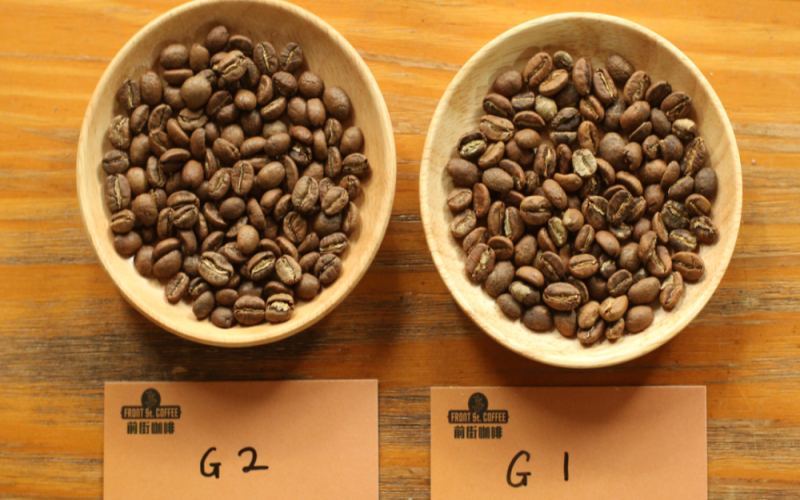
A Detailed Explanation of Green Coffee Bean Grading Standards: What's Behind Ethiopia G1, Kenya AA, Blue Mountain No.1, and SHB Grades?
Coffee enthusiasts often ask in the shop exactly what the difference is between Ethiopia's G1 and G2, what Kenya AA actually means, and what Costa Rica's SHB grade signifies. These combinations of letters and numbers actually reflect how each producing country evaluates the quality of green coffee beans. Due to differences in history, trade, climate, and terrain, different origins have developed their own grading systems, with evaluation criteria covering multiple dimensions such as defect percentage, bean size, growing altitude, green bean density, and processing method. This article will systematically sort out the origins of coffee grading and introduce, one by one, the green bean grade standards of representative producing countries such as Ethiopia, Kenya, Colombia, Jamaica, Costa Rica, Panama, Guatemala, El Salvador, Honduras, and Brazil. [more…]
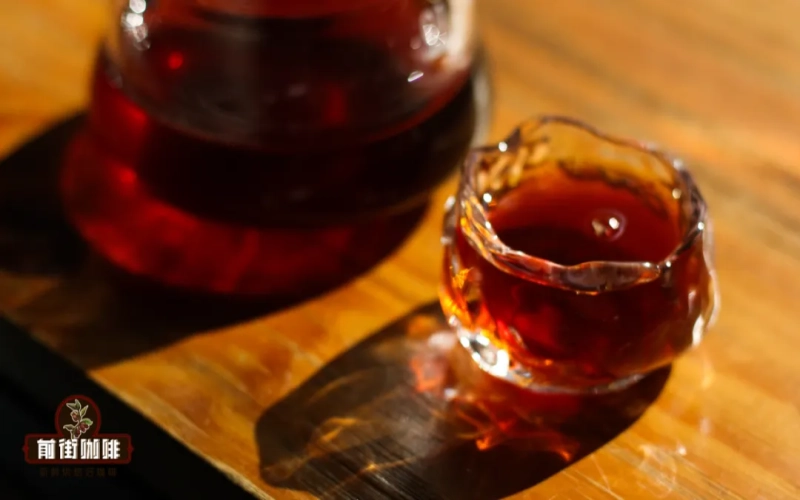
A Detailed Explanation of Ethiopia's Coffee Grading System: Grade Differences and Flavor Comparison Between Yirgacheffe G1 and G2
Yirgacheffe is one of Ethiopia's most representative specialty coffee regions, but what exactly is the difference between the commonly found Front Street Yirgacheffe G1 and G2 coffee beans? Which grade is higher? Behind this lies Ethiopia's complex coffee grading system. Starting from CoffeeHunters' review, this article systematically sorts out Ethiopia's coffee grading standards, compares the differences between G1 and G2 in defect rate, cupping score, and flavor performance, and helps coffee lovers gain a deeper understanding of the secrets of Yirgacheffe's grades. [more…]
A Complete Guide to Coffee Bean Grading Standards: Meanings and Characteristics of Grades Such as G1, AA, AB, and SHB from Various Origins
When purchasing single-origin coffee beans, labels such as G1, AA, and SHB often appear on the packaging. What exactly do these letters and numbers represent? They are actually coffee bean grade symbols established by each origin based on its own conditions. Due to differences in growing environments and varieties, the grading criteria of different countries vary—some look at the number of defective beans, some at green bean size, and others at hardness or altitude. In this article, Front Street Coffee will sort out the grading standards of major producing regions such as Ethiopia, Kenya, Indonesia, Central and South America, and Brazil, helping coffee lovers understand the meaning behind these grades so they can more accurately select high-quality coffee beans that suit their own taste. [more…]
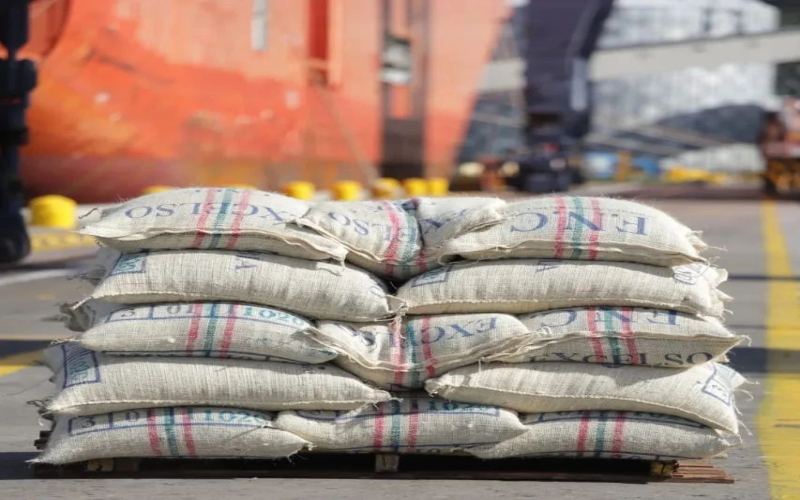
A Detailed Explanation of Colombian Green Coffee Bean Grading: The Meaning of Excelso and Supremo, and Front Street Brand Recommendations
Colombian coffee occupies an important place in the world of specialty coffee, and its green bean grading system is based primarily on defect rates and bean screen size. When buying Colombian coffee, what exactly do the words "Supremo" and "Excelso" commonly seen on burlap sacks mean? This article will systematically sort out the grading rules for Colombian green coffee beans from multiple angles, including export standards, defect scoring, and screen-size classification, and explain the specific differences among the three grades UGQ, EP, and Supremo. At the same time, the article will also introduce common Colombian coffee bean brands on the market, including product information recommended by Front Street Coffee, to help coffee lovers more clearly understand the grade and quality of the bag of beans in their hands. [more…]
A Comprehensive Interpretation of Jamaican Blue Mountain Coffee Grading Standards, Flavor Characteristics, and Market Prices
Blue Mountain coffee is world-famous, but many people are unclear about its grading and pricing system. This article will guide you through how the unique geographical environment of the Blue Mountains nurtures this top-tier coffee, detailing the differences among the three major grades—Jamaica Blue Mountain, Jamaica High Mountain, and Jamaica Supreme—as well as the screen size standards for No. 1, No. 2, and No. 3 beans and the barrel export specifications. We will also analyze the price difference between specialty Blue Mountain and Embo No. 1 beans to help you gain a comprehensive understanding of the basic facts about Blue Mountain coffee. Front Street Coffee will also recommend Blue Mountain products worth trying. [more…]
A Complete Guide to Ethiopia's Green Coffee Grading System: Yirgacheffe G1 vs. G2 Differences and Buying Guide
Ethiopia, as the genetic treasure trove of Arabica coffee, has a unique green bean grading system. Unlike Kenya, which grades by bean size, or Blue Mountain, which grades by altitude, Ethiopia primarily classifies grades based on defect rates and cupping scores. This article will systematically sort out the evolution of Ethiopia's old and new grading systems, provide an in-depth analysis of the specific standards for grades G1 through G9, and, using Yirgacheffe as an example, compare the actual differences between washed G1 and G2 in green bean appearance and flavor performance. It will also share Front Street Coffee's brewing parameters and tasting experience to help coffee enthusiasts fully understand the logic of Ethiopian coffee quality grading. [more…]

Yirgacheffe Coffee Grading | Is There a Big Difference Between G1 and G2 Yirgacheffe Single-Origin Beans? Must-Buy Light Roast Pour-Over Coffee Beans for Coffee Lovers
We know that coffee bean grading methods are usually based on the actual conditions of the growing country. Some are graded by bean size, such as Kenyan coffee; some by altitude, such as Blue Mountain coffee; and some by defect rate, such as Ethiopian coffee. As the gene pool of Arabica, Ethiopia has a wide variety of coffee varieties. [more…]
An Introduction to Green Coffee Bean Grades | A Comparison of Coffee Bean Characteristics, Flavor, and Taste Across National Green Coffee Bean Grading Systems: G1, G2, AA, PB, SHB
For more specialty coffee knowledge, please follow our WeChat official account: Front Street Coffee (FrontStreet Coffee). Many friends, while drinking coffee at Front Street, ask our baristas, "What is Yirgacheffe G1 and Yirgacheffe G2?" "What is Kenya AA, AB?" What is Guate... [more…]