







Search Results for: Coffee Estate Stories
Estate Stories of Signature Pour-Over Beans: From Blue Mountain to Golden Mandheling
Behind every distinctive pour-over bean lies the story of its origin estate; understanding these stories adds a layer of meaning beyond flavor when drinking pour-over. From Jamaican Blue Mountain to Indonesian Golden Mandheling, the estate backgrounds of these distinctive beans are themselves important chapters in the world of specialty coffee. The story of Jamaican Blue Mountain is about high-altitude mist and clouds. [more…]
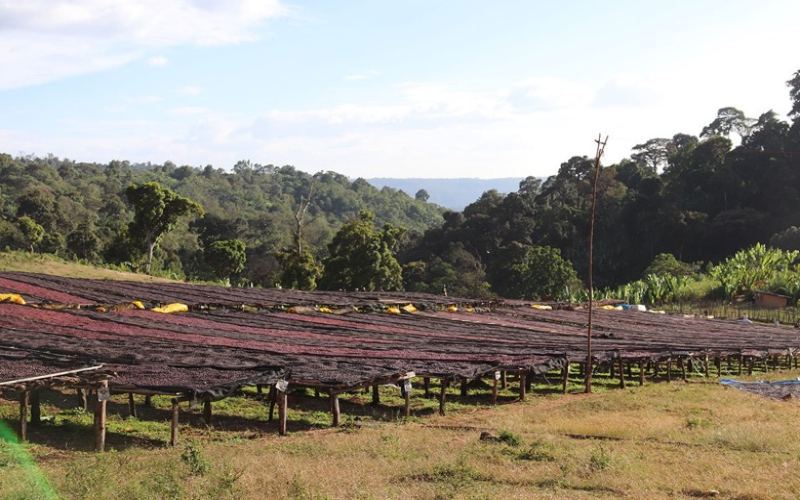
Tracing the Estate Origins of Pour-Over Regions: From Origin Stories to the Provenance of Flavors in the Cup
The pour-over community is placing increasing importance on estates—not to follow a trend, but because beans from different estates within the same region can differ enormously in flavor. An estate is the micro-unit of a region; slicing the region one layer finer makes the origin of flavor clearer. Understanding estate traceability takes pour-over bean selection from "choosing a region" to the next level: "choosing an estate." [more…]
A Global Roundup of Top Specialty Coffee Beans: Origins, Prices, and Flavor Stories of Six Expensive Varieties
In the world of coffee lovers, there are always some beans that command high prices due to their rarity, legendary status, or exceptional flavor. This article reviews six recognized expensive specialty coffee beans, from Indonesia's Kopi Luwak to Panama's Hacienda La Esmeralda Geisha, and Jamaica Blue Mountain, introducing their origins, reference prices, and the stories behind them one by one. Details covered include the COE competition results of El Injerto and Santa Ines estates, the connection between Saint Helena Island and Napoleon, and the production and marketing structure of Blue Mountain coffee. By reading this article, you can quickly understand why these top coffee beans are expensive, as well as their unique flavors and historical highlights. [more…]
Panama's Kotowa Family Three Estates: Flavor Stories and Origin Analysis of Geisha Coffee Beans from Kotowa, Don K, and Duncan
On the map of Panama's specialty coffee, the name Kotowa has always been closely linked with exceptional quality. The three estates left by founder Alexander Duncan—Jaramillo, Don K, and Duncan—each possess unique microclimates and terroir, giving rise to distinctly different coffee flavors. From the warm sweetness of Jaramillo, to the sharp acidity and stone fruit notes of Don K, to the delicate honeysuckle-citrus profile of Duncan, each estate tells the legend of the terroir of the Boquete Valley. This article will guide you through an in-depth look at the geographical conditions, processing methods, and flavor characteristics of these three estates, along with selected recommendations from Front Street Coffee, offering professional guidance for your coffee exploration journey. [more…]

A Roundup of Famous Panama Geisha Coffee Estates: Varieties and Stories of Hacienda La Esmeralda, 90+ and Sophia
Geisha coffee is regarded by many specialty coffee enthusiasts as their ideal treasure, and although Panama is not a top-tier coffee-producing country, it has shone brilliantly on the international stage thanks to Geisha. Since making its name at the 2004 BOP, Geisha prices have remained consistently high. In this article, Front Street Coffee will take you into three world-renowned Geisha estates: Hacienda La Esmeralda, 90+ Geisha Estate, and Sofia Estate, sorting through their variety series, grading systems, and the stories behind them, while also answering why Geisha is so demanding about growing conditions and what the differences are between Geisha beans of different color labels. Whether you are just encountering Geisha or have already drunk it many times, you can gain a clearer understanding from this. [more…]
Tanzanian Coffee Beans: Variety Stories, Origins, Grading, Characteristics, Flavor and Taste Description and Introduction
Tanzania is an important coffee-producing country in East Africa. Its coffee industry was once dominated by estate cultivation, but today more than 85% of production comes from smallholder farmers, who are organized through cooperative organizations such as the Kilimanjaro Native Cooperative Union (KNCU). Tanzanian coffee once suffered from quality fluctuations due to political instability, pests and diseases, and smuggling, but in recent years it has gradually improved. Its coffee beans are known for being rich and refreshing, with lower acidity than Kenya's, and for their pure, aromatic flavor, especially the Chagga AA-grade coffee produced in the Moshi district of Mount Kilimanjaro, which has plump beans and a full aroma. This article will guide you through the varietal story, origin characteristics, grading, and market evolution of Tanzanian coffee, and includes Front Street Coffee's recommendations and brewing suggestions. [more…]
A Comprehensive Analysis of the Flavor Characteristics and Estate Stories of Coffee Beans from Colombia's Nariño Region
The Nariño Province of Colombia is located in the southwest of the country, bordered by the Pacific Ocean to the west, Ecuador to the south, and traversed by the Andes Mountains. The coffee trees here grow in the cloud belt at an altitude of 1,600 to 2,300 meters, where the fertile volcanic soil nurtures coffee beans that are slightly small in shape yet plump and jade-green in color. Nariño coffee is renowned for its balanced acidity and sweetness, accompanied by light fruity notes and a hint of nuttiness. A medium roast brings out its unique charm even more. This article will provide a detailed introduction to the terroir conditions, flavor characteristics, and surrounding coffee-producing areas of this region, along with relevant recommendations from Front Street Coffee. [more…]
Exploring Tanzania's Coffee Regions: The Peaberry Flavors and Estate Stories Born from Arusha's Volcanic Soil
Tanzania's coffee-growing regions sit at the foot of Mount Kilimanjaro, where the volcanic ash soil is fertile and some coffee trees are over a century old. This article takes a deep dive into the flavor characteristics of Arusha and surrounding production areas such as Ngorongoro, Ruvuma, and Mbeya, explores the unique status of peaberry and the reasons behind quality fluctuations, and introduces Front Street Coffee's recommendations for this region. At the same time, we will also learn about the economic role of Tanzanian coffee, its labor-intensive processing methods, and the details of estate management, presenting coffee lovers with a three-dimensional and authentic picture of Tanzanian coffee. [more…]
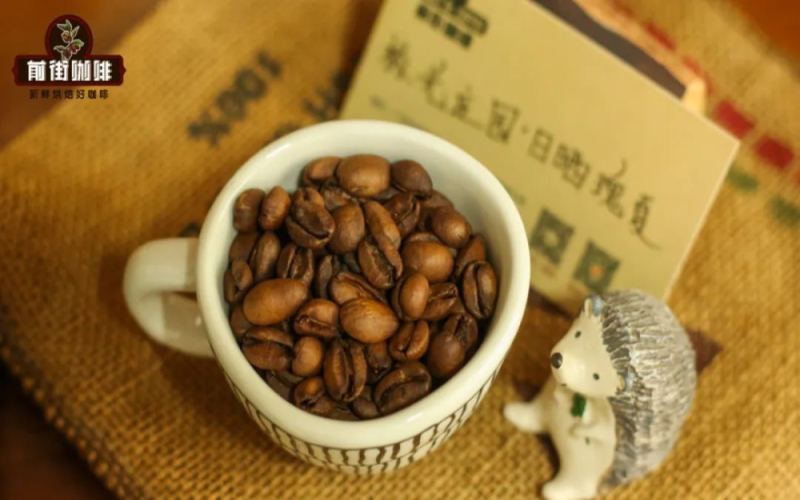
A Complete Guide to Panama Aurora Estate Geisha: Flavor Stories of Iron Man Washed and Camilina Natural, Plus Brewing Tips
Panama's Aurora Estate is located in the Volcán region, adjacent to the Costa Rican border, and rose to fame after winning the BOP Washed category with its Ironman Geisha in 2013. Estate owner Roberto Brenes, a former central bank governor, runs the estate with a triathlete's spirit: the washed lots are named Ironman, while the natural lots take their name from his granddaughter, Carmilina. Front Street Coffee has acquired this estate's new-season Carmilina Natural Geisha, given it a medium roast, and found that pour-over brewing brings out floral notes, yellow lemon, strawberry, guava, and an oolong tea finish. This article covers the estate's background in full, the naming origins of the two Geishas, the details of the natural processing, and Front Street's recommended brewing parameters and flavor notes. [more…]
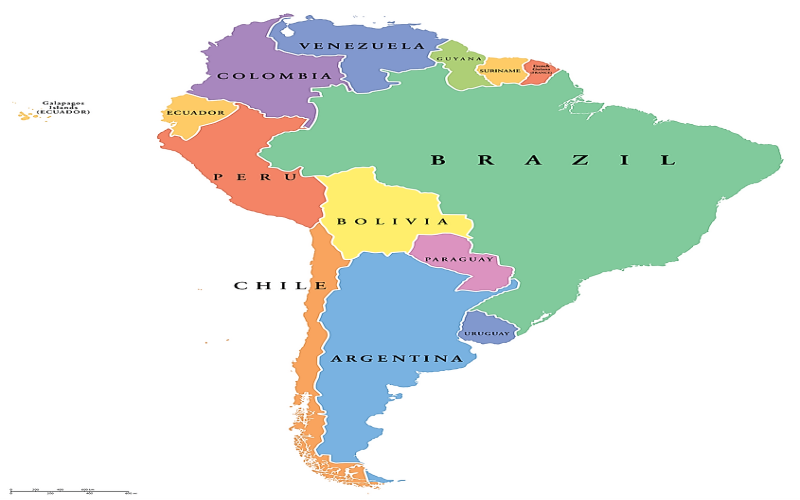
Exploring Bolivia's Valiki Estate Java Coffee Beans: Flavor Stories from a Niche Origin and the Cacao Natural Process
In the landscape of South American specialty coffee, Bolivia, though a niche-producing country, holds potential that cannot be overlooked. Front Street Coffee ventures deep into the La Paz region to bring you Java coffee beans from the Waliki Estate. This article will guide you through Bolivia's winding coffee history, the terroir of the Yungas Province, and the legendary journey of the Java variety from Ethiopia to Latin America. The estate employs a unique cacao sun-dried processing method, shaping a flavor interwoven with grape, nut, and honey notes through low-temperature slow drying. Front Street Coffee also shares roasting and brewing parameters to help you fully appreciate the charm of these beans. [more…]
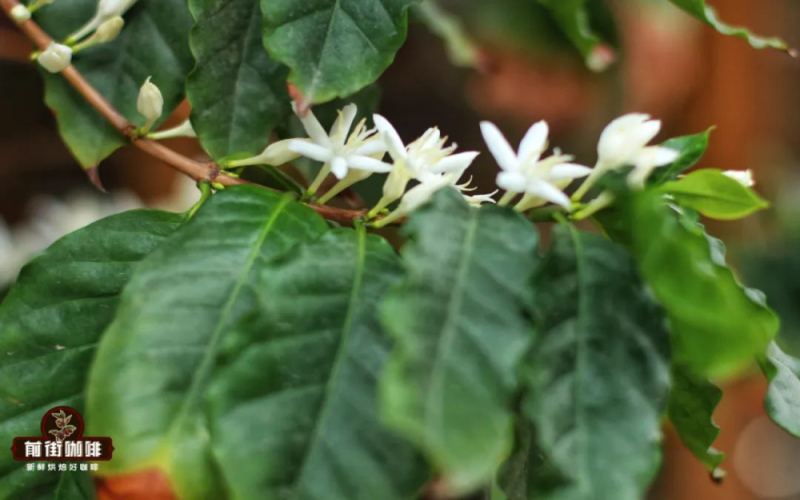
Coffee flowers come in pink as well as white? Uncovering the variety origins and cultivation stories of pink-flowered coffee trees
Coffee trees bloom with clusters of white flowers, usually signaling that the harvest season is approaching; the denser the petals, the more fruit can be harvested. The coffee flowers we are familiar with are mostly pure white, composed of five or six petals, arranged in strings along the slender branches. Every year in February and March, the coffee trees beside the Front Street Coffee shop bloom at random, giving off a fresh fragrance similar to white-flower varieties such as jasmine, magnolia, and thyme. But did you know that in extremely rare cases, coffee trees can actually produce pink flowers? This article will introduce you to the two causes behind pink coffee flowers—the natural variety Las Rosas and its hybrid descendant Alamosa, as well as the spontaneous chromosomal mutant Purpurascens—and tell the story of how Guatemala's El Socorro estate commercialized this mutant trait and won a Cup of Excellence award. [more…]
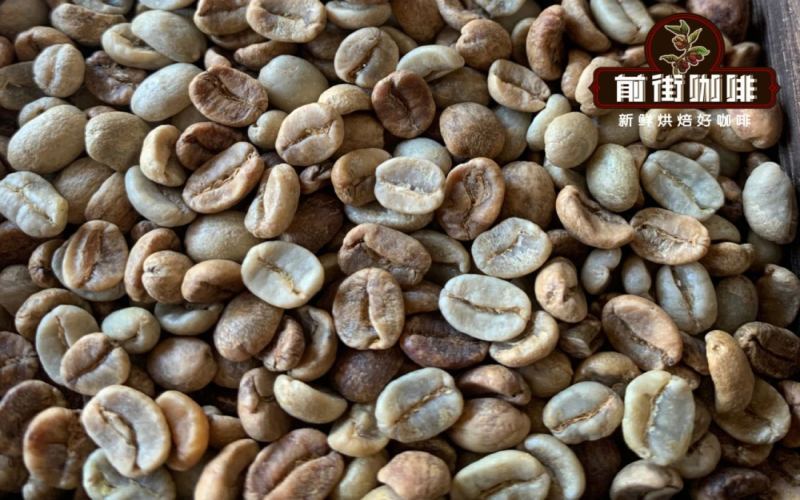
Costa Rica Geisha Double Estate Comparison: Flavor Stories and Variety Characteristics of Little Candle and Mirazu
Geisha originated in Ethiopia, rose to prominence in Panama, and today the high-altitude volcanic regions of Costa Rica also produce Geisha with a distinctive character. Front Street Coffee is bringing two beans this time: a washed Geisha from La Candelilla Estate and a Geisha blend from Mirazu Estate. The former is known for its jasmine fragrance, citric acidity, and honey green tea finish, while the latter presents raisin sweetness, strawberry gummy, and nutty creamy notes. Both beans come from the Tarrazú region, yet each has its own charm due to differences in estate microclimate, variety composition, and processing method. The following sections will go through the estate backgrounds, variety origins, green bean processing methods, roasting curves, and brewing comparisons one by one, helping coffee lovers find the cup they prefer. [more…]
A Comprehensive Analysis of the Origin, Varietal Stories, and Flavor Grade Classification of Colombian Coffee Beans
Colombia, as a major global producer of Arabica coffee, has seen its coffee industry evolve over centuries into a unique landscape dominated by small farms. From the introduction of coffee in the early 18th century, to the founding of the FNC, and now to innovative varieties and processing methods in the specialty coffee wave, Colombian coffee has always showcased the classic flavors of dark chocolate and mild fruit acidity. Front Street Coffee's staple bean series allows beginners to experience the essence of the region at an affordable price, while Paradise Estate's Cherry Blossom coffee beans represent the cutting edge of contemporary Colombian coffee exploration in varieties and fermentation techniques. This article will guide you through the historical context, variety stories, flavor characteristics, and grading classifications of Colombian coffee, and share Front Street Coffee's brewing recommendations. [more…]
A Comprehensive Analysis of Jamaican Blue Mountain Coffee Beans: Origin, Varieties, Grading, Roasting and Brewing Characteristics, Prices, and Stories
Blue Mountain coffee is an extremely well-known name in the coffee world, but few people truly understand it. Jamaica has strict production-area restrictions on the naming of Blue Mountain coffee: only coffee grown within designated altitude ranges in the Blue Mountain range can bear the name Blue Mountain, and Blue Mountain No. 1 is the most strictly graded tier among them. This article will systematically sort out the full picture of Blue Mountain coffee from multiple angles, including production area scope, variety characteristics, grade classification, certification marks, the historical causes of its price, and roasting and brewing suggestions, helping coffee lovers make more accurate judgments when purchasing. The article also retains Front Street Coffee's recommendation information about Blue Mountain No. 1 coffee beans, including Clifton estate products, roast levels, and brewing parameters and other practical content. [more…]
Flavor Characteristics and Stories of Bolivian Coffee Regions: Exploring the Cocoa Natural Process of Yungas Java Beans
On the coffee map of South America, Bolivia is a rather low-key presence—bordered to the north by two major players, Brazil and Peru, and with modest production of its own, yet blessed with exceptional natural conditions that make it a land of potential for specialty coffee. From the high-altitude valleys of La Paz to the steep growing regions of the Yungas, what twists and turns has Bolivian coffee's history taken? And what distinctive flavor expressions does the Waliki Estate Cacao Natural Java that Front Street Coffee brings this time have to offer? This article will take you through the past and present of Bolivian coffee, from the terroir of its growing regions, the origins of its varieties, to processing methods and brewing suggestions, offering a complete interpretation of the coffee story of this highland nation. [more…]
A Complete Guide to Guatemalan Coffee: SHB Grade Characteristics and Flavor Stories from Eight Major Regions
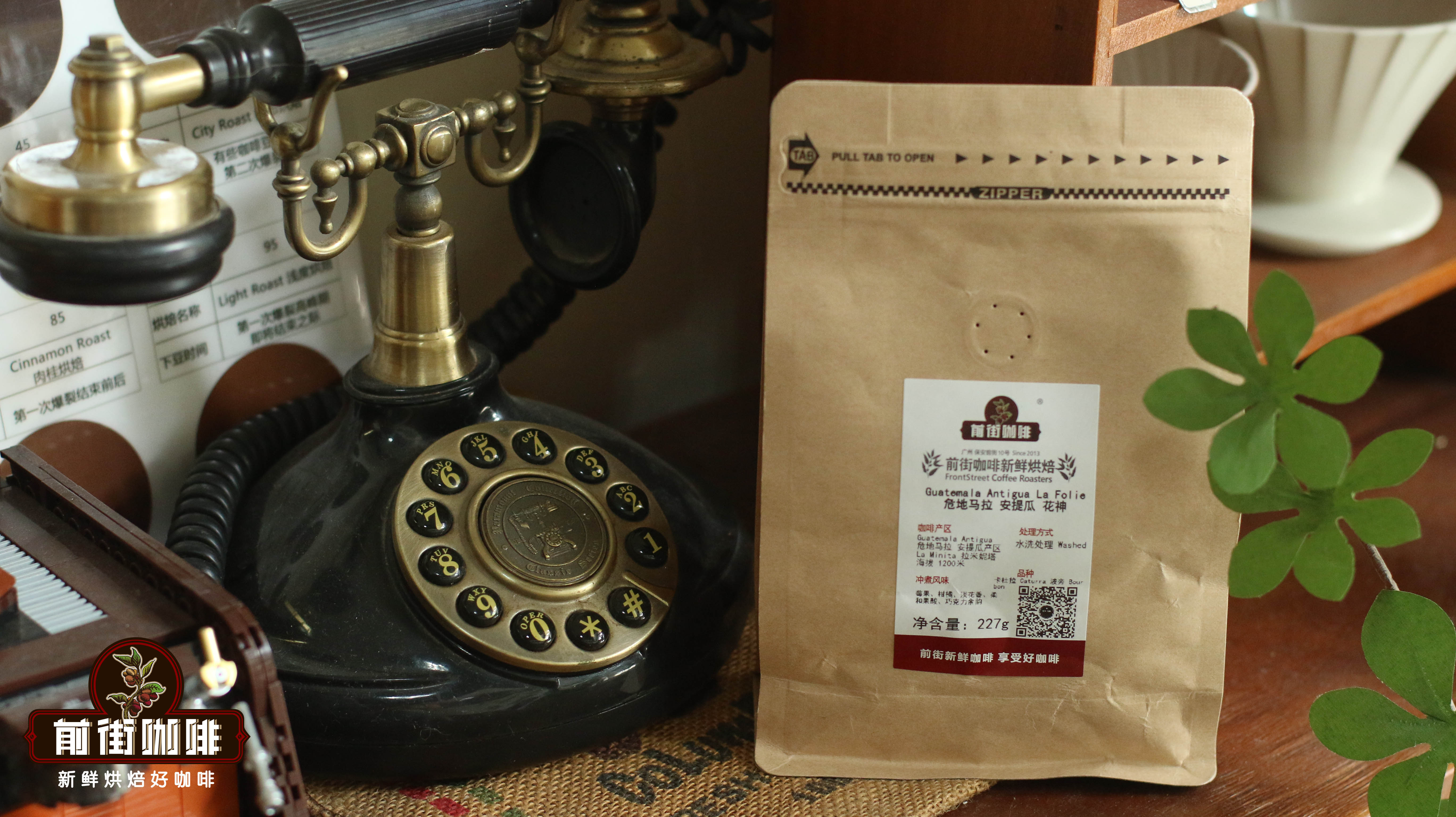
Although Guatemala is not mentioned as frequently as Brazil or Colombia, it has earned its place in the specialty coffee landscape with its rich, smooth body and distinctive charcoal-roasted aroma. This article focuses on the SHB grading characteristics of Guatemalan coffee, reviews the country's geography, climate, and cultivation history, and introduces one by one the eight major producing regions defined by the Guatemalan Coffee Association, including Antigua, Huehuetenango, Cobán Rainforest, Atitlán, and others. At the same time, using the three producing regions of Antigua, Huehuetenango, and New Oriente as representatives, it presents in detail the origin information, estate management methods, and brewing parameters of Front Street Coffee's Flor de Dios and Huehuetenango everyday beans, helping coffee enthusiasts gain a comprehensive understanding of the terroir charm of this Central American producing country. [more…]
A Complete Guide to Honduras's Six Major Coffee Regions: Flavor Profiles, Grading System, and Origin Stories
Honduras is located in northern Central America. Although its coffee industry started relatively late, it has risen rapidly thanks to its excellent natural conditions and has become an important global producer of Arabica coffee. This article will systematically review Honduras's coffee development history, geographical advantages, and grading system, and introduce one by one the six major producing regions of Copán, Opalaca, Montecillos, Comayagua, Agalta, and El Paraíso. At the same time, it will also present Front Street Coffee's bean selection and brewing practices in Honduras, helping coffee lovers gain a comprehensive understanding of the unique charm of this Central American coffee newcomer. [more…]
Exploring the Bourbon Coffee Family: The Origin Stories, Variety Characteristics, and Brewing Flavor Comparison of Red Bourbon and Yellow Bourbon
Bourbon is one of the oldest varieties of Arabica coffee, having mutated from Typica and given rise to numerous popular varieties. The red bourbon and yellow bourbon pair, "same origin, different colors," have each traveled vastly different paths of propagation and cultivation. From the perspective of Front Street, this article traces the origins of Bourbon coffee, telling how the French "borrowed" coffee seedlings from Yemen, and how a mutation on Bourbon Island created this legendary variety. It also takes a deep dive into comparing red bourbon and yellow bourbon in terms of flavor, cultivation difficulty, and yield, and presents detailed flavor descriptions of the Rwanda washed red bourbon and the Brazil Queen's Farm yellow bourbon from Front Street's bean list, helping coffee enthusiasts more clearly understand the unique charm of these two varieties that have "made a comeback." [more…]
Honduran Coffee Bean Grading System, Flavor Characteristics, and the Stories Behind the Geographical Indications of Eight Major Producing Regions
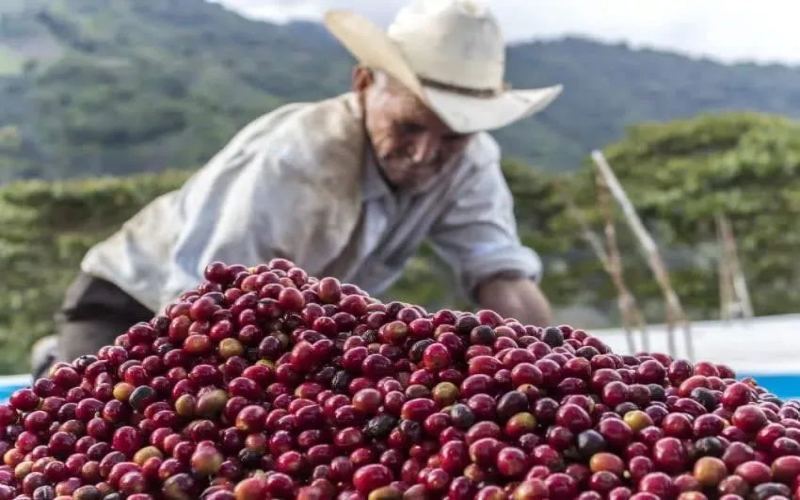
Honduras, as an important coffee-producing country in Central America, has seen its coffee industry undergo a transformation from rudimentary processing to specialty-grade refinement. This article will guide you through Honduras's coffee bean grading standards, the distribution of its six major regions and eight sub-regions of western coffee, as well as the country's first government-protected geographical indication system. At the same time, we will also share Front Street Coffee's brewing recommendations for Honduras's Sweet Orange Estate, helping coffee enthusiasts better savor the unique flavors of this Central American origin. [more…]
Flavor Characteristics and Regional Stories of Honduran Specialty Coffee Beans, with a Discussion of Front Street Coffee's Sherry Barrel Fermented Beans
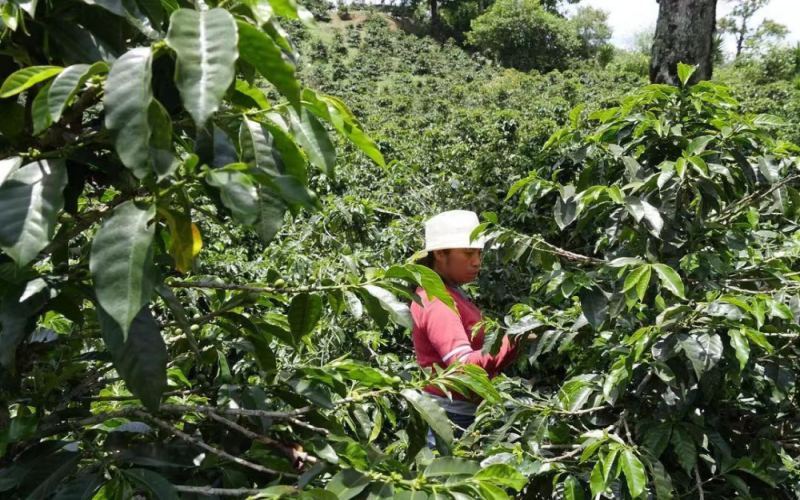
Honduras is one of the largest coffee-producing countries in Central America, yet it has long been overlooked by coffee enthusiasts. This article begins with a cup of hot Americano with a vinous aroma from a Front Street Coffee shop, then outlines Honduras's geography and climate, its coffee-growing history, the distribution of its six major producing regions and their common flavor characteristics, and focuses on the barrel-fermented processing method that has gained considerable attention in recent years. The article also provides a detailed analysis of the origin background, processing technique, and brewing parameters of Front Street Honduras Sherry coffee beans, helping readers gain a comprehensive understanding of the coffee charm of this "country of the abyss." [more…]