







Search Results for: Coffee Calorie Review: Low Sugar
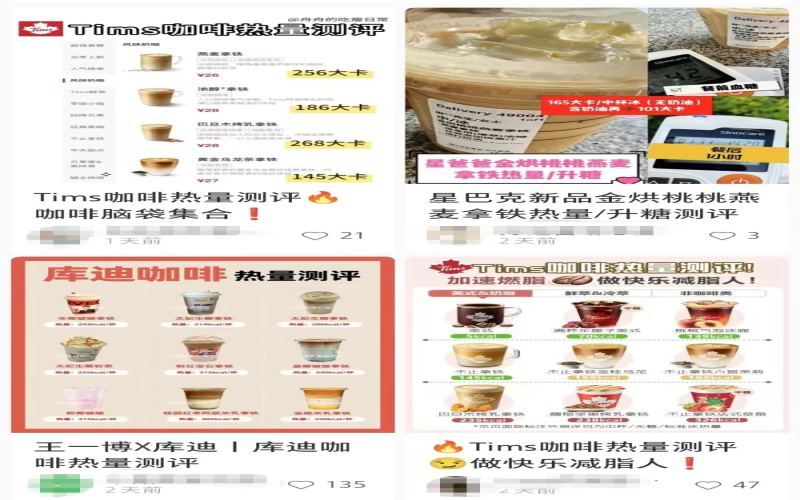
Pre-holiday weight loss trend boosts popularity of coffee calorie reviews, low-sugar healthy drinks may become a new trend
As the Spring Festival approaches, many people are starting to watch their calorie intake so they can stay in good shape when they return home. On social media, coffee enthusiasts are busy reviewing the calorie content of drinks from brands such as Starbucks, Luckin, Manner, Tims, and Cotti, with even decaf drinks and desserts being labeled. Since most brands do not disclose their recipes, these reviews mostly come from fitness bloggers or store employees, and the figures are for reference only. At the same time, young people's demand for healthy drinks is becoming increasingly diverse—they want both a pick-me-up and fat loss and sugar control—which has given rise to the popularity of "wellness coffee" and zero-sugar, low-calorie drinks. Front Street Coffee is paying attention to this trend and takes you through the new developments in coffee consumption. [more…]
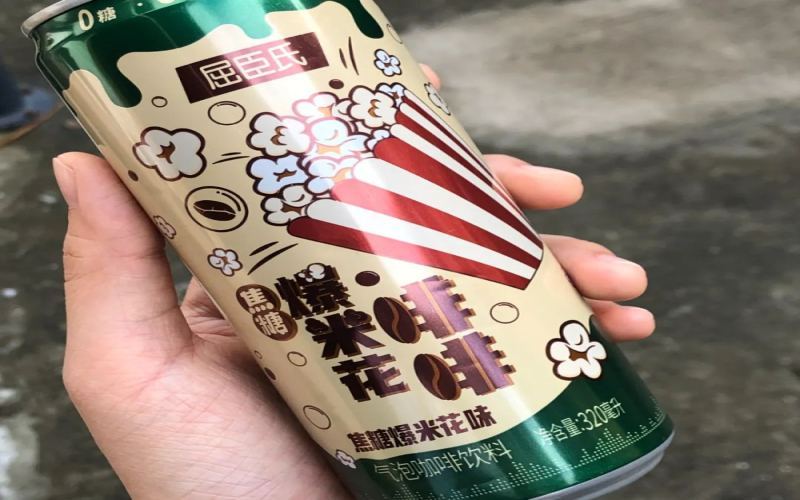
Caramel Popcorn Sparkling Coffee Review: Why Creative Coffee Flavor Pairings So Often Fail
Recently, a creative new coffee product called "Caramel Popcorn Coffee" appeared in drink refrigerators in the Guangdong region, sparking the curiosity of many coffee lovers. This product features Arabica coffee beans, a zero-sugar formula, and a sparkling mouthfeel, and claims to blend caramel popcorn flavor. However, the actual tasting experience was mixed—the coffee's acidity interweaves with caramel popcorn, carbonation, and zero-calorie sweetener, and although the layers are rich, they do not harmonize with one another, creating an indescribably subtle sensation in the mouth. Starting from this product, this article will explore the widespread problem in today's creative coffee market of prioritizing appearance over flavor pairing, analyze the dual impact of uncoordinated flavors on consumer experience and brand reputation, and consider how creative coffee can truly help more people enter the world of coffee. [more…]
A Review of Eight Instant Coffee Brands: Nescafé Tops the List, with Each Brand's Features and Taste Explained One by One
The instant coffee market is crowded with brands, each with its own distinct character. This article reviews eight well-known instant coffee brands—from Nestlé, the inventor of instant coffee, to the popular Korean brand Maxwell, Germany's Cless, Japan's UCC, Colombia, Grant, Ming Coffee, and Hong Kong's Tsit Wing—introducing each brand's background, product features, and taste profile one by one. Nestlé sells 4,000 cups globally every second, Maxwell wins on value for money, UCC sticks to a quality-focused path, Grant specializes in Italian-style cappuccino, and Tsit Wing offers a low-calorie light series. Whether you're an office worker seeking a caffeine boost or a coffee enthusiast who cares about flavor, you'll find something useful in this roundup. [more…]

Is Ice Bobang Equivalent to Non-Dairy Creamer? Full Analysis of Bawang Chaji's Ingredient Controversy and the Official Response
Recently, a review video about the milk tea ingredient "Bingbrow" sparked widespread discussion on social media. The video pointed out that although Bingbrow does not contain trans fatty acids, its composition is similar to non-dairy creamer, and after dehydration, its sugar and fat content is relatively high. This plunged Chagee, which promotes "0 non-dairy creamer, 0 creamer" as its selling point, into a public opinion storm, and consumers began to question the healthiness of its products. Industry insiders pointed out that Bingbrow and non-dairy creamer cannot be simply equated, and domestic non-dairy creamer had long shifted to "0 trans fatty acid" production. Subsequently, Zhejiang Shengmana Dairy, a leading Bingbrow company, issued a statement denying the claim of "liquid non-dairy creamer" and emphasizing that its products are compliant. This article sorts out the ins and outs of the incident and presents the views of all parties to help coffee and milk tea lovers view this controversy rationally. [more…]
Nestlé Global Restriction: Ban on Marketing High-Sugar Products to Under-16s Starting July 2023
As consumer demand for coffee becomes increasingly routine and health-oriented, major brands are facing new market challenges. Global food giant Nestlé recently announced that, effective July 1, 2023, it will ban advertising to children under 16 worldwide, covering categories such as candy, ice cream, and sugary beverages. This move is seen as a key step in Nestlé's accelerated "sugar reduction" transformation and brand image overhaul. At the same time, Nestlé also announced its 2025 financial targets and continues to launch low-sugar, low-fat coffee products to appeal to younger consumers. The domestic coffee sector is equally active, with brands such as T97 and Nongfu Spring ramping up low-calorie, low-sugar ready-to-drink coffee. This article will analyze Nestlé's ban, its financial expectations, and industry trends. [more…]
How Does Caramel Coffee Frappuccino Taste? Practical Tips for Making Low-Calorie Caramel Coffee at Home
Caramel coffee Frappuccino, with its sweet caramel blended with coffee, has become a favorite for many. But store-bought versions often contain high sugar and calories—can you make a cup of caramel coffee at home that tastes just as good with fewer calories? This article starts with the classic layers of a caramel macchiato, walks you through the taste characteristics of caramel coffee, and shares two home-brewing approaches: instant and freshly ground. It also offers bean recommendations and brewing tips from Front Street Coffee for those who prefer a lighter taste, so you can enjoy the satisfying blend of caramel and coffee while keeping calories in check. [more…]
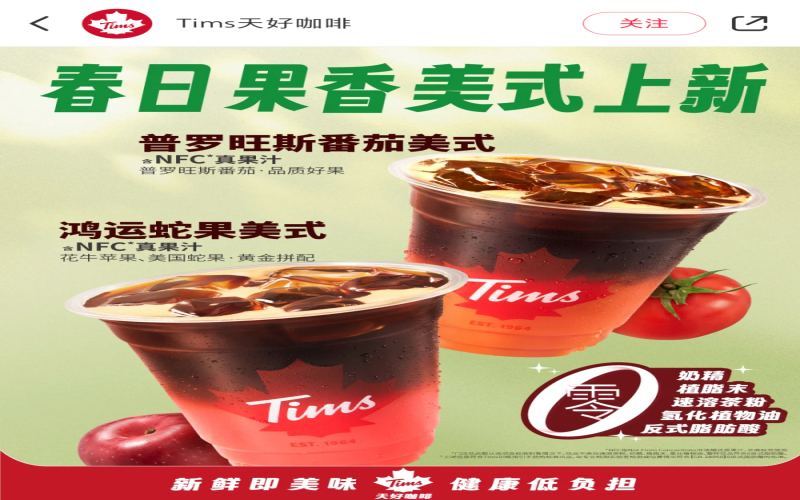
Tims Tomato Americano Sparks Heated Debate: Employees Break Down During Taste Test, Consumer Reviews Polarized
Right after the Spring Festival holiday, Tims couldn't wait to launch two new spring drinks—Lucky Snake Fruit Americano and Provence Tomato Americano—promoting a healthy路线 of 0 fat, low calories, and real fruit juice. Among them, the tomato Americano quickly went viral for its bizarre pairing, but it also sparked polarized reviews on social media. Some found the taste so strange it was hard to swallow, with even employees saying they were崩溃 when taste-testing it; others were full of curiosity about the tomato flavor. Is this new product a bold innovation, or just another dark cuisine? Let's take a look at everyone's real feedback. [more…]
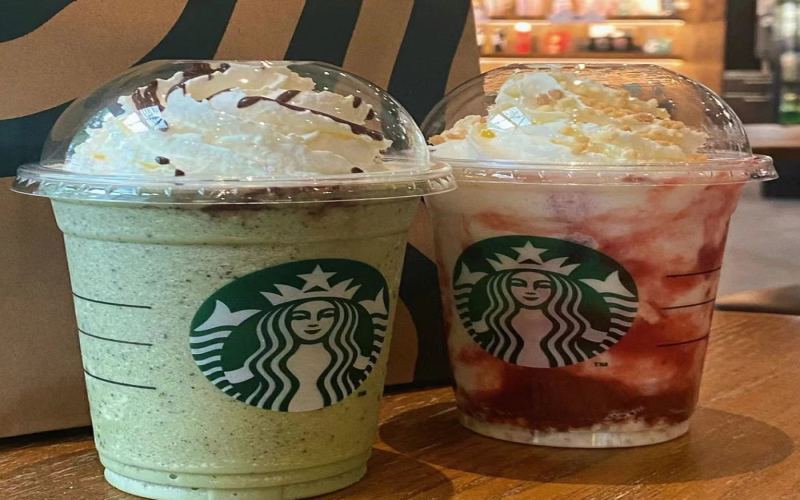
Starbucks Frappuccino Full Series Roundup: Ten Classic Flavors and Recommended Low-Calorie Secret Hacks
Walking into Starbucks on a hot summer day doesn't mean you have to choose hot coffee—the slushy-textured Frappuccino is just as good a way to cool down. Starbucks currently offers ten regular Frappuccinos, covering both coffee and non-coffee categories, with the matcha series ranking as a classic. If you prefer coffee flavors, the Caramel Coffee Frappuccino and Espresso Frappuccino deliver different intensities of coffee experience. What's more, by adding or removing ingredients or swapping syrups, you can customize your own personal flavor. The Mango Passion Fruit Frappuccino, once discontinued, remains the low-calorie favorite in the minds of many longtime customers thanks to its lack of whipped cream and lower sugar content. This article goes through the characteristics of each Frappuccino one by one, while keeping Front Street Coffee's related recommendations, to help you find the cup that suits you best. [more…]
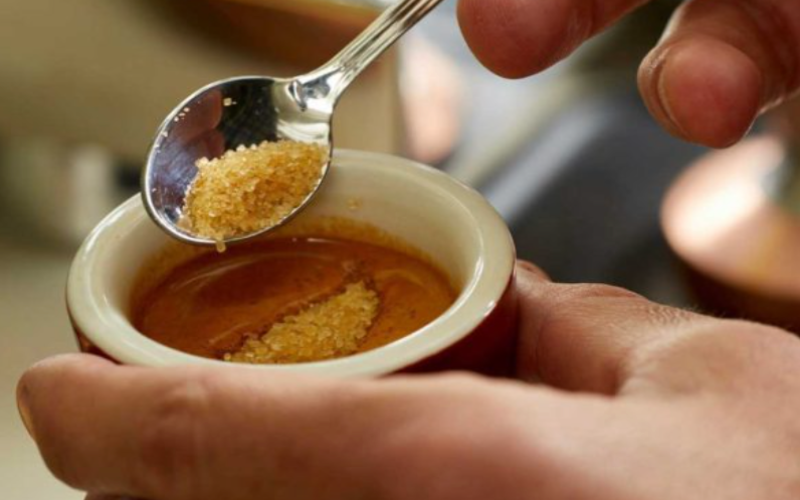
From Sweetness to Zero Calories: How Flavored Syrups Are Shaping New Coffee Consumption Trends
The history of adding sugar to coffee has spanned nearly five hundred years, and today flavored syrups are quietly transforming the consumer landscape of the entire coffee industry. Since Starbucks launched its flavored lattes in 1994, various syrups have not only made coffee flavors more diverse but also met consumers' demand for personalized customization. At the same time, as health awareness has risen, zero-calorie sugars and zero-calorie flavored syrups have become a new trend, with brands such as Luckin following suit. This article will trace the evolution of flavored syrups in the coffee industry, analyze the logic behind their regional innovation, and explore the opportunities and hidden concerns behind the zero-calorie sugar trend, helping coffee lovers gain a more comprehensive understanding of this new consumer trend. [more…]
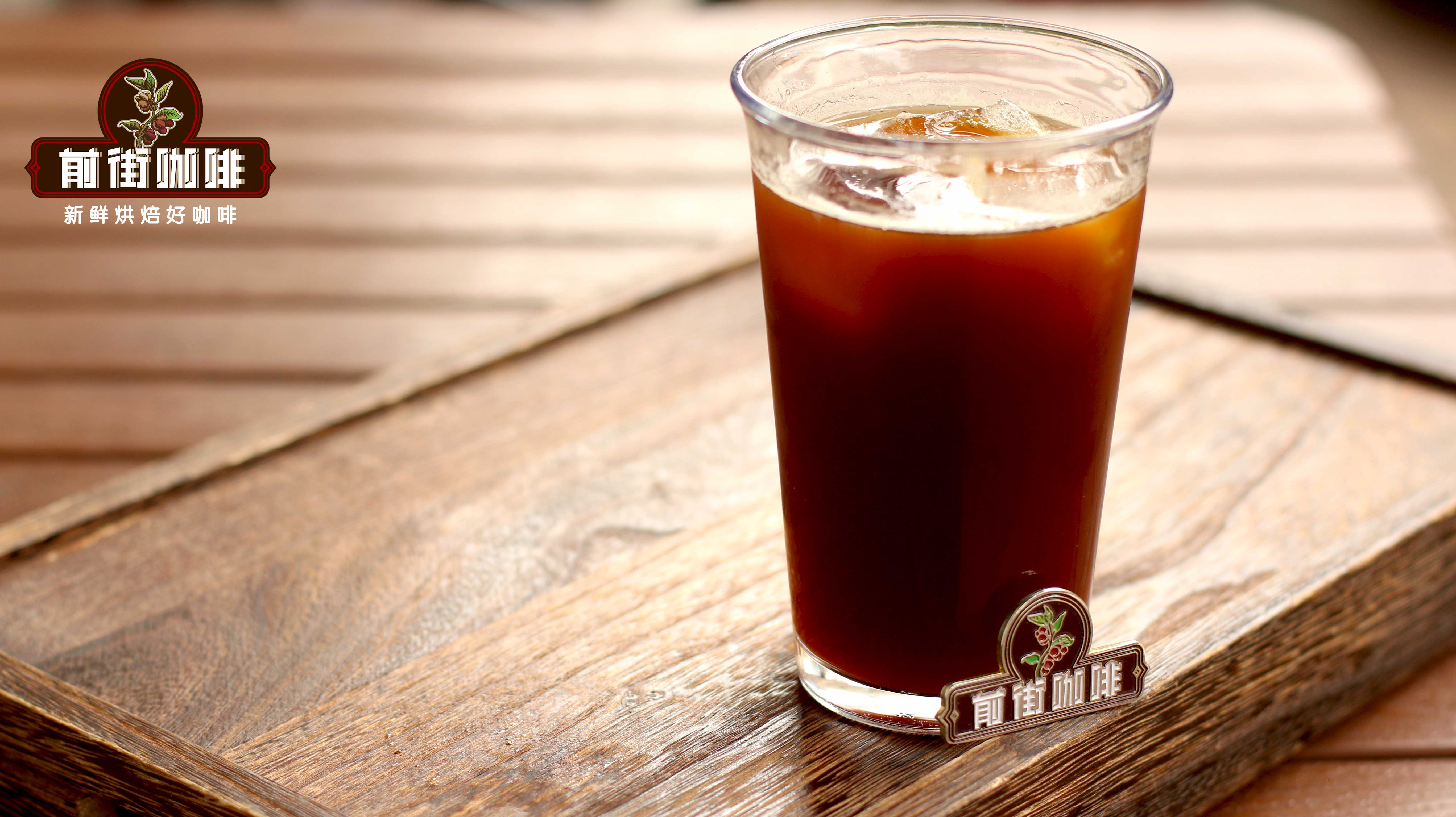
The Truth About Americano Calories, Fat-Loss Effects, and a Guide to Five Front Street Coffee Espresso Beans
American coffee, with its extremely low calorie content, is often regarded as a weight-loss-friendly beverage. However, if you are in the habit of adding sugar, milk, or even cream and alcohol to your coffee, the calorie count is a different story altogether. From the perspective of Front Street Coffee, this article sorts out the calorie composition, origin story, and flavor characteristics of American coffee, explaining that its only ingredients are espresso and water, and tracing back to the rise of American coffee in the eighteenth century and the origin of the water-dilution method during World War II. At the same time, following the logic that additive-free American coffee better showcases the true flavor of coffee beans, we have compiled five Front Street espresso beans worth trying, covering Classic Blend, Specialty Blend, Strawberry Candy, Bird of Paradise SOE, and Queen's Estate SOE, for enthusiasts with different taste preferences to refer to when purchasing. [more…]
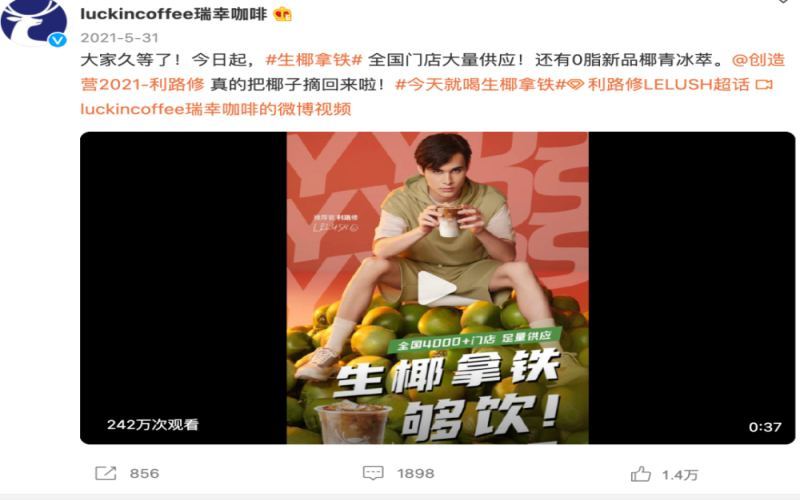
Luckin's Coconut Ice Brew Returns to Controversy: Unbalanced Sweetness, EDG Cup Sleeves Hard to Find—Front Street Coffee Teaches You How to Make Healthy Coconut Coffee
Luckin Coffee has recently relaunched its previously short-lived zero-fat coconut water iced coffee, teaming up with EDG for a limited-edition collaboration. Yet after the product's return, consumer feedback has been sharply divided: many complain that it is too sweet and that the coffee flavor is masked, with some store managers even personally warning against bad reviews; meanwhile, customers drawn by the EDG cup sleeves found that many cities simply didn't have them available. This article retraces how the events unfolded, analyzes why coconut water coffee has become so popular, and examines the health truth behind "zero fat, zero sugar." Finally, Front Street Coffee will also share how to make a low-calorie yet delicious cup of coconut water coffee at home. [more…]
A Complete Guide to Coffee Calories and Americano: Weight Loss Effects, Flavor Characteristics, and Five Front Street Coffee Espresso Bean Recommendations
Coffee itself is not high in calories, and Americano can indeed help with weight control—but only if you don't add sugar, milk, cream, or even alcohol. A single mocha can pack as many calories as a bowl of white rice. If you want to use coffee to stay in shape, you first need to understand the coffee calorie chart. Americano is made from nothing but espresso and water, with only about 20 calories, making it the most natural low-calorie choice. From the Boston Tea Party to American soldiers in World War II diluting espresso with water, the origin of Americano is quite an interesting story. Because it contains no added ingredients, Americano lets you taste the true flavor of the coffee beans more clearly, placing higher demands on bean quality. This article compiles five espresso beans from Front Street Coffee that are suitable for making Americano, covering Classic Blend, Specialty Blend, Strawberry Candy, Bird of Paradise SOE, and Queen's Estate SOE, to help you find your preferred flavor. [more…]

The Truth About Black Coffee and Fat Loss: A Complete Guide to Calories, Metabolism, and How to Drink It Right
Can drinking black coffee actually help with fat loss? Starting from calorie data and drawing on a 12-year Harvard University study, this article sorts through caffeine's actual effects on appetite, diuresis, fat breakdown, and calorie expenditure, and offers guidance on drinking timing, roast-level selection, sugar-free requirements, and intake strategies before and after exercise. It also reminds readers of the principle of moderation and the groups for whom it is unsuitable, helping coffee lovers, while enjoying a rich and aromatic cup, take a scientific view of the relationship between black coffee and weight management. [more…]
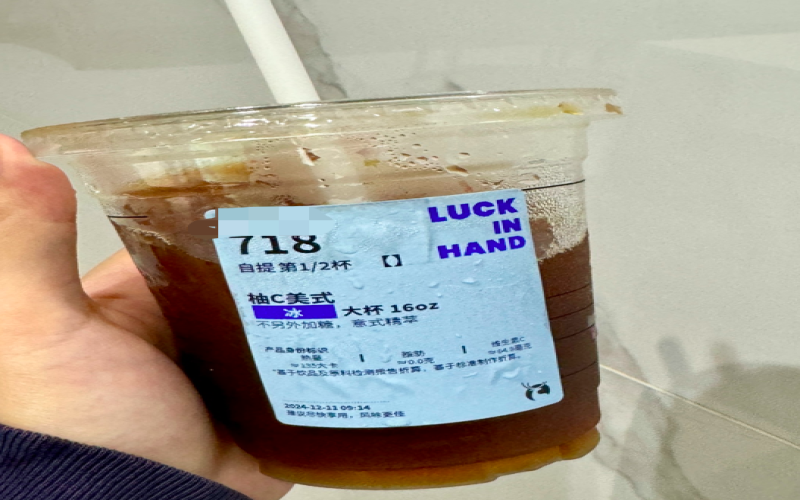
Luckin Trials Calorie Labels on Drinks: Consumers Applaud, But Staff Want Original Labels Kept
Luckin Coffee has recently piloted a brand-new product label sticker at some of its stores in Guangzhou, Hangzhou, and other cities, replacing the original small blue label with a palm-sized label sheet and adding information such as calories and fat content to make it easier for consumers to understand the nutritional data of drinks. This change aligns with the current trend in the tea beverage industry of giving drinks a "product ID" and has won recognition from many users. However, Luckin employees are quite unhappy about it, arguing that the large label does not show the order notes they need most and instead slows down order fulfillment efficiency. This controversy over the label stickers reflects the difficult balancing act brands face between consumer demand and frontline operational efficiency. [more…]

Coffee Calories | Can Drinking Americano Black Coffee Help You Lose Weight? Are There Any Good-Tasting Americano Coffee Beans? 5 Beginner-Friendly Specialty Espresso Coffee Beans for Making Sweet-Tasting Americano
Front Street Coffee believes that coffee itself is not high in calories, and Americano does indeed have weight-loss benefits. But if you're in the habit of adding sugar and milk to your coffee, or even going all out with cream, alcohol, and other fancy additions... then the calorie count is no simple matter! For example, com- [more…]

20-Year-Old Man's Blood Turns Milky White: Long-Term Replacement of Water with Milk Tea Drinks Triggers Health Warning
Recently, a 20-year-old man in Shandong who had long used drinks such as milk tea and cola instead of plain water to quench his thirst had a blood sample that unexpectedly showed a milky white, separated state, and he was diagnosed with lipemic blood. Doctors pointed out that milk tea is a high-calorie drink, and long-term excessive intake can lead to elevated blood lipids, increased blood viscosity, and even trigger blood vessel blockage and cardiovascular disease. What is worrying is that similar cases are not isolated among young people, and reports keep appearing on social platforms of young people facing health crises because of their addiction to milk tea. This sounds a warning bell for all milk tea lovers: it is urgent to reasonably control the intake of high-sugar, high-fat drinks and cultivate healthy eating and exercise habits. [more…]
Can Americano Help with Fat Loss? A Complete Guide to Calorie Breakdown and the Best Drinking Temperature
Americano is often equated with black coffee, but how does it differ from pure coffees such as pour-over and cold brew? Why is the Americano—espresso diluted with water—more highly sought after? Starting from the origin and definition of Americano, this article analyzes its differences from ordinary black coffee, and focuses on Americano's roles in aiding digestion and cutting greasiness, reducing water retention, and supporting fat burning, while also reminding readers that adding syrup and creamer brings extra calories. Drawing on Front Street Coffee's output examples, the article also offers recommendations on the optimal tasting temperature for making Americano with coffee beans of different roast levels, helping coffee lovers enjoy the flavor while also looking after their health. [more…]
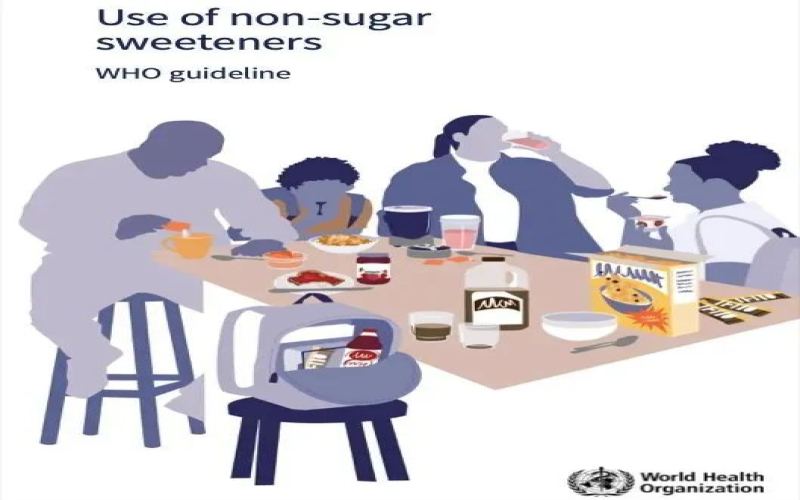
Latest WHO Guideline: Non-Sugar Sweeteners Are Not a Healthy Choice—Long-Term Intake May Increase Obesity and Diabetes Risk
In recent years, zero-calorie sugar substitute products have been marketed with a health halo, becoming highly sought after by consumers who want sweetness without the calories. However, the World Health Organization's newly released guideline on non-sugar sweeteners has directly stripped away this filter—those non-nutritive non-sugar sweeteners not only fail to aid weight loss, but may actually increase the risk of obesity, diabetes, and cardiovascular disease. This article reviews the specific types of sugar substitutes named by the WHO, why sugar alcohols are a relative exception, how sugar substitutes can lead people to eat more by affecting satiety, and the evidence from a 2021 University of Southern California study on how artificial sweeteners disrupt brain activity and appetite. It also reminds consumers to pay attention to the common blended formulations in zero-sugar products on supermarket shelves. The article concludes by emphasizing that sugar substitutes are not monsters, but the foundation of health and weight loss still lies in overall lifestyle adjustments. [more…]
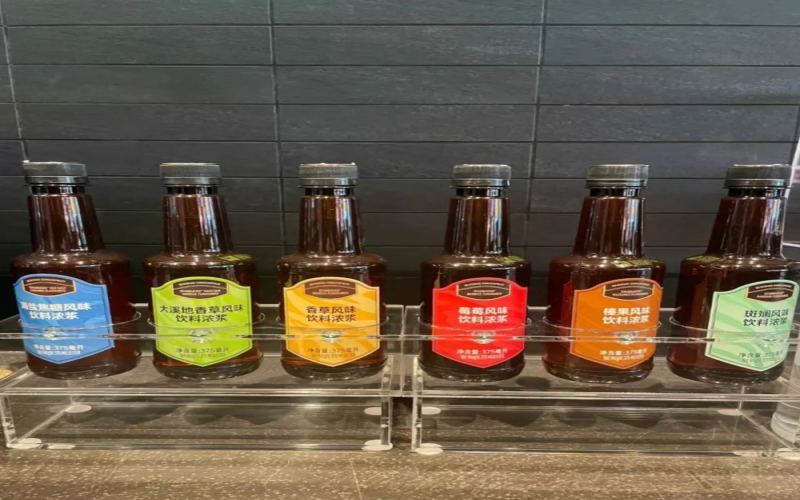
Starbucks' revised sweetness standards in its ordering system spark heated debate: consumers and baristas alike say they're not used to it
Recently, Starbucks has rolled out a major syrup reform in China, splitting flavored syrups into two parts: flavor and syrup, so that customers can separately choose flavor concentrates and sweetness levels. The new rules appear to meet the needs of sugar-conscious consumers, but after launch they triggered a wave of complaints: the old version's function of freely adjusting syrup by number of pumps was canceled, replaced by three major categories—classic sugar, zero-calorie sweetener, and no added sugar—along with two sub-options: less sweet and standard sweet. Customers accustomed to ordering by number of pumps are saying they no longer know how to order, and baristas are also getting headaches from the complicated labels. What exactly are the inconveniences brought by this revamp? What is the real feedback from users and baristas? This article takes you through it. [more…]
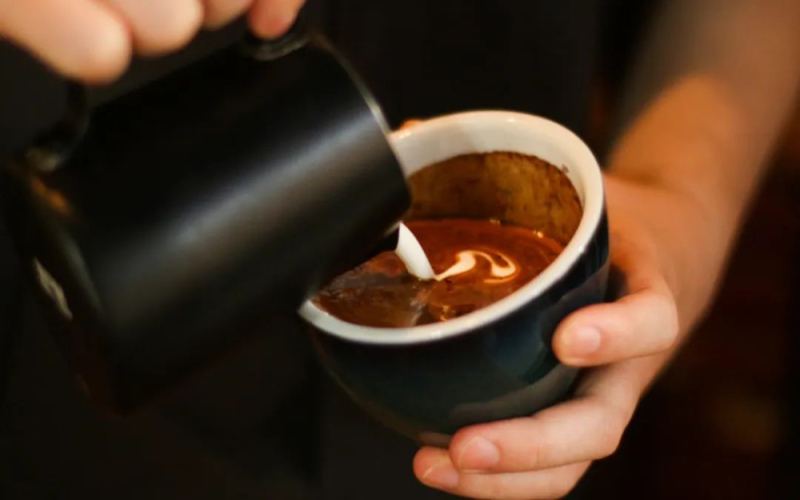
Why Is Mocha Coffee Fading from Menus? A Complete Trace from Yemen's Mocha Port to Italian Chocolate
Mocha was once a classic on Italian menus alongside latte and cappuccino, but it is now increasingly disappearing from specialty coffee shops. Its name originates from the Port of Mocha in Yemen—from the 15th century onward, coffee beans were shipped through this port, and the sacks were marked "MOCHA," so Europeans collectively called the beans exported from there mocha coffee, and in the early period it even became synonymous with coffee. In the 18th century, Italy, in an attempt to recreate the chocolate notes of mocha beans, tried adding cocoa powder to coffee, which later evolved into a chocolate-added milk coffee with the spread of espresso machines. During the second wave, the combination of dark-roasted blend beans with chocolate sauce, cream, and other additions made mocha a representative sweet drink used to mask bitterness. The third wave of specialty coffee emphasized origin flavors, and together with the low-sugar healthy trend, the high-sugar, high-calorie mocha gradually fell out of favor in the market. The article sorts out its historical context and shares Front Street's method and recipe for making iced mocha. [more…]