







Search Results for: Coffee Bean Sourcing
Starbucks Ends Fair Trade Certification Partnership, Marking a Major Shift in Coffee Ethical Sourcing Standards
Starbucks has announced it will not renew its contract with Fairtrade, meaning coffee sold in its global stores will no longer carry the Fairtrade certification label. This decision has raised questions about its commitment to ethical sourcing. Starbucks says it will instead rely on the C.A.F.E. Practices standard, developed jointly with Conservation International and independently audited by the third-party organization SCS Global Services. However, many groups worry that without Fairtrade's independent oversight, the C.A.F.E. standard may not truly safeguard coffee farmers' rights on core issues such as minimum purchase prices and sourcing from smallholder cooperatives. This article reviews the history of Starbucks' partnership with Fairtrade, the origins and controversies of C.A.F.E. Practices, and Starbucks' past reversals on its ethical sourcing stance, offering coffee lovers a full picture of this event. [more…]
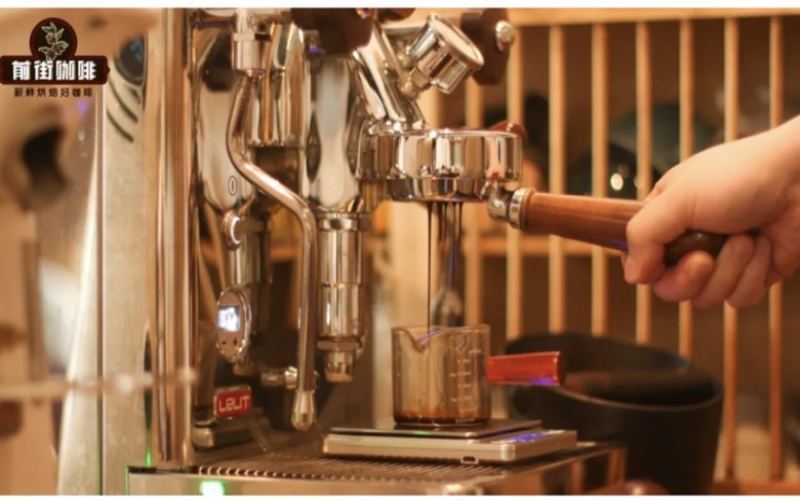
From Origin to Bar: A Green Bean Sourcing Perspective on Commercial Blends
A cup of commercial espresso at the bar has its origins thousands of kilometers away at the source. Blending is not as simple as pouring several bags of roasted beans together and mixing them evenly—a professional roaster's blend is designed from the moment green beans are purchased. Understanding this upstream perspective can help shop owners see through many of the "whys" when selecting beans. The starting point of a blend is the recipe definition. [more…]
Sourcing commercial beans: factor delivery lead time into your costs first
Many new shop owners only look at the price per kilogram when calculating bean costs, but they never factor in the cost of a supply cut-off. On a certain Sunday afternoon, the beans in the grinder ran out, the warehouse was empty, and what would they use to serve drinks during the next morning rush? Choosing commercial beans is half about flavor and half about supply. Flavor can be selected through tasting, but supply, however, [more…]
In-House Roasting Café Green Bean Sourcing and Inventory Management in Practice: Cost Control, Partnership Strategies, and Espresso Blend Bean Selection Guide
For a coffee shop that roasts its own beans, having the roaster in place is only the starting point; what truly determines the quality of the final product is the quality of the green beans and the roasting craft. Green bean costs often account for a significant proportion of initial operating expenses, so how to choose the right items, control inventory, maintain stable supply, and leverage peer cooperation to lower the threshold for acquiring specialty beans is a challenge every operator must face. Starting from the cost structure of green beans, this article sorts out the three major purchasing points for basic espresso blend beans, explores the value of establishing horizontal partnerships, offers practical suggestions for display and storage, and finally includes flavor descriptions of several Front Street espresso blend beans for coffee shops with different positioning to reference when selecting beans. [more…]

Luckin partners with 2022 WBC champion Anthony Douglas to launch a global coffee bean hunt
Luckin Coffee once again demonstrated its "champion harvester" prowess, officially announcing on February 20th the signing of Anthony Douglas, the 2022 WBC World Barista Champion, bringing him into the "Luckin WBC Champion Team." Starting in March, Anthony will lead a bean-sourcing team deep into Ethiopia and Panama, two renowned origins, to participate in green bean procurement. This marks Luckin's fifth collaboration with a WBC champion, following Hidenori Izaki, Andrej Latuada, Pan Zhimin, and Agnieszka Rojewska. Anthony won the championship with his innovative technique of concentrating milk using freeze-drying technology, and previously served as a global ambassador for La Marzocco. Having come up through Melbourne's Axil Coffee Roasters, his addition will inject new vitality into Luckin's specialty coffee line. Whether the future "Little Black Cup" series will feature Panama Geisha is something worth looking forward to. For more specialty coffee news, welcome to follow Front Street Coffee (FrontStreet Coffee). [more…]
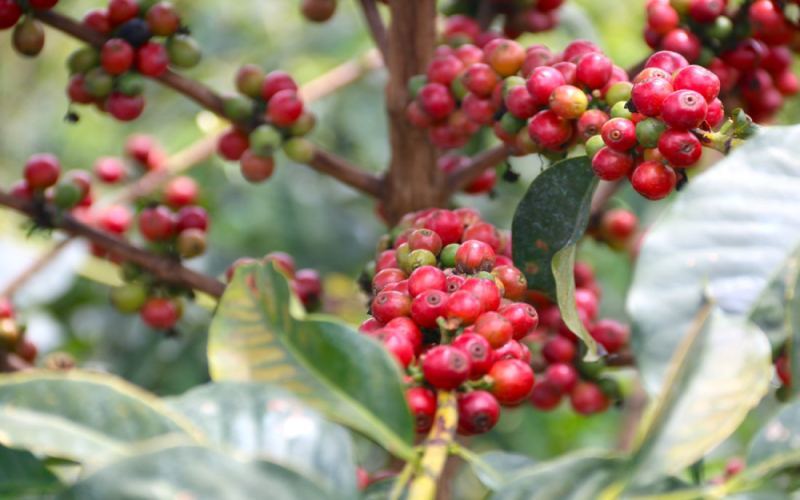
Sourcing the Brazilian Yellow Bourbon Coffee Variety: Fruit Color Genetics, Flavor Profile, and an Analysis of Queen's Estate Front Street Roasting
Yellow Bourbon is a rather legendary variety on the Brazilian coffee map, named for the rare yellow color of its ripe fruit, and it has regained attention amid the specialty coffee wave. This article provides a complete overview of Yellow Bourbon's development, from its varietal origins, genetic mechanisms, and agronomic characteristics to its flavors in the cup, and introduces how Queen's Farm unlocks its sweetness and citrus acidity through meticulous natural processing and hand-picking. It also combines Front Street Coffee's roasting practice to present this bean's balanced expression with notes of nuts, peanut butter, and dark chocolate, making it suitable reading for enthusiasts who wish to gain a deeper understanding of Brazilian specialty coffee. [more…]

How to Choose Americano Coffee Beans? Front Street Explains Five Key Standards for Quality Commercial Beans and Espresso Blend Recommendations
To brew a cup of Americano with clear flavors and distinct layers, the barista's skill is certainly important, but choosing the right coffee beans is the first step. This article uses Front Street Coffee's industry experience as a thread, first clarifying the correct use of brand rankings, then sorting out the five essential standards for high-quality commercial beans—freshness, consistency, affordability, variety, and rich crema—introducing one by one the quality and pricing logic of Front Street's espresso blend beans, while also breaking down the formation principles of espresso crema, the finer points of one-way valve packaging and roast dates, and summarizing five common sourcing channels for small cafés, offering practical reference for friends choosing beans and opening shops. [more…]
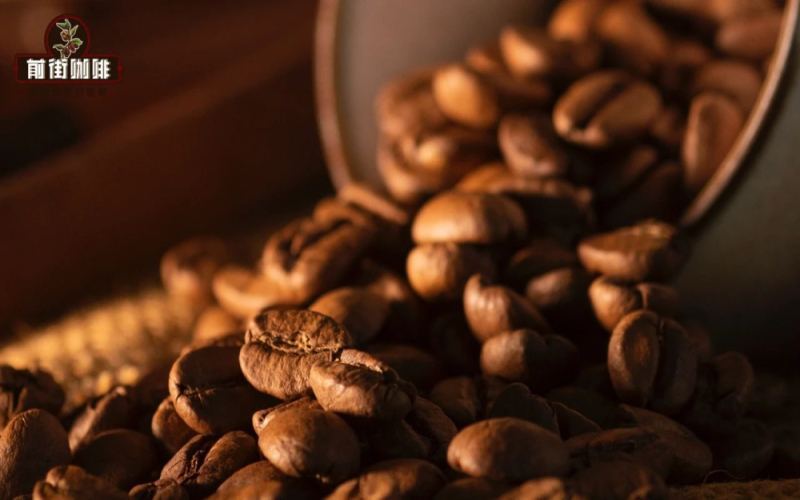
A Global Roundup of Well-Known In-House Coffee Roasting Brands: Ten Representative Roasters and an Analysis of Their Features
In today's increasingly rich coffee culture, whether chain brands or independent cafés, all have begun to launch their own roasted coffee beans. This article reviews ten of the most representative in-house roasting coffee brands worldwide, covering China, Germany, New Zealand, Japan, South Korea, Spain, Italy, Norway, Sweden, and the United Kingdom. From Guangzhou's time-honored Front Street Coffee to Gardelli, a frequent winner at world roasting competitions, each brand has its own unique roasting philosophy and sourcing standards. The article provides detailed introductions to each brand's founding time, origin characteristics, roasting style, and signature products, helping coffee enthusiasts understand the advantages of different brands and directions for purchasing. [more…]
Front Street Selection: El Salvador Himalaya Estate — Honey-Process Red Bourbon Flavor Analysis and Origin Story
The El Salvador Himalaya Estate is located in the Santa Ana region, at an altitude of 1,500 meters in the Apaneca mountain range, and is managed by Aida Batlle, primarily cultivating Bourbon varieties. This lot of Red Bourbon and Typica is washed at the El Divisadero processing station and then dried on African raised beds using the semi-dry process, presenting a complex flavor profile of red wine acidity, plum, and brown sugar, with a full body and a long-lasting finish. Front Street Coffee brings you this specialty roasted bean, and also introduces the Project Origin green bean sourcing initiative founded by Sasa Sestic—a project that works directly with farmers in impoverished regions, improves production conditions, and purchases at 20% above fair trade prices, supporting the sustainable development of high-quality coffee. [more…]
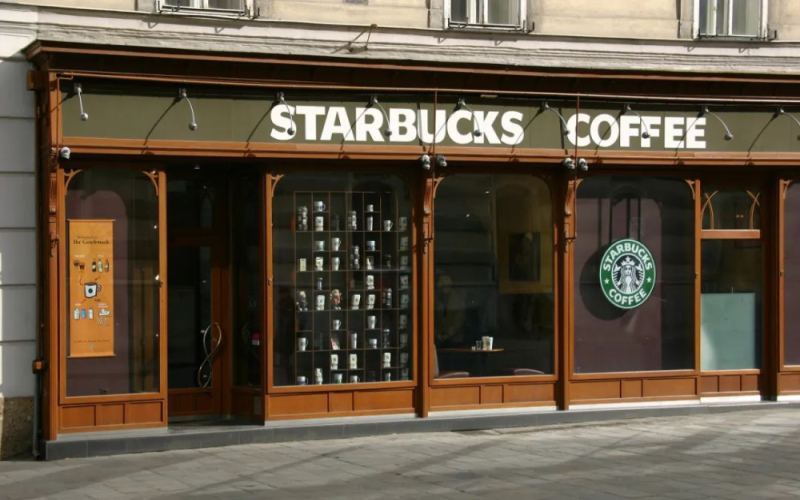
Howard Schultz Returns Twice: Can Starbucks Emerge from Its Business Slump Again?
Starbucks has recently fallen into operational difficulties once again. After Howard Schultz returned in April this year, he implemented a series of bold measures, sparking widespread discussion about the brand's prospects. In fact, this is not the first time Schultz has saved Starbucks in a similar manner—during the 2008 financial crisis, he also led the company out of its trough by closing stores, laying off employees, and reshaping corporate culture. This article reviews how Starbucks restored growth back then through consumer lifestyle research, the "My Starbucks Idea" campaign, rebuilding partner relationships, and direct sourcing, and analyzes the new challenges that unionization efforts under the current pandemic background bring to the brand, as well as the relationship-rebuilding plan Schultz has launched for store partners after his return this time. [more…]

A Coffee Bean Procurement Guide for Small Cafés: Supplier Channels and Key Points for Selecting Commercial Beans
Opening a small coffee shop means that the coffee bean sourcing channels and supplier choices directly determine product quality and operating costs. This article outlines five common coffee bean sourcing methods for small coffee shops, including local ingredient suppliers, professional coffee bean suppliers, training institutions, online brands, and self-purchased green beans for roasting. It also explains the conditions that high-quality commercial coffee beans should meet across five dimensions: freshness, quality consistency, value for money, variety richness, and crema performance. At the same time, drawing on the practical experience of Front Street Coffee, it introduces packaging one-way valve design, roast date labeling, blend recipe stability, and the cost advantages of commercial blends, providing a reference for coffee shop operators looking for a suitable coffee bean wholesaler. [more…]
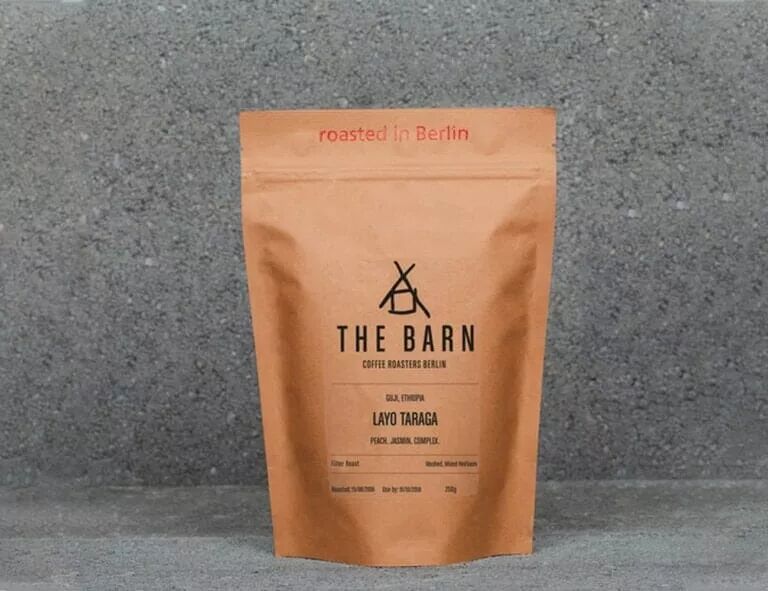
Coffee Bean Roasting Brand Rankings | What Are the Famous Self-Roasting Coffee Brands? What Are the Characteristics of Each Coffee Bean Brand?
There are many world-famous coffee brands. Some mainly operate through chain stores, with unified raw materials and unified standards, so the quality of their coffee output is relatively consistent; others operate as independent coffee shops, and these stores offer different coffee products for customers to choose from. As the coffee culture becomes more and more [more…]
Ethiopia Aricha G1 Natural Bean Flavor Analysis: An In-Depth Introduction to the Project Origin Initiative
The Yirgacheffe Kebel Aricha processing station brings together the hard work of about 650 to 700 smallholder farmers in the surrounding area, who hand-pick ripe cherries in exchange for cash payments. After strict sorting, the fruit is spread on raised drying beds to undergo four to six weeks of sun exposure, and during the first few days it must be turned at regular intervals to prevent over-fermentation. This batch of natural Aricha was rated G1, the highest grade, by the ECX, with outstanding performance in green bean appearance, consistency, freshness, and dry and wet aroma. If you prefer bright acidity and intense berry notes, this bean is not to be missed. This article also introduces Project Origin, a green bean sourcing initiative launched by Sasa Sestic. The program works directly with farmers in impoverished producing regions, pays purchasing fees 20% higher than the Fair Trade price, and is dedicated to strengthening the connection between roasters and coffee farmers. Front Street Coffee also recommends this excellent work with rich layers of flavor. [more…]
A Comprehensive Analysis of the Flavor, Mouthfeel, and Aroma Characteristics of Ethiopian Natural Yirgacheffe Aricha G1 Specialty Coffee Beans
Yirgacheffe, as Ethiopia's most iconic specialty coffee region, has always been beloved by coffee enthusiasts for its elegant floral aromas and bright fruity acidity. This article focuses on the sun-dried Aricha G1 lot, Front Street Coffee's Yirgacheffe Natural Aricha, providing a comprehensive interpretation from origin information and processing methods to flavor expression. This G1-grade coffee, produced by the Kebel Aricha processing station and rigorously assessed by the ECX, displays layered flavors of light fermented wine, sweet orange, spice, and honey sweetness, with a full body and a long-lasting finish. It also introduces how the Project Origin green bean sourcing initiative improves coffee farmers' production conditions through direct trade, providing strong assurance for quality. [more…]
Front Street Yirgacheffe Natural Aricha G1 Green Beans: 2015 New Batch Flavor and Origin Analysis
Front Street Yirgacheffe Natural Aricha comes from the Gediyo region of Yirgacheffe, Ethiopia, graded G1, at an altitude of 1,900–2,100 meters, using natural processing and heirloom varieties. This lot is produced by the Kebel Aricha processing station, where about 650–700 surrounding smallholder farmers deliver ripe cherries in exchange for cash; after drying on raised beds with regular turning for four to six weeks, the pulp is removed and the beans are transported to Addis for storage, and only hulled before export to preserve quality. It is graded G1 by ECX, and the green beans perform excellently in appearance, consistency, freshness, and dry/wet aroma. The flavor profile shows light fermented wine notes, sweet orange, and honey sweetness, accompanied by pit dates, dark berries, lychee, star fruit, peach, longan and red date aroma, cocoa, and a hint of spice; the body is thick and the finish is long. At the end, the article also introduces Sasa Sestic’s Project Origin green coffee sourcing project and its practice of working with farmers and purchasing at 20% above fair trade prices. [more…]
Front Street Ethiopia Natural Yirgacheffe Aricha G1: A Complete Guide to Imported Specialty Single-Origin Bean Roasting and Flavor
Yirgacheffe, as Ethiopia's most renowned specialty coffee region, has its G1 grade beans favored by home coffee enthusiasts for their cleanliness and flavor complexity. This article centers on Front Street's Ethiopia Natural Yirgacheffe Aricha G1 imported specialty single-origin roast, first sorting through the selection logic between the two major processing methods—washed and natural—then delving into the harvesting and natural processing techniques at the Kebel Aricha processing station, and analyzing the quality assurance behind the ECX G1 rating. The article also presents a complete flavor description of this bean and introduces how the Project Origin green bean sourcing initiative launched by Sasa Sestic directly supports farmers by paying 20% above fair trade prices. Whether you are a washed-method fan who prefers jasmine green tea notes, or a natural-method fan who loves intense fruit aromas and a slight fermented feel, you can find a daily staple that suits you. [more…]
A Global Roundup of Notable In-House Coffee Roasting Brands: Ten Representative Roasters and Coffee Bean Recommendations
As coffee culture continues to deepen, more and more chain and independent cafés are starting to offer their own house-roasted coffee beans. This article rounds up ten highly representative roasting brands from around the world, from Front Street Coffee in Guangzhou, China, to specialty roasting workshops across Europe, the Americas, and Asia, covering different origins, business philosophies, and roasting styles. Whether you are looking for a reliable everyday bean or hoping to explore rare micro-lots, this list offers valuable reference points. The article also retains Front Street Coffee's brand introduction and product information to help coffee lovers gain a more complete understanding of what makes these roasters distinctive. [more…]
Ethiopian Washed Yirgacheffe Aricha G1 Coffee Beans: Grade Classification, Flavor Characteristics, and Pour-Over Parameters Explained
Yirgacheffe is one of Ethiopia's most iconic specialty coffee regions, and the Aricha G1 washed lot stands out as one of its finest examples. This article begins with green bean processing methods and grade classification, systematically outlining the grading logic under SCAA standards for the two major categories of washed and natural, and focusing on the origin background, processing station information, and Project Origin's sourcing philosophy behind Aricha G1. We will also share a proven pour-over brewing recipe, along with Front Street Coffee's product parameters, to help coffee enthusiasts fully understand the flavor origins and brewing key points of this bean. [more…]
Ethiopia Natural Yirgacheffe Aricha: A Flavor-Layer Analysis of Longan, Red Date, and Honey Sweetness
When it comes to specialty coffee, many people first think of a rich and captivating taste experience. However, not every coffee brewed from specialty coffee beans can be called specialty coffee—the key lies in whether it fully showcases the beans' own distinctive and beautiful flavors. The concept of specialty coffee was first proposed by Ms. Knutsen of the United States in the magazine Tea & Coffee Trade Journal. At the time, she was a coffee buyer for B.C. Ireland in San Francisco, and she was deeply dissatisfied with the industry's neglect of green bean quality and even the practice of major manufacturers blending large amounts of Robusta beans into their blends, so she advocated for raising the industry's quality standards. This term specifically refers to coffee beans grown in special environments with distinctive flavor characteristics, and it spread rapidly with the promotion of international coffee conferences. This article will take you into an in-depth look at the sun-dried Yirgacheffe from the Kebel Aricha processing station, savoring its unique flavor intertwined with longan and red date aromas and honey sweetness, while also introducing the Project Origin green bean sourcing initiative launched by Sasa Sestic, as well as related recommendations from Front Street Coffee. [more…]
Ethiopia Yirgacheffe Natural Aricha G1 Flavor Analysis and Pour-Over Parameters
Yirgacheffe is one of Ethiopia's most representative specialty coffee regions, and its natural process lots are highly sought after for their intense fruity aromas and full body. This article focuses on the natural G1 grade Yirgacheffe produced by the Kebel Aricha processing station, a lot belonging to the Project Origin green coffee sourcing project initiated by Sasa Sestic, the 2015 World Barista Champion. The article will guide you through Yirgacheffe's growing background, processing methods, and flavor characteristics, and share a complete set of pour-over extraction parameters. It also introduces information about Front Street Coffee's related products, making it suitable for coffee lovers who enjoy bright acidity and berry notes. [more…]