







Search Results for: Coffee Bean Roast Level
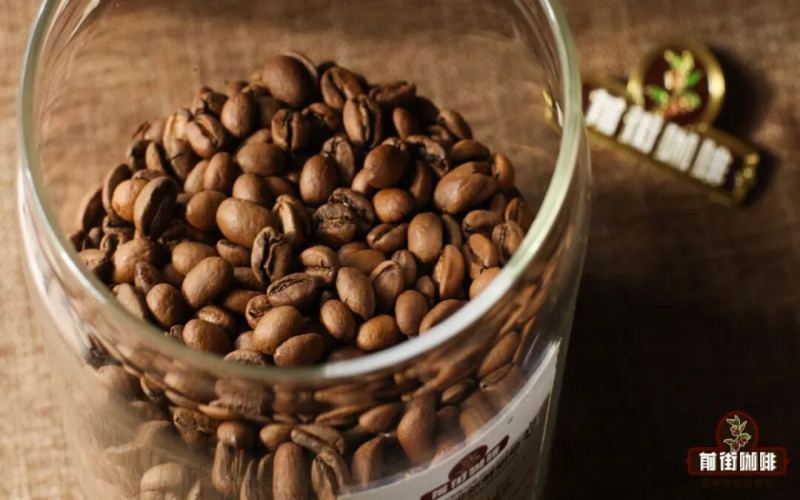
Coffee Roast Levels | How Can Coffee Beginners Quickly Distinguish the Roast Level of Coffee Beans? How Are Coffee Bean Roast Levels Defined?
As is well known, Front Street primarily sells coffee beans and has shops on both Taobao and Tmall, so friends who can't make it to the physical store often place orders online. Some of them then noticed that Front Street's bean labels don't indicate the roast level of the coffee beans, and they reported that once they receive the beans, they don't know how to identify [more…]
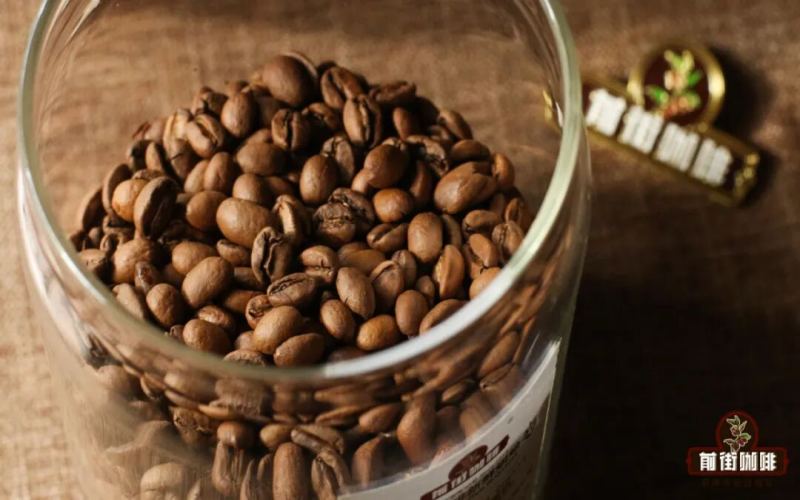
Coffee Knowledge | How to Quickly Identify Coffee Bean Roast Levels? Introduction to Grind Size and Brewing Water Temperature Parameters for Medium-Light and Medium-Dark Roasted Coffee
As everyone knows, Front Street Coffee mainly sells beans and has shops on both Taobao and Tmall, so friends who can't make it to the store often place orders online. Then some friends noticed that the labels on Front Street Coffee's beans don't indicate the roast level of the coffee beans, so they reported that after receiving them, they didn't know how to identify [more…]
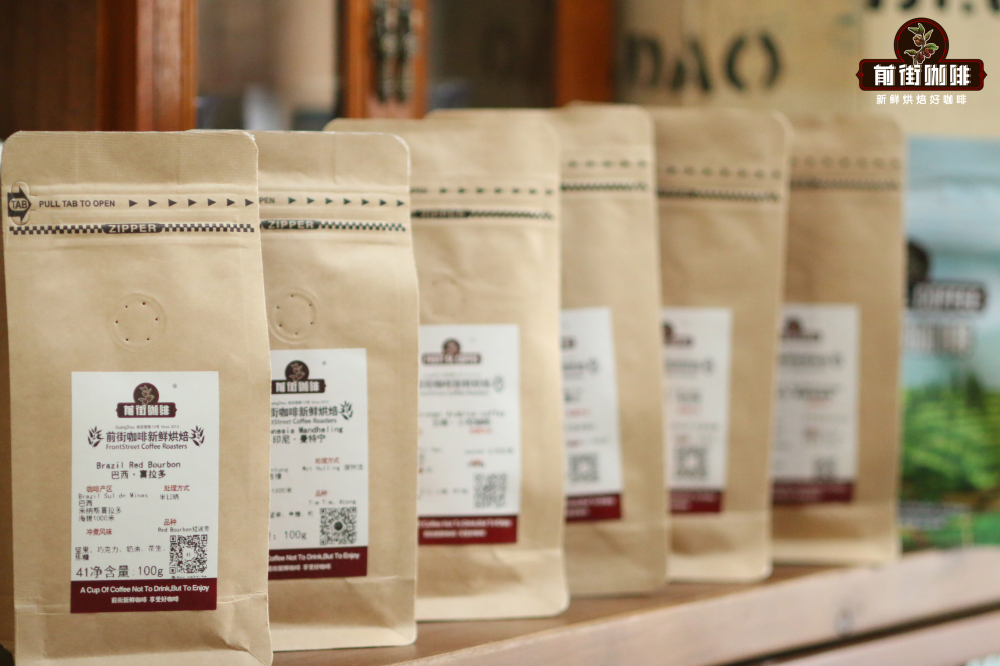
How Coffee Flavor Is Created | Which Coffee Bean Roast Level Is Best? How Can Coffee Beginners Distinguish Dark, Medium, and Light Roasted Coffee Beans?
For more specialty coffee knowledge, please follow: Front Street Coffee (Frontsteet Coffee). Some friends who have purchased Front Street Coffee (FrontStreet Coffee) beans may be a bit confused about why Front Street's coffee bean labels don't indicate the roast level. [more…]
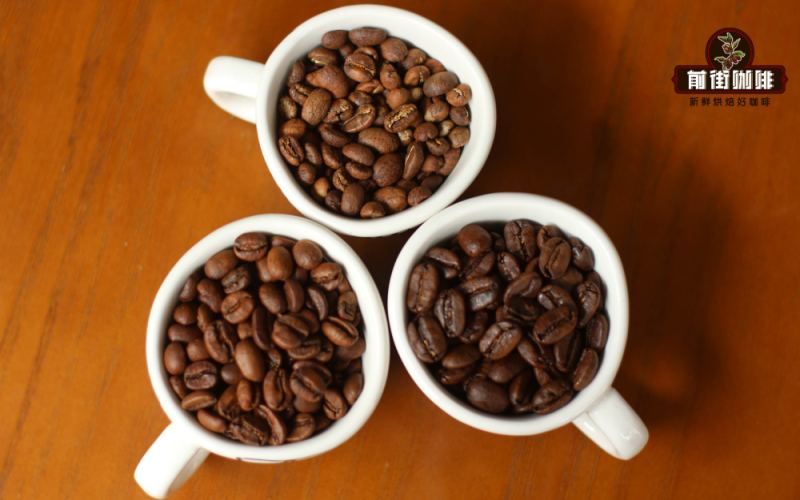
Espresso Blend Coffee Bean Roast Level | Are Espresso Beans Suitable for Pour-Over Coffee? Espresso Blend Philosophy and Roast Curve Reference
For more specialty coffee knowledge, please follow: Front Street Coffee (Frontsteet Coffee). The roast level of coffee largely determines the flavor direction of the coffee. When we buy coffee, the label will indicate what roast level it is, such as light roast or dark roast—these are fine. [more…]

Pour-Over Coffee Acidity | Is Coffee Bean Roast Level Related to Coffee Acidity? What Are the Differences in Flavor and Mouthfeel Between Light, Medium, and Dark Roasts?
The roast level of coffee largely determines its flavor profile. When buying single-origin coffee beans, you may notice that the label indicates the roast level, such as light roast, medium roast, or dark roast. Some also label them as Cinnamon Roast, City Roast, French Roast, and so on, which leaves many [more…]
Recommendations for Non-Acidic Coffee Beans | What Are the Characteristics and Differences of Light, Medium, and Dark Roast Coffee Beans? What Water Temperature Is Suitable for Brewing Light, Medium, and Dark Roast Coffee Beans?
Some friends have pointed out that "Front Street's coffee beans don't have any indication of roast level." In response, Front Street plans to use an article to share knowledge about coffee roast levels with everyone. I believe that most people's understanding of coffee bean roast levels is basically that if it's sour, it's a light roast, and if it's bitter, it's a dark roast. Of course, as people in the industry [more…]
Home Coffee Bean Brand Flavor Rankings: Roast Level Determines How to Brew
When choosing coffee beans for home use, you can first check the roast level on the packaging, then judge whether it suits your taste and equipment. Light roasts usually retain more of the origin's character, with floral notes, fruity acidity, and tea-like qualities standing out more; medium roasts lean toward sweetness and roundness; dark roasts make it easier to taste cocoa, nuts, and roasted aromas. Light roast [more…]
Introduction to Arabica specialty coffee bean varieties and origins | What are the differences in flavor characteristics among light roast, medium roast, and dark roast single-origin coffee beans?
Front Street Coffee believes that different roasting degrees will produce different flavor profiles, but many people have a misconception: is it enough to simply roast coffee beans to a certain roast color? Of course not—the flavor of coffee is not just about the roast degree, but also about the growing region. [more…]
Yirgacheffe Coffee Bean Guide: Origin Characteristics, Roast Level Selection, and Pour-Over Parameters Explained
Yirgacheffe is one of Ethiopia's most representative specialty coffee regions, known for its fresh lemon and citrus acidity and delicate floral aromas. This article analyzes the core characteristics of this bean layer by layer, from its origin background, green bean grading, and roast level selection to pour-over parameters. Yirgacheffe green beans are small in shape and emerald green in color. Washed G2 is the traditional highest grade, and G1 is now also available on the market. In terms of roasting, cinnamon roast or medium roast best preserves its citrus acidity and floral aroma, while a darker roast masks its fresh character. For pour-over, it is recommended to use a high temperature above 90°C and extend the bloom to 20–30 seconds to fully release the flavors. Front Street Coffee recommends interpreting Yirgacheffe through pour-over. Compared with competition-style brewing or a French press, the clarity brought by pour-over better showcases its delicate layers. [more…]
Coffee Bean Roasting Principles | What's the Difference Between Dark Roast and Light Roast Coffee Beans? Can Single-Origin Beans Like Natural Red Cherry, Bird of Paradise Estate, Brazil Yellow Bourbon, and Mozart Be Used for SOE Coffee?
When Front Street Coffee baristas introduce coffee bean flavors to customers, they also share a lot of related knowledge about coffee beans. From a single coffee bean to the coffee we taste, it goes through picking, drying processing, hulling and sorting, roasting, and finally extraction—every step [more…]
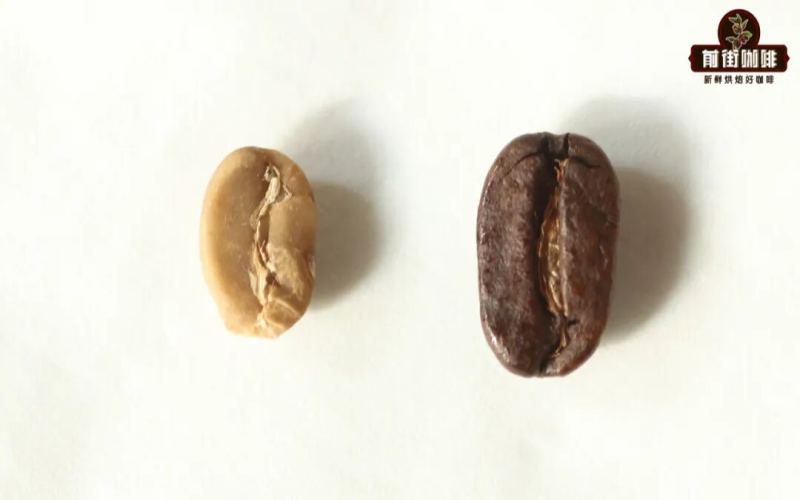
Coffee Bean Oil Release | What factors cause roasted coffee beans to become oily? Does coffee bean oil release mean poor coffee quality?
If you often buy beans and brew them at home, you've probably noticed that some coffee beans start to show oil on their surface after sitting for a while. Other beans, no matter how long they're stored, still look dry on the surface. This leads to a rather interesting phenomenon: some people believe that coffee beans [more…]
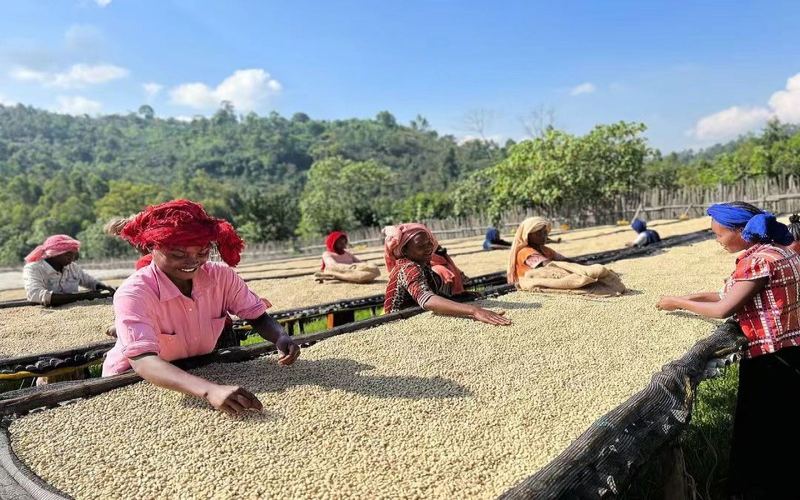
For automatic coffee machines, choose bean roast level like this
Fully automatic coffee machines usually focus on one-touch espresso, Americano, and milk coffee. The roast level of the coffee beans directly affects the flow rate, aroma expression, and mouthfeel. Rather than fixating only on origin or flavor descriptors, it's better to first look at the light, medium, medium-dark, and dark roast labels on the packaging, then combine that with the drinks you have every day to choose the one that's easier to dial in. [more…]
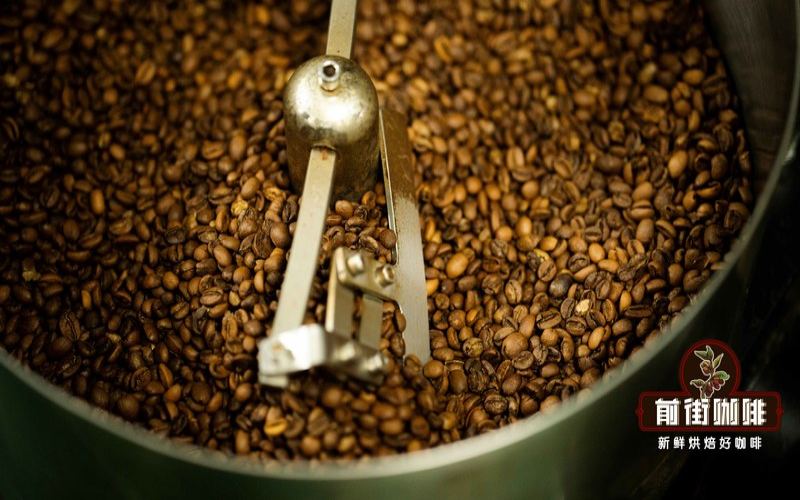
Can SOE be made with pour-over? Choosing beans by roast level makes it clearer
SOE is not a particular kind of coffee bean, but rather a term for single-origin or single-batch coffee used for espresso extraction. It describes the source of the beans and the way they are served, and does not mean an espresso machine is required. As long as the beans are consistent in quality and the roast level is suitable, SOE can absolutely be brewed by pour-over with a dripper instead, and you can taste even more than you would from an espresso [more…]

Coffee Roasting | How Is the Roast Level of Coffee Beans Determined? What's the Difference Between Espresso Beans and Pour-Over Beans? Which Tastes Better for Huakui Coffee: Medium Roast or Light Roast?
Many friends who want to learn about coffee bean roasting are curious about one question: how to determine the roasting degree of coffee beans. Should a coffee bean be dark roasted or light roasted, and then how light should light be, and how dark should dark be? On what basis does Front Street Coffee determine the roasting of all these coffee beans it sells? [more…]

Moka pot beginners should look at roast level first for clearer bean selection
Coffee brewed with a moka pot is strong and concentrated in aroma, and the roast level of the beans directly affects how it tastes. For beginners, it is usually easier to make a good choice by first checking whether the package says light, medium, or dark roast, and then considering whether you want black coffee or coffee with milk, rather than just focusing on the name of the origin. Different roast levels [more…]
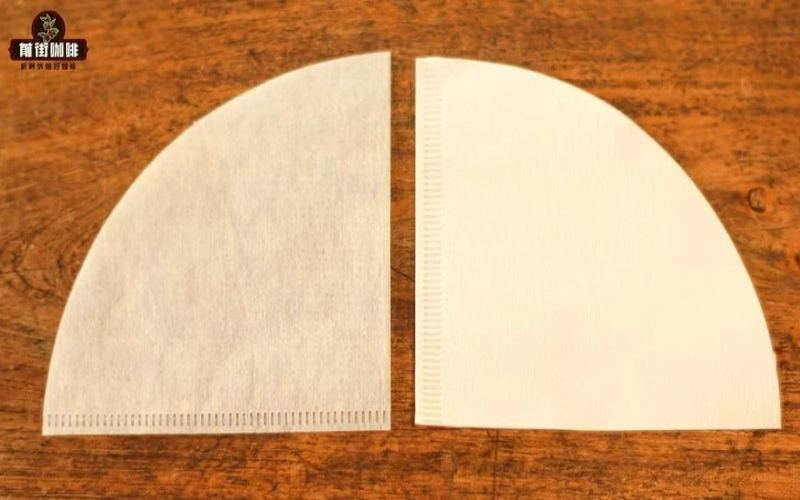
Want a full-bodied cup? Which roast level should you choose for your coffee beans?
The body of coffee comes both from the bean's origin and variety and is also closely related to the roast level. With a lighter roast, the bean's acidity, floral and fruity notes, and refreshing character tend to stand out more; as the roast deepens, nutty, cocoa, caramel, and roasted aromas gradually take center stage, and the cup feels more grounded on the palate. If you want to pick a coffee that drinks with weight [more…]
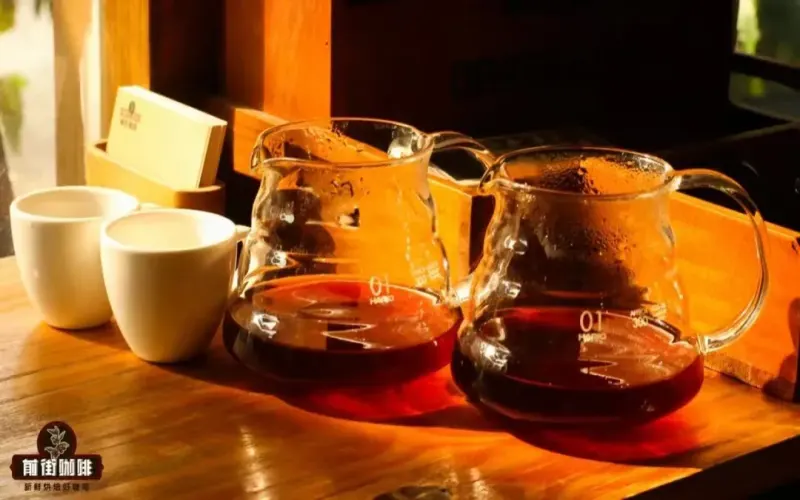
Coffee brew color | How can you judge the roast level/strength/filtration method of coffee beans by coffee color? What is the difference between dark roast and light roast coffee?
Today a friend was discussing a very interesting question: how to brew "wine-red" coffee. That's right—the wine-red refers to the color of the coffee liquid, because the friend who brought up this topic found that wine-red coffee seems to taste better than coffee of other colors, so they started this discussion. [more…]

Coffee bean recommendations for opening a shop: roast level determines your menu's character
The roast level of coffee beans directly shapes a shop's flavor impression. Light roasts more easily bring out floral, fruity, citrus, and tea notes, making them ideal for highlighting a region's character; medium roasts tend to balance sweetness, acidity, and body, giving them broad menu versatility; dark roasts, meanwhile, build familiarity through cocoa, nut, and roasted aromas. When choosing beans for a shop, you can start with [more…]
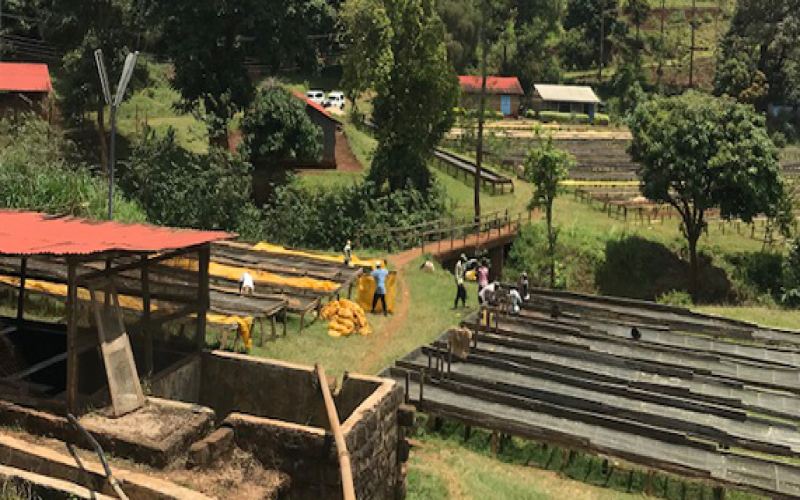
Roast Level Differences in Latte: How to Choose Among Three Bean Profiles
The essence of a latte is created together by coffee and milk. Milk brings sweetness, smoothness, and a soft aroma, while also muting the coffee's own acidity and subtle notes, so the roast level directly affects how present the coffee tastes in the finished cup. To make the coffee flavor stand out, look to a medium-dark roast; if you prefer a softer, sweeter taste, start with a medium roast; if [more…]
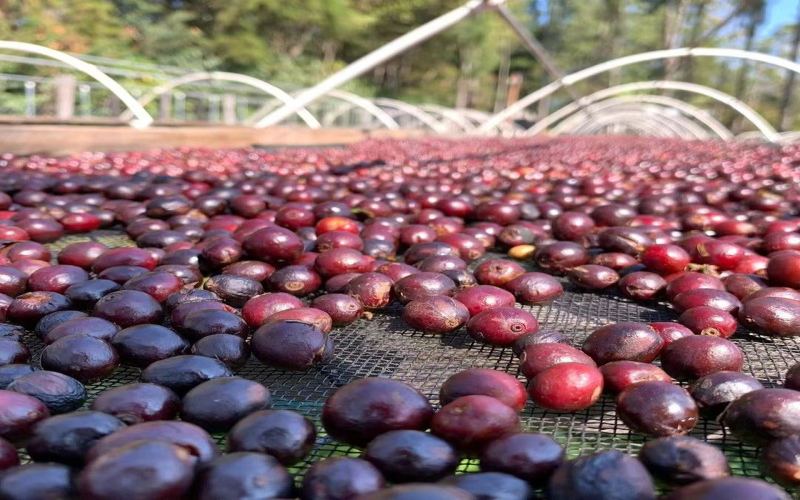
Home Espresso Machine Bean Selection Guide: Choosing Cost-Effective Flavors by Roast Level
When choosing beans for a home espresso machine, the roast level often determines the overall character of a cup more than the name of the origin. Light roasts lean toward aroma and fruity acidity, medium roasts more easily balance sweetness and body, while dark roasts bring notes of cocoa, nuts, and roastiness. When the budget is limited, choosing according to whether you usually drink black coffee, lattes, or iced drinks is usually better than blindly [more…]