







For more specialty coffee knowledge, please follow: Front Street Coffee (Frontsteet Coffee)
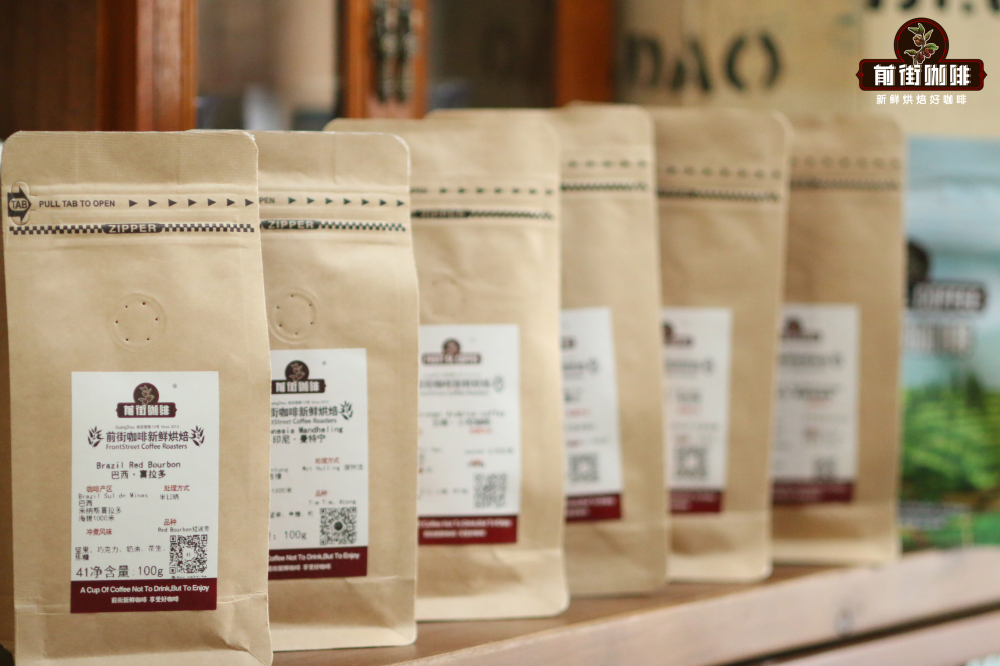
Some friends who have purchased Front Street Coffee beans may feel a bit confused—why doesn't the label on Front Street's coffee beans indicate the roast level? This leaves many customers unsure about the roast level of these beans, making it impossible to choose the beans that suit them. In fact, Front Street has already made it very clear on the packaging—just in a different way.
I believe everyone's understanding of coffee bean roast levels is basically: sour means light roast, bitter means dark roast. Of course, within the industry, such a simple classification is naturally not used. Currently, the more scientific approach uses the Agtron color value (a caramelization analysis number) as the basis for coffee roast level.
Front Street believes that roasting is about bringing out the flavors of coffee beans. After the aromatic substances in green coffee beans are heated to a certain degree, complex degradation and polymerization reactions begin to occur, producing richer volatile aromatic compounds. This is mainly thanks to the Maillard reaction and caramelization reaction.
The Maillard reaction basically runs throughout the entire roasting process. Under continuous heating, the amino acids that make up proteins in the green beans, along with reducing sugars such as glucose, fructose, and lactose, undergo complex degradation and polymerization reactions with each other, producing aromatic substances and compounds. This process repeats continuously during heating, like a snowball rolling and producing more aromatic compounds.
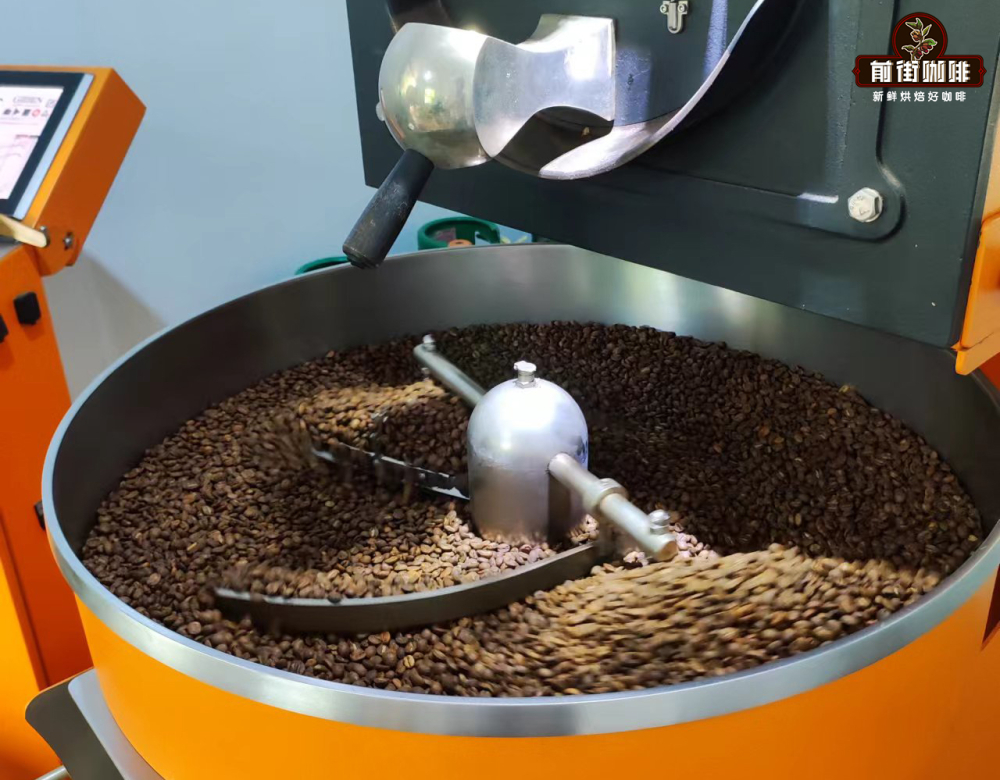
During this process, over 600 types of volatile aromatic compounds are produced in the coffee beans. As the reaction time increases, fresh floral and fruity notes first emerge, then shift to deeper-toned floral and fruity aromas, followed by more nutty, vanilla, creamy, and caramel tones—but at this point, the floral and fruity aromas produced earlier begin to weaken.
The caramelization reaction occurs after first crack. Sugars brown, producing aromatic substances such as diacetyl (the source of creamy aroma), furan compounds (the source of caramel aroma), hydroxymethylfurfural (the source of honey and fruit juice aroma)... But excessive caramelization develops into carbonization, greatly increasing the burnt bitterness.
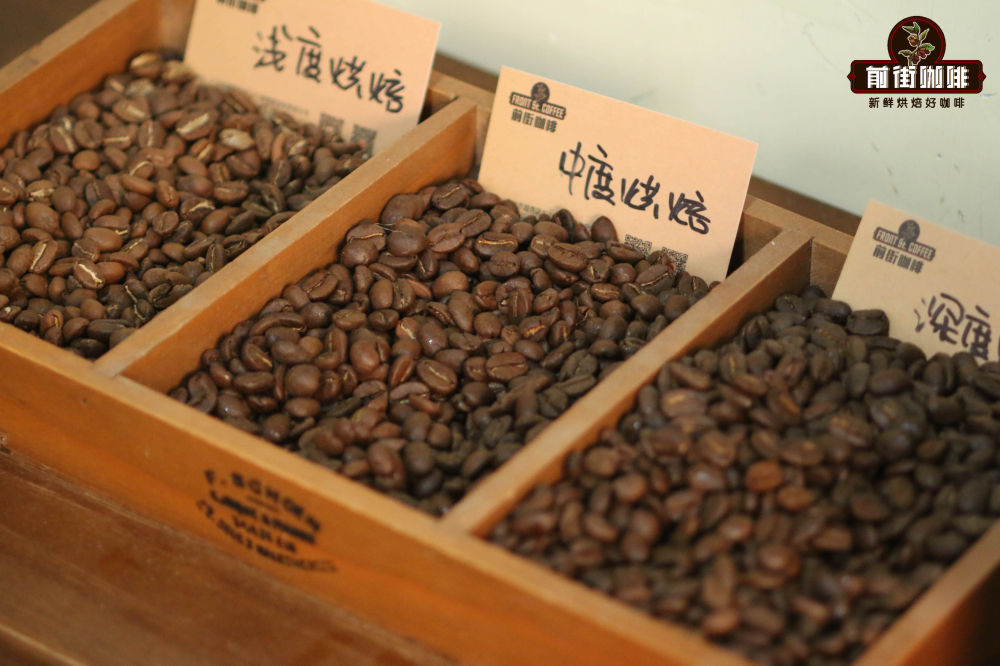
If anyone doesn't understand, that's okay—Front Street will explain it again in plain terms. During coffee roasting, the generally accepted benchmark for "done" is "first crack." Any time after first crack is a valid point to drop the beans. The earlier the drop, the lighter the roast level, and the more pronounced the fruity acidity and floral notes; the later the drop, the darker the roast level, the heavier the roasted flavor, with nutty, chocolate, and caramel base notes, and a fuller body.
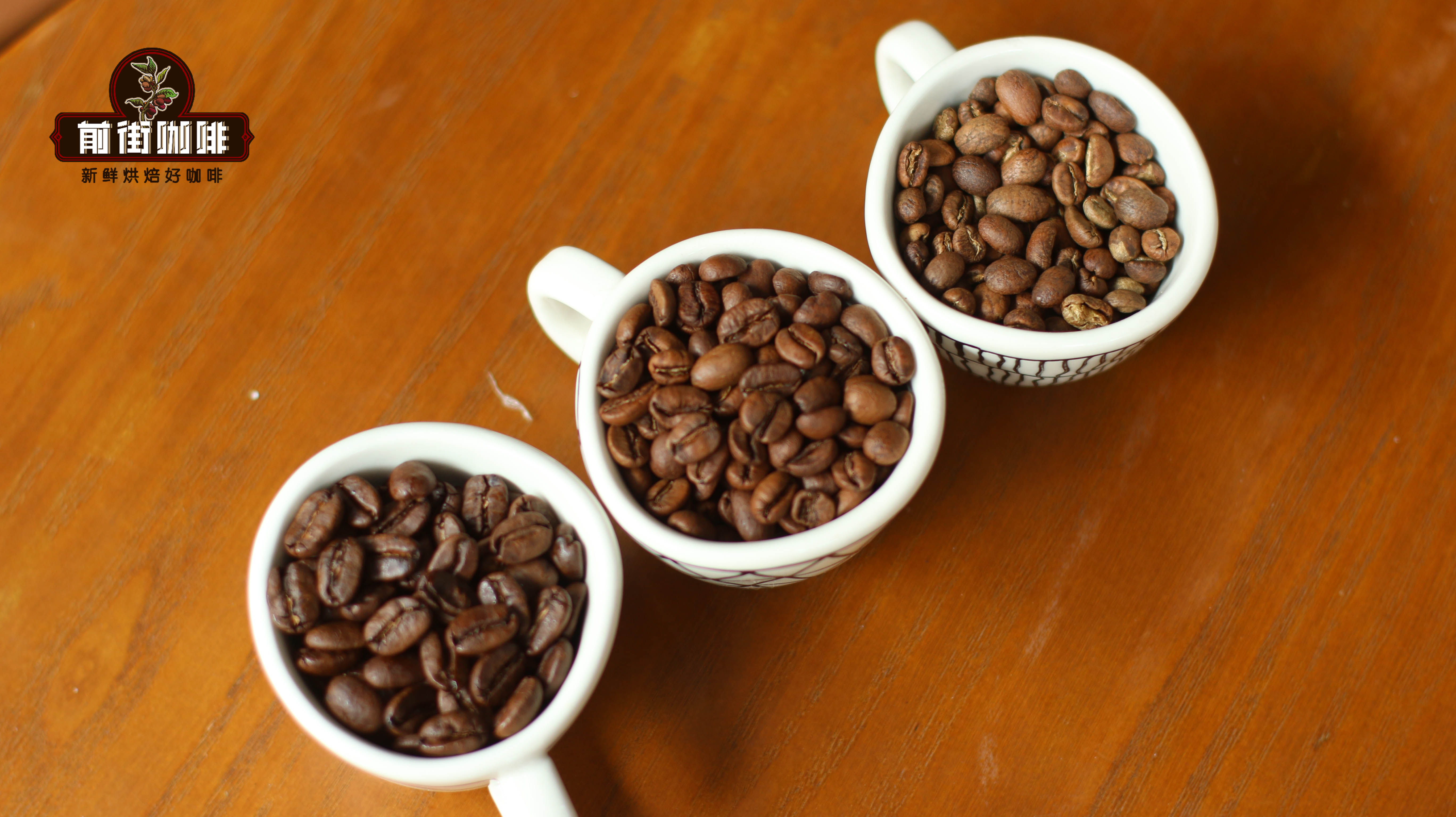
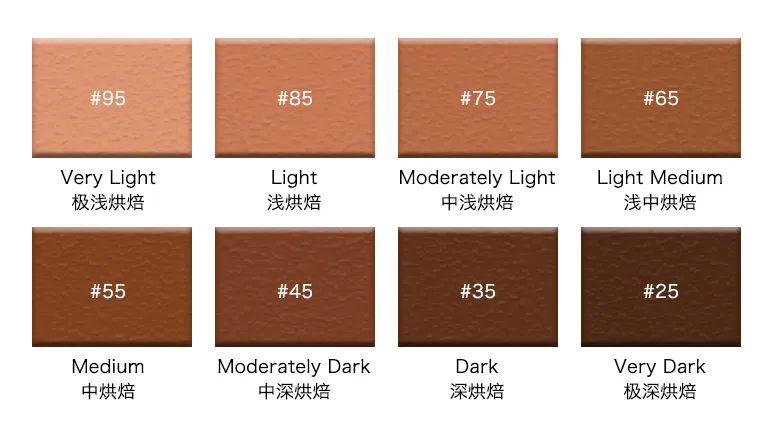
Using the Agtron color value, roast levels can be divided into 8 categories. The higher the color value, the lighter the roast, and vice versa.
The lightest roast level is called Light Roast, with an Agtron color value of 95. The drop time is roughly when first crack is at its most intense (the beans are still crackling as they're dropped). Generally, the coffee's flavor shows bright acidity.
An Agtron color value of 85 is Cinnamon Roast. The drop time is around the end of first crack (when the crackling has just stopped, or only sporadic crackling remains). Generally, coffee at this level shows predominantly acidic notes with a sweet fragrance.
An Agtron color value of 75 is called Medium Roast. The drop time is roughly after first crack ends (when the crackling has completely stopped). Coffee at this level is mainly sweet, with a slight fruity acidity.
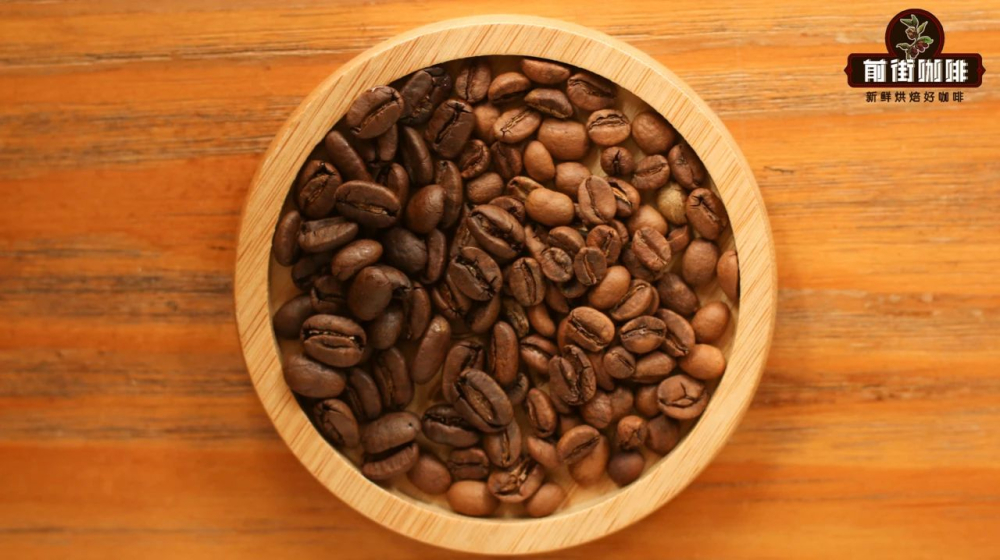
An Agtron color value of 65 is called High Roast. The drop time is roughly after first crack ends and before second crack begins (about a 1-2 minute quiet period). The flavor shows nutty and caramel tones, balanced, with no acidity.
An Agtron color value of 55 is called City Roast. The drop time is roughly when second crack begins (after a period of silence, one or two faint crackling sounds appear). At this point, the flavor is more bitter, with a heavier caramel aroma.
An Agtron color value of 45 is called Full City Roast. The drop time is roughly before second crack becomes intense (before the crackling sounds are heard). At this point, the coffee is already quite dark, with a more burnt, bitter, and rich flavor.
An Agtron color value of 35 is called French Roast. The drop time is roughly when second crack is at its most intense (crackling sounds are heard again, but deeper than the first time). At this point, the coffee beans have begun to release oil.
An Agtron color value of 25 is called Italian Roast. The drop time is roughly at the end of second crack (after the intense sounds have passed). At this point, the coffee beans are pitch black and glossy, with oil already seeping onto the bean surface.
Actually, among these 8 roast levels, coffee past a color value of 65 is all primarily bitter. But the end consumer won't necessarily encounter all of them—for example, coffee beans today are no longer roasted until they're oily like before. It's basically very rare to see French Roast and Italian Roast these days.
If this industry-standard roast level classification were passed on to consumers unchanged, it would undoubtedly increase their learning burden. "What? Dark roast isn't the darkest?" "I just want coffee that isn't sour—why are you telling me about High Roast, City Roast, Full City Roast? I don't understand any of that." Indeed, some terms are completely incomprehensible without deeper study. Labeling them this way would only increase consumer confusion.
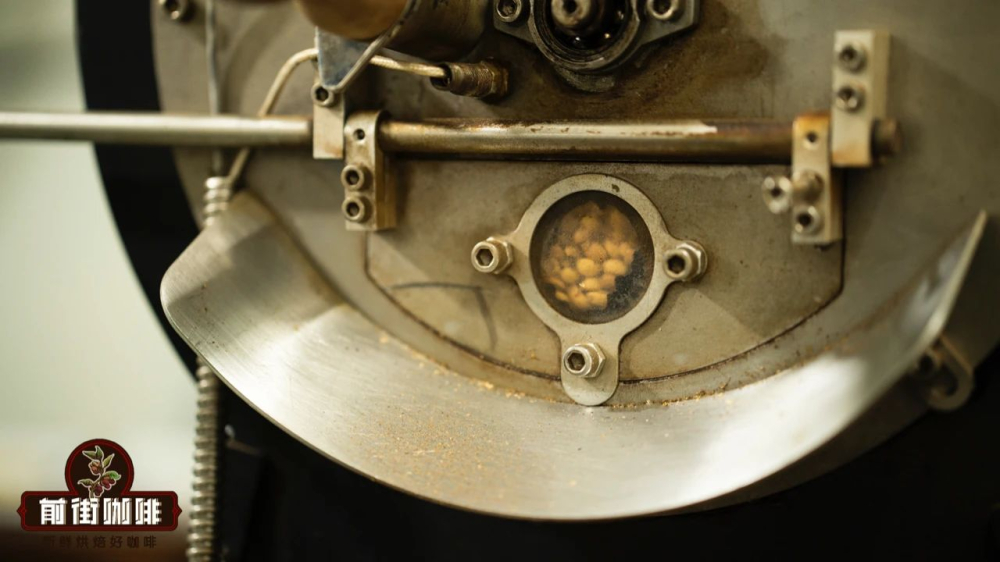
If we don't classify by this standard and instead define what light roast and dark roast mean based on each roaster's own interpretation, there'd be no way to achieve consistency. For example, if Shop A's definition of light roast differs from Shop B's, then the "light roast" labels from these two shops are actually meaningless.
Front Street believes the simplest way to distinguish roast levels is by the degree of sourness, sweetness, and bitterness in the coffee. This way, consumers can better understand what kind of coffee beans they actually need. Front Street categorizes all coffees with acidity as medium-light roast, and coffees that are primarily bitter as medium-dark roast. This way, we can determine the roast level through the flavor description on the coffee label.
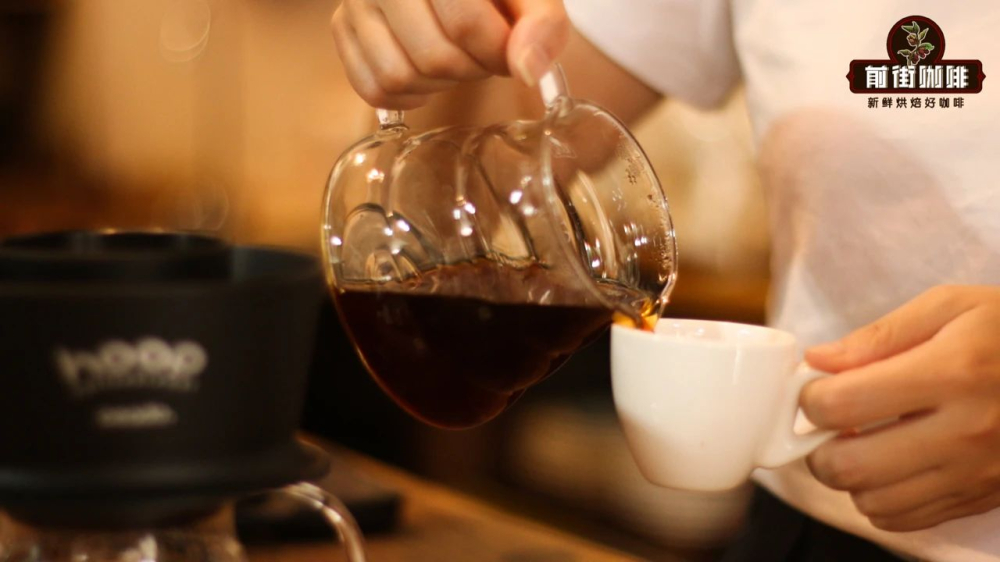
For example, flavors described as "lemon, citrus, berry" and other relatively acidic fruits can be judged as lighter medium-light roast beans—Front Street Fruit Ding Ding and Front Street Red Cherry are recommended. Flavors described as "melon, grape, slightly sour fruit" and other sweeter fruits can be judged as medium medium-light roast beans, such as Front Street Geisha and Front Street Strawberry Candy.
Flavor descriptions like "sucrose, maple syrup, chocolate" and other clearly sweet flavors can be judged as medium medium-dark roast beans—representative coffees include Front Street Bird of Paradise and Front Street Jamaica Blue Mountain. Flavor descriptions like "nuts, dark chocolate, caramel, spices" and other bitter-with-sweet flavors can be judged as darker medium-dark roast beans, such as Front Street Golden Mandheling Coffee and Front Street Huilan Coffee.
This also corresponds to the brewing parameters recommended by Front Street. For medium-light roast, use a water temperature of 90-93°C, with a grind size of 75-80% passing through a No. 20 sieve. For more acidic flavors, choose the higher end of this water temperature range and a finer grind; for sweeter flavors, choose the lower end of this water temperature range and a coarser grind.
For medium-dark roast, use a water temperature of 86-89°C, with a grind size of 70-75% passing through a No. 20 sieve. For more bitter flavors, use the lower end of this water temperature range and a coarser grind.
So, Front Street hasn't omitted the roast level—it's just expressed this bean's roast level in another form.
The above content is compiled by CoffeeHunters, a coffee news website.

