







Search Results for: Clarified Milk

Can Milk Become Transparent? Decoding the Craft, Applications, and Market Prospects of Clarified Coffee
In the past two years, a peculiar category of drinks has emerged in the world of coffee specialties: they clearly contain milk, yet appear crystal clear and transparent—these are clarified coffee and transparent lattes. The clarification technique originated in the cocktail world as "milk washing," and has now been adopted by baristas in the development of creative beverages. This article will start with the principles behind clarified milk, trace its journey into the coffee scene, share a method for recreating it, and objectively analyze whether clarified coffee can become a new trend in the specialty drinks market, while also exploring its challenges regarding cost and scalability. [more…]
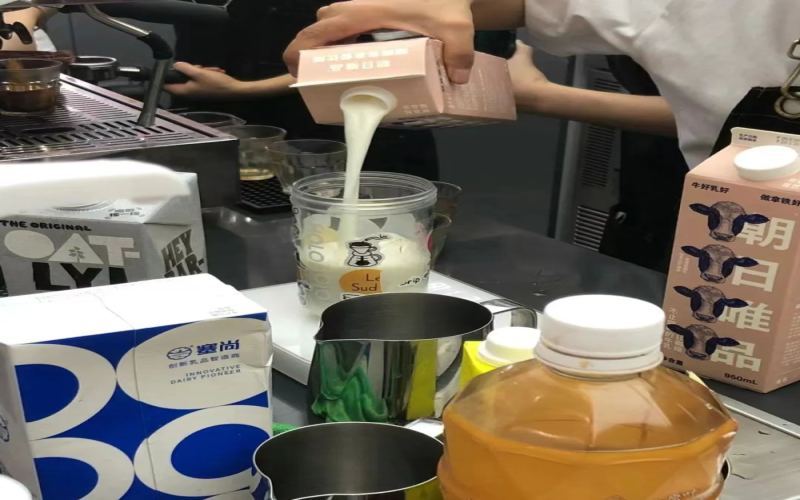
Asahi Weipin launches a transparent clear milk, taking clarified milk from handmade to mass production
In coffee drinks, milk has always been latte's soulmate, and its quality directly affects the taste performance of the final product. In recent years, the continued heating up of the coffee market has also brought a group of high-quality milk brands into the public eye, and Asahi Weipin is one of the most noteworthy. The brand recently launched a transparent milk that overturns traditional perceptions—Clear Milk, claiming to have a lighter taste than milk yet be smoother and richer than water. The arrival of this product means that clarified milk, which in the past required baristas to spend a great deal of time making by hand, can now be mass-produced, bringing new possibilities to the creation of specialty coffee. How exactly is this transparent milk achieved? How does its taste differ from ordinary milk? This article will explain it in detail for you. [more…]

What is the principle behind milk-washed coffee? How to make a clarified latte with milk and espresso, plus the method and recipe ratios
When most people think of a combination of milk and espresso, the first things that come to mind are classic milk coffees with milk foam, such as lattes and cappuccinos. But the same ingredients, processed with a different method, can take on a completely different appearance and texture. This article introduces a technique called "milk washing"—using the principle that casein coagulates when milk meets acid to remove the fat and protein particles from milk, leaving behind a transparent whey liquid. This time, Front Street Coffee's approach differs from the usual one: during the clarification process, espresso is added directly, so that the entire drink is clarified together, resulting in a "special latte" that looks similar to pour-over coffee but has rich, layered flavors. The article will explain in detail the required materials, recipe ratios, and step-by-step instructions, making it a useful reference for enthusiasts who want to try making specialty coffee at home. [more…]

Unveiling Milk Clarification: Transparent Latte Flavor Test and Complete Brewing Guide
At the 2021 World Coffee in Good Spirits Championship, clarified milk made a stunning appearance, but it has still not entered the coffee market on a large scale, and can only be encountered occasionally in a few specialty coffee shops. How exactly is this "milk," which looks as clear as water, made? And what would a latte made with it taste like? Front Street Coffee decided to conduct an experiment firsthand, starting from the principle of milk clarification, step by step using lemon juice and milk to make transparent milk, then trying three methods respectively—drinking it directly, adding it to espresso, and adding sugar to neutralize the sourness—for a comprehensive review of the true flavor of clarified milk latte. If you are interested in specialty coffee creations and innovative ingredients, this hands-on test record will give you a direct answer. [more…]

Espresso Special Milk-Washed Latte Making Guide: Ingredient Ratios, Step-by-Step Details, and Practical Recipe
Milk washing is a process that involves mixing an acidic ingredient with milk to curdle the casein, then filtering out a transparent milk serum. Thanks to its striking visual presentation and unique mouthfeel, it is used by many coffee shops in the making of specialty coffee drinks. However, although the process is not complicated, there are quite a few details to pay attention to. If you simply add an acidic substance and coffee directly to milk, the resulting clarified liquid is often difficult to drink as is. To make a good-tasting milk-washed coffee, in addition to the basic ingredients, flavoring components such as sugar are needed to balance the acidity, while the choice of coffee beans, the usage ratio, and the steeping time will all significantly affect the final flavor. This article will cover the ingredients, steps, and recipes for milk washing, and share Front Street Coffee's specific recommendations on bean selection. [more…]
The opening of Shenzhen's Chayan Yuese drew 30,000 queue numbers and sparked heated discussion; officials clarified these were Wenheyou table numbers and urged rational consumption.
On April 2, the internet-famous tea brand Chayan Yuese opened a pop-up store at Shenzhen Wenheyou. The queue on opening day was unprecedented, with rumors online claiming that the number of waiting tickets exceeded 30,000, and a cup of milk tea was being resold for over 200 yuan. However, Chayan Yuese officially clarified shortly afterward that the so-called 30,000 number was actually the table number at Shenzhen Wenheyou, not the queue number for milk tea. From Changsha to Wuhan and then to Shenzhen, why does Chayan Yuese always trigger such frenzy? This article will reconstruct the whole incident, sort out the brand's development trajectory, and discuss whether a cup of milk tea is worth such a long queue. [more…]

Fenbid joins forces with TPLUS Teahouse to launch a pop-up milk tea, netizens question: is there actually ibuprofen in the cup?
The painkiller brand Fenbid teamed up with TPLUS Tea House to open a milk tea pop-up store, launching the "Don't Endure the Night, Sweet Tea," but the cross-industry move by a pharmaceutical brand into food sparked heated debate among netizens. Some worried it could mislead consumers, while others questioned whether it was false advertising. Although the officials clarified that the drinks contain no medicinal ingredients, the controversy did not subside. Is this collaboration a warm-hearted marketing move or a brand overstepping its bounds? And where exactly lies the boundary for cross-industry partnerships? [more…]
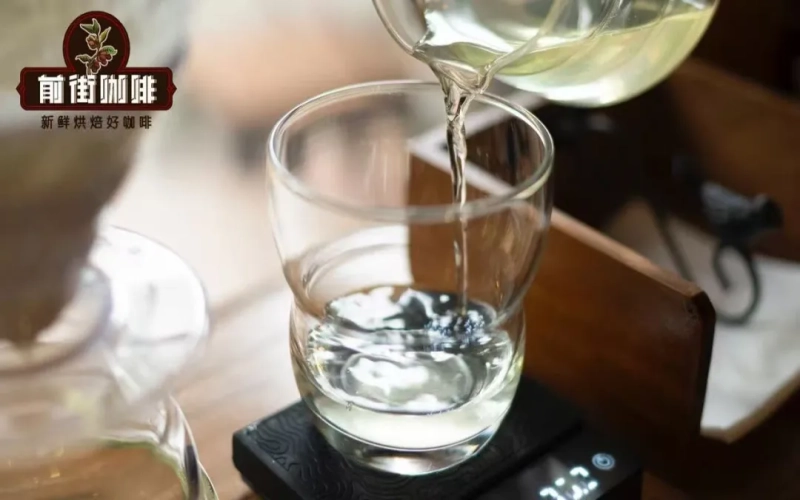
Analysis of the Oil-Washed Coffee Technique: From Principle to Practice, How Butter and Coconut Oil Reshape Coffee Flavor
The oil-washing method originated in the cocktail world and has now been introduced into the specialty coffee scene, becoming a new favorite among many coffee enthusiasts. It exploits differences in the freezing points of oils and fats to extract aromas from the oils into the coffee liquid, thereby giving the coffee a softer mouthfeel and richer layers of flavor. In this article, Front Street will walk through the origins of the oil-washing method, material selection, step-by-step procedures, and precautions one by one, and will use butter oil-washed Golden Mandheling and coconut oil-washed cold brew coffee as examples to demonstrate the specific production process in detail. Whether you want to DIY at home or want to understand the logic behind those oil-washed specialty drinks in coffee shops, this article can provide practical reference. [more…]

Luckin Coffee's Honor of Kings collaboration launches a tamarind Americano, and netizens mistaking it for pickled long beans sparks heated discussion
Luckin Coffee's collaboration with the mobile game Honor of Kings has not yet officially launched, but a new product called "Tamarind Americano" has already sparked discussions on social platforms ahead of time. Many netizens, upon first hearing the name, mistook it for pickled string beans added to coffee and blurted out "dark cuisine"; later, a Yunnan netizen clarified that tamarind is actually a common local fruit, often used to make beverages, and has long been paired with coffee. However, after the full name "Pain Mask · Tamarind Americano" was revealed, it triggered consumer worries about the taste. Whether this collaboration drink is a pleasant surprise or a flop will only be known after it hits the market. [more…]
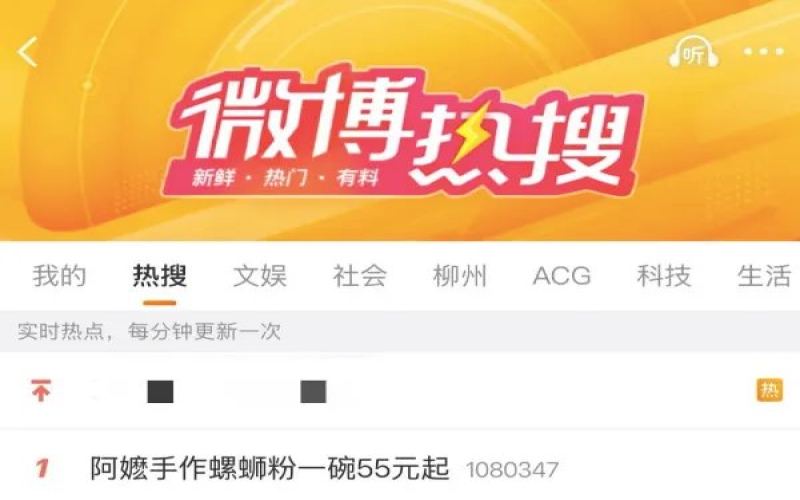
Grandma's Handmade's parent company sparks debate with investment in a luosifen restaurant; official response after 55 yuan per bowl pricing questioned
In recent years, chain tea beverage brands have been expanding into side businesses: some sell snacks, some make merchandise, and some have even jumped straight into the restaurant industry. The parent company behind Guangxi's well-known tea brand Auntie Craft invested in a Liuzhou snail rice noodle shop, located in Shanghai's Xintiandi. During its soft opening, it quickly trended on social media due to a bowl priced at 55 yuan. Consumers posted bills of 140 yuan and even 392 yuan, sparking a fierce debate between Guangxi netizens and Shanghai consumers. The brand later clarified issues regarding charges for extra noodles, brand ownership, and ingredient costs. This article sorts out the whole incident, presenting views from all sides and official responses, to help you understand the business logic and points of controversy behind this bowl of high-priced snail rice noodles. [more…]
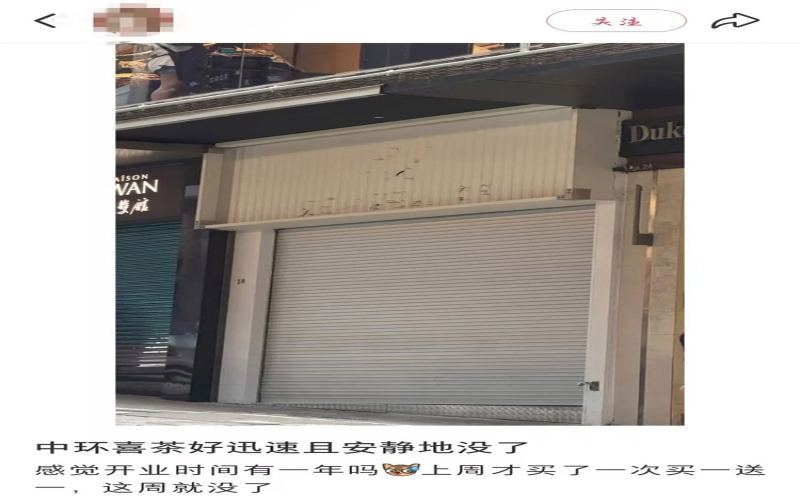
Heytea's Wellington Street store in Central shuts down abruptly, signaling a shift in the brand's store layout across Hong Kong's core commercial districts
The Heytea store on Wellington Street in Central, Hong Kong, suddenly closed without any warning, sparking widespread discussion among nearby consumers and netizens. Since opening in March 2024, the store had quickly gained popularity through promotions such as buy-one-get-one-free offers and city-exclusive fridge magnets, maintaining a steady daily flow of customers and becoming a popular check-in spot for many residents and tourists. However, overnight, the store's signage was removed, the doors were locked, and the store's information was also taken down from the official mini-program. The reason for the closure has not yet been clarified—some speculate it is related to the high rents in Central or the expiration of the lease, while others believe it is a proactive adjustment by Heytea to its market layout. The brand responded that it evaluates store operations on an irregular basis, and whether it will return to Central in the future remains worth watching. [more…]
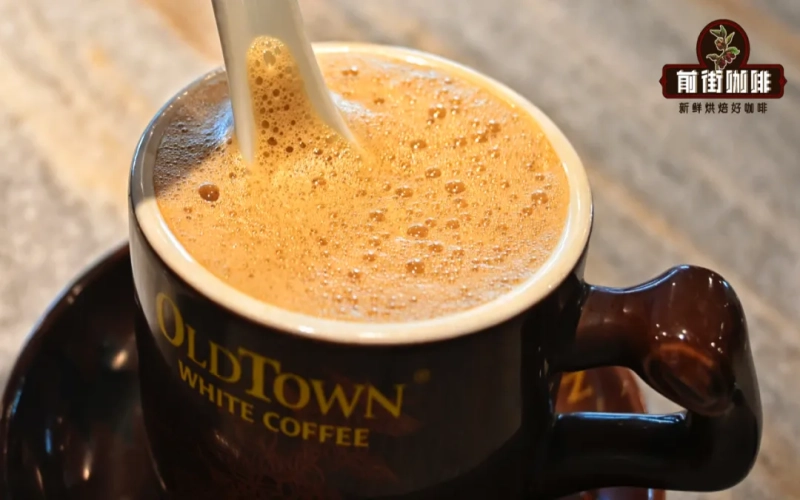
Tracing the Origins of Ipoh White Coffee: A Guide to the Meaning of Nanyang-Style White Coffee and White Coffee O
Ipoh white coffee is a coffee beverage with a distinctive Nanyang flavor from Malaysia, and its origins can be traced back to the Chinese community that migrated to Ipoh before World War II. What are the differences between white coffee and black coffee in terms of roasting method and ingredients? What do white coffee black and white coffee silk each represent? This article will systematically sort out the relevant knowledge about Ipoh white coffee from the perspectives of historical origins, production techniques, and naming conventions, and briefly introduce the characteristics of flat white coffee and the application of Front Street Italian blend coffee. [more…]
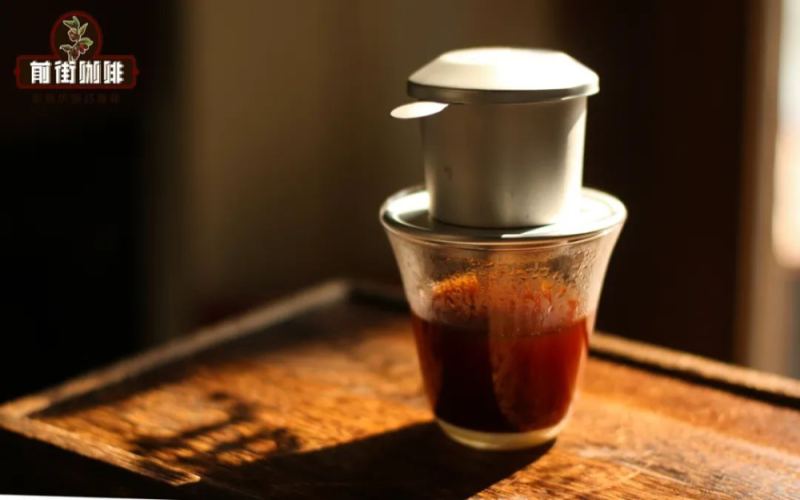
Vietnamese Drip Coffee Brewing Guide: How to Use a Phin and the Classic Pairing with Condensed Milk and Robusta
Vietnamese coffee is not simply about coffee beans grown in Vietnam; it represents a unique local beverage culture. After the French introduced coffee to Vietnam, it gradually became part of daily life. Vietnamese coffee is usually made from dark-roasted Robusta, paired with condensed milk to balance the intense bitterness, and extracted using a metal drip filter known as a "phin." Starting from Front Street's hands-on practice, this article explains in detail the structure of the phin, the key points of tamping, extraction parameters, and suggested condensed milk amounts, guiding you through the complete process of recreating an authentic cup of Vietnamese drip coffee, and sharing a layered tasting approach that goes from strong to sweet. [more…]
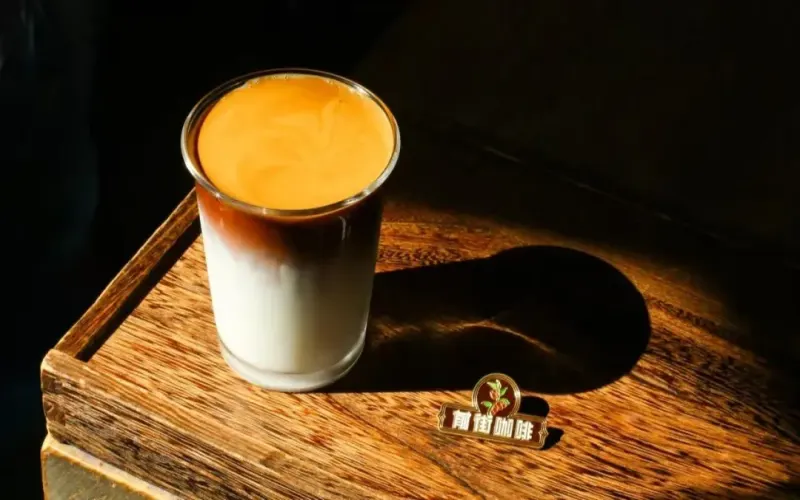
Creating a Layered Dirty Coffee: A Full Breakdown of Key Techniques from Pour Height to Milk Density
Want to make a Dirty with distinct layers, but always run into the problem of the coffee and milk blending too early, leaving the layers unclear? The key actually lies in two details: the distance the espresso falls from, and the viscosity and density of the milk itself. This article takes a practical approach and shares how to adjust the receiving height, use purified milk, chill your cups, and more, so that both the visual effect and the mouthfeel of your Dirty come closer to the ideal. It will also answer the question of whether the roast level of the coffee beans affects layering, and share Front Street Coffee's actual test conclusions to help you easily make a cup of "dirty" with true pedigree. [more…]
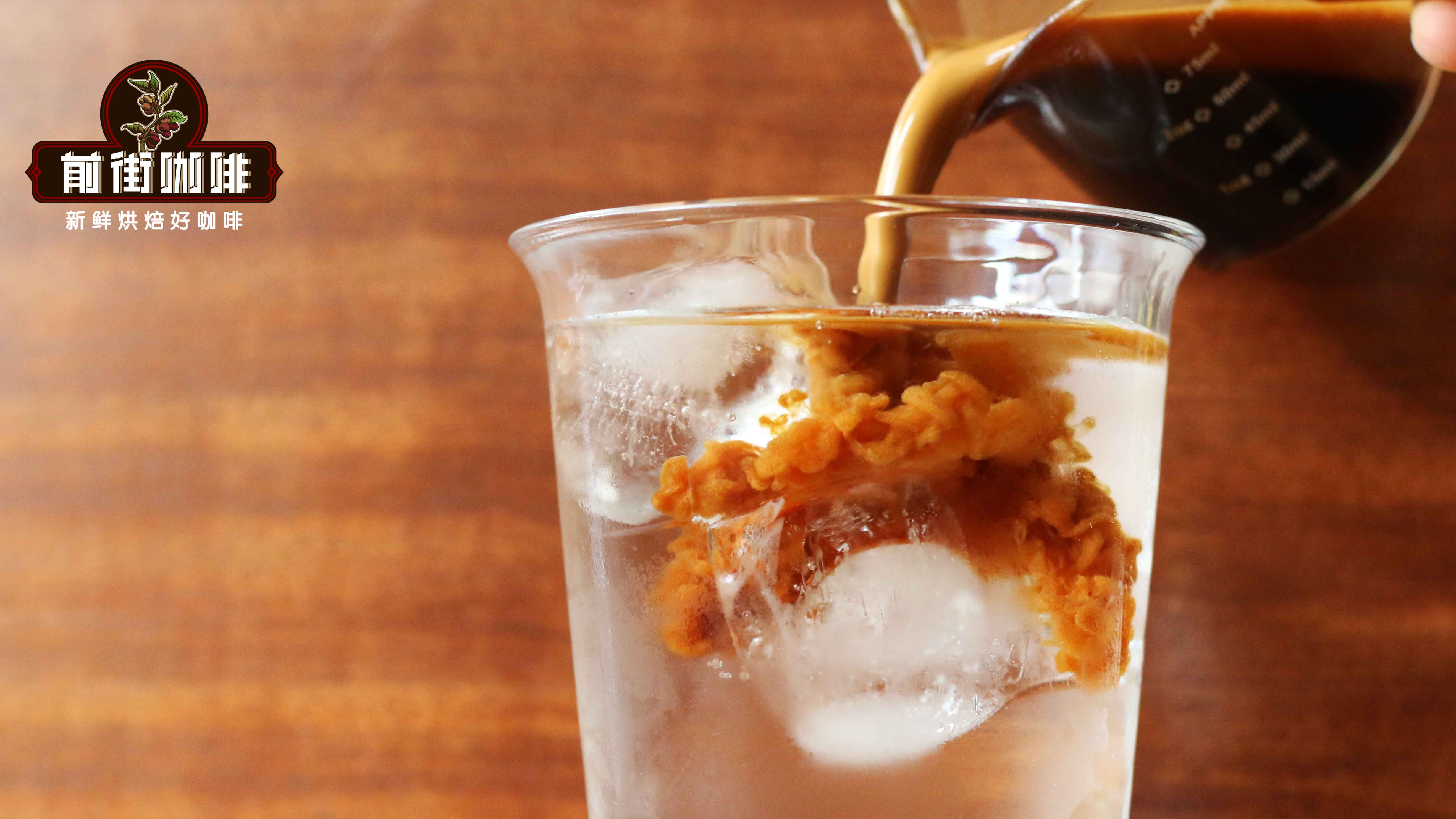
A Flavor Analysis of Ten Common Coffee Shop Drinks: From Espresso to Specialty Creations, Which One Suits Your Taste Buds
Walking into a café and facing the dazzling array of names on the menu, have you ever felt at a loss as to where to start? Espresso, SOE, Americano, Latte, Flat White, Cappuccino, pour-over, cold brew, Dirty, signature drinks—what exactly is the difference between these ten common coffee beverages? Most of them use Arabica coffee beans as their raw material, but their extraction methods, ingredient ratios, and flavor profiles each have their own distinct characteristics. Front Street Coffee will walk you through the features and taste of each type of coffee one by one, from rich and full-bodied espresso to clean and bright pour-over, and then to fruity cold brew, helping you find the cup that suits you best. [more…]
Selection Logic for Home and Commercial Espresso Beans for Americano, Latte, and Moka Pot
In both home and café settings, milk coffee consumption far exceeds that of pure pour-over, making the selection of a suitable espresso blend crucial. This article outlines the extraction principles of espresso and moka pot brewing, pointing out that medium-dark roast, low acidity, and fresh roasting are universal benchmarks. On this basis, Front Street Coffee, leveraging its five-day fresh roast advantage, has launched several targeted products: those pursuing pure Arabica can choose the "Front Street Specialty Blend"; for commercial latte art requiring rich crema, the "Front Street Commercial Blend" or the "Front Street Classic Blend" containing Mandheling is preferable; the cost-conscious are suited to the "Espresso Moka Pot Coffee Beans Recommended by Many Baristas - Front Street Black Cocoa Blend"; while those craving fruity and floral notes can try the "Front Street Strawberry Candy Espresso Blend." The article helps readers make precise purchases according to their own needs. [more…]

Making Lattes at Home: Espresso Extraction Essentials, Coffee Bean Recommendations, and a Complete Guide to Milk Ratios
Replicating the latte flavor of a coffee shop at home is actually not complicated. The key lies in choosing the right coffee beans and milk, mastering stable espresso extraction, and then finding the coffee-to-milk ratio that suits your own taste. This article starts with the definition and evolution of the latte, recommends three Front Street Coffee Italian-style blend beans suitable for home use, and breaks down the links one by one around coffee bean freshness, resting period, extraction parameters, and milk coffee ratios. It will also discuss common confusions such as the output gap between home machines and commercial machines, and whether milk foam needs to be steamed, helping coffee lovers make a cup of latte that satisfies them under everyday conditions. [more…]

16-year-old boy suspected to have died after choking on bubble tea; family clarifies cause of death, Mixue responds
In the height of summer, iced milk tea becomes the go-to beverage for many people looking to beat the heat, but the hidden safety risks cannot be ignored. Recently, a 16-year-old boy in Ziyang, Sichuan, is suspected to have tragically died after choking on bubble tea, and scattered Mixue Bingcheng milk tea appeared in on-site video, sparking widespread attention. Mixue Bingcheng promptly responded, saying there is no evidence that the incident is related to its products. Subsequently, the deceased's family came forward to clarify, stating that hospital feedback showed no foreign objects were found in the esophagus or trachea and that the actual cause of death was cardiac arrest. The incident has once again raised public awareness of the Heimlich maneuver. This article will review the course of events, the responses from all parties, and explain the correct first-aid method for choking on a foreign object, helping everyone stay safe while enjoying tasty drinks. [more…]
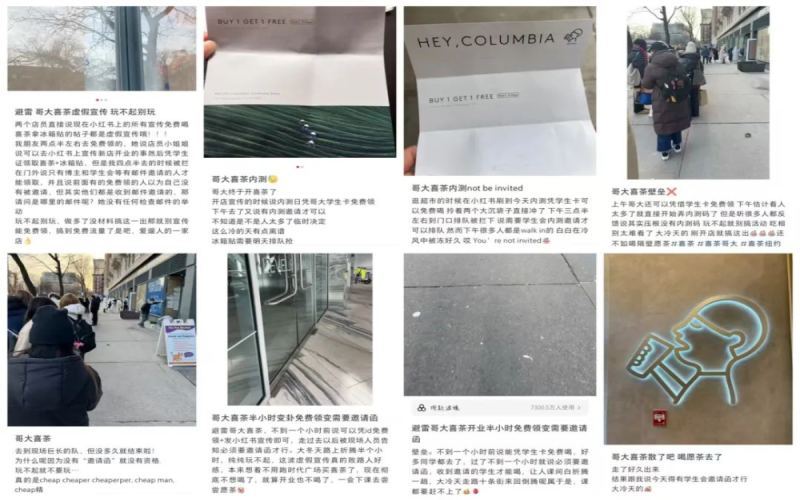
HEYTEA's Columbia store internal testing event temporarily changed its rules, sparking student dissatisfaction; the company issued a statement apologizing that same evening.
Heytea opened a new store near Columbia University in the United States. The store had originally planned to hold a soft-opening event on January 23, claiming that Columbia students could receive a free cup of milk tea and a limited-edition fridge magnet by showing their student ID. However, many students who showed up that afternoon were told by staff that they needed an invitation from the brand to enjoy the perk. They queued in sub-zero temperatures only to leave empty-handed, triggering widespread dissatisfaction and complaints. Some staff even claimed that the related promotional posts on the platform were false information, while the students who posted them countered that the rules had been changed by the store at the last minute. After the incident quickly escalated, Heytea issued an apology that same evening, admitting shortcomings in the planning and execution of the event, and reiterating that on the official opening day of January 24, Columbia students could still receive a free drink by showing their ID. [more…]
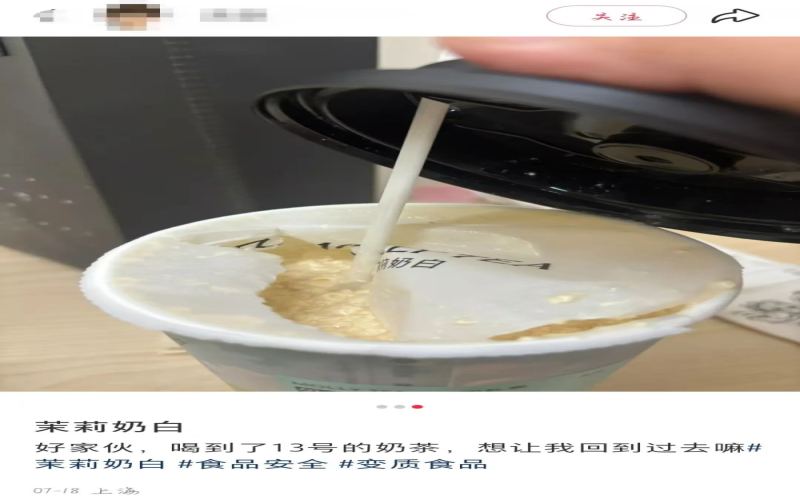
Responsibility dispute sparked by milk tea five days past its expiration date: Molly Tea clarifies that the store is not the management party, and the food delivery stage becomes the focus.
A cup of milk tea labeled as made five days ago has pushed the new-style tea brand Molly Tea White into the eye of public opinion. After placing an order on a delivery platform, a consumer unexpectedly received a cup of drink that had long gone bad. At first, the store admitted it was caused by a backlog of delivery orders and failure to clean up in time, but afterward the brand stepped in to clarify, saying the drink had actually been abandoned by a customer in a public area of the mall, and that management authority belonged to the mall rather than the store. The incident went through multiple reversals—who exactly is responsible? And how should the blind spots in the food delivery chain be filled? This article sorts through the entire course of the incident and appends Front Street Coffee's observations on food safety management in the industry. [more…]