







Search Results for: Chimbu Region
Papua New Guinea Chimbu Coffee Pour-Over Record: Two Roast Profiles and Flavor Changes
Papua New Guinea is not only unique in its geographical location, but also produces the world-famous Bird of Paradise coffee. This article documents two pour-over roasting experiments with coffee beans from the Chimbu region: the first missed the fruity notes due to over-roasting, while the second dropped the beans promptly after a dense first crack, finally revealing sweetness and a lasting aftertaste. From green bean processing to brewing parameters, the author shares key details such as water temperature, coffee-to-water ratio, and bloom time, and compares the flavor differences between the two roasts. If you are also curious about coffee beans from mysterious regions, or want to understand the rich charm of Chimbu coffee, this pour-over record will provide you with practical reference. At the end of the article, recommendation information from Front Street Coffee is also included. [more…]
An In-Depth Analysis of the Variety Characteristics of Papua New Guinea's Coffee Regions and Bird of Paradise Coffee Beans
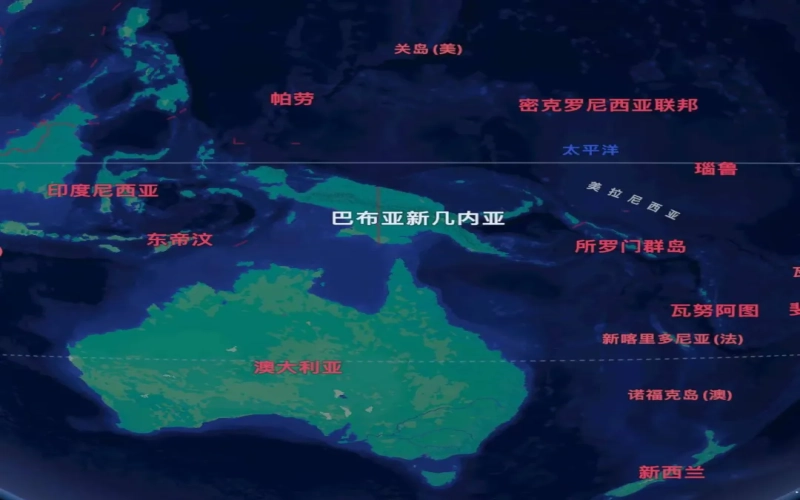
Located in the southwestern Pacific, Papua New Guinea is an island nation made up of over six hundred islands, bordering Indonesia to the west and facing Australia to the south. It boasts high-altitude mountains, volcanic soil, and abundant rainfall, providing exceptional natural conditions for coffee cultivation. Coffee across the country is mainly distributed in four major producing regions: the Western Highlands, Eastern Highlands, Chimbu, and Jiwaka, with the Typica variety standing out in particular, earning the nickname "Little Blue Mountain" for its terroir resembling Jamaica Blue Mountain. The Sigri Estate Bird of Paradise coffee beans brought to you by Front Street Coffee are a quintessential example of washed Typica from this region, offering a balanced flavor of caramel, cocoa, and almond under a medium-dark roast, with a soft citrus-like acidity emerging as the coffee cools. [more…]
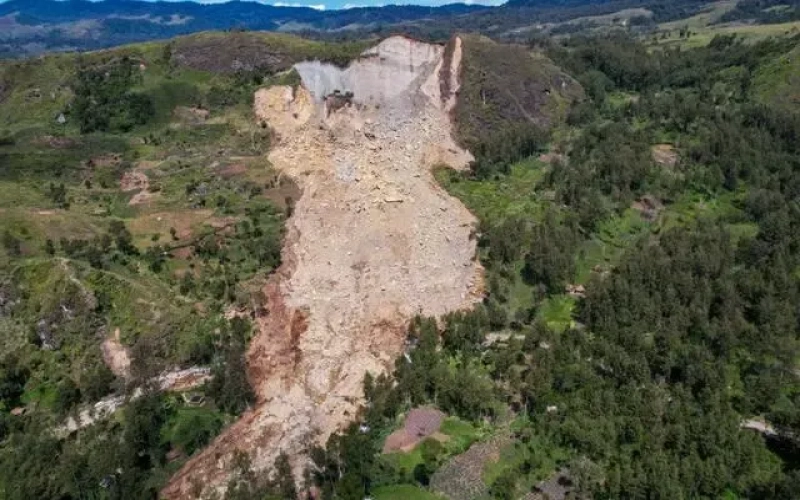
A massive landslide in Enga Province, Papua New Guinea, has buried more than two thousand people, dealing a severe blow to the coffee harvest season.
Recently, the Oceanian nation of Papua New Guinea has been hit by a series of severe natural disasters. A massive landslide occurred in the early hours of the 24th in the Mulitaka area of Enga Province in the north, burying more than 2,000 people, with the death toll now exceeding 670. Months of heavy rainfall that loosened the soil was the main cause of the disaster. The disaster area, Mount Enga, is adjacent to the Western Highlands Province, Papua New Guinea's core coffee-producing region, where coffee is mostly grown in the Waghi Valley. As the coffee harvest season is currently underway, emergency evacuations have left the coffee cherries unpicked, and production is certain to be affected. At least 15 landslides had already occurred in the country previously, and the coffee-producing region of Chimbu Province in the central region was also affected. Several countries have dispatched rescue teams to assist with search and rescue efforts. [more…]
A Complete Guide to Papua New Guinea Coffee Regions: Grading and Flavor from the Highlands to the Bird of Paradise Varieties
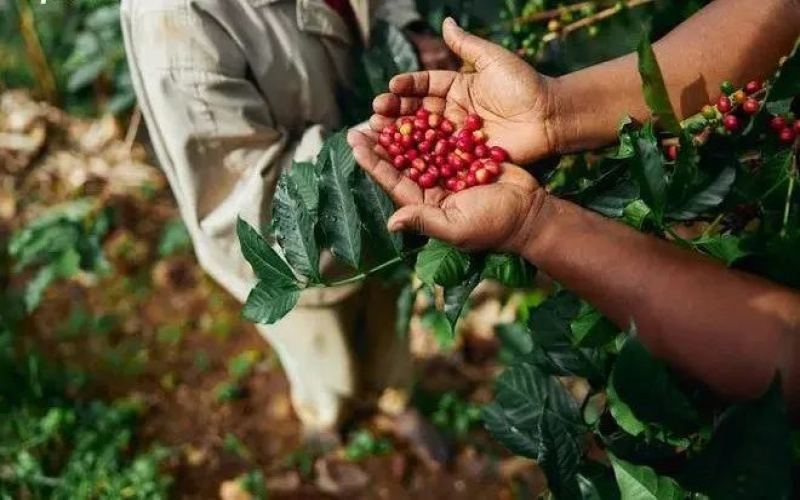
Papua New Guinea is an archipelago nation in the southwestern Pacific, with a coffee-growing history dating back to the late 19th century. Today, 95% of its production comes from smallholders, and all of it is Arabica. The country's coffee is mainly distributed across highland regions such as the Eastern Highlands, Western Highlands, Jiwaka, and Chimbu Provinces, with Bourbon, Typica, and Mundo Novo as the primary varieties. The coffee beans from Paradise Bird Estate, which Front Street Coffee has sourced, come from the Western Highlands Province, are washed-processed, and present flavors of caramel, cocoa, and almond. This article will provide a detailed introduction to the altitude, varieties, and flavor characteristics of each producing region, and break down its grading standard based on defect counts, giving you a comprehensive understanding of this coffee-producing country known as the "Little Blue Mountain." [more…]
Analysis of the Origin and Flavor of Bird of Paradise Coffee Beans from Sigri Estate, Western Highlands, Papua New Guinea
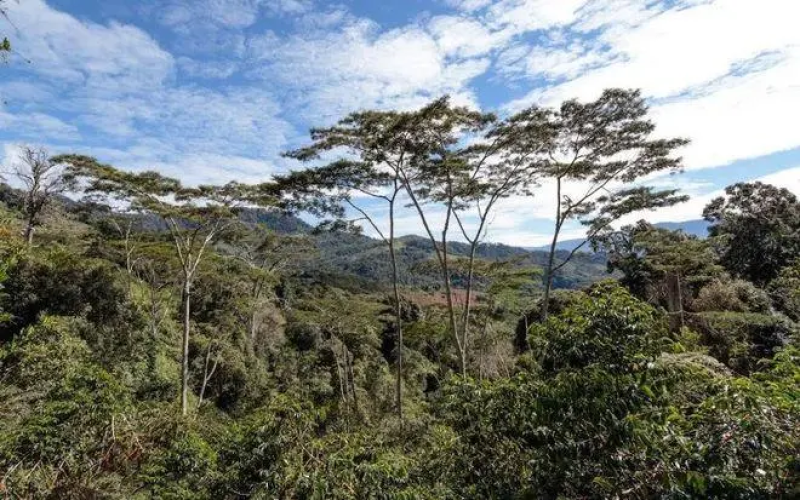
Coffee produced in Papua New Guinea has long been known as "Little Blue Mountain," and among its origins, the Sigri Estate in Western Highlands Province stands out as a benchmark for the local coffee industry. This article begins with the country's coffee-growing history, tracing the origins of its island climate, volcanic soil, and Typica variety, then focuses on the Western Highlands growing region and the cultivation and processing system of Sigri Estate, and finally introduces the flavor profile and brewing suggestions of Front Street Coffee's this Bird of Paradise coffee bean, giving you a comprehensive understanding of this island coffee that combines richness with fruity acidity. [more…]
Analysis of Papua New Guinea Coffee Region Characteristics and HOAC Cooperative Bird of Paradise Bean Flavor
Papua New Guinea is located in the Pacific Ring of Fire, with fertile volcanic soil and high-altitude growing conditions, making it an emerging Arabica coffee origin. Local coffee is mainly produced by smallholders, with a solid flavor profile, low acidity, and a clean cup that suits Asian taste preferences well. Among them, the HOAC cooperative in the Eastern Highlands Province, by joining the Fair Trade organization, uses community development funds to build roads, improve healthcare and education, and upgrade wet-processing equipment, which not only improves coffee quality but also enhances market competitiveness. This article will walk you through the overall characteristics of Papua New Guinea coffee and take a deeper look at the flavor and mouthfeel of HOAC cooperative's Bird of Paradise coffee beans, along with recommendation information from Front Street Coffee. [more…]
Terroir Characteristics of Papua New Guinea Coffee Regions and an Analysis of Sigri Bird of Paradise Estate
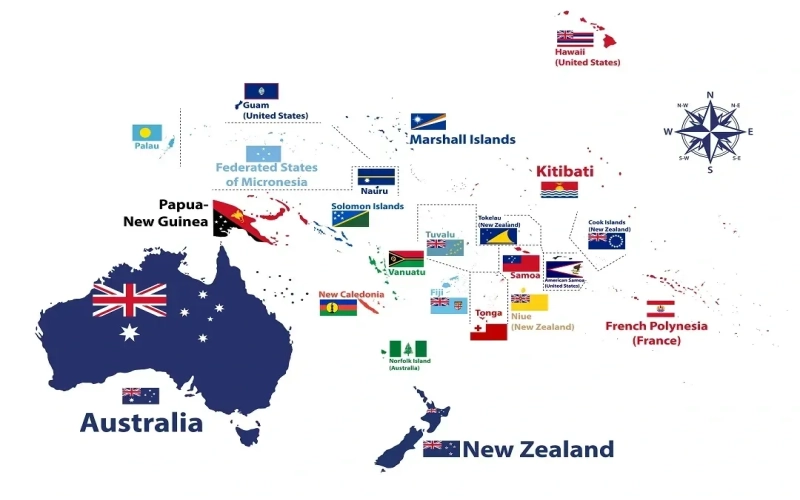
Papua New Guinea is located in Oceania, where widespread volcanic terrain, a high-altitude mountain climate, and fertile volcanic soil provide ideal conditions for coffee cultivation. Since coffee was introduced to the country in the late 19th century, it once imported Typica from Jamaica and, because of the similar environment, came to be known as "Little Blue Mountain." Today, coffee is mainly produced in the four major highland provinces of the central region, and the Sigri Bird of Paradise Estate in Western Highlands Province is a representative estate. Front Street Coffee also selects washed Typica beans from this producing region, whose flavor presents caramel, cocoa, and almond, with a rich and balanced mouthfeel, distinguishing it from the spicy and herbal tonalities of Indonesian coffee. [more…]
An Analysis of the Development History and Major Producing Regions of Papua New Guinea Coffee: A Full Overview of the Sigri Estate Bird of Paradise Coffee Beans
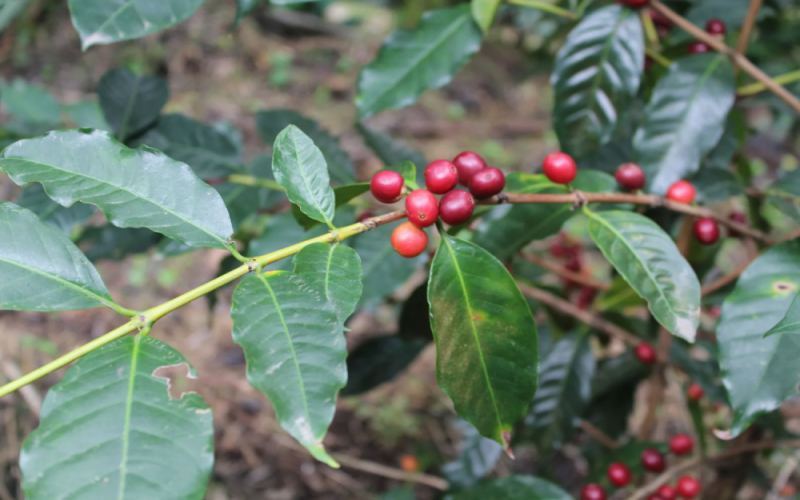
Papua New Guinea is located in the South Pacific and enjoys a typical island climate and volcanic plateau. Its mountains, at elevations between 1,200 and 2,500 meters, offer natural advantages for growing coffee. Since coffee was introduced at the end of the 19th century, the country has gone through stages including estate establishment, variety introduction, and cooperative transformation. Today, more than 90% of producers are smallholder farmers, and Arabica is overwhelmingly dominant. Five highland provinces make up the main producing regions, among which Sigri Estate in the Western Highlands Province is especially well known. Front Street Coffee has also introduced this estate’s Bird of Paradise coffee beans, which are washed and present a balanced flavor of caramel, cocoa, and almond. [more…]
Papua New Guinea Kimel Estate: Terroir and Heritage of Oceania's "Little Blue Mountain" Coffee Region
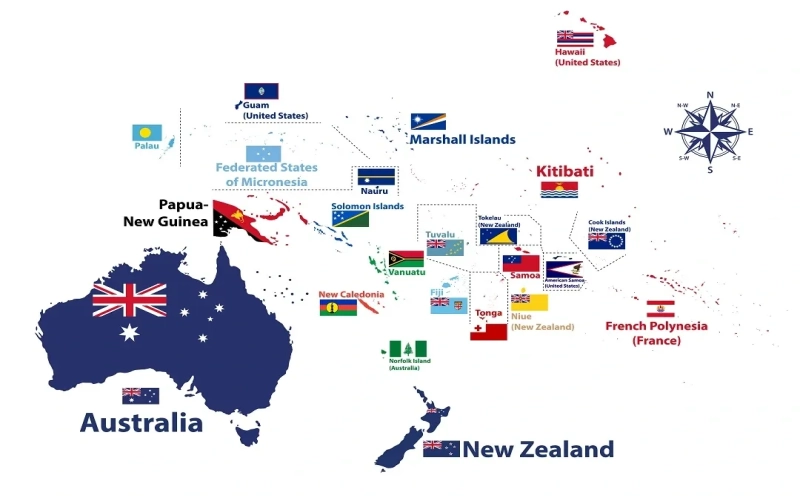
Although Oceania is the smallest continent by land area, its unique volcanic island terrain and diverse climate have given rise to Papua New Guinea coffee, known as the "Little Blue Mountain." From trial plantings in the late 19th century, to the introduction of Typica from Jamaica's Blue Mountain in 1931, and then to the unexpected development opportunity brought by Brazil's frost in 1975, Papua New Guinea coffee gradually moved toward scale and specialty production. This article focuses on the five highland provinces in the central region, with particular attention to the Kimel Estate in the Eastern Highlands Province—a private cooperative owned by smallholder farmers of the Opais people, equipped with a washed-processing facility and stable quality control, combining terroir advantages with cultural character. At the same time, the article also mentions the Sigri Estate Bird of Paradise coffee beans recommended by Front Street Coffee, offering a flavor reference for coffee enthusiasts. [more…]
A Complete Analysis of the Bird of Paradise Coffee Beans from Sigri Estate in the Western Highlands of Papua New Guinea
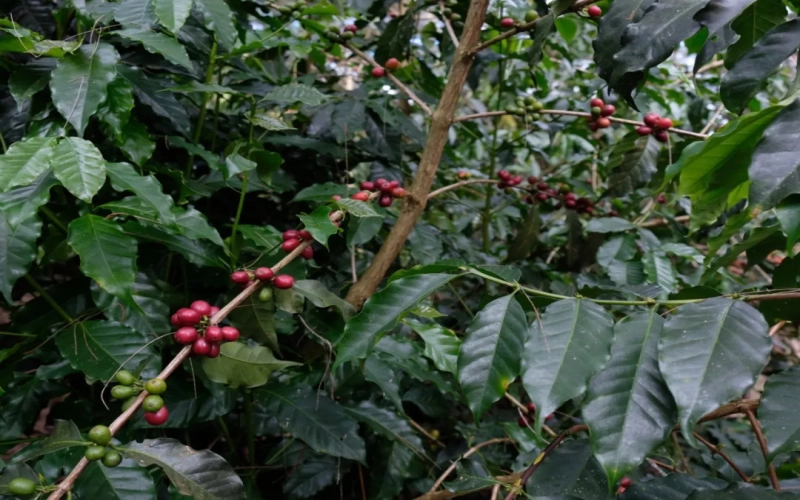
Papua New Guinea is known as "Little Blue Mountain" because it introduced Jamaican Blue Mountain Typica, and its Western Highlands production area is the core of the country's coffee industry. Since its establishment in 1950, Sigri Estate has relied on the volcanic soil and cool climate above 1,500 meters in the Waghi Valley, insisting on pesticide-free cultivation and hand-picking, and since 1957 it has introduced the Blue Mountain Typica variety, using the national bird, the bird of paradise, as its burlap sack mark. This washed Typica launched by Front Street Coffee presents caramel, cocoa, almond notes and citrus acidity after medium-dark roasting, with a mellow and balanced taste. This article will systematically introduce the country's coffee-growing conditions, the terroir advantages of the Western Highlands, and the history and pursuit of quality of Sigri Estate. [more…]
An Analysis of Papua New Guinea Coffee Acidity and a Full Overview of the Tailora Tribe Cherry Project's Flavor Quality
In the Asian market, most consumers prefer coffee flavors that are not acidic but full-bodied, and Papua New Guinea is a potential producing region that combines the solid mouthfeel of Mandheling with low acidity and clean flavors. This country, located in the volcanic belt of the southwestern Pacific, accounts for only 0.7% of global production, yet supports the livelihoods of more than 2 million smallholder families. Its coffee is mainly 95% Arabica, processed by a method of initial washing followed by sun-drying, and the main varieties include Bourbon, Arusha, and Mundo Novo. The Kolbrun family of Baroida Estate has been cultivating this land since the 1960s, and the third-generation operator even launched the Tairora Clan Cherry Project in 2005, dedicated to improving transaction transparency and improving the purchasing process for smallholders. This article will provide an in-depth analysis of the acidity performance of Papua New Guinea coffee, the characteristics of the producing region, and the variety composition and quality pursuit of the Tairora Clan Cherry Project. [more…]

Papua New Guinea Coffee: Why Is It Called the "Little Blue Mountain"? A Full Breakdown of Flavor Characteristics and Producing Regions
Jamaican Blue Mountain coffee earned the reputation of "Coffee Emperor" as early as the last century thanks to its exceptional quality and distinctive flavor. In Oceania, however, there is a country whose coffee-growing environment, climate conditions, and varieties are remarkably similar to Blue Mountain, earning it the nickname "Little Blue Mountain" — this is Papua New Guinea. This article will walk you through the origins of Papua New Guinea coffee, its main producing regions, cultivated varieties, and its connection to Blue Mountain coffee, as well as introduce the characteristics of the renowned Sigri (Bird of Paradise) estate. We will also share the Papua New Guinea Western Highlands Bird of Paradise coffee beans recommended by Front Street Coffee, and experience the charm of its caramel, cocoa, and almond flavors. [more…]

Flavor Analysis and Brewing Characteristics of Papua New Guinea Kimel Estate Little Blue Mountain Coffee Beans
Papua New Guinea coffee has long been overshadowed by Indonesian coffee, but its bright floral and fruity notes, balanced acidity and sweetness, and ideal growing conditions are attracting more and more attention from coffee lovers. Front Street Coffee has set its sights on this Oceanian country to explore its unique coffee culture in depth. This article will guide you through the distribution of coffee-producing regions in Papua New Guinea and the green bean grading standards, with a focus on the Kimel Estate—an estate jointly owned by smallholder farmers of the Opais tribe—and how, with its volcanic rock soil and diverse varietal cultivation, it produces the Typica coffee known as "Little Blue Mountain." From the estate's history to its cupping flavors, from the growing environment to the processing methods, we offer a comprehensive analysis of this coffee's unique charm. [more…]
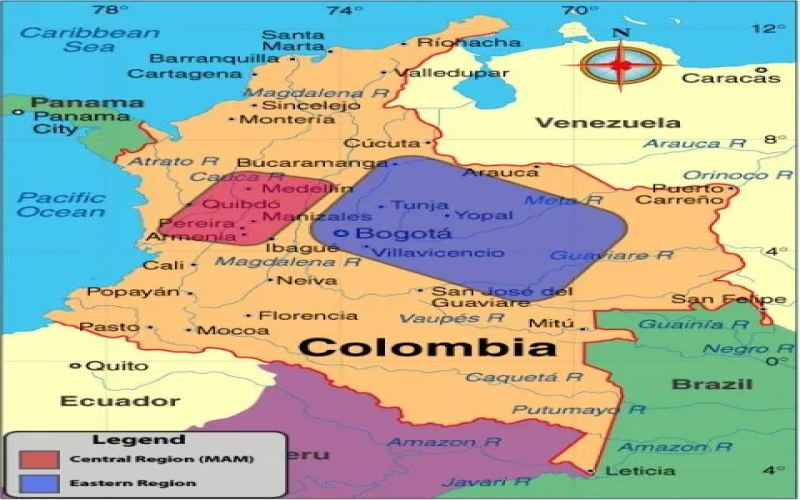
Central American Coffee Beans | Which regions in Colombia produce specialty coffee? What does the MAM designation mean? What are the flavor characteristics of washed beans from the Huila region?
Colombia is the world's second-largest producer of Arabica coffee beans after Brazil. Everyone is well acquainted with the chocolate-like flavor characteristic of Colombian coffee beans. Everyone also knows that coffee originated in Ethiopia—so if no one had brought coffee seeds or coffee saplings to Colombia, how could this [more…]
Flavor Analysis of Coffee Beans from Ethiopia's Uraga Region: What Makes the TOH Washed Category Champion Batch So Unique?
Front Street Coffee recently launched a highly anticipated coffee bean—the 2020 TOH Washed Group Champion, produced in Ethiopia's Uraga region. This bean impresses with its fresh flavors of citrus and green tea. Geographically, the Uraga region is close to Yirgacheffe and was often sold under the name Yirgacheffe in the past, until the ECX issued Announcement No. 1051 in 2017, after which it was able to be traded independently and gradually emerged. This article will introduce the region's background, the meaning of the TOH competition, the processing details of the champion lot, and the cupping flavors, as well as provide a horizontal comparison with the Yirgacheffe Gedeb Cooperative, giving you a comprehensive understanding of the unique charm of this champion coffee. [more…]
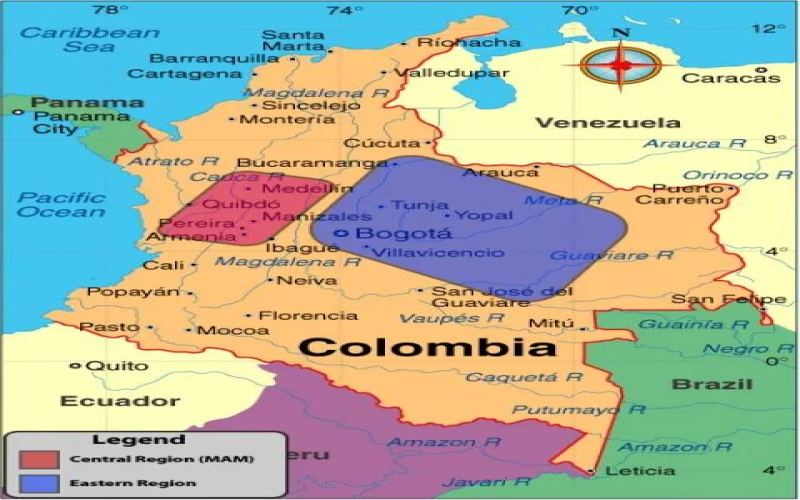
Colombia coffee | What does MAM refer to in Colombian coffee origins? What flavor and mouthfeel characteristics do Colombian specialty coffees have?
Colombia is the world's second-largest producer of Arabica coffee beans after Brazil. Everyone is familiar with the chocolatey flavor that characterizes Colombian coffee beans. We also all know that coffee originated in Ethiopia—so if no one had brought coffee seeds or coffee saplings to Colombia, how could this [more…]
Shakisso in Ethiopia's Guji region: A full analysis of coffee beans from origin conditions to flavor performance
Ethiopia's administrative hierarchy consists of four levels: Region, Zone, woreda, and kebele, and the naming of local green coffee beans often follows this system as well. The Guji-Shakisso focused on in this article is located southeast of Yirgacheffe and, in terms of administrative division, falls under Oromia Region → Guji Zone → Shakisso woreda, making it a regional-type coffee origin. Thanks to its outstanding geographical conditions and cup performance, Guji is an independent ECX production region, and Shakisso is one of its much-watched micro-regions. This article will sort out its altitude, soil, processing methods, and flavor characteristics, and review Shakisso's impressive achievements on the international specialty coffee stage. Front Street Coffee also continues to pay attention to high-quality lots from this production area, bringing coffee lovers choices worth tasting. [more…]

Why Does Kenyan AA Coffee Have a Tomato Flavor? A Comprehensive Analysis of Producing Regions, Grading, and Brewing Key Points
Kenya AA coffee is renowned for its bright fruit acidity and distinctive tomato-like flavor, making it one of the most recognizable presences in specialty coffee. This article systematically analyzes the origins of Kenyan coffee's flavor, from growing conditions and historical context to the top ten producing regions, the official grading system, and the K72 washed processing method. The baristas at Front Street Coffee combine cupping and pour-over practice with Kenyan Asaliya beans to share specific parameters and brewing techniques, helping enthusiasts understand this "most acidic coffee's" clean mouthfeel and its layers reminiscent of smoked plum and cherry tomato—ideal for readers who want to delve deeper into Kenyan coffee. [more…]
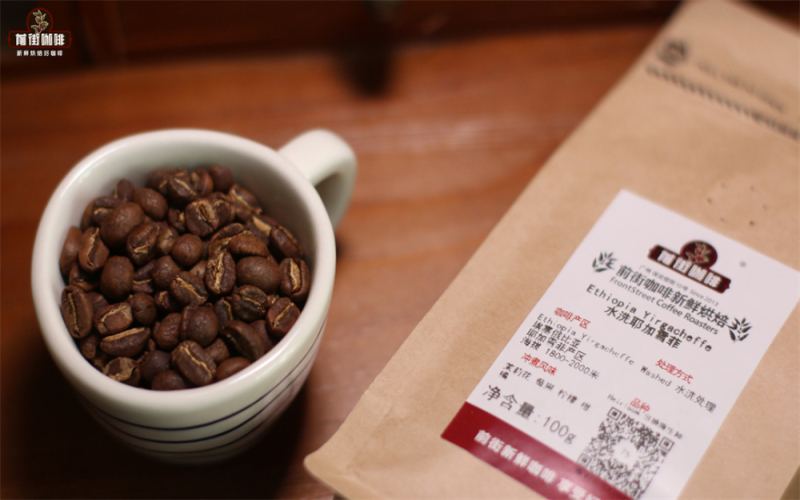
A Comprehensive Analysis of Ethiopian Sidama Washed Coffee and the Shakiso Region Classification System
Ethiopia's Sidamo region is renowned for its diverse flavors and exceptional terroir, standing alongside Yirgacheffe as a major specialty coffee stronghold. This article begins with an overview of the Sidamo region's characteristics, then examines the terroir conditions and signature coffees of sub-regions such as Guji, Hambela, and Shakiso one by one. It also explains in detail Ethiopia's G1 to G6 grading system, which is based on the proportion of defective beans, and compares how the two major processing methods—washed and natural—affect flavor profiles. At the same time, it presents Front Street Coffee's professional recommendations and tasting perspectives on this region, guiding you to a deeper understanding of the full picture of Sidamo coffee. [more…]

Kenya Thika Region Coffee: A Comprehensive Analysis of Growing Environment, History, Flavor Profile, and Grading System
Kenyan coffee is renowned for its clean and refreshing taste, substantial body, and bright fruit acidity, making it a classic region sought after by specialty coffee enthusiasts. This article starts from the Kiambu region where Thika is located, systematically outlining the growing conditions, historical context, distribution of the top ten producing regions, official grading system, and unique washed fermentation processes of Kenyan coffee. It also shares the brewing parameters for Front Street Coffee's Kenya Asalia, providing a comprehensive understanding of this East African coffee powerhouse from the colonial period to the specialty era. [more…]