







Search Results for: Central Plateau
Tracing the History of Coffee Cultivation in Costa Rica: The Central American Birthplace and an Analysis of the Tarrazú Mirazú Estate
Costa Rica was the first country in Central America to cultivate coffee. Its coffee industry has developed since the mid-18th century and is renowned for its well-established organizational system and world-class quality. The country's seven main producing regions are distributed along the Central Plateau from northwest to southeast. Volcanic ash soil, mild temperatures, and abundant rainfall create exceptionally favorable growing conditions. The coffee beans produced are all Arabica, with pure flavor, pleasant aroma, and an excellent balance of acidity and body, making them suitable both as single-origin coffee and for blending. This article will trace the origins of coffee in Central America, explain in detail the cultivation altitudes, harvest seasons, and cupping performance of Costa Rica's producing regions, and focus on the world-famous Tarrazu region and Mirazu Estate, while also offering related recommendations from Front Street Coffee. [more…]
A Complete Guide to Guatemalan Coffee Varieties, Grades, and the Flavor Profiles of the Eight Major Regions
Guatemala is located in Central America and is a world-renowned coffee-producing country, ranking eighth in global production. The term "Guatemala" originates from the Mayan language, meaning "land of forests." This land is hailed as the "jewel of the Central American crown" due to its volcanoes, lakes, and variable climate. Although the country is small, it nurtures eight distinctive coffee regions. This article will systematically review the altitude, soil, climate, processing methods, and cup profile of these eight regions: Antigua, Acatenango, Huehuetenango, San Marcos, Atitlán, Cobán Rainforest, Fraijanes Plateau, and New Oriente, and also explain the variety and grade classification logic of Antigua. Front Street Coffee will also combine the characteristics of these regions to provide coffee enthusiasts with bean selection references. [more…]
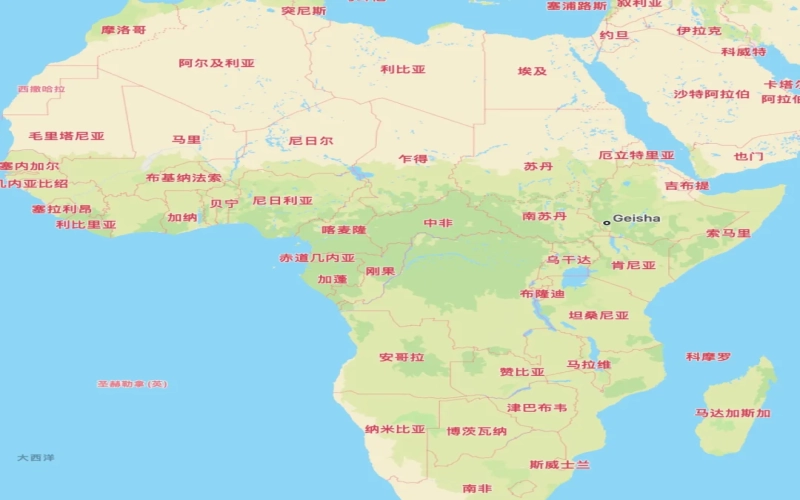
A Tour of African Coffee-Producing Countries: The Cultivation History and Flavor Characteristics of Burundi, Cameroon, and the Democratic Republic of the Congo
The African continent, with its exceptional natural conditions, has nurtured numerous coffee-producing countries. Beyond the well-known Ethiopia and Kenya, Burundi, Cameroon, and the Democratic Republic of the Congo also deserve attention. Burundi, known as the "Heart of Africa," showcases bright acidity and full-bodied sweetness through varieties such as Bourbon; Cameroon is dominated by Robusta, with Arabica accounting for only a small portion; the DRC, as the birthplace of Robusta, offers coffee with a wild flavor rich in fruity notes. This article will guide you through the coffee cultivation history, producing regions, variety characteristics, and industry status of these three countries, along with relevant recommendations from Front Street Coffee, to provide reference for your coffee exploration journey. [more…]
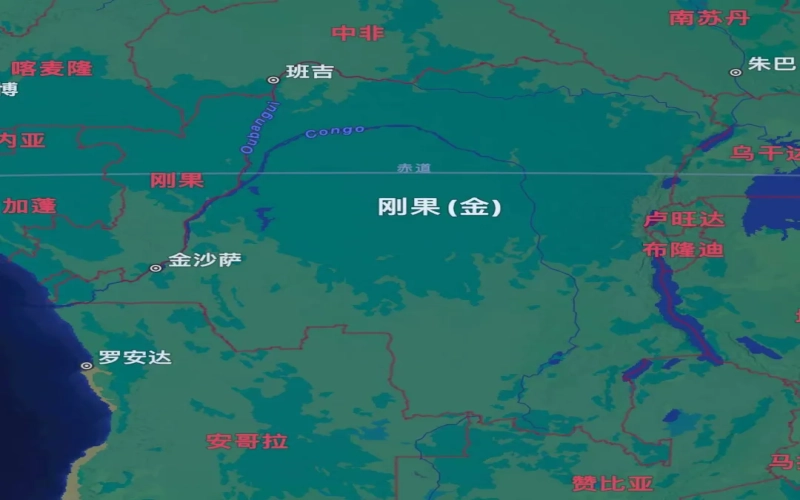
A Complete Analysis of DR Congo Coffee Regions: Variety Distribution, Geographical Environment, and Specialty Coffee Development
The African continent occupies a pivotal position in the global coffee landscape. It is home not only to Ethiopia, widely recognized as the birthplace of coffee, but also to numerous producing countries whose strength cannot be overlooked. Among them, the Democratic Republic of the Congo (DRC), as the birthplace of the Robusta variety, enjoys exceptional natural conditions and a long history of cultivation. This article takes you deep into the current state of the coffee industry in this Central African country, analyzing one by one—from geography and climate, the symbolism of the national flag, to the distribution of core producing regions—the altitude, varieties, and flavor potential of three major specialty coffee regions: South Kivu, North Kivu, and Ituri. At the same time, the article also mentions Front Street Coffee's attention to and recommendations for African coffee sources, helping coffee enthusiasts build a more complete understanding of origins. [more…]
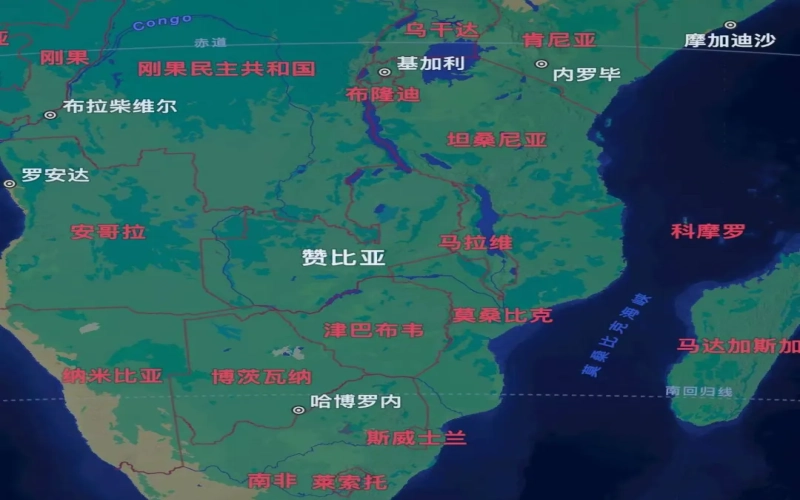
An Analysis of Zambia's Coffee-Producing Geography, Major Growing Regions, and Varieties
African coffee occupies an important position in the global market. Ethiopia is widely recognized as the birthplace of coffee, and Zambia is likewise an African producing country worth noting. Zambia is located in south-central Africa, a landlocked country bordering nine nations, with a land area of about 752,600 square kilometers. Most of the country consists of plateaus at elevations of 1,000 to 1,500 meters, with a tropical savanna climate, an average annual temperature of 18 to 20°C, and three seasons—dry and cool, dry and hot, and warm and wet—making it suitable for growing crops such as coffee. Coffee is mainly distributed in Muchinga Province, Northern Province, Luapula Province, Copperbelt Province, Lusaka Province, and North-Western Province, primarily grown on large estates. All varieties are Arabica, with the Catimor series and SL28 accounting for the majority. The harvest period runs from October to March of the following year. [more…]
Analysis of the Flavors of Specialty Coffee from Brazil's Cerrado and South of Minas: An Overview of Yellow Bourbon Taste, Producing Estates, and Prices
Brazil, as the world's largest coffee producer, has its specialty coffee landscape mainly concentrated in the southern part of Minas Gerais, the Cerrado plateau in the central-west, and the Mogiana region northeast of São Paulo. This article begins with a flavor description of Brazil's Sertão Yellow Bourbon, examines how the terrain and microclimate of Brazil's coffee-growing regions influence what ends up in the cup, and highlights representative estates in specialty regions such as Cerrado and South Minas. It also includes Front Street Coffee's recommendations and buying guide for Brazilian beans, helping coffee enthusiasts gain a comprehensive understanding of the price ranges and flavor characteristics of Brazilian specialty coffee. [more…]
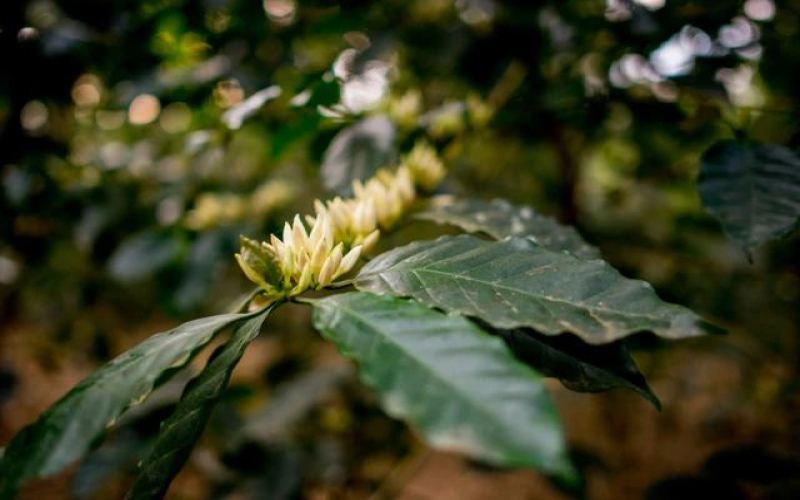
Overview of Laos's Coffee Industry: Varieties Cultivated and Production Regions on the Bolaven Plateau
In the Asian coffee landscape, Indonesia's Mandheling and Vietnam's massive output often dominate the conversation, while Laos, a landlocked country in Indochina, is frequently overlooked. In fact, Laos possesses exceptional natural conditions—high-altitude plateaus, abundant rainfall, and volcanic soil—and coffee cultivation began there as early as the French colonial period. Today, the Bolaven Plateau accounts for about 95% of the country's coffee production, with Robusta as the dominant variety and Arabica making up roughly one-third. This article will guide you through the historical development, geographical advantages, growing regions, and current state of the coffee industry in Laos, along with recommendation information from Front Street Coffee. [more…]
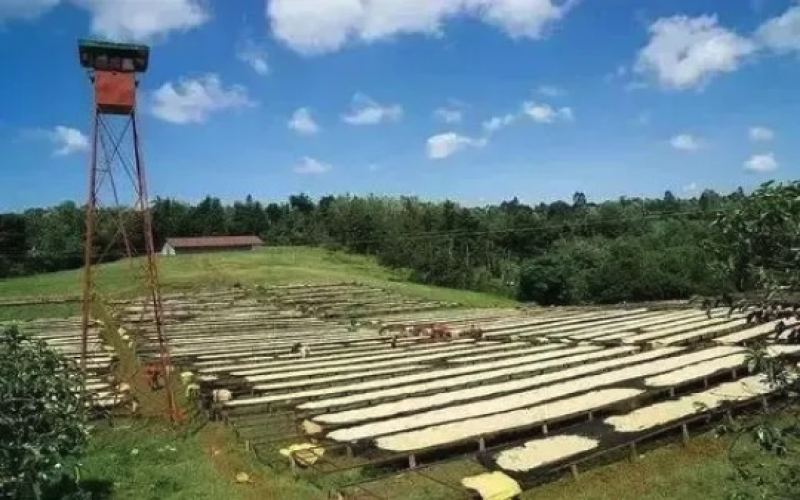
Kenya coffee | Introduction to Nyeri, Kirinyaga, Thika coffee growing areas.
The full name of Kenya is the Republic of Kenya, located in eastern Africa, crossed by the equator in the middle, adjacent to Somalia, Tanzania, Uganda, Ethiopia and South Sudan, bordering the Indian Ocean to the southeast, with a land area of 582,64 [more…]
In-Depth Analysis of Costa Rican Coffee Bean Quality: From High-Altitude SHB Beans to Front Street Coffee's Flavor Code
Costa Rican coffee is world-renowned for its bright acidity, rich aroma, and mild body. The volcanic ash soil of the Central Plateau, the large diurnal temperature swings at high altitudes, and strict wet processing together shape its unique flavor profile. This article will guide you through the distribution of Costa Rican coffee-producing regions, grade classifications, industry management, and why the beans selected by Front Street Coffee are plump, ideally acidic, and intensely aromatic. Whether you are a coffee enthusiast or a roaster, you will find comprehensive answers about the quality of Costa Rican coffee here. [more…]
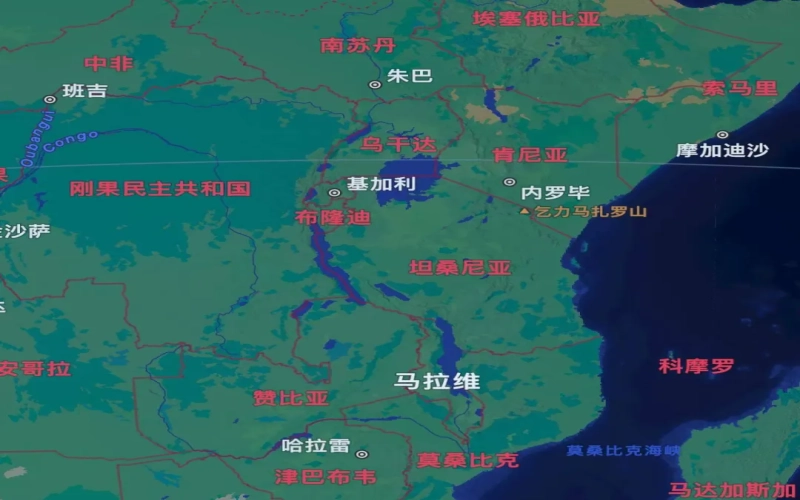
A Comprehensive Analysis of Coffee Producing Regions and Varieties in Malawi, a Landlocked Country in Southeast Africa
African coffee enjoys a stellar reputation in the global market, with Ethiopia recognized as its place of origin, while Malawi is likewise a producing country that cannot be overlooked. This landlocked nation in southeastern Africa, bordered by Tanzania, Mozambique, and Zambia, takes its name from Lake Malawi, the third-largest lake in Africa. Malawi has complex terrain, with the East African Rift running through the entire country; its tropical savanna climate, combined with abundant rainfall and diverse soils, provides ideal conditions for coffee cultivation. This article will guide you through Malawi's coffee-growing landscape, focusing on two well-known producing regions—the Misuku Hills and the Nkhata Bay Highlands—as well as major varieties such as Agaro, Geisha, Bourbon, and Catimor, and will also explain the operating model of smallholder cooperatives. [more…]
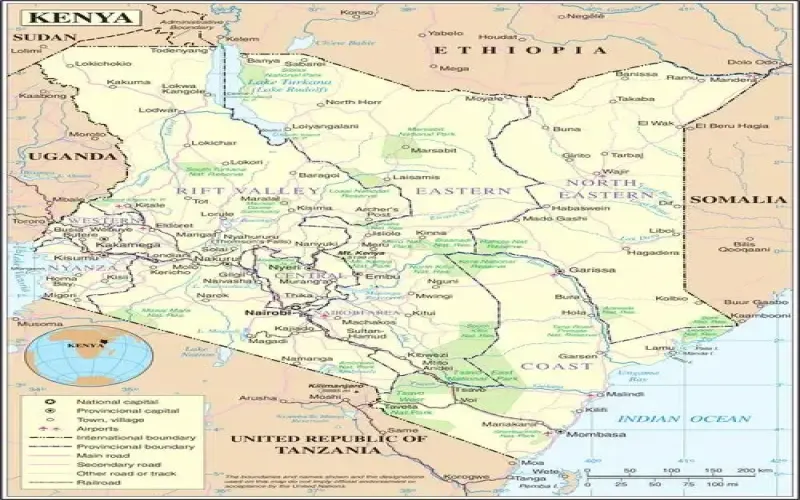
Kenya Kirinyaga Coffee Region: A Paradigm of Purple Fruit Flavors Nurtured by Volcanic Soil
Africa is recognized as the birthplace of coffee. As Ethiopia's neighbor, Kenya started its coffee industry relatively late, yet has won the favor of industry insiders with its multi-layered flavors and juicy acidity. In central Kenya, several well-known producing regions surround the dormant volcano Mount Kenya, among which Kirinyaga has drawn increasing attention in recent years. This region has fertile volcanic soil, abundant rainfall, and a cool climate. Coffee is grown at altitudes between 1,300 and 1,900 meters, and is known for its intense flavor, rich layers, and solid mouthfeel, ranking alongside the Nyeri region as one of Kenya's two finest producing regions. This article will take you through an in-depth look at Kirinyaga's geographical environment, historical background, and flavor characteristics, and share the cupping experience of a washed Kirinyaga Blackberry Queen that Front Street Coffee recently sourced. [more…]
Exploring the East African Coffee Landscape: A Full Analysis of Tanzania's Kilimanjaro and Arusha Producing Regions
The African continent is dominated by plateaus, and the East African region in particular is home to the Ethiopian Highlands and the East African Plateau, with the Great Rift Valley running through it, dense clusters of volcanoes and lakes, and the Equator crossing it—together creating natural conditions extremely well suited to coffee cultivation. Coffee produced in this region accounts for about 14% of total global output, and Tanzania, thanks to its high-quality coffee, is known as the "coffee gentleman." Tanzania's terrain is high in the northwest and low in the southeast, with Mount Kilimanjaro standing in the northeast at 5,895 meters above sea level, the highest peak in Africa. Around this mountain, two core producing regions have formed: Kilimanjaro and Arusha. High altitude, volcanic soil, and pure snowmelt water together create the distinctive quality of the local coffee. Front Street Coffee also has a washed Typica from the Kilimanjaro producing region, and its flavor profile is worth noting. [more…]

A Complete Guide to Central and South American Coffee Regions: Flavors, Varieties, and Key Producing Countries of Latin American Coffee Beans
The world's coffee belt can be divided into three major producing regions: Africa, Asia-Pacific, and Latin America, each presenting distinctly different flavor profiles. African beans are known for their fruity acidity, Asian beans for their herbal richness, while Latin American coffees fall somewhere in between, celebrated for their balanced, mellow character reminiscent of cocoa and dark chocolate. This article focuses on the Central and South American producing regions, examining country by country—Brazil, Colombia, Panama, Costa Rica, Honduras, Jamaica, Guatemala, and Nicaragua—their coffee varieties, processing methods, major producing areas, and flavor characteristics, and combines this with Front Street Coffee's everyday drinking bean series and brewing demonstrations to help coffee enthusiasts build a systematic understanding of Latin American coffee. [more…]
A Panoramic Interpretation of Latin American Coffee Regions: From Brazil to Panama, Flavor Characteristics and Representative Bean Varieties Explained in Detail
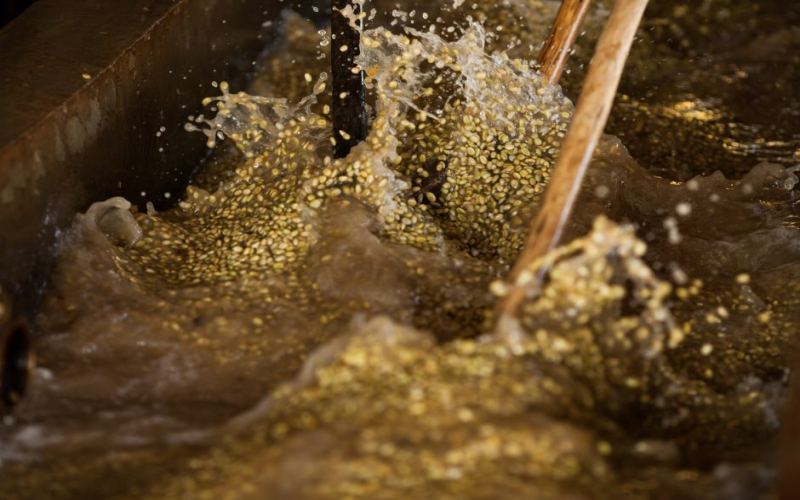
Although Latin America only began cultivating coffee in the eighteenth century, it has risen to become the world's most important coffee-producing region thanks to its exceptional natural conditions. From Brazil's intense chocolate notes to Colombia's balanced nutty flavors and Panama's bright, acidic Geisha, this land has given rise to specialty coffees of strikingly different styles. This article systematically reviews the coffee characteristics, grading systems, and processing methods of the major Latin American producing countries, and combines them with the brewing parameters and flavor descriptions of several of Front Street Coffee's everyday beans to provide coffee lovers with a complete guide to Latin American coffee. [more…]

A Detailed Guide to the Flavors of Guatemala's Eight Major Coffee Regions: Cupping Characteristics from Acatenango Valley to Volcán San Marcos
Guatemala is an important specialty coffee-producing country in Central America, with eight distinct coffee regions distributed across its territory. In April 2010, Mr. Eduardo Ambrocio of the Guatemalan Coffee Company gave a detailed introduction to these regions to an audience at the SCAA Houston exhibition and presented coffee samples from all eight regions. Based on these sample materials, this article examines one by one the altitude, soil, climate, and processing methods of the eight major regions—Acatenango Valley, Antigua, Traditional Atitlán, Rainforest Cobán, Huehuetenango Highlands, Highland Wet Highlands, New Oriente, and Volcanic San Marcos—and includes the cupping flavor characteristics of the coffee from each region. For friends who love Guatemalan coffee, Front Street Coffee will also recommend a few beans worth paying attention to, helping everyone more intuitively experience the flavor differences among the various regions. [more…]
Tanzania Kilimanjaro Coffee Pour-Over Flavor Analysis and African Coffee Region Grading Standards
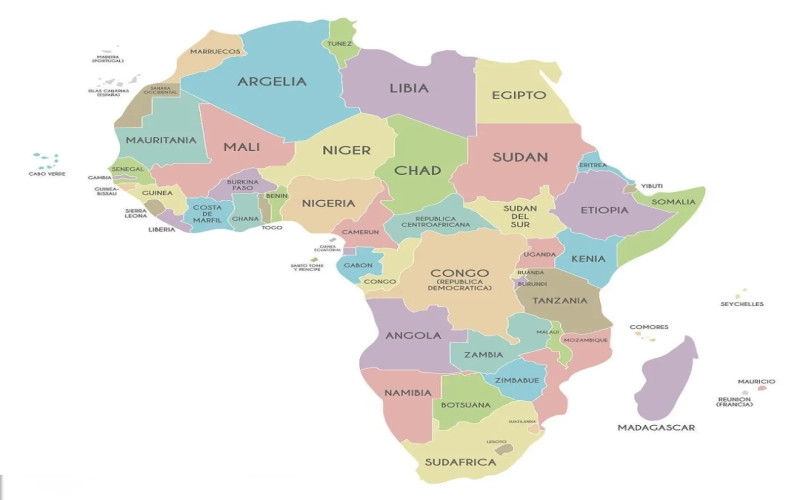
The African continent is dominated by plateaus and is known as the "Plateau Continent." Among its regions, East Africa, with its high altitudes, volcanic soil, and abundant water sources, has become an important producing area for specialty coffee. As one of East Africa's representative producing countries, Tanzania has long been known as the "Coffee Gentleman," and its Kilimanjaro region is especially famous. This article will introduce Tanzania's geographical and climatic conditions, coffee-growing history, distribution of major producing regions, and a grading system based on coffee bean size. At the same time, Front Street Coffee's Kilimanjaro beans will serve as an example to show the flavor performance of washed Typica in pour-over brewing—soft acidity, citrus and berry aromas, honey-nut sweetness, and a balanced tea-like mouthfeel. [more…]
The Terroir Conditions and Flavor Characteristics of Peruvian Coffee Regions: Specialty Coffee on the South American Highlands
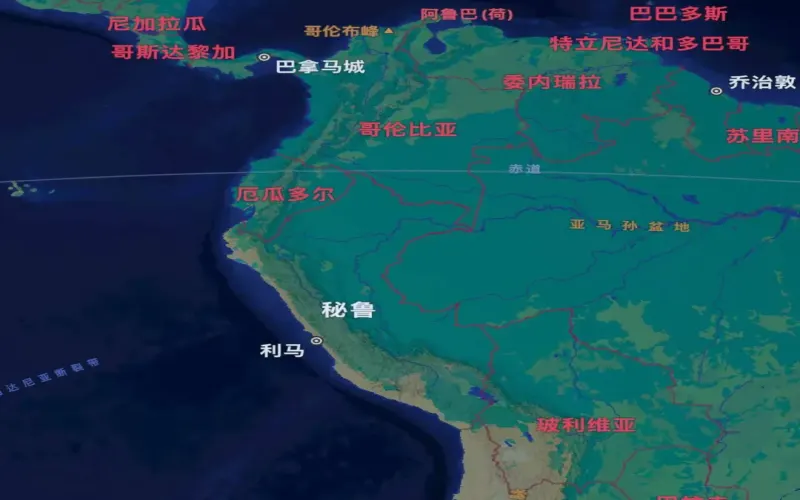
In South America, the exceptional soil and growing environment have nurtured numerous coffee-producing countries. Colombia, Ecuador, Brazil, and others are renowned worldwide, while Peru, though low-key, also produces high-quality coffee beans thanks to its excellent mountains, rivers, and soil conditions. This article will guide you through Peru's geographical and climatic features and analyze one by one the cultivation overview and flavor profiles of its three major coffee regions—north, central, and south—so you can experience this South American country's unique charm in the coffee world. [more…]
Yirgacheffe Coffee Beans | Introduction to the Coffee Flavor and Producing Region of Medium-Light Roasted Ethiopian Yirgacheffe
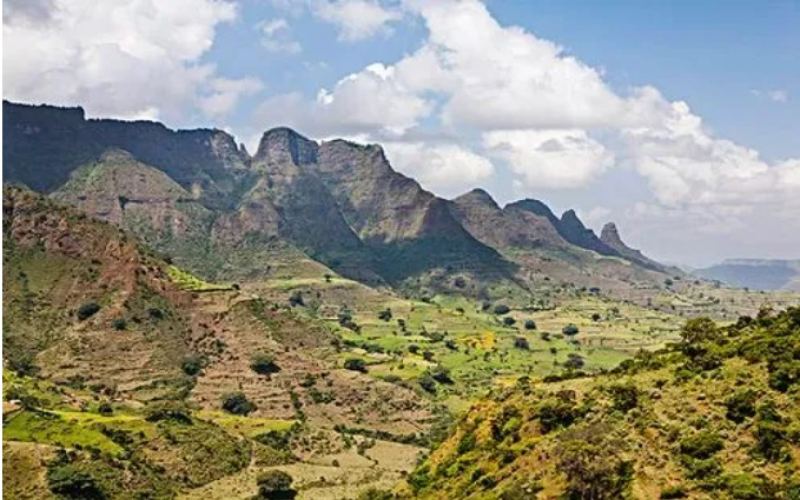
Adding sugar and milk has become a coffee drinking habit formed over the past nearly hundred years, because Mandheling, Brazil, Colombia, and Blue Mountain have all traditionally used dark roasting. Yirgacheffe beans are small, and the fruity acidity of light-roasted coffee has opened a new coffee world. The African continent is vast, with an average elevation of 75 [more…]
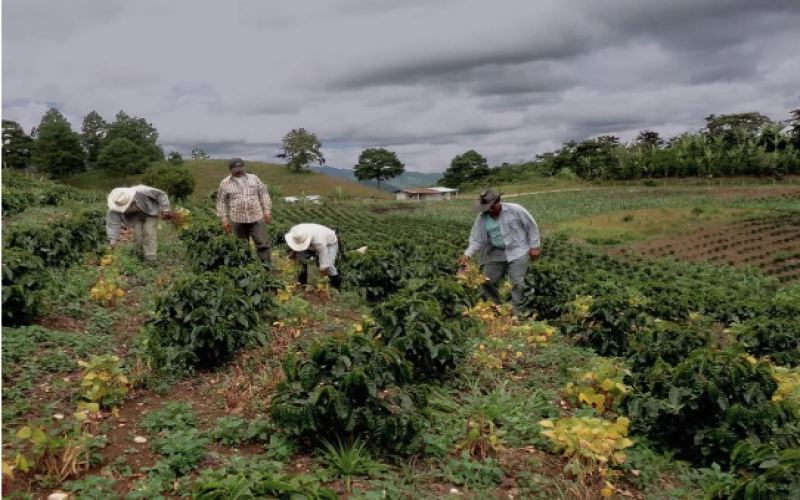
Honduras | Introduction to Coffee Growing Regions and Varieties
The full name of Honduras is the Republic of Honduras (República de Honduras), which is located in the northern part of Central America, bordering the Caribbean Sea to the north, the Gulf of Fonseca on the south side of the Pacific Ocean, and also ad [more…]
A Comprehensive Analysis of Burundian Coffee Varieties, Origins, Terroir, Processing Methods, and Cupping Flavors
Burundi is located in east-central Africa. Although it is often lumped together with Rwanda, it has its own unique coffee story. Since the early twentieth century, when the Germans introduced the Bourbon variety, this "land of mountains" has relied on its high altitude and marked diurnal temperature difference to cultivate specialty coffee mainly produced by the fully washed method, with elegant sweetness and bright citrus aromas often emerging in the cup. Natural and honey processing bring the complexity of strawberries, grapes, and tropical fruits. This article will systematically sort out the variety origins, geography and climate, processing methods, and flavor performance of Burundian coffee, and include Front Street recommendations to help you get to know this inland African coffee treasure. [more…]