







The African continent is dominated by plateaus and is known as the "Plateau Continent." Among its regions, East Africa, with its high altitudes, volcanic soil, and abundant water sources, has become an important producer of specialty coffee. As one of East Africa's representative producing countries, Tanzania has long been hailed as the "Coffee Gentleman," and its Kilimanjaro region is especially renowned. This article will guide you through Tanzania's geographical and climatic conditions, coffee-growing history, major producing regions, and its grading system based on coffee bean size. At the same time, Front Street Coffee's Kilimanjaro beans will serve as an example to showcase the flavor performance of washed Typica in pour-over brewing—soft acidity, citrus and berry aromas, honeyed nutty sweetness, and a balanced tea-like mouthfeel.
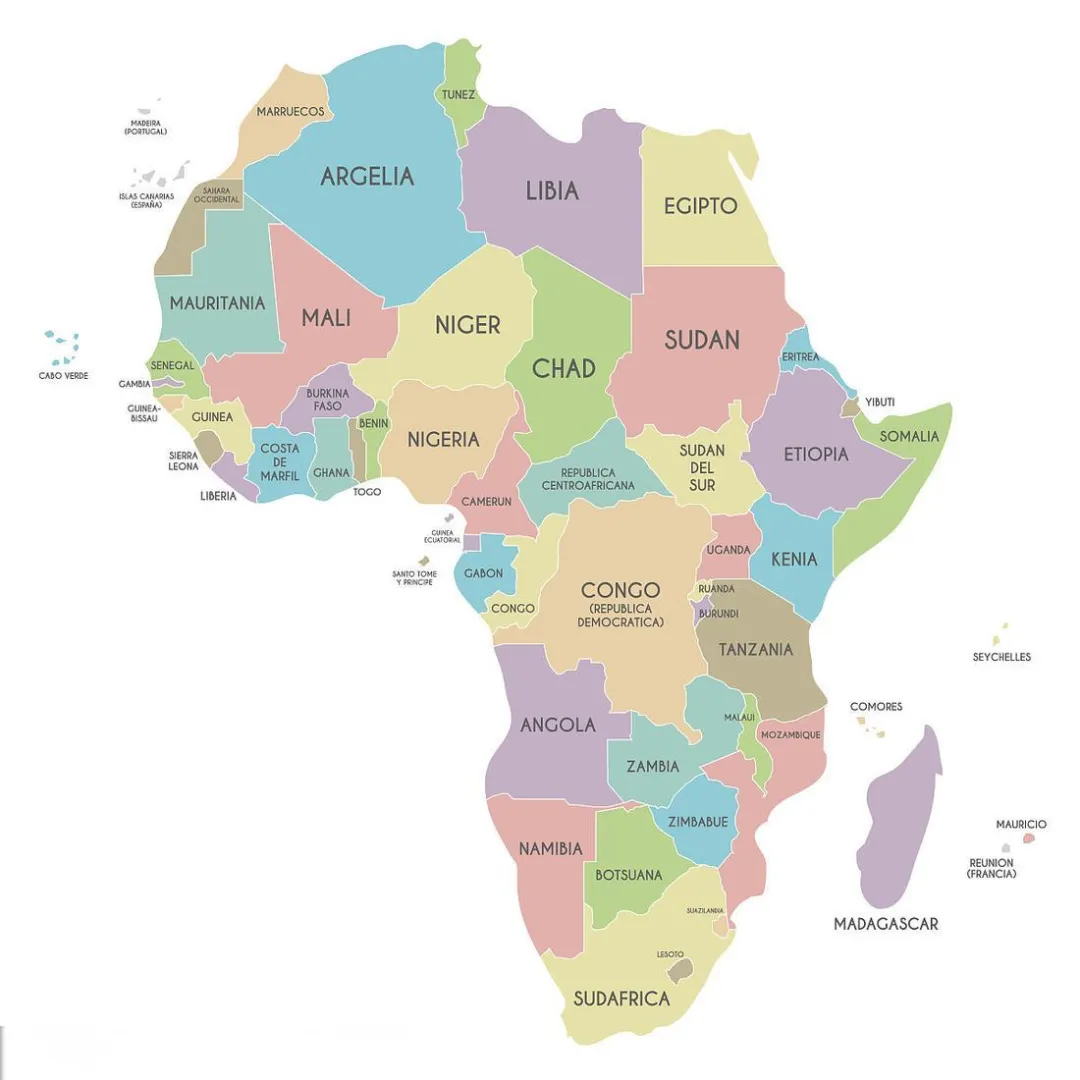
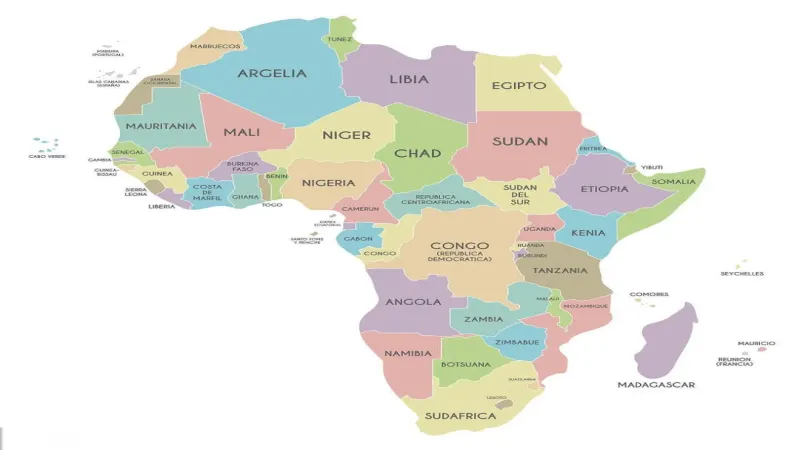
Africa ranks second among the world's continents in area, and its terrain is dominated by plateaus, which cover more than 60% of its surface, earning it the title of the "Plateau Continent." Africa as a whole is usually divided into North Africa, Central Africa, Southern Africa, and West Africa, while coffee cultivation is highly concentrated in the East African region.
East Africa's main landform is plateau, with most areas lying above 1,000 meters in elevation, making it the highest terrain in Africa. The East African Rift Valley runs through it from north to south, and along the rift are numerous volcanoes, lava plateaus, and lakes. The region's climate is mainly tropical savanna, while the high mountain areas are cool and humid, providing an ideal growing environment for crops such as coffee. This has given rise to many specialty coffee origins, including Ethiopia, Kenya, Tanzania, and Rwanda, among which Tanzania is known as the "Coffee Gentleman."
Tanzania is located in East Africa, with terrain high in the northwest and low in the southeast. The southeast is a coastal area, while the western interior is mainly plateau. The East African Rift Valley splits into eastern and western branches from Lake Malawi and runs through the country from north to south, along which Africa's highest peak, Mount Kilimanjaro, is also located.
Because it is close to the equator, Tanzania's eastern coast and low-altitude areas have a tropical savanna climate, while the western plateau has a tropical mountain climate, with an annual average temperature between 21°C and 26°C. The country's overall rainfall is relatively low, with annual precipitation in most areas under 1,000 mm, yet Tanzania is quite abundant in water resources. It not only has many rivers but also numerous lakes, and all three of Africa's largest lakes lie on Tanzania's borders. High-altitude mountains, volcanic soil, and abundant water sources together provide favorable conditions for producing high-quality coffee.
Tanzania currently has nine coffee-producing regions, among which the better known include Kilimanjaro, Arusha, Ruvuma, Mbeya, Tarime, and Kigoma. These producing regions are distributed around Tanzania.
In the 19th century, Tanzania was a German colony, and coffee was introduced for cultivation by the Germans. It was first trial-planted in the northern Bukoba area, but progress was very limited due to constant conflicts with local residents. Coffee cultivation then began to expand to other areas, though the focus remained in the north. After Tanzania gained independence, the government began promoting the coffee industry and implemented a series of reforms. However, the good times did not last long. The outbreak of leaf rust caused production to decline sharply, and the coffee industry had to shift once again to the southern and eastern regions.
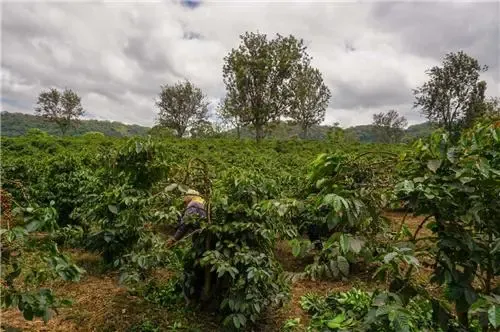
Among the many coffee-producing regions, Kilimanjaro, Arusha, and Oldeani all surround Mount Kilimanjaro. Mount Kilimanjaro is located in northeastern Tanzania and is the highest peak on the African continent. It consists of three extinct volcanoes—Kibo, Mawenzi, and Shira—and its summit is covered with snow year-round. The coffee-growing belt is distributed between 1,050 and 2,500 meters above sea level. Sufficiently high altitude, volcanic soil, and pure snowmelt water make this Tanzania's most suitable region for growing coffee.
At the southern foot of the volcano lies the Kilimanjaro coffee-producing region, which is also where the region's capital, Moshi, is located. It has Tanzania's largest coffee trading and processing center, responsible for handling and exporting coffee from the area.
Tanzania's coffee grading method is the same as Kenya's, both using coffee bean size as the standard. During screening, green coffee beans must pass through screens with fixed aperture sizes. The larger the screen number, the larger the green bean.
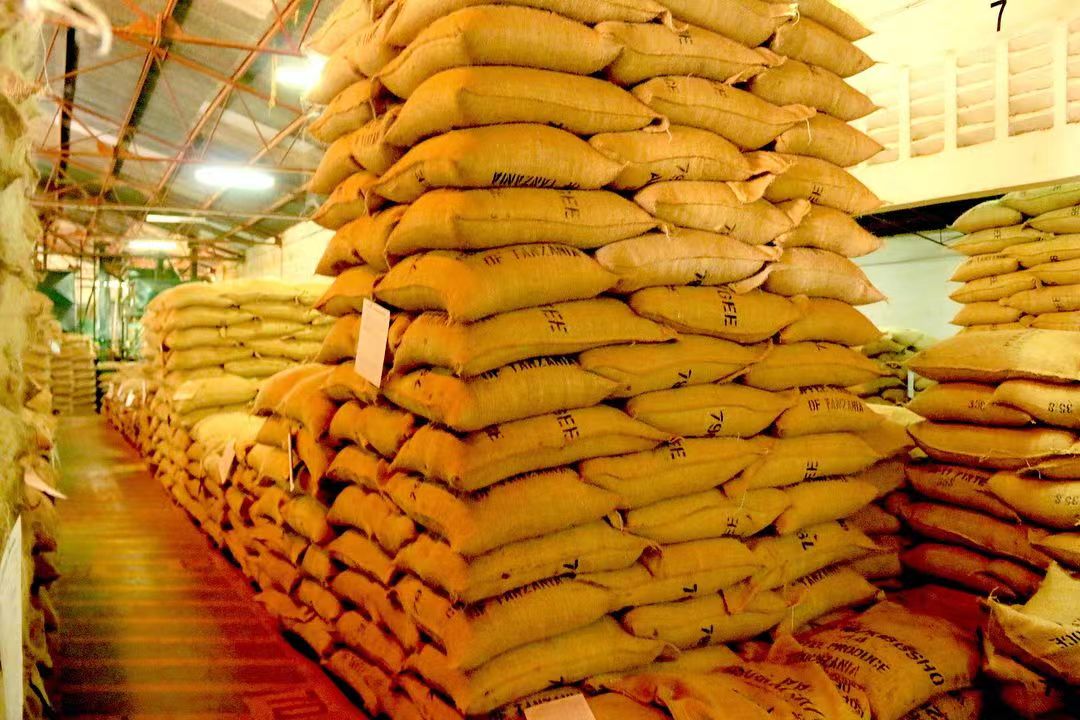
The Kilimanjaro coffee beans on Front Street's bean list come from Tanzania. The variety is the time-honored Typica, and they are processed by the washed method. Compared with traditional natural processing, washed processing involves more elaborate steps: first, a machine removes the skin and pulp of the harvested coffee cherries; then the depulped beans are placed into fermentation tanks to ferment, using fermentation to break down the mucilage layer; afterward, the beans are repeatedly rinsed with clean water to wash away the decomposed mucilage; finally, the beans are dried for 1 to 2 weeks. Once dried, the coffee beans can be stored and await shipment to various places. Washed processing gives coffee a clean, stable profile with a low defect rate and more pronounced acidity, better showcasing the coffee's own flavors.
This Kilimanjaro coffee has a gentle acidity, with flavors of citrus, berries, honey, and nuts. Its mouthfeel is soft, leaning toward tea-like, and the overall performance is balanced. FrontStreet Coffee believes that although Tanzania is located in Africa and borders countries such as Kenya and Rwanda, Tanzanian coffee's acidity is not as bright as Kenya's, but rather softer, while also possessing a heavier body and richer aroma. It is more balanced overall and showcases Tanzania's unique characteristics.
The above content is compiled by CoffeeHunters, a coffee news website.


