







Which coffee producing regions matter most in Malawi?
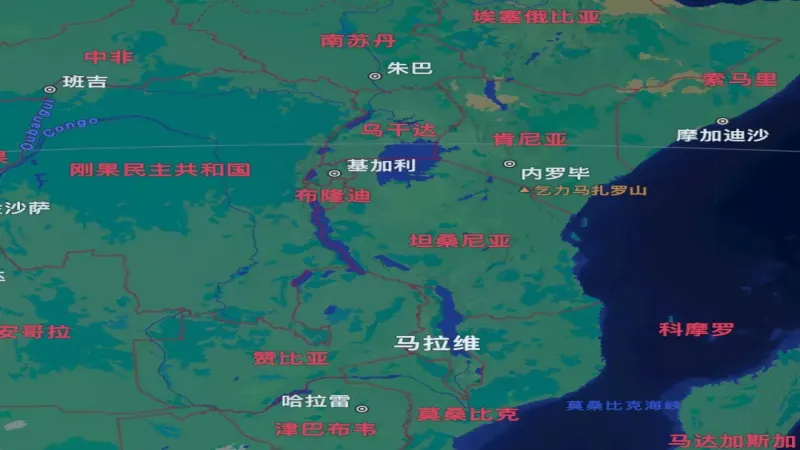
Malawi is a landlocked country in southeastern Africa bordered by Tanzania, Mozambique, and Zambia. Two coffee producing regions stand out: the Misuku Hills and the Nkhata Bay Highlands. The East African Rift Valley runs north to south through the country, and the western plateau sits between 1,500 and 2,400 meters, giving coffee a wide altitude range.
Major varieties grown in Malawi include Agaro, Geisha, Bourbon, and Catimor. Smallholder cooperatives handle much of the coffee cultivation, pooling cherry from scattered plots before processing. The tropical savanna climate, steady rainfall, and varied soils support the crop, and Lake Malawi, the third-largest lake in Africa, gives the country its name.
African coffee enjoys a prestigious reputation in the global market, with Ethiopia widely recognized as its place of origin, while Malawi is also a producing country that cannot be overlooked. This landlocked nation in southeastern Africa, bordered by Tanzania, Mozambique, and Zambia, takes its name from Lake Malawi, the third-largest lake in Africa. Malawi's terrain is complex, with the East African Rift Valley running through the entire country; its tropical savanna climate, combined with abundant rainfall and diverse soils, provides ideal conditions for coffee cultivation. This article will guide you through Malawi's coffee-growing landscape, focusing on two well-known producing regions—Misuku Hills and Nkhata Bay Highlands—as well as major varieties such as Agaro, Geisha, Bourbon, and Catimor, and will also explain the operating model of smallholder cooperatives.
African coffee occupies an important position in the global coffee market because Africa is home to multiple coffee-producing countries, among which Ethiopia is recognized as the birthplace of coffee. In addition, there are many coffee-producing countries whose strength cannot be ignored, and Malawi is one of them.
Malawi
The Republic of Malawi is located in southeastern Africa and is a landlocked country bordered by Tanzania, Mozambique, and Zambia. Its name derives from Lake Malawi within its territory, which is the third-largest lake in Africa. The country has a total land area of approximately 118,000 square kilometers.
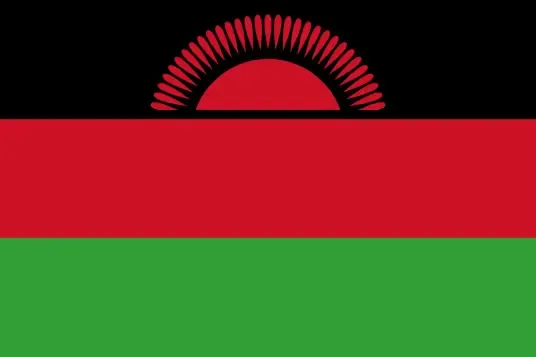
The national flag of Malawi is rectangular and consists of three horizontal stripes—black, red, and green—arranged from top to bottom. In the center of the black stripe is a rising sun emitting 31 rays. Black represents Black people, red symbolizes the blood of martyrs who sacrificed themselves in the struggle for freedom and independence, and green represents the country's beautiful land and natural scenery. The sun motif signifies the African people's longing for freedom.
Malawi's terrain is rich and varied, and the entire country can be divided into four natural geographical regions: the Great Rift Valley, the Central Plateau, the Highlands, and isolated mountain ranges. The East African Rift Valley runs through the country from north to south, and plateaus are widespread throughout. The western plateau has an average elevation of between 1,500 and 2,400 meters, while the eastern highlands average about 1,000 meters. The northern region is mainly mountainous, the central region is mostly plateau, and the southern region, apart from the Zomba Plateau, is largely lowland.
Malawi has a tropical savanna climate, with an average annual temperature of about 20°C. From May to August is the cool dry season, with July being the coldest. September to November is the hot season, with average temperatures of 20 to 24°C in the plateau areas and 27 to 30°C in the Rift Valley areas. From November to April of the following year is the rainy season, accounting for 90% of the annual rainfall. The country has numerous rivers, lakes, and volcanoes, and its soil and growing conditions are very suitable for coffee cultivation.
Coffee-producing regions
Malawi's coffee growers fall into two categories: one is the large-scale coffee estates prevalent in the south, and the other is individual coffee farmers mainly in the north. The best-known producing regions are Misuku Hills and Nkhata Bay Highlands, and the varieties currently grown include Agaro, Geisha, Bourbon, Catimor, and others.
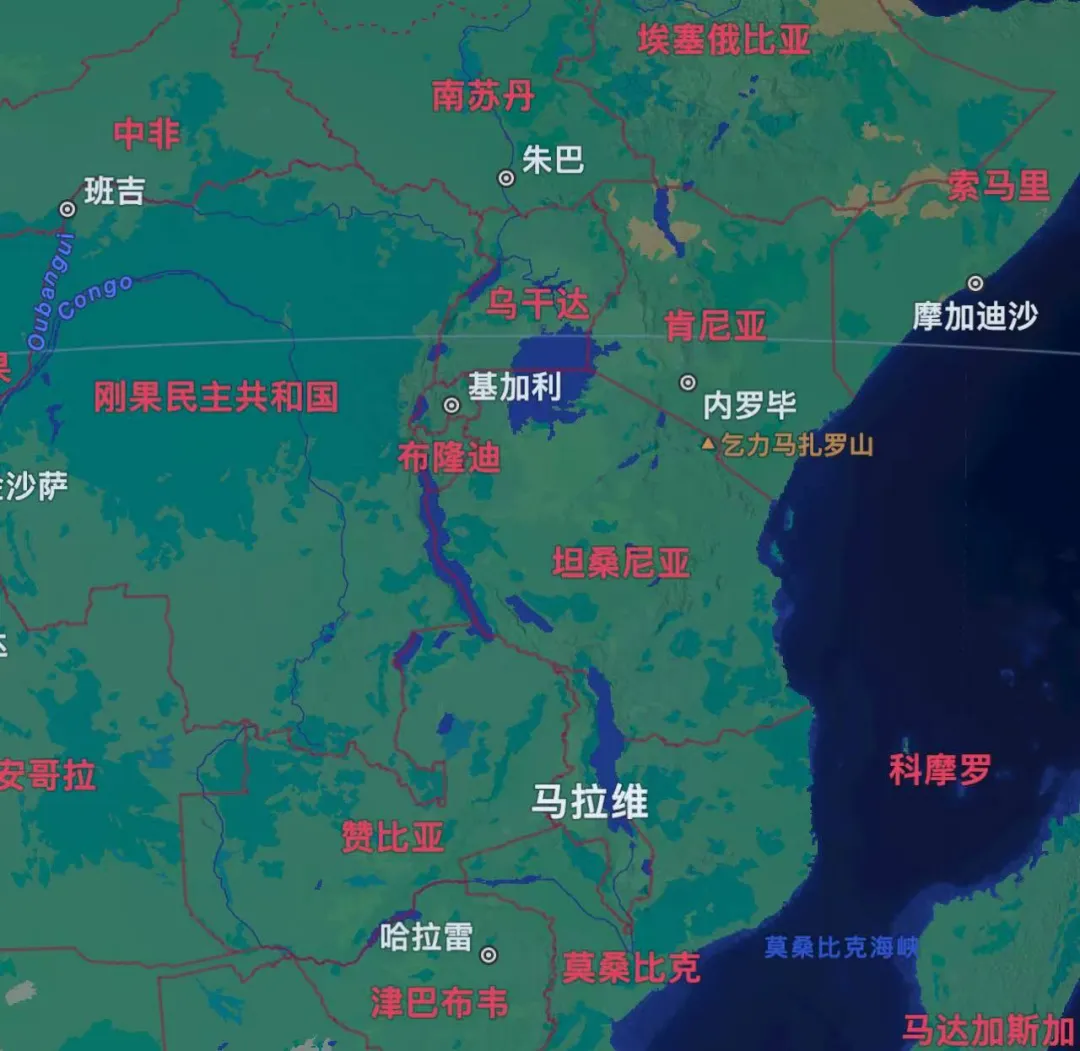
Misuku Hills: This area has an elevation of between 1,700 and 2,000 meters and is adjacent to the Songwe River, with relatively stable rainfall and temperatures. The coffee beans produced here have flavors of citrus, smoked plum, and stone fruit.
Nkhata Bay Highlands: Extending from southeast to southwest of Mzuzu, with elevations reaching up to 2,000 meters, this area has a hot and rainy climate, and some coffees have a taste similar to Ethiopian coffee. The coffee here may present flavors of floral notes, blackcurrant, and cream.
Smallholder farmers have formed 6 cooperatives across different regions of Malawi:
These cooperatives together form the Mzuzu Coffee Planters Cooperative Union, producing about 350 to 450 tons of coffee annually. Farmers can export coffee on their own or sell it through the Mzuzu cooperative union.
The above content is compiled by CoffeeHunters, a coffee news website.


