







Search Results for: Cauca Province civil unrest
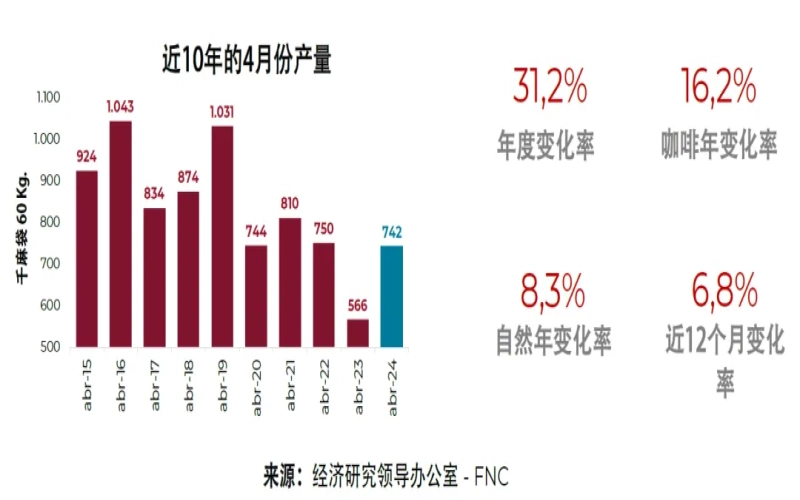
Turmoil in Colombian coffee regions escalates, yet 2024/25 output is still expected to climb to 12.4 million bags
The latest report from the National Federation of Coffee Growers of Colombia (FNC) shows that the country's coffee production reached 742,000 bags in April, an increase of more than 30% year-on-year, though down from March. Despite favorable weather that helped flowering, coffee farmers still face multiple challenges, including aging trees, frequent pest outbreaks and fluctuations in international prices. At the same time, escalating violence by anti-government armed groups in Cauca province has brought uncertainty to this important producing region. Colombia's coffee production for the 2024/25 season is expected to reach 12.4 million bags, with exports also expected to rebound. This article will analyze key points including production, exports, planting structure and policy support, and will also examine the potential impact of the security situation in producing regions on the coffee industry. [more…]
The Development History of Myanmar's Coffee Industry and a Full Analysis of Varieties in Shan State, Mandalay, and Other Producing Regions
Myanmar, a Southeast Asian country that often comes into public view because of telecom fraud in northern Myanmar and civil unrest, yet few people know about its coffee-growing potential. Today, Front Street takes you into this little-known origin. British colonists arrived in the late 19th century, and Catholic missionaries introduced coffee to northern Shan State in the 1930s. In the 1980s, the government cooperated with the United Nations to carry out a project to replace opium poppy cultivation with coffee, and only then did the industry truly begin to develop. Today, Myanmar coffee is mainly concentrated in Nawnghkio, Ywangan, Pwewe in Shan State, and Pyin Oo Lwin in Mandalay Region, dominated by smallholder farming, with 80% of Arabica used for export. Varieties include Caturra, Catimor, Bourbon, Typica, S795, and SL34. By 2024, the planted area has expanded to 279,000 acres, with plans for further expansion in the future. [more…]

Colombia's vice president's motorcade was attacked in Cauca Department, and the violent conflict may spread to the country's core coffee-producing region.
On July 10, the vehicle normally used by Colombian Vice President Francia Márquez was shot at in the southwestern region of Cauca. Fortunately, she was not in the vehicle, and no one was injured in the incident. Nevertheless, the attack once again laid bare the long-standing violent conflict and complex security situation in the departments of Cauca and Valle del Cauca. Of particular concern to the coffee industry is that these two departments are not only important coffee-producing regions in Colombia, with a combined annual output of about 140,000 tonnes, but are also home to well-known estates such as Finca El Paraiso, Finca Inmaculada and Finca La Esperanza, making them destinations for many traders and coffee hunters. If the government escalates military operations and triggers large-scale conflict, both local coffee production and export routes via the port of Buenaventura could be severely affected. Front Street Coffee will continue to monitor the subsequent impact of the incident on Colombia's coffee supply chain. [more…]

Why Is Colombian Coffee Praised as Green Gold? A Full Analysis of Huila Region Flavors and Brewing
As the world's second-largest coffee producer and the largest exporter of washed Arabica beans, Colombia is renowned for its silky, balanced coffee, praised as "green gold." From the volcanic soils of the Andes to meticulous family farming, from the evolution of varieties like Caturra and Castillo to its distinctive washed processing, the allure of Colombian coffee goes far beyond this. This article will take an in-depth look at the flavor characteristics of specialty regions such as Huila, Colombia, sort out the distribution of producing regions, variety iteration, and processing details, and include Front Street Coffee's brewing suggestions along with several Colombian bean recommendations, giving you a comprehensive understanding of the charm of this South American coffee kingdom. [more…]
An In-Depth Analysis of Colombia's Nariño Region: From the Rise of the FNC to Hacienda Santa Ana's Road to COE Runner-Up
The Andes Mountains run the length of South America, nurturing numerous coffee-producing countries, and Colombia is among the most outstanding of them. After years of war and social upheaval, Colombia's coffee industry, supported by FNC's standardized management and its unique topography and climate, gradually grew into the world's third-largest coffee-producing country. Beyond well-known regions such as Cauca and Huila, the province of Nariño is emerging with highly complex flavors and floral characteristics, and Hacienda Santa Ana even secured runner-up in Colombia's 2023 COE. This article takes you deep into the natural conditions and historical context of the Nariño growing region, as well as the Geisha cultivation stories of Hacienda Santa Ana and Finca Bohemia. Front Street Coffee continues to follow developments in Colombian specialty coffee, bringing first-hand regional news to enthusiasts. [more…]
An Analysis of Colombia's Coffee Growing Regions and Harvest Seasons: A Comprehensive Introduction to Varieties, Flavors, and Processing Methods
Colombia is the world's third-largest coffee exporter and the largest exporter of Arabica beans and washed beans, hailed as "green gold." This article systematically reviews Colombia's coffee-growing regions, harvest season patterns, main varieties and processing methods, and introduces representative regions one by one, including Santander, Antioquia, Tolima, Huila, Cauca, and Nariño. Colombian coffee is known for its silky, balanced taste, with family-run operations and volcanic soil giving it a unique quality. The article also covers the functions of the FNC and CENICAFE, green bean grading standards, and competition mechanisms such as the Cup of Excellence in Cauca, making it suitable for coffee enthusiasts to gain a comprehensive understanding of Colombian coffee's terroir and the industry as a whole. [more…]

Conflict between the Colombian government and two major rebel groups escalates, affecting key coffee-producing regions
On August 5, Colombia's Ministry of Defense announced the resumption of military operations against the anti-government armed group the National Liberation Army (ELN), and the ceasefire agreement will not be extended after it expires. At the same time, government forces are also fully committed to striking the dissident branch of the former Revolutionary Armed Forces of Colombia (FARC), the Central General Staff. The southwestern and northeastern provinces where these two major armed groups are active happen to be important coffee-producing regions in Colombia. The civil conflict may severely impact coffee cultivation, infrastructure, and exports, thereby driving up international coffee prices. [more…]
A Complete Analysis of El Salvador's Coffee Regions, Flavors, and Varieties: Aida Batlle and Her Bourbon Cultivation Legacy
Salvadoran coffee is renowned for its steady, mellow body paired with a lively, complex aroma. In the late 19th century, coffee cultivation took root in this land, and the upheavals of civil war paradoxically allowed many old varieties to survive. This article will guide you through the flavor characteristics of Salvadoran coffee, its main varieties, and the moving story of the legendary female coffee farmer Aida Batlle—returning from the United States to her homeland, winning the COE and setting a price record, and her commitment to organic farming and low-yield, high-quality Bourbon. At the same time, Front Street Coffee also recommends related products for you, so you can experience the unique charm of Central American coffee together. [more…]

Kenya's Supreme Court Rules 2023 Finance Act Constitutional, Coffee Industry Faces Dual Challenges of Taxation and EUDR
Kenya's Supreme Court overturned the Court of Appeal's ruling on August 20, finding the 2023 Finance Act constitutional—a move that had previously sparked large-scale protests in the capital Nairobi and other regions. The act doubles the fuel value-added tax, introduces a housing levy, and raises the top personal income tax rate. The opposition and civil society groups expressed deep disappointment, fearing a further rise in the cost of living. For the coffee industry, the tax increases have pushed up production and transportation costs, squeezing profit margins; more seriously, the EU Deforestation Regulation (EUDR), set to take effect in January 2025, could deal a severe blow to Kenya's coffee exports. Currently, only about 30% to 40% of coffee is certified, while smallholder farmers are generally poorly informed about compliance requirements. Front Street Coffee will continue to monitor developments in the producing regions. [more…]

A Complete Guide to Colombian Coffee Regions: Varieties, Processing Methods, and Brewing Parameters from Huila to Cauca
Colombia is the world's second-largest coffee producer and the largest exporter of washed Arabica beans. This article systematically reviews the historical development of Colombian coffee, the distribution of major producing regions and their flavor differences, covering representative origins such as Huila, Cauca, Nariño, and Santander, and provides an in-depth introduction to the characteristics of varieties such as Caturra, Pink Bourbon, and Geisha, as well as processing methods including washed and anaerobic double enzyme washed. Front Street Coffee, drawing on years of roasting experience, provides detailed roasting curves and brewing parameters for several Colombian beans, including charge temperature, heat adjustment, first crack timing, and extraction methods, helping coffee enthusiasts gain a comprehensive understanding of Colombian coffee from origin to cup. [more…]
A Complete Analysis of Myanmar's Coffee Origins: Planting History, Main Producing Regions, and Flavor Characteristics
Myanmar, a Southeast Asian country often associated with telecom fraud in the north and civil unrest, is rarely known to also be a coffee-growing region. Front Street Coffee takes you into this little-known origin. Myanmar lies in a tropical monsoon climate zone, high in the north and low in the south, with mountains, plateaus and alluvial plains interwoven, providing an ideal growing environment for coffee. Coffee was introduced during the British colonial period in the late 19th century; missionaries began planting it in Shan State in the 1930s; and it was only in the 1980s, when the government partnered with the United Nations to replace opium poppies with coffee, that the industry truly took off. Today, Shan State and Mandalay are the main producing regions, dominated by smallholder farming, with Arabica accounting for 80% and destined for export. This article details Myanmar coffee's cultivation history, growing regions, varieties and current state of the industry. [more…]

Why is Colombian coffee regarded as a top choice? A full analysis of origin terroir, varieties, processing, and brewing
As the world's third-largest coffee exporter, Colombia—blessed with exceptional volcanic soil and a family-farming tradition—produces a balanced, smooth, and highly acclaimed Arabica coffee. From Huila in the south to Santander in the north, and from varieties such as Caturra, Castillo, and Geisha, different regions and processing methods interweave rich layers of berry, nut, caramel, and floral notes. Front Street Coffee will guide you through an in-depth look at Colombia's coffee-growing regions, harvest seasons, variety evolution, and brewing suggestions, and recommend a selection of representative beans to help you fully grasp the unique charm of this South American coffee kingdom. [more…]
A Panoramic Guide to Colombia's Coffee Regions: Flavor Codes and Variety Characteristics from Huila to Nariño
As the world's second-largest Arabica coffee producer, Colombia—with the volcanic soils and diverse microclimates of the Andes Mountains—nurtures a balanced, mellow coffee flavor. This article systematically reviews the history of Colombian coffee cultivation, its geographical advantages, and its main producing regions—Cauca, Tolima, Huila, Nariño, Caldas, and Santander—analyzing the characteristics and flavor differences of each region, and also provides a detailed introduction to the Huila washed beans selected by Front Street Coffee along with brewing recommendations, offering coffee lovers a complete guide to Colombian coffee. [more…]
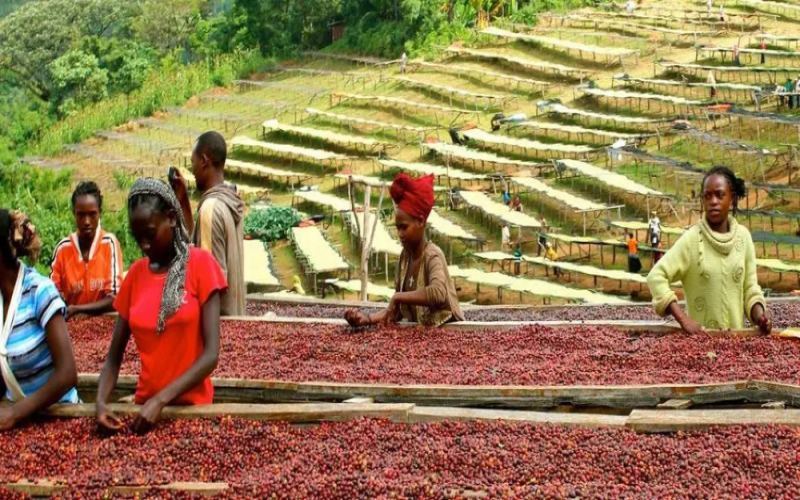
Ethiopian Coffee Exports Face Shipping Delays, Government Plans to Open Rail Freight to Private Capital
Ethiopia's domestic security situation remains tense, with truck drivers frequently attacked, severely disrupting overland transport of major exports such as coffee. As coffee exports account for 30% to 35% of the country's export earnings, transport problems could exacerbate inflation and economic recession. The government is considering shifting to rail transport and plans to allow the private sector to participate in rail freight to reduce logistics costs. However, the existing railway faces challenges including speeds of only 30 kilometers per hour and capacity that is far from fully utilized. This article will outline the background of the situation, its impact, and possible future solutions, along with related product recommendations from Front Street Coffee. [more…]
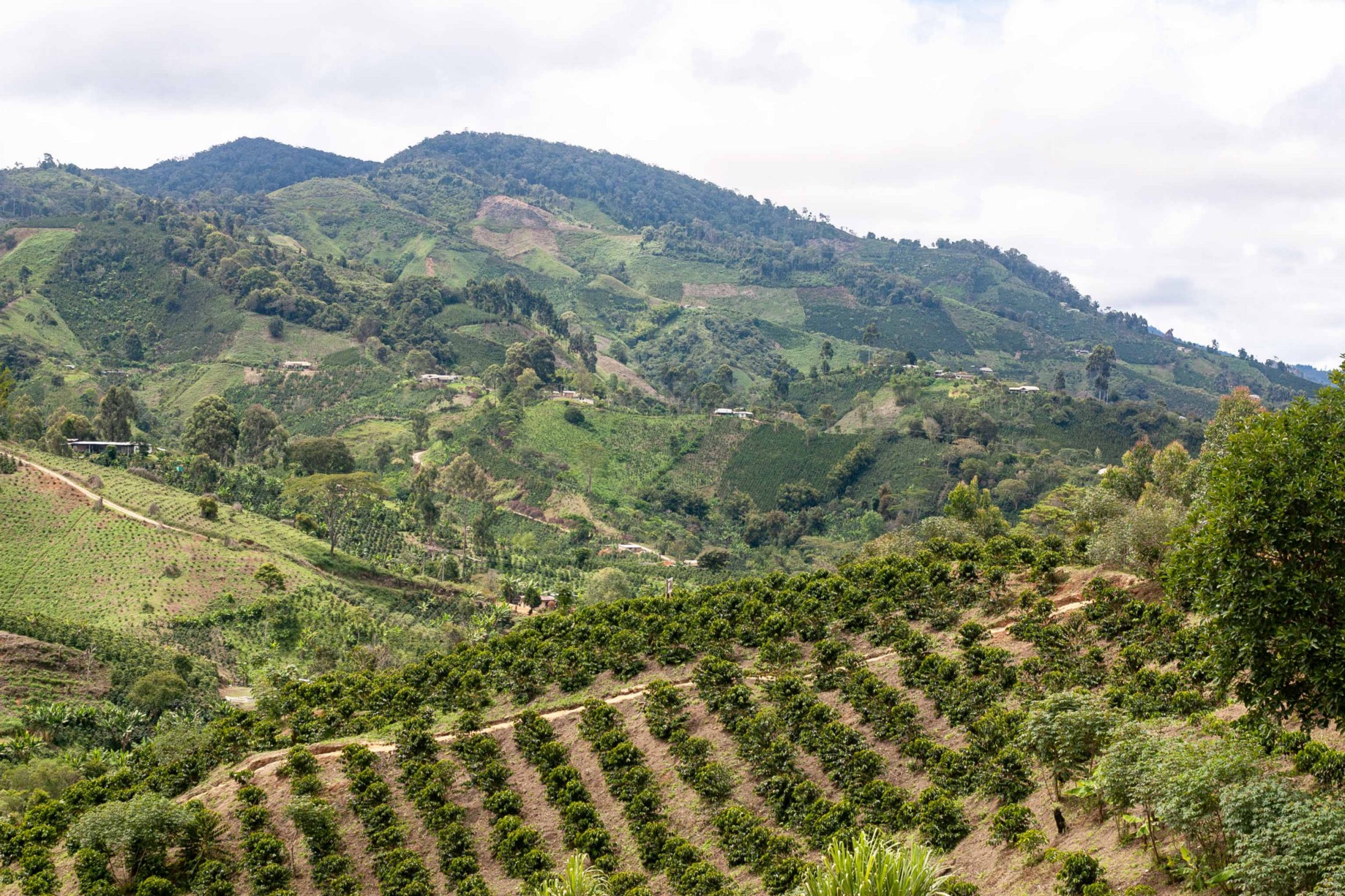
Colombian Coffee Beans | Introduction to Major Coffee Producing Regions and Flavor Characteristics of Colombia Medellín and Huila
For more specialty coffee knowledge, please follow: Front Street Coffee (Frontsteet Coffee) Today, Colombia is the world's second-largest producer of Arabica coffee beans. Colombian coffee is renowned for its unique flavor and the mild yet rich aroma that every cup exudes. [more…]
A Complete Guide to Colombian Huila Coffee: From Regional Grading to Three-Pour Extraction Flavor
Colombia, as the world's largest exporter of washed Arabica beans, is renowned for its coffee's balanced, smooth taste and rich regional flavors. From the perspective of Front Street Coffee, this article systematically reviews the history of Colombian coffee cultivation, the distribution of producing regions, and the evolution of varieties, while offering an in-depth analysis of the terroir characteristics of specialty regions such as Huila, Cauca, and Tolima. The article focuses on the roasting curves and brewing parameters of four Front Street Colombian beans—washed Huila, Rose Valley, Geisha, and Pink Bourbon—covering the three-pour extraction method using both KONO and V60 drippers, providing coffee enthusiasts with a guide to Colombian coffee that is both informative and practical. [more…]
Colombian Pour-Over Coffee Technique: How to Brew Out the Nutty and Chocolatey Flavors
Colombian coffee occupies an important place in the global specialty coffee landscape, thanks to the natural terroir of the Andes Mountains and its family-run smallholder farming model. From Santander in the north to Huila and Cauca in the south, different producing regions present diverse flavor layers ranging from fruity acidity to caramel, nuts, and chocolate. This article systematically reviews the producing regions, variety characteristics, and processing methods of Colombian coffee, and uses four Front Street Coffee beans—Huila, Santander, Tolima, and Cauca—as examples to share in detail the roasting curves, brewing parameters, and staged extraction techniques, helping coffee enthusiasts precisely bring out the classic flavors of hazelnut, dark chocolate, and caramel when brewing pour-over at home. [more…]

A Complete Guide to Indonesian Mandheling Coffee: Varieties, Origins, Processing Methods, and Flavor Profile
Mandheling is hailed as the "gentleman among coffees," a classic single-origin bean in the minds of those who love a rich, full-bodied cup. It comes from the high-altitude growing regions of Sumatra, Indonesia, and is known for its distinctive wet-hulling process and herbal, spicy aroma. This article will systematically sort through the basics of Mandheling coffee—from its producing regions and the origin of its name to the evolution of its varieties and processing methods—and focus on introducing the flavor profiles and brewing suggestions for the Front Street Coffee everyday-drinking bean series and PWN Golden Mandheling, giving you a comprehensive understanding of this Indonesian coffee that combines historical depth with regional character. [more…]
Tracing the History of Coffee Cultivation in Costa Rica: The Central American Birthplace and an Analysis of the Tarrazú Mirazú Estate
Costa Rica was the first country in Central America to cultivate coffee. Its coffee industry has developed since the mid-18th century and is renowned for its well-established organizational system and world-class quality. The country's seven main producing regions are distributed along the Central Plateau from northwest to southeast. Volcanic ash soil, mild temperatures, and abundant rainfall create exceptionally favorable growing conditions. The coffee beans produced are all Arabica, with pure flavor, pleasant aroma, and an excellent balance of acidity and body, making them suitable both as single-origin coffee and for blending. This article will trace the origins of coffee in Central America, explain in detail the cultivation altitudes, harvest seasons, and cupping performance of Costa Rica's producing regions, and focus on the world-famous Tarrazu region and Mirazu Estate, while also offering related recommendations from Front Street Coffee. [more…]
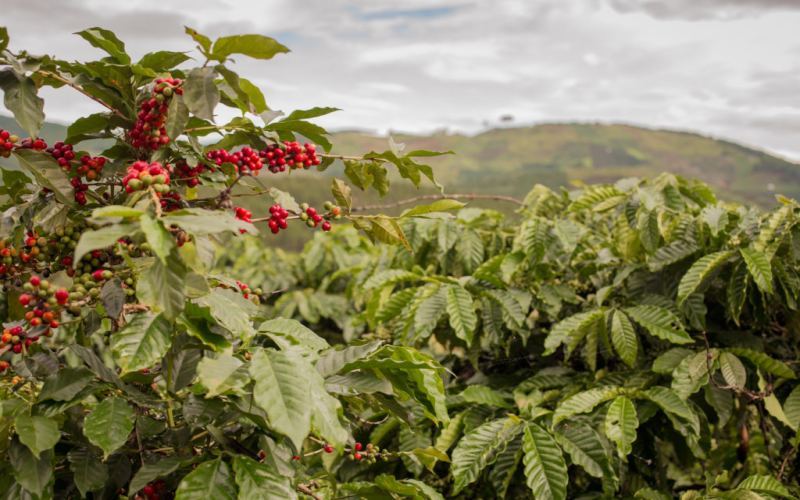
What Are the Similarities and Differences Between Colombian and Brazilian Coffee? A Comprehensive Analysis of the Flavor, Taste, and Origin History of Medium-Dark Roasted Beans
Colombia and Brazil are the two major coffee-producing countries in South America, and the Central and South American coffees on Front Street Coffee's bean list mainly come from these two origins. Both are often used as the base for espresso blends, and after medium-dark roasting they present low acidity, full body, pronounced nutty notes, caramel sweetness, and high body. Yet they also differ significantly in growing environment, flavor direction, historical origins, and production scale: Brazil has flat terrain and ranks first in the world in output, with Bourbon varieties predominant; Colombia sits amid the Andes Mountains and volcanic ash soil, and is known for washed Arabica. This article, from Front Street's perspective, sorts out their commonalities and differences, and presents the taste performance of the coffees of the two countries through brewing comparisons. [more…]