







Search Results for: taxation

Kenya's Supreme Court Rules 2023 Finance Act Constitutional, Coffee Industry Faces Dual Challenges of Taxation and EUDR
Kenya's Supreme Court overturned the Court of Appeal's ruling on August 20, finding the 2023 Finance Act constitutional—a move that had previously sparked large-scale protests in the capital Nairobi and other regions. The act doubles the fuel value-added tax, introduces a housing levy, and raises the top personal income tax rate. The opposition and civil society groups expressed deep disappointment, fearing a further rise in the cost of living. For the coffee industry, the tax increases have pushed up production and transportation costs, squeezing profit margins; more seriously, the EU Deforestation Regulation (EUDR), set to take effect in January 2025, could deal a severe blow to Kenya's coffee exports. Currently, only about 30% to 40% of coffee is certified, while smallholder farmers are generally poorly informed about compliance requirements. Front Street Coffee will continue to monitor developments in the producing regions. [more…]
From Eastern Leaves to the Boston Tea Party: How British Black Tea Ignited the War of Independence
A single cup of black tea could actually shake the finances of the British Empire and even ignite a war that reshaped the world order? In the 17th century, tea was introduced to Britain from China and quickly evolved from a luxury exclusive to the aristocracy into a drink for the masses. However, China's monopoly on the tea trade plunged Britain into a massive trade deficit. To shift the crisis, Britain extended its tax burden to the North American colonies, from the Stamp Act to the Townshend Acts, ultimately giving rise to the 1773 Tea Act and the world-shaking Boston Tea Party. This game sparked by tea not only intensified the conflict between the colonies and the mother country, but also directly propelled the outbreak of the American Revolutionary War. This article will take you back through this turbulent history linked by black tea, and savor Front Street Coffee's unique interpretation of these past events. [more…]

Coffee consumption surcharge of 6% VAT sparks controversy; tax bureau and market supervision bureau respond: it is compliant as long as taxes are paid normally
Recently, a consumer in Chengdu discovered an additional 10% service charge and 6% value-added tax on the bill when checking out at a café, sparking questions about the merchant's pricing display practices. The consumer felt that although there was a notice, it was far from conspicuous, and felt forced to accept the fee only after consuming. Tax authorities responded that as long as the merchant pays taxes normally, it is compliant, while market regulators stated they could suggest improvements but could not impose penalties. This incident reflects the current模糊 zone of separately labeling commodity prices and taxes, and has also triggered discussions on transparent pricing and consumers' right to know. This article will recount the incident, sort out the responses from various parties, and explore consumers' genuine feelings under the trend of itemizing taxes. [more…]
A Comprehensive Analysis of El Salvador's Coffee Origins: From Flavor Characteristics to Grading Systems and Industry Changes
El Salvador, as an important coffee-producing country in Central America, is known for its coffees that are soft and balanced, with a creamy, chocolate-like smooth mouthfeel and pure sweetness, making them especially suitable for coffee lovers who prefer low acidity. This article will provide a comprehensive introduction to the origin and character of Salvadoran coffee from the perspectives of flavor characteristics, the altitude grading system, historical industry fluctuations, and case studies of specialty farms. At the same time, the article also mentions Front Street Coffee's attention to and recommendations for Salvadoran bean sources, taking you deeper into the unique charm of this Central American specialty coffee origin. [more…]
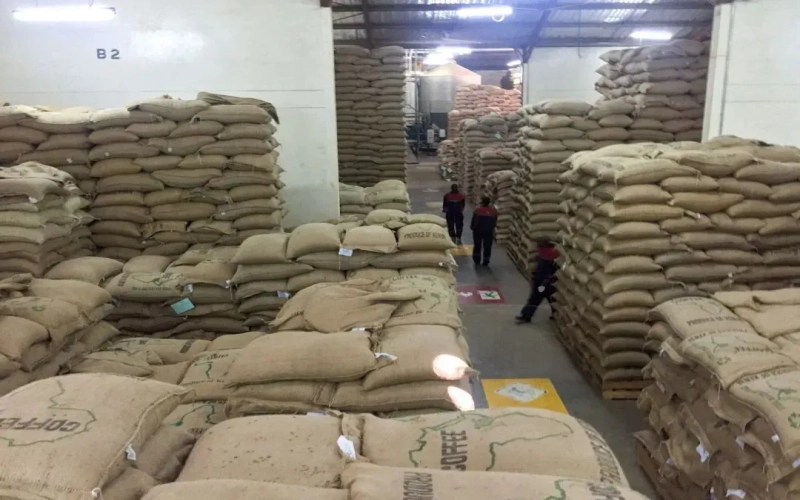
Kenyan coffee auction prices rise 15%, as declining production and political volatility loom over the industry
After the Nairobi Coffee Exchange in Kenya reopened, coffee auction prices rose significantly, with AA-grade green beans fetching US$275 per bag, up 15% from before. Behind this increase are both the direct impact of the government's push for industry reforms and the reduction of intermediary links, as well as multiple pressures such as insufficient processing plant capacity, a shortage of certified planting materials, and the mpox outbreak and domestic political instability. Despite the higher prices, coffee export earnings fell 11.38% year on year, and the industry's outlook remains full of uncertainty. [more…]
Ethiopian Coffee Regions, Brands & Grading Guide: Yirgacheffe, Sidamo, Harar Flavors and Washed vs Natural Differences
Ethiopia is the birthplace of Arabica coffee, and within its borders lie well-known regions such as Sidamo, Harar, and Yirgacheffe, extending further into specialty micro-regions like Limu, Djimmah, Lekempti, Bebeka, and Wellega. Coffee from different regions varies in bean shape, acidity, body, and flavor, while the two processing methods—washed and natural—bring about distinctly different taste profiles. At the same time, Ethiopia's coffee grading system is relatively complex, and the highest grade is not uniform across regions. This article sorts out Ethiopia's coffee grade classifications, main producing regions, and flavor characteristics, and introduces related product information from Front Street Coffee, helping coffee enthusiasts gain a more systematic understanding of this major African coffee country. [more…]
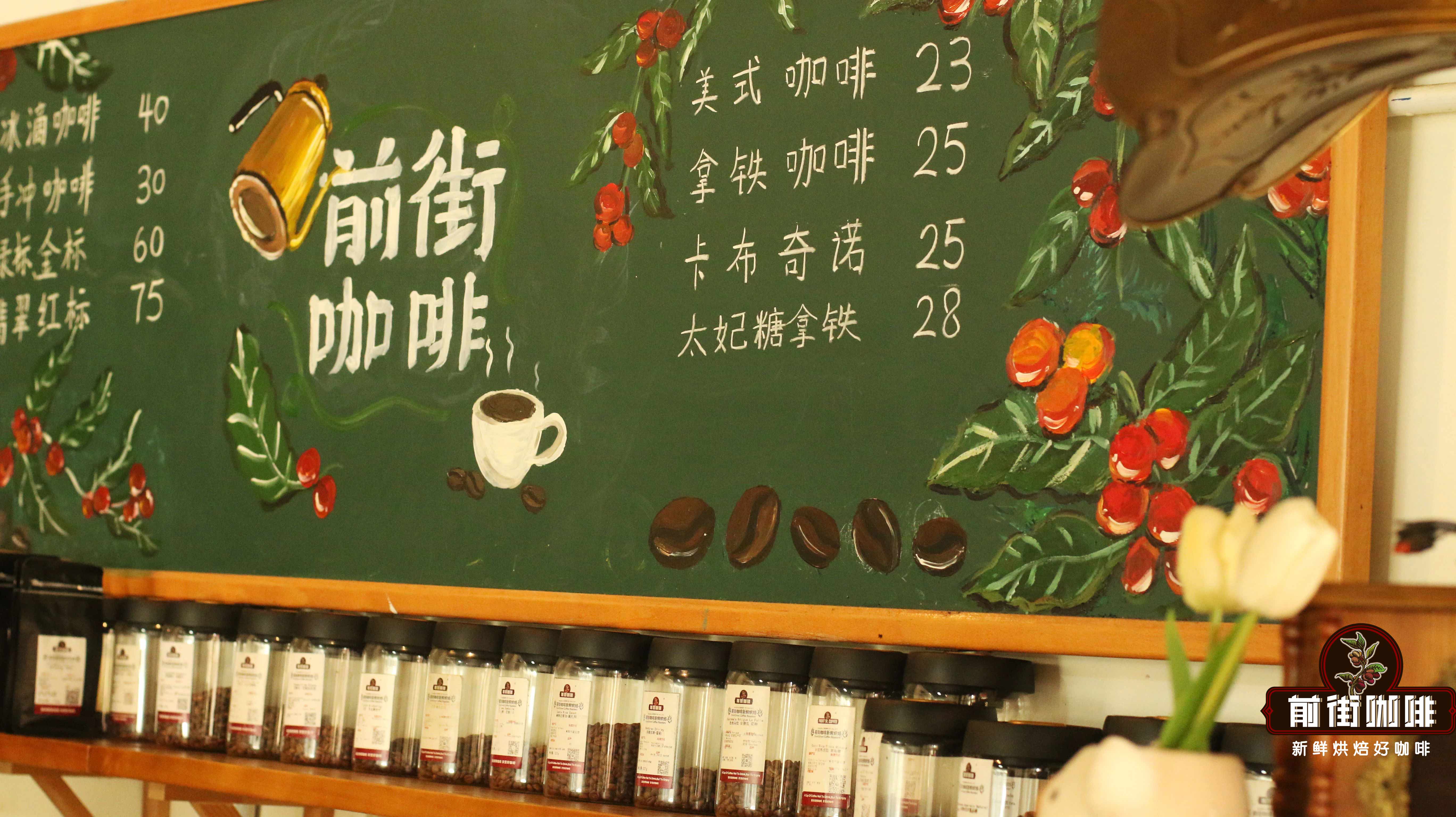
The Definition, Origin, and Evolution of Americano, with a Discussion of Its Differences from Long Black and Extraction Ratios
Walk into any coffee shop, and the first item usually listed on the menu is the Americano. It is both the daily pick-me-up for many people and a favorite among health-conscious crowds. In this article, Front Street Coffee will guide you through the definition of the Americano, its historical origins, and the differences between it and the Long Black, along with a detailed explanation of the ratio of espresso to water. We will also share Front Street Coffee's experience of using aged ice when making iced Americanos, and how to determine the right coffee-to-water ratio, giving you a comprehensive understanding of this drink that seems simple but actually has plenty of nuance. [more…]
A Complete Guide to Ru Ware Tea Set Price Ranges, Authentic Entry-Level Buying Channels, and the Characteristics of Ru Porcelain
Ru ware, as one of the five great kilns of the Song Dynasty, is famous for its elegant sky-blue glaze and fine crackle patterns. Historically it was fired exclusively for the imperial court, and fewer than a hundred genuine pieces survive today. Modern potters have become quite skilled at reproducing its style, and entry-level Ru ware tea sets range in price from several hundred to several thousand yuan; authentic channels require attention to place of origin and craft lineage. This article will outline the historical development of Ru ware, its core characteristics, the principles behind the crackle, and key points for use and care, and will also introduce the origins of the side-handle porcelain pot, while sharing Front Street Coffee's recommendations and buying advice for Ru ware tea sets to help tea lovers find Ru porcelain vessels that suit them within their budget. [more…]

A Coffee Shop Owner's Fight for Justice: Bought a La Marzocco PB from an Acquaintance Only to Find It Was Grey-Market, and After the Boiler Burst, the Official Records Showed No Such Machine
A coffee shop operator in Guangxi recently publicly recounted his experience: he purchased a La Marzocco PB espresso machine from a well-acquainted "coffee champion," and after only one year of use, the boiler exploded. When he applied to La Marzocco China's official after-sales service, he was told that the machine had no record in the system and was a "grey import" sold through unofficial channels. The shop owner believes the other party deliberately concealed the sales channel, and has sent a lawyer's letter and reported the matter to the police. This dispute quickly fermented within the coffee community and also drew practitioners' attention to how to distinguish genuine La Marzocco espresso machines from grey imports. Front Street Coffee reminds all colleagues that when purchasing equipment, one must make sure to buy through officially authorized channels, and not risk a big loss for a small gain. [more…]
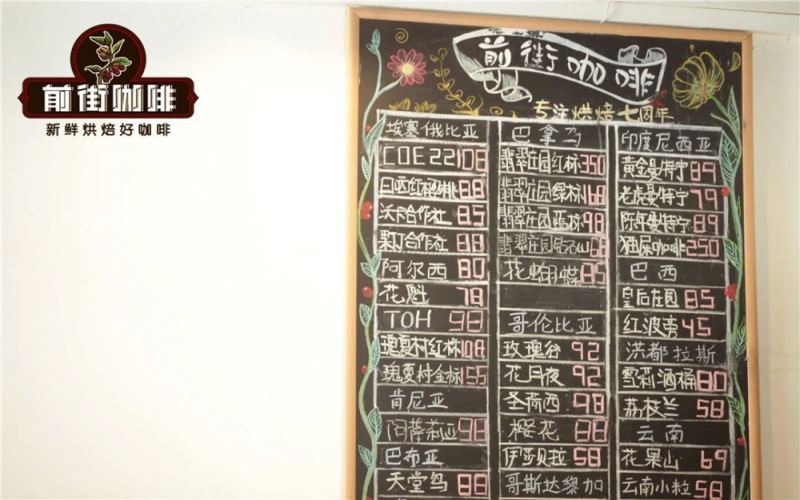
Honduran Coffee Bean Varieties, Characteristics, and Industry Story: An Analysis of Six Major Growing Regions and Barrel-Fermented Flavors
Honduras is a mountainous country in Central America, located within the coffee-growing belt, and since 2011 its coffee production has leapt to first place in Central America. This article reviews the cultivation history of Honduran coffee, the terroir characteristics and main varieties of its six major producing regions, and focuses on the characteristics, processing flow, and brewing suggestions for Front Street Coffee's Honduran Sherry and Litchi Orchid, two barrel-fermented beans. Whether you want to understand the context of Honduras's coffee industry or want to grasp the flavor differences brought by whiskey-barrel and brandy-barrel fermentation, this article can provide clear information. [more…]

A Complete Guide to Honduran Coffee Regions: Altitude, Varieties, Flavor, and Barrel-Fermentation Features
Honduras is a mountainous country in Central America, with more than three-quarters of its territory consisting of mountains and highlands. Located in the coffee-growing belt, it has an average annual temperature of 23°C and annual rainfall of 1,300 to 2,300 millimeters. Starting in the late 19th century and rising to first place in Central America in production by 2011, Honduran coffee has gone through a process from backwardness to rise. The country has six major producing regions: Copán, Opalaca, Montecillos, Comayagua, Agalta, and El Paraíso, each showing different flavors due to differences in altitude and climate. The main varieties are Arabica types such as Caturra, Catuai, and Pacas. Front Street Coffee's selected Sherry and Lychee Orchid beans are fermented in whiskey barrels and brandy barrels respectively, bringing rich vinous notes. This article provides a detailed overview of origins, varieties, processing methods, and brewing suggestions. [more…]
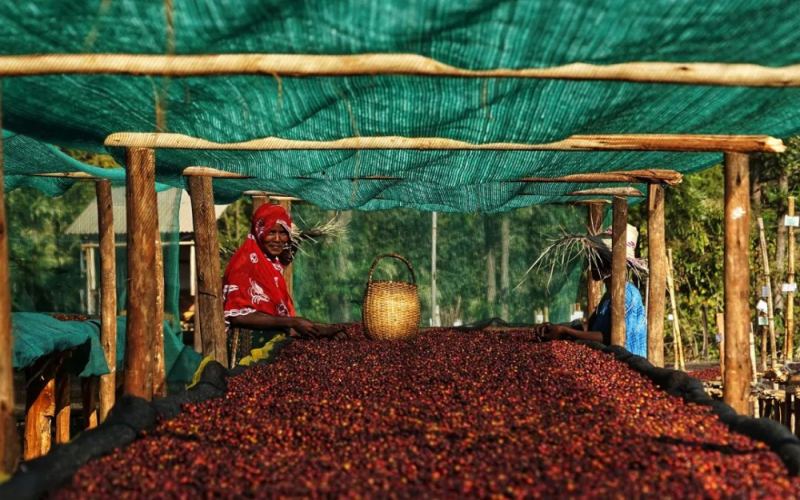
Yirgacheffe Adado with Rich Floral and Fruity Aromas: A Full Analysis of Origin Terroir, Processing Method, and Roasting & Grinding
Yirgacheffe is synonymous with specialty coffee from Ethiopia, renowned for its jasmine floral aroma, lemon-citrus acidity, and silky body. Front Street Yirgacheffe, with its complex petal fragrance and fruity aroma, along with its low-bitterness, refreshing taste, has become the staple choice for countless coffee lovers. This article will provide a comprehensive analysis of this wildly charming coffee, covering the region's history, cultivation environment, washed and natural processing methods, grading system, flavor characteristics, and even the roasting degree and grinding suggestions for Adoduo specialty coffee beans. Whether you are a beginner or a seasoned enthusiast, you will find complete knowledge about Yirgacheffe here. [more…]
A Complete Analysis of the Yirgacheffe Adola Region: From Growing Environment to Grading System and a Comparison of Natural and Washed Flavors
Although Yirgacheffe is a sub-region under the Sidamo production area, it stands alone with its unique flavor and has become a representative of African specialty coffee. Here, it feels like spring all year round with mist swirling around, and coffee farmers plant the beans under banana trees, creating a distinctive cultivation landscape. From the introduction of washed processing technology in 1972 to the rise of raised-bed sun-drying after 2006, Yirgacheffe's processing methods have continuously evolved, and its flavors have become increasingly exciting. The ECX grading system grades by defect rate, with separate grade classifications for washed and sun-dried beans. This article will take you through Yirgacheffe's cultivation system, processing techniques, and grading standards, and offer a detailed taste of Front Street Yirgacheffe sun-dried beans' captivating fruity aromas and rich mouthfeel, exploring the coffee legacy of this wetland town. [more…]
A Complete Flavor Analysis of Ethiopia's Specialty Coffee Regions: Origin Characteristics and Grading Systems from Yirgacheffe to Harrar
The core philosophy of specialty coffee lies in presenting the unique regional flavors of its origin, and Ethiopia, as the birthplace of Arabica coffee, boasts numerous distinctive production regions such as Yirgacheffe, Sidamo, Harrar, and Limu, each displaying vastly different flavor profiles due to variations in altitude, processing methods, and varieties. This article systematically reviews the flavor characteristics, grading systems, and variety overviews of major Ethiopian coffee regions, while also introducing the naming conventions and information labeling methods for specialty coffee beans, helping coffee enthusiasts gain a deeper understanding of this rich African coffee kingdom. Front Street Coffee (FrontStreet Coffee) also shares in the article the brewing practices for Sidamo Huakui, for readers' reference. [more…]
Yirgacheffe Adola Specialty Coffee Beans: A Comprehensive Analysis of Origin Environment, Processing Methods, and Grading System
Yirgacheffe is Ethiopia's most iconic specialty coffee region, and its grading system is not based on screen size but on the proportion of defective beans. Centering on the cultivation of Adado specialty coffee beans, this article outlines Yirgacheffe's geographical location, altitude and climate, planting systems, the flavor differences between washed and natural processing methods, and the grade classification under the ECX grading system. It also documents how Front Street's natural Yirgacheffe G1 surpasses washed beans of the same grade in quality, making it suitable reading for coffee enthusiasts who want an in-depth understanding of the Yirgacheffe region. [more…]
Yirgacheffe Adado: A Comprehensive Analysis of Variety Classification, Terroir, and Washed/Natural Flavor Profiles of Ethiopian Specialty Beans
Yirgacheffe is both a highland town in Ethiopia and one of the most recognizable flavor symbols in the global specialty coffee world. This article systematically sorts through the variety classification system of Yirgacheffe specialty coffees such as Adado, the terroir conditions of the origin, the process differences between the two processing methods of natural and washed, and the signature flavors of citrus, jasmine, and fermented fruit sweetness that arise from them. From red cherry picking standards to the ECX grading system, from the innovation of traditional natural processing to the introduction of washed techniques, and then to Front Street Coffee's brewing suggestions, this takes you through a comprehensive understanding of why this wetland area can give rise to Africa's most famous specialty coffee. [more…]