







What defines Mandheling coffee from Sumatra?
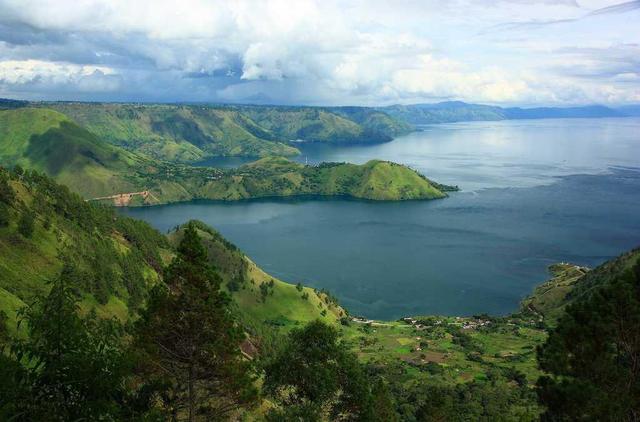
Mandheling is a classic single-origin coffee from the highlands of Sumatra, Indonesia, known for a full body, low acidity, and herbal spice notes. It belongs to the Arabica species, and the region's wet-hulling process, called giling basah, gives the beans their deep green color and earthy, cedar-like character. Lintong Mandheling comes from a small area southwest of Lake Toba.
Most Sumatra output is Robusta, so Arabica Mandheling is a smaller share of production. Well-known lots include Lake Tawar and Lintong Mandheling from Aceh and North Sumatra, grown on clay plateaus under fern shade. Traders once used the term Golden Mandheling, or sumatra coffee golden shell, for carefully sorted screened lots. Brew with water at 88 to 92C.
Mandheling is hailed as the "gentleman of coffee" and is a classic single-origin bean in the minds of those who love a full-bodied cup. It comes from the high-altitude growing regions of Sumatra, Indonesia, and is known for its unique wet-hulling process and herbal spice notes. This article will systematically outline the basic information about Mandheling coffee, from its origin distribution, naming history, and variety evolution to its processing methods, with a focus on introducing the flavor performance and brewing suggestions of the Front Street daily bean series and PWN Golden Mandheling, giving you a comprehensive understanding of this Indonesian coffee that combines historical heritage and regional character.
Mandheling coffee has long enjoyed the reputation of being the "gentleman of coffee," and can be considered one of the single-origin beans that best matches the public's conventional impression of coffee. As a loyal fan of full-bodied flavors, Front Street is also very fond of Indonesian Mandheling, so today we will take this opportunity to go through the many characteristics of this "gentleman's coffee" together with you.
Mandheling Coffee Origin
Front Street has mentioned in many past articles that coffee trees cannot be grown without the natural environment around the equator, free of frost, and at relatively high altitudes. Indonesia's coffee-growing areas are mainly concentrated on the three islands of Java, Sumatra, and Sulawesi, among which Robusta accounts for the vast majority of total production, while Sumatra Mandheling belongs to the Arabica category with relatively smaller output. Sumatra is covered with extensive hilly terrain, and the high-altitude volcanic lakes create a unique microclimate. In addition, the concentrated and abundant rainfall in the rainy season provides favorable conditions for the vigorous growth of local coffee trees.
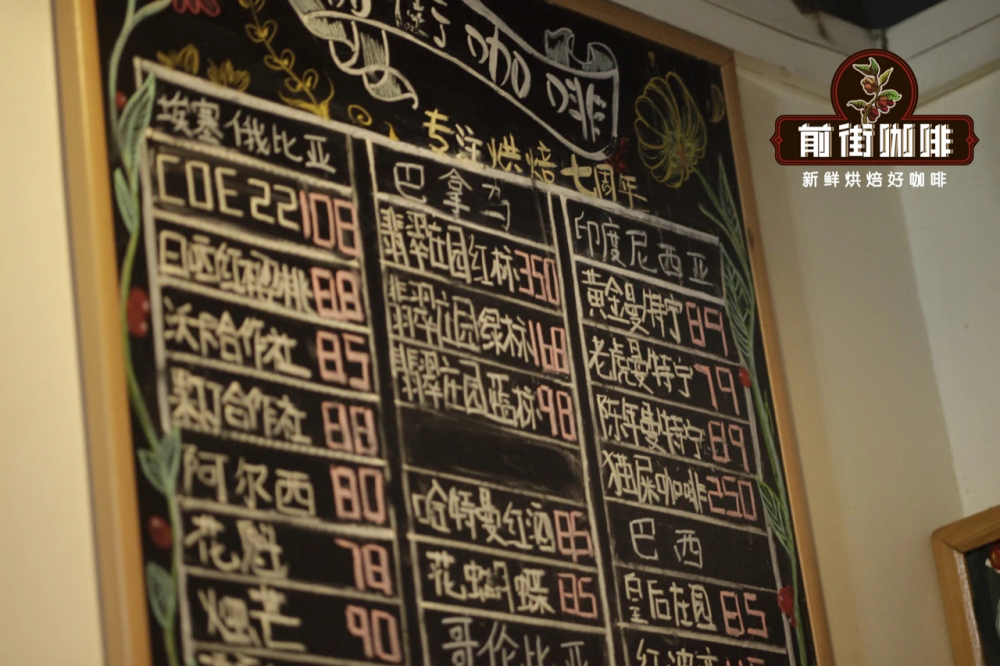
Among high-quality Mandheling, the most well-known are Lake Tawar Mandheling and Lintong Mandheling produced in Aceh Province and North Sumatra Province in northern Sumatra. In the traditional definition, Lintong Mandheling specifically refers to Arabica coffee grown in a small area on the southwest side of Lake Toba in the Lintong administrative region. Most of the coffee trees there are scattered across clay plateaus covered with fern vegetation. The ferns provide a certain degree of shade for the tree trunks, and local coffee farmers use a non-shaded cultivation method.
Lake Tawar Mandheling, on the other hand, is a rising star that has come from behind. Lake Tawar in the Aceh region is adjacent to the Gayo Mountains. Due to long-term civil unrest, this area has preserved a more primitive terroir. With ideal coffee-growing conditions, growers generally practice organic farming, enabling local coffee to perform better in both quality and yield. Many green coffee traders are also especially optimistic about this region, including the locally well-known Pwani Coffee Company (PWN).
The Naming of Mandheling
The name Mandheling mainly comes from a misreading involving an indigenous ethnic group in Indonesia. Here, Front Street will tell you a long-circulated Mandheling story to help everyone understand where this name actually came from.
During World War II, when a Japanese soldier was drinking coffee in a shop in central Indonesia, he asked the owner what coffee he was drinking. The owner mistakenly thought the other person was asking where he was from, so he answered "Mandailing." After the war ended, the Japanese soldier returned home and recalled that the cup of coffee with a special taste seemed to be called "Mandheling." In 1968, Nomura Trading Company of Osaka, Japan, visited the Indonesian company N.V. Pawani Medan and imported 15,000 kilograms of Sumatra Mandheling coffee. After being launched in the Japanese market, it became very popular. Since then, the reputation of Mandheling coffee and Pwani Coffee Company has spread widely.
Varieties of Mandheling
In 1877, Indonesia's coffee industry was hit by leaf rust, and almost all the Typica varieties that had originally been widely planted became infected. The Indonesian government subsequently introduced several disease-resistant varieties, including Robusta, Tim Tim, Catimor, and the Indian variety S795, which locals called Tim Tim, Ateng, and Jember.
Tim Tim is the product of a natural cross between Typica and Robusta, combining Robusta's high yield and disease resistance. Another variety, Ateng (Catimor), is the descendant of a cross between the Bourbon variant Caturra and Tim Tim. With strong vitality, it can maintain relatively high yields and is therefore favored by many local coffee farmers. In many countries, Catimor is often criticized by industry insiders for flavor defects. However, Catimor grown under Sumatra's unique terroir performs better in cupping, presenting woody notes and a full-bodied mouthfeel. Front Street's Golden Mandheling coffee uses the Ateng variety, while Lintong Mandheling is a blend of Ateng and Tim Tim.
Processing Methods of Mandheling Coffee
Sumatra is located near the equator and has an insular tropical rainforest climate, with air humidity as high as 70–90% year-round. Such a hot and humid environment can easily cause green coffee beans to mold during fermentation or drying. For this reason, local coffee farmers adapted to local conditions and developed a semi-washed processing method — wet hulling. Wet hulling means that while the parchment layer wrapping the green beans is not yet completely dry, it is "forcibly" removed, allowing the green beans to complete the final drying in an "exposed" state.
Wet hulling diverges from the traditional washed method starting at the fermentation stage. Wet hulling uses less water for fermentation, and the fermentation time is also shorter. After this brief fermentation, a small amount of mucilage still remains on the bean shell. When the green beans are first dried to a moisture content of 35/40%, coffee farmers resell the coffee beans to buyers. The buyers then directly hull the semi-dry parchment beans they have purchased, removing the mucilage and bean shell to obtain green beans. Although each step is greatly shortened in time, the "naked beans" still absorb moisture from the hot and humid air. Therefore, the resulting Mandheling coffee has an extra layer of muted woody, herbal, and spicy notes.
Lintong Mandheling coffee uses the wet-hulled method and likewise carries the flavor characteristics of traditional Mandheling. Front Street believes that this "muted aroma" is unique to Indonesian Mandheling, and therefore includes it in the daily bean series. The original intention of Front Street's daily bean series was to allow friends who are new to specialty coffee to taste the basic flavors of different origins at a very affordable price, and then purchase more finely processed flavor types according to personal taste. In addition, Front Street's daily beans are sold in small 100-gram packages to avoid waste from not being able to finish them. An accessible price paired with the classic flavors of a famous origin is exactly what makes them true everyday beans.
Specialty Mandheling — PWN Golden Mandheling Coffee
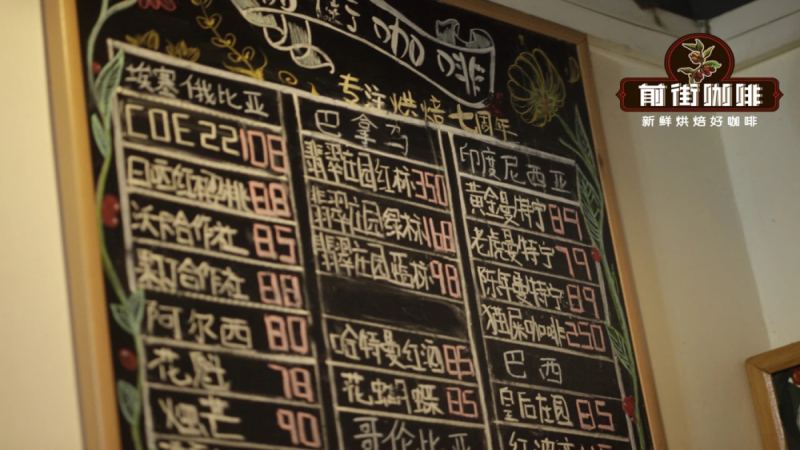
The popularity of Mandheling coffee stems from Pwani Coffee Company (PWN), which successfully brought it to the Japanese market. Unlike many local green coffee traders in Indonesia, PWN is the exclusive supplier of high-grade Golden Mandheling coffee and controls Indonesia's finest Mandheling coffee-producing regions. The Mandheling beans it produces are all top-grade. The Golden Mandheling coffee that consistently sits in the upper right corner of Front Street's bean list is produced by PWN. The Dongshankou store also displays the jute bags used for green bean packaging and certification certificates.
Wet hulling saves a great deal of time and labor costs in green bean processing, but the rapid process also brings a relatively high defect rate. Therefore, only strict hand sorting can remove defects that machines cannot screen out. When producing coffee, PWN conducts one machine selection plus three hand selections on the purchased Mandheling green beans, ensuring that each green bean is intact, uniform, and plump, and must reach a screen size of 18 or above, belonging to Indonesia's local G1 grade.
Before launching a coffee bean, Front Street evaluates the coffee through cupping. Cupping is an assessment of coffee bean quality and flavor. A unified standard allows for a more objective identification of the strengths, weaknesses, and characteristics of the flavors presented by the beans. Through cupping, Front Street Lintong Mandheling daily beans present a rich nutty profile, with a hint of melon aroma in the finish. After the temperature drops, herbal plant flavors emerge, with a full body and rich aroma. Front Street PWN Golden Mandheling not only has the aromas of dark chocolate, nuts, and caramel, but also carries herbal spice and pine wood flavors, with a dark-chocolate-like sweetness in the finish, a long aftertaste, and high cleanliness. After the temperature drops, it is accompanied by gentle fruity acidity.
Front Street's Brewing Suggestions
Front Street believes that the greatest feature of Mandheling coffee lies in its high body and unique herbal spice aroma, so Front Street uses a medium-dark roast so that the coffee aroma does not become entirely caramelized. Freshly roasted Mandheling coffee needs 7–10 days of degassing and resting before entering its optimal flavor period. Front Street hopes that every customer who places an order can taste a full aroma, so it only ships coffee beans freshly roasted within 5 days, allowing everyone to enjoy the complete flavor period of the coffee upon receipt.
Dripper: KONO
Water temperature: 87°C
Coffee dose: 15 grams
Coffee-to-water ratio: 1:15
Grind size: 70% passing through Chinese standard No. 20 sieve
Pouring method: three-stage pouring
First pour 30 grams of hot water and bloom for 30 seconds. From the center point, pour in a thin stream and slowly spiral to 125 grams. When the water level in the dripper drops to the point where the coffee bed is about to be exposed, continue spiral pouring to 225 grams. The total extraction time is about 2 minutes. Gently swirl the coffee liquid before tasting.
For professional coffee knowledge exchange and more coffee bean information, please follow Coffee Workshop (WeChat official account: cafe_style)
For more specialty coffee beans, please add the private WeChat of Front Street Coffee (FrontStreet Coffee), WeChat ID: qjcoffeex
The above content is compiled by CoffeeHunters, a coffee news website.


