







Search Results for: Caster Sugar Grind
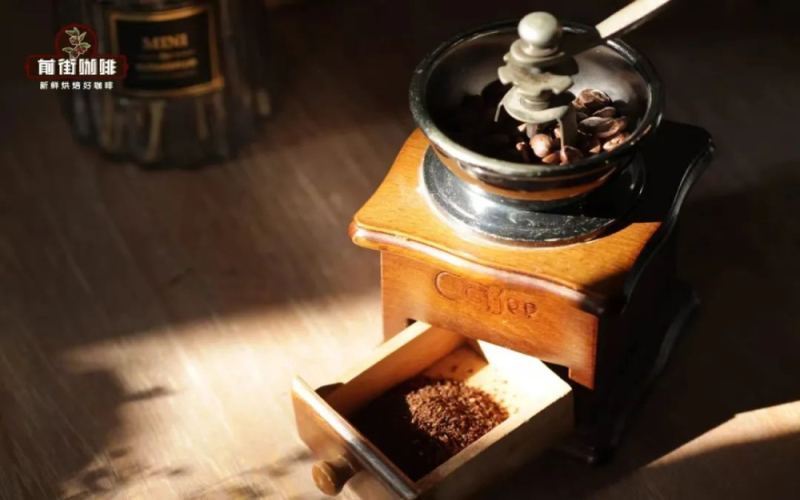
Coffee Grind Size Analogy Guide: Particle Size Correspondence Between Caster Sugar, Coarse Sugar, Sea Salt, Fine Salt, and Flour
There is no unified quantitative standard for coffee grinding, so enthusiasts often use everyday ingredients as analogies to quickly convey the concept of particle size. Common reference points like fine granulated sugar, coarse granulated sugar, sea salt, fine salt, and flour each correspond to different brewing methods and roast levels. This article goes through the particle size characteristics and suitable scenarios for each of these analogous grinds one by one: fine granulated sugar is mostly used for light-roast pour-over, coarse granulated sugar suits medium-dark roast beans, sea salt-like texture is suitable for immersion extraction methods like the French press, fine salt-like texture serves the fast-paced extraction of the moka pot, and flour-like texture is divided into two categories: espresso and Turkish coffee. The grind size described by each analogy is a range, not a single fixed value, and understanding this point helps with more flexible grind adjustment. [more…]
How to Accurately Determine Coffee Grind Size? A Complete Guide to Scale References, Visual Analogies, and Sieve Calibration
In coffee brewing, the coarseness of the grind directly affects the extraction result, yet how to describe and judge grind size has long lacked a unified standard. Some people use fine granulated sugar as an analogy, some rely on the grinder's settings, and others, like Front Street Coffee, quantify it through sieving rate. Each of these methods has its pros and cons, but the ultimate goal is the same: to help us adjust the grind into the right range before brewing. This article will systematically sort through three common ways of expressing grind size—the setting reference method, the visual analogy method, and the sieve calibration method—analyze their respective limitations and applicable scenarios, and explain in detail the No. 20 standard sieve procedure used by Front Street Coffee, helping you find the most suitable grind parameters with fewer beans. [more…]
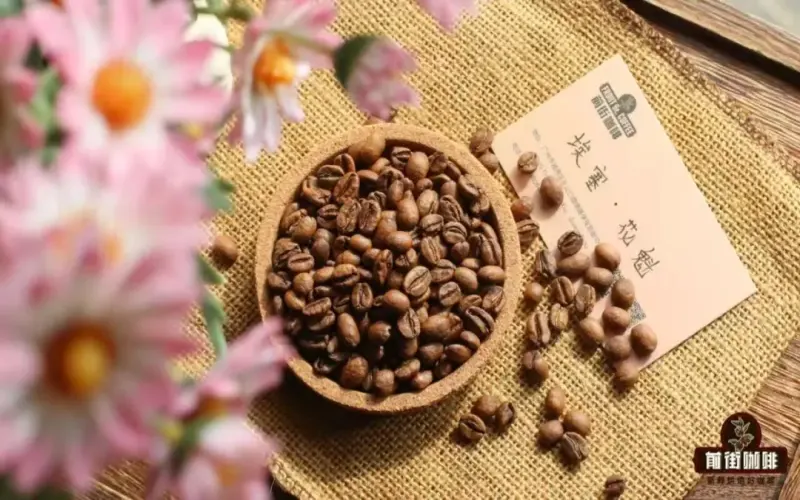
Detailed Guide to Various Brewing Parameters for Huakui Coffee: Grind Size, Water Temperature, and Ratios for Pour-Over, Flash Brew, Immersion, and Cold Brew
Huakui coffee has maintained a high level of popularity in the coffee community thanks to its excellent value for money and its naming method that is updated and iterated every year. Front Street also often includes it in its promotional bean list, and many friends ask customer service after placing an order: what can be done to best showcase Huakui's flavor? In fact, different extraction methods each have their own characteristics, and there is no absolute ranking of better or worse. Everyone might as well try several methods and find the cup that suits their own taste best. In this article, Front Street will systematically share the specific parameters and operational details for making Huakui using four methods: pour-over, pour-over iced coffee, immersion, and cold brew, including key information such as coffee dose, coffee-to-water ratio, water temperature, grind size, and extraction time, to help you more easily recreate Huakui's floral and fruity aroma at home. [more…]

Is the instability of pour-over coffee flavor just mysticism? Analyzing the extraction science of grind, water temperature, time, and ratio
Many coffee enthusiasts have experienced this confusion: why does the same bean taste different every time it's brewed? Occasionally a stunning cup of coffee is brewed, but it's hard to reproduce afterwards, so some people attribute coffee extraction to "metaphysics." But in fact, extraction is a quantifiable, reproducible scientific process. Water acts as a solvent, dissolving the flavor substances from the coffee grounds, while parameters such as grind size, water temperature, time, and coffee-to-water ratio all directly affect extraction efficiency, and thereby determine the final flavor in the cup. Taking Ethiopia Huakui as an example, Front Street uses 15g of grounds, a 1:15 coffee-to-water ratio, caster sugar grind size, and a two-minute three-pour brewing method to consistently obtain a coffee with balanced acidity and sweetness, carrying citrus, strawberry, and creamy floral aromas. This article will systematically explain how to achieve flavor stability and targeted adjustments by recording and controlling parameters, and explain the scientific logic behind the differences in dissolution rates of sourness, sweetness, bitterness, and saltiness. [more…]
Detailed Guide to Pour-Over Parameters and Iced Pour-Over Method for Ethiopian Washed Yirgacheffe Aricha G1
Yirgacheffe, with its fresh floral aroma and bright citrus acidity, has become one of the most watched coffee regions in the global coffee scene. Starting from the region's divisions, varietal characteristics, and the differences between washed and natural processing methods, this article systematically breaks down the reasons behind Yirgacheffe's style, and uses a medium-light roasted washed Gedingding Cooperative bean as an example to give specific pour-over parameters and flavor descriptions: 90-91°C water temperature, caster sugar grind size, and a three-stage extraction. At the end, a complete iced pour-over recipe and steps are included, covering the coffee-to-water ratio, ice amount, stirring technique, and extraction time control, helping coffee lovers reliably recreate a cup of Yirgacheffe full of juicy fruitiness even in summer. [more…]
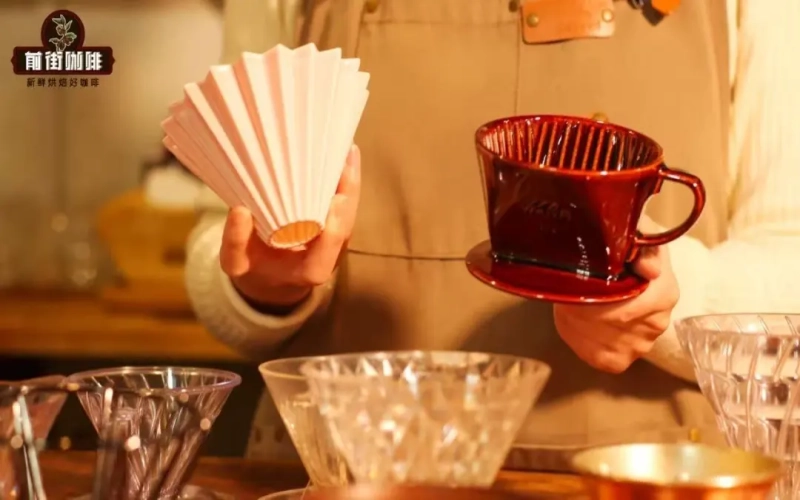
Pour-Over Coffee Dripper Selection Guide: Brewing Parameters and Pairing Suggestions for Light and Dark Roast Beans
In pour-over coffee, the choice of dripper is often overlooked by beginners, but it actually directly affects extraction time, method, and ultimately the flavor in the cup. Drawing on everyday brewing experience, Front Street Coffee offers dripper pairing suggestions for coffee beans of different roast levels. Light-roasted beans suit fast-flow conical drippers like the V60 to highlight floral and fruity aromas and layering; dark-roasted beans are better matched with slow-flow drippers like the Kono to enhance body and sweetness. The article also uses Granja Geisha and PWN Golden Mandheling as examples, listing specific parameters such as dose, ratio, grind size, and water temperature in detail for coffee enthusiasts' reference. [more…]

How to Set Pour-Over Coffee Parameters? A Practical Analysis of Water Temperature, Grind Size, Ratio, and the Simplified One-Pour Method
Many people new to pour-over coffee tend to focus on pouring techniques, but Front Street believes that what really determines whether a cup of coffee tastes good is whether the extraction parameters are reasonable. The differences between single-pour, three-stage, and 4:6 methods are essentially differences in parameter configuration. This article starts from Front Street's practical experience, first sorting out the underlying logic of grind size, water temperature, and ratio, then sharing a simplified approach that requires almost no water-control skill—paired with a cake filter cup, you simply bloom and then pour all the remaining hot water in one go, reliably producing a coffee with balanced sweetness and standout sweetness. Using Front Street Ethiopia Huakui as an example, the article lists in detail a parameter comparison between the conventional three-stage method and this simplified brewing method, making it easy for everyone to reproduce at home. [more…]
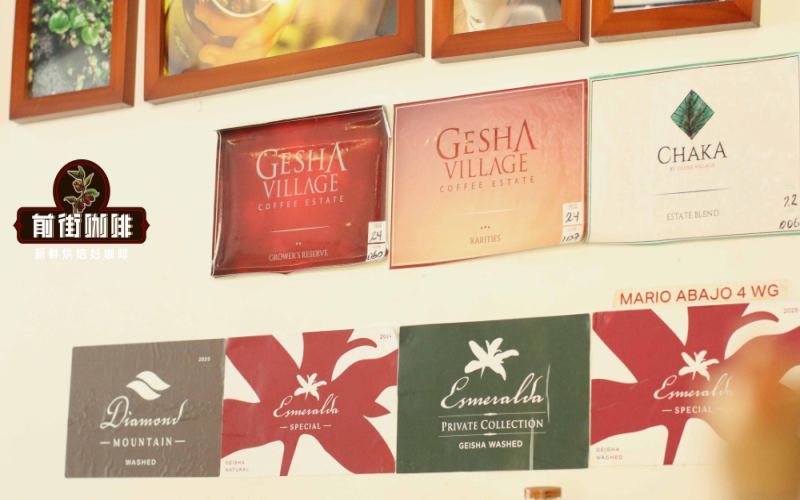
What Variety Is Geisha Coffee? A Detailed Explanation of the Two Major Grading Systems of Hacienda La Esmeralda and Gesha Village, and Front Street Coffee's Various Lots
Geisha coffee, a star variety in the specialty coffee world, has always drawn attention for its grading system. Currently, Hacienda La Esmeralda and Gesha Village Coffee Estate in Ethiopia have each established independent grading standards. Hacienda La Esmeralda divides its product lines into Red Label and Green Label; Gesha Village Coffee Estate is further subdivided into five lots: Auction, Gold Label, Red Label, Green Label, and Chaka. This article will systematically sort out the entire grading system of Gesha Village Coffee Estate, analyze one by one the flavor characteristics, production proportion, and brewing parameters of each lot, and present in full the corresponding Geisha product information from Front Street Coffee, helping coffee enthusiasts gain a comprehensive understanding of the quality-tier logic of this variety. [more…]
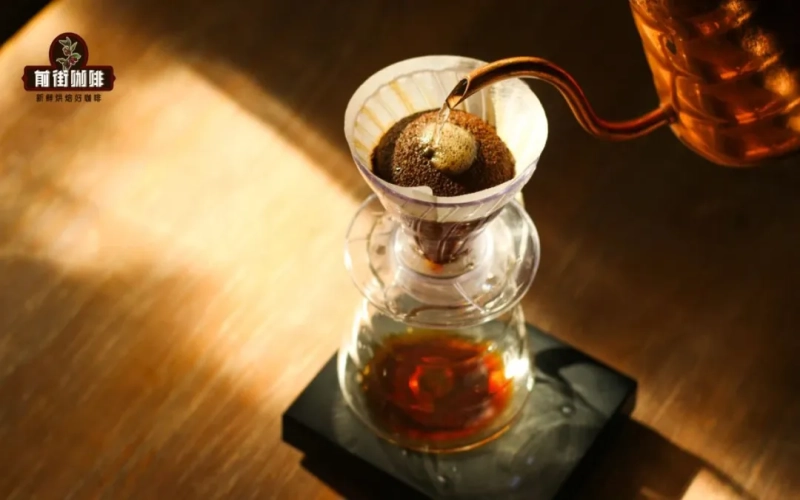
Analysis of Flavor Differences Between Hot and Iced Pour-Over Coffee: Extraction Yield, Water Temperature Ratio Parameters, and Tasting Experience Comparison
When tasting a new bean, why is it recommended to choose a hot brew first? This article delves into the flavor differences of black coffee made by pour-over, French press, siphon, and other methods under hot brewing and iced brewing from the perspectives of extraction yield, concentration, water temperature parameters, and so on. Taking pour-over coffee as an example, the article specifically compares the different settings of hot brewing and iced brewing in terms of coffee-to-water ratio, grind size, water temperature, and other parameters, and explains why iced brewing often requires sacrificing part of the extraction yield in exchange for higher concentration. At the same time, it also explores the influence of temperature on aroma, taste, and aftertaste, explaining why hot coffee can more fully present the complete picture of a bean. [more…]
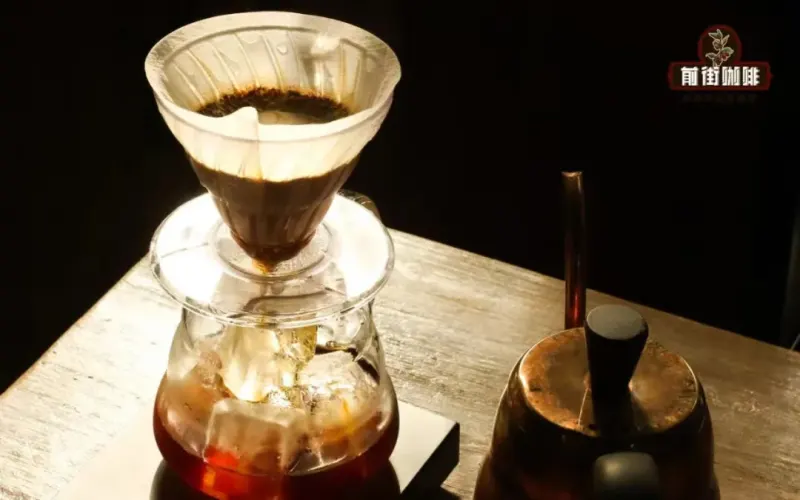
Complete Guide to Making Iced Pour-Over Coffee: Coffee-to-Water Ratio, Temperature Parameters, and Three-Pour Technique Explained
On a scorching summer day, a refreshing glass of iced pour-over coffee is undoubtedly a great way to cool down. But many coffee enthusiasts often run into the problem of weak flavor and thin body when making iced pour-over at home. This article starts from the two core factors of strength and extraction yield, systematically explaining the key differences between iced pour-over and hot pour-over—why you should reduce the amount of water poured, why you should adjust the grind size and pouring technique—and provides two complete sets of parameters tested by Front Street Coffee for medium-light roast and dark roast, including coffee dose, coffee-to-water ratio, ice amount, water temperature, and dripper selection. The article also recommends several popular Front Street Coffee beans suitable for making iced pour-over, and uses the Xizhao bean as an example to demonstrate step by step the complete brewing process of blooming and three-stage pouring, helping you easily brew a pot of full-bodied, juicy, delicious coffee. [more…]
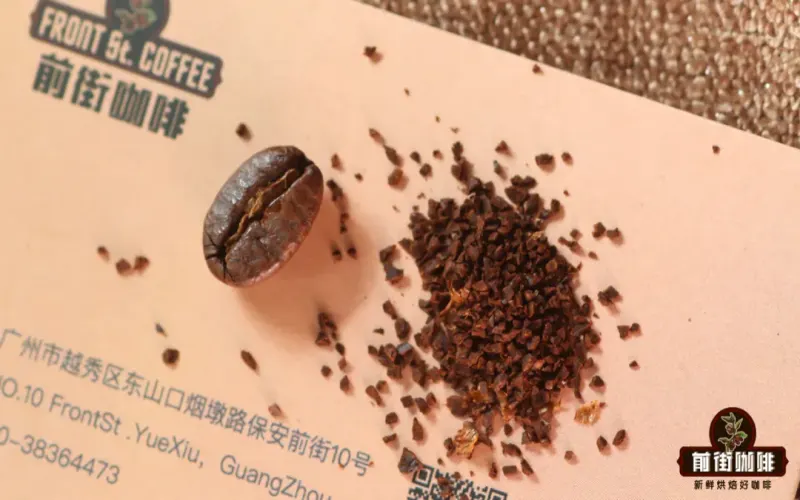
Pour Over, Cold Brew, Ice Drip, Moka Pot, and Espresso: Grind Size Selection for Each Extraction Method and Analysis of 20-Mesh Sieve Pass Rate
Grind size is one of the core parameters determining the success or failure of coffee extraction, but the coarseness of coffee grounds is difficult to describe with intuitive numerical values, so sieve passing rate has become a more precise way to communicate. In this article, Front Street will systematically sort out the suitable grind levels for pour-over, cold brew (cold immersion and ice drip), French press, clever cup, moka pot, and espresso machine, and provide specific passing rate references for the No. 20 Chinese standard sieve. Whether you are a beginner who has just started or a veteran player looking to calibrate your grind, you can find corresponding parameter suggestions here. The article also specifically explains the differences between medium-light roast and medium-dark roast pour-over, adjustment methods for iced pour-over, and the reason why cold brew grind is not finer-is-better, helping you avoid common pitfalls and brew a full-flavored good cup of coffee. [more…]
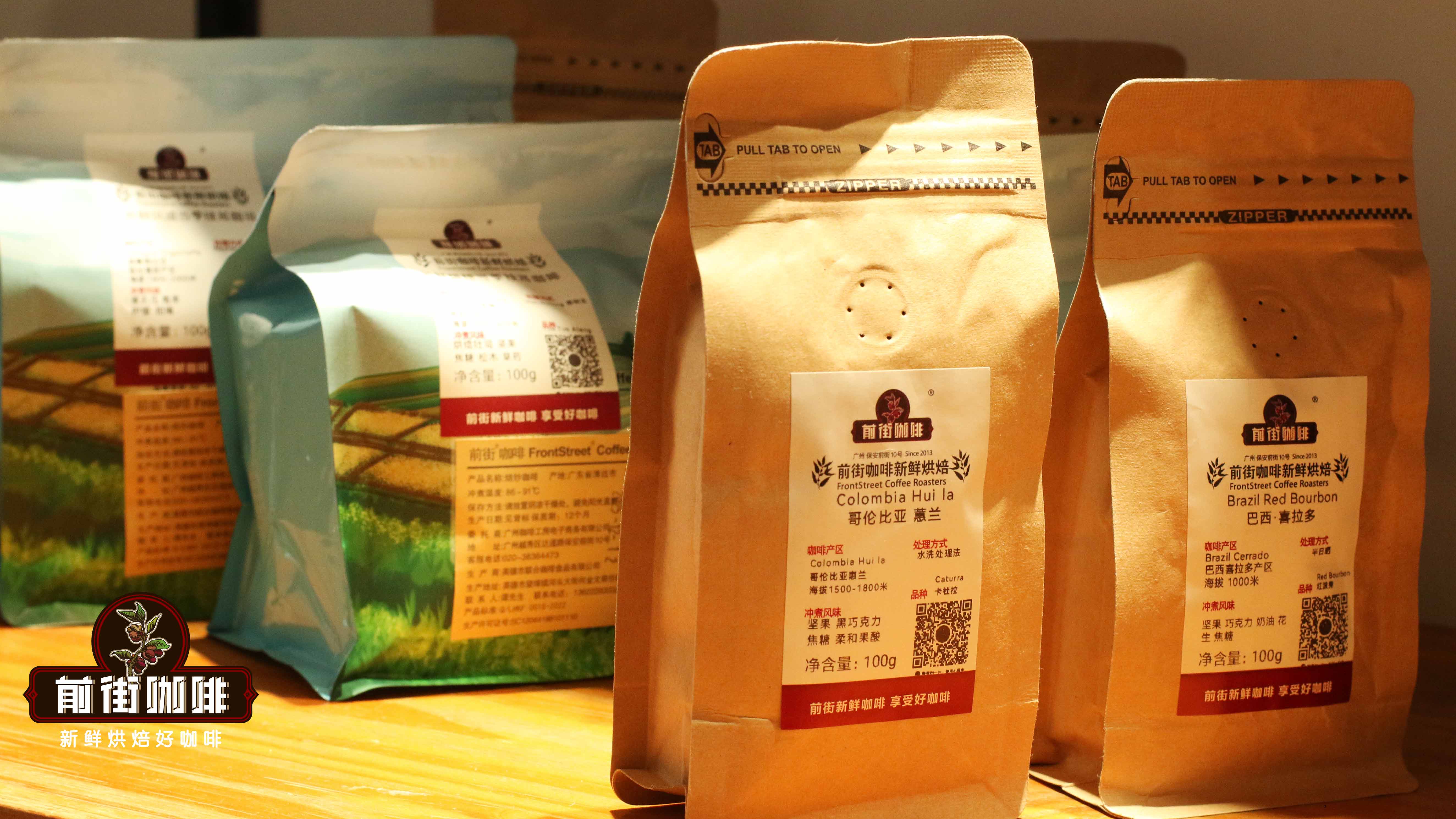
Espresso Machine vs. Hand Grinder Comparison: Coffee Bean Types Suitable for Hand Grinding and Brand Flavor Details
Hand-ground coffee and espresso machines are two common ways of making coffee, and they differ in extraction principles, flavor presentation, and suitable bean types. Espresso machines rely on high pressure for rapid extraction, delivering rich crema and intense flavor; pour-over, by contrast, uses hot water soaking and filtration to reveal the finer origin-specific character of coffee beans. In this article, Front Street Coffee provides a detailed comparison of the differences between the two, and recommends several single-origin coffee beans suitable for hand grinding and brewing, including washed Yirgacheffe, Costa Rica Tarrazú, and Indonesia Lintong Mandheling, while also providing specific brewing parameters and techniques to help coffee lovers find a hand-ground coffee solution that suits their taste. [more…]

An Analysis of Yunnan Coffee's Three Major Varieties: Flavor Evolution, Roasting, and Brewing Highlights of Typica, Bourbon, and Catimor
Yunnan coffee, also known as Yunnan small-bean, is renowned for its plump and uniform beans and its mellow, well-balanced taste. Front Street Coffee has always paid attention to China's own coffee, hoping that through a deeper understanding of varieties and flavors, more people can rediscover Yunnan beans. Currently, the varieties that can be produced on a large scale in Yunnan are mainly Catimor, Typica, and Bourbon. This article will review the introduction history and evolution of these three varieties in Yunnan, and, using Front Street Coffee's Huaguoshan Typica and Yunnan small-bean Catimor as examples, present complete information from roasting curves and cupping flavors to brewing parameters, while also introducing the current state of Bourbon cultivation in Yunnan, providing coffee lovers with a practical guide to Yunnan coffee varieties. [more…]
An Analysis of the Differences Between Pour-Over and Espresso Machines: Hand-Grinding Coffee Bean Varieties, Features, and Front Street Brand Recommendations
What are the differences between hand-ground coffee and espresso machines in terms of extraction principles and taste performance? Espresso relies on high pressure for rapid extraction, with rich crema and intense flavor; pour-over, on the other hand, uses immersion and drip filtration to highlight the flavor layers of the coffee beans themselves. Starting from the representative methods of machine coffee and hand-ground coffee, this article compares the core differences between the two, and focuses on introducing three Front Street single-origin beans suitable for pour-over — washed Yirgacheffe, Costa Rica Tarrazú, and Indonesia Lintong Mandheling — covering their origin backgrounds, processing method characteristics, as well as Front Street's brewing parameters and flavor descriptions, to help coffee lovers find coffee beans suitable for hand grinding. [more…]
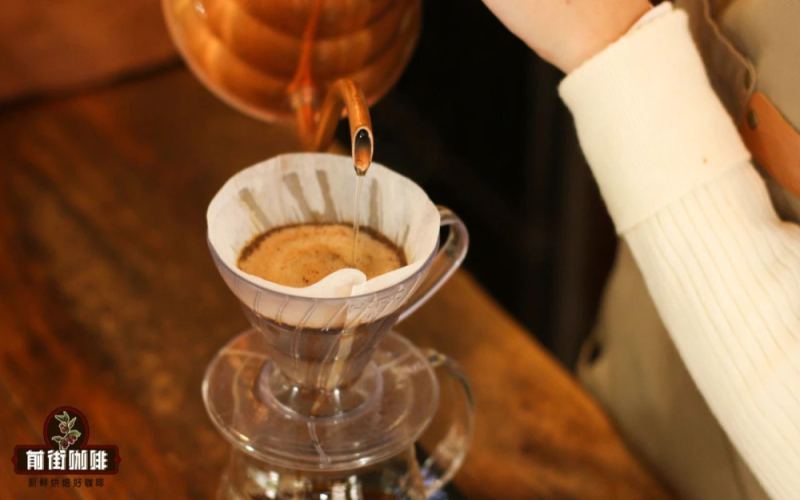
Advanced Pour-Over Coffee Guide: Water Distribution and Technique Details, with Three Front Street Single-Origin Beans for Practice
Front Street Coffee has previously discussed many factors that influence coffee flavor, starting from five objective conditions: coffee dose, coffee-to-water ratio, water temperature, grind size, and brewing device. This time, however, we turn our attention to an easily overlooked subjective variable—your hand, that is, the pouring method during brewing. This article will break down two major areas: water volume distribution and pouring technique. First, it compares the extraction differences between a single-pour and a three-pour method, then analyzes item by item how blooming, circling speed, pouring height, flow rate, and circling range affect the direction of the flavor. At the end, Front Street Coffee has also selected three single-origin beans with high regional distinctiveness for reference in daily brewing practice. [more…]
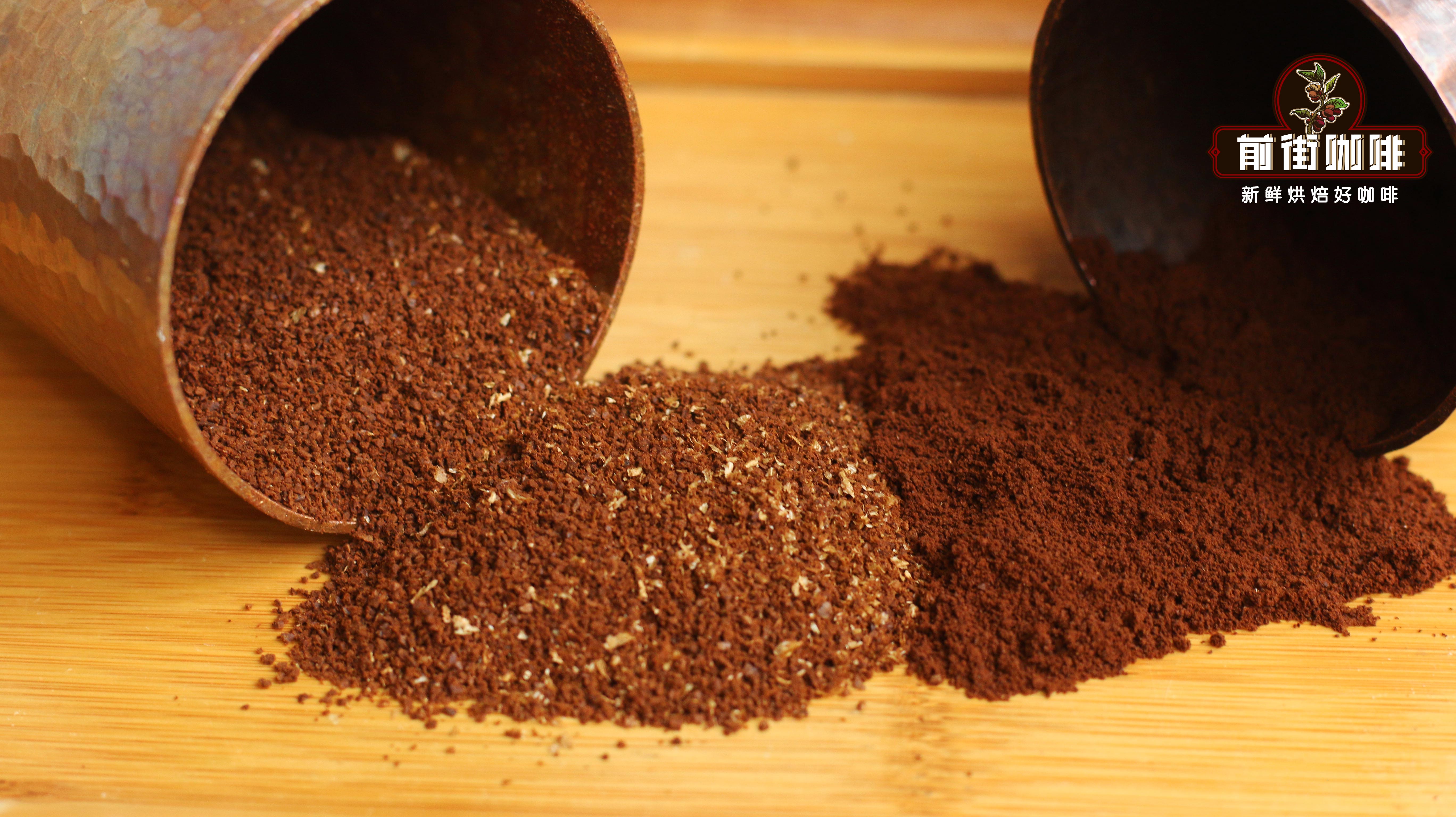
Coffee Grind Size Parameters | Pour-Over, Cold Brew, Ice Drip, Moka Pot – How Fine Should Coffee Grounds Be? A Guide to Using the Common Coffee Grind Size Reference Chart
"Excuse me, what grind size should I use for pour-over coffee?" "Why is the grind at setting 10 on your machine different from setting 10 on mine?" "When you say 'sugar-like,' do you mean caster sugar, granulated sugar, or brown sugar?" ... Are you still struggling to find the right grind size for your coffee brewing device? Front Street has an article to [more…]
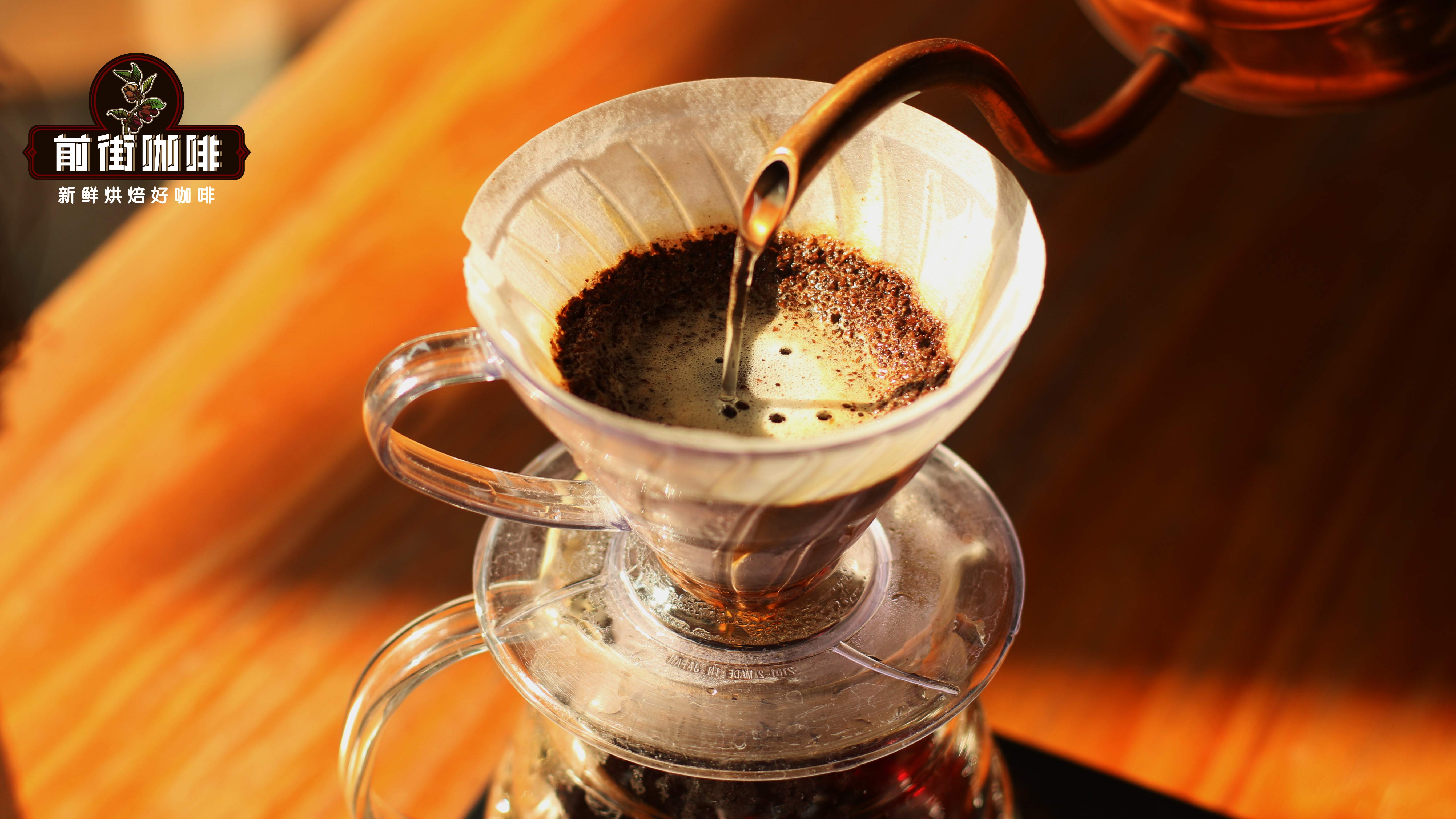
A Detailed Guide to the Seven Key Factors in Pour-Over Coffee Flavor Control and Brewing Practice
Pour-over drip extraction occupies a central position in single-origin coffee brewing, and a good cup of pour-over coffee can present rich layers of acidity, aroma, sweetness, and bitterness. So behind the seemingly simple act of pouring water, what variables are actually influencing the final flavor expression? This article will systematically sort out the seven key factors affecting pour-over coffee, from water volume distribution, blooming technique, circling speed, pouring height, and flow rate to circling range, analyzing one by one their specific effects on extraction. At the same time, Front Street Coffee will also share three highly recognizable single-origin beans from different regions and their brewing parameters, helping coffee lovers build a flavor cognition system through practice. [more…]
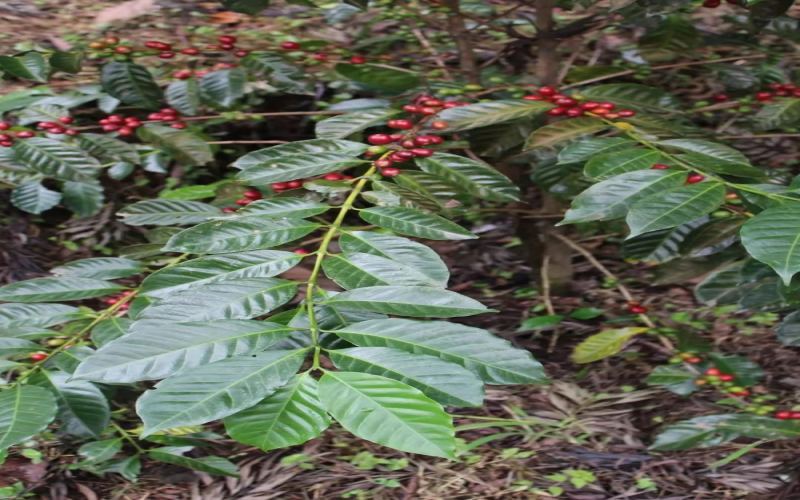
Ethiopia Gesha Village vs. Panama Geisha: Variety Origins, Flavor Differences, and Pour-Over Parameters Explained
Since its discovery in the Geisha forest of Ethiopia in 1931, the Geisha variety has journeyed through Kenya, Uganda, Tanzania, and Costa Rica, ultimately rising to fame at Hacienda La Esmeralda in Panama. But although both are called Geisha, what exactly are the differences between coffee produced in the Panama region and that from Gesha Village in Ethiopia in terms of terroir conditions, flavor expression, and brewing strategies? This article will systematically trace the variety's propagation path, compare the green bean characteristics, roasting curves, and cupping performance of Hacienda La Esmeralda, Elida Estate, and Janson Coffee Farm in Panama with Gesha Village in Ethiopia, and include detailed pour-over parameters from Front Street Coffee to help coffee enthusiasts fully understand the differences between these two iconic growing regions. [more…]
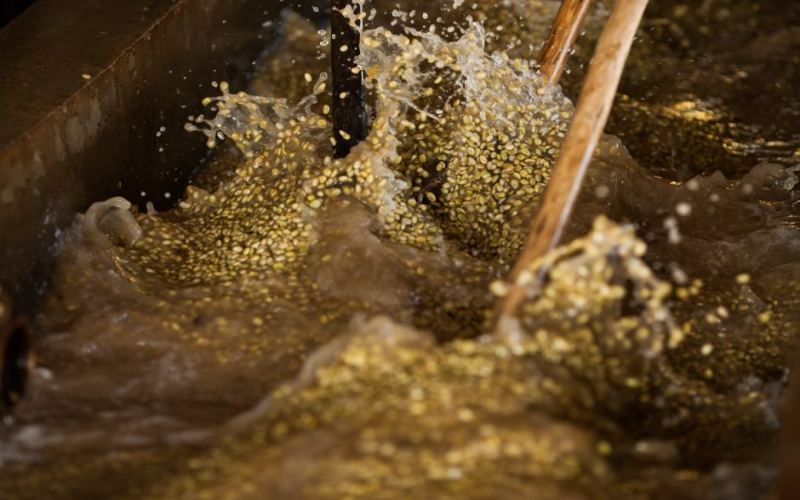
Yirgacheffe Washed Bean Flavor Characteristics and Brewing Parameters: From Origin and Variety to Grind Size
Washed Yirgacheffe has always been a favored origin representative in the specialty coffee world, impressing with its clean, transparent cup profile and signature citrus-floral notes. From the perspective of Front Street Coffee's bean selection, this article systematically reviews Yirgacheffe's regional history, the characteristics of its heirloom varieties, and the flavor differences between washed and natural processing methods, while unfolding the origin story through the example of the Gedingding Cooperative. It also includes Front Street Coffee's roasting suggestions and pour-over parameters (V60 dripper, 92-93°C water temperature, 15g coffee, 1:15 coffee-to-water ratio, caster sugar grind size), providing coffee enthusiasts with a reusable brewing reference. [more…]
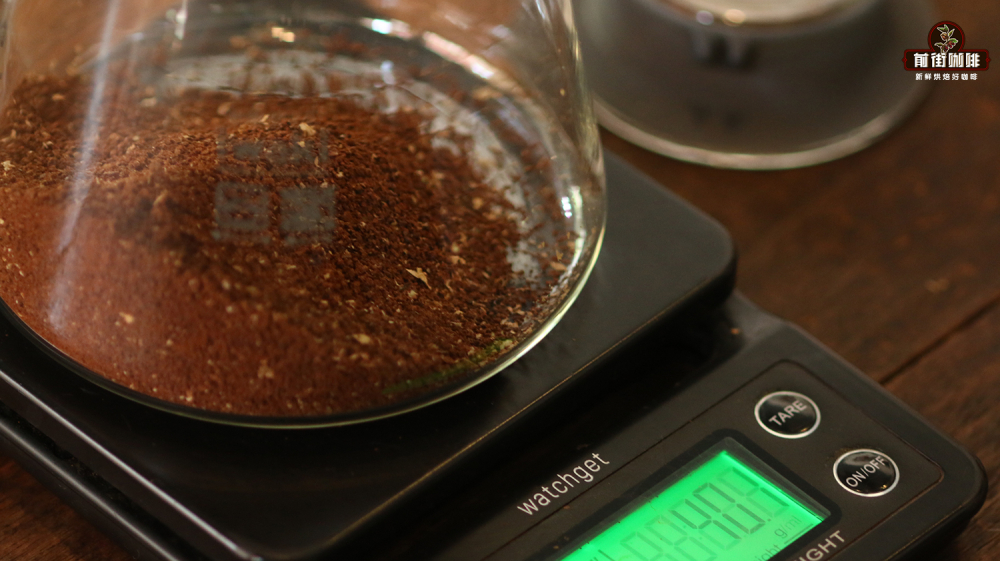
Cold Brew Bean Recommendations for Beginners | Are Floral and Fruity Coffee Beans Suitable for Cold Brew? How to Make Delicious Yirgacheffe Cold Brew at Home?
Whenever the perceived temperature rises above 25°C, people start looking for refreshing iced coffee, and cold brew is one of the most popular homemade iced coffee options, because it is easy to make with simple equipment—as long as you have a bag of fresh, good beans, you can effortlessly make delicious coffee at home. If you were to recommend one suitable for begin [more…]