







Search Results for: Caldas Region
Colombia Caldas Region Natural Geisha: Flavor Characteristics, Estate Background, and Pour-Over Parameters Explained
The Geisha variety has always been most famous in Panama and Ethiopia, but Geisha grown in Colombia is equally worth paying attention to. For this selection, Front Street Coffee chose a lot from Finca Mitra in the Chinchiná region of Caldas Department, Colombia. It is sun-dried, grown at an altitude of 1,700 to 1,850 meters, and graded SUPREMO. The Caldas producing region lies in the heart of Colombia's coffee industry, and its coffees often carry vanilla notes, soft acidity, and good body. The natural process adds fermented aromas and richer layers of sweetness to this Geisha. This article will cover the terroir conditions of the region, the origins and cultivation requirements of the Geisha variety, Front Street's light-roast profile design, and the specific parameters and techniques for pour-over extraction, along with cupping and brewed flavor descriptions for coffee lovers' reference. [more…]

Flavor Analysis and Pour-Over Parameters Guide for Colombia San Caldas San José Estate Oak Barrel Fermented Coffee Beans
In the world of specialty coffee, barrel-fermentation processing has attracted much attention in recent years, and the pioneer of this technique was not Honduras' Moca estate, but rather El Finca San José in Colombia's San Caldas region. In a moment of inspiration, the estate's third-generation female owner placed green coffee beans into rum oak barrels for low-temperature fermentation. After repeated experiments, she ultimately created the distinctive rum barrel-fermented coffee. This article will guide you through the background of Finca San José, the birth of barrel fermentation, the origins of the Castillo variety, and Front Street Coffee's pour-over performance and brewing recommendations for this bean at different water temperatures, helping you gain a more comprehensive understanding of this uniquely flavored Colombian specialty coffee. [more…]
A Panoramic Guide to Colombia's Coffee Regions: Flavor Codes and Variety Characteristics from Huila to Nariño
As the world's second-largest Arabica coffee producer, Colombia—with the volcanic soils and diverse microclimates of the Andes Mountains—nurtures a balanced, mellow coffee flavor. This article systematically reviews the history of Colombian coffee cultivation, its geographical advantages, and its main producing regions—Cauca, Tolima, Huila, Nariño, Caldas, and Santander—analyzing the characteristics and flavor differences of each region, and also provides a detailed introduction to the Huila washed beans selected by Front Street Coffee along with brewing recommendations, offering coffee lovers a complete guide to Colombian coffee. [more…]
Rum Barrel Fermented Coffee Flavor Analysis: Colombia San Jose Estate Processing Method and Pour-Over Parameters
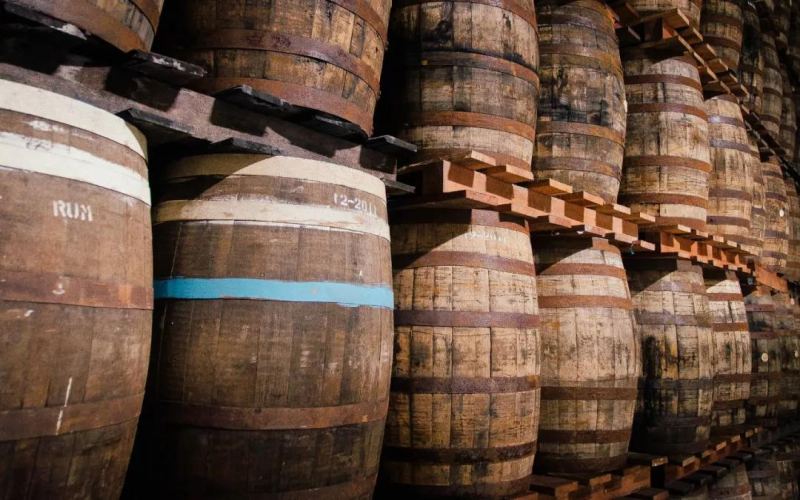
Winey coffees have attracted much attention in recent years. Front Street Coffee has three beans with winey notes, among which Sherry and Lychee Orchid are well known, but the origin of barrel fermentation actually lies in the San Jose Estate in Colombia. This article provides a complete breakdown of Front Street Colombia Rum Barrel Fermented Coffee, from the producing region, estate story, and processing method to roasting and brewing. The San Jose Estate is located in the Caldas region at an altitude of 1750 meters, uses the Castillo variety, and after meticulous washing, is placed in aged rum oak barrels for low-temperature fermentation for three months. The cup profile presents notes of rum truffle, rum, tropical fruit, and maple syrup. The article also provides V60 staged extraction parameters and measured taste results, making it suitable for coffee enthusiasts who want to understand the principles of barrel fermentation and brewing methods. [more…]
Pour-over Techniques and Flavor Analysis of Colombia Finca San José Rum Barrel-Aged Coffee Beans
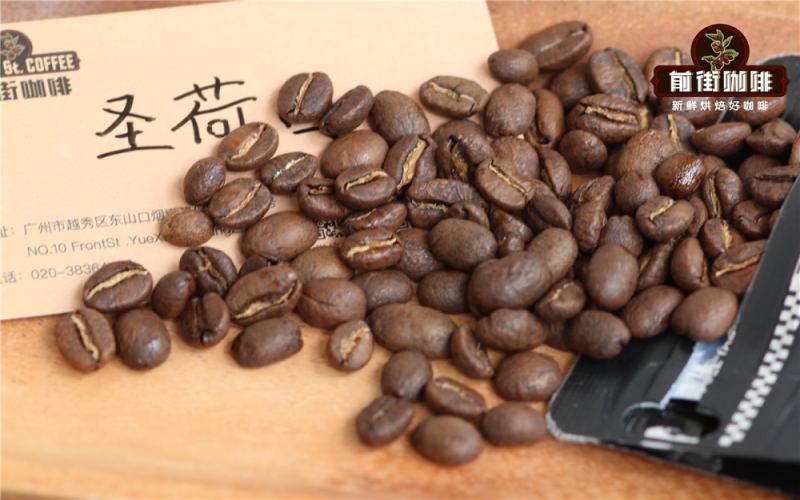
The barrel fermentation processing method was not pioneered in Honduras; its inspiration came from a moment of inspiration by the lady owner of Finca San José in Colombia. This rum barrel fermented coffee that Front Street Coffee is presenting this time comes from the Caldas region, at an altitude of 1750 meters, and the variety is Castillo. The green beans rest in aged rum barrels for three months, absorbing a full rum aroma. This article will provide a complete introduction to the estate background, processing flow, and roasting curve, and will separately give the parameters and staged extraction methods for hot pour-over and iced pour-over, helping you brew a richly layered cup with rum, nut, and tropical fruit flavors at home. [more…]
San Jose Estate Rum Barrel Fermented Coffee Bean Analysis: Colombia Castillo Variety Flavor Review
Colombian coffee occupies an important place in the global specialty coffee landscape thanks to its exceptional natural conditions and refined cultivation techniques. This article focuses on a Front Street Colombian coffee bean that uses a special processing method—a refined washed rum-process coffee from Finca San Jose. Finca San Jose is located in the Caldas region of central Colombia, with a century-old heritage and 18 hectares of cultivated land, abundant sunshine year-round, and an average temperature of 22°C, providing an ideal environment for coffee cultivation. This bean uses the Castillo variety, undergoes low-temperature fermentation in oak barrels, and is then washed and dried, presenting a rich flavor profile interwoven with rum truffle, rum, tropical fruit, and maple syrup, with a creamy, smooth, and balanced mouthfeel. The following sections will introduce the estate background, processing technique, variety characteristics, as well as V60 brewing parameters and flavor evaluation in detail. [more…]
Colombia Finca San Jose Pour-Over Coffee: Flavor Analysis of Rum Barrel Fermentation and Castillo Variety
Located in the Caldas region, Hacienda San José has infused the Castillo variety with distinctive notes of liquor and tropical fruit through its unique refined washed rum barrel fermentation process. This article will guide you through the bean's origin background, processing details, and the development of the Castillo variety in Colombia, while also sharing the brewing parameters and cupping flavor profile recommended by Front Street Coffee. [more…]
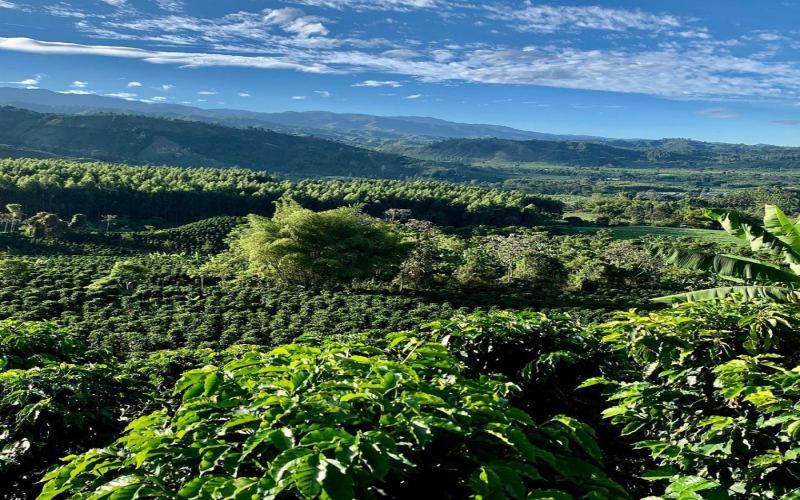
A Comprehensive Analysis of Colombian Arabica Coffee Beans: Origins, Flavor Profiles, Grading Systems, and Processing Methods
Colombia is the world's third-largest coffee producer. Thanks to the diverse microclimates of the Andes and its high-altitude growing environment, it cultivates coffees with soft fruity acidity, nutty aromas, and excellent balance. From the classic Medellín, Armenia, and Manizales to Huila, Cauca, and Nariño in the south, each producing region presents a distinctly different flavor profile. This article systematically reviews the main characteristics of Colombia's Arabica coffee regions, variety composition, washed and specialty processing methods, and the grading system based on screen size, and also includes brewing parameters and flavor descriptions for several Colombian beans from Front Street Coffee, helping coffee lovers gain a comprehensive understanding of this major South American coffee country. [more…]
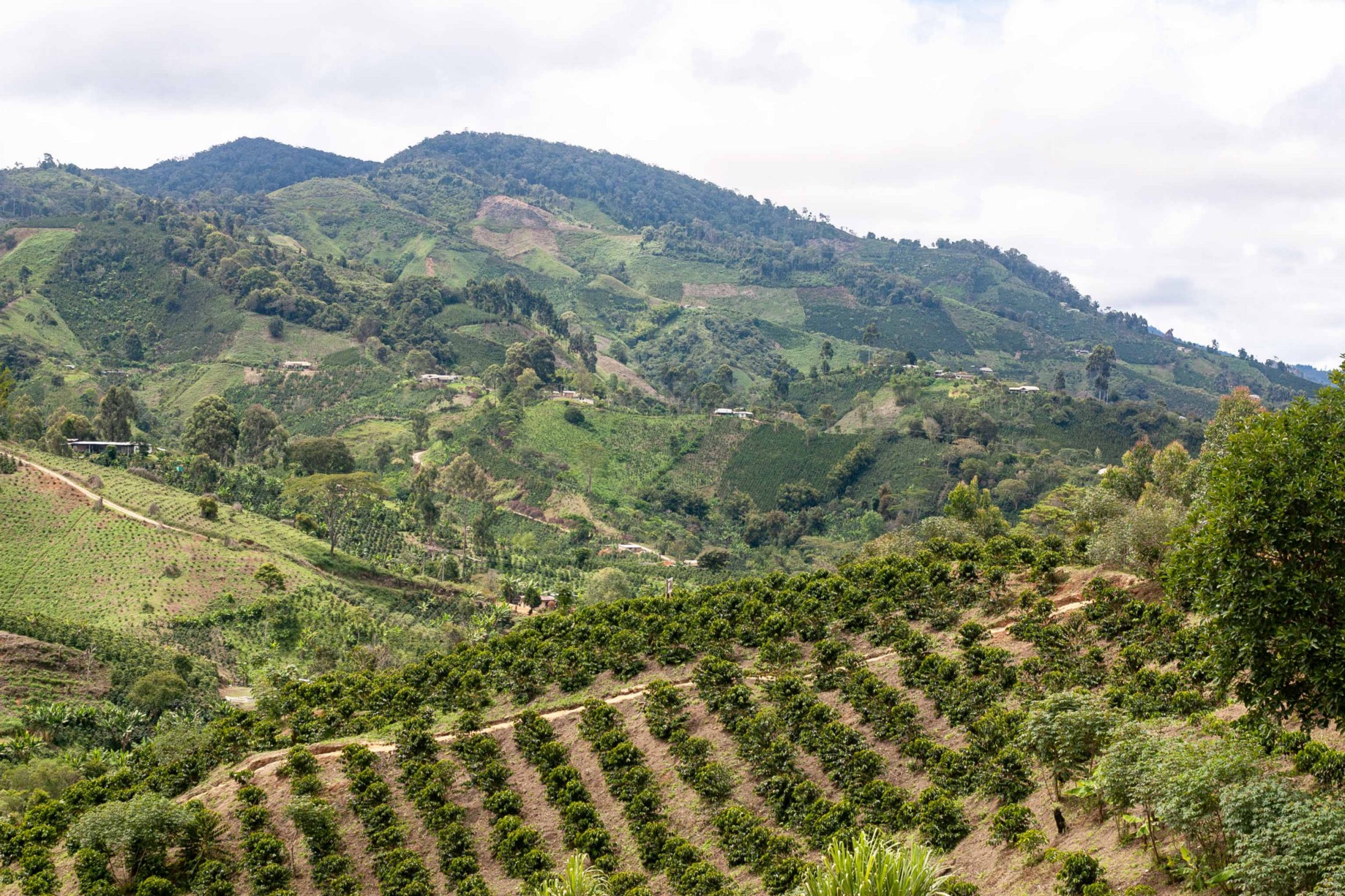
Colombian Coffee Beans | Introduction to Major Coffee Producing Regions and Flavor Characteristics of Colombia Medellín and Huila
For more specialty coffee knowledge, please follow: Front Street Coffee (Frontsteet Coffee) Today, Colombia is the world's second-largest producer of Arabica coffee beans. Colombian coffee is renowned for its unique flavor and the mild yet rich aroma that every cup exudes. [more…]
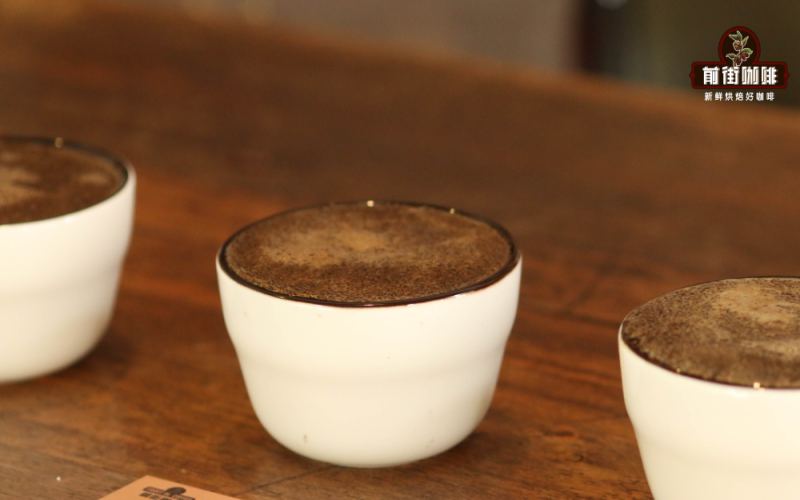
Exploring the Origin of Rum Barrel Fermented Coffee: The Unique Processing at Finca San José in Colombia and Front Street's Brewing Analysis
Wine-aroma coffee beans have gained great popularity in recent years. Many people believe that barrel fermentation technology originated in Honduras, but in fact, Finca San Jose in Colombia is the true pioneer of this process. This article will guide you through an in-depth understanding of how Finca San Jose cleverly combines rum oak barrels with green coffee beans—from the selection of the Castillo variety, the details of refined washed processing and three-month barrel fermentation, to Front Street Coffee's roasting curve and brewing parameters—fully revealing the flavor secrets of this rum barrel-fermented coffee. Whether you are curious about its historical origins or want to replicate a cup of wine-aroma pour-over, you will find detailed answers here. [more…]
Colombia Finca San José Rum Barrel-Aged Coffee: Pour-Over Parameters and Hot & Iced Brewing Flavor Analysis
The barrel fermentation process was not pioneered in Honduras; its inspiration came from a sudden flash of insight by the lady owner of Finca San Jose in Colombia. Front Street Coffee takes you deep into the origin background, processing method, and Castillo variety characteristics of this rum barrel fermented coffee bean, and shares the complete parameters and staged extraction techniques for both hot and iced pour-over. From the roasting curve to grind size, water temperature, and coffee-to-water ratio, we break down in detail how to brew a cup of San Jose coffee with rich wine aroma and complex layers, allowing you to experience the unique flavors where rum, nuts, and tropical fruits intertwine. [more…]
Front Street Coffee Colombia Mitra Estate Natural Geisha: A Comparative Record of V60, Ice Eye, and Siphon Brewing
Front Street Coffee recently acquired a natural Geisha from Colombia's Mitra Estate, and after several days of resting, it's officially time to brew. This article fully documents the bean's origin background and flavor characteristics, and uses three different brewers—Hario V60, Ice Eye dripper, and siphon—for brewing tests, detailing the respective coffee dose, grind size, water temperature, coffee-to-water ratio, and staged pouring schemes, while also presenting the differences in flavor expression across the three brewers. At the end, equipment selection suggestions are given based on brewing goals: choose V60 to highlight layering, choose Ice Eye to enhance sweetness, and choose siphon to boost mouthfeel, for coffee lovers' reference. [more…]
Analysis of the Flavor Characteristics and Pour-Over Parameters of Colombia Finca San José Oak Barrel Fermented Coffee Beans
In the specialty coffee world, barrel-fermented processing methods have attracted considerable attention in recent years, and the origins of this technique can be traced back to Finca San José in Colombia. The third-generation female owner of the estate was the first to try placing green coffee beans into rum oak barrels for low-temperature fermentation, pioneering a distinctive processing method. This article will provide a comprehensive introduction to Finca San José's regional background, the development of the Castillo variety, the specific process of fine washing combined with rum barrel fermentation, and compare its flavor differences with the barrel-aged beans from Finca Moca in Honduras. At the same time, Front Street Coffee will share the optimal extraction parameters and flavor performance of this bean through brewing experiments at three different water temperatures, helping coffee enthusiasts gain a deeper understanding of this unique Colombian coffee. [more…]
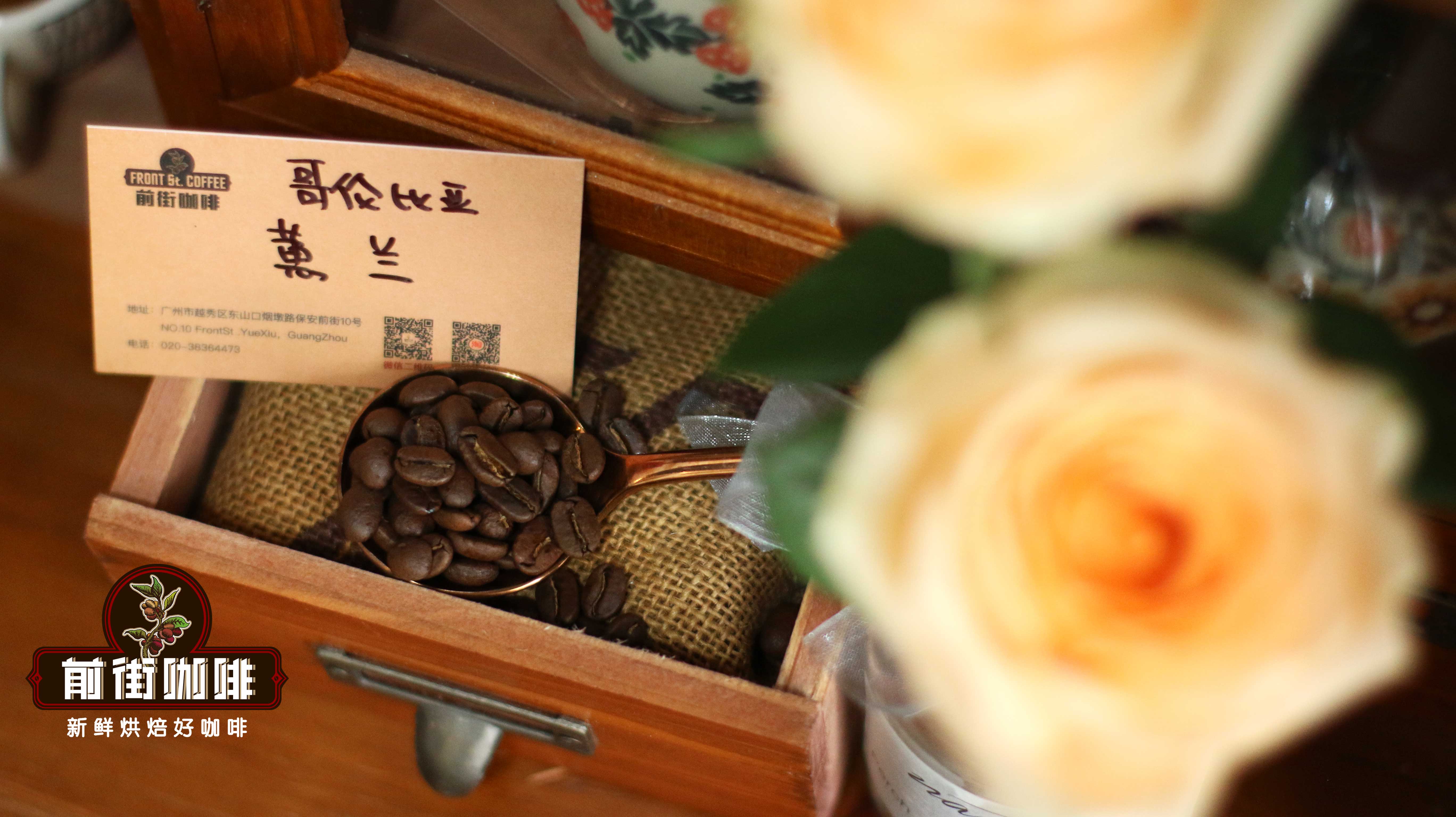
Colombian Coffee Flavor Analysis and Pour-Over Guide: A Complete Tasting Approach from Origin to Processing Method
Colombian coffee occupies an important place in the global specialty coffee landscape, known for its balanced, smooth mouthfeel and rich layers of flavor. Starting from the overall characteristics of Colombian coffee, this article systematically sorts out the flavor differences among the main producing regions, the features of various processing methods, and the background of varieties such as Caturra, Catuai, and Castillo. At the same time, Front Street Coffee will share the specific parameters and brewing technique for V60 pour-over Colombian beans, helping coffee enthusiasts better understand and appreciate the unique charm of Colombian coffee. [more…]
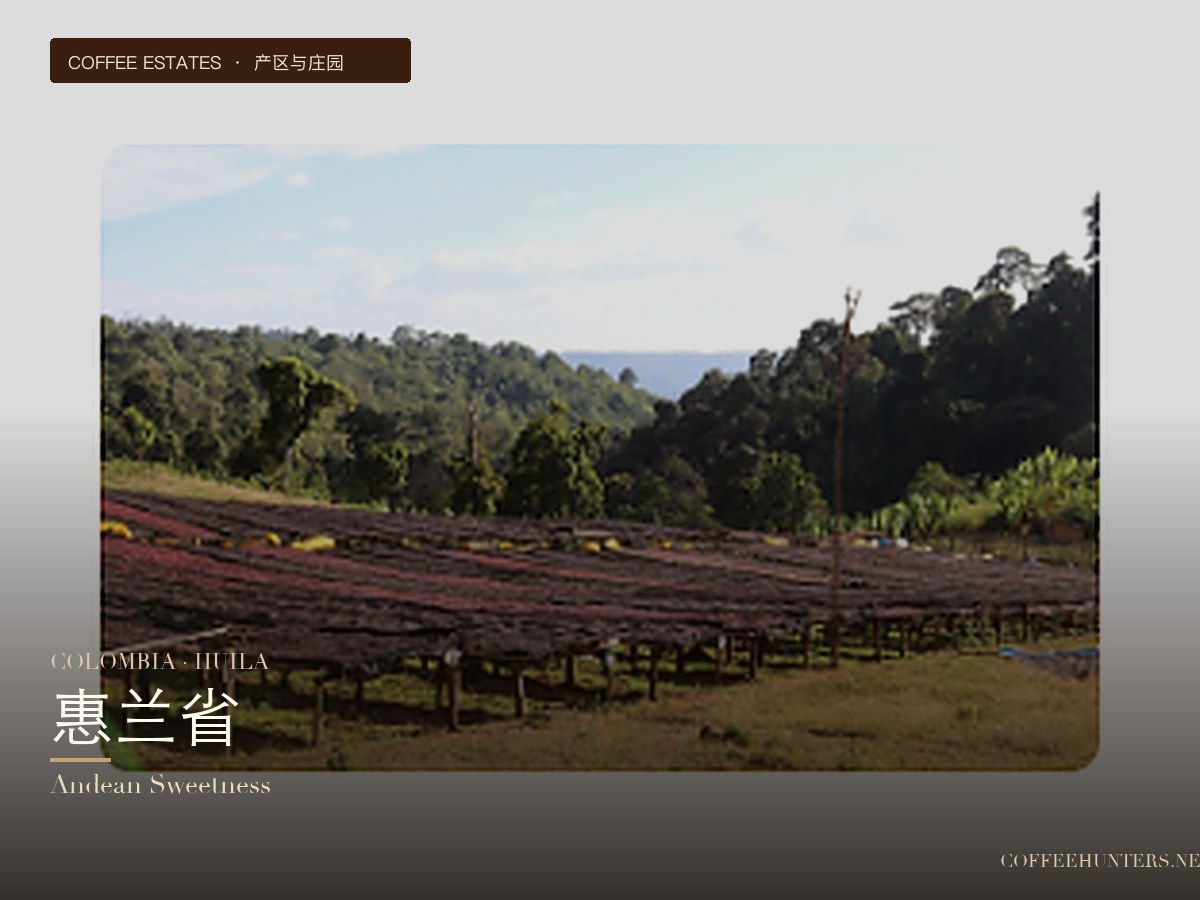
Colombia · Huila Department: Balanced Sweetness of the Andes
Huila is Colombia's most prestigious specialty coffee region, and the coffee produced here is famous for its balanced acidity and sweetness, pronounced caramel sweetness, and clean cup profile. This article guides you through Huila's geography, varieties, flavors, and brewing. [more…]
A Comprehensive Analysis of Colombian Coffee Bean Varieties and the Flavor Characteristics of the Cauca Region
Colombian coffee is globally renowned for being balanced and smooth, and in recent years the Cauca region has attracted considerable attention. This article will outline Colombia's main coffee varieties and grading system, analyze the flavor characteristics of classic regions such as Medellín, Armenia, and Manizales, and take a deeper look at the unique terroir and cupping performance of the Cauca region. At the same time, the article will also mention Front Street Coffee's bean selection recommendations for Colombian coffee, helping enthusiasts understand the diverse charm of this major South American coffee country in a more systematic way. [more…]
Colombian Coffee Regions and Specialty Bean Grading: A Flavor Analysis from Medellín to Nariño
Colombian coffee is renowned worldwide for its balanced, smooth taste and rich aroma, with the three cities of Medellín, Armenia, and Manizales together forming the famous "Coffee Triangle." For Front Street Coffee's Colombian offerings, the Medellín growing region is the top recommendation, with plump beans, moderate acidity, and excellent balance. Colombian coffee beans are mostly Coffea arabica, hand-picked and washed-processed, and after medium roasting they present a light, silky flavor, earning them the title "green gold." This article will walk you through Colombian coffee's varieties and grades, its main growing regions, and Front Street's recommendations, and will explain the difference between Supremo and Excelso, as well as the Narino Supremo coffee beans exclusively purchased by Starbucks. [more…]
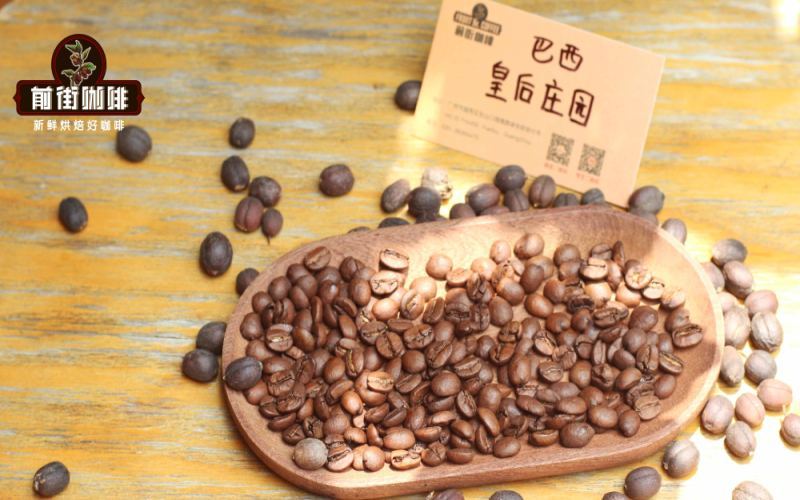
Brazil Queen Estate Yellow Bourbon Semi-Washed Beans: A Complete Analysis of COE Champion Origin Flavor and Roasting & Brewing
Located in the Mogiana region of Minas Gerais, Brazil, Fazenda Rainha won the Brazilian Cup of Excellence in 2011. The estate sits in the ancient volcanic valley of Vale da Grama at an elevation of about 1,400 meters, and all coffee is harvested by hand. This article focuses on Front Street Coffee's Brazil Queen Estate Pulped Natural Yellow Bourbon coffee, covering the estate's background, the variety's origins, the pulped natural processing method, green bean characteristics, and roasting strategy, showing how this bean, with its high density and low moisture content, achieves a cup profile of cream, nuts, roasted peanuts, and sugarcane sweetness through adjustments to the heat curve. [more…]
Brazil Queen's Farm Semi-Washed Yellow Bourbon: The Complete Guide to the Flavor Secrets, Brewing, and Roasting of a COE Champion Bean
In the Mogiana region of Minas Gerais, Brazil, there lies a coffee estate cradled by ancient volcanic valleys—Fazenda Rainha, the Queen's Estate. The Yellow Bourbon coffee produced here once took first place in Brazil's 2011 Cup of Excellence competition. This semi-washed Yellow Bourbon brought to you by Front Street Coffee is built on 100% Yellow Bourbon varietal and uses Brazil's distinctive pulped natural process, presenting a rounded flavor of cream, nuts, and sugarcane. This article will thoroughly break down every detail of this COE champion bean—from the estate's background and the varietal's origins to green bean analysis and roasting recommendations—providing coffee lovers with a detailed reference for tasting and brewing. [more…]
Analysis of Brazil Queen Estate Yellow Bourbon Coffee Beans Flavor Profile and Pour-Over Roasting Parameters Guide
Brazil, as the world's largest coffee producer, is known for its low acidity, full body, and nutty-chocolate notes. Among the many Brazilian estates, Queen Estate in the Mogiana region stands out with its Yellow Bourbon variety and meticulous natural processing, having won multiple accolades in COE competitions. This Yellow Bourbon from Queen Estate, selected by Front Street Coffee, combines the rounded character of Brazilian coffee with lively lemon aromas, performing in a balanced way in both roasting and brewing. This article will guide you through Queen Estate's background, the characteristics of the Yellow Bourbon variety, and its natural processing method, while sharing Front Street Coffee's roasting approach and pour-over recommendations to help you fully unlock the flavor potential of these beans. [more…]