







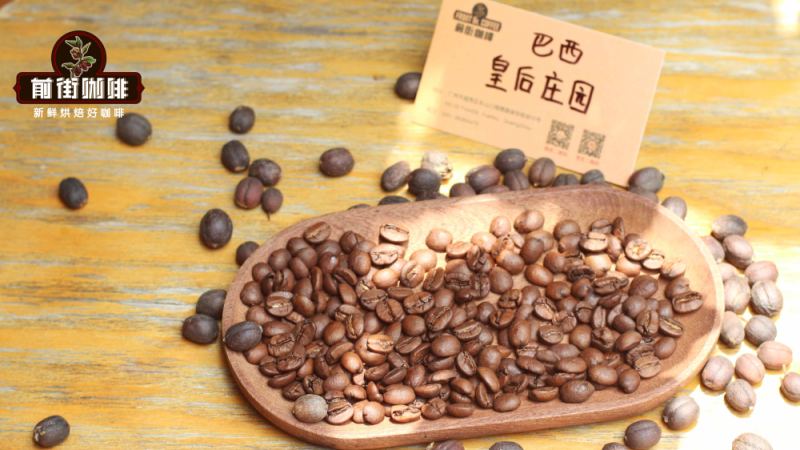
How Should Yellow Bourbon Coffee Be Roasted and Brewed?
Yellow Bourbon coffee from Fazenda Rainha in Brazil's Mogiana region won first place at the 2011 Cup of Excellence. The estate sits in the Vale da Grama volcanic valley at about 1,400 meters and grows Yellow Bourbon on roughly 200 mu of its 280 mu total area. Beans are hand-picked because the rolling terrain blocks large machinery.
The lot is processed semi-washed, a pulped natural method in which the cherry skin is removed but mucilage is left during drying, giving a rounded cup of cream, nuts and sugarcane. Because the estate finishes drying partly on raised beds and dryers, moisture is even before milling. The roasting process should stay moderate to keep that sweetness intact.
In the Mogiana region of Minas Gerais, Brazil, there lies a coffee estate cradled by ancient volcanic valleys—Fazenda Rainha. The Yellow Bourbon coffee produced here once claimed first place in Brazil's 2011 COE competition. This semi-washed Yellow Bourbon brought to you by Front Street Coffee is rooted in 100% Yellow Bourbon and uses Brazil's unique pulped natural method, presenting a rounded flavor of cream, nuts, and sugarcane. This article will dissect every detail of this COE champion bean, from estate background and varietal origins to green bean analysis and roasting recommendations, providing coffee lovers with a thorough tasting and brewing reference.
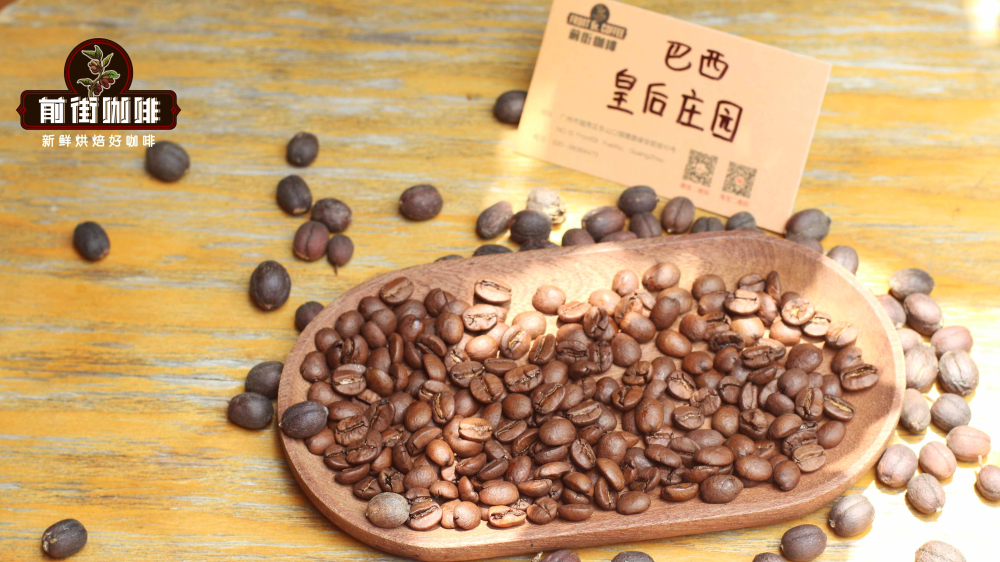
Front Street Coffee Brazil Fazenda Rainha Semi-Washed Yellow Bourbon Introduction
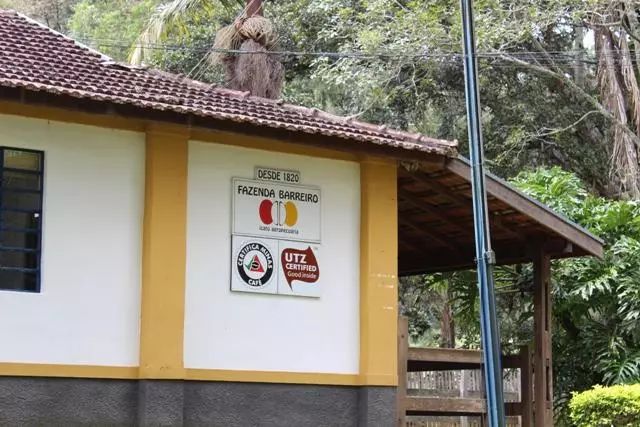
This Front Street Coffee Brazil semi-washed Yellow Bourbon coffee originates from Fazenda Rainha. The estate covers a total area of 280 mu and is nestled in Brazil's historically significant volcanic valley, Vale da Grama. In 2011, the estate won first place in Brazil's COE competition. Within the estate, 200 mu are planted with Yellow Bourbon coffee trees. Due to the undulating terrain and rolling mountains, large machinery is difficult to operate, so every coffee cherry is hand-picked. The estate first processes the beans using the washed method, then completes drying with drying racks and mechanical dryers. After mechanical screening, hand sorting is also carried out. The heavy workload requires farm employees to reside on-site year-round. It is worth mentioning that all employees and their families receive housing, medical care, and education support here.
The estate is a member of a medium-sized farm organization local to Grama Valley, primarily engaged in the export of specialty Bourbon coffee. The organization's office is located nearby in Pocos de Caldas and possesses a national-level cupping laboratory as well as large-scale storage facilities. In addition, the organization collaborates with local universities and research institutions, including Lavras University—the renowned scholar Dr. Flavio Borem came from its agricultural research center.
Product Name:
Front Street Coffee Fazenda Rainha Semi-Washed Yellow Bourbon Coffee
Estate: Fazenda Rainha
Region: Vale da Grama, Mogiana, Brazil
Altitude: 1400m
Processing Method: Semi-Washed
Varietal: Yellow Bourbon
Green Bean Analysis
This Front Street Coffee Brazil coffee bean is pure 100% Yellow Bourbon, with lineage traceable to the Bourbon varietal's place of origin—Reunion Island in Madagascar. In the 18th century, French explorers first introduced coffee to the island, which is why this varietal is also called the "French Missionary." Entering the 20th century, it was introduced to the African continent, then subsequently made its way to Brazil. Its derivative varieties are now widely distributed across Africa and the Americas. Bourbon grown in Brazil, due to recessive genes, produces yellow cherries.
The processing method for this Front Street Coffee Brazil coffee bean is Brazil's original Cerezadescascado method (pulped natural). This natural processing technique, similar to honey processing, gives the coffee a rounder flavor profile, with overall results falling between washed processing and full natural processing. In practice, a small amount of water is first used to remove the skin and pulp, then the coffee is directly spread on drying racks for sun drying, during which it is continuously turned to ensure every bean receives even sunlight exposure. After several days of drying, mechanical drying is then used to reduce moisture content to an appropriate level.
After the above processing, the coffee beans have relatively stable characteristics and can be stored for a long time. The beans have relatively high density, relatively low moisture content, and relatively large size. Of these, 98% of the beans can reach 16 mesh or above, and about half can reach 18 mesh.
Roast Analysis by Chris Kornman
Roasting Analysis
Front Street Coffee believes that the espresso roasting direction is more suitable for this bean, though the roast color will be relatively lighter. During the roasting process, this bean broke Front Street Coffee's preconceived impression of Brazilian beans. This batch of Front Street Coffee Fazenda Rainha beans has relatively high density and relatively low moisture content, resulting in very strong heat absorption capacity. Therefore, during roasting, additional firepower is needed to smoothly enter first crack and maintain development. The final roast level lands at medium-dark, and the coffee exhibits a flavor of cream, nuts, roasted peanuts, cream, sugarcane, and interwoven fruity sweetness and acidity.
The above content is compiled by CoffeeHunters, a coffee news website.


