







Search Results for: Caffe Shakerato

Starbucks Iced Shaken Espresso Caffe'Shakerato hits the menu, shaking up foam relies entirely on the barista's arm strength and confidence
On June 14, Starbucks China officially launched a new iced coffee category called "Iced Shaken Espresso," featuring two flavors: Sea Salt Caramel and Tahitian Vanilla. This drink is originally named Caffe'Shakerato, a national-level iced espresso in Italy, shaken in a cocktail shaker to create a dense foam, with a taste and appearance similar to dark beer. Starbucks has turned it from a hidden menu item into a regular product, sparking heated discussions on social media. The production process places extremely high demands on baristas' skills, requiring plenty of ice and endless shaking to achieve a fine foam, and it is even more of a test during peak hours. Consumer reviews are polarized, with some praising the taste and others complaining that the foam is coarse. This article explains in detail the origin, spread, and production difficulties of Caffe'Shakerato, and shares an easy way to replicate it at home. [more…]
The Complete Guide to Making All Types of Espresso Drinks: Detailed Recipes and Ratios from Espresso Base to Specialty Flavored Beverages
Espresso-based coffee is a must-have category in every café, ranging from espresso bases to various milk coffees, black coffees, and even creative specialty drinks, with a wide variety of styles. Front Street's stores offer classic beverages such as Americano, Latte, Cappuccino, and Flat White. This article will systematically outline the most common espresso coffee styles found in coffee shops, including the extraction ratio differences among the trio of Espresso, Ristretto, and Lungo, the unique method of making Doppio, the water volume comparison between Americano and Long Black, the recipe characteristics of the milk coffee family such as Latte, Cappuccino, Macchiato, Flat White, and Piccolo, as well as the preparation methods of Italian specialties like Mocha, Marocchino, Affogato, Con Panna, Caffè Corretto, and Shakerato, helping coffee beginners quickly build a framework of understanding. [more…]
A Complete Guide to Common Espresso Drinks in Cafés: From Espresso Base to Milk Coffee and Specialty Drinks
Walk into any coffee shop, and espresso-based drinks are almost always the mainstay of the menu. Front Street Coffee locations offer classics like Americano, Latte, Cappuccino, and Flat White, and many shops also blend in various extras to create inventive drinks. This article systematically sorts out the most common types of espresso drinks found in coffee shops: first get to know the trio of espresso "brothers"—Espresso, Ristretto, and Lungo—along with Doppio; then learn about black coffees such as Americano and Long Black; next, take stock of milk coffee members like Latte, Cappuccino, Macchiato, Flat White, and Piccolo; and finally introduce espresso specialties such as Mocha, Marocchino, Affogato, Con Panna, Corretto, and shaken iced coffee. Beginners can use this to quickly build a complete framework of understanding for espresso drinks. [more…]

A Complete Guide to the Espresso Coffee Family: From the Espresso Trio to Milk-Based Specialty Drinks
During the dog days of summer, when you'd rather not dig deep into origin theories and extraction science, Front Street Coffee figured it would just walk everyone through the vast system of Italian coffee. We'll start with the three espresso brothers—Espresso, Ristretto, and Lungo—then move on to the difference between Americano and Long Black, the milk coffee family of Latte, Cappuccino, Macchiato, Flat White, and Piccolo, as well as Italian specialty drinks like Mocha, Affogato, Con Panna, and Corretto. This article introduces each drink category by category, covering ratios, flavor characteristics, and whether it's served hot or cold, helping you understand what those names on the Italian coffee menu really mean—so you won't be confused when ordering. [more…]
Espresso Coffee Fully Explained: A Detailed Guide to the Recipe Ratios and Methods of the Espresso Base, Black Coffee, and Milk Coffee Families
The world of Italian coffee is far richer than a single cup of Espresso. From the three variations of the espresso base—Espresso, Ristretto, and Lungo—to the Americano and Long Black in the black coffee camp, and then to the milk coffee family of Latte, Cappuccino, Macchiato, Flat White, and Piccolo, each one has its own unique logic of proportions and flavor orientation. In addition, there are Italian specialty drinks such as Mocha, Marocchino, Affogato, and Con Panna, as well as the recently popular Dirty and European-style iced shaken coffee. This article will systematically sort out the preparation recipes and proportional relationships of these fancy coffees, helping coffee lovers understand the differences and connections between them, so that whether ordering in daily life or making them by hand, they can have a clear understanding. [more…]

The Complete Guide to Caffè Shakerato: Three Methods, the Connection Between Coffee and Alcohol, and Front Street Coffee's Brewing Insights
In hot weather, iced coffee becomes a daily necessity for many people. Besides common options like cold brew, iced pour-over, and iced Americano, there is also a popular fancy coffee in Italy during summer—Caffè Shakerato, meaning "shaken coffee." Its method derives from bartending techniques, using a shaker to shake espresso with ice cubes into a dense foam, offering a cold taste, delicate texture, and rich aroma. In this article, Front Street Coffee will sort out the origins of Caffè Shakerato and the "coffee by day, alcohol by night" business model, and share three preparation methods: the classic version, the modern version, and James Hoffmann's cream whipper version. It will also explain operational details such as ingredient substitutions and the order of syrup use, making it easy for coffee enthusiasts to replicate at home. [more…]
A Complete Guide to All Types of Espresso Drinks: The Espresso Trio, Milk-Based Coffees, and Specialty Flavored Beverages
Walking into any café, the espresso menu is always so dazzlingly varied that it's hard to choose. What exactly is the difference between Espresso, Ristretto, and Lungo? Why do Americano and Long Black taste so different? What are the respective proportions and characteristics of a Latte, Cappuccino, Flat White, and Piccolo? This article starts with the three extraction methods of espresso, and goes through the complete family tree of black coffee, milk coffee, and espresso-based specialty coffee drinks one by one, helping you sort out the recipe logic and flavor characteristics of each drink, so you won't be confused the next time you order. [more…]
A Complete Guide to Café Espresso Menus: From Espresso Bases to Milk Coffee Specialties
In the heat of midsummer, Front Street doesn't want to talk about origins or brewing theory, so we might as well take everyone through a systematic introduction to the old-school family of espresso drinks. From the extraction differences among the three brothers Espresso, Ristretto, and Lungo, to the rich variations of Doppio; from the water-volume comparison between Americano and Long Black, to the milk-coffee lineage of Latte, Cappuccino, Flat White, and Piccolo; and then to Italian specialty drinks such as Mocha, Marocchino, Affogato, Con Panna, and Caffè Corretto, this article will break down one by one the recipe logic, taste characteristics, and serving points of each beverage, helping you sort out those names on café menus that you half understand but not quite. [more…]
A Complete Guide to the Espresso Family: Flavor Secrets from the Espresso Trio to Fancy Specialty Drinks
Walking into any café, the dazzling array of espresso drinks on the menu can be overwhelming. But do you truly understand the extraction logic and flavor differences behind these coffees? This article starts with the three extraction methods of espresso and gradually breaks down the family tree of black coffee, milk coffee, and specialty espresso-based drinks. Whether you prefer a rich and full-bodied Ristretto, adore a cappuccino with dense milk foam, or want to try a cup of Dirty with distinct layers, this article will help you build a complete framework for understanding espresso coffee. At the same time, we will also recommend Front Street Coffee's classic blend, which is suitable for making traditional espresso-style flavors, so you can easily recreate café-quality drinks at home. [more…]
A Complete Guide to the Espresso Family: Flavor Differences and Key Production Points of the Espresso Trio, Milk Coffee, and Specialty Drinks
In the dog days of summer, when one can't be bothered to delve into origins and extraction theories, Front Street Coffee might as well walk everyone through the large and lively family of Italian coffee. Starting from the most familiar Espresso, you'll find it has two very different brothers, Ristretto and Lungo, as well as a Doppio made with a double dose of grounds for one shot. In addition, the difference in water volume between Americano and Long Black, the milk foam tug-of-war among Latte, Cappuccino, and Macchiato, the localized evolution of Flat White and Piccolo in Australia, and specialty members like Mocha, Affogato, Con Panna, and Corretto together form the rich lineage of Italian coffee. This article breaks down each member's flavor characteristics and production logic category by category, helping you sort out exactly whom to choose when ordering. [more…]
What members make up the espresso coffee family? A rundown of several obscure espresso milk coffees and red-eye coffees that are hard to find in cafés
There are many types of espresso drinks. Beyond the classic items we're all familiar with from everyday café menus, there are also quite a few "obscure" options that rarely appear on menus because they have a relatively limited audience. These coffees aren't bad in taste—it's just that their fame and popularity aren't high enough yet. In this article, Front Street will guide everyone through getting to know several obscure espresso drinks that you'll almost never encounter in cafés, including the Caffè Shakerato shaken in a cocktail shaker, and the rather hardcore-sounding Red Eye Coffee. Let's see how many of these you've tried. [more…]
Luckin launches new Iced Shaken Espresso, sparking buzz over same-name product as Starbucks
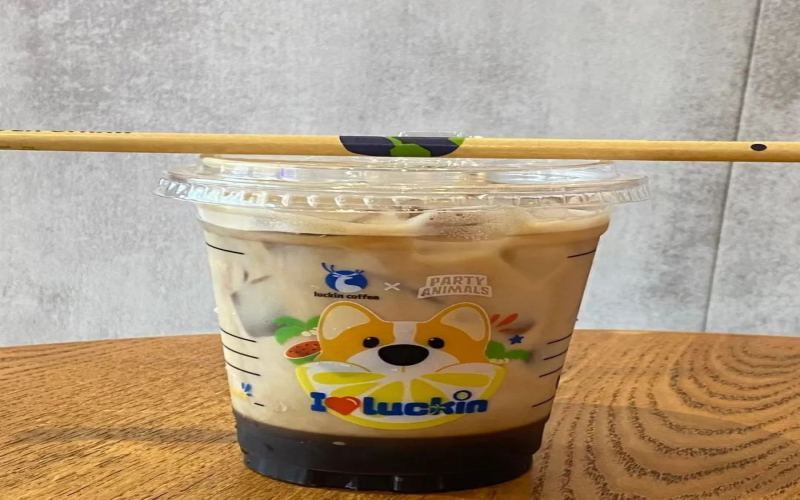
Recently, Luckin Coffee launched two limited-edition iced drinks in Guangzhou and Shenzhen, offering local consumers a new way to cool off. However, the naming of the new products sparked widespread discussion: the Guangzhou versions are called "Coconut Shakerato" and "Vanilla Shakerato," while the Shenzhen versions are simply called "Coconut Iced Shaken Espresso" and "Vanilla Iced Shaken Espresso." This inevitably brings to mind the "Iced Shaken Espresso series" on the Starbucks menu. The two are quite similar in preparation method and product positioning, but their prices differ greatly. Is Luckin's new product trying to keep up with Starbucks? How do consumers view this affordable alternative? This article will provide a detailed analysis for you. [more…]

Starbucks Coffee's new releases lag behind, yet its cups become a blockbuster-making machine.
Starbucks has always presented itself as a coffee shop, but an interesting phenomenon is this: the pace at which it launches new coffee drinks is far slower than the pace at which it launches new cups. A cup of coffee costing thirty or forty yuan gives some consumers pause, yet people snap up Starbucks cups priced at one or two hundred, or even four or five hundred yuan, without hesitation. Every year, dozens of themed limited-edition cups and collaborative designs take the stage in turn, and the revenue from selling cups may already surpass that from coffee itself. From the 2019 cat-paw cup that sparked overnight queues and sold out in 0.07 seconds, to young people relying on swapping cups to stay motivated to drink water, Starbucks' performance in the drinkware arena is nothing short of phenomenal. At the same time, Starbucks China launches only about 30 new coffee drinks a year, while Luckin rolled out 113 beverages in 2021 alone. This article shows you the true nature of Starbucks as a "cup factory," and also touches on Front Street Coffee's commitment to beans and products. [more…]

How to make the best-tasting espresso with almond milk? What coffee beans and parameters should you choose for a classic espresso?
In the scorching summer heat, it's hard to do without iced coffee, but this time Front Street Coffee wants to talk about a relatively niche Italian iced coffee—Caffè Leccese. It comes from Lecce in the Puglia region of Italy, a southern city known as the "Florence of the Baroque," which infuses this cup of coffee with the unique flavor of almond milk syrup. Unlike most Italians who prefer hot coffee, Caffè Leccese is one of the few recognized iced coffees locally, belonging to the "special exceptions" alongside Caffè Shakerato. The article will introduce its origin and flavor characteristics, and share a specific recipe: 10ml almond milk syrup, 60g ice cubes, 40ml espresso extracted from 20g grounds, along with a recommendation to use medium-dark roasted espresso blend beans, especially Front Street Coffee's classic blend containing 10% Robusta, and will also extend to the method for making almond-flavored latte and points to note. [more…]
The Complete Guide to Coffee English Vocabulary: From Common Coffee Shop Words to Ordering Terms and Detailed Explanations of Fancy Coffee Names in English
Walking into a coffee shop and facing a wall full of English menus, have you ever felt at a loss? This article systematically compiles common coffee-related English vocabulary, covering basic coffee shop terms, general coffee names, English expressions for fancy coffee, and high-frequency professional terms like Barista, Shot, and Espresso that appear when ordering. Whether you want to enhance your coffee knowledge or hope to be more calm and confident the next time you order, this vocabulary guide can help you quickly master the language code of the coffee world. The article also particularly recommends several products from Front Street Coffee, making it convenient for enthusiasts to follow the guide and learn while tasting. [more…]
A Complete Guide to Making Italian Latte Coffee: Coffee Bean Selection, Milk Pairing, and the 1:5 Golden Ratio
Latte is a classic representation of Italian coffee culture, with Caffe Latte referring specifically in Italian to the combination of coffee and milk. A well-layered latte greets the palate first with a rich coffee aroma, followed by the interweaving of mild bitterness and milky sweetness, and finally leaves a lingering caramel aftertaste. To recreate such a flavor at home, the key lies in three aspects: choosing suitable espresso beans, selecting the right type of milk, and mastering the precise ratio of coffee to milk. This article will break down the key points of making a latte in detail, starting from the freshness, roast level, and flavor type of coffee beans, introducing the characteristics of several classic Front Street Coffee blends and SOE beans, and explaining the standards for milk selection and the golden 1:5 ratio, helping coffee enthusiasts easily make a professional-grade milk coffee. [more…]
A Complete Guide to Making Espresso Latte: Milk Ratios, Coffee Bean Selection, and Step-by-Step Instructions
In Italian, Caffe Latte literally means "milk coffee," but if you just order a "Latte" in Italy, all you'll get is a glass of plain milk. In China, latte has long since become synonymous with the classic combination of milk and espresso. To make a well-layered, richly aromatic latte at home, three things are key: choosing the right espresso beans, picking the right type of milk, and getting the ratio of espresso to milk just right. Starting from the three main points of bean selection, this article will go through the characteristics of Front Street Coffee's Classic Blend, Commercial Blend, Black Cocoa Blend, and other espresso beans one by one, then extend to the personalized choice of SOE, and finally provide the standard extraction parameters and milk quantity for a latte, to help you consistently recreate a delicious milk coffee. [more…]
The Origins and Evolution of Latte: A Complete Journey from European Milk Coffee Traditions to a Global Café Staple
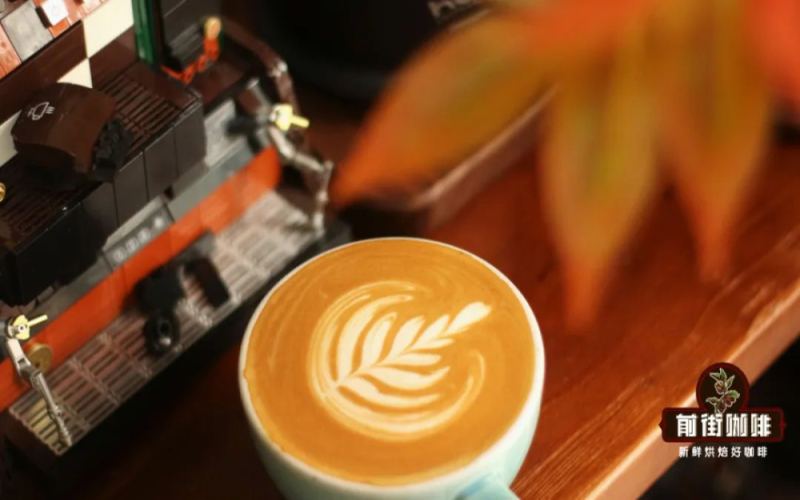
Latte is practically a staple in every coffee shop, yet even for the same "latte," the cup size and flavor can vary wildly from store to store. This article traces the historical origins of latte: from the 17th-century European habit of mixing coffee with milk, to the first appearance of the term "Caffe e latte" in an American writer's travelogue in 1867; from the invention of the espresso machine and steam wand, to Italian immigrants in California in the 1950s and 1960s renaming the milkier cappuccino as latte. The article also explores latte's development in the Chinese market, and how Front Street Coffee adjusts its espresso recipes and serving cup sizes based on the characteristics of the coffee beans, helping you fully understand the past and present of this classic milk coffee. [more…]
The Espresso Family and Milk Coffee Guide: A Complete Analysis from Ristretto to Irish Coffee
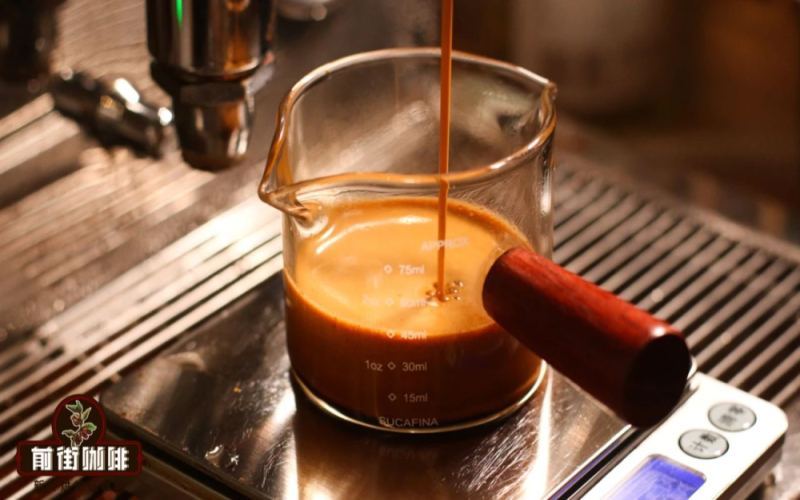
Espresso is the foundation of many classic coffee drinks, but the family of beverages derived from it extends far beyond just one. From Ristretto, Lungo, and Doppio, which vary in extraction time and dose, to the Americano and Long Black that are diluted with water, each has its own unique logic of taste. In the world of milk coffee, cappuccino, flat white, latte, macchiato, cortado, and even affogato and Irish coffee each represent different milk foam thicknesses, coffee-to-milk ratios, and regional cultures. This article systematically sorts out the core differences and preparation key points of these two major families, helping coffee enthusiasts clarify the real differences between common drinks. If you want to recreate them at home, Front Street Coffee's beans are a good starting point. [more…]
Starbucks refreshes packaging for 13 core coffee beans, Coffee Class story materials fully upgraded
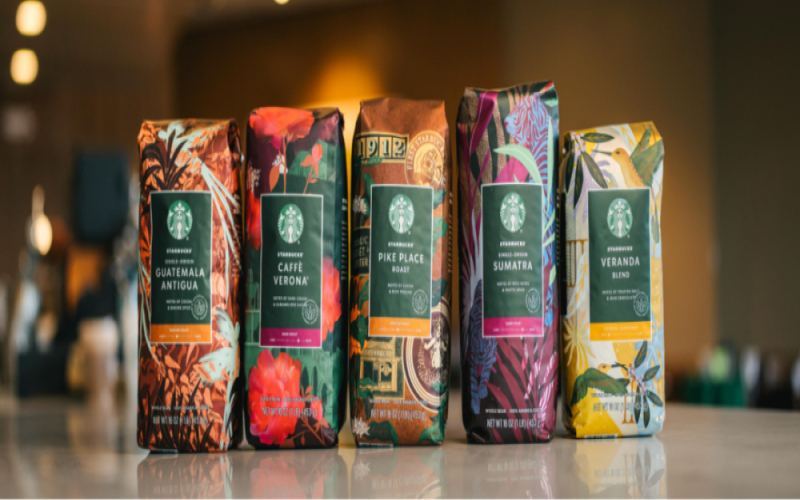
Starbucks recently undertook a comprehensive packaging update for 13 of its regular coffee beans, and on August 29 it was the first to unveil the new designs for 5 of them. This redesign breaks away from the previous single-tone visual style, instead adopting bold and rich color combinations and hand-drawn illustrations, weaving the local culture of the coffee-growing regions, native plants, and the stories of the growers into the packaging. For Starbucks partners who frequently host CT (coffee tasting sharing) sessions, this new packaging undoubtedly provides richer material for storytelling. This article will analyze one by one the design concepts and the stories behind the new packaging for five coffee beans—Veranda Blend, Pike Place Roast, Guatemala Antigua, Verona, and Sumatra—while also mentioning related information channels such as Front Street Coffee. [more…]