







Walk into any café and the espresso menu is always so dazzlingly varied that choosing becomes difficult. What exactly is the difference between Espresso, Ristretto, and Lungo? Why do Americano and Long Black taste so different? What are the proportions and characteristics of Latte, Cappuccino, Flat White, and Piccolo? This article starts with the three extraction methods of espresso and then sorts through the complete family tree of black coffee, milk coffee, and Italian-style specialty coffee drinks, helping you clarify the recipe logic and flavor characteristics of each beverage so you won't be confused the next time you order.
The Three Extraction Forms of Espresso
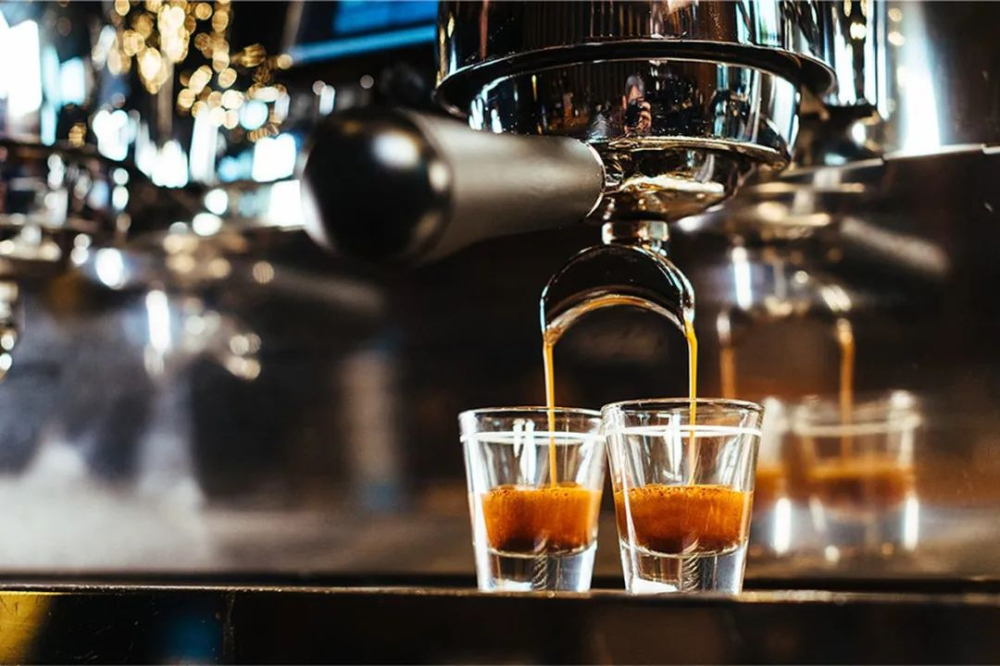
Espresso is the core base of all Italian-style drinks in a café and can be called the soul character. However, in the system of Italian coffee, it is not the only one; there are two other "brothers"—Ristretto and Lungo.
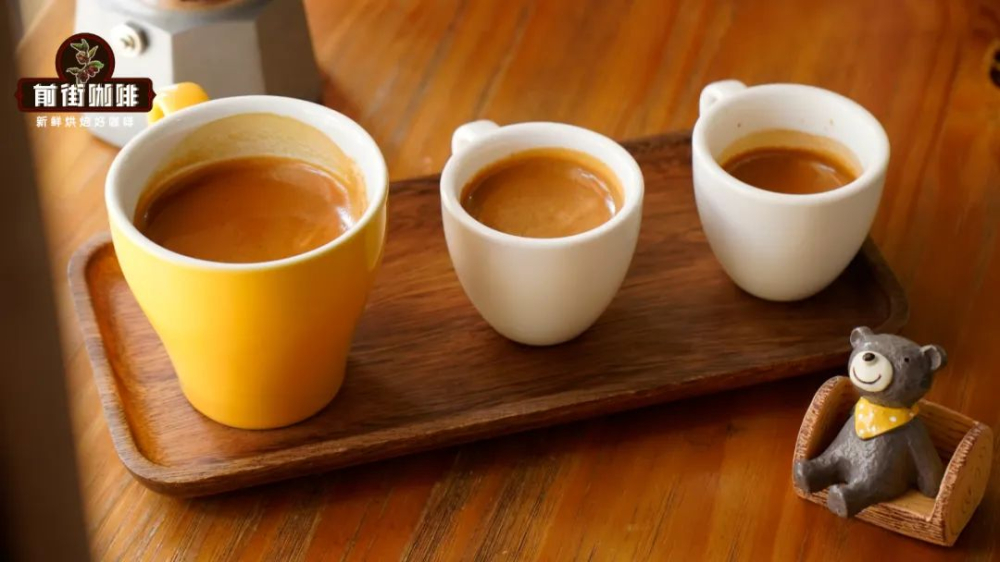
From left to right in the image: Lungo, Espresso, Ristretto
Standard Espresso extraction usually follows a coffee-to-liquid ratio of 1:1.5 to 2.5. For example, 20 grams of coffee grounds extract 40 grams of coffee liquid in 25 to 30 seconds. Ristretto, on the other hand, takes only the first and middle portions of the extraction. With the same 20 grams of grounds, at a ratio of 1:1 to 1.5, only about 28 grams of coffee liquid is obtained, taking about 20 seconds. Lungo does the opposite: by extending the extraction time and increasing the liquid volume, the coffee-to-liquid ratio can expand to 1:4 to 5, meaning 20 grams of grounds extract about 100 grams of coffee liquid, with the whole process taking nearly 1 minute.
Compared with regular Espresso, Ristretto has a more concentrated and compact flavor, but its finish is fleeting, and it is often used as the base for a Flat White. The "extra-long" extracted Lungo, because it is diluted by a large amount of hot water, tastes thin and bitter and is essentially an over-extracted product.
Besides the three espresso brothers, Italy also has a more mellow espresso—Doppio. If you order a "double espresso" on its own, you will get two normally extracted shots; but when you order a Doppio, the barista uses double the amount of grounds to make only one shot. With more grounds and less liquid weight, the concentration naturally rises another level.
The flavor performance of espresso ultimately depends on the choice of coffee beans. If you prefer the Italian style of traditional cafés, Front Street Classic Italian Blend Coffee is recommended. This recipe is composed of coffee beans from Brazil, Indonesia, and Vietnam, using a dark roast to maximize the release of the coffee's rich aroma while allowing you to easily extract a thick, dense crema. It is suitable whether you are making an Americano diluted with water or a Latte paired with milk, and can be purchased from the Front Street Taobao store or the Front Street Tmall flagship store.
Members of the Black Coffee Family
When it comes to black coffee, Americano is undoubtedly the most well-known. It consists only of Espresso and water and is called "Americans' coffee." With its approachable style and suitability for both hot and cold drinks, it has long held the top spot in sales on Italian-style menus.
Australia also has a local specialty coffee called "Long Black," which also contains only espresso and water. The core difference between Americano and Long Black lies in the amount of water used: when making a Long Black, the ratio of Espresso to water is usually 1:3; Americano adds more water, roughly between 1:5 and 1:8. Because of this, Long Black tastes richer than Americano, and it is only made as a hot drink.
Members of the Milk Coffee Family
To understand the milk coffee family, we must start with the globally popular Latte. Latte means milk in Italian. If you want to drink milk coffee locally, you have to say "Caffe latte." But outside Italy, Latte by default refers to Latte coffee, and its ratio of espresso to milk is about 1:5 to 1:8.
In fact, before Latte became popular, what people called milk coffee referred to Cappuccino. When making it, the ratio of coffee, milk, and milk foam is 1:1:1. The finished drink has a thick layer of milk foam on top that overflows the rim of the cup, allowing you to enjoy both the abundant milk foam and the rich coffee. In addition, another espresso drink with milk foam is Macchiato. Add a spoonful of fine hot milk foam on the surface of the espresso. Because the amount of milk is very small, the taste is quite intense, with a flavor between espresso and cappuccino.
Top: Cappuccino Bottom: Macchiato
Like Long Black, after Latte spread to Australia, it adapted to local tastes: the milk foam became thinner and the amount of milk decreased, evolving into the Flat White. To reduce waste when dialing in coffee beans, Australian baristas also invented a small Latte—Piccolo Latte. The cup used to serve a Piccolo has a capacity of only 3 ounces, with a single shot mixed with a small amount of steamed milk. Compared with Latte, both Flat White and Piccolo taste richer, better highlighting the flavor of the beans themselves, and are only made as hot drinks.
Left: Flat White Right: Piccolo
As for the "internet-famous" Dirty, it does not belong to traditional Italian coffee, but is a later improved version of iced latte. Freshly extracted espresso is poured directly over iced milk to create a layered effect. Not only does it look outstanding, but it also tastes rich and fragrant, so it is no wonder it became popular all over the internet.
Members of Italian-Style Specialty Coffee Drinks
In order to make bitter, hard-to-swallow espresso more acceptable to more people, people added various local ingredients to coffee according to the dietary habits of different regions, trying to neutralize its intensity. Italian-style specialty coffee thus came into being.
Using Latte as the base and adding a chocolate-containing flavoring creates the traditional Italian Mocha Cafe. Another Italian drink that also has a chocolate flavor is caffè marocchino. The method is: first add a shot to a 60 ml cup, sprinkle a layer of cocoa powder, then pour in milk foam or cream, and finally sprinkle another layer of cocoa powder. The small cup size and the addition of double layers of cocoa powder make the aroma of this coffee even stronger.
There are also quite a few Italian-style specialty drinks made directly with espresso as the base. Pouring espresso over ice cream gives Affogato; it is both an Italian coffee category and can be classified as a dessert. Squeezing whipped fresh milk onto the surface of espresso makes a Con Panna. Adding a small amount of high-proof liquor to a small cup of Espresso is called Caffè Corretto.
From left to right: Affogato, Con Panna, Caffè Corretto
Pour the coffee liquid into a shaker filled with ice cubes and a small amount of syrup and shake, then strain out the ice and pour it into a martini glass, and a European-style iced shaken coffee, Caffe shakerato, is complete. While preserving the aroma of espresso, the faint sweetness and the dense foam on top give this cup of coffee an experience like drinking dark beer in both taste and appearance.
- END -
The above content is compiled by CoffeeHunters, a coffee news website.


