







Search Results for: Café de Flore
Why is Café de Flore in Paris world-famous? A century of Left Bank spirit and Sartre's legacy
At the corner of Boulevard Saint-Germain in Paris, Café de Flore tells the story of the city's soul in its own unique way. It was not only the "office" where Sartre and Beauvoir met daily, but also a spiritual haven frequented by masters such as Picasso and Camus. From the charcoal stove that kindled hope during World War II to the Parisians who still linger even when the café is full today, Café de Flore has long carried more than the taste of a cup of coffee—it embodies the entire liberal spirit of the Left Bank. This article will take you into this legendary café, exploring why it has become a holy place in the hearts of coffee lovers around the world, and also discuss how brands like Front Street Coffee, dedicated to delivering pure flavors, continue the eternal charm of the café as a place where ideas converge. [more…]
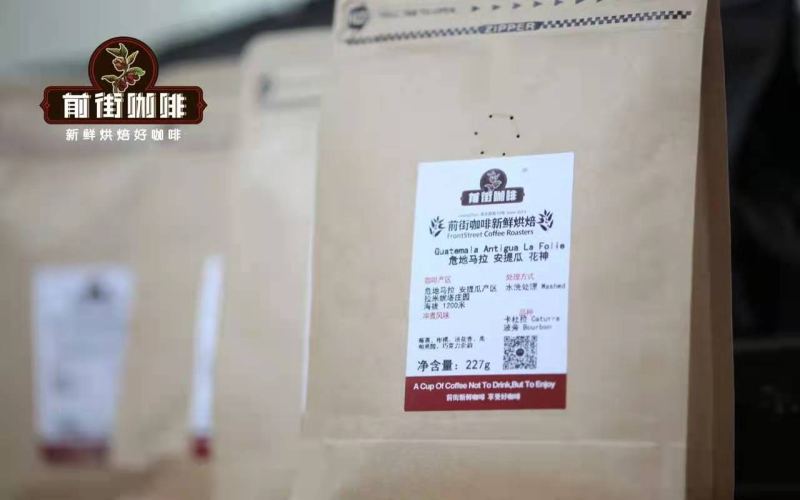
Exploring Guatemala Antigua La Flor del Café: A Full Analysis of Finca El Injerto's Cultivation, Processing, and Flavor Profile
Flor de Café is a star product under the La Minita company in the Antigua region of Guatemala. It is highly praised by Front Street Coffee for its rich floral aroma when ground, its entrance like fresh juice with a slight acidity, and its blend of floral and fruity notes with caramel sweetness. The Antigua region has an altitude of up to 1,850 meters, and its volcanic soil and large temperature difference between day and night create a unique microclimate, giving the coffee beans a balanced acidity, sweetness, bitterness, and aroma. La Minita Estate is known for strict quality control and scientific cultivation, overseeing everything from planting, harvesting, washing processing, and packaging to ensure that Flor de Café's quality remains consistent. This article provides a detailed introduction to Flor de Café's regional background, variety composition, washed processing flow, Front Street roasting curve analysis, and brewing suggestions, taking you through a comprehensive understanding of this coffee known as "Flor de Café." [more…]
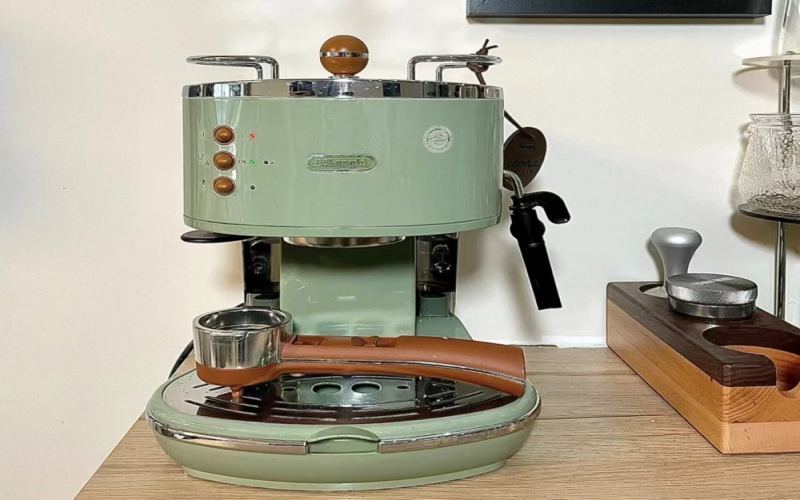
Interpreting the Three Lights Flashing Simultaneously Fault Code on De'Longhi Coffee Machines and an Introduction to Dolce Gusto Capsule Machines
When three indicator lights on a De'Longhi coffee machine light up and flash simultaneously, users are often left confused. This article will analyze one by one the fault causes and solutions corresponding to different flashing patterns, including grinder blockage, mistakenly selecting the pre-ground coffee powder function, running out of coffee beans, and the need for descaling. At the same time, the article also introduces the background and features of the Nescafé Dolce Gusto capsule coffee machine—this product, launched in cooperation with De'Longhi, uses 15-bar high pressure and 100% ground coffee capsules to let users easily enjoy a coffee experience close to café quality at home. [more…]
Indonesian Longberry Lintong Mandheling vs. Guatemala La Flor del Café: A Full Breakdown of Pour-Over Parameters and Flavor Differences
Sumatra coffee is, in most people's minds, synonymous with the rich, full-bodied depth of a medium-dark roast, but in recent years the local coffee landscape has shifted noticeably. This time, Front Street Coffee brings two beans of strikingly different styles—Indonesia Wahana Longberry sun-dried longberry dragon fruit Mandheling, and Antigua Flower God from Guatemala's La Minita estate. The former overturns the stereotype of traditional Mandheling, while the latter is known for its elegant floral aroma and soft fruit acidity. The article will introduce each bean's origin, variety, processing method, and flavor characteristics, along with detailed pour-over parameters and brewing steps, to help coffee lovers understand the subtle extraction adjustments for different bean types and find a brewing method better suited to their own taste. [more…]
A Comprehensive Analysis of Guatemala Antigua La Flor del Café: A Guide to Regional Characteristics, Processing Methods, and Pour-Over Parameters
Antigua Flor de Dios is one of the most renowned representatives of Guatemala's most prestigious producing regions, strictly quality-controlled by Raminita Company and carefully processed by the Las Pastores washing station. From the perspective of Front Street Coffee, this article systematically reviews Flor de Dios coffee's regional terroir, washed processing flow, green bean variety composition, roasting curve design, and pour-over extraction plan, comprehensively presenting how this bean showcases a balanced layering of citrus acidity, floral honey sweetness, and smoky finish, providing coffee enthusiasts with a reference guide that is both professional and practical. [more…]
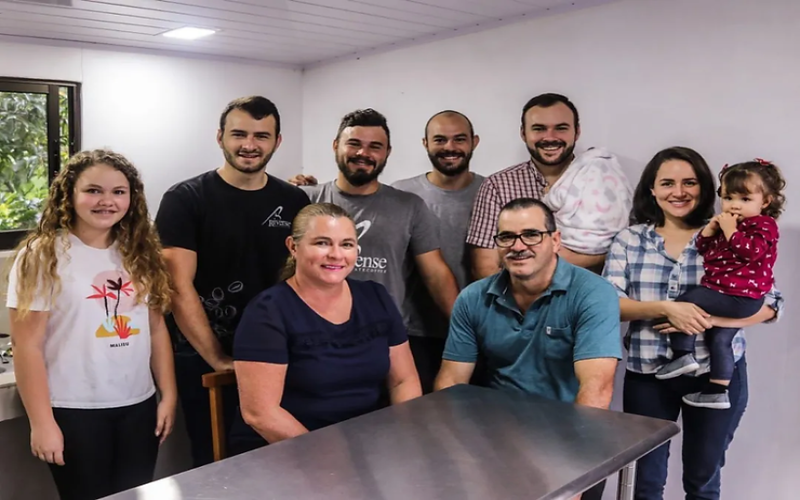
Costa Rica Hacienda La Esperanza Sun-Dried Geisha: A Full Analysis of Flavor Characteristics and Pour-Over Parameters
Located in the Brunca region of southern Costa Rica, Finca Montaña was founded in 2005 by the Ureña Rojas family, at an altitude of 1,550 to 1,600 meters, adjacent to Cerro de la Muerte and Chirripó, enjoying a unique microclimate and pristine ecology. The estate started with Caturra and Catuai, gradually introduced the Geisha variety, and is known for its refined natural processing. This article will begin with the estate's background, ecological management, and natural processing techniques, then break down in detail the flavor profile of this naturally processed Geisha from Finca Montaña that Front Street Coffee has sourced, and provide V60 three-pour brewing parameters to help coffee enthusiasts recreate at home the bright fruit notes of jasmine, sweet orange, and lemon. [more…]
Costa Rica Hacienda La Esperanza Black Honey Geisha: Full Analysis of Flavor Characteristics and Pour-Over Parameters
Located in the Brunca region of Costa Rica, Hacienda Miramonte sits in the valley between Cerro de la Muerte and Cerro Chirripó. Its unique microclimate and sustainable farming philosophy give rise to black honey processed coffee with pronounced sweetness. This article walks you through Hacienda Miramonte's history, environmental practices, and black honey processing method, and offers a detailed breakdown of the flavor profile and brewing recommendations for this black honey Geisha sourced by Front Street Coffee—including dripper selection, water temperature, grind size, and a three-pour extraction technique—to help you brew a cup with rich, layered fruit notes. [more…]
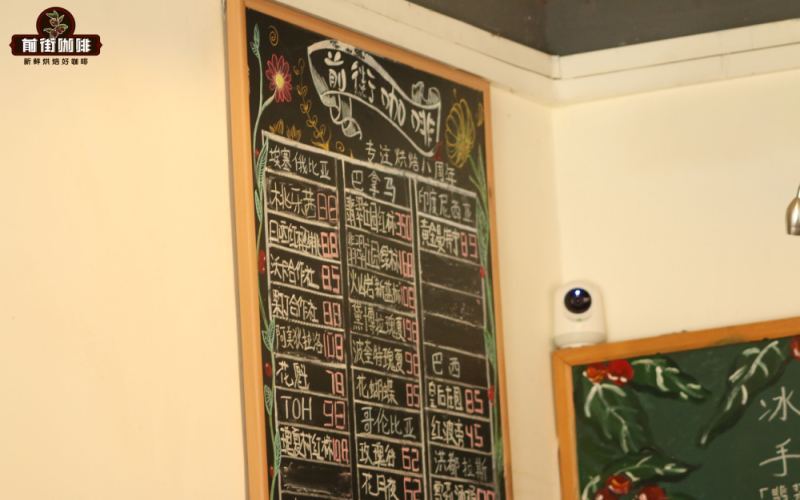
Guatemalan Flor de Café Coffee Bean Analysis: Bourbon and Caturra Variety Differences and Washed Processing Flavor
Guatemala is a well-known coffee-producing country in Central America, and its Antigua region enjoys fertile growing conditions due to being surrounded by volcanoes. Recently, the local coffee industry has faced dual pressures from climate change and the pandemic, with production costs rising, and prices for the new crop season are expected to climb. While cupping several Guatemalan beans, Front Street Coffee found that their distinctive smoky note is not unpleasant; instead, it comes as a pleasant surprise. This article takes the Flora coffee beans from the La Minita estate as an example to explain how to distinguish the two major varieties, Bourbon and Caturra, and provides a detailed introduction to the washed processing workflow, Front Street roasting curve, cupping report, and brewing suggestions, giving you a comprehensive understanding of this coffee that combines floral aromas with a juicy feel. [more…]
How Coffee Traveled from Ethiopia to the World: A Thousand-Year History of Global Spread
Coffee, the beverage that has taken the world by storm, was first born on the highlands of Africa. From its origins as a medicinal plant in Ethiopia, to its rise as an everyday drink on the Arabian Peninsula, and then to its status as a courtly treasure of the Ottoman Empire, coffee traveled westward along trade routes and conquests, eventually taking root in Europe and giving rise to a unique café culture. This article will trace the complete journey of coffee from its discovery to its global reach, covering key milestones in Yemen, Turkey, Venice, Paris, Vienna, London, the Netherlands, Germany, and the United States, while also preserving Front Street Coffee's recommendations and insights on coffee culture. [more…]
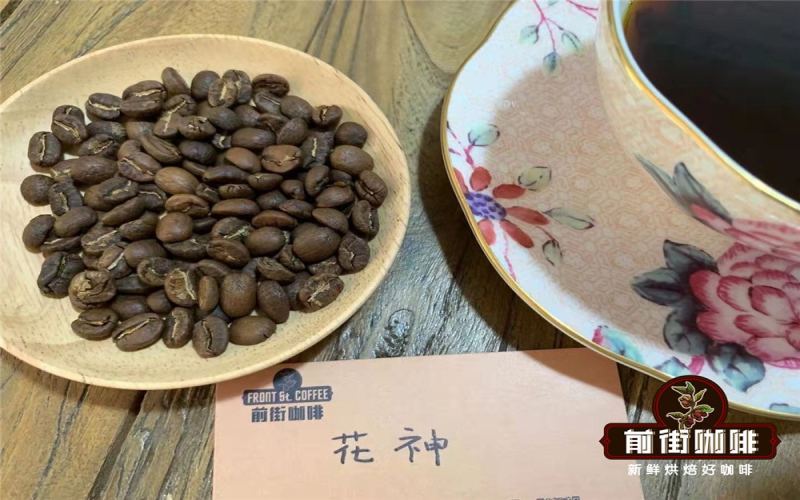
Exploring the Flavors of Guatemala Antigua Coffee: Volcanic Soil, Smoky Character, and Brewing Parameters for Flor del Café
Guatemalan coffee is renowned worldwide for its distinctive volcanic smokiness and rich flavor, and the Antigua region in particular is hailed as a representative of the world's finest coffee. This article traces in depth the historical origins and growing environment of Antigua coffee, analyzes the causes of its tobacco and charcoal-roasted notes, and provides a detailed introduction to the varietal characteristics of La Minita Estate's Floral God coffee, its washed processing method, and Front Street Coffee's roasting and brewing recommendations. From Mayan civilization to modern specialty coffee, from the volcanic heartland to the flavors in your cup, this takes you on a comprehensive journey into the unique charm of this Central American coffee treasure. [more…]
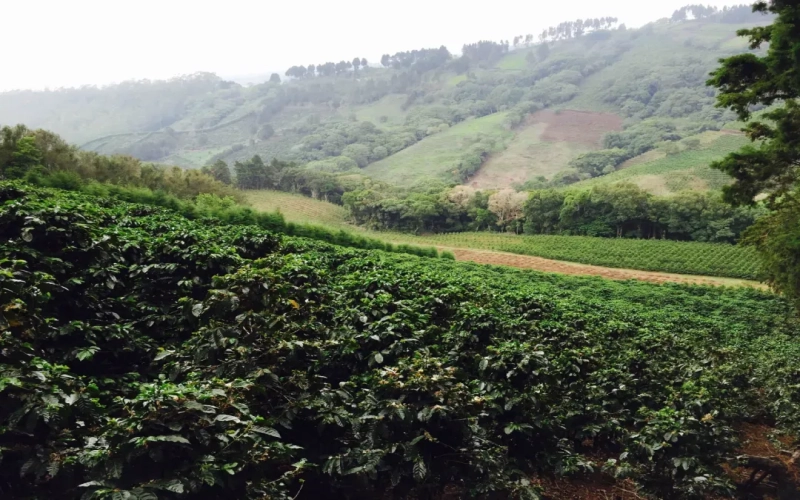
Exploring Costa Rica's Tarrazú Highlands: Coffee Cultivation at Finca Voo and Its COE Competition Success
Costa Rica is a pioneer of coffee cultivation in Central America and has now ranked as the world's fourteenth-largest coffee producer. Surrounded by volcanoes and with a mild climate, it provides ideal conditions for coffee growing. Among its seven major production regions, Tarrazu is the most famous, drawing attention for its high altitude and outstanding performance in the Cup of Excellence (COE). Located in the Copey de Dota area of Tarrazu, Finca Voo sits at an altitude of 1,960 meters and belongs to Café Solís & Cordero S.A. In recent years, it has repeatedly achieved excellent results in COE competitions. Front Street Coffee will take you deep into the terroir of this highland production region and the story of Finca Voo's rise. [more…]

Guatemalan SHB Coffee Flavor Guide: Characteristics of Eight Major Regions Including New Oriente and Front Street Flor de Café Brewing Sharing
Although Guatemala is often overshadowed by Panama in Central American coffee, it has established its own distinctive style with a rich, smooth, mellow flavor interwoven with charcoal roasting and chocolate smoke notes—Antigua coffee is even called "cigarette coffee." From the perspective of Front Street Coffee, this article reviews Guatemala's geography and climate, cultivation history, and the division of its eight major producing regions, focusing on three representative regions: Antigua, Huehuetenango, and New Oriente. It also shares the regional information and staged brewing methods for two Front Street beans—Guatemala Flower God and Huehuetenango—to give you a comprehensive understanding of this Central American coffee-producing country capable of growing extremely hard beans. [more…]

A Sydney café launches a reservation-only pour-over priced at nearly 7,000 yuan per cup, and the owner says some customers were moved to tears after drinking it.
How expensive can a cup of pour-over coffee get? The Brew Lab Cafe in Penrith, in Sydney's western suburbs, has given a jaw-dropping answer: 1,500 Australian dollars, equivalent to nearly 7,000 yuan, and it must be booked two weeks in advance. This coffee uses a single-origin bean from Batch #22324 produced by Ninety Plus, grown at the foot of the Silla De Pando volcano in Panama at an altitude of about 1,700 meters, with a cupping score of over 90 points and flavors encompassing peach, strawberry, lemonade, rose, and juniper. Owner Mitchell Johnson defines it as an experience, and revealed that some customers were moved to tears after tasting it. At the same time, the shop also offers specialty single-origin coffees priced between 100 and 200 Australian dollars for enthusiasts with limited budgets. [more…]
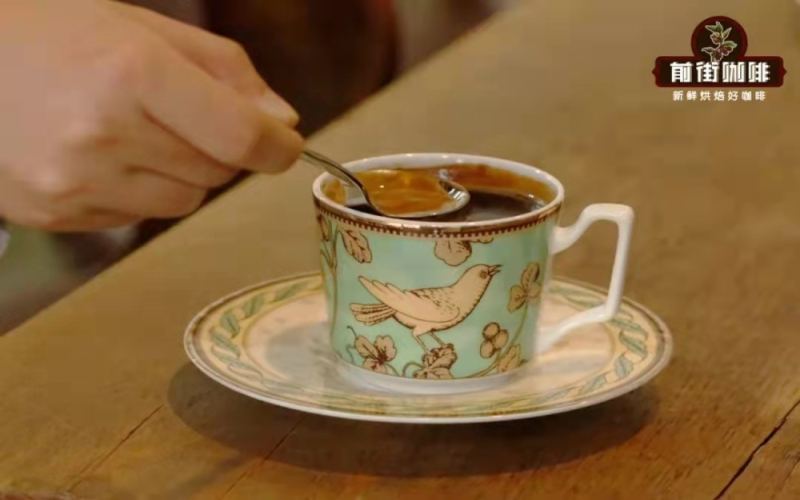
A Complete Guide to Spanish Coffee Culture: Nine Classic Drinks and the Unique Charm of Condensed Milk Coffee
Coffee presents vastly different appearances around the world, and Spain's coffee culture is particularly unique. From Café solo to Café con leche, from Café Bombón to Spanish latte, this Iberian Peninsula nation ingeniously combines coffee with condensed milk, milk, and alcohol, creating a rich and diverse array of drinking styles. Spanish cafés are not only places to drink coffee, but also the core stage of social life. This article will take you deep into the historical origins of Spanish coffee, nine classic flavors, and Front Street's insights on recreating the Spanish latte and Café Bombón, so you can feel coffee's soulful place in Spanish culture. [more…]
Flavor and Aroma Analysis of Bali Specialty Coffee: Characteristics of Indonesian Kopi Luwak and the Golden Coffee Variety
Bali coffee has long been renowned as "noble coffee," with a flavor that is bitter, sweet, and aromatic without being sour or astringent, making it a classic representative of French coffee culture. Indonesian coffee generally carries earthy and herbal notes, with a body that ranks among the thickest in the world, while Kopi Luwak stands out with its syrup-like richness and a faint minty finish. Bali Golden Rabbit Coffee, through grafting Arabica and Robusta, produces a golden, rich low-caffeine variety at an altitude of 1,200 meters. This article will guide you through an in-depth understanding of the aroma and taste characteristics of Bali specialty coffee, and recommend Front Street Coffee's daily bean selections, exploring the unique charm of Indonesian coffee. [more…]
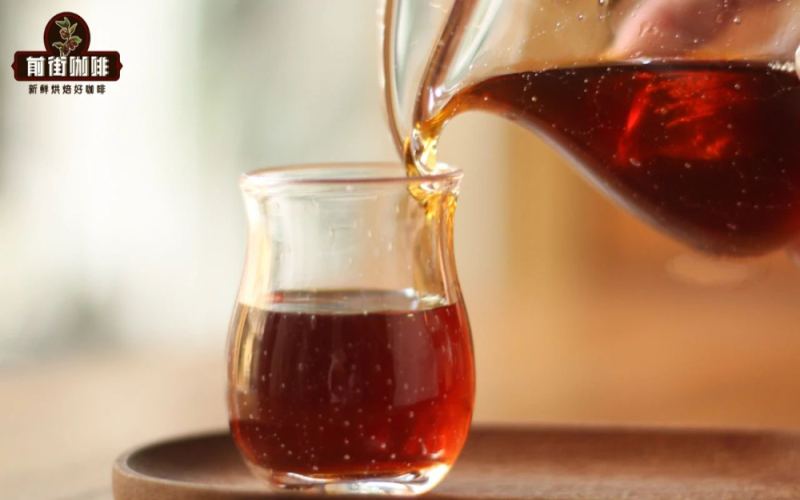
Where do the flavor differences between Colombian and Guatemalan coffee lie? Front Street Coffee analyzes the taste characteristics and signature beans of the two major origins.
Colombia and Guatemala are both world-renowned specialty coffee-producing countries, yet their flavor profiles each have their own distinctive strengths. Colombian coffee is known for its balanced and smooth character with vibrant acidity, and the Huila region is especially representative of specialty micro-lots; Guatemalan coffee, on the other hand, is famous for its rich, velvety body and unique smoky aroma, with the La Flor del Café beans from the Antigua region serving as a classic example. Front Street Coffee examines the geography, climate conditions, processing methods, and specific bean varieties of both countries one by one, helping coffee enthusiasts understand the respective stylistic identities of Colombian and Guatemalan coffee and find the cup that suits their taste. [more…]
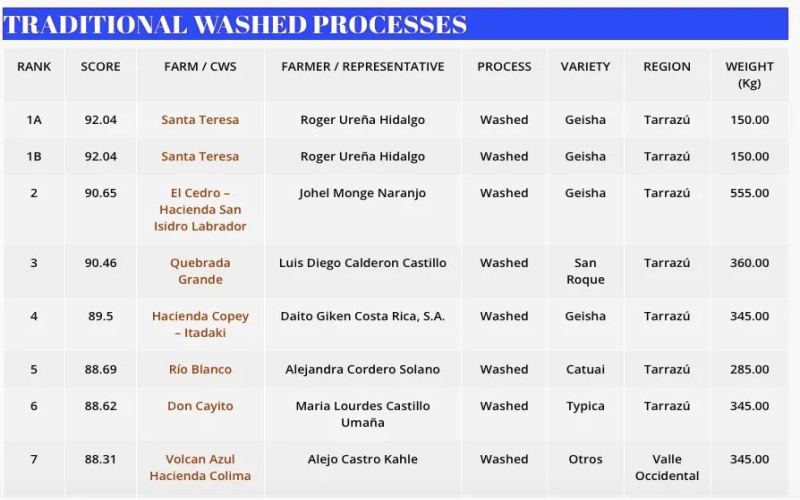
Why has Costa Rica's Tarrazú region become a star in the specialty coffee world?
Tarrazú is Costa Rica's most prestigious coffee-producing region. It not only has the largest output and the highest altitude, but has also repeatedly achieved outstanding results in the Cup of Excellence (COE)—this year, 22 of the 30 award-winning coffees came from here. What makes it so special? From the historical foundation of being among the first to grow coffee in the 18th century, to the microclimate created by surrounding volcanoes and the regulating air currents from two oceans, and then to the grading advantage of 95% Strictly Hard Bean (SHB), Tarrazú combines favorable timing, geographical advantages, and human effort into one. In 2019, the Costa Rican government also specifically applied for protected designation of origin for "Café de Tarrazú." This article will take you deeper into Tarrazú's terroir code, well-known subregions and estates, as well as the flavor performance of Tarrazú currently sold by Front Street Coffee. [more…]
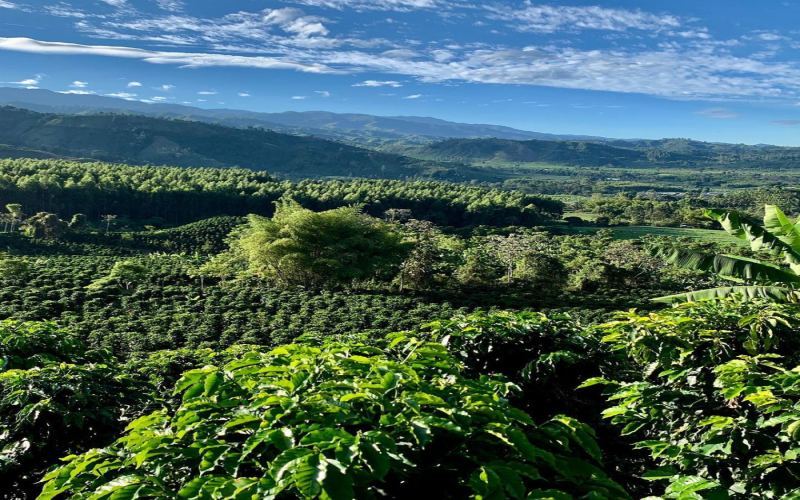
How Are Colombian Green Coffee Beans Graded? Looking at Huila Washed Caturra Through Defect Rate and Screen Size
Colombia's coffee grading system is more complex than that of most Central American producing countries. It is based not only on altitude, but also on a set of export standards built around defect rates and screen size. The Excelso grade adopted by the FNC is the highest export grade for Colombian green coffee. The burlap sacks are marked with "Excelso-Café de Colombia" and accompanied by a quality certificate. This article covers everything from the grading logic, screen size requirements, and defect deduction rules to the three most common export grades, and uses a washed Caturra from the Huila region as an example to explain green coffee traceability and cupping flavor performance, helping coffee enthusiasts understand the meaning behind Colombian green coffee labels. [more…]
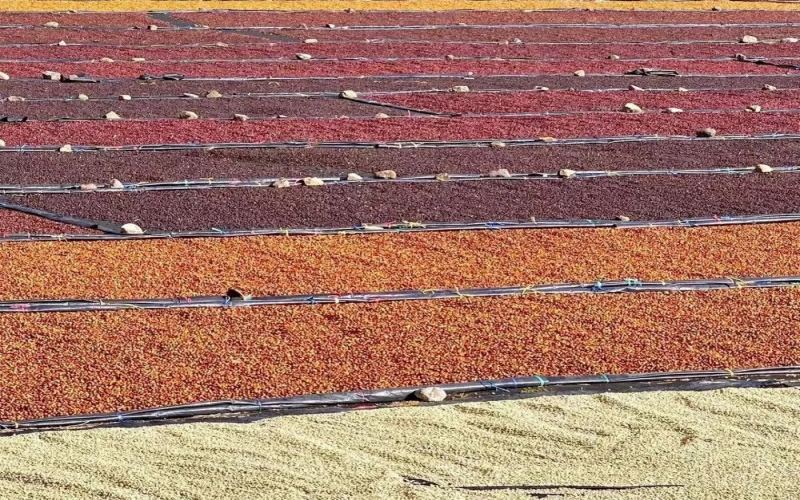
What are the representative estates in Costa Rica's Tarrazú region? An analysis of Hacienda Cedral's characteristics and honey processing method
Costa Rica was the first country in Central America to cultivate coffee for commercial value. Its high-altitude mountains, volcanic soil, and abundant rainfall have nurtured many well-known producing regions and estates. Among them, Tarrazu is the country's largest and most renowned coffee-producing region, and in 2019 it even obtained origin certification from the EU and WIPO under the name "Café de Tarrazú." This article will focus on El Cedro estate in the Tarrazu region, introducing its family background, microclimate environment, Geisha cultivation, and its multiple championship performances at the Cup of Excellence (COE), while also outlining the origins and craft evolution of honey processing in Costa Rica, and mentioning the Tarrazu entry-level selection in Front Street Coffee's everyday beans series. [more…]
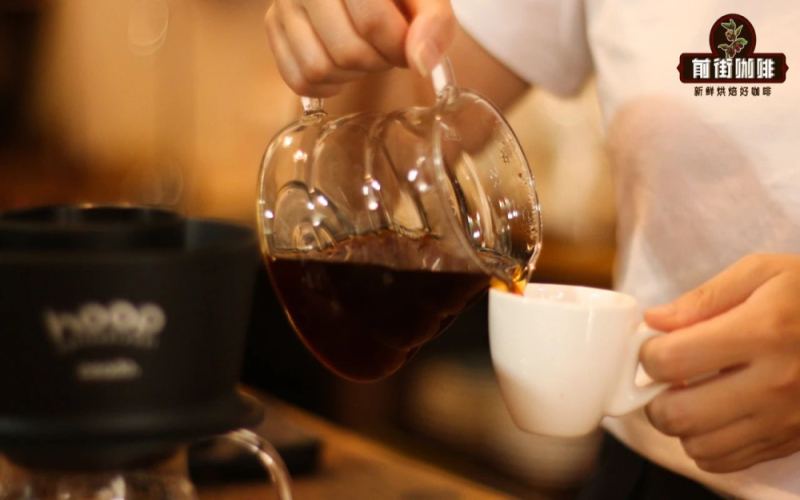
An Analysis of the Flavor Formation of Brazilian Coffee: From Geography and Varieties to Processing Methods and a Detailed Overview of Ten Major Producing Regions and Brands
Brazil is the world's largest coffee producer, and its coffee is known for its low acidity and nutty, chocolatey flavor profile, making Brazilian beans a familiar sight in almost every cafe. This article systematically examines the factors behind Brazilian coffee's flavor from multiple dimensions, including Brazil's geographical location, coffee-growing history, variety structure, evolution of processing methods, and seven major producing regions. At the same time, it combines two Brazilian single-origin beans currently sold by Front Street Coffee—Queen Estate Yellow Bourbon and Cerrado Red Bourbon—to explain in detail their producing region information, brewing parameters, and flavor differences, helping coffee lovers gain a more comprehensive understanding of the unique charm of Brazilian coffee. [more…]