







Search Results for: COE Washed Group Champion
Costa Rica 2024 COE Washed Category Champion Hacienda Santa Teresa: An In-Depth Analysis
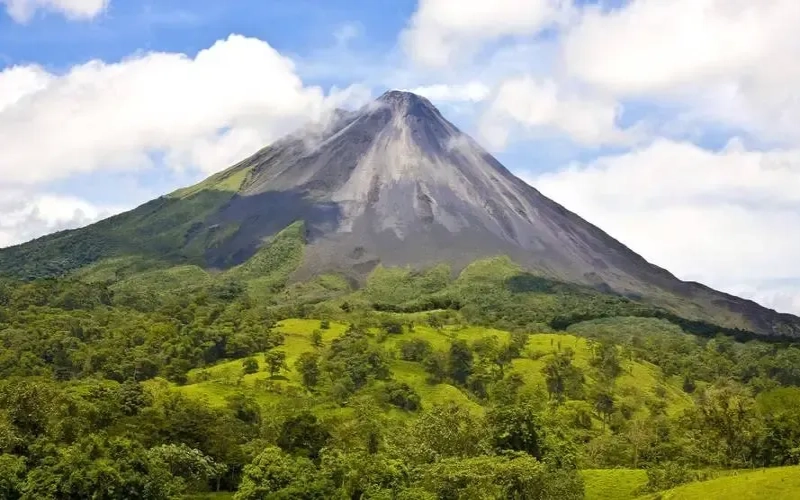
The 2024 Costa Rica COE competition washed category champion was won by Hacienda Santa Teresa with a score of 92.04. What exactly makes this estate, located in the Tarrazú production region, so unique? As a major coffee powerhouse in Central America, Costa Rica has seven distinctive production regions, among which the Los Santos area attracts much attention because of Tarrazú's fame. Hacienda Santa Teresa is situated in the high-altitude zone of the Cordillera Central at 1,900-2,050 meters, cultivating varieties such as Geisha, Sudan Rume, and Pacamara, and has long participated in the Blue Flag environmental certification program. This article will guide you through Costa Rica's coffee terroir, its production region divisions, and Hacienda Santa Teresa's progression from eighth place in the 2022 COE to champion in the 2024 washed category. Front Street Coffee will also recommend related products for you. [more…]
2024 Ethiopia TOH Green Bean Competition: A Full Analysis of the Champion Origins in the Natural, Washed, and Honey Processing Categories
Africa, as the core region of the coffee-growing belt, has nurtured many high-quality coffee-producing countries, among which Ethiopia is widely recognized as the birthplace of coffee. The African Fine Coffees Association (AFCA), established in 2000, launched the Taste of Harvest (TOH) competition, whose format is similar to that of the Cup of Excellence (COE) and is divided into national competitions and the Africa regional final. In 2024, the Ethiopia TOH competition was held in Addis Ababa, with a total of 75 companies and 212 Arabica coffee entries participating. This article will introduce in detail the origin backgrounds and processing details of the natural group champion Testi Trading Plc, the washed group champion Eseham Trading plc, and the honey process group champion Yihonal Trading plc, and will also include relevant recommendations from Front Street Coffee. [more…]
2023 Brazil Cup of Excellence Format Innovation: Three Processing Method Categories Reveal the Winners List
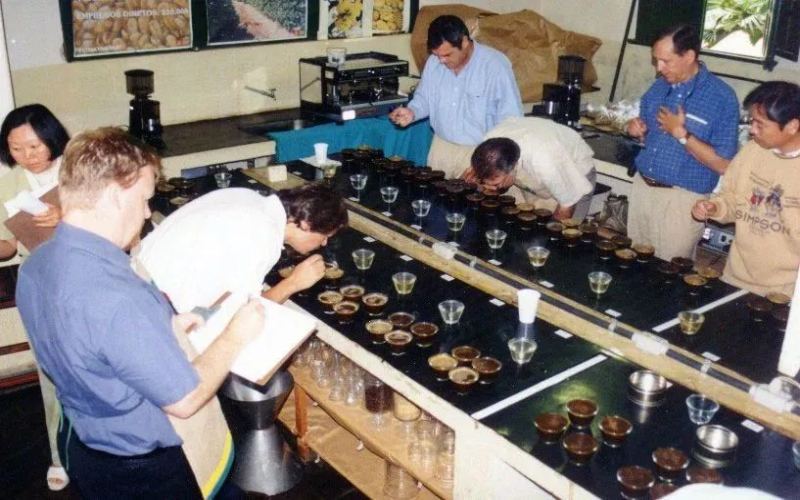
The 2023 Cup of Excellence (CoE) in Brazil underwent a major competition format change, for the first time dividing participating green beans into three categories: dry process, wet process, and experimental process, with awards evaluated separately for each. This change aims to respect different processing methods, encourage producer innovation, and promote fair competition. After pre-selection and multiple rounds of national and international judging, the lists of ten winning beans in each of the three groups have been announced, with a minimum score requirement of 87 points. Erwin Mierisch, Executive Director of the Alliance for Coffee Excellence, stated that the new classification both recognizes the value of traditional processing methods and responds to market demand for innovative processing methods. This article will outline the competition format details, the winning situation in each group, and explore the profound impact of this change on the specialty coffee industry. [more…]
An Analysis of the Flavor Origins, Classic Bean Varieties, Roasting and Brewing, and Drinking Windows of Bright, Acidic Coffees
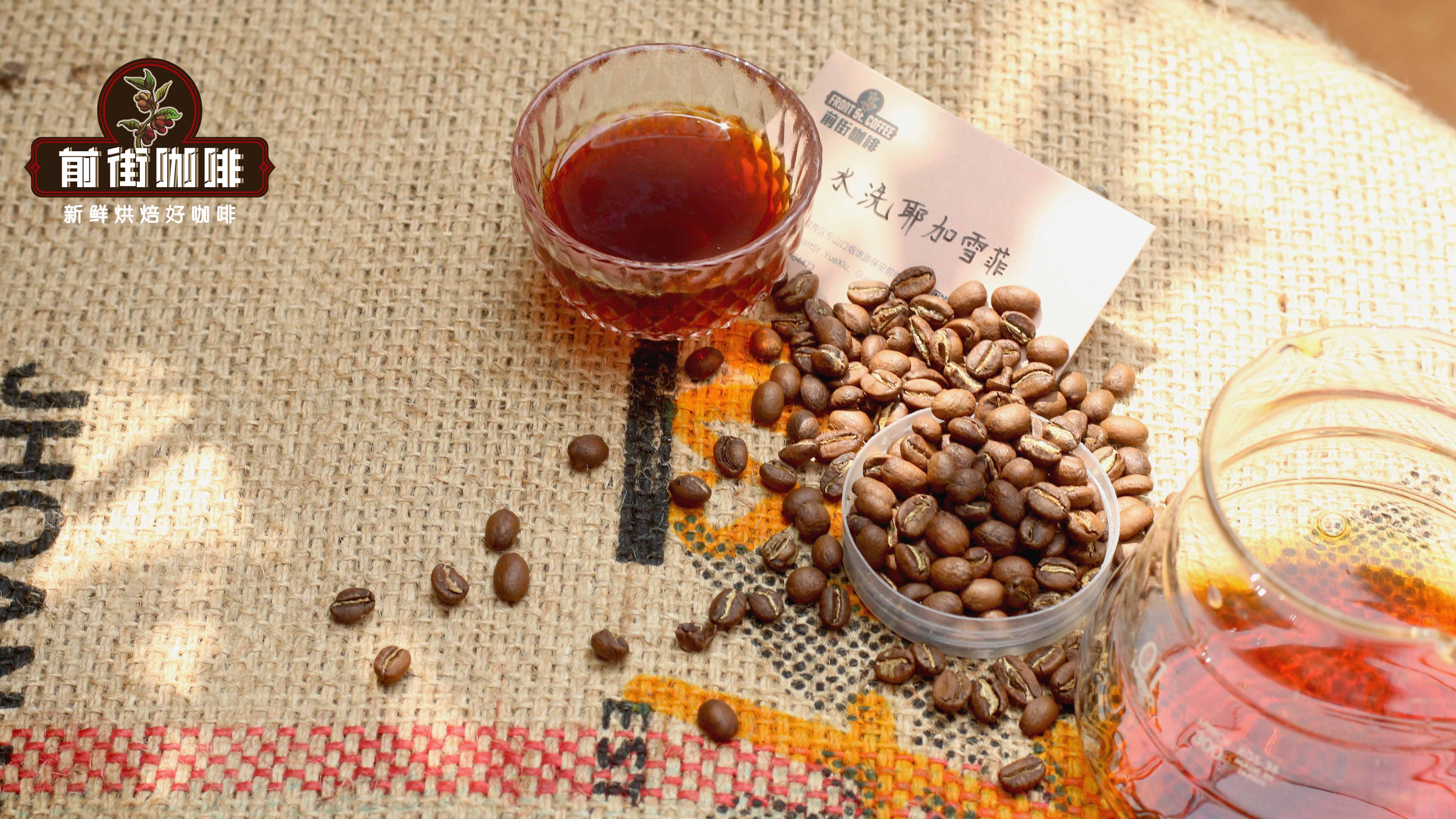
Stepping into a café and facing a bewildering array of single-origin coffees, drinkers often express their preferences in terms of bitterness and acidity. Front Street Coffee analyzes the origins of acidity and bitterness: genes and terroir lay the foundation (African beans are more acidic than Brazilian ones, and Colombian beans are more bitter than Kenyan ones), while roasting and brewing determine the final taste—light roasts highlight acidity, dark roasts emphasize bitterness. This article uses Front Street Coffee's bean lineup to take stock of the acidity-leaning camp: Ethiopian Yirgacheffe (lemon-citrus acidity with jasmine), the newly added COE #22 and TOH washed champion, Kenyan Asalia (cherry tomato and smoked plum acidity, 72-hour washed with a juicy mouthfeel), and Tanzanian Kilimanjaro (mineral-water sweetness with floral and fruity notes, the gentleman of coffees), with detailed coverage of roasting, cupping, and pour-over. Acidity-loving drinkers are advised to prioritize the above origins and choose beans according to taste. [more…]
Flavor Analysis of Coffee Beans from Ethiopia's Uraga Region: What Makes the TOH Washed Category Champion Batch So Unique?
Front Street Coffee recently launched a highly anticipated coffee bean—the 2020 TOH Washed Group Champion, produced in Ethiopia's Uraga region. This bean impresses with its fresh flavors of citrus and green tea. Geographically, the Uraga region is close to Yirgacheffe and was often sold under the name Yirgacheffe in the past, until the ECX issued Announcement No. 1051 in 2017, after which it was able to be traded independently and gradually emerged. This article will introduce the region's background, the meaning of the TOH competition, the processing details of the champion lot, and the cupping flavors, as well as provide a horizontal comparison with the Yirgacheffe Gedeb Cooperative, giving you a comprehensive understanding of the unique charm of this champion coffee. [more…]
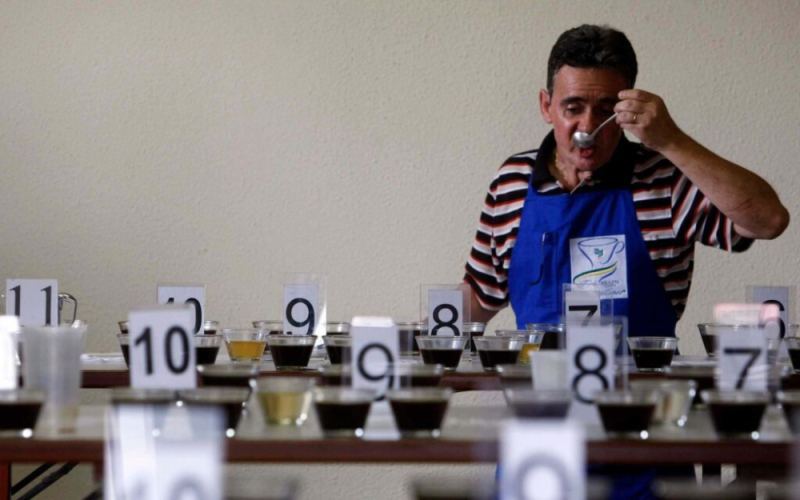
Ethiopian Sidamo vs. Uraga Coffee Comparison: Flavor Analysis of a COE Natural Typica and a TOH Washed Heirloom Variety
Front Street Coffee has recently added two competition-grade Ethiopian coffee beans to its lineup: a natural Typica that placed 22nd in the COE Cup of Excellence competition, and a native variety that won the washed group championship in the TOH tournament. This article provides a systematic comparison of these two Front Street Ethiopian coffee beans across multiple dimensions, including competition background, growing region, coffee variety, green bean processing, roasting curve, cupping performance, and brewing recommendations. Readers can use this to understand the differences between the COE and TOH competitions, the terroir characteristics of the Sidamo Arsi and Uraga producing regions, the varietal traits of Typica versus Ethiopian native heirloom varieties, and the influence of natural and washed processing methods on flavor direction, providing a reference for daily purchasing and brewing. [more…]
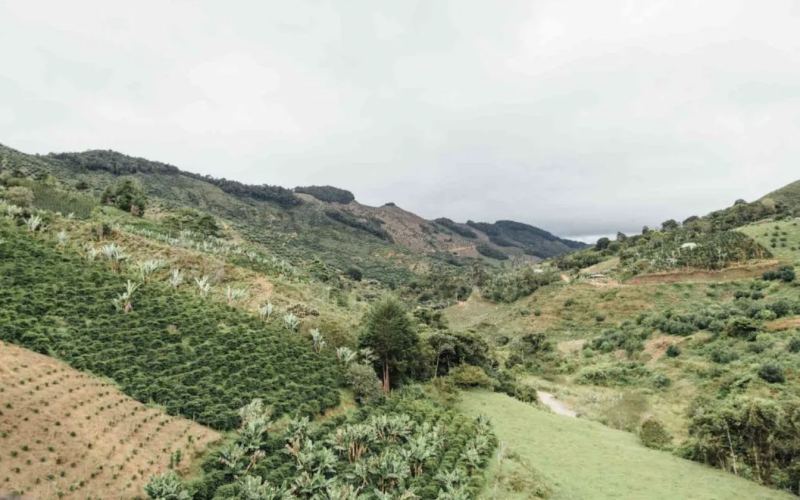
Introduction to the Chiroso variety, the champion of the best varietals group in the 2024 BOP.
In recent years, the coffee market has seen an increase in demand for some new coffee varieties. In some large competitions, some contestants choose to use new varieties for the competition, which makes the variety become popular overnight, such as t [more…]
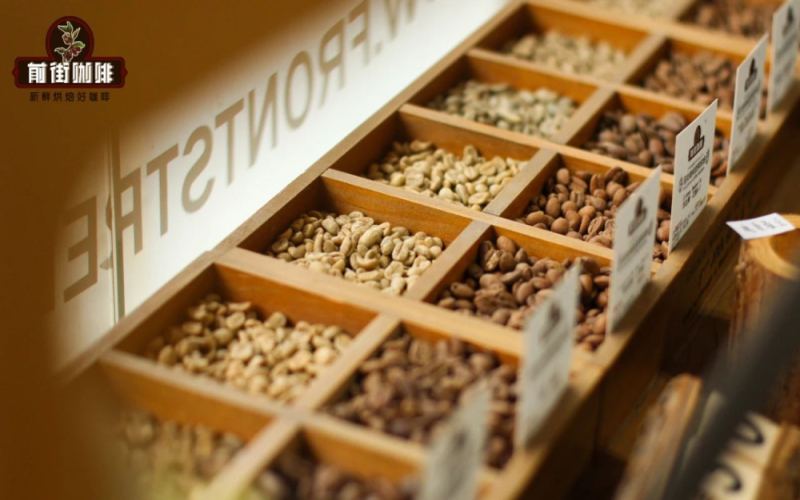
2020 Ethiopia TOH Washed Group Champion Bean Analysis: A Complete Guide to Guji Uraga G1 Grade Flavor and Brewing
Front Street Coffee (FrontStreet Coffee) has long been following and introducing winning lots from Ethiopia's TOH (Taste of Harvest) competition. The 2020 washed category champion bean came from Uraga in the Guji region, earning the national title with a score of 89.8. This bean is grown at an altitude of up to 2,300 meters, graded G1, and processed using the washed method, with flavor notes layered with jasmine, citrus, honey, pomelo, and oolong tea. This article will systematically sort through the TOH competition mechanism, the terroir characteristics of the Guji and Uraga regions, the washed processing flow at the Sela Gajaba processing station, and Ethiopia's green bean grading system, and will also include Front Street Coffee's (FrontStreet Coffee) roasting curve, cupping report, and V60 brewing parameters, helping coffee enthusiasts fully understand the origins and tasting highlights of this champion bean. [more…]
2024 Mexico COE Competition Results Announced: An In-Depth Analysis of the Three Major Winning Varieties—Obata, Marsellesa, and Oro Azteca
As one of the most influential competitions in the global specialty coffee field, the Cup of Excellence (CoE) attracts top estates from producing countries to compete every year. The results of the 2024 Mexico COE competition have recently been officially announced. This edition of the competition, for the first time, adopted a grouping mechanism with three major categories: traditional washed, traditional natural and honey process, and experimental process. The list of winners includes both classic varieties well known to the public, such as Geisha and Bourbon, as well as relatively rare disease-resistant and high-yield varieties such as Obata, Marcelexa, and Oro Azteca. This article will guide you through an in-depth understanding of the breeding background, botanical characteristics, and cultivation performance of these three distinctive varieties, while also providing an overview of this edition's judging and auction mechanisms. [more…]
Ethiopia TOH Double Champion Comparison: Flavor Analysis of Yirgacheffe Aricha Natural and Guji Uraga Washed
The Ethiopian TOH (Taste of Harvest) competition is known as Africa's coffee "Cup of Excellence," and each year its winning beans represent the highest standard of their producing regions. The 2019 natural category champion, Aricha, and the 2020 washed category champion, Uraga, were both introduced to the domestic market by Front Street Coffee. They come from the well-known regions of Yirgacheffe and Guji respectively, and their processing methods—one natural, one washed—give them completely different flavor profiles. This article will provide a comprehensive comparison of these two champion beans, covering producing region background, processing technique, variety characteristics, roasting curve, cupping, and brewing, to help coffee lovers understand their respective style positioning and suitable audiences. [more…]
Analysis of the Flavor of Ethiopian Hero Washed Coffee Beans and a Detailed Guide to Yirgacheffe Pour-Over Brewing Techniques
The Hero Washed coffee beans from Hambela in the Guji region of Ethiopia won second place nationally in the 2016/17 Ethiopian TOH competition and first place in the washed group. They are known for red grapefruit, tropical fruit, cherry, apricot, and a highly sweet, juicy mouthfeel. This article will introduce you to the origin background, competition journey, and flavor characteristics of this champion bean, and share a practical set of V60 pour-over parameters and staged pouring techniques to help coffee lovers recreate its bright, sweet flavor performance at home. At the same time, Front Street Coffee also takes this opportunity to exchange more coffee knowledge with everyone, so that more people can easily drink good coffee. [more…]
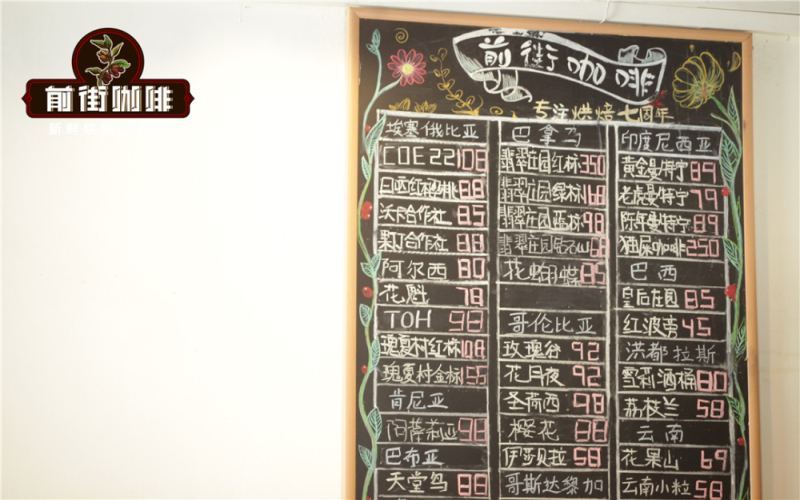
Ethiopia Guji Uraga Washed Beans: Flavor and Brewing Analysis of the TOH Champion with 89.8 Points
TOH stands for the Taste of Harvest competition, a green coffee cupping event initiated by the African Fine Coffees Association, and is ranked alongside Brazil's Cup of Excellence. In 2020, this washed bean from the Uraga sub-region of Ethiopia's Guji producing area won the washed group championship with a score of 89.8. It was carefully washed at the Sela Gajaba processing station at an altitude of up to 2,300 meters, displaying rich layers of jasmine, lemon, berry, pomelo, honey, and green tea. The roaster at Front Street Coffee used a Yangjia 800N roasting machine, adjusting the dehydration phase and first crack time to preserve its clean mouthfeel and white floral and fruity notes. For brewing, a coarser grind, 91°C water temperature, and a three-stage pour are used to highlight the floral and citrus juice character. This article will provide a complete analysis of this champion bean's origin background, processing method, roasting curve, and brewing parameters. [more…]
Ethiopian Guji Uraga Heirloom Coffee Beans: Processing Methods and Brewing Flavor Analysis of a TOH Washed Champion
Many friends of Front Street Coffee beans like Front Street TOH coffee beans, but many are not clear about what TOH means. Starting from the TOH competition, this article provides a detailed introduction to the 2020 TOH washed category champion—this bean from Uraga in the Guji region of Ethiopia—covering its regional background, the washed process at the Sela Gajaba processing station, the curve design by Front Street roasters, and a brewing recipe that highlights jasmine, pomelo, and green tea flavors. Whether you want to understand what TOH actually is or master the key brewing points for this champion bean, you can find the answers below. [more…]
Ethiopia Guji Uraga TOH Washed Champion Bean Flavor Analysis and Complete Brewing Parameters Guide
This coffee bean from Uraga in Ethiopia's Guji region took first place with 89.8 points in the washed group at the 2020 Taste of Harvest (TOH) competition in East Africa. Front Street Coffee has specially put together for coffee lovers an overview of this champion bean's growing region background, processing method, roasting approach, and brewing plan. Uraga town sits at an altitude of 2,300 meters and has fertile black soil along with a rich genetic potential for fruit flavors. After meticulous washing at the Sela Gajaba processing station, it displays the traditional Ethiopian floral aroma, citrus, and tea-like notes, while cleanliness is greatly improved. To preserve its clear mouthfeel, Front Street Coffee's roaster focused on amplifying the white floral and fruit notes, and developed targeted pour-over parameters to highlight the core flavors of jasmine, pomelo, honey, and green tea. [more…]
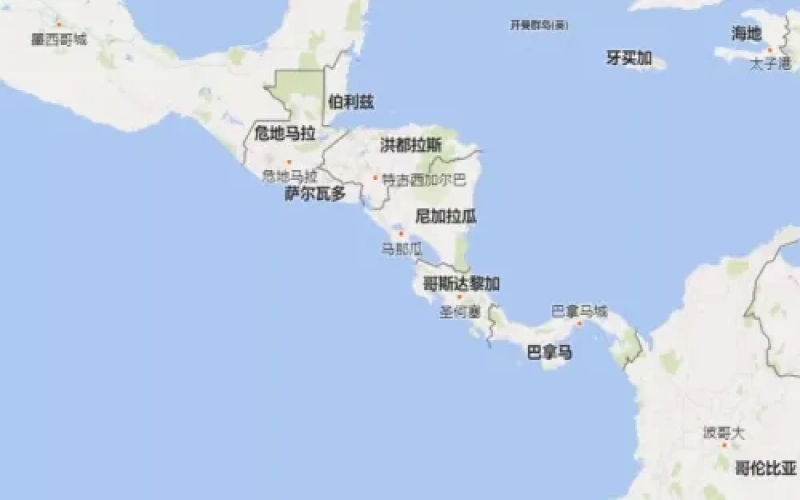
Exploring Costa Rica's Western Valley: From Coffee Cultivation History to the Path of Excellence at Hacienda La Hermosa
Costa Rica was the first country in Central America to cultivate coffee and is the world's fourteenth-largest coffee producer. With numerous volcanoes and a diverse climate, it offers superior conditions for coffee cultivation. As one of the country's three best-producing regions, the Western Valley region is known for its cool climate and renowned estates, such as Hacienda La Esmeralda (Beautiful Plain Estate), which has repeatedly achieved outstanding results in COE competitions. This article will guide you through the development history of Costa Rican coffee and the evolution of processing methods, and take a deeper look at the terroir and representative estates of the Western Valley region, while retaining Front Street brand recommendations, making it suitable reading for coffee enthusiasts. [more…]
Counting Down the World's Ten Most Expensive Coffee Beans: Geisha Leads the Sky-High Rankings, Front Street Red Label Stands Out for Value
How expensive can a cup of coffee be? From the 90+ experimental batch at $5,000 per kilogram, to the展望 Ruby priced at 1,010 yuan per cup, to the Panamanian Geisha that keeps breaking records at the BOP auction, the price ceiling of the world's top coffee beans has been pushed higher again and again. This article systematically reviews the 2019 edition of the world's most expensive coffee beans ranking, covering rare varieties such as 90+ Company's #227 batch, Hacienda La Esmeralda Red Label Geisha, Sofia Super Geisha, civet and elephant dung coffee, St. Helena, Jamaican Blue Mountain, Incht Pachamama, and Hawaiian Kona, with detailed explanations of their origin backgrounds, processing methods, and flavor characteristics. At the end, it specially recommends the Hacienda La Esmeralda Red Label Geisha roasted by Front Street Coffee, which, at a price of 350 yuan per 100 grams, makes high-end Geisha an everyday option and provides enthusiasts with a choice that combines quality and value for money. [more…]
Planting Background, Development Trajectory, and Java Variety Flavor Analysis of Bolivian Coffee Regions
Although Bolivia is hailed as an ideal place for growing coffee, its production has always been limited. The high altitude and diverse terrain give the coffee rich sweetness and soft acidity. It was with Bolivian Geisha that Miki Suzuki, runner-up in the 2017 WBC, won attention. However, steep roads, the temptation of coca cultivation, and the blow of leaf rust in 2013 have repeatedly brought twists and turns to the coffee industry of this landlocked South American country. From the glory of the COE competition to the export difficulties amid political turmoil, the revival of Bolivian specialty coffee cannot be separated from the perseverance of the Rodriguez family. They promote the Tomorrow's Sun project and have cultivated distinctive bean varieties such as Coco Natural Java. This article will introduce Bolivia's coffee-producing regions, historical context, and variety flavors, and Front Street Coffee also shares its cupping experience. [more…]

From Origin to Variety, to Competitions and Estates: A Complete Guide to How Specialty Coffee Beans Are Named
Walking into Front Street Coffee (FrontStreet Coffee) and facing the names of dozens of coffee beans on the menu, many people wonder: Aren't Bach and Mozart musicians? How did they become coffee beans? In fact, there is a complete logic behind the naming of coffee beans. In the early days, coffee beans were mostly named after countries, regions, or ports. After entering the specialty coffee era, traceability information has become increasingly detailed. Estate names, green bean competition rankings, barista competition beans, variety names, processing methods, and even brand classifications can all become the name of a bean. This article will systematically sort out the various rules for naming coffee beans to help you no longer feel confused when ordering. [more…]
Ethiopia Guji Ana Sora Estate Dorothy Coffee Beans: An In-Depth Analysis of the Peach Oolong Flavor from Enzyme Washed Processing
Ethiopia, as the birthplace of coffee, has given rise to countless stunning specialty coffees. From the classic natural and washed processes to the enzyme-washed method that has attracted much attention in recent years, different techniques impart entirely different flavor expressions to coffee beans. The Dorothy coffee beans offered by Front Street Coffee are a representative work from the Annasola Estate in the Guji region. Processed using the enzyme-washed method, they present delicate floral notes, rich peach aroma, and an oolong tea-like sweet finish, altogether resembling a cup of white peach oolong tea. This article will provide an in-depth introduction to the background of the Annasola Estate, the processing method of Dorothy, and roasting and brewing suggestions, taking you through a comprehensive understanding of the unique charm of this popular fruit-tea-flavored coffee bean. [more…]
How Does Geisha Coffee Taste? Comparing the Characteristics of Hacienda La Esmeralda and Gesha Village Geisha, and the Evolution of Their Prices
Is Geisha coffee actually good? It traveled from the wild forests of Ethiopia to the world stage, enduring a long silence before finally making a stunning debut at Hacienda La Esmeralda in Panama. This article traces the discovery and spread of Geisha, compares the flavor characteristics of two renowned origins—Hacienda La Esmeralda and Gesha Village—reviews its price climb from $21 to $803 per pound, and introduces its glorious moments in the BOP competition. Front Street Coffee takes you deep into this highly sought-after coffee variety. [more…]