







Search Results for: COE Cupping
Barista Essentials: A Complete Guide to COE and SCAA Cupping Scoring Standards, from Clean Cup to Overall
If you want to become a professional barista, cupping is a core skill you can't avoid. This article systematically sorts out the scoring standards of the two major cupping systems, COE and SCAA, analyzing the scoring points and deduction rules one by one, from aroma, cleanliness, sweetness, acidity, mouthfeel, flavor, aftertaste to balance. It also explains in detail the tools needed for cupping, the coffee-to-water ratio, and the operating process, and uses [Front Street Golden Mandheling] as an example to compare the cupping performance of three roasting curves. Whether you are a coffee enthusiast or a practitioner, you can learn from it the scientific method of judging coffee quality and understand the true meaning of COE competition level. [more…]

A Complete Guide to the Cup of Excellence (COE): Scoring Standards, Competition Format, and What Auction Lots Mean
If you frequently buy specialty coffee beans, you have surely seen the letters "COE" on packaging labels. What exactly do they stand for? Why are beans bearing the COE mark often more expensive? This article will give you a comprehensive understanding of COE—from its origins and founding organization, to its specific differences from the SCA cupping scoring system, and then to the three-stage competition format of the Ethiopia COE, breaking it all down one by one. It will also explain the difference between COE auction lots and national winner lots, as well as the difference between "same-lot" beans on the market and true auction lots, helping you more accurately understand and select coffee beans. [more…]
An Analysis of the SCAA and COE Coffee Certification Systems: Differences in Scoring Standards and Their Essential Distinction from SOE
In the world of specialty coffee, the SCAA and COE are two authoritative systems that cannot be overlooked. The former established industry standards and cupping protocols, while the latter selects top-tier green beans through rigorous competitions. How do their scoring logics differ? And why are COE and SOE often confused? This article will trace the development and operational mechanisms of the SCAA, CQI, and COE, explain in detail the differences in cupping score sheets, and use the example of the 22nd-place sun-dried Typica that Front Street Coffee bid for at Ethiopia's first COE competition in 2020 to present the complete story from origin to cup. [more…]
Ethiopian Sidamo vs. Uraga Coffee Comparison: Flavor Analysis of a COE Natural Typica and a TOH Washed Heirloom Variety
Front Street Coffee has recently added two competition-grade Ethiopian coffee beans to its lineup: a natural Typica that placed 22nd in the COE Cup of Excellence competition, and a native variety that won the washed group championship in the TOH tournament. This article provides a systematic comparison of these two Front Street Ethiopian coffee beans across multiple dimensions, including competition background, growing region, coffee variety, green bean processing, roasting curve, cupping performance, and brewing recommendations. Readers can use this to understand the differences between the COE and TOH competitions, the terroir characteristics of the Sidamo Arsi and Uraga producing regions, the varietal traits of Typica versus Ethiopian native heirloom varieties, and the influence of natural and washed processing methods on flavor direction, providing a reference for daily purchasing and brewing. [more…]
A Detailed Guide to the SCA and CoE Coffee Cupping Scoring Systems: Flavor Wheel Application and 2023 HD Wallpaper Resources
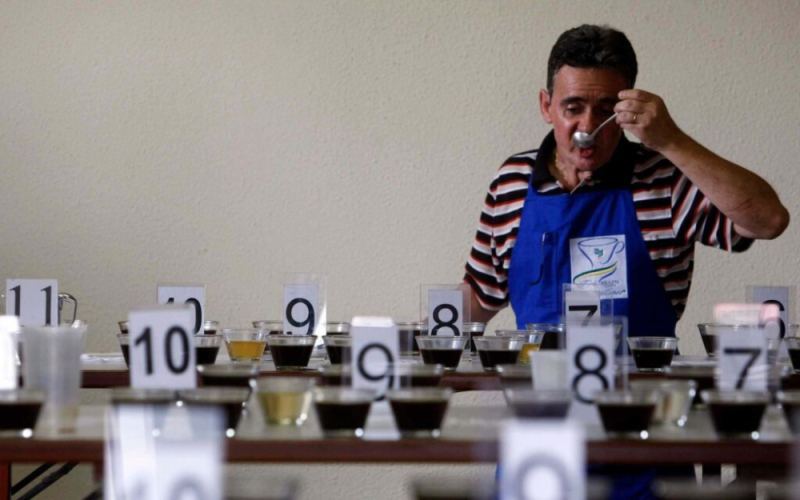
Cupping is the primary step for verifying coffee quality after roasting. By standardizing grind size, coffee-to-water ratio, water temperature, and steep time, it objectively reveals a bean's truest flavors. This article systematically outlines the purpose of cupping, the required equipment, and standard parameters, walks step by step through the complete process of pouring, smelling, breaking the crust, and slurping, and takes an in-depth look at the eight scoring categories on the CoE cupping form and how they differ from the SCA scoring system. It also compiles common descriptive terms from the flavor wheel and includes a high-resolution 2023 flavor wheel wallpaper resource, making it a handy reference for coffee enthusiasts and professionals alike. [more…]
What is the difference between auction lot and same-lot coffee beans? An in-depth analysis using the example of Ethiopian COE26 same-lot beans
In the specialty coffee world, auction lots and same-lot coffees are often lumped together, but the two differ fundamentally in quality and scarcity. This article begins with a real sourcing experience at Front Street Coffee, recounting the team's attempt to purchase COE26 same-lot beans after missing out on an Ethiopian COE auction lot. The article systematically sorts out the competition format and process of the COE Cup of Excellence, the conceptual difference between auction lots and same-lot beans, and documents in detail this Yirgacheffe Worka washed bean's regional background, processing method, roasting curve, cupping performance, and brewing parameters. Will the final cupping result deliver the matcha aroma as hoped? Can same-lot beans replicate the surprise of an auction lot? The answer will be revealed in the article. [more…]
What exactly is the COE Cup of Excellence competition? A complete breakdown from the scoring criteria to Ethiopia's first auction beans
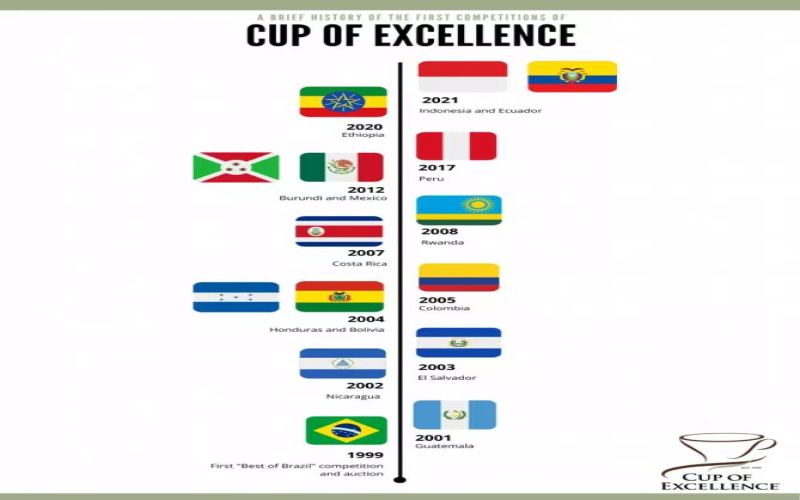
In the specialty coffee world, the Cup of Excellence (COE) is regarded as the most prestigious green coffee competition, and the top-ranked beans on its annual list often become the focal point of auctions. This competition, launched by ACE in Brazil in 1999, now covers more than a dozen producing countries, selecting the top 30 with cupping scores above 87 for a global auction. This article will outline the origins and scoring system of the COE, and focus on reviewing the story of the 22nd-place natural Typica that Front Street Coffee won at auction when Ethiopia first joined the COE in 2020—from West Arsi, grower Adem Banta Sute—as well as the processing, roasting, and brewing details of this bean. [more…]

COE Cup of Excellence vs. SOE Single-Origin Espresso: A Coffee Guide from Green Bean Competitions to Espresso Extraction
In the world of specialty coffee, the two English abbreviations COE and SOE often confuse enthusiasts—they appear similar but actually point to completely different domains. COE stands for Cup of Excellence, the world's most authoritative specialty green coffee competition, first held by the Alliance for Coffee Excellence in Brazil in 1999 and since expanded to Colombia, Guatemala, Panama, and many other producing countries. SOE, on the other hand, is short for Single Origin Espresso, referring to espresso made from single-origin coffee beans. This article will systematically sort out the essential differences between the two from the perspectives of competition systems, judging procedures, and extraction characteristics, and explore the common question of whether SOE is necessarily superior to blended espresso. [more…]
A Comprehensive Analysis of the Specialty Coffee Scoring System: COE and SCA Cupping Protocols, Scoring Rules, and Grading Standards
Whether a cup of coffee can be crowned with the name "specialty" is by no means decided by cupping alone. From the origin of the green beans, screening and processing, to roasting and brewing, every stage requires careful control, so that the flavor in the cup ultimately presented can reflect the characteristics and cultural heritage of the producing country. This article will systematically sort out the two major cupping scoring systems, COE and SCA, and break down one by one the points to note for each scoring element, including cleanliness, sweetness, acidity, body, flavor, aftertaste, and balance, as well as explain in detail the defect scoring rules and grading standards. Front Street will also draw on years of quality control experience to help you use evaluation grades as a reliable reference for judging specialty coffee when purchasing coffee. [more…]
What Are COE Auction Coffee Beans? A Complete Guide from the Competition Mechanism to Front Street Coffee's Ethiopia COE22
In the world of specialty coffee, COE (Cup Of Excellence) has long been regarded as one of the most credible competitions. It not only determines whether a lot of coffee beans can be sold through auction, but also directly affects a estate's reputation and the income of coffee farmers. This article will walk you through the COE competition format and process, the advantages of auction coffees, and why it has maintained its authoritative status among numerous competitions. At the same time, we will also talk about a coffee on Front Street Coffee's bean list—an auction lot from Ethiopia's first COE competition in 2020, COE22—and look at the origin story and flavor performance behind it, as well as how to bring out its best state in daily brewing. [more…]
What exactly does COE coffee bean refer to? Interpreting the international specialty coffee scoring system and auction mechanism
Many people see the word "COE" on coffee packaging when choosing coffee, but may not be clear about what it actually means. Cup of Excellence (COE for short) is a rating system for specialty coffee that scores and ranks coffees through multiple rounds of rigorous cupping, ultimately awarding the COE title to the most outstanding lots. This system was first introduced in Brazil in 1999 by a group of coffee producers, and subsequently spread gradually to producing countries such as Colombia, Guatemala, Panama, Costa Rica, and Nicaragua. For estates, receiving COE not only means honor, but can also fetch high prices in international online auctions, while boosting the profile and trading volume of the producing region. This article will unfold from three aspects—origin, competition process, and impact—to help coffee lovers understand the meaning and value of COE. [more…]
COE Launches Origins Immersive Program: First Stop in El Salvador for an In-Depth Experience of the Entire Coffee Supply Chain
The Cup of Excellence (COE) organization recently launched a multi-day educational program aimed at giving international coffee professionals an in-depth, immersive experience of coffee-producing countries' local coffee and culture. For its first collaboration with the Salvadoran Coffee Institute, the inaugural "Origin Immersion" program is set to take place in El Salvador in February 2024. The five-day course covers COE cupping scoring, industry history and variety presentations, visits to farms, processing plants, and roasters, defect identification and quality control, discussions on sustainable practices and biodiversity, as well as hands-on roasting and espresso tasting sessions. COE founder Susie Spindler and Salvadoran Coffee Institute director Carolina Padilla both have high hopes for the program, looking to bring buyers and producers closer together and raise the international profile of Salvadoran coffee. [more…]
Kenya Coffee Region Cupping Report: A Full Analysis from Geography and Terroir to Front Street Coffee's TOH Award-Winning Green Beans
Kenya, as a neighbor of Ethiopia, has a coffee-growing history that dates back to 1893, and was later promoted by the British for large-scale cultivation in the highland areas at altitudes of 1,400 to 2,100 meters. The volcanic ash soil rich in organic matter, annual maximum temperatures of 22 to 26°C and minimum temperatures of 10 to 14°C, along with suitable rainfall, together create ideal growing conditions for high-quality Arabica coffee beans. Thanks to its natural endowments and the joint efforts of coffee farmers and the government, Kenya became one of the world's major coffee countries within just a century. Its coffee is deeply favored by coffee lovers for its rich fruity aroma, strong red wine notes, and abundant, lingering aftertaste. This article will systematically introduce the cupping situation of Kenyan coffee-producing regions, and attach detailed information on Front Street's 2017 TOH Best Kenya green beans, as well as green bean information and flavor descriptions for the 2016 Brazil COE Natural Champion and the Guatemala COE 4th place Geisha Honey Process. [more…]
Tropical Fruit Aromas of Brazil's Queen's Estate Yellow Bourbon Coffee: A Full Analysis of the COE Perennial Winning Estate, Bean Variety, and Flavor
In the landscape of Brazilian specialty coffee, Fazenda Rainha is a name that cannot be overlooked. Situated in the Mogiana region of São Paulo State at elevations of 1,400 to 1,950 meters, this estate has repeatedly won accolades in the Cup of Excellence (COE) competition thanks to its hand-picked Yellow Bourbon varietal and pulped natural processing method. Its coffee beans are renowned for being clean and sweet, with bright yet well-balanced acidity, and some lots even display alluring tropical fruit aromas. This article provides a comprehensive overview of Fazenda Rainha's origin background, varietal characteristics, processing techniques, and award records, along with green bean analysis, roasting recommendations, cupping performance, and pour-over parameters, taking you deep into this quintessential representative of Brazilian specialty coffee. Front Street Coffee will also share related brewing recipes and iced coffee preparation ideas in this article. [more…]
Colombia 2011 COE Champion Estate: Full Analysis of Spring Estate Coffee Flavor and Origin
Colombia, as the world's third-largest coffee-producing country, nurtures countless specialty coffees thanks to the diverse microclimates and high altitudes of the Andes. In 2011, a tiny 2.8-hectare farm—Finca La Primavera—claimed the COE championship with a record-breaking price of $45 per pound. It belongs to the Los Naranjos Coffee Association and is carefully managed by farm owner Arnulfo. This article takes you deep into the industrial background of Colombian coffee, the ecological processing innovation, and the cultivation details, cupping flavors, and judge comments of Finca La Primavera. Front Street Coffee especially recommends this champion farm bean, with rich layers from almond and longan flower tea to grapefruit acidity—worth savoring slowly by coffee lovers. [more…]
What stages affect coffee cleanliness? Looking at the history of Brazilian coffee harvesting and processing through COE cupping protocols
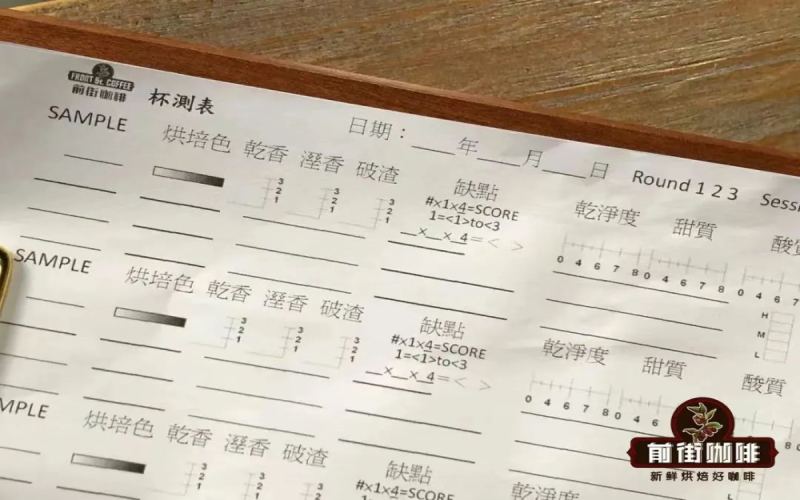
Cleanliness is an important dimension in judging coffee quality. It reflects whether a cup of coffee carries negative flavors such as earthiness, hay, or woodiness, or unpleasant sensations like astringency and dryness. From harvesting and processing to roasting and brewing, every stage can influence the level of cleanliness. This article starts with the emphasis COE cupping places on cleanliness, traces the historical problems Brazil—the world's largest coffee-producing country—has faced due to machine harvesting and rough sun-drying, and then extends to the impact of the roasting and brewing stages on cleanliness, helping coffee lovers systematically understand the industry chain logic behind a clean cup of coffee, while also retaining relevant recommendations for the Front Street brand. [more…]
Starting from Front Street COE22 Sun-Dried Typica: Master the Four Key Techniques for Pour-Over Flavor Expression
After Front Street Coffee launched its COE22 coffee beans, many enthusiasts reported a gap between the flavors they brewed at home and those in the shop. This article takes the Ethiopian Sidamo Arsi region sun-dried Typica that Front Street Coffee obtained at auction as an example, and systematically sorts out the complete logical chain of pour-over coffee, from understanding the flavor of the producing region, variety characteristics, and processing method to roasting curve setting and cupping verification. The article focuses on breaking down the four major variables of grind size, water temperature, dripper selection, powder-to-water ratio, and pouring technique, and uses the V60 three-pour extraction to provide reproducible brewing parameters, helping readers understand how to let a sun-dried bean rich in acidity display a smooth layering of strawberry, lychee, honey, and cream. [more…]
Comparison of Ethiopian Typica and Heirloom Coffee Beans: COE Performance in the West Arsi Region and Front Street Brewing Analysis
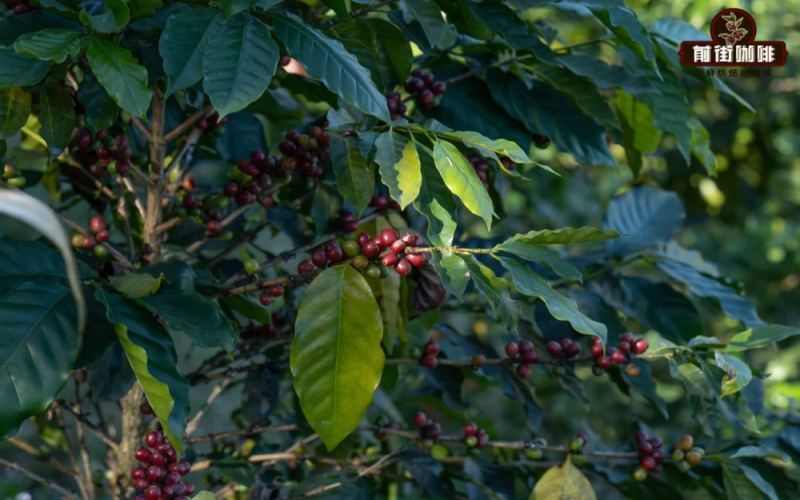
Ethiopian coffee made its debut in this year's Cup of Excellence (COE) competition, and the West Arsi production region shone brightly with the Typica variety, sweeping multiple awards. Front Street Coffee has listed the COE 22nd-place sun-dried Typica and another Arsi heirloom coffee bean. Although both come from West Arsi, they differ in flavor due to different varieties and processing methods. This article will compare the differences between these two coffee beans from multiple dimensions, including production region background, variety characteristics, sun-drying processing, roasting curves, and cupping and brewing, to help coffee enthusiasts gain a deeper understanding of the flavor performance of Typica and Ethiopian heirloom varieties, while also sharing Front Street Coffee's roasting and brewing insights. [more…]
A Comprehensive Analysis of Ethiopian Sidamo Coffee: Terroir, Varieties, Processing Methods, and Cupping Flavor Characteristics
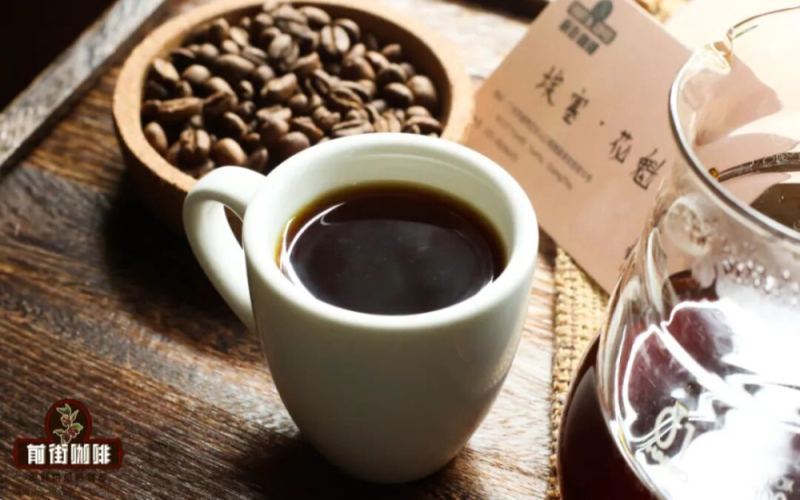
Sidamo is one of Ethiopia's three official coffee regions, located in the highlands of the East African Rift Valley, and is renowned for its bright acidity, intense floral aromas, and juicy character. This article will introduce the region one by one, covering its geography, the origin of its name, its COE-winning micro-regions, coffee variety classification, and the terroir conditions and processing methods of Bensa town. At the same time, by combining the cupping experience and brewing parameters of Front Street Coffee's Ethiopian natural Alo coffee, it will guide readers to a comprehensive understanding of the flavor code and production details of Sidamo coffee. [more…]
Analyzing Brazilian Coffee Bean Costs and Prices, Featuring Front Street Queen's Estate Yellow Bourbon Specialty Single-Origin
Brazil, as the world's largest coffee producer, has long been a focus of attention for enthusiasts when it comes to the cost and price of its coffee beans. This article starts with the cost structure of Brazilian coffee and then recommends a highly cost-effective specialty single-origin coffee — Front Street Brazil Queen's Farm Natural Yellow Bourbon. This estate belongs to the renowned Carvalho Dias family and has won numerous COE Cup of Excellence awards. The article provides a detailed introduction to the estate's background, cultivation and processing methods, green bean analysis, roasting curve, cupping flavors, and pour-over parameters, along with suggestions for making iced coffee. Front Street's own-roasted Brazilian coffee beans sell for only 45 yuan for a 227-gram box, with a cost of about 3 yuan per cup — combining quality and value, and suitable for everyday drinking. [more…]