







Search Results for: Butter Pulled Coffee

How to Make a Butter Pulled Latte at Home: Detailed Steps to Recreate the Viral Flavor
Recently, a butter latte coffee has quickly gone viral on social media, attracting many coffee lovers to try it with its rich milky aroma and the unique silky texture of butter. Do you also want to easily recreate this viral drink at home? Actually, the process is not complicated—just prepare basic ingredients such as espresso, butter, and milk, master a few key steps, and you can make a cup of butter latte with an outstanding stretchy effect and rich flavor. This article will break down the recipe ratios, operational key points, and common questions in detail, and include recommended products from Front Street Coffee, so you can enjoy coffee-shop-level creative coffee at home. [more…]
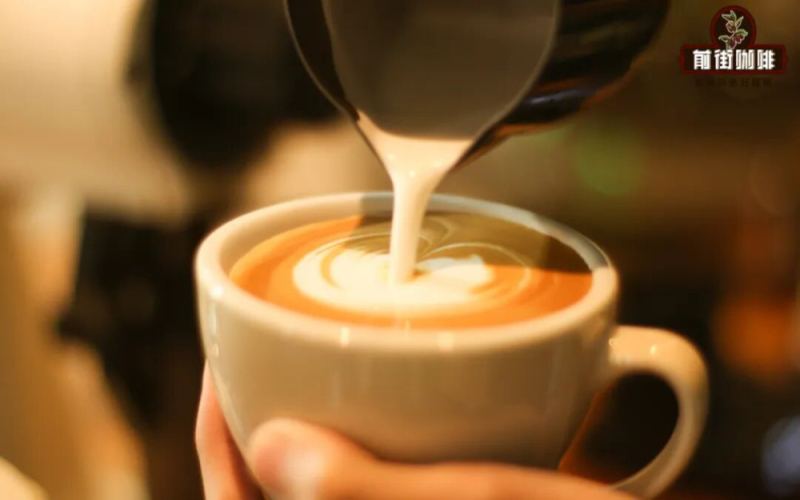
Learning Latte Art from Zero: A Low-Cost Approach Using Dark Soy Sauce, Dish Soap, and Recycled Espresso-Foam Practice
The art of latte art, at its core, relies on the repeated muscle memory of the hands for milk flow and foam. But if every practice session requires freshly pulled espresso and freshly steamed milk, the cost is high, and it's truly a waste to pour out what can't be finished. So many coffee enthusiasts have figured out some money-saving yet practical practice routines to minimize waste. In this article, Front Street Coffee will explain how coffee shops practice latte art in their daily operations: we'll introduce the choice of espresso beans suitable for latte art, share how to froth milk with a French press when there's no espresso machine, and break down in detail two low-cost practice methods—using dark soy sauce with dish soap, and recycling espresso with milk—to help you build up your latte art skills step by step at home. [more…]
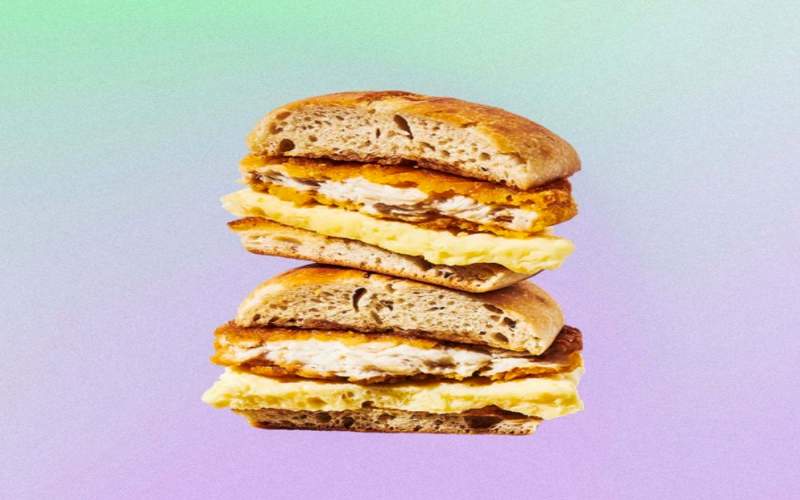
Starbucks US sandwiches cause diarrhea and vomiting in multiple people: what food safety loopholes were exposed behind the emergency removal?
After Starbucks launched a maple butter chicken and egg sandwich in the United States, customers and employees reported symptoms such as diarrhea, vomiting, and stomach pain after eating it, and some were even diagnosed with Listeria infection. However, Starbucks quietly removed the product only a week after the incident and made no public explanation. After a TikTok video drew attention from millions of netizens, Starbucks responded on July 1 that online claims of illness were untrue, but did not explain why the product was withdrawn. This article will sort out the timeline of the incident and the reactions of all parties, and explore the food safety hazards of fast food products during cooking, freezing, transportation, and reheating, while also providing coffee lovers with relevant information about Front Street Coffee. [more…]
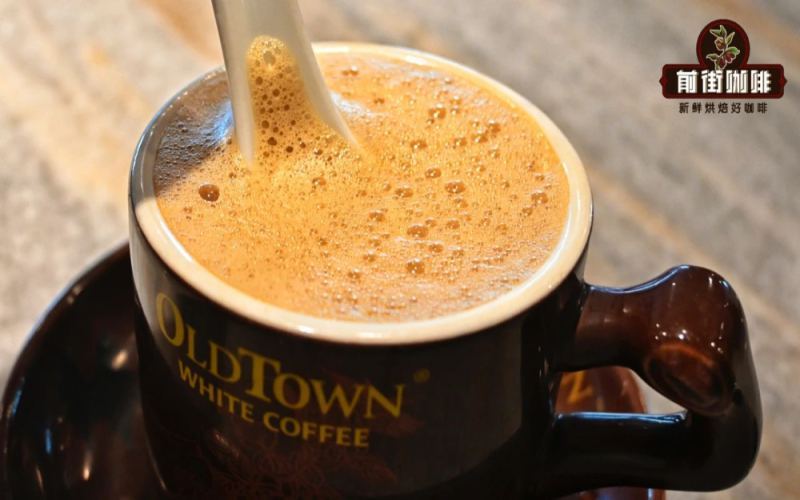
Why is Nanyang Coffee So Renowned? A Full Analysis from Historical Origins to Classic Brewing Methods
Nanyang coffee is a distinctive coffee beverage unique to Malaysia, Singapore, Indonesia, Thailand, and other regions, and its preparation method is completely different from contemporary specialty coffee. This type of coffee was first invented by the Hainanese, and in the 1850s coffee shops in Singapore were almost all run by Hainanese. In order to make low-quality robusta beans palatable, the Hainanese integrated Chinese culinary techniques into the bean-roasting process, adding butter, sugar, salt, and other seasonings, forming a unique flavor system. From Kopi to Kopi O and Kopi C, Nanyang coffee has a complete set of ordering terminology. This article will take you through the historical development of Nanyang coffee, uncover the truth about white coffee, and master the key points for brewing a delicious cup of Nanyang coffee. [more…]
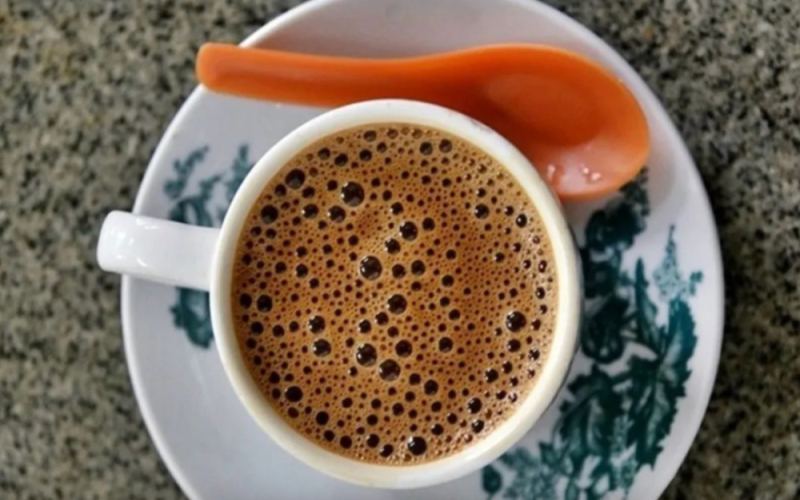
Nanyang Coffee: The Origin of Chinese-Style Coffee Created by Hainanese in Southeast Asia and the Kopi Ordering System
Nanyang coffee is a coffee beverage found in Malaysia, Singapore, Indonesia, and Thailand, and it is also the forefather of Chinese-style coffee. In the 19th century, after Hainanese immigrants moved to Nanyang, they combined Chinese cooking techniques to roast coffee beans, adding butter, sugar, salt, and other seasonings to reduce the bitterness of Robusta beans, creating a unique flavor that is rich and deeply roasted. To balance the extremely bitter taste, local Chinese developed a ordering system such as Kopi, Kopi C, and Kopi O, all derived from Hokkien pronunciation. This method of making coffee later spread back to Hainan, Hong Kong, and Macau, and evolved into variants such as white coffee and Oliang in different regions. Today, with specialty coffee in vogue, Nanyang coffee remains an important bond in the grassroots culture of Chinese communities in Southeast Asia. [more…]
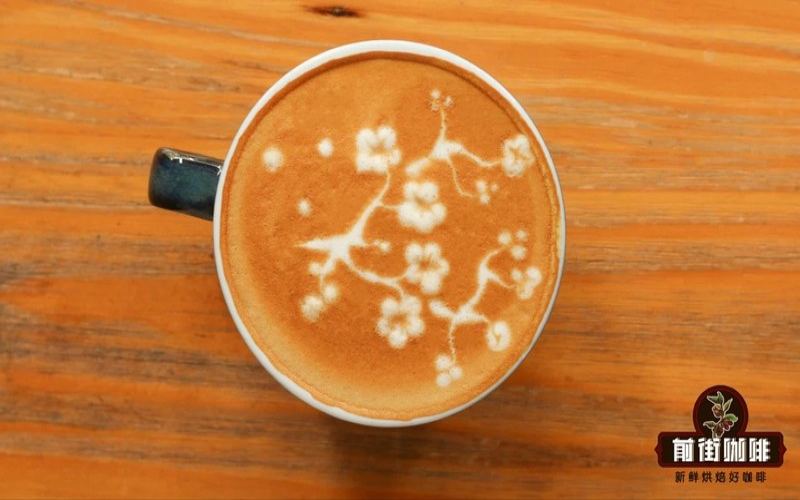
How to Choose Espresso Blend Beans for Home: A Flavor Guide from Light to Dark Roast
When choosing a blend for a home espresso machine, start by checking the roast level on the packaging. It broadly determines the brightness on the palate, the type of sweetness, and the body of the coffee, and it also affects how the espresso performs once water or milk is added. Whether you prefer a crisp fruity profile or favor nutty, cocoa notes with a dense, creamy body, you can usually tell from the light, medium, and dark roast [more…]
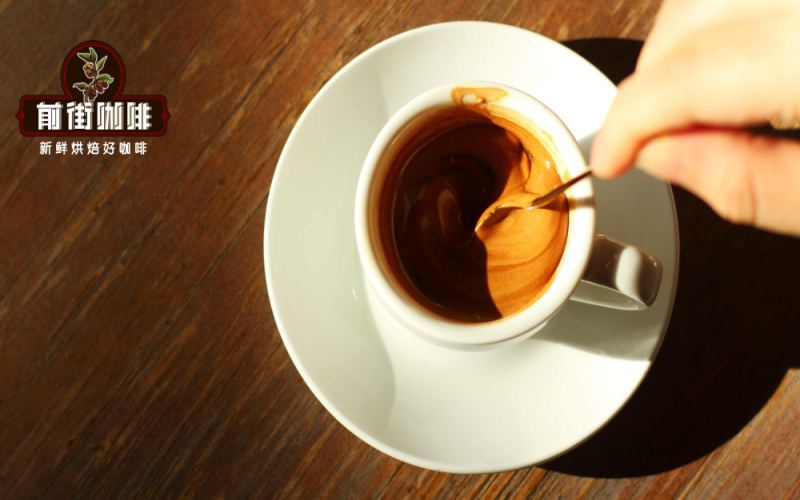
Is more crema in espresso always better? From causes to judging criteria, explained clearly in one go
Many people, upon first encountering Espresso, are drawn to the golden foam on the surface of the cup, and may even regard it as the soul of the entire coffee. How exactly is this layer of oil, which Italians call Crema, produced? Does a thicker layer mean the coffee is better? This article explains the formation principle of Crema from the perspectives of extraction pressure, carbon dioxide, and fat emulsification, describes the criteria for judging high-quality Crema in terms of appearance and mouthfeel, and offers practical advice for obtaining a rich layer of oil, including the direction for choosing beans and the flavor characteristics of several Front Street Coffee espresso blend beans, helping enthusiasts view this "golden coat" more rationally. [more…]
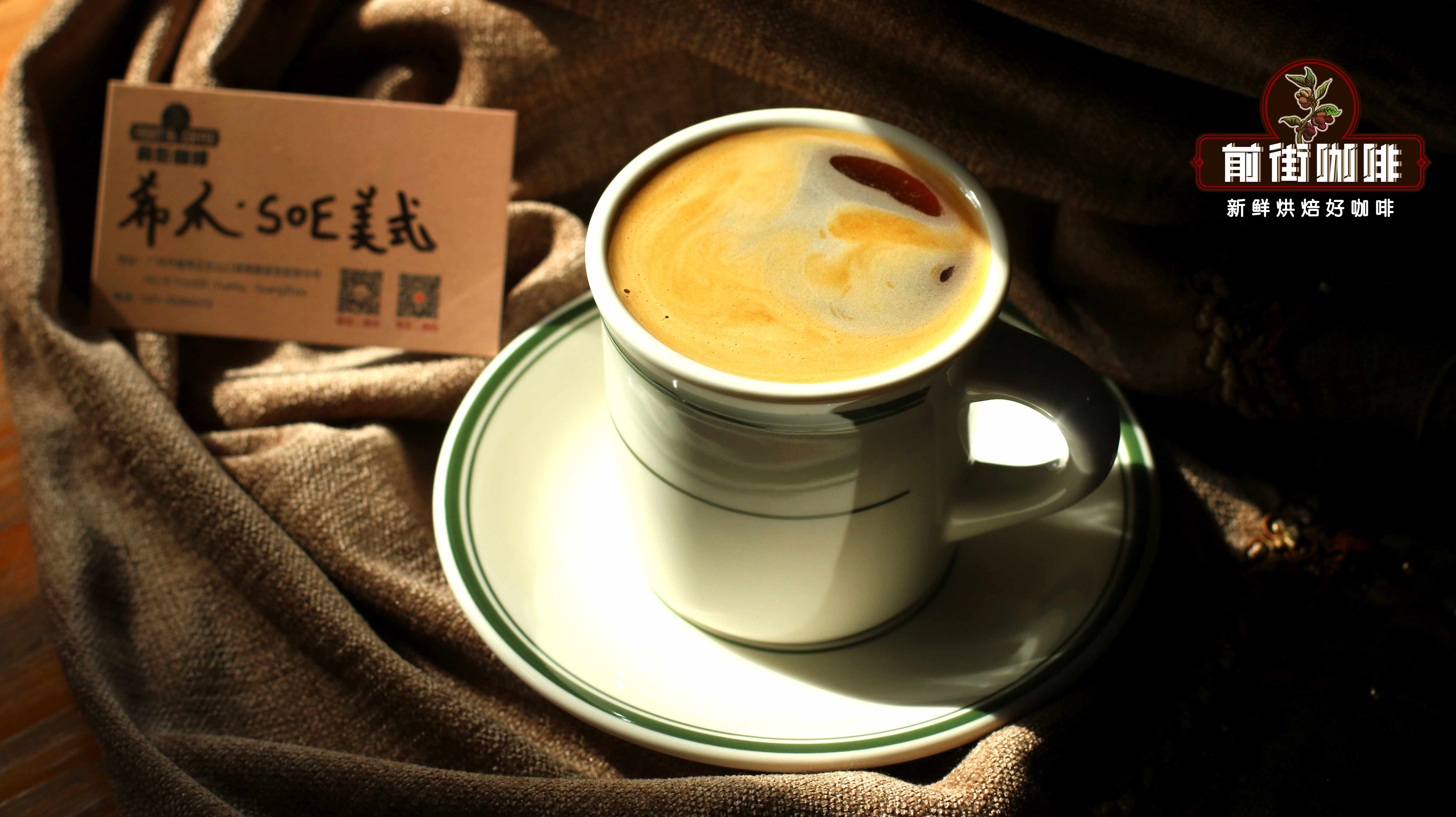
Does sour-tasting SOE americano count as a quality issue? Causes of acidity in espresso beans and how to judge it
Many people, upon tasting an Americano with a sour note for the first time, instinctively wonder whether the beans have gone bad or been sitting around too long. In fact, green coffee beans naturally contain a large amount of organic acids, and after roasting, the acidity gradually decreases as the roast gets darker, so an Americano with a tangy taste can very well be a normal expression. However, not all sourness is worth appreciating—bright, lively fruit acidity can make a cup of coffee memorable, while sharp, astringent sourness often points to improper roasting or extraction errors. This article begins with the concept and characteristics of SOE, explains why Americano tastes sour, why iced and hot Americanos differ in acidity, and why a light-roast bean that shines in pour-over may not be suitable for espresso, and offers recommendations for blend beans suited to espresso. [more…]

Pour-Over Robusta Experience: Analysis of Vietnamese Robusta Flavor Performance and Its Differences from Arabica
Robusta and Arabica have almost divvied up the global coffee consumption market, yet in the realm of specialty pour-over, Robusta is a rare sight. This time, Front Street Coffee has deliberately selected a dark-roasted Robusta from Vietnam to fully present its flavor performance through pour-over brewing, documenting the taste changes from dry aroma, wet aroma, to the mid-to-low temperature stages one by one. The article also sorts out the core differences between Robusta and Arabica in appearance, growing conditions, and flavor formation, and explains Robusta's natural advantages in caffeine content and rich oils. If you're curious about what pure Robusta pour-over actually tastes like, or want to understand why Front Street uses it in espresso blends, this content will give you a straightforward answer. [more…]
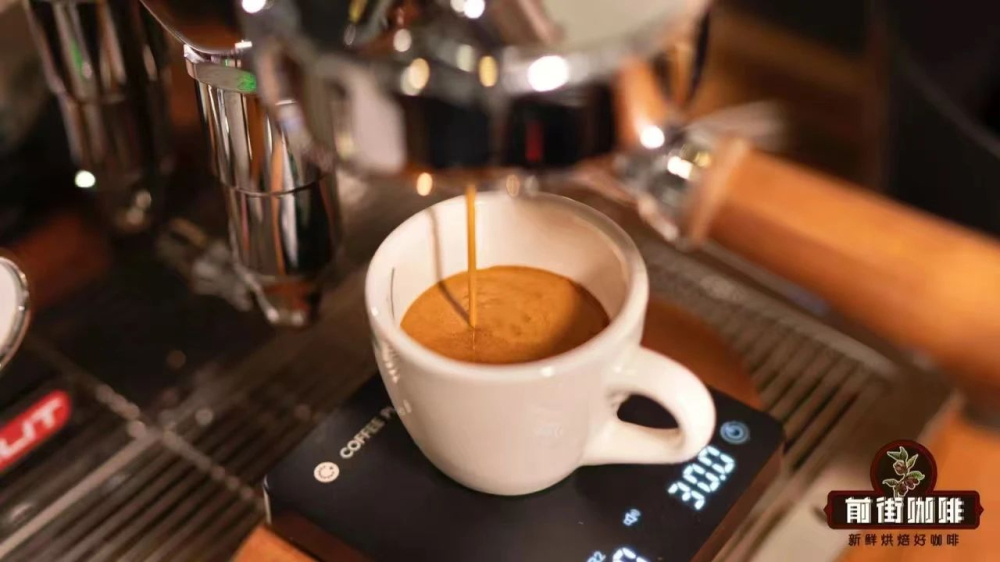
The Origin of Latte | What is the espresso extraction coffee-to-water ratio for the espresso base of a latte or americano? What coffee beans are used for espresso?
A few days ago, a coffee enthusiast asked Front Street Coffee (FrontStreet Coffee): if the same bean is used, with the same grind size and the same dose, when preparing milk coffee, Americano, and espresso, will there be different requirements for the espresso's brew ratio? So Front Street Coffee (F [more…]

Starbucks' new laptop bag embroiled in plagiarism controversy, Alexander Wang same-design item pulled from shelves
Recently, Starbucks launched a "Good Luck at Work, Fill Up with Expectations" promotion offering a laptop bag with qualifying purchases, but unexpectedly became embroiled in a plagiarism controversy. Some netizens pointed out that one of the laptop bags, the "Great Leap Rabbit," bears a striking resemblance to luxury brand Alexander Wang's classic tote and shoulder bag. Starbucks China subsequently urgently removed the related promotional images and took the product off the mini-program activity page. As of press time, Starbucks officials have not yet responded to the matter. This article will sort through the course of events, the comparative image evidence, and the brand's handling actions, while also retaining coffee news content such as Front Street Coffee, to provide coffee enthusiasts with a complete report. [more…]
What difference does a 0.5g variation in espresso dose make to the extraction? Actual test data tells you
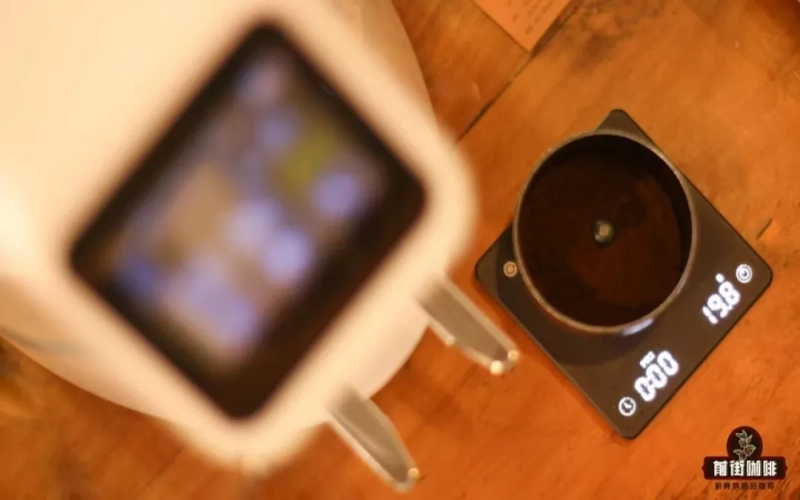
Many espresso grinders come with a dosing function: set the target weight in grams and it dispenses the grounds automatically, which seems to save you the trouble of weighing each dose. Yet plenty of coffee shops, Front Street Coffee included, still double-check the dose on a separate scale. The reason is that a grinder's dosing isn't always accurate—retained grounds in the chute, static and other factors mean the actual output often differs from the set value. So how much difference does a few tenths of a gram really make to an espresso? Front Street pulled two shots each at 19.5g, 20g and 20.5g and compared them. The results showed that both extraction time and extraction yield changed with the dose, and that mouthfeel and flavor differed noticeably too. Using measured data, this article explains how small dose adjustments affect espresso extraction, and why cafés need to pay attention to these details in the cup they serve. [more…]

Espresso and Fancy Coffee | How Can Coffee Newbies Make a Latte at Home? What Are the Latte Making Methods, Espresso Ratios, and Preparation Techniques? An Introduction to the Characteristics, Origin, and History of the Latte
A few days ago, a coffee enthusiast asked Front Street Coffee (FrontStreet Coffee): if the same bean is used, with the same grind size and the same dose, when producing milk coffee, Americano, and espresso, will there be different requirements for the espresso's brew ratio? So Front Street Coffee (F [more…]
Analyzing the Causes of Espresso Channeling: Distribution and Tamping Techniques, and Solutions for Over-Extraction Bitterness and Astringency
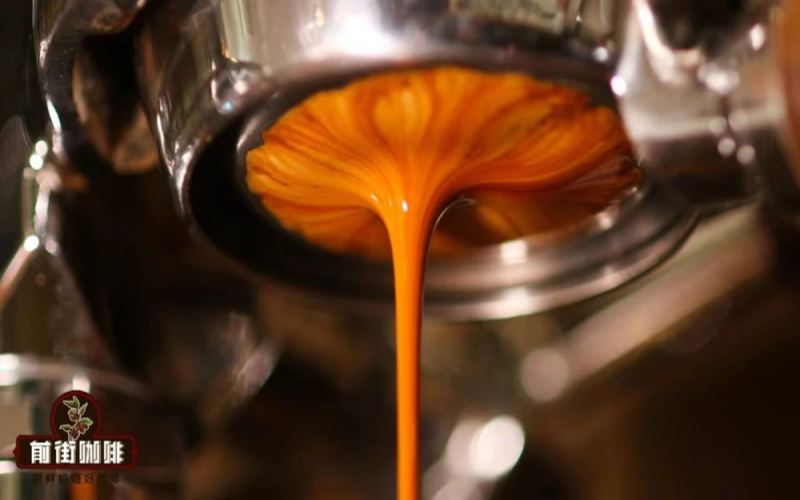
Extracting a qualified espresso is the foundation for making all espresso-based coffee drinks. Espresso can multiply the strengths of coffee beans while also magnifying their flaws without reservation. In practice, the source of many flavor problems points to the same phenomenon—channeling. It doesn't occur rarely; once it happens, hot water concentrates through the puck along paths of lower resistance, creating a situation where localized over-extraction and localized under-extraction coexist, ultimately giving the coffee burnt, bitter, astringent, and other off-flavors. This article will explore several aspects including coffee bean selection, the definition and manifestations of channeling, and optimization techniques for distribution and tamping, to help coffee enthusiasts understand why channeling occurs and how to effectively avoid it in daily brewing, thereby consistently producing a delicious espresso. [more…]
Starbucks Frappuccino-inspired zongzi have been sold for thirteen years straight—why do they never get pulled despite constant controversy?
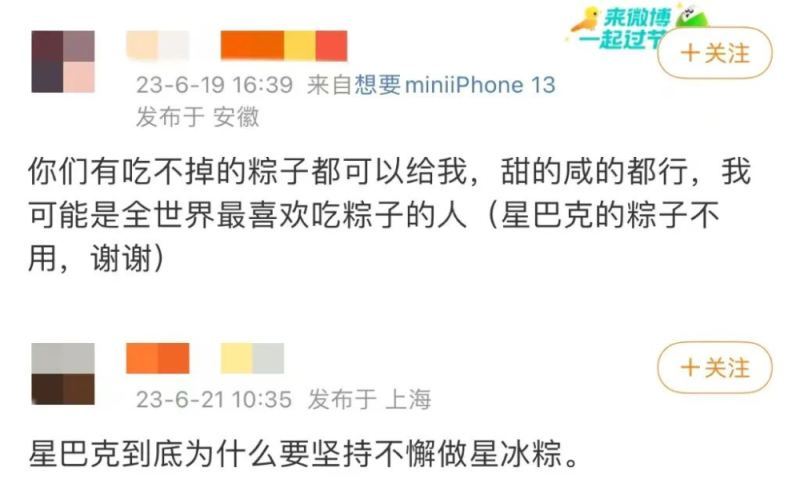
Every year around the Dragon Boat Festival, Starbucks' Frappuccino Zongzi (星冰粽) always becomes a hot topic on social media. This product, which defies categorization for both the savory-leaning South and the sweet-leaning North, has appeared in Starbucks' Dragon Boat Festival lineup for thirteen consecutive years. Netizen comments have evolved from blunt criticism to all sorts of creative mockery. Despite the sharply polarized reputation, Starbucks has never given up on this controversial zongzi. This year's Frappuccino Zongzi comes in four flavors with eight pieces, still priced at 198 yuan, and adds a new spicy popping candy dipping sauce. Caught between consumer complaints and employees' helpless sales pitches, what exactly is the business logic behind this product? Is it a clever gift-bag marketing strategy, or a commitment to brand exposure during the holiday? This article will take you on a deep dive. [more…]
What Causes Over-Extraction in Espresso? Reasons for Flavor Changes in Americano and How to Adjust
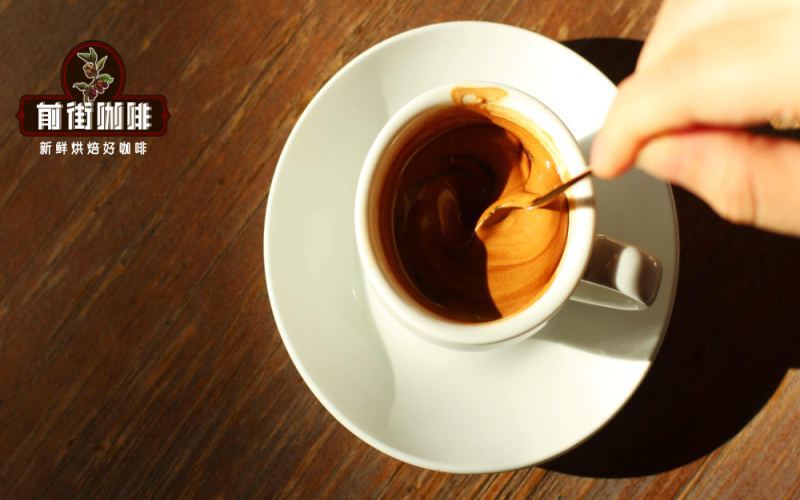
Have you ever run into a situation like this: the same batch of beans pulled as espresso tastes balanced one time, but another time it's so sour it stings, or so bitter it's astringent? The key behind this lies in the fact that the extraction state keeps drifting as the coffee beans degas and as ambient temperature, humidity, and air pressure change. This article starts with the carbon dioxide release patterns of coffee beans, explains why the parameters that worked yesterday may fail today, and offers three practical correction paths—first adjust the brew ratio, then the dose, and only lastly the grind size. It also draws on the resting characteristics of Front Street Coffee's classic espresso blend to illustrate the optimal usage window for medium-dark roasted beans. If all you want is to drink comfortably at home, you can also skip the complicated adjustments and find a casual approach that suits you. [more…]
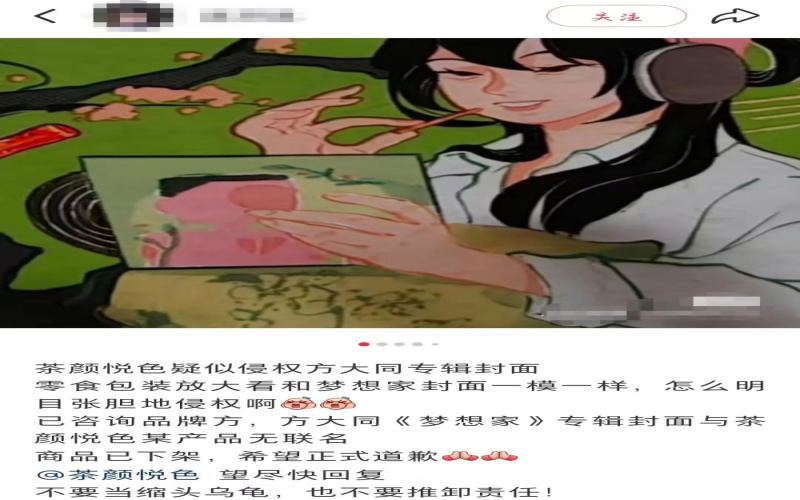
Tea Yan Yue Se's new product packaging has been accused of being identical to Khalil Fong's album cover, and the snack in question has been pulled from all stores.
On July 17, a post about an alleged infringement by Chayan Yuese sparked widespread discussion on social media. Some internet users noticed that on the packaging of the brand's newly launched "Mountain Pepper Oil Flavored Spicy Strips," the album图案 held by the cartoon character bore a striking resemblance to the cover of Khalil Fong's "Dreamer," released in 2024. Netizens asked customer service to verify a collaboration, but were told that the two parties had no partnership. As public opinion grew, Chayan Yuese confirmed that the product involved had been urgently removed from shelves that afternoon and publicly apologized for the lack of oversight in its creative review process. Although the brand has responded, it has not yet issued a formal statement on its official social media accounts. [more…]

On its seventh anniversary, Chagee's cup-clinking card-collecting event is said to be riddled with bugs—users pulled a bizarre trick, scanning their feet to actually pass the level.
For its seventh anniversary, Chagee launched the "Good Friends Always Together" campaign, giving away 700,000 free cups over seven consecutive days, along with features like a clink-cups card-collecting game for a chance to win free drinks for a whole year. The campaign stayed high in popularity with huge participation, but it was followed by a string of technical problems: black screens when scanning the page, AI recognition failures, abnormal consumption of attempts, and more, triggering a flood of complaints. Surprisingly, netizens discovered that scanning feet, tissues, books, or even trash cans could be judged by the AI as a successful cup clink. Faced with the backlash, the official response was only that it "adds fun," while dodging questions about the loopholes. [more…]
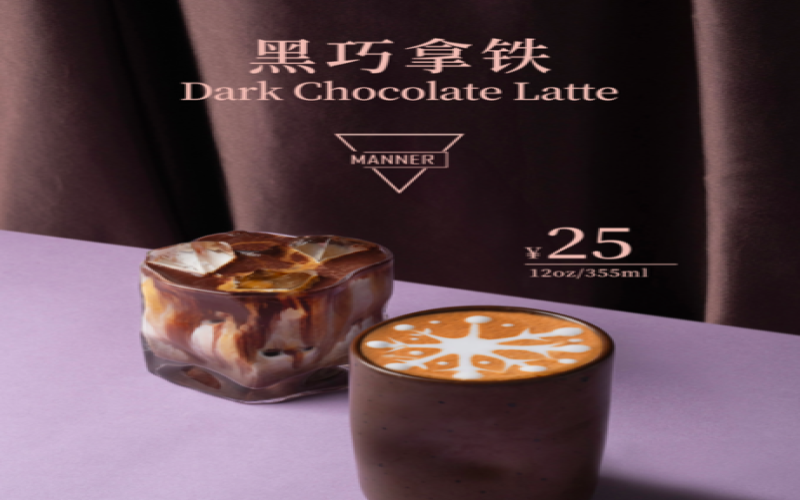
Manner's new Dark Chocolate Latte draws complaints: red wine natural SOE brings a fermented bean curd taste, consumers call for it to be pulled from shelves
Recently, Manner launched a seasonal limited-edition Dark Chocolate Latte, officially claiming it uses a red wine natural SOE paired with rich dark chocolate to deliver a delicate, sweet finish. However, after the new product hit the shelves, many consumers reported that the taste was vastly different from the marketing: the dark chocolate flavor was lacking, and instead there was a strange fermented taste resembling fermented bean curd or rotten fruit, sparking heated discussion. Some bluntly said they poured it out after two sips and urged the brand to discontinue it. Longtime fans pointed out that this new product is actually an upgraded version of last year's Raw Chocolate Latte, which was already mocked for a fermented bean curd taste last year. Still, some customers were drawn to its unique flavor, comparing it to liqueur chocolates. This article walks you through the detailed feedback on this controversial new product and the reasons behind it. [more…]

Chagee's limited-time buy-one-get-one promotion hits a snag midway: ingredient shortages at stores in multiple regions, drinks in the discount section pulled one after another
On Monday of this week, Chagee launched a five-day limited-time promotion. From March 2 to March 6, consumers could enjoy a buy-one-get-one-free offer on exclusive drinks purchased daily from 9:30 to 10:30 through the "Morning Elephant Good" early-series section of the official mini-program. During the promotion period, 100,000 cups of milk tea were also given away each day for 0.01 yuan through a password-guessing format. The event attracted a large number of milk tea fans right from the start, who raced to grab coupons at the exact time and invited others to join group orders, while buyer show-off posts on social media also helped drive its spread. However, by the third day, users in many places reported that multiple exclusive drinks in the event section showed as sold out and could not be ordered, and that the drink categories available at some stores did not match the eight officially advertised. Some new products were even marked as sold out in the event area while still being available for regular single-item ordering through other channels. Stores explained that materials were being consumed too quickly and that they could only adjust delistings based on inventory, but consumers did not fully accept this explanation. [more…]