







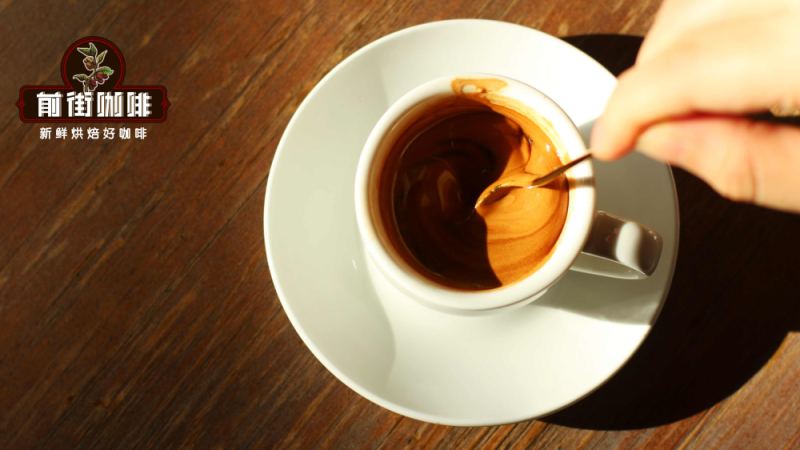
When many people first encounter Espresso, they are drawn to the golden foam on the surface of the cup and may even regard it as the soul of the entire coffee. How exactly is this layer of oil, called Crema by Italians, produced? Does a thicker layer mean the coffee is better? This article explains the formation principle of Crema from the perspectives of extraction pressure, carbon dioxide, and fat emulsification, describes the criteria for judging high-quality Crema in appearance and mouthfeel, and provides practical suggestions for obtaining a rich layer of oil, including the direction for choosing beans and the flavor characteristics of several espresso blend beans from Front Street Coffee, helping enthusiasts view this "golden coat" more rationally.
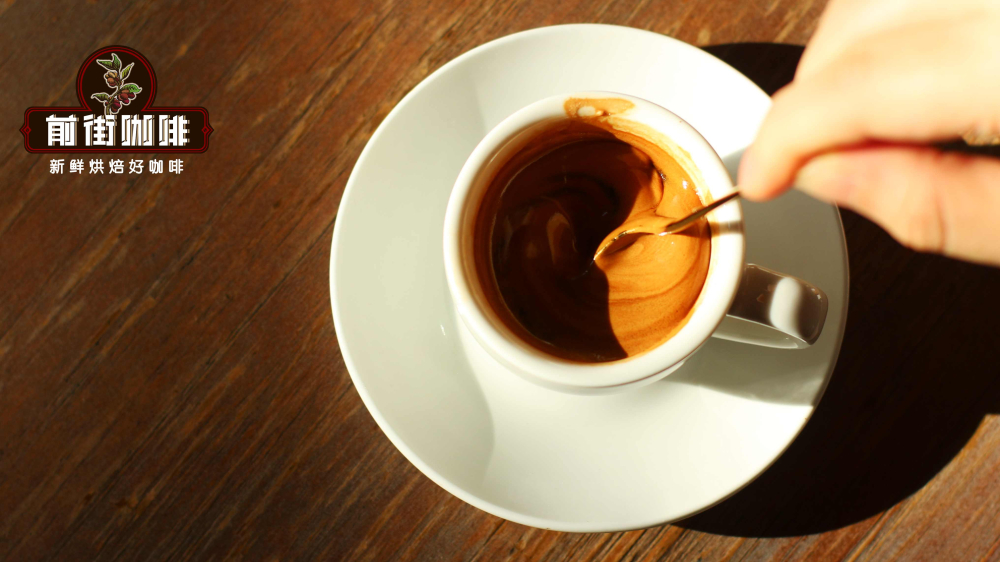
When a cup of espresso is served, it is usually visually divided into two parts: the lower layer is a dark, almost black coffee liquid, while the upper layer is covered with a golden foam. Many people regard this golden layer as the essence of the entire cup of Espresso.
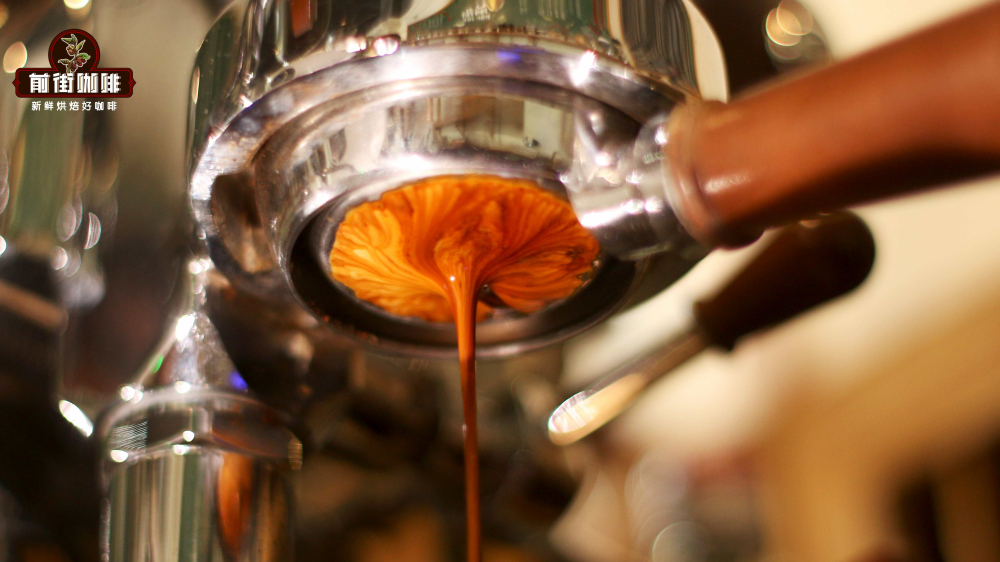
In Italian, this layer of foam is called "Crema." It cannot be obtained by just any brewing method; it is basically an exclusive product of espresso machines, and the core condition is pressure. The machine forces water through the coffee puck at about 9 bar of pressure. The carbon dioxide inside the coffee bed cannot escape smoothly under high pressure and can only temporarily dissolve into the coffee liquid, existing in a supersaturated state. At the same time, the extraction process also emulsifies some of the fats in the coffee, and these fats wrap around the carbon dioxide. Because their overall density is lower than that of water, they gradually float upward and separate into layers, eventually forming that alluring golden layer of oil on the surface.
From this, it can be seen that the delicate golden oil is essentially a structure formed by insoluble fats in coffee wrapping around carbon dioxide. So how can a cup of espresso more easily have beautiful Crema?
From Front Street's perspective, high-quality Crema is generally golden yellow, with a fine surface and even color. When gently swirled, its texture is similar to cream and smooth, and it also tends to cling noticeably to the cup wall. It can not only enhance the visual presentation of espresso, but also increase mouthfeel and aroma during tasting and provide a certain protective effect on coffee flavor; when making hot milk coffee, it also helps with latte art integration and supports the pattern. Perhaps this is precisely why many people are willing to spend a great deal of effort pursuing an ideal cup of Espresso.
Based on daily extraction experience, Front Street believes that obtaining a rich Crema is not particularly difficult. The first step is to prioritize coffee beans with a strong oily mouthfeel and sufficient carbon dioxide reserves when choosing beans, such as medium-dark roasted beans still within their optimal flavor period (about 45–60 days), or fresh espresso beans whose blend contains a certain proportion of Robusta. Taking Front Street Coffee's bean list as an example, "Front Street Commercial Blend" and "Front Street Classic Blend," these two espresso coffees, are very likely to present beautiful crema when pulled as espresso because they include a small amount of Robusta.
Front Street Classic Blend is composed of Brazil, Mandheling, and Robusta, with a medium-dark roast level. During extraction, distinct aromas of butter, toasted bread, and caramel biscuits can be felt. The flavor intensity is high, the body is solid, the crema is delicate, and the extraction performance is also quite stable. It is suitable for users who are new to espresso and want to practice at home.
If you want to make a taste close to that of a coffee shop, or plan to open a shop and become an owner, then Front Street Commercial Blend would be the priority choice. It uses the classic combination of Brazil and Colombia, with a small amount of Robusta added, making the original flavor layers richer. The output shows complex nutty aromas such as almond, bitter almond, and walnut. The crema has good fluidity, low acidity, and high body. Combined with its price advantage, it can be said to be a highly cost-effective solution for opening a shop.
Blends pursue a balanced taste; if you want to drink espresso with more recognizable aroma, you can choose Front Street PWN Golden Mandheling. It can reflect Mandheling's signature roasted aroma and also bring beautiful crema. This bean uses the local common wet-hulled processing method. The green beans undergo 3 rounds of manual sorting plus 1 round of machine sorting, greatly reducing the defect rate and selecting uniform, plump, high-quality beans. The flavor presents a clean finish on the basis of caramel notes, further highlighting Mandheling's sweetness and lingering aftertaste.
After choosing suitable coffee beans, it is also necessary to combine fresh grinding, stable high temperature, sufficiently large extraction pressure, and reasonable extraction parameters. Only when these key conditions are all met is it more likely to obtain a cup of Espresso with dense crema.
The above content is compiled by CoffeeHunters, a coffee news website.


