







Search Results for: Brazilian coffee grading
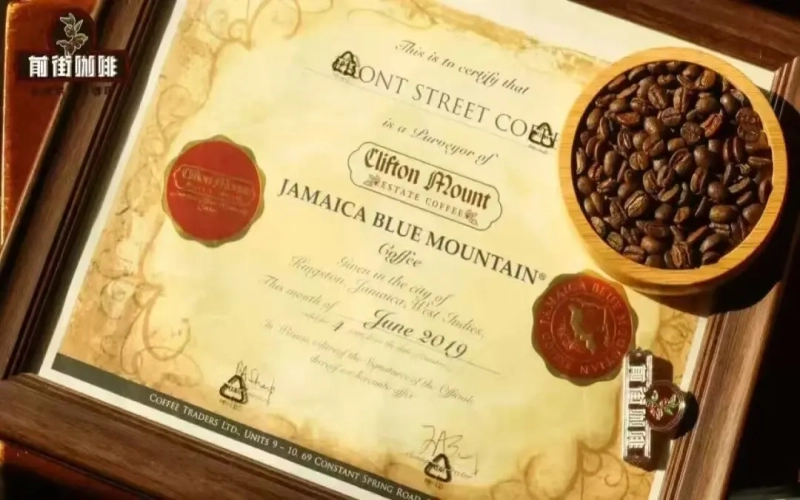
Why Doesn't Brazilian Coffee Have a NY1 Grade? A Full Analysis of the Cerrado Region's Flavor and Grading Standards
In the coffee-producing regions' grading systems, Brazil is a special case—its highest grade is not 1 but 2. Why does this happen? By what standards exactly are Brazilian coffees graded? Front Street Coffee takes you deep into Brazil's coffee grading system, breaking down the logic behind NY2 one by one, from defect rates and bean size to cup profile. We'll also discuss the flavor characteristics of coffee from Brazil's Cerrado region, and look at Front Street Coffee's daily drinking series—the Brazil Cerrado and the Front Street Coffee Brazil Queen's Farm Yellow Bourbon—to see how these two top-grade Brazilian coffees actually perform. [more…]
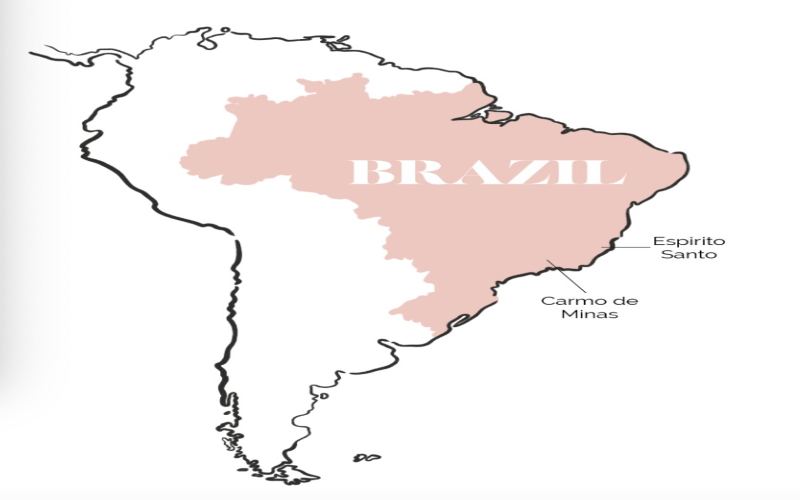
Analysis of Brazilian Coffee Bean Flavor Characteristics and Grading System: A Specialty Tasting Guide from Santos to Cerrado and Mogiana
Brazil, as the world's largest producer of Arabica coffee, accounts for about thirty percent of global coffee consumption. Its coffee industry relies not only on its unique geographical and climatic conditions but also on industrialized operational models that have created considerable economic benefits. Brazilian specialty coffee is mainly rooted in regions such as Minas Gerais, São Paulo, Paraná, and Mogiana. Compared with other producing regions in Central and South America, Brazilian coffee-growing areas have lower elevations, flat terrain, a lack of microclimates, and are mostly cultivated without shade, which shapes a unique regional flavor profile of low acidity, prominent nutty and chocolate aromas, balanced acidity and bitterness, and good body. This article will systematically review the grading methods for Brazilian coffee beans—including the defect deduction method, screen size selection, cup quality evaluation, and flavor profile classification—and focus on introducing two specialty beans sold by Front Street Coffee: Cerrado semi-washed Red Bourbon and Mogiana semi-washed Yellow Bourbon. It will also share suggested extraction parameters for pour-over and French press to help coffee enthusiasts gain a comprehensive understanding of the charm of Brazilian coffee. [more…]
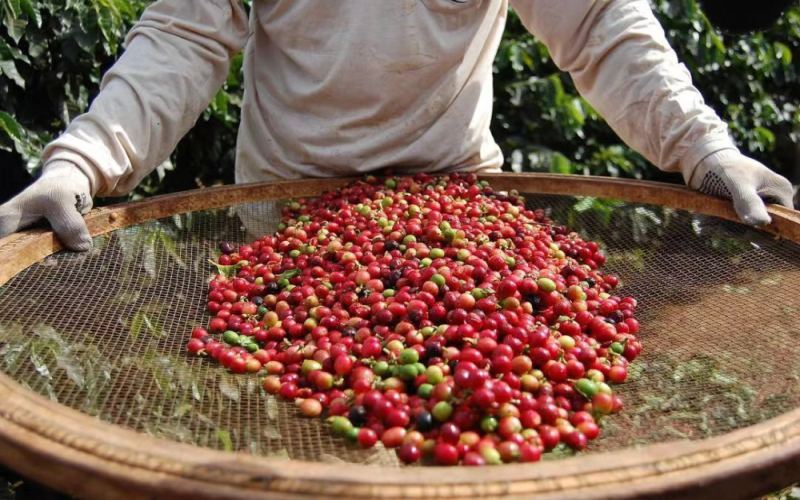
Brazilian Coffee Bean Flavor and Brewing Guide: Varieties, Grading, Producing Regions, Processing Methods, and Testing of Two Front Street Coffee Beans
Brazil is the world's largest coffee producer, offering both large-scale commercial beans and COE specialty coffees. Front Street Coffee currently carries only two Brazilian beans in its stores, reflecting a deliberate trade-off in pursuit of flavor distinctiveness. This article will start with the producing regions, varieties, processing methods, and grading systems to give you a comprehensive view of Brazilian coffee, and will also include detailed information and brewing parameters for Front Street's two Brazilian coffees—Cerrado Red Bourbon and Queen's Farm Natural Yellow Bourbon—to help you understand where Brazilian coffee's stable sweetness and nutty, chocolatey notes come from. [more…]
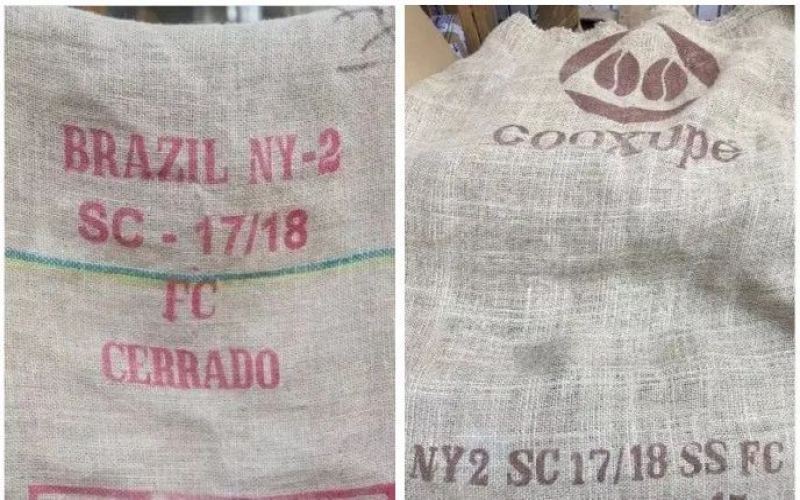
What Do SS and FC Mean on Brazilian Coffee Sacks? A Full Breakdown of Brazil's Green Coffee Grading System
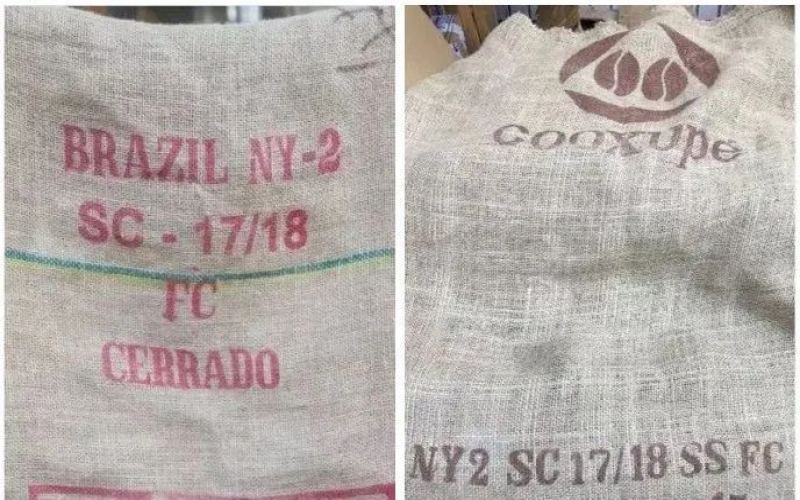
Brazil, as the world's largest coffee producer, accounts for about one-third of the global market in exports. Its beans have a flavor profile that is low in acidity and high in sweetness, with a full-bodied mouthfeel, and they are often used in coffee blends. When purchasing Brazilian green beans, you will often see markings such as "CERRADO NY-2 SC-17/18 SS FC" printed on the burlap sacks, where every letter and number corresponds to strict grading information. These codes are established by the Brazilian Ministry of Agriculture, Livestock and Supply (MAPA) and cover five major dimensions: producing region, defect rate, screen size, cup score, and sensory grade. This article will break down the meanings of symbols such as "SS" and "FC" one by one to help coffee enthusiasts understand the complete quality profile of Brazilian beans. [more…]
Why Are Brazilian Coffee Beans the Top Choice for Blends? A Comprehensive Analysis from Regions and Varieties to Grading
Brazil, as the world's largest coffee producer, offers both large-volume commercial beans and COE specialty coffees. Front Street Coffee currently carries only two Brazilian beans, because their flavor is stable but relatively one-dimensional. This article takes an in-depth look at the growing regions, varieties, and processing methods of Front Street's two beans, Brazil Cerrado and Queen Estate, explains the origins of the pulped natural process, and details Brazil's unique three-tier grading system. It also shares Front Street's brewing recommendations and flavor performance, helping you understand why Brazilian beans, with their affordable price and nutty notes, have become the top choice for espresso blends. [more…]
Analysis of Brazilian Coffee Bean Flavor Characteristics and Grade Classification, with Two Single-Origin Pour-Over Recommendations from Front Street Coffee
Brazil is the world's largest producer of Arabica coffee. Thanks to its flat terrain and volcanic soil, coffee cultivation and harvesting costs are relatively low, and it also exerts a profound influence on international coffee futures prices. Brazilian coffee beans are mostly grown at altitudes between 400 and 1,600 meters, and their density is lower than that of high-altitude beans from Central America. Their flavor is primarily smooth and balanced, with nutty and chocolate notes, and neither acidity nor bitterness is pronounced. Through cupping comparisons, Front Street Coffee has found that whether as a single-origin pour-over or in an espresso blend, Brazilian beans deliver an experience like a liquid nut pie. This article will outline the variety composition and grading methods of Brazilian coffee, and introduce two Brazilian single-origin beans sold by Front Street Coffee along with their pour-over extraction recipes. [more…]
An Analysis of the Brazilian Green Coffee Grading System: From Origin Designations to NY2 — Why Is There No NY1?
On the burlap sacks of Brazilian coffee, a string of seemingly complex codes is often printed, such as "CERRADO NY-2 SC-17/18 SS FC". These letters and numbers are not arranged at random, but are green bean grading information established by the Brazilian Ministry of Agriculture, Livestock and Supply (MAPA), covering region of origin, defect level, screen size, cup performance and sensory grade. Among them, the defect grading starts with "NY", but why does it only go as high as NY2, with no NY1? Behind this lies both historical origins and a close connection to the industrial production characteristics of Brazilian coffee. This article will break down this grading system one by one, and introduce several classic espresso blends from Front Street Coffee that contain Brazilian beans, along with their espresso extraction parameters. [more…]
An Analysis of the Flavor Characteristics and Grading System of Brazilian Specialty Coffee Beans: A Tasting Guide from Santos to Cerrado and Queen Farm
As the world's largest producer of Arabica coffee, Brazil accounts for roughly thirty percent of both the commercial-grade and specialty-grade coffee markets combined, and the highly industrialized nature of its coffee sector is the key to sustaining this position. This article systematically reviews Brazilian specialty coffee beans across three dimensions—growing region distribution, flavor characteristics, and grading methods—and takes an in-depth look at two products sold by Front Street Coffee: Cerrado Red Bourbon and Mogiana Yellow Bourbon. It also includes specific parameters and brewing techniques for two extraction methods, pour-over and French press, to help enthusiasts fully unlock the regional character of Brazilian beans: low acidity, nutty and chocolate sweetness, and a rich, well-balanced body. [more…]
A Complete Guide to Brazilian Coffee: From Grading Systems to Exploring the Flavors of Two Representative Beans from Front Street Coffee
As the world's largest coffee producer, Brazil offers both large-scale commodity-grade coffee and COE-led specialty beans. This article systematically examines the unique character of Brazilian coffee, from origin characteristics and grading systems to the evolution of processing methods, and provides detailed introductions to two Brazilian beans sold at Front Street Coffee stores—Cerrado Red Bourbon and Queen's Farm Natural Yellow Bourbon—covering origin information, variety characteristics, processing methods, and brewing suggestions, giving you a comprehensive understanding of this South American coffee giant's terroir and quality standards. [more…]
A Complete Guide to Brazilian Coffee Grading Standards and Flavor Characteristics: From Regions and Varieties to Brewing Parameters
As the world's largest coffee producer, Brazil's grading system and flavor characteristics have always been a focal point for coffee enthusiasts. This article systematically reviews the distribution of Brazilian coffee regions, mainstream varieties, and processing methods, and provides a detailed interpretation of the three-dimensional grading system centered on defect rate, screen size specifications, and cup performance. At the same time, using Front Street Coffee's Brazilian Cerrado daily drink beans as an example, it explains how to set brewing parameters according to the characteristics of medium-dark roasted coffee, including dripper selection, water temperature, grind size, and pouring technique, helping readers gain a comprehensive understanding of Brazilian coffee from origin to cup. [more…]
Is Brazilian coffee flavor really unsatisfactory? A comprehensive analysis from regions and varieties to processing and grading
Brazil, as the world's largest coffee producer, has both bulk commercial beans and COE specialty coffee. Although Front Street Coffee has a rich bean list, Brazilian coffee occupies only two spots. Behind this lies both a consideration of flavor stability and the uniformity brought by Brazil's highly mechanized production. This article will take you through Front Street's two Brazilian beans—Cerrado and Queen Estate—covering everything from regional terroir, Bourbon varieties, pulped natural and natural processing, to Brazil's unique three-tier grading system, comprehensively analyzing the true flavor and quality evolution of Brazilian coffee, along with Front Street's brewing suggestions and cupping performance. [more…]
Brazilian Red Bourbon Espresso Beans: A Complete Analysis of Growing Regions, Varieties, Grading Systems, and Espresso Blend Ratios
Brazil is the world's largest coffee-producing country, and its beans are known for their full body, low acidity, and nutty and cocoa flavors, making them highly favored by drinkers who dislike sour coffee. The Brazilian beans in Front Street Coffee's everyday beans series come from Minas Gerais and are of the Red Bourbon variety. This article will review the growing conditions of Brazilian coffee regions, the characteristics of the Red Bourbon variety, the pulped natural processing method, the NY grading system, and its practical application in espresso blends, and will also include the specific recipes and flavor descriptions of two Front Street espresso blends, helping coffee lovers fully understand the core position of Brazilian beans in classic coffee flavors. [more…]
Brazilian Coffee Beans' Grading System and Flavor Characteristics: Three Classification Methods and Front Street Recommendations
Brazil is the world's largest coffee producer, accounting for about one-third of global output. Because its growing regions span 14 states, Brazil uses a three-dimensional grading system based on defect rate, screen size, and cup profile to ensure consistent quality. This article will explain in detail Brazil's three coffee bean grading methods, decode the meaning of the grade markings on green bean jute sacks, and introduce two products recommended by Front Street Coffee: the Brazil Cerrado everyday drinking bean and the Queen Estate Yellow Bourbon, helping coffee lovers gain a deeper understanding of the unique appeal of Brazilian coffee. [more…]
A Detailed Explanation of the Brazilian Green Coffee Grading System: Sharing the Making Methods of Espresso and Hot Americano
Brazil, as the world's largest coffee-producing country, indicates its green bean grading system with a string of letters and numbers on jute bags. This article will systematically interpret the grading logic behind Brazilian coffee and the reasons for it from multiple dimensions, including region identifiers, defect grading NY2, screen size SC, cup quality grades SS and S, and flavor grades FC and GC. At the same time, in combination with Front Street Coffee's classic espresso blend coffee beans, it shares extraction parameters and operating steps for espresso in commercial and home scenarios, and introduces the drinking method of diluting it into hot Americano at a 1:5 ratio, helping coffee enthusiasts make a balanced cup of Brazilian coffee at home. [more…]
A Comprehensive Guide to the Brazilian Cerrado Coffee Bean Grading System, Pour-Over Parameters, and Flavor Characteristics
As the world's largest coffee-producing country, Brazil has a coffee bean grading system that is completely different from common systems like Kenya AA or Yirgacheffe G1. What exactly do the markings NY.2 SC-17/18 FC on the burlap sacks represent? Why has the Cerrado region become a classic representative of Brazilian specialty coffee? From the perspective of Front Street, this article traces the historical development of Brazilian coffee, its producing regions, and the logic behind green bean grading, and provides a detailed introduction to the brewing method and flavor profile of the Brazilian Red Bourbon semi-washed beans in Front Street's everyday drinking bean series, offering a systematic understanding of the unique charm of this major South American coffee nation. [more…]
A Detailed Guide to Brazilian Coffee Flavor Characteristics and the Variety and Grading System of the Cerrado Region
As the world's largest coffee producer, Brazil is known for coffees with low acidity, a full body, and nutty-chocolate notes. This article systematically examines the flavor origins of Brazilian coffee beans—from the characteristics of low-altitude soft beans to their widespread use in espresso blends—offering an in-depth introduction to the ecological conditions of the Cerrado region and its origin certification system, analyzing the distinguishing features of key varieties such as Bourbon, Mundo Novo, and Catuai, and explaining in detail the technological innovations of the semi-washed (pulped natural) processing method as well as Brazil's unique green bean grading system (defect rate, screen size, cup profile, and flavor grade). At the same time, drawing on Front Street Coffee's approach to bean selection and pour-over practice, it provides coffee enthusiasts with a complete reference from understanding the growing region to brewing parameters. [more…]
Brazilian Coffee Bean Grading Standards, Flavor Analysis by Region, and Key Brewing Points for Red Bourbon
Brazil is a major global coffee producer and the second-largest coffee-consuming market after the United States, and fluctuations in its bean prices sway international markets. Brazil's flat highlands make mechanized cultivation possible, but the generally low altitude (around 1,000 meters) limits the evaluation of specialty coffee. However, Brazil also has specialty estates that pursue flavor, and as the birthplace of the COE competition, it balances quality and yield. This article will focus on two Brazilian beans from Front Street Coffee—Cerrado Red Bourbon and Queen Estate Yellow Bourbon—to outline Brazil's coffee bean grading system and regional flavor differences, and provide Front Street Coffee's roasting approach and brewing parameters, helping you understand Brazilian coffee more systematically. [more…]
Brazilian Coffee Bean Grading Standards and Regional Growing Characteristics, Analysis of Flavor Differences Under Different Pour-Over Methods
As the world's largest coffee producer, Brazil is renowned for its coffee's nutty and chocolatey notes, full-bodied and balanced taste, and stable supply. This article begins with the cultivation characteristics and main producing regions of Brazilian coffee, sorting out the terroir differences between two high-quality regions: Mogiana in São Paulo state and Cerrado in Minas Gerais state. It introduces two representative varieties, Red Bourbon and Yellow Bourbon, and provides a detailed interpretation of the grading system for Brazilian coffee beans based on flavor, defect rate, cupping score, and bean size. At the same time, using Cerrado Red Bourbon and Queen's Farm Yellow Bourbon as examples, it shares Front Street Coffee's brewing parameters and staged extraction techniques, comparing the specific performance of the two beans in terms of body, cleanliness, and sweetness. [more…]
Is Santos the Best Brazilian Coffee? A Detailed Explanation of Brazil's Coffee Bean Grading System and Naming Rules
Brazil, as the world's largest coffee producer, offers a rich variety of coffee beans with mild flavors, and Santos coffee is the most iconic among them. This article will start with the distribution of coffee-growing regions in Brazil and their flavor characteristics, delve into the unique charm of Santos coffee, and provide a detailed introduction to the grading standards and naming conventions for Brazilian coffee beans, helping coffee enthusiasts fully understand the question of "whether the best coffee in Brazil is called Santos." At the same time, Front Street Coffee will also share recommendations and tasting insights about Brazilian Santos. [more…]
A Complete Guide to Brazilian Coffee Brands and Specialty Varieties: From Regional Grading to Brewing Parameters
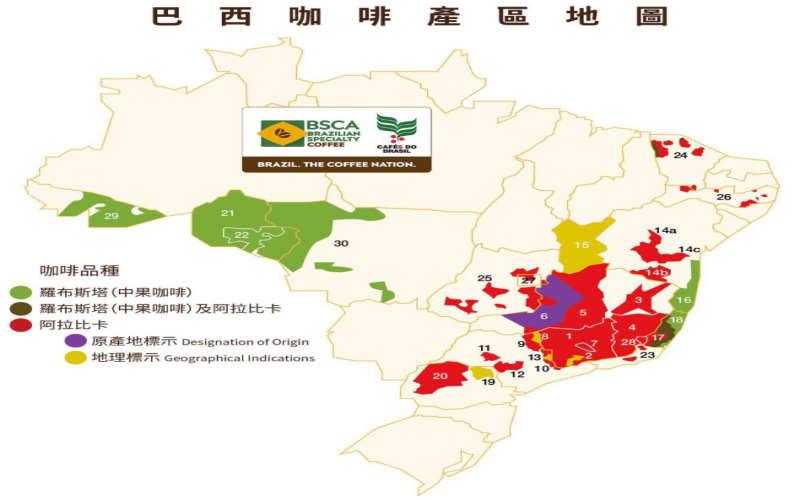
As the world's number one coffee producer, accounting for over one-third of global coffee production, Brazil's coffee landscape is far more than just commodity beans. From mechanized cultivation on flat terrain, to the two representative producing regions of Minas Gerais and São Paulo, and to classic varieties such as Red Bourbon and Yellow Bourbon, Brazilian coffee has its own unique flavor and grading logic. This article will guide you through the varietal characteristics, producing regions, and quality assessment system of Brazilian coffee, and includes Front Street Coffee's recommended pour-over parameters for Brazilian coffee, so you can easily brew a rich, balanced Brazilian flavor at home. [more…]