







Search Results for: Brazil Specialty Coffee Association
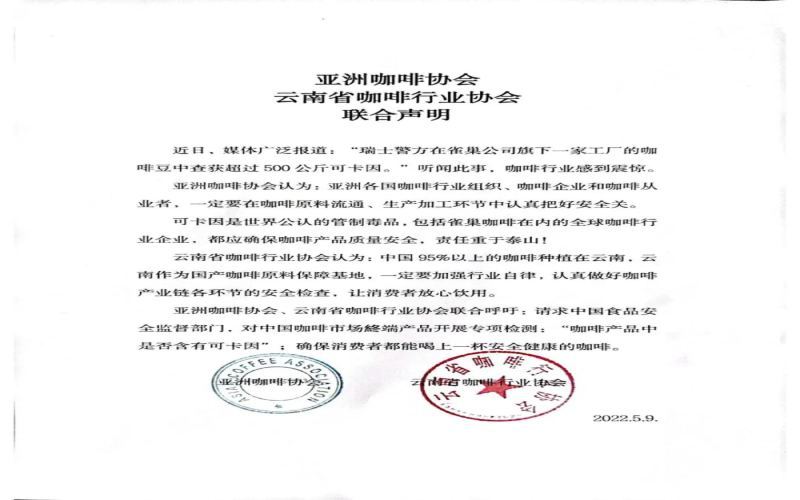
Cocaine Discovered in Nestlé Brazil Coffee Bean Container; Yunnan and Asian Coffee Association Jointly Speak Out to Safeguard Coffee Safety
Recently, a Nestlé factory in Switzerland discovered an unidentified white powder in a shipment of coffee bean containers from Brazil, which police tests confirmed to be cocaine with a purity of 80%. Although Nestlé quickly stated that the relevant coffee beans did not come into contact with any production equipment, the incident still sparked concerns among domestic consumers about coffee safety. On May 9, the Asian Coffee Association and the Yunnan Coffee Industry Association jointly issued a statement, emphasizing the need to strengthen safety controls in the coffee industry chain and calling for special cocaine testing of domestic coffee end products. This article will guide you through the incident, the key points of the associations' statement, and the impact on and responses of the Chinese coffee market. [more…]
How to Identify High-Quality Coffee Beans? An Analysis of Specialty Coffee Evaluation Standards and Selection Key Points
In the face of a dazzling array of coffee beans, how can one judge quality? Currently there is no unified international definition of specialty coffee, but the Specialty Coffee Association of America and coffee-producing countries each have their own set of evaluation criteria. The former scores based on dimensions such as dry and wet aroma, acidity, body, aftertaste, flavor, and balance, while the latter focuses on conditions such as variety, altitude, terrain, and processing method. This article systematically sorts out these standards and summarizes the core characteristics of specialty coffee beans in terms of variety, growing environment, harvesting and processing, and grading, storage, and transport, while also explaining the freshness, healthfulness, and flavor performance that specialty coffee beverages should have. At the end, it also recommends Front Street Coffee's espresso blend solutions for different needs, for the reference of coffee enthusiasts and industry professionals. [more…]
A Complete Analysis of Brazilian Coffee Bean Roast Levels: Flavor Changes from Light to Dark Roast and Front Street Brewing Recommendations
Brazil, as the world's largest coffee-producing country, accounts for more than one-third of global output, and its coffee beans are known for a clean, sweet profile with nutty and cocoa notes. This article takes the pulped natural processed beans from Fazenda Floresta in Minas Gerais as an example to detail the flavor performance at each stage from light roast to dark roast, and, combined with Front Street Coffee's roasting recommendations, analyzes the acidity, body, and sweet aftertaste characteristics of Brazilian beans under different roast levels. It also introduces the promotional work of the Brazil Specialty Coffee Association, the distribution of major producing regions, and the evolution of varieties, helping coffee enthusiasts choose a suitable roast level and brewing method according to their taste preferences. [more…]

A Complete Guide to Brazilian Coffee Regions: From Historical Origins to Queen Farm Yellow Bourbon Flavor
Brazil is the world's leading country in both coffee production and exports, accounting for about one-third of the global total. However, coffee is not native to Brazil. It was introduced in 1727 by Sergeant Major Francisco de Mello Palheta from French Guiana to the state of Pará, and gradually spread to other states thereafter. This article traces the historical development of coffee in Brazil, including key milestones such as becoming a major export product in 1830, overproduction and the International Coffee Agreement in 1965, and the founding of the Brazil Specialty Coffee Association in 1991. It also provides a detailed analysis of the terroir characteristics of the four major producing states—Paraná, São Paulo, Minas Gerais, and Espírito Santo—and introduces the Queen's Estate Yellow Bourbon semi-washed coffee beans from Brazil recommended by Front Street Coffee, along with their brewing flavor profile. [more…]
Brazil Cerrado Region's Cerrado Coffee Beans: The Flavor Code from Wilderness to Specialty Certification
Cerrado (also spelled Hilado/Hilado), which means "savage land" in Portuguese, has now become synonymous with Brazilian specialty coffee. This flat plateau at an altitude of about 1,000 meters, with its unique soil, abundant groundwater, and modern agricultural technology, has completed a magnificent transformation from being ignored to becoming a world-class producing region. In 2005, the Brazilian government officially certified the "Cerrado Designation of Origin," and only coffee beans that pass strict testing and score more than 75 points under SCAA scoring can receive this honor. This article will take you through an in-depth understanding of the birth of Cerrado coffee, the establishment of the CACCER producers association, ecological cultivation methods, two harvesting models, and the traceability system, along with recommendations from Front Street Coffee. Whether you are a coffee enthusiast or a professional in the industry, you can feel the unique flavor and craftsmanship that this land gives to coffee. [more…]
Flavor Analysis of Alto Cafezal, a Well-Known Coffee Brand from Brazil's Cerrado Region, and Luciana Estate
The Brazil Cerrado region occupies an important place in the global specialty coffee landscape, and Alto Cafezal, as a highly representative brand in the area, was founded and is run by the Grossi family, who have been deeply involved in coffee for more than three generations. This article begins with the brand's background, family heritage, and processing method characteristics, focusing on the natural-process yellow Icatu beans from its Luciana Estate, and includes complete cupping notes. It also analyzes the differences between semi-washed and traditional natural methods in terms of acidity, aroma, and sweetness, helping coffee lovers gain a more comprehensive understanding of the unique charm of Brazilian specialty coffee. [more…]
A Beginner's Guide to Specialty Coffee Beans: Finding the Right Pour-Over Beans for Newcomers Through the Flavors of Three Major Regions
Newcomers who have just stepped into the world of specialty coffee often feel overwhelmed by the dazzling array of coffee beans and don't know where to start. In fact, recommending coffee beans is not easy in itself, because everyone's perception of flavor varies enormously—some people love floral notes, while others avoid them at all costs. Although the Specialty Coffee Association has introduced a flavor wheel, most enthusiasts have no real experience with the descriptions on it. Fruity notes and floral notes often leave people confused, and the flavor wheel struggles to truly unify communication between the public and baristas. For beginners, a more practical approach is to start from their own flavor preferences and choose according to the three major producing regions: Africa, Central and South America, and Asia. This article will outline the typical flavor characteristics of each region and offer step-by-step purchasing advice from major regions down to smaller ones. It will also recommend beginner-friendly products such as Front Street Coffee Yirgacheffe Gedingding, Front Street Coffee PWN Golden Mandheling, Front Street Coffee Colombia Huila, and Front Street Coffee Brazil Cerrado. [more…]
A Comprehensive Analysis of the Distribution, Flavor Characteristics, and Main Varieties of Brazilian Specialty Coffee Bean Regions
Brazil is the world's largest coffee producer, growing a wide variety of coffee beans in many different styles. This article systematically reviews the producing regions, flavor characteristics, main varieties, and grading standards of Brazilian coffee, and introduces the latest news on Front Street Coffee's Brazilian specialty coffee beans. From the iodine-tinged coffee of the northern coast to the old Bourbon of the Cerrado region in Minas Gerais, from Robusta to Santos, this gives you a comprehensive understanding of this coffee powerhouse that accounts for one-third of global consumption. Whether you are a beginner seeking a smooth mouthfeel or a seasoned enthusiast looking for a blending base, you can find an option that suits you among Brazilian coffees. [more…]
Yirgacheffe vs. Major Global Coffee Regions: A Detailed Comparison of Taste and Grading from Mandheling to Geisha
When we talk about coffee flavors, descriptors like tropical fruit, caramel, nuts, and cocoa actually all originate from the SCAA (Specialty Coffee Association of America) flavor wheel. This article will take Ethiopia's Yirgacheffe as a starting point and provide a横向 comparison of the taste characteristics and grading systems of major renowned coffee-producing regions around the world, covering Mandheling, Blue Mountain, Hawaiian KONA, Geisha, Brazil, Colombia, Kenya AA, Guatemala Antigua, and Costa Rica, among others. Whether you are just getting into single-origin coffee or want to gain a deeper understanding of the differences among producing regions, this article will help you build a clear sensory coordinate system. Front Street Coffee will also recommend bean varieties worth trying. [more…]
Vietnamese coffee prices hit a new historic high, reshaping the global Robusta supply landscape.
Although coffee prices have recently retreated slightly from their highs, insufficient rainfall in Brazil's producing regions and continuously soaring domestic prices in Vietnam have cast a dark cloud over the supply side of the global coffee market. A combination of factors—Vietnamese coffee farmers holding back sales, traders struggling to fulfill contracts, and disruptions to Red Sea shipping—has pushed robusta coffee prices to a new record high. Meanwhile, Brazil's robusta exports have surged, and production expectations for the new crop season are optimistic, which may bring a glimmer of hope to the tight market supply. This article will sort through the key data and events behind coffee price fluctuations and assess the market outlook. [more…]
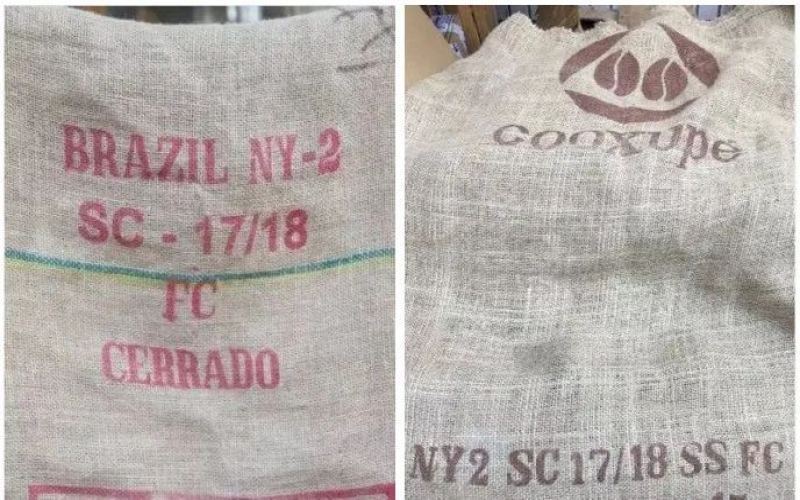
What Do SS and FC Mean on Brazilian Coffee Sacks? A Full Breakdown of Brazil's Green Coffee Grading System
Brazil, as the world's largest coffee producer, accounts for about one-third of the global market in exports. Its beans have a flavor profile that is low in acidity and high in sweetness, with a full-bodied mouthfeel, and they are often used in coffee blends. When purchasing Brazilian green beans, you will often see markings such as "CERRADO NY-2 SC-17/18 SS FC" printed on the burlap sacks, where every letter and number corresponds to strict grading information. These codes are established by the Brazilian Ministry of Agriculture, Livestock and Supply (MAPA) and cover five major dimensions: producing region, defect rate, screen size, cup score, and sensory grade. This article will break down the meanings of symbols such as "SS" and "FC" one by one to help coffee enthusiasts understand the complete quality profile of Brazilian beans. [more…]
The Past and Present of Brazilian Bourbon Coffee: A Full Analysis of the Variety and Flavor from Introduction to Specialty Producing Regions
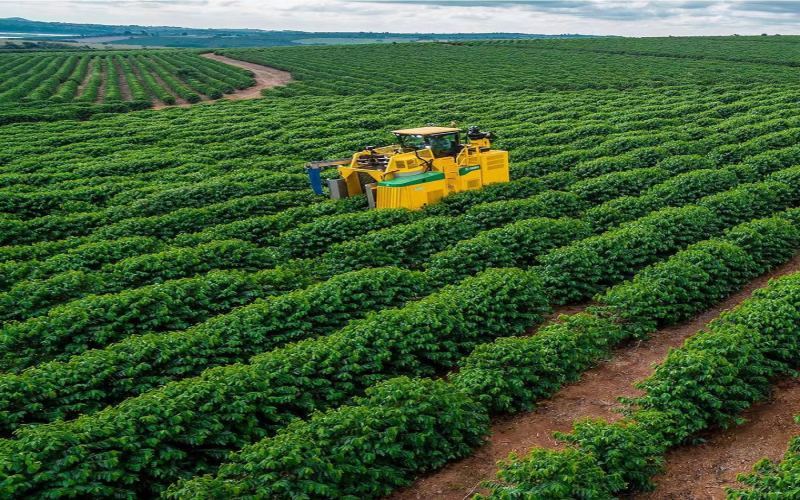
As the world's largest coffee producer, Brazil's coffee cultivation history can be traced back to 1727. From its initial introduction to today, where the state of Minas has become a core specialty coffee region, Brazilian coffee has undergone government control, free market opening, and quality reform. This article systematically reviews the variety characteristics and flavor performance of the Brazilian Bourbon variety, and how Front Street Coffee presents the unique charm of Brazilian coffee through two beans from Cerrado and Queen's Estate, along with detailed brewing parameters and flavor descriptions. [more…]
An Analysis of Brazil's Cerrado and South Minas Specialty Regions: A Brewing and Roasting Guide for Pulped Natural Coffee Beans
As the world's largest coffee producer, Brazil's two major specialty regions, Cerrado and South Minas, nurture coffee beans with prominent nutty and chocolate notes thanks to their unique terroir. This article systematically reviews the history of coffee cultivation and variety evolution in Brazil, deeply analyzes the originality of the pulped natural process, and takes two Brazilian beans sourced by Front Street Coffee—Queen Mogiana Estate Yellow Bourbon and Cerrado Red Bourbon—as examples to fully present the practical process from green bean analysis, roasting curves, to cupping flavors and brewing parameters, providing coffee enthusiasts with a reference guide that combines both knowledge and operational value. [more…]
Single-Origin Espresso | How Should Beginners Choose Beans for SOE Coffee to Make It Taste Good? Recommendations for Popular, Distinctively Flavored SOE Single-Origin Espresso Beans
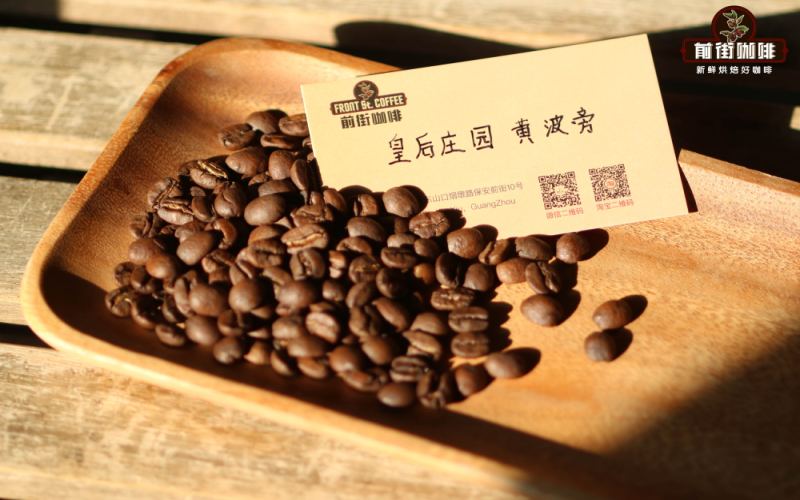
What is specialty coffee? According to the Specialty Coffee Association of America (SCAA), specialty coffee is, in short, coffee obtained through good green beans, good roasting, and good extraction. The so-called "SOE" is actually "Single Origin Esp [more…]
South America's New Specialty Coffee Force: An Analysis of Peru's Organic Bean Regions, Variety Characteristics, and Decaffeination Processes
Peru, as an important coffee-producing country in South America, has gradually gained attention in the specialty coffee market in recent years thanks to its organic cultivation and decaffeination processes. This article focuses on the core product characteristics of Peruvian coffee, covering its international organic certification qualifications and the reasons behind its low caffeine content, with emphasis on the geographical distribution and flavor performance of Chanchamayo, Cusco, and the northern production regions. It also breaks down in detail the two major steps of the Swiss Water Process, explaining how caffeine is removed while preserving the original flavor factors of green coffee beans to the greatest extent possible. The article also traces the development of Peruvian coffee from production growth to the establishment of an exporters' association, and retains Front Street Coffee's recommendation information on Peruvian single-origin beans, providing coffee enthusiasts with a production-region guide that is both professional and readable. [more…]
A Detailed Guide to the Altitude, Processing Methods, and Pour-Over Parameters of Coffee Grown in the San Agustín Region of Colombia's Huila Highlands
Colombia, as the world's third-largest coffee producer, has in its Huila Department's San Agustín growing region—thanks to its unique high-altitude canyon terrain and micro-lot production model—nurtured specialty coffee with richly layered flavors. This article provides a detailed introduction to the growing conditions, processing methods, and flavor characteristics of this region, and offers suggested brewing parameters for pour-over, French press, AeroPress, and more, helping coffee enthusiasts fully bring out this bean's lemon, caramel, and nutty sweet aromas. [more…]
Brazil’s Coffee Exports Rose Nearly 50% in July, but Port Delays Caused $300 Million in Losses
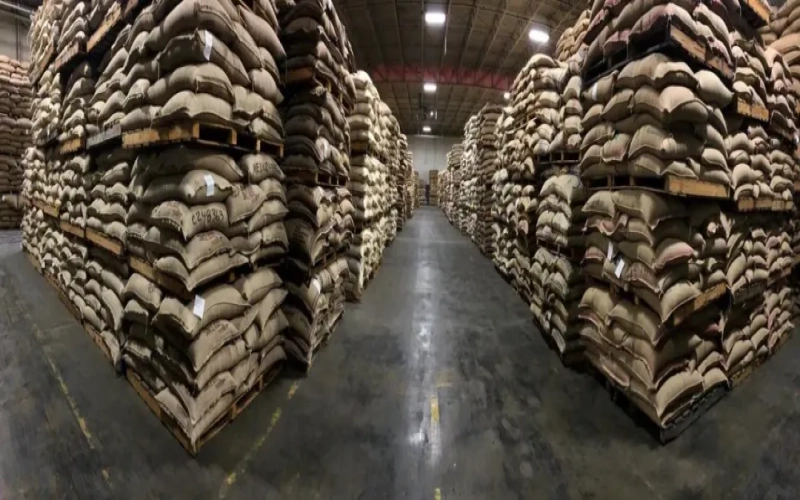
The July report from the Brazilian Coffee Exporters Council (Cecafe) shows that coffee exports for the month reached 3.774 million bags, up 25.7% year-on-year, with foreign exchange revenue of US$932.5 million, an increase of 47.9%, with robusta performing especially strongly. In the first seven months of 2024, cumulative exports reached 2.8146 million bags, up 46.3% year-on-year. However, major ports such as Santos continued to face congestion, and 1.262 million bags of coffee were not shipped in July, causing losses of about US$313 million, while traders' additional costs totaled 7.456 million reais. Severe weather further exacerbated the delays, posing a threat to the international reputation and long-term development of Brazilian coffee. [more…]
A Comprehensive Guide to Colombian Coffee: From Jesuit Introduction to Huila's Washed Flavors and Pour-Over Parameters
Colombia is the world's largest exporter of high-quality washed Arabica, and one of the few single-origin coffees named after a country. This article begins with its historical origins, the growing conditions of the Andes, the three major MAM production regions, and the distinctive characteristics of Huila single-origin coffee, then outlines the functions of the FNC association and the washed processing method, and includes Front Street Coffee's V60 brewing parameters and tasting notes. Whether you want to understand how terroir influences flavor or are looking for a well-balanced, sweet everyday bean, this article provides complete reference information. [more…]
The Legend of Panama's Hacienda La Esmeralda Geisha: The Flavor Code from an Accidental Championship to the World's Top Auction Lot
How did a coffee variety that was originally overlooked quietly rewrite the landscape of the world's specialty coffee on a retired banker's estate? The Geisha coffee of Panama's Hacienda La Esmeralda, from its meteoric rise to fame in 2004 to its consecutive championship wins, and then to repeatedly setting record prices at auctions, has behind it both an element of chance and a meticulous command of altitude and variety. This article will guide you through Hacienda La Esmeralda's championship journey, its red-green-blue three-tier grading system, and details of its origin and processing methods, along with Front Street Coffee's brewing parameters and flavor description for the Blue Label Geisha, so we can savor together the unique charm of this legendary coffee. [more…]
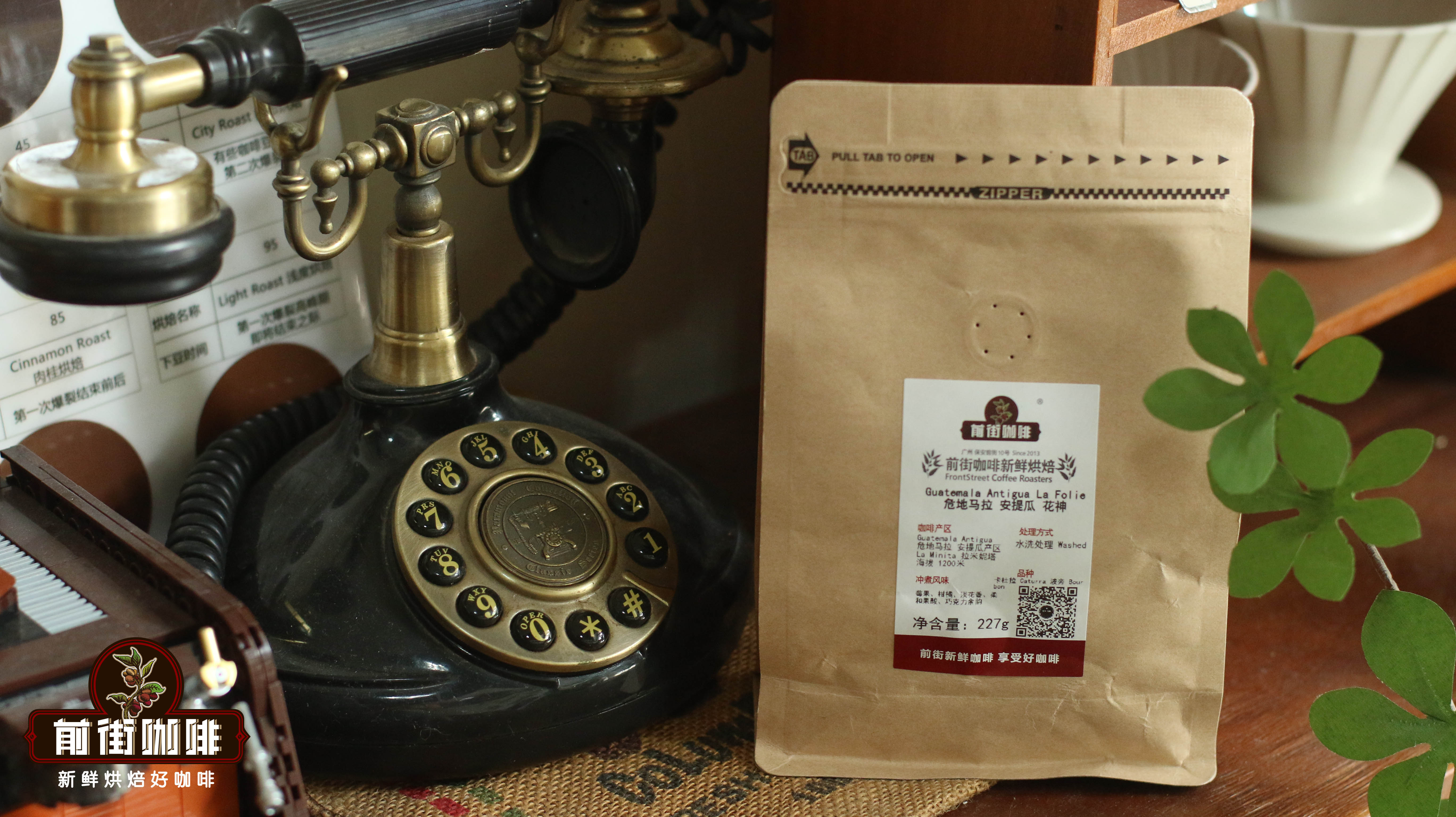
A Complete Guide to Guatemalan Coffee: SHB Grade Characteristics and Flavor Stories from Eight Major Regions
Although Guatemala is not mentioned as frequently as Brazil or Colombia, it has earned its place in the specialty coffee landscape with its rich, smooth body and distinctive charcoal-roasted aroma. This article focuses on the SHB grading characteristics of Guatemalan coffee, reviews the country's geography, climate, and cultivation history, and introduces one by one the eight major producing regions defined by the Guatemalan Coffee Association, including Antigua, Huehuetenango, Cobán Rainforest, Atitlán, and others. At the same time, using the three producing regions of Antigua, Huehuetenango, and New Oriente as representatives, it presents in detail the origin information, estate management methods, and brewing parameters of Front Street Coffee's Flor de Dios and Huehuetenango everyday beans, helping coffee enthusiasts gain a comprehensive understanding of the terroir charm of this Central American producing country. [more…]