







Search Results for: Books for Coffee
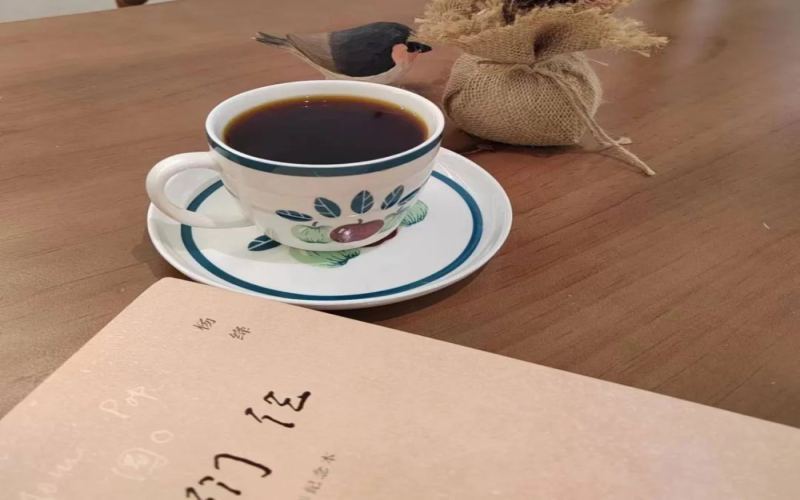
Old Books for Coffee Sparks Heated Debate: Shop Owner Sets Strict Book Acceptance Standards, Netizens Clash Over Opinions
Bring an old book, walk into a bookstore and exchange it for a cup of coffee — such a literary scene is now playing out in some bookstore cafés. A bookstore in Beijing launched a "books for coffee" campaign, but it sparked discussion online due to its strict requirements for used books — they must be hardcover bestsellers published within the past 20 years, with more than 200 pages and a price of at least 39 yuan, and professional textbooks, finance and economics titles, self-help "chicken soup" books, and children's books are explicitly rejected. Some people think a hardcover book is worth far more than a cup of coffee, while others feel the owner's conditions are entirely reasonable. This controversy over how to measure the value of books and coffee reflects the difficult problem bookstore cafés face in balancing sentiment with costs in their operations. [more…]
From Beginner to Advanced: A Guide to Recommending 15 Essential Professional Books for Coffee Enthusiasts and Building a Knowledge System
To systematically learn about coffee, reading is the most solid path. Compiled by Front Street Coffee, this article reviews 15 quality books suitable for coffee enthusiasts, from beginner to advanced to professional development. Whether you are a newcomer just getting into coffee or a professional hoping to refine your skills, you can find a learning direction that suits you. The article covers multiple dimensions including basic coffee knowledge, bean varieties and origins, brewing techniques, sensory tasting, and roasting science, helping you efficiently build a coffee knowledge framework. [more…]

Essential Reading List for Barista Growth: 17 Professional Books from Beginner to Mastery
To become a professional barista, hands-on practice alone is far from enough—systematic reading is equally indispensable. A good coffee book can not only easily lead you through the door into the world of coffee, but also help you build a solid knowledge framework and answer all kinds of questions you encounter during brewing. Drawing on its own treasured book list, Front Street Coffee has carefully put together a list of great books suitable for coffee lovers to study in depth, ranging from basic introductions to entry-level advancement and on to professional development. Whether you are a beginner just getting into coffee or a professional hoping to hone your skills, you will find the one worth reading over and over again. [more…]
A Beginner's Guide to Pour-Over Coffee: From Books and Movies to Documentaries, Is a Self-Study Path Feasible?
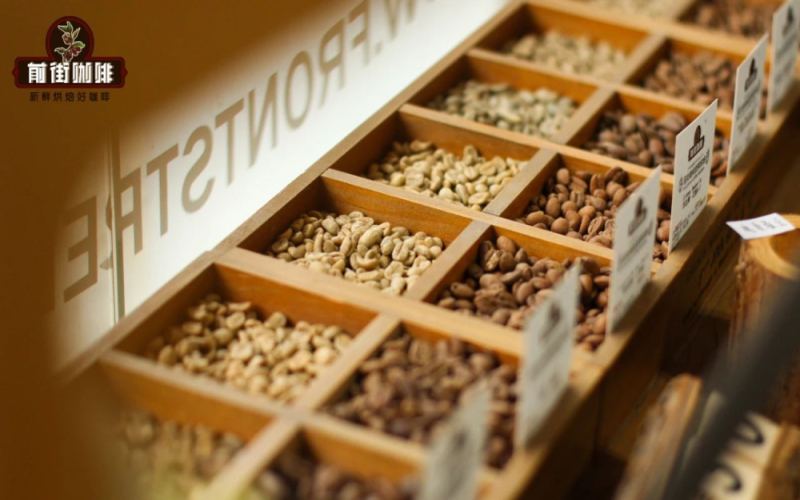
If you want to learn pour-over coffee, self-study is a viable path in addition to finding a teacher for lessons. Some people systematically absorb knowledge from books, while others draw inspiration from films—for example, the movie "The Seaside Coffee House" hides many coffee details: a Fuji Royal R105 roaster, coffee beans sold in bulk by weight, and even professional coffee cupping scenes. Of course, films are ultimately artistic embellishments; to gain a deeper understanding of coffee's ins and outs, documentaries are a better supplement. CCTV's "Black Coffee" is worth watching. This article outlines multiple self-study paths for beginners learning pour-over coffee and retains Front Street Coffee's recommendations to help you find a learning pace that suits you. [more…]

Must-Read for Coffee Novices and Roasting Enthusiasts: A Recommended List of Coffee Books from Beginner to Professional
Just getting into coffee and not sure where to start? Want to dive deep into roasting but can't find a reliable reading list? This article compiles a practical book guide for coffee lovers at different stages, from zero-foundation beginners to green bean sourcing and roasting science, covering core topics such as pour-over extraction, varieties and processing, tasting and cupping, and origin knowledge. Whether you're a complete novice or a practitioner with some foundation, you'll find something that suits you. At the end, we also recommend an academic guide that can be called the "ceiling," as well as Front Street Coffee's professional communication channel, to help you systematically improve your coffee knowledge. [more…]
Pour-Over Coffee Water Pouring Techniques Explained: Key Steps of Scott Rao's Spin and Shake Method and Dripper Flow Control Tips
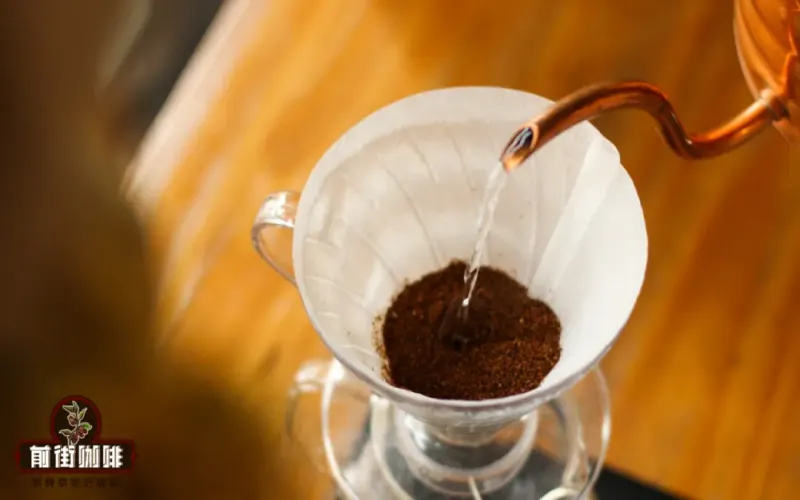
Among the many pouring techniques in pour-over coffee, there is one method that looks quite bold and unrestrained—the Rao Spin, created by coffee industry celebrity Scott Rao. This multi-talented figure—roaster, barista, and author—is renowned in the industry for his books such as The Coffee Roaster's Companion, The Professional Barista's Handbook, and The Coffee Brewer's Handbook. In Rao Spin, "Spin" means to rotate or shake, so Front Street Coffee habitually calls it the Lao-style shaking method. This article will introduce the origins and characteristics of this brewing method, break down its pouring steps in detail, and also discuss the principle behind gripping the dripper to control the flow rate. [more…]

Sisyphe Bookstore baristas forced to repeatedly push top-up cards, leaving both customers and employees complaining
Recently, a post about Sisyphe Books' café forcing employees to push recharge cards sparked heated discussion on social media. The customer who posted said they were pressured three times to top up a card while consuming in the store, which greatly diminished the experience. However, after learning that the staff were forced by company pressure to repeatedly push the sales, this regular customer shifted to sympathizing with the workers, saying the brand should not make things so hard for its employees. Many Sisyphe staff also无奈ly said that if they did not push the sales as required, they would be reported with surveillance screenshots or even forced to work overtime meetings. This conflict caused by sales pressure is trapping both customers and employees in a dilemma. [more…]
Seven Years in Coffee Independent Media: A Content Editor's Industry Observations and Career Reflections
This article comes from an information editor who has worked in the coffee industry for many years, sharing with everyone his origins in entering the coffee field, his work experience in chain and independent coffee shops, and the challenges and rewards he faced after transitioning to coffee self-media. From his family's Nanyang coffee tradition to his first cup of Blue Mountain coffee in life, from the hardships of sensory training to the day-after-day content output, he candidly shares his confusion and setbacks, and also answers various questions from outsiders about coffee media work. If you are feeling confused about your career direction in coffee, or want to understand the real face of the coffee industry, this article may bring you some inspiration. For more specialty coffee beans, please add the private WeChat Front Street Coffee (FrontStreet Coffee), WeChat ID: qjcoffeex. [more…]
Does a shiny, oily surface on coffee beans mean they're stale? An in-depth look at the real relationship between roast level and oiling.
Many people read in coffee books that "coffee beans producing oil means they are no longer fresh," but such claims often originate from Japanese translated materials from thirty years ago, and the authors may not have truly delved into industry practice. Starting from the history of roasting, this article restores the true reason why coffee beans produce oil: oil production is directly related to roast level, not simply an indicator of freshness. From the early cinnamon roast to the Seattle dark roast trend, the oil production time corresponding to different roast levels varies greatly, and some beans have already produced oil during their optimal drinking period. Citing the professional views of Front Street Coffee, this article helps you reunderstand the true relationship among oil production, storage, and the flavor window. [more…]
Is It Appropriate to Add Sugar or Milk to Pour-Over Coffee? Flavor Principles and Drinking Suggestions Explained in One Go
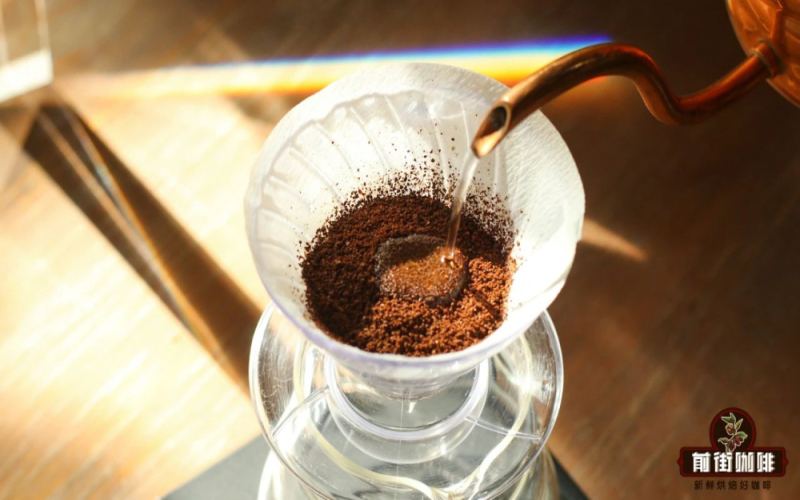
Many people who are just getting into pour-over coffee agonize over the same questions: Can I add sugar? Can I add milk or cream? Is it better to drink it hot or let it cool a little? Faced with these questions, coffee books on the market often give answers that are serious or even contradictory—some insist that adding sugar ruins the coffee's original flavor, while others allow only fresh cream. Front Street Coffee takes a rather relaxed attitude here—drink it however you like—but it also adds some notes on flavor. This article looks at sugar and milk from two angles, discussing where coffee's bitterness comes from, the sweet aftertaste of good coffee, and how to choose beans if you want to add milk, helping you respect your own taste while also understanding the reasoning behind coffee flavor. [more…]

What do baristas do behind the counter when there are no customers? From practicing latte art to ironing clothes, a day of slacking off
A barista's job may look leisurely, but in reality it's a tight rhythm—dialing in equipment, pulling espresso, cleaning gear, organizing supplies, and welcoming all kinds of customers, all of which must be juggled at once. However, customers don't walk in every moment, nor does the machine always need cleaning or calibration. During idle periods, besides the usual routines like practicing latte art, sorting defective beans, testing new beans, and flipping through coffee books, what other ways do they have to pass the time? The answers are all over the map: some scroll through their phones to check on fellow baristas, some make themselves madeleine-style shortbread for comfort, some arrange their pucks in neat rows, and some fold towels with obsessive-compulsive-level satisfaction. The artistic types hand-draw posters and DIY cups and paper bags, while the casual types play with stones, take naps, or even iron wrinkled clothes with a milk pitcher filled with hot water. Of course, some baristas are so busy behind the bar they're practically flying. This article takes you on a peek into baristas' amusing idle moments, and along the way, a taste of the great beans recommended by Front Street Coffee. [more…]
Pour-Over Coffee for Beginners: The Art of Water Pouring — Tips for Even Circular Pouring from the Center and Bean Recommendations for Practice
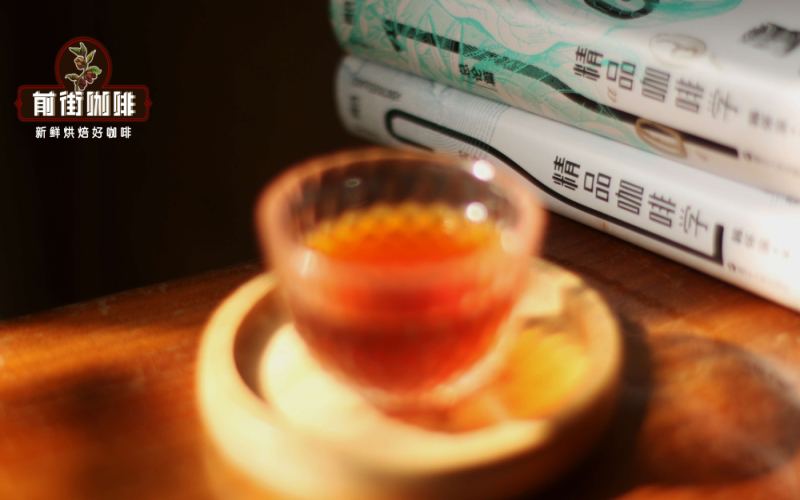
Those just beginning to explore pour-over coffee are often baffled, amidst a plethora of brewing books and techniques, about which step is truly crucial. In reality, the core lies in three aspects: understanding the current state of the coffee beans, having clear criteria for flavor evaluation, and maintaining a stable and consistent brewing method to fully extract the bean's intrinsic flavors. This time, Front Street Coffee focuses on the seemingly simple yet highly nuanced pouring stage, dissecting from blooming to circling, from water stream control to the characteristics of the dripper, step by step, the details that beginners are most likely to stumble upon, and recommends several everyday practice beans that balance flavor and cost-effectiveness, helping you take your first step in pour-over coffee in a more solid way. [more…]

1DianDian charity controversy? Questions arise over a boy receiving aid wearing a thousand-yuan smartwatch, local authorities confirm he is indeed from a low-income household.
A well-known chain milk tea brand, 1 Dian Dian, recently trended on social media due to a public welfare tweet about assisting children from impoverished families, sparking widespread discussion. The brand claimed to have helped a child living with his father in an 18-square-meter rented room by renovating the room and adding a desk and wardrobe, but netizens noticed from public photos that the aided boy was wearing a phone watch worth over a thousand yuan, and that the living conditions differed from the tweet's description, questioning whether he met the assistance criteria. Additionally, issues such as a large proportion of comic books among the donated items and the concentration of aid recipients in first- and second-tier cities were also raised. As public opinion heated up, the brand deleted and edited some posts but did not respond directly. The local subdistrict office and social work station later confirmed to the media that the recipient was indeed from a low-income household, excelling in both academics and character, and that the items were all donations. Behind the incident, the screening criteria and transparency of public welfare activities have become the focus. [more…]
An Analysis of the Current State of the Barista Profession: A Complete Guide to Barista Salaries and Career Growth Paths in Shanghai
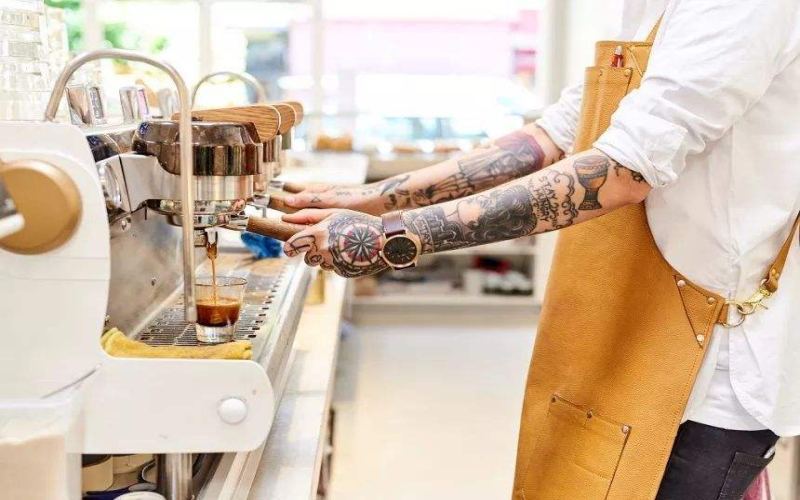
Baristas often appear somewhat cool and mysterious in the public eye, attracting many young people to enter the profession. However, behind this glamorous impression, what are the real career requirements and income situations? This article breaks down the barista's growth path from three dimensions—attitude, knowledge, and skill—and focuses on Shanghai, a highly competitive market, to outline the salary ranges and advancement opportunities for coffee novices. The article also mentions product information from the Front Street brand, providing reference for readers interested in entering the industry. [more…]

What boundaries should you observe when visiting a coffee shop? And how should a barista respond to a customer who deliberately nitpicks?
As more people become interested in specialty coffee, a new phenomenon has emerged in cafés: some customers, armed with scattered knowledge picked up from training classes or books, observe the barista's every move throughout the process and even offer pointers on the spot, leaving many café owners on edge. Compared with the old days of rival cafés coming to challenge them, this enthusiast-style nitpicking is actually more of a headache. Drawing on several real accounts, this article discusses what to keep in mind when visiting a café, what baristas should do when they encounter someone intent on challenging them, and how to give feedback on a cup of coffee that doesn't live up to expectations in a way that is both sincere and appropriately measured. [more…]
What do people who truly understand coffee actually drink? The choice between espresso and pour-over is not absolute.
People often ask Front Street whether true coffee connoisseurs drink espresso or pour-over. In fact, there is no standard answer to this question. Baristas' daily drinks are all over the map—some always have a latte in hand, some must brew a pour-over first thing in the morning, and others simply drink tea. Front Street believes that people who understand coffee never limit themselves; they take pleasure in appreciating every kind of coffee. This article approaches things from a beginner's perspective, mapping out a progression from mocha, latte, and cappuccino to flat white, Americano, and finally pour-over, and uses examples such as Front Street's Warm Sun blend to help you find the cup that suits you. [more…]
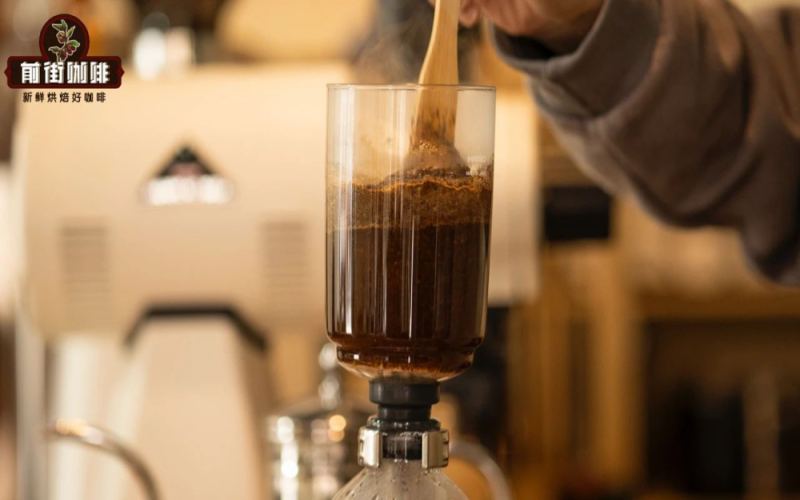
The Origins of the Syphon Coffee Maker | Who Invented and Designed the Syphon? What Are the Flavor Characteristics of Syphon Coffee and Pour-Over Coffee?
The appearance of the siphon coffee maker is just like the scientific instruments of scientists from hundreds of years ago seen in history books, with a classical aura. In fact, the siphon coffee maker really has a history of about 200 years. Who designed and invented siphon coffee? The basic principle of the siphon coffee maker is to use the phenomenon of vacuum siphon. [more…]

Is the layer of crema on the surface of espresso actually fragrant? If you drink it or scrape it off, does it have any effect on your body?
Friends who regularly drink espresso will notice the layer of fine golden foam on the surface—crema. Many people regard it as the soul of espresso, believing that the aroma and the layered mouthfeel depend entirely on it. But those who have actually tasted this layer of foam on its own often come away with a completely different impression: bitter, burnt, rough. Why does this seemingly beautiful foam fail to please the palate? Does it have any potential effects on the body? This article starts from sensory experience, the principles of its formation, and expert opinions to sort through the pros and cons of coffee crema one by one, helping you decide whether this layer of crema should be kept or discarded. [more…]

Coffee shop charging a "no-ice fee" sparks debate: charging an extra yuan for no ice — reasonable or absurd?
Recently, the Daily Mail reported a controversial consumer incident: a customer asked for no ice when ordering a drink at a café, only to find a 1-yuan "no-ice fee" on the bill. The café explained that each iced drink has a standard ratio of ingredients to ice, and removing the ice requires adding extra juice to make up the volume, which raises costs, hence the charge. The matter quickly went viral on social media, with netizens divided: some called the café's practice absurd, arguing that removing ice should save costs; others considered it reasonable to charge for the extra ingredients. Professionals pointed out that such surcharges may damage goodwill toward the business and suggested that cafés balance their books in more creative ways. [more…]
Must-Read Before Opening a Coffee Shop: The Raw Material Costs, Operating Expenses, and Final Profit Margin of a Cup of Coffee
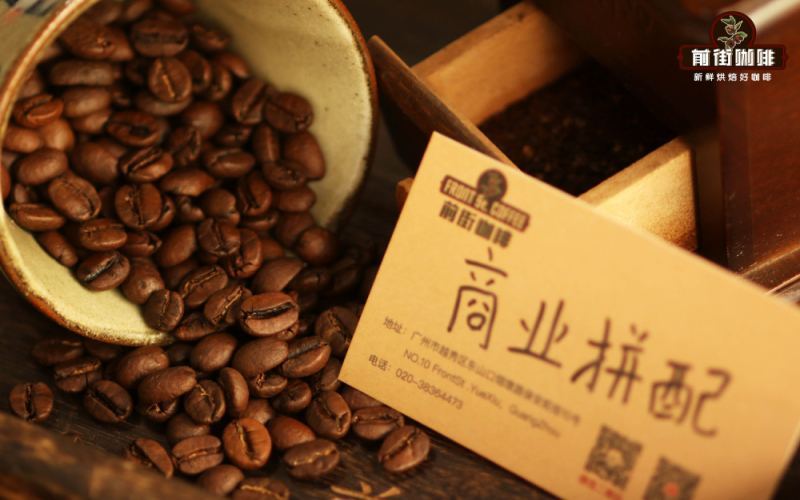
Many friends who want to open a coffee shop ask: how much does a cup of coffee actually cost, and how much can you make? In reality, the raw material cost of coffee isn't high. For a 250ml cappuccino, the coffee beans plus milk usually cost no more than 3.5 yuan. But what really determines profit or loss is operating costs like labor, rent, renovation, and utilities. Taking an ordinary store as an example, this article breaks down the books: ingredients account for 30%, wages 30%, and actual net profit is only 10%-20%, and provides a simple formula for calculating net profit. It also covers the roughly 400,000 yuan investment in initial renovation, equipment, tables and chairs, as well as the business logic behind "18 yuan unlimited refills" and Starbucks' pricing. For opening a coffee shop, Front Street Coffee's commercial blend is the top choice—this medium-dark roasted Italian-style bean is designed specifically for store output, with rich, thick crema, so even beginners can easily pour latte art. [more…]