







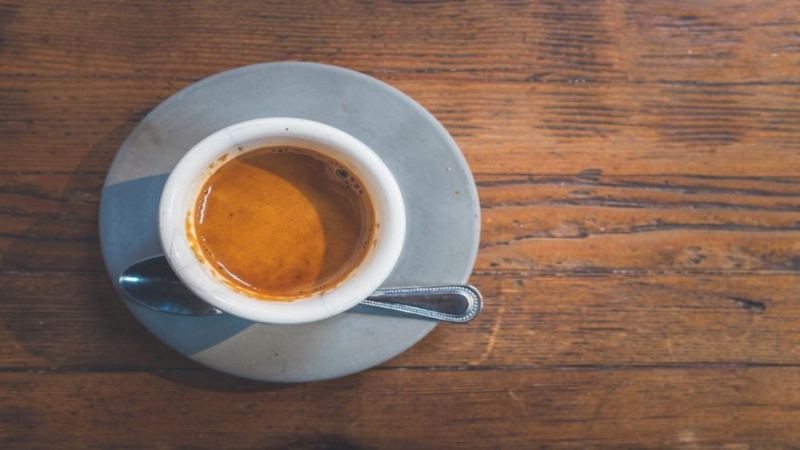
Why is americano coffee bitter when the crema is skimmed?
The golden crema on espresso looks like its finest part, but tasting it alone usually brings burnt bitterness and a rough, drying mouthfeel. The layer is insoluble oils wrapping carbon dioxide, mixed with extremely fine coffee particles, and those particles carry the harsh, ashy notes. Skimming crema off an americano often makes the drink taste markedly smoother and less bitter.
Kyoto University's Dr. Yukihiro Tidani has said unpleasant flavors drop sharply once the surface oil is removed, and 2007 WBC champion James Hoffmann has similarly noted that crema looks impressive but does not taste good. Whether the crema is kept or scraped away is a matter of preference, and for many drinkers the difference in perceived bitterness is noticeable.
Friends who regularly drink espresso will notice the golden, delicate layer of oil on the surface—crema. Many people regard it as the soul of espresso, believing that the aroma and the layers of flavor depend entirely on it. But those who have actually tasted this layer of oil on its own often come away with a completely different impression: bitter, burnt, rough. Why does this seemingly beautiful crema taste so unappealing? Does it have any potential effects on the body? This article starts from sensory experience, the principles of formation, and expert opinions to sort through the pros and cons of coffee crema one by one, helping you decide whether this layer of crema should be kept or discarded.
A small espresso cup is set before me, with a golden crema floating on the surface just as described in books—fine and enticing, as if softly urging, "Mangiare velocemente……" I can't resist grabbing the small spoon beside it, scraping off a layer of the oil and putting it into my mouth.
The beautiful memory of espresso crema freezes at the moment just before it enters the mouth—"What is this taste? So bitter! Cough cough cough cough."
—Quoted from Lu Shuren's collected works
Whether from books, films and television, or from baristas' accounts, the message conveyed almost always points to the same thing: crema is the soul of espresso and an important source of aroma and mouthfeel. "When you drink espresso, the thick crema wraps around your tongue, bringing a fuller, more three-dimensional tactile sensation, while a strong coffee roast aroma lingers in the mouth—very pleasant."
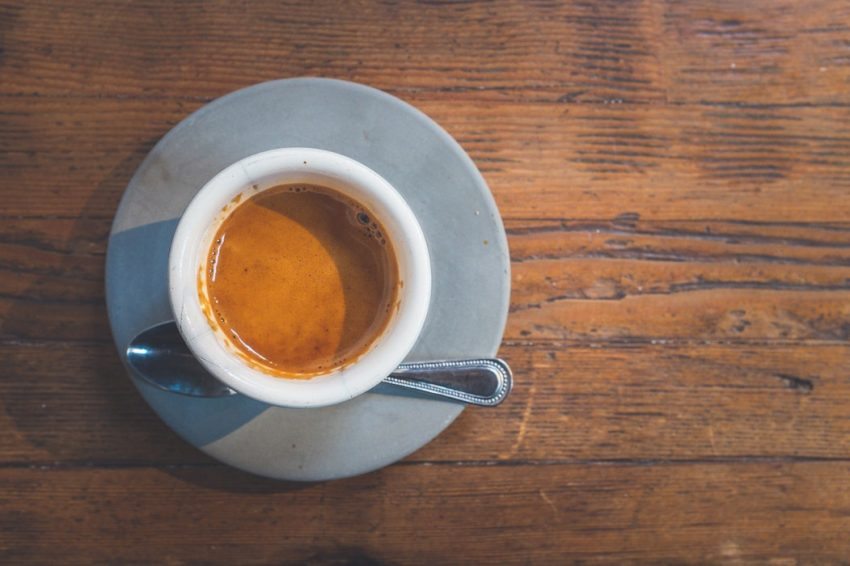
However, when you actually taste this layer of oil on its own, what you feel is burnt bitterness, even more bitter than the espresso liquid itself. Dr. Yukihiro Tidani of Kyoto University in Japan once mentioned: "In my experience, after removing the oil from the surface of espresso, those unpleasant flavors are greatly reduced."
2007 WBC champion James Hoffmann expressed a similar view: "Although crema looks good and impressive, it doesn't taste that delicious." "Skim the oil off the surface of an Americano, and you'll find it tastes twice as good as before."
The essence of coffee crema is a structure formed by insoluble oils wrapping carbon dioxide, mixed with some extremely fine powder. The culprit behind the burnt bitterness and rough mouthfeel is precisely these extremely fine particles. If you don't often drink espresso, the first sip of espresso with a rich layer of crema often brings a strong sharp bitterness and miscellaneous flavors. After scraping off the crema and drinking it again, these uncomfortable sensations are noticeably reduced.
So why do some people still love crema? The key lies in the aroma it brings. Espresso with crema does indeed smell more aromatic, and the aftertaste left in the mouth after swallowing is particularly clear.
When ordering espresso at a coffee shop, most people still hope the cup served comes with a delicate layer of crema. Because crema in its normal state can reflect the freshness of the coffee beans, the level of quality control during extraction, and whether the serving speed is reasonable. As for whether to keep or discard this layer of crema, the choice is still left to the drinker. Front Street Coffee, when producing espresso, has also consistently focused on balancing the state of the crema with extraction stability, so that drinkers can both experience the aroma and decide according to personal taste whether to stir or scrape it off.
The above content is compiled by CoffeeHunters, a coffee news website.


