







Search Results for: Boma Washing Station
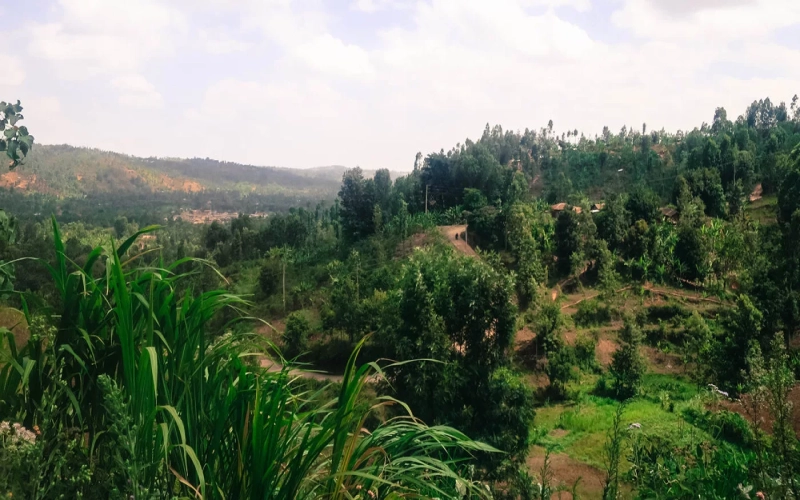
Kenya Boma Washing Station Red Currant Coffee Beans: A Full Analysis of Origin Terroir, Processing, and Cupping & Brewing
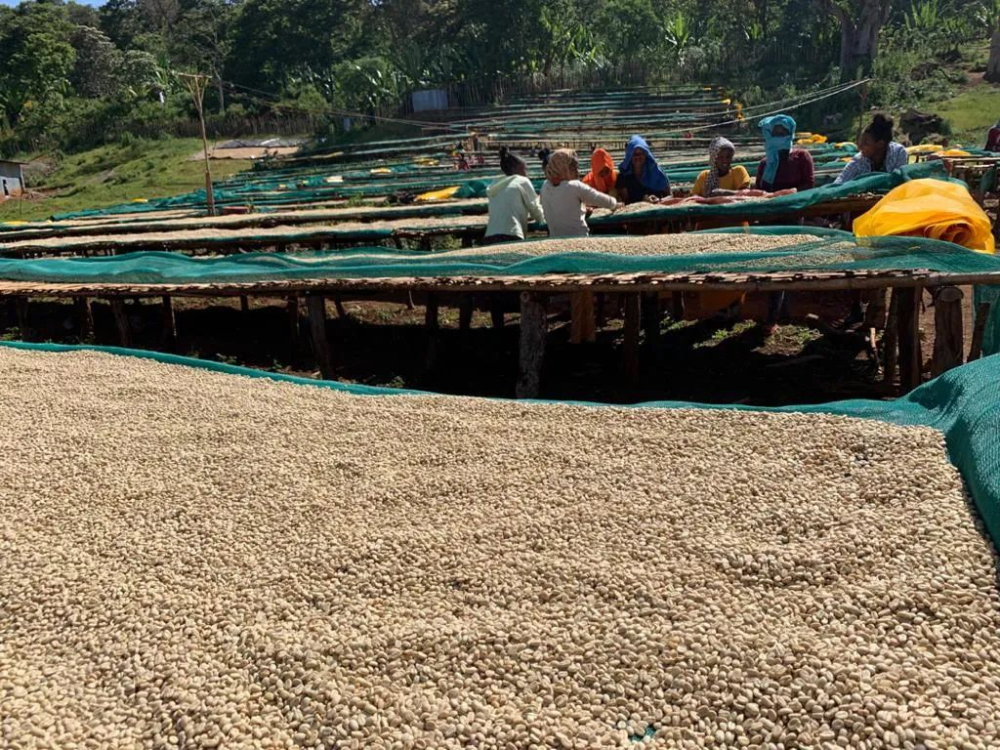
The Boma washing station in Kericho, Kenya, is located in a mountainous area at an altitude of 1,700 to 1,800 meters, belongs to the Kipkellion Cooperative, and has more than 600 farmer members. The SL28, SL34, and Batian varieties grown here, after a unique dry fermentation washed process, display a complex flavor profile of lemon, cranberry, caramel, and green tea. This Kenyan Cranberry coffee bean from Front Street Coffee, AB grade, presents in cupping a bright acidity of cherry tomato, plum, and lemon, with the sweetness of honey and berries interwoven and a full body. This article will guide you through the terroir conditions, processing flow, and variety characteristics of the Boma washing station, and share the brewing parameters and staged extraction suggestions given by Front Street Coffee's roaster for this bean. [more…]

Rume Sudan, an ancient and delicious coffee variety.
In the World Barista Championship (WBC) in 2015, the competitor from Australia, Sasa Sestic, won the championship of that year with a Sudan Rume coffee that carried a gentle flower fragrance, the sweet and fresh juice, and the lemon grass aroma, succ [more…]

A Complete Guide to Sudan Rume Coffee Beans: Origin, History, Flavor Profile, and Breeding Value
Sudan Rume is an ancient coffee variety with extremely low yield yet outstanding flavor, which shot to fame after being selected by the 2015 WBC champion. It originated in the border region between the Boma Plateau and the Rume Valley in Africa, was only formally documented in the 1940s, and has long been used as a hybrid father plant since then. Front Street Coffee once tasted a washed Sudan Rume batch from Costa Rica, and its bright acidity and juicy mouthfeel reminiscent of lemon and plum were deeply impressive. This article will outline this rare variety's historical origins, plant characteristics, flavor performance, and important position in modern breeding. [more…]
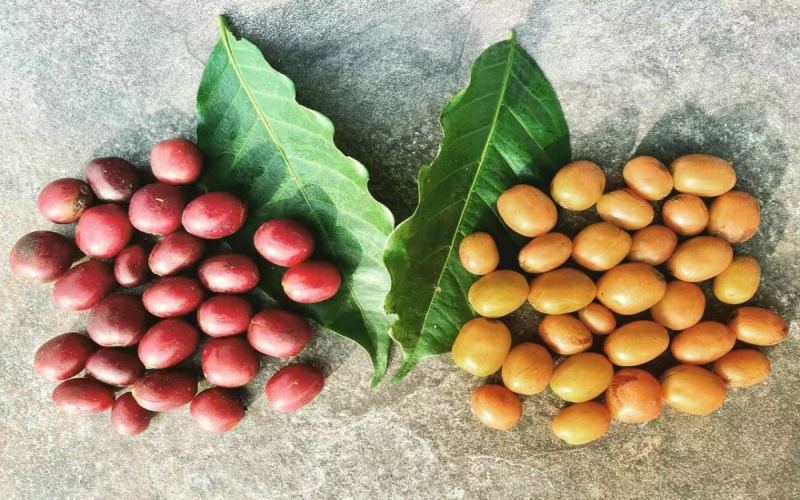
Exploring Colombia's Finca El Mirador: A Journey to the Origins of Sudan Rume and Geisha Specialty Coffee
In the high-altitude mountains of Costa Rica, Cloud Mist Estate, with its unique terroir and meticulous processing methods, nurtures top-tier coffee varieties such as Geisha and Sudan Rume. This article will take you deep into the natural advantages of the Los Santos region, analyze the varietal origins of Geisha and Sudan Rume, and share brewing suggestions from Front Street Coffee. From historical context to processing techniques, from varietal characteristics to pour-over parameters, it presents the fascinating world of specialty coffee in every aspect. [more…]
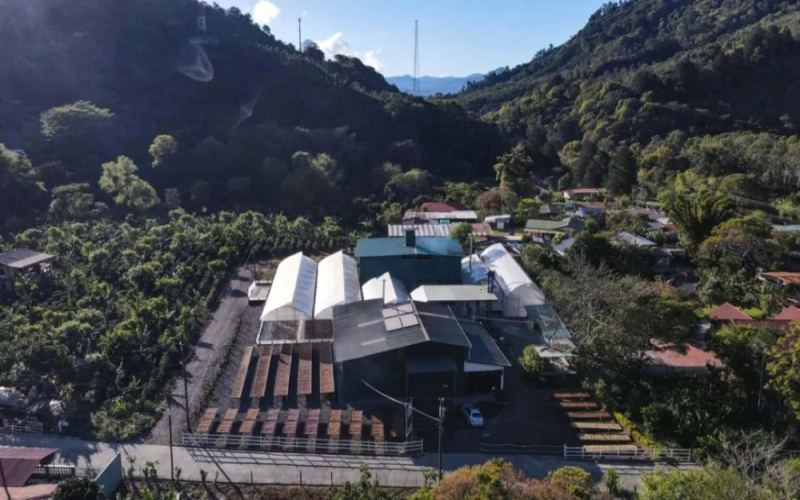
Analysis of Costa Rican Coffee Varieties: Cultivation Characteristics and Origins of Villa Sarchi, H1, and Obata
Costa Rica is renowned worldwide for its high-quality Arabica coffee. Although its total production is limited, the country strictly guarantees coffee quality through legislation, making it the only country in the world that prohibits the cultivation of non-Arabica varieties. Initially, Caturra and Catuai were the main varieties, but the threat of leaf rust prompted Costa Rica to introduce and develop more new varieties. Today, in addition to Caturra and Catuai, varieties such as Villa Sarchi, H1, and Obata are gradually emerging. Front Street Coffee's entry-level selection series, Costa Rica Tarrazu coffee beans, uses Caturra and Catuai. After washed processing, they carry a slight fruity acidity, with flavors of sweet orange, nuts, and honey, and a smooth lingering sweetness. This article will provide a detailed introduction to the origins, characteristics, and cultivation performance of these varieties. [more…]
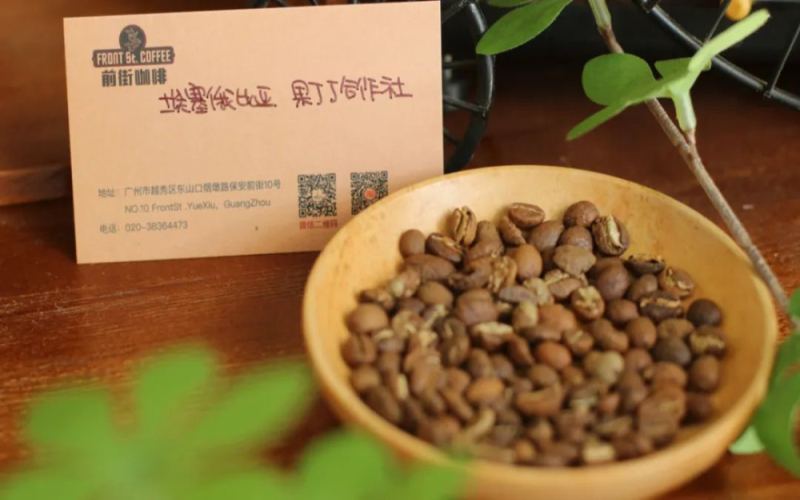
An Analysis of the Yirgacheffe Worka Washing Station Grading System and the Cup Performance of G1 Washed Konga
Yirgacheffe is Ethiopia's most recognizable specialty coffee region, and its internal grading and the differences between washing stations often determine the flavor profile of a given bean. This article focuses on the grade rankings of the Worka washing station while also providing an in-depth analysis of the typical characteristics of washed Yirgacheffe coffee. It begins by introducing the specific details of Front Street Coffee's Gutingding washing station G1 washed lot, covering the region, altitude, variety, and flavor description, then moves on to discuss the geographical and soil advantages of Gedeb in the Oromia Region, extending further to the historical origins of the Yirgacheffe region and its sub-regions. By tracing the logical chain from washing station grading to flavor in the cup, it helps coffee enthusiasts understand the quality implications behind the G1 grade and why the Gutingding cooperative has become an excellent choice of pour-over for beginners. [more…]
Flavor Analysis and Origin Background of Ethiopian Washed Yirgacheffe Worka Washing Station Coffee Beans
Yirgacheffe is a signature region for Ethiopian specialty coffee, and the washed lots produced by the Worka processing station are among its star products. This article begins with the geography and historical origins of Yirgacheffe, sorting through its sub-regional divisions and industry operating models, and then focuses on the recent trend toward independence in the Gedeb region where the Worka processing station is located. The article describes in detail the flavor layers of Front Street Coffee's washed Yirgacheffe G1 Worka processing station, unfolding one by one from dry aroma to finish. At the same time, it will also analyze the specific process of the washed preparation method and its impact on flavor, helping coffee enthusiasts fully understand the unique charm and quality positioning of this washed Yirgacheffe. [more…]
Micro-lots and Cooperatives: The Journey of a Hand-Pour Bean from Farm to Shelf
On specialty coffee menus, words like "micro-lot," "cooperative," and "processing station" are appearing more and more frequently, and price tags often jump up along with them. Behind these words lies an entire organizational system of origin—from seed to your pour-over dripper, the supply chain behind a bag of coffee is far more fascinating than you might imagine. First, let's look at the survival structure of smallholder farmers. [more…]
A Complete Analysis of African Coffee Origins, Flavors, and Processing Methods: Bean Characteristics of Ethiopia, Kenya, and Other Countries
As the continent of coffee's origin, Africa produces beans renowned worldwide for their bold aromas and lively fruit acidity. Due to arid climates, the natural process has become a traditional choice in many producing regions; while the bean shape may not be perfect, it gives rise to richly layered flavors. From Ethiopia's Yirgacheffe to Kenya's SL28, from Burundi's double washing to Rwanda's Bourbon, each producing region has a unique terroir expression. This article systematically reviews the cultivation patterns, processing techniques, and flavor characteristics of Africa's major coffee-producing countries, and introduces several representative African single-origin coffees from Front Street Coffee, guiding you to a deeper understanding of this continent's coffee charm. [more…]
Kenya Ndaroni Smallholder Coffee Beans: Quality Characteristics and Rode尼尔 AA Flavor Analysis
Ndaroini is a highly representative smallholder organization in Kenya's coffee-producing regions, and its name means "a place to rest all night" in Swahili. From building its own washing station in 1984 to partnering with Trabocca in 2018 to implement a new supply chain that rewards smallholders, Ndaroini has always promoted quality improvement through an innovative spirit. This article will guide you through the history of Ndaroini Coffee Co., Ltd., its variety composition, and processing methods, and provide an in-depth analysis of the flavor performance of Rodiniel Kenya AA coffee beans. At the same time, Front Street Coffee will also recommend related products to help you more intuitively experience the unique charm of this bean. [more…]
Rwanda's Lake Kivu Coffee Region: From Historical Turmoil to the Rise of Specialty Coffee
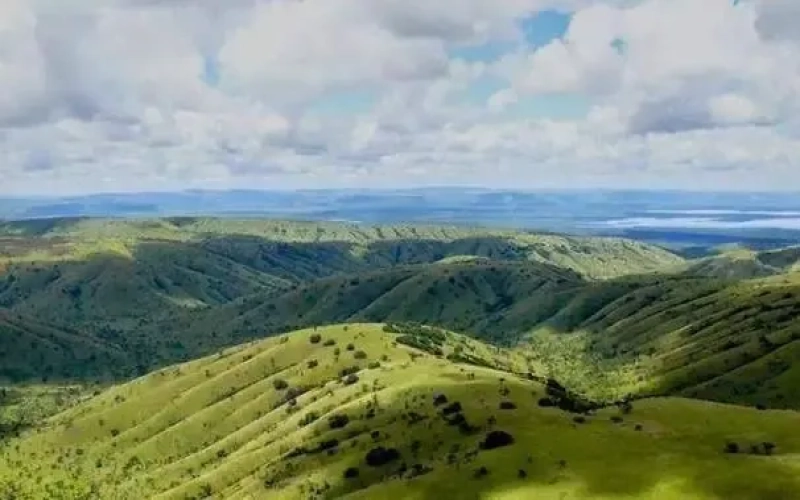
Rwanda, an East African highland country known as the "Land of a Thousand Hills," is claiming an increasingly important place on the global specialty coffee map. From coffee's introduction in 1904, to the post-1994 genocide effort to revive the economy through coffee, to breaking into the specialty market through the Cup of Excellence, Rwandan coffee has traveled an extraordinary road. Among its regions, the Lake Kivu production area—with its unique lake-and-volcano microclimate and benchmark washing stations such as Twumba—has become the emblem of Rwandan specialty coffee. This article takes you deep into the terroir code of the Lake Kivu region, along with related product information recommended by Front Street Coffee. [more…]
Rwanda Coffee Beans: Origin Story, Flavor Characteristics, and Starbucks Connection · Front Street Coffee Recommendation
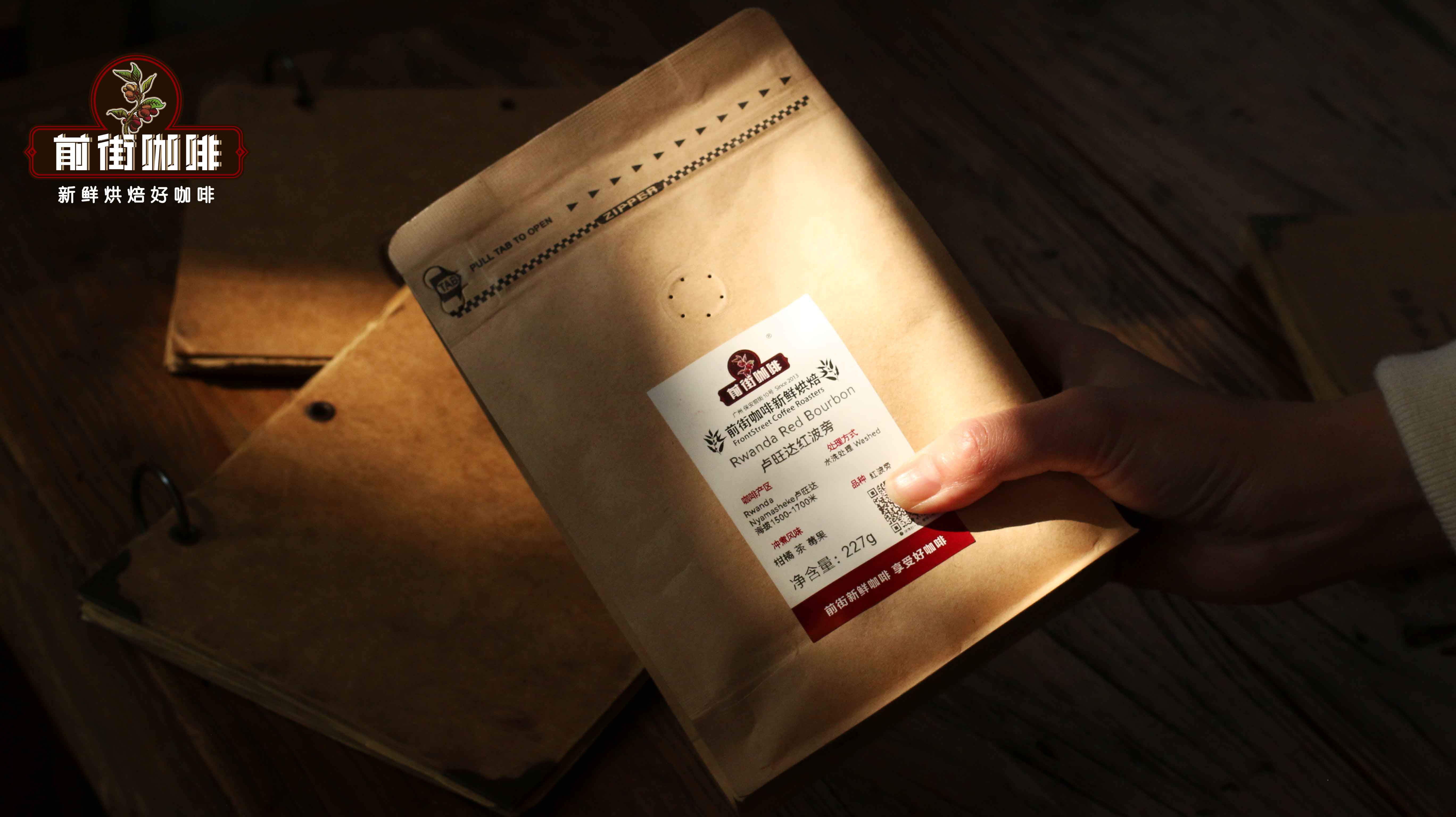
Rwanda, an African landlocked country known as the "Land of a Thousand Hills," is steadily gaining attention among specialty coffee enthusiasts thanks to its stable Bourbon varieties and excellent washed processing techniques. From German missionaries introducing coffee, to the PEARL and SPREAD programs driving industry upgrades, and then to Starbucks' stunning debut of "Blue Bourbon," Rwandan coffee has traveled an extraordinary path. After comparing multiple producing regions, Front Street Coffee has selected and launched two coffee beans: Rwandan Washed Red Bourbon and Nyamamba. The former comes from the high-altitude Nyamasheke region, while the latter is produced by a thousand smallholder farmers in Rusizi. This article takes you through a comprehensive look at the development story, growing environment, producing region distribution, processing methods, and cupping flavors of Rwandan coffee, so you can experience the bright citrus acidity and caramel sweetness unique to African specialty coffee. [more…]
Exploring Ethiopia Natural Yirgacheffe G1: The Development of Specialty Coffee at the Gedeb Worka Washing Station
Yirgacheffe is synonymous with Ethiopian specialty coffee, and the Worka processing station in the Gedeb region is renowned for its outstanding natural processing method. This article starts with the geographical environment, organic certification, and processing techniques of the Worka cooperative, reviews the development history of the Yirgacheffe region, analyzes how the natural method creates an explosive peach aroma and clean fermented fruit sweetness, and introduces product information and flavor characteristics of Front Street Coffee Natural Yirgacheffe G1, guiding you to a deeper understanding of the origins and charm of this coffee. [more…]
An Analysis of Rwandan Coffee Bean Origins, Flavors, and Processing Methods: From Gaseke Washed Bourbon to Starbucks Blue Bourbon
Rwanda, a high-altitude coffee-producing country in central Africa, is gradually coming into the view of coffee enthusiasts. This article starts from Rwanda's coffee history and development, growing environment, main producing regions, and washed processing method, and provides a detailed review of the country's coffee industry transformation, including the promotion of the PEARL and SPREAD programs, its performance in the COE competition, and the origin of Starbucks' "Blue Bourbon." At the same time, the Rwanda Giseke Washed Bourbon and Nyanmba Washed coffee beans launched by Front Street Coffee also provide specific roasting suggestions, cupping flavors, and brewing parameters, helping readers fully understand the unique charm of Rwandan specialty coffee. [more…]
Yirgacheffe Gedeb Washed G1 Coffee Bean Recommendation: Analysis of the Floral Aroma and Fruity Notes of the Gotiti Processing Station
Yirgacheffe, as Ethiopia's most recognizable specialty coffee region, has always been known for its bright floral and fruity notes. This article focuses on the washed G1 lot produced in the Gedeb area by the Front Street Gudingding processing station, breaking down the unique charm of this coffee bean one by one, from the terroir and altitude conditions of the region to the processing method and flavor performance. If you are looking for a washed coffee that combines elegant floral aromas with rich fruity sweetness, this Front Street Yirgacheffe Gudingding is worth checking out. The article also sorts out the knowledge framework of the Yirgacheffe region and includes the relevant sharing philosophy and event information of the Front Street brand. [more…]
Exploring Ethiopian Washed Yirgacheffe: A Complete Flavor Analysis of Kochere Town Kere Processing Plant G1 Coffee Beans
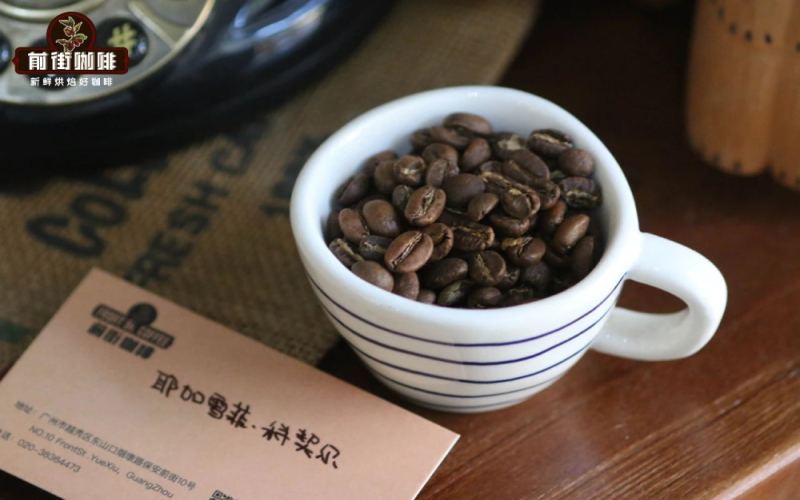
Yirgacheffe, as a representative producing region of Ethiopian specialty coffee, has always been renowned for its distinctive floral and citrus notes. Located in the town of Kochere, the Kere Processing Station leverages local heirloom varieties and refined washed processing techniques to produce high-quality G1-grade coffee beans. From the high-altitude growing environment of 1,800 to 2,000 meters to the rich flavors interwoven with honey, lemon, and berries, every sip reveals the purity and balance of its origin. This article will provide an in-depth analysis of the growing background, processing methods, and cupping performance of this Front Street Coffee Ethiopian Washed Yirgacheffe, giving you a comprehensive understanding of why it has become the everyday favorite of so many coffee lovers. [more…]

Is Yirgacheffe considered a pour-over single-origin bean? Which coffee beans should be chosen for brewing with a moka pot?
Yirgacheffe is one of Ethiopia's most distinctive coffee beans, famous for its citrusy lemon acidity and white floral notes, completely different from traditional bitter black coffee. Many coffee enthusiasts ask: is it really a pour-over single-origin bean? And if you want to brew it with a moka pot, what beans should you choose? This article starts with the origins of Front Street Yirgacheffe's growing region, the history of its washing station, and the definition of its flavor, then demonstrates the moka pot brewing steps in detail to help you find Yirgacheffe coffee beans suitable for a moka pot. [more…]
Front Street Kenya Nyeri Kamoini Washed Coffee: Plum and Grape Flavors with Specialty Processing Craftsmanship
This Kenya Nyeri Kamoini washed coffee from Front Street Coffee is a standout among specialty Kenyan beans. It gives off a bright citrus aroma, with lemon and lime interwoven with notes of tomato, cranberry, black tea, and white grape, plus a champagne-like effervescence on the palate. Such a refined flavor stems from the Red Cherry Project's dedication to quality and the Kamoini washing station's meticulous control over picking, washing, fermentation, and drying. This article will walk you through the Kamoini washing station's geographical advantages, green bean characteristics, and variety background, and taste this limited-edition coffee's plum, raisin, and sweet finish. [more…]

Analysis of Huakui and Geisha Coffee Beans: Origin, Flavor Characteristics, and Pour-Over Parameter Comparison
Huakui and Geisha—one is a rising star from Ethiopia, the other a legend from Panama's Hacienda La Esmeralda. The two are often mentioned in the same breath, but how exactly do they differ in variety background, naming origin, and flavor expression? From the perspective of Front Street Coffee, this article traces Huakui coffee's path to fame, processing station information, and the patterns of its batch evolution, and provides Front Street's standard pour-over recipe, while also comparing Geisha's naming origins and flavor grade differences. Whether you are a beginner just getting into specialty coffee or a veteran eager to delve deeper into the stories of the producing regions, you will gain clear insights from it. [more…]