







Search Results for: Blue Mountain SOE
Where Does Blue Mountain Coffee's Flavor Come From? Can It Be Made into an SOE? Front Street Explains Brewing Methods and Extraction Parameters in Detail
Jamaican Blue Mountain coffee has long been regarded as the benchmark of the coffee world thanks to its distinctive flavor and long history. But what exactly does "Blue Mountain flavor" mean? Why does it remain so expensive? And how can you tell authentic Blue Mountain apart and brew it properly? This article starts with the background of Blue Mountain coffee's rise to fame, its growing region and environment, and how to identify the real thing, then goes on to explore whether Blue Mountain coffee beans can be used to make an SOE, while also sharing the extraction parameters and step-by-step method used by Front Street Coffee (FrontStreet Coffee), giving you a complete picture of how this legendary coffee can be enjoyed and what it can become. [more…]
Blue Mountain Coffee Flavor Analysis: From Bean Grading to SOE Extraction, Front Street Teaches You to Savor Classic Blue Mountain
Why is Blue Mountain coffee hailed as the finest of coffees? What exactly makes its flavor so unique? Starting from the tasting experience of Front Street Blue Mountain coffee, this article provides a detailed analysis of the core knowledge surrounding Blue Mountain coffee, including origin certification, bean variety grading, and quality control, and takes a deep dive into SOE extraction techniques for Front Street Jamaica Blue Mountain No. 1 coffee beans. Whether you are a Blue Mountain enthusiast or a curious newcomer, you can gain an understanding of the true character of Blue Mountain coffee, learn to tell authentic Blue Mountain apart from "Blue Mountain flavor" products on the market, and master practical methods for making a delicious cup of Blue Mountain SOE coffee. [more…]
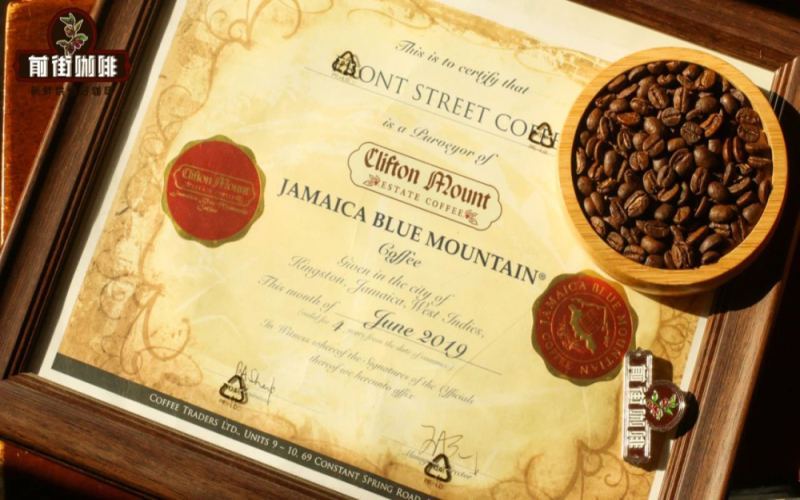
Blue Mountain Coffee Pour-Over Coffee-to-Water Ratio and Extraction Parameters Explained: Front Street Blue Mountain No.1 Brewing Method and SOE Preparation Sharing
Jamaican Blue Mountain coffee, as a classic representative of specialty coffee, has always drawn attention for its brewing methods. This article takes Front Street Jamaican Blue Mountain coffee as an example to introduce in detail the grade classification and processing techniques of this washed Typica variety, and shares the complete parameters for Kono dripper pour-over—including coffee dose, water temperature, grind size, coffee-to-water ratio, and pouring technique. In addition, it will also cover the extraction recipe for Blue Mountain SOE, as well as the production details of Blue Mountain Americano and Blue Mountain Latte, helping coffee enthusiasts recreate the full-bodied, richly layered sweetness of Blue Mountain coffee at home. [more…]
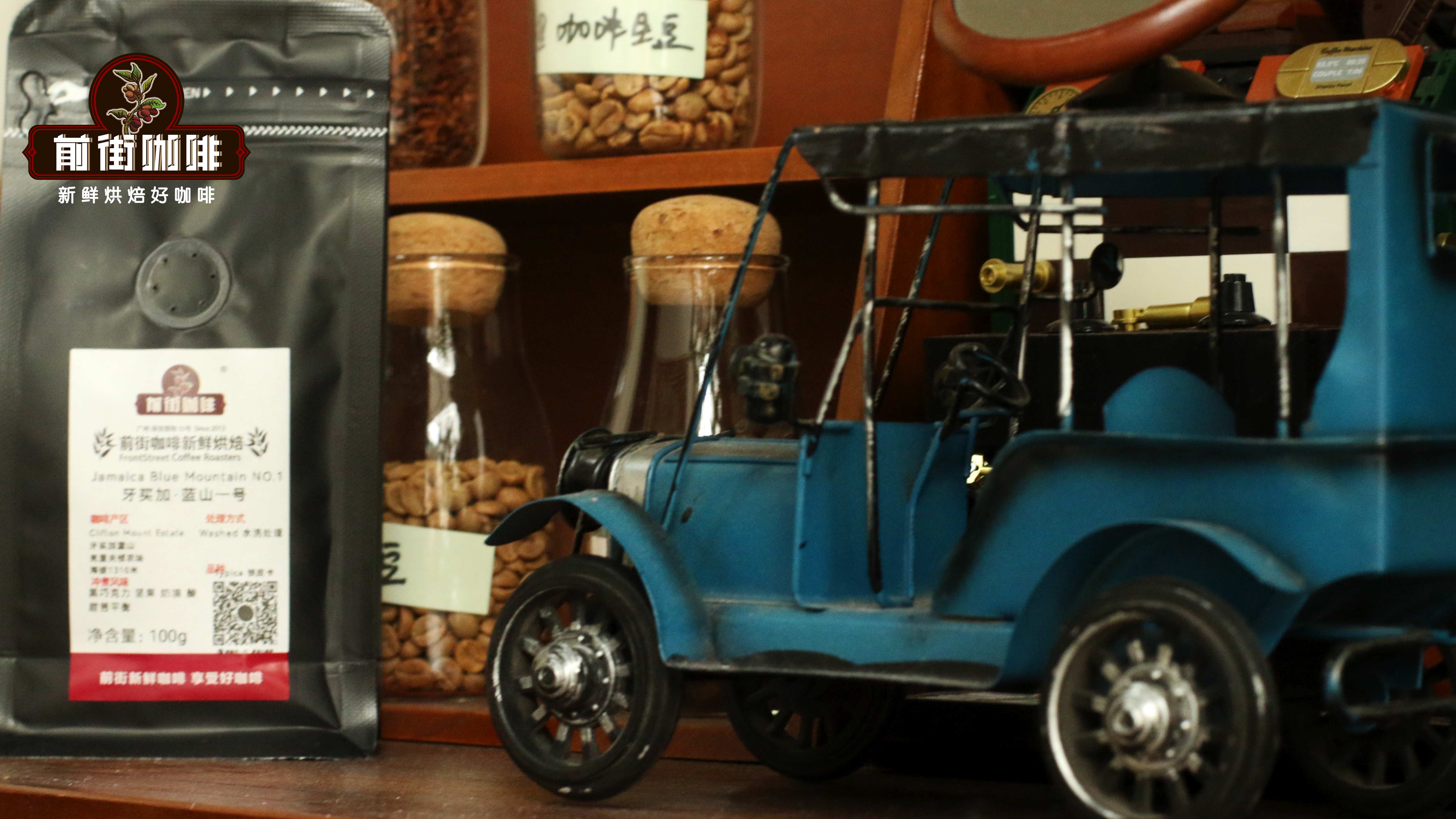
What are the essential differences between Blue Mountain coffee and espresso? An analysis of Jamaican Blue Mountain flavor characteristics and SOE latte in practice
Blue Mountain coffee and espresso—one is a standout among specialty coffees, the other the soulful base of Italian-style drinks. What exactly sets them apart, and which tastes better? This article starts with Front Street Blue Mountain coffee's balanced mouthfeel and nutty flavor, then unpacks the extraction logic of espresso, before tracing the nearly three-hundred-year history of Jamaican Blue Mountain, the regulatory systems of the CIB and JACRA, the botanical characteristics and cultivation challenges of the Typica variety, as well as the grading standards and wooden barrel packaging of Blue Mountain No. 1. In the second half, using Front Street Blue Mountain No. 1 as an example, it gives a complete demonstration of the SOE latte-making process, from grinding, distributing, and extracting to steaming milk and pouring latte art, along with practical advice on coffee bean freshness and resting periods. [more…]
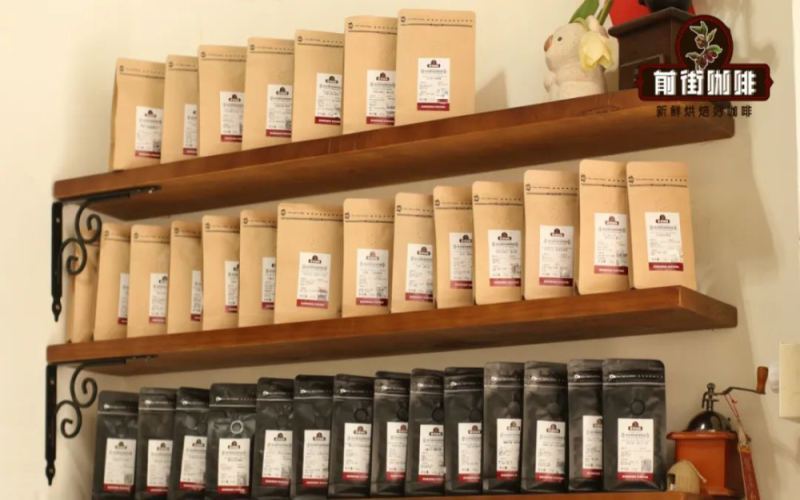
How to Choose Between Single-Origin, SOE, and Espresso Blend Coffee Beans? A Full Breakdown of Uses, Roasting, and Flavor Differences
Many coffee enthusiasts encounter a common confusion when selecting beans: what exactly is the difference between single-origin, SOE, and espresso blends? What scenarios does each suit? In fact, single-origin coffee beans emphasize traceable regional flavors, SOE is espresso made from single-origin beans, and blends are more like a creative combination that can both complement strengths and weaknesses and create entirely new flavors. From the perspective of Front Street, this article breaks down in detail the differences among the three in terms of definition, roasting logic, and practical uses, helping you more clearly understand the positioning of each type of bean and avoid falling into the misconception that "SOE is necessarily more premium than blends." [more…]
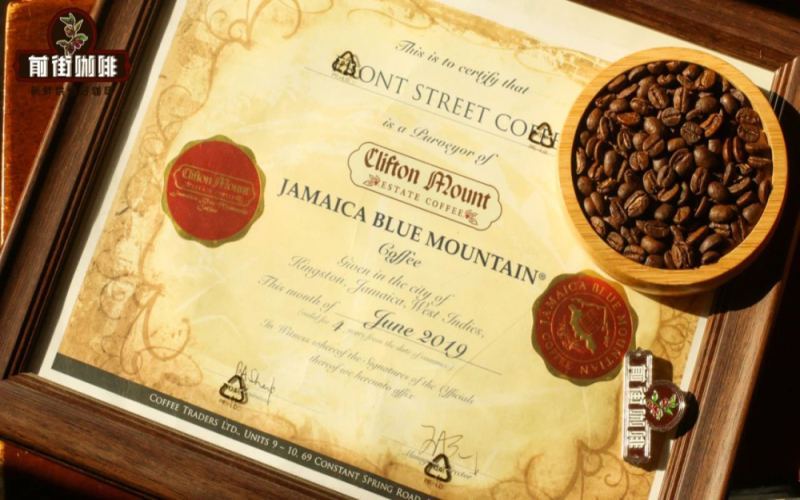
Can Blue Mountain Coffee Be Used to Make Iced Coffee and Espresso? A Comprehensive Analysis of Front Street's Blue Mountain Flavor Profile
Jamaican Blue Mountain coffee is renowned for its balanced trio of acidity, sweetness, and bitterness, but many coffee enthusiasts wonder: can this top-tier washed bean be made into iced coffee? Can it be used for espresso extraction? And how would the flavor present itself? Front Street Coffee's Blue Mountain coffee beans come from Clifton Estate. This article will systematically answer these questions, covering Blue Mountain history, origin regulation, processing methods, pour-over parameters, and SOE extraction, while sharing the complete flavor performance of Front Street Blue Mountain No. 1 in both pour-over and espresso directions, helping you consistently replicate a balanced, rich cup of Blue Mountain coffee at home. [more…]
Why Is Jamaican Blue Mountain Coffee So Expensive? A Full Analysis of Its Origin Estates and Brewing Flavor
Jamaican Blue Mountain coffee has long remained at the pinnacle of specialty coffee, thanks to its strict regulatory system and unique terroir. From its introduction in the 18th century to the present day, the high altitude, volcanic soil, and foggy, rainy climate of the Blue Mountains have together shaped the classic flavor of Blue Mountain coffee, with its balance of acidity, sweetness, and bitterness. This article will explore the historical origins of Blue Mountain coffee, its grading system, the evolution of its processing methods, and the cultivation and processing details of Clifton Estate, while also presenting Front Street Coffee's roasting approach, pour-over parameters, and SOE extraction recommendations for Blue Mountain No. 1 coffee, helping coffee enthusiasts gain a comprehensive understanding of the charm of this legendary bean. [more…]
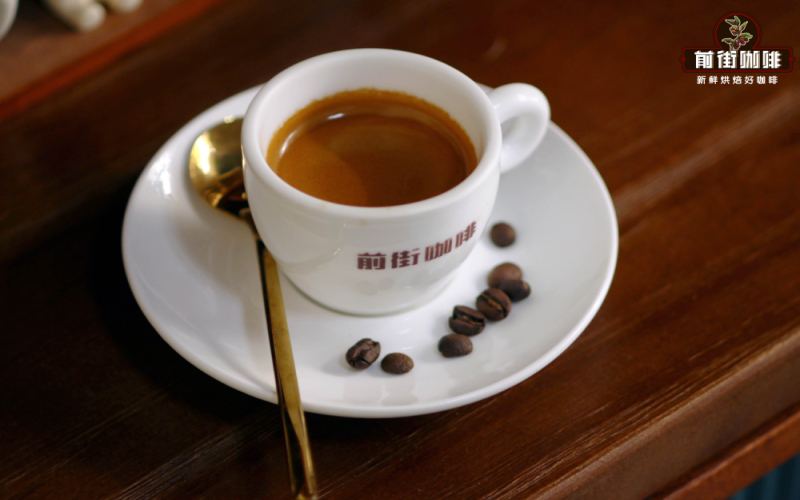
Can Front Street Blue Mountain coffee beans be used for espresso? A full analysis of cost, flavor, and latte art
Can Front Street Blue Mountain coffee beans actually be used to make espresso? The answer is, of course they can—but why do so few cafés do it? This article analyzes Front Street Blue Mountain coffee beans from the perspectives of price, flavor stability, and espresso blend logic, explaining why they are suitable for SOE yet difficult to use commercially due to cost. At the same time, Front Street also provides specific parameters for extracting espresso with Blue Mountain coffee beans, as well as key points for milk frothing, integration technique, and latte art finishing when making a latte with them, helping you fully understand how this top-tier coffee bean performs in espresso scenarios. [more…]
Origin Selection for Home Espresso Beans: The Performance of Single-Origin SOE on Home Machines
A home semi-automatic espresso machine doesn't necessarily mean you can only brew espresso blends—single-origin SOE can also produce distinctive shots on a home machine. The flavor profiles of SOEs from different regions vary noticeably; choose the right region, and even a home machine can deliver espresso with regional character. Mandheling SOE is the rich, full-bodied choice for home machines. Mandheling is harvested [more…]
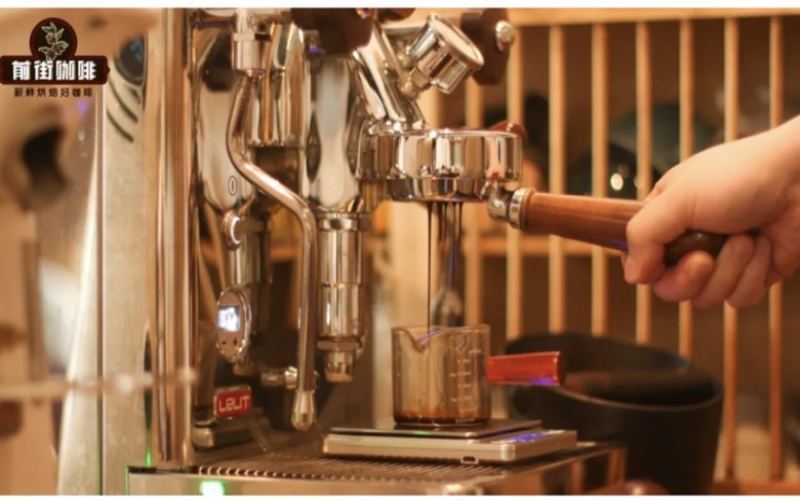
Single-Origin Espresso at Home: How to Pull SOE on a Home Machine
SOE is short for Single Origin Espresso, which means using beans from a single origin to make espresso. Trying SOE on a home semi-automatic espresso machine is the starting point for many coffee enthusiasts moving from blends to single-origin coffees. SOE has a narrower extraction window than blends, and on a home machine you need to [more…]
How to Formulate an Espresso Blend Recipe? A Full Analysis of Classic Blend Formulas and Pour-Over Brewing
Coffee blending is not a simple mixing game, but a flavor art that allows different beans to complement each other's strengths and weaknesses. This article provides a complete overview of the definition of blending and its four major purposes—balancing taste, reducing costs, creating unique characteristics, and ensuring consistent quality—along with six classic espresso blend recipes and their corresponding flavor intensity data. It also clarifies a common misconception: blend beans are not just for espresso machines; they can also shine in pour-over brewing. The article further distinguishes blends from single-origin coffees, explains the rising popularity of SOE single-origin espresso, and finally shares Front Street Coffee's pour-over practice using Elida, Kochere, and Genesis in a 5:3:2 blend, along with complete brewing parameters—a worthwhile read for coffee enthusiasts. [more…]
Can Front Street Blue Mountain coffee beans be used for espresso and lattes? A full analysis of cost, flavor, and latte art operation
Can Blue Mountain coffee beans be used to make espresso? The answer is of course they can, but why do cafes rarely do so? Starting from Front Street Blue Mountain coffee beans, this article clarifies the three major considerations in choosing espresso beans—flavor, price, and consistency—calculates the cost per shot of espresso, explains the background of Jamaica's CIB management system and the Typica variety, and gives Front Street's recommended espresso extraction parameters and latte art operating points. If you have plenty of funds and want to use Front Street Blue Mountain coffee beans to make a latte, or even pour a big white heart, this content will explain step by step from extraction to integration, pouring the pattern, and finishing. [more…]
SOE Coffee Brewing Guide: Key Points for Single-Origin Bean Selection and Analysis of Flavor Differences Between Americano and Latte
Want to make a standout SOE with single-origin coffee beans? Starting from the definition of SOE, this article systematically breaks down the three key dimensions of choosing SOE coffee beans—origin, roast level, and processing method—and, drawing on hands-on experience with several Front Street single-origin beans, offers bean-selection advice for different flavor preferences. It also explains in detail how to dial in SOE espresso extraction, along with fine-tuning tips for Ethiopian light roasts, fruity fermented beans, and medium-dark roasts when making Americanos and lattes, helping you easily master this highly distinctive single-origin espresso. [more…]
Arabica Varieties and Espresso: The Espresso Performance of Typica and SL28
Arabica is not a single, monotonous variety; it has many sub-varieties, and each one performs differently in espresso extraction. Understanding the flavor characteristics of different Arabica varieties in espresso gives you a deeper basis for judging SOE bean selection. Typica is an old-school Arabica variety with a clean, pure flavor, [more…]
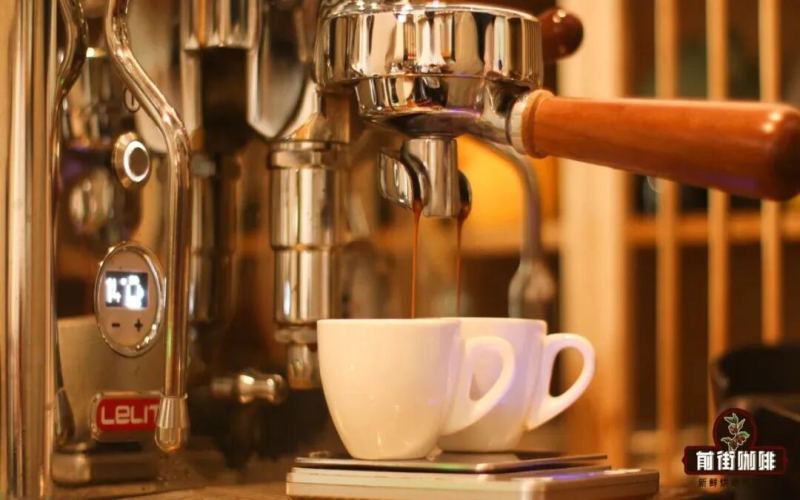
SOE Coffee Bean Recommendations | How Can Coffee Beginners Choose SOE Coffee Beans? How Do You Make a Delicious SOE Americano and SOE Latte?
As the specialty coffee scene in China grows ever more vibrant, high-quality single-origin beans from producing regions around the world are frequently appearing on the menus of many cafés. Not only does each coffee come with detailed traceability information, but many single-origin lots also leave a lasting impression with their distinctive aromas. For example, the bean list at Front Street Coffee shops includes an entire section [more…]
SOE Coffee Bean Selection Guide: From Origin and Roasting to Extraction Dialing-In, Making Delicious Single-Origin Espresso
Nowadays, the choice of single-origin coffee beans is becoming increasingly diverse, and many people are starting to try using them to make SOE, hoping to get a cup of espresso with a distinct character. SOE stands for Single Origin Espresso, which refers to espresso extracted from coffee beans of a single origin. However, single-origin beans have to withstand the high temperature and high pressure of an espresso machine along with fine grinding, and their flavors are amplified exponentially, making bean selection and dialing in especially critical. Starting from the three dimensions of producing region, roast level, and processing method, and combining Front Street Coffee's hands-on experience, this article helps you find the SOE type that suits you, and shares the brew ratio, grind adjustment, and specific extraction approaches for Americanos and lattes, so that you can consistently make a delicious cup of SOE at home. [more…]
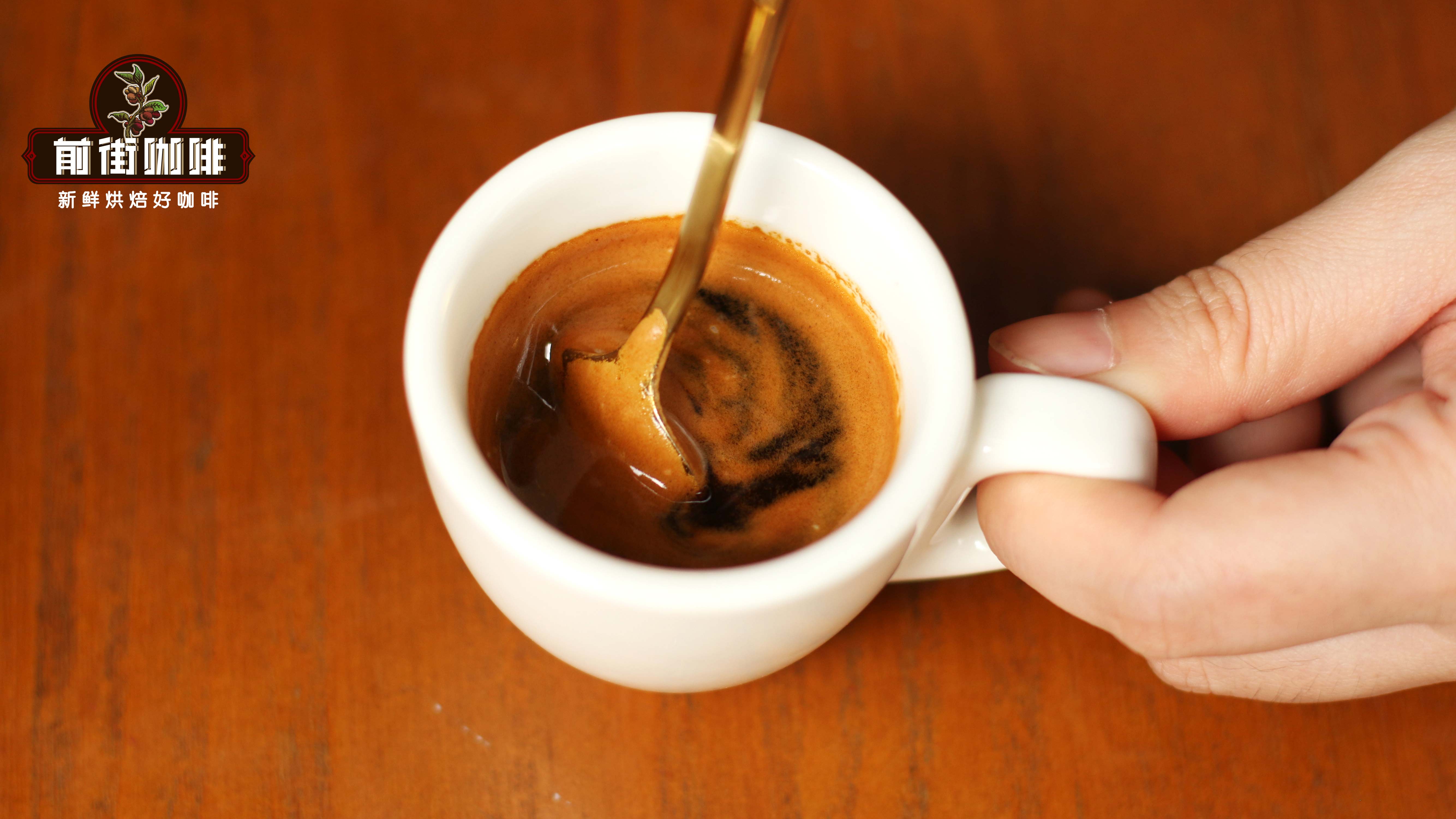
SOE Coffee Ratio Formula | Which Single-Origin Coffee Beans from Coffee Regions Are Suitable for SOE Coffee? What Is the Coffee-to-Water Ratio and Grind Size for SOE Espresso?
As the specialty coffee scene in China grows increasingly vibrant, high-quality single-origin beans from various regions around the world are frequently appearing on the menus of many cafés. Not only does each coffee come with detailed traceability information, but many single-origin lots also leave a lasting impression with their distinctive aromas. For example, the bean list at Front Street Coffee shops even has an entire section [more…]
How to choose SOE coffee beans? Bean selection approach and extraction adjustment formulas for single-origin espresso
In recent years, the specialty coffee trend has flourished, and more and more enthusiasts are trying to make SOE espresso with single-origin beans. But single-origin beans have to withstand the high temperature, high pressure, and fine grinding of an espresso machine, and their flavors are amplified many times over, so choosing the wrong beans can easily make the cup both sour and bitter. Starting from the three dimensions of producing region, roast level, and processing method, this article helps you quickly identify the SOE type that suits you, and shares the basic formula of a 1:2 coffee-to-liquid ratio, as well as fine-tuning tips for Ethiopian medium-light roasts, fruity fermented-style beans, and medium-dark roast beans, so you can make a balanced and delicious SOE americano or latte at home. [more…]
Is SOE really single-origin coffee? Causes of Americano being more acidic and latte being more bitter, and brewing adjustment approaches
In recent years, specialty coffee has become increasingly popular in China, and various traceable single-origin beans frequently appear on café menus. Many people have started trying to use single-origin beans to make espresso, which is commonly known as SOE. But SOE does not mean casually taking a pour-over bean and putting it on an espresso machine, because high temperature and high pressure magnify the bean's own flavors exponentially. If the bean selection and parameters are even slightly off, an Americano may be sharply acidic, and a latte may be bitter and astringent. Starting from the definition of SOE, this article combines several Front Street Coffee products to sort out the influence of origin, roast level, and processing method on SOE performance, and provides adjustment methods for brew ratio, grind size, and dose and yield, to help you make a smooth cup of SOE Americano or SOE latte. [more…]
How Does Coffee Roast Level Shape Flavor? A Detailed Guide to SOE Single-Origin Bean Selection Logic and Recommendations
Roasting is the key stage that determines coffee flavor; among green beans, roasting, and extraction, roasting accounts for as much as thirty percent. Starting from the Maillard reaction and caramelization, this article sorts out how the three roast levels—light, medium, and dark—affect the balance of acidity and bitterness and the expression of aroma, then analyzes why SOE should not blindly pursue either light or dark roasting, and offers recommendations for four single-origin coffee beans suitable for making espresso. Whether you are an enthusiast just getting into SOE or a professional looking to refine your approach to bean selection, you can find useful criteria for judgment here. [more…]