







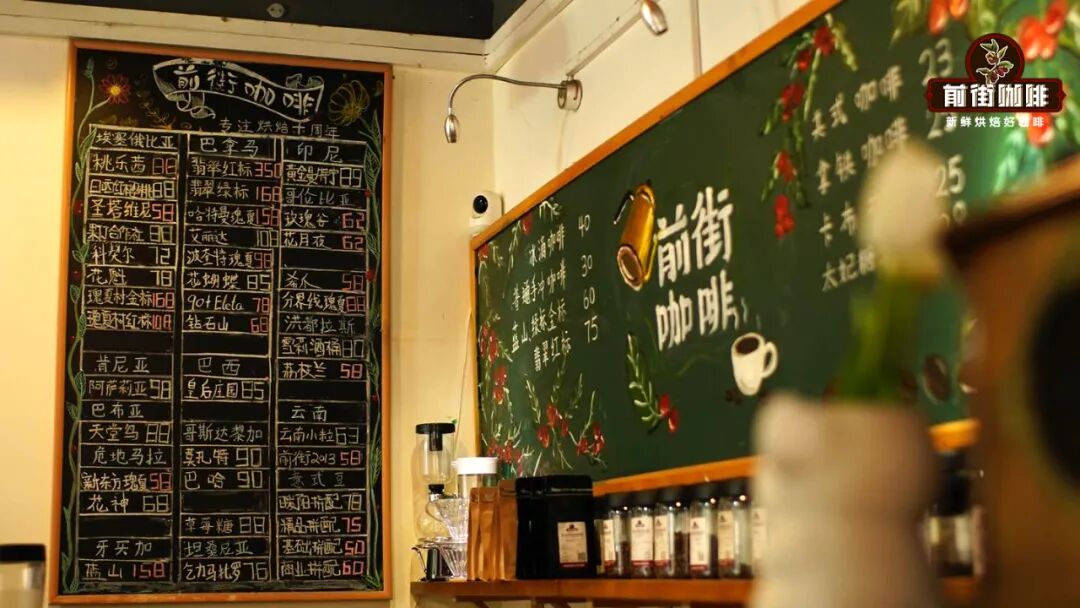
As the domestic specialty coffee scene grows increasingly vibrant, high-quality single-origin beans from around the world are frequently appearing on the menus of many cafés. Not only does each coffee come with detailed traceability information, but many single-origin lots leave a lasting impression with their unique aromas. For example, the bean list at Front Street Coffee's shop features an entire large blackboard, packed with nearly 50 products—from fruity and acidic to sweet and bitter, from light and refreshing to bold and intense, there's something for everyone.
In the past, when making espresso, people often had only a few simple blends to choose from, most of which were dark-roasted, resulting in a coffee with a relatively intense mouthfeel and a more one-dimensional flavor. Nowadays, with an ever-growing variety of beans to choose from, many coffee enthusiasts say they want to try makingSOEwith single-origin coffee beans, hoping to extract a cup of espresso with truly distinctive character.
What isSOE?
Let's review it for the millionth time: SOE is short for Single Origin Espresso, which translates to "espresso made from single-origin coffee beans." The key word here is "single origin."
To put it simply, when you use Front Street Coffee's 25-yuanYirgacheffeeveryday beans to make a cup of espresso, it's called a "Yirgacheffe SOE." When you use Front Street Coffee's 158-yuan Blue Mountain No. 1 coffee beans to make an Americano, that's a "Blue Mountain SOE Americano." And if your wallet is truly powerful and you choose a bag of the most expensive Front Street Coffee Emerald Red Label Geisha, making it into a latte—that milk coffee can be named a "Red Label Geisha SOE Latte."
What coffee beans should you choose for making SOE?
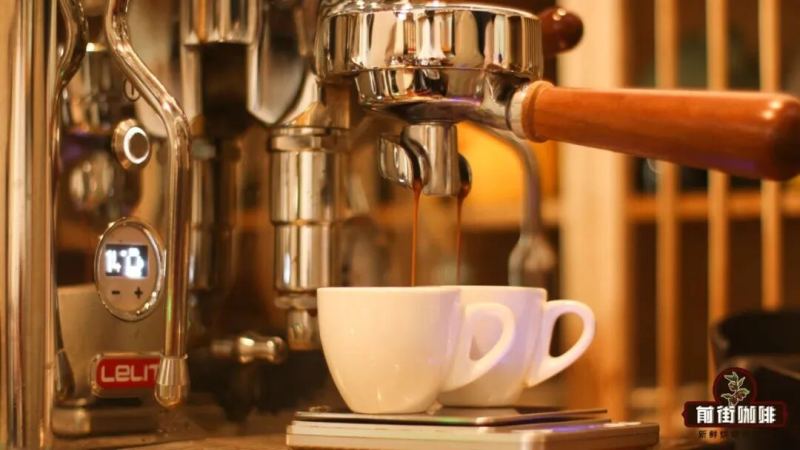
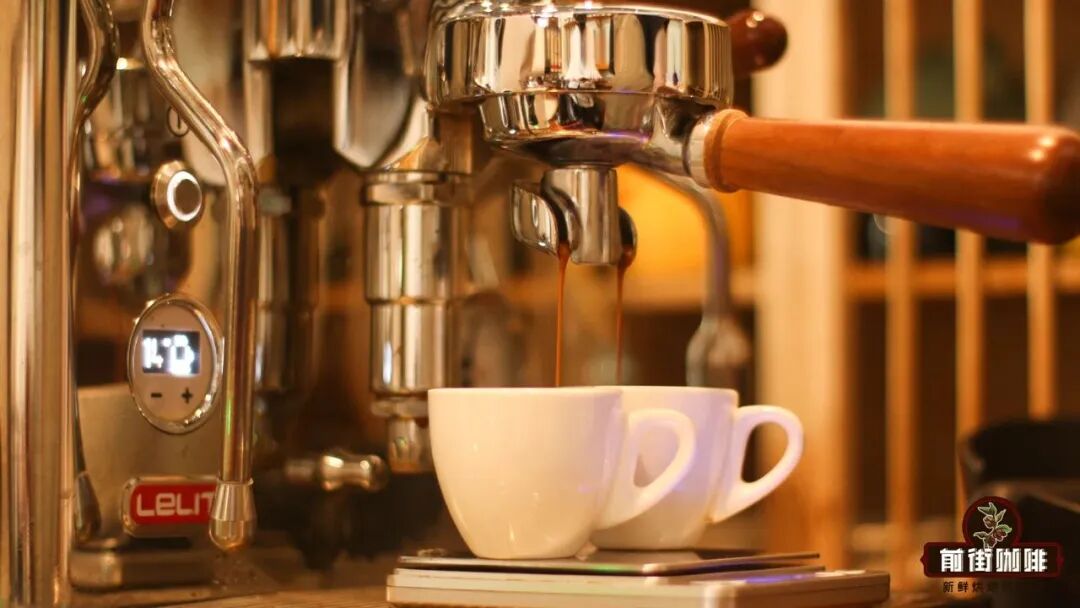
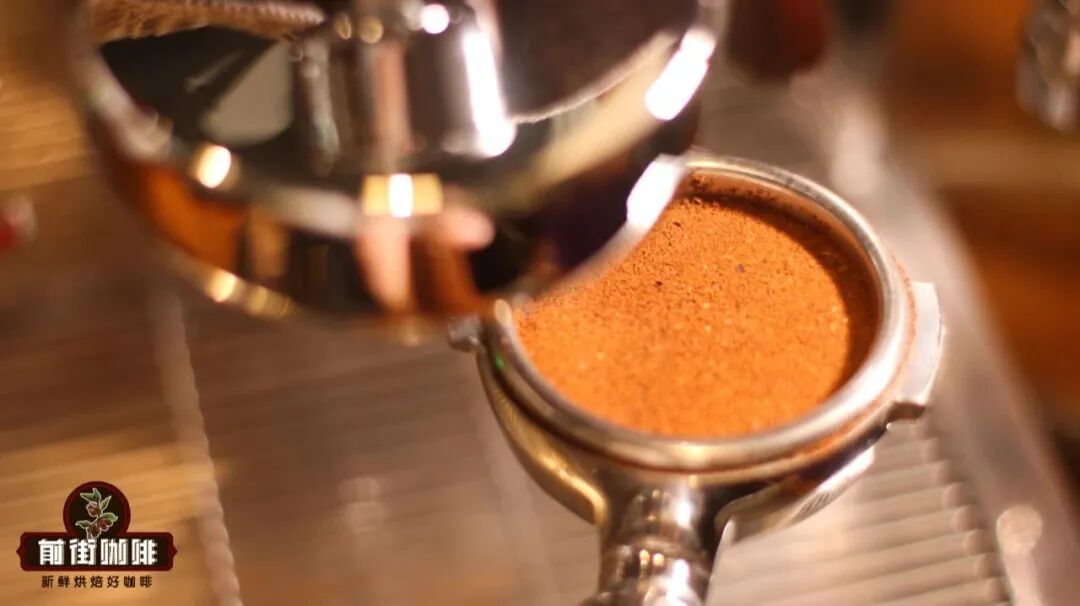
We need to understand that whether using a blend or a single-origin bean, it ultimately has to go through the high temperature, high pressure, and fine-grind extraction conditions of an espresso machine, where hot water penetrates the coffee puck in just tens of seconds and becomes espresso. This means the bean's own flavors get amplified exponentially throughout the entire extraction process.
The most common scenario is this: when using a single-origin bean roasted too light, the espresso's acidity spikes dramatically and the aroma falls flat. Conversely, extracting with a coffee roasted too dark leaves the espresso with nothing but bitterness and char, and the flavor is utterly devoid of personality. So to make a delicious SOE, choosing the right coffee beans is undoubtedly the first priority. Based on Front Street Coffee's experience, we can start from three aspects—the coffee's growing region, roast level, and processing method—to more quickly identify the SOE type that suits us.
For those who enjoy a fresh, sweet-and-tart profile, you can prioritize natural-process single origins from African growing regions. For example, Ethiopia'sSidamo, Yirgacheffe, and Guji are currently some of the most representative single-origin regions on the market. The brewed coffee typically shows high sweetness with rich fruit and floral notes. However, since these beans are mostly used for pour-over, cold brew, and clever dripper methods, they are usually roasted to a light or medium-light level. If applied directly to espresso, they will easily result in underextraction, splattering, and thin crema.
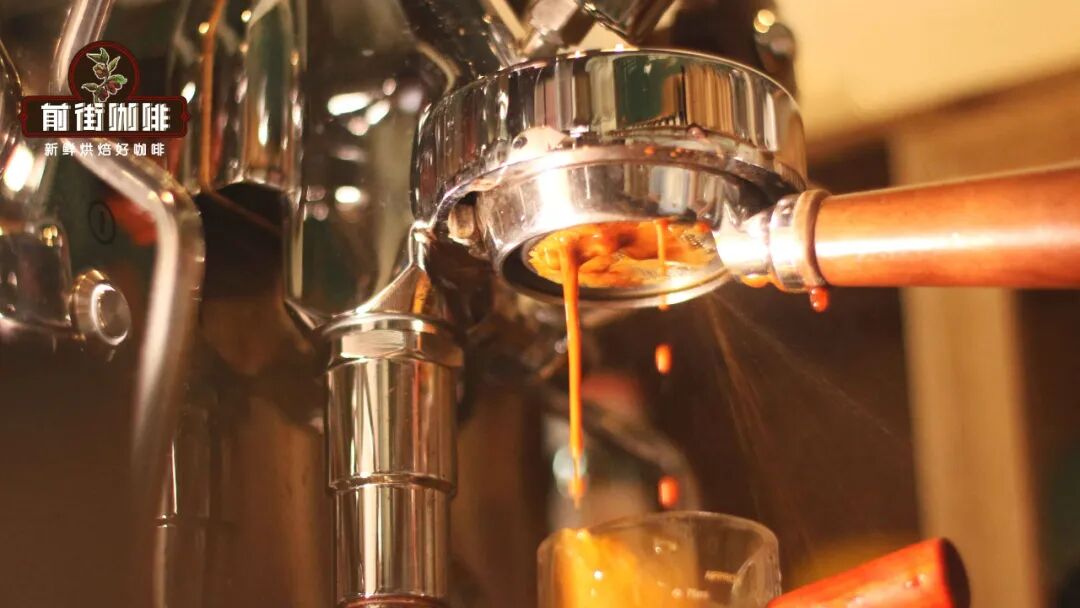
To this end, for customers who love Ethiopian growing regions and have SOE-making needs, Front Street Coffee specifically selected three natural-process single-origin coffees and adjusted a separate espresso roast profile for them, respectively launchingHuakui SOECoffee Beans, ChakaSOE Coffee Beans, and Red Cherry SOE Coffee Beans.
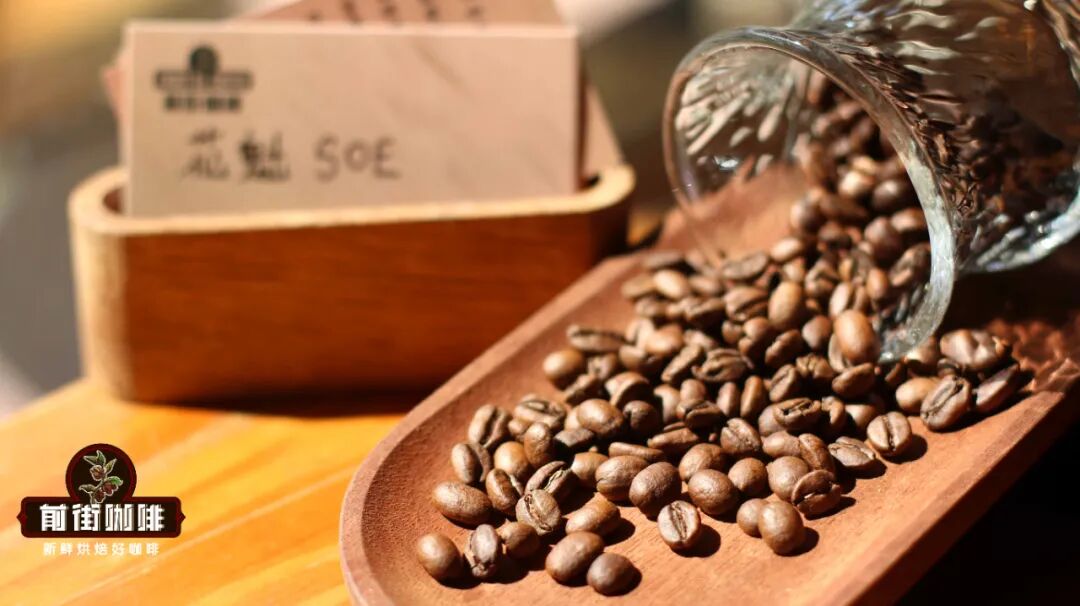
If you prefer espresso with rich fruity aromas and rounded sweetness, then high-altitude beans from some Central and South American countries might be your cup of tea. Coffees from countries like Colombia, Panama, Costa Rica, Guatemala, and Peru are usually given a medium roast in order to present the sweet aromatic profile and caramel notes of their origin/variety, making them compatible with multiple extraction methods.
Additionally, if you want to maximize the fruity aroma of your SOE coffee, consider single-origin beans processed with natural, honey, or anaerobic natural methods. For example, Front Street Coffee'sColombia Sidrauses double anaerobic natural processing, and the resulting SOE Americano has distinct notes of blueberry juice, passion fruit, and ripe grapes. Another one, also from Colombia butusing anaerobic natural processing,Big Belly, when made into anSOE Latte, has aromas of orange, nuts, and milk candy.
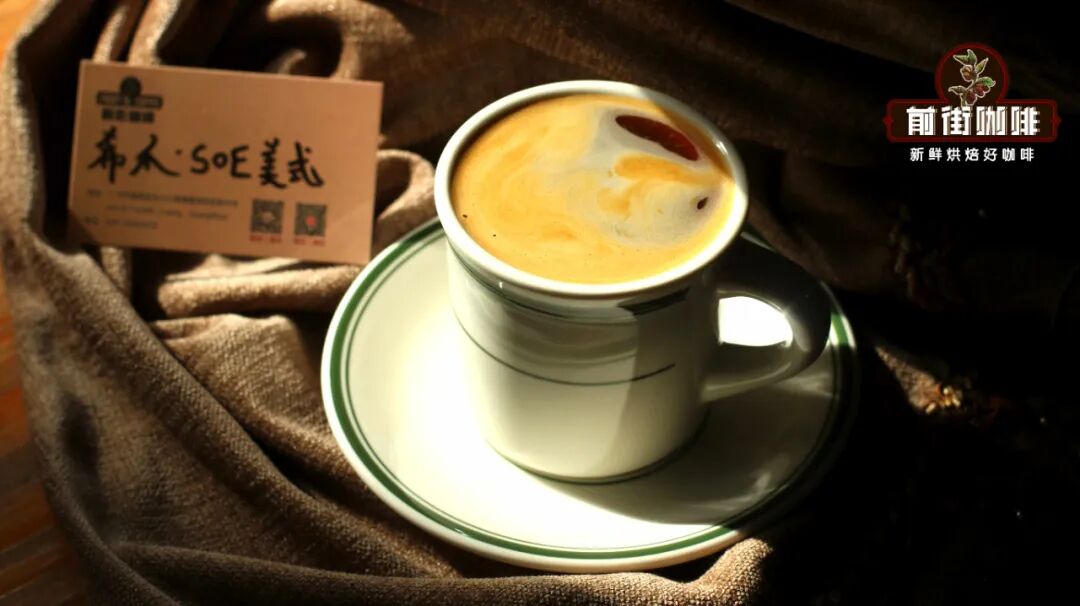
If none of the single origins mentioned above are your type, or if you don't particularly like acidic coffee, then try looking among single origins from Asia and South America—preferably those roasted at a medium to dark level. For example, espresso made with Front Street Coffee's Brazil Cerrado and Colombia Queen's Estate beans shows a profile that is low in acidity, not bitter, and well-balanced.

How do you make a deliciousSOEcoffee?
Actually, making a deliciousSOE isn't hard at all.Just like dialing in espresso as usual, the first step in making SOE is still to apply the basic formula of a "1:2 dose-to-yield ratio," keeping the time within 25–35 seconds, with the grind size determined by whether the flow rate falls within that time range.
For example, Front Street Coffee uses 20g of HuakuiSOEcoffee grounds to extract 40g of espresso (18g of coffee grounds corresponds to 36g of espresso). If the time is far under 25 seconds, the grind is too coarse and needs to be adjusted finer. If the espresso finishes flowing in around 30 seconds, that means the grind size is roughly fine, and there's no need to change the setting.

Since SOE is ultimately used to make milk-based and flavored drinks like Americanos, lattes, and flat whites, once the espresso is dialed in, we should make some pre-emptive fine-tuning to the extraction plan based on the SOE's own flavor profile.
If you're using a medium/medium-light roasted Ethiopian coffee with a fresh profile of floral notes, bright acidity, and berries, the resulting espresso tends to have thin or even no crema. In this case, we can compensate for the aromatic compounds in the coffee by increasing the dose by 0.3–0.5g. For example, Front Street Coffee uses 20.5g of Huakui SOE coffee grounds extracted in 31 seconds to yield 40g of espresso as a base; the resulting Americano shows a crisp, sweet-tart taste, and the latte's coffee intensity is also boosted, allowing you to better appreciate the aroma of espresso combined with milk.
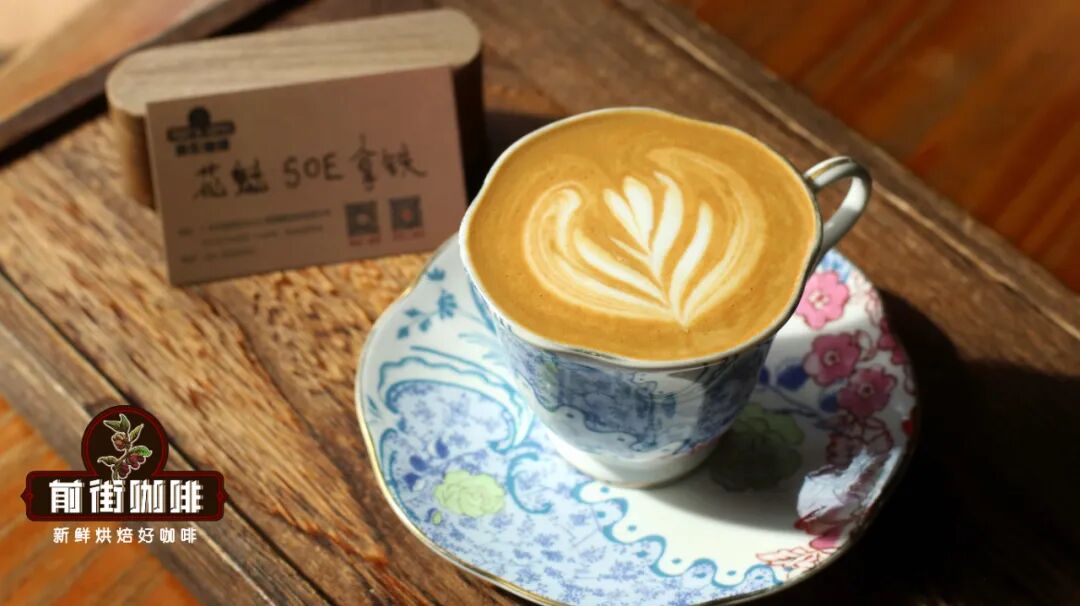
When we make SOE with fruit-forward single-origin beans that also carry some fermented flavors, the espresso will naturally have a rich sweet-tart flavor. If you want the SOE Americano to also present a rich aroma, consider increasing the espresso yield by 3–5g, which can give the coffee higher sweetness and a longer finish. If you're making an SOE latte and want to highlight the single-origin coffee's aroma, simply reduce the amount of milk. Suppose you originally used 200g of fresh milk—you can change that to 160–180g.
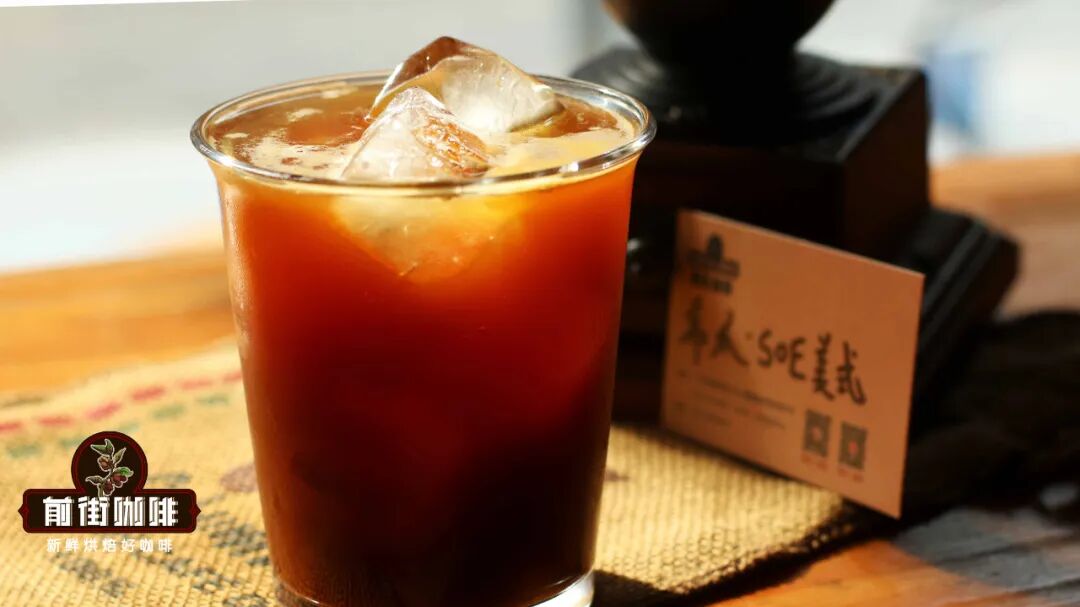
The last common scenario is when using medium-dark roasted single-origin beans, the SOE shows harsh flavors like tire, dried hay, smoke, or charcoal, indicating the espresso has most likely been over-extracted—which is why the resulting Americano or latte is so hard to drink. The fix is simple: reduce the espresso yield by 3–5g, and you can effectively eliminate the defective finish.
But if your coffee has a faint aroma, a short finish, and pronounced acidity, that means theSOE may be under-extracted. You'll need to adjust the grind slightly finer, extend the extraction time by 2–3 seconds, and thereby ensure the coffee's strength is just right.
The above content is compiled by CoffeeHunters, a coffee news website.

