







How do you choose SOE coffee beans for espresso?
Pick SOE coffee beans that can survive the high temperature, high pressure, and fine grind of an espresso machine, because those conditions amplify every flavor in the bean. Work from three angles: growing region, roast level, and processing method. Lighter-roasted single origins often spike in acidity and thin out, so medium roasts are a safer starting point for most home setups.
Once the beans are chosen, dial in dose and yield shot by shot, adjusting grind until the flow tastes balanced. The same bean behaves differently as an Americano or a latte, so keep separate recipes for each. Origin matters too: a Brazil SOE tends to be nutty and sweet, while an Ethiopia SOE leans floral and fruity, which suits milk less well.
Single-origin coffee beans are more varied than ever, and many people are starting to use them to make SOE in hopes of getting a distinctly characterful espresso. SOE stands for Single Origin Espresso, meaning espresso extracted from coffee beans of a single origin. But single-origin beans have to withstand the high temperature, high pressure, and fine grind of an espresso machine, and their flavors get amplified many times over, making bean selection and dialing in especially critical. This article approaches things from three dimensions—growing region, roast level, and processing method—and combines Front Street Coffee's hands-on experience to help you find the SOE type that suits you, and shares dose-to-yield ratios, grind adjustments, and specific extraction approaches for Americanos and lattes, so you can consistently make a delicious SOE at home.
In the past, when making espresso, there were only a handful of blend options, and they were basically all dark roasts with heavy, intense results and not much flavor complexity. By contrast, today there are so many bean varieties it's dizzying, and many friends want to try single-origin beans for SOE to see if they can extract a shot of espresso with real distinctiveness.
What exactly is SOE?
Let's review once more: SOE is short for Single Origin Espresso, which in Chinese means "espresso made from coffee beans of a single origin," and the core lies in those two words: "single origin."
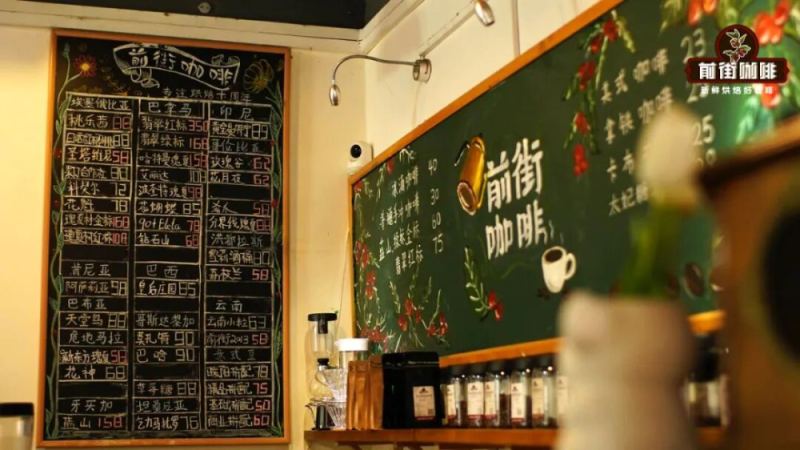
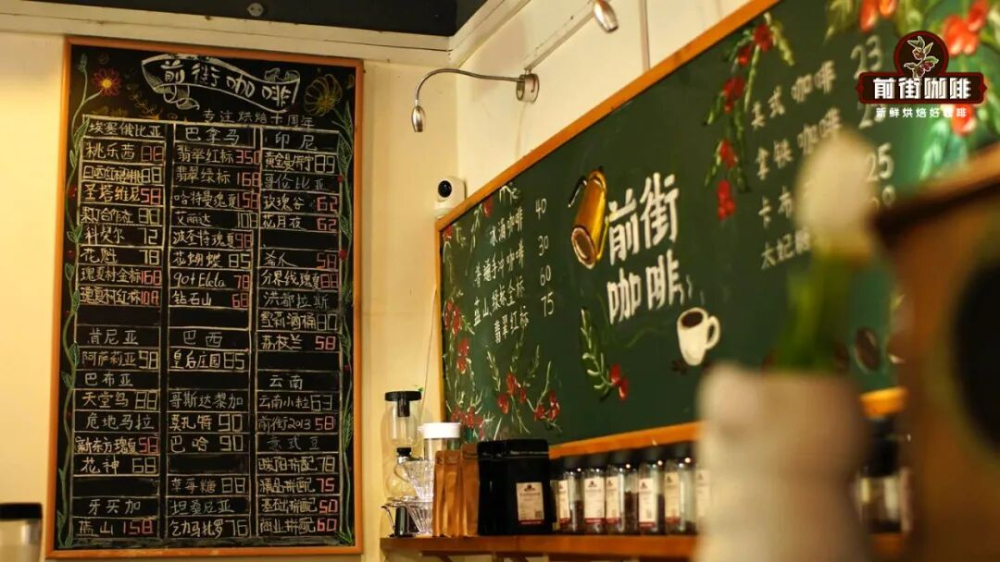
A straightforward example: extract a shot of espresso with 25-yuan Front Street Coffee Yirgacheffe everyday beans, and that cup is called "Yirgacheffe SOE"; make an Americano with 158-yuan Front Street Coffee Blue Mountain No. 1, and that's a "Blue Mountain SOE Americano"; and if your budget allows, use a bag of Front Street Coffee Emerald Red Label Geisha to make a latte, and that milk coffee can be called a "Red Label Geisha SOE Latte."
What beans should you choose for SOE?
Whether it's a blend or a single origin, in the end it all has to face the high temperature, high pressure, and fine grind of an espresso machine—hot water passes through the coffee puck in just a few dozen seconds and becomes espresso, and the bean's own flavors get amplified many times over throughout the process.
The most common failure scenario is this: use a lighter-roasted single origin and the espresso's acidity spikes while the aroma turns thin; use beans that are too dark-roasted and the espresso is left with nothing but bitterness and char, with no character at all. So to make a delicious SOE, choosing the right beans is step one. According to Front Street Coffee's experience, starting from the three angles of growing region, roast level, and processing method will help you zero in faster on the SOE type that suits you.
If you prefer a fresh, sweet-and-sour profile, you can prioritize naturally processed single origins from African growing regions, such as Ethiopia's Sidamo, Yirgacheffe, and Guji—all highly representative origins on the market today—which usually brew with higher sweetness and intense fruit and floral notes. However, these beans are mostly used for pour-over, cold brew, and the Clever Cup, and their roast level is often light or medium-light; using them directly for espresso easily leads to underextraction, spraying, and thin crema.
Therefore, for customers who like Ethiopian origins and also want SOE, Front Street Coffee specially selected three naturally processed single origins and adjusted a dedicated espresso roast profile for them, launching Flower Queen SOE coffee beans, Chaka SOE coffee beans, and Red Cherry SOE coffee beans respectively.
If you prefer espresso with rich fruit aromas and rounded sweetness, high-altitude beans from Central and South America may suit your taste better. Coffees from Colombia, Panama, Costa Rica, Guatemala, Peru, and other countries mostly use medium roasts in order to showcase the sweet aroma and caramel notes of the origin or variety, so they can accommodate a variety of extraction methods.
Also, if you want to maximize the fruit aromas of your SOE, consider single origins that are naturally processed, honey processed, or anaerobically naturally processed. For example, Front Street Coffee Colombia Papayo is processed with double anaerobic natural, and the resulting SOE Americano has pronounced blueberry juice, passion fruit, and ripe grape flavors; another one also from Colombia, Big Belly, processed with anaerobic natural, yields an SOE Latte with orange, nut, and milk candy aromas.
If none of the above is your thing, or you don't much like acidic coffee, then look among single origins from Asia and South America, preferably beans in the medium-dark roast range. For example, using Front Street Coffee Brazil Cerrado and Colombia Queen's Estate to make espresso can express a profile that is low in acidity but not bitter, with a balanced mouthfeel.
How do you make a delicious SOE?
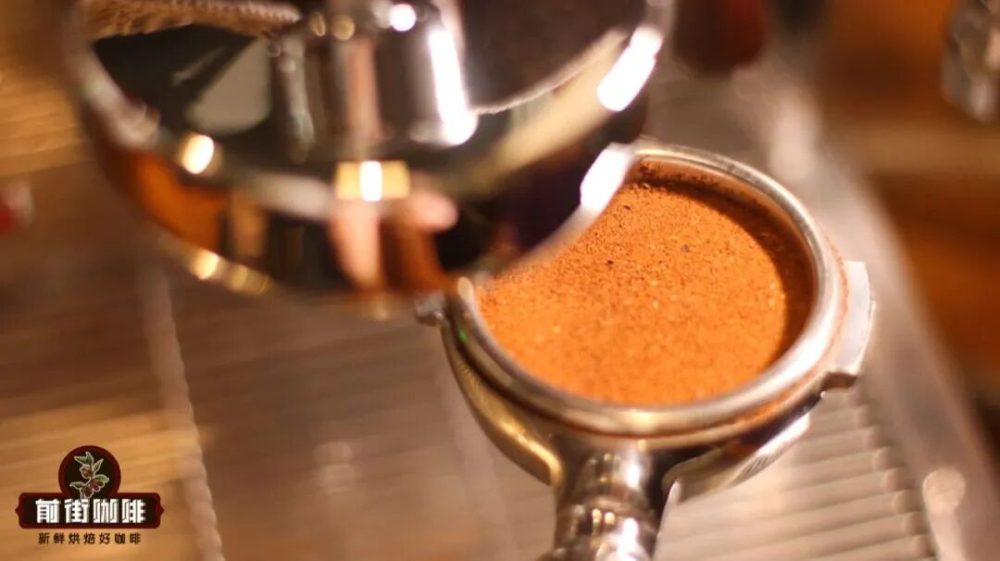
Actually, making a delicious SOE isn't hard—it's the same approach as dialing in espresso as usual. The first step is still to apply the basic formula of a 1:2 dose-to-yield ratio, with the time controlled between 25 and 35 seconds, and the grind setting judged by whether the flow rate falls within that range.
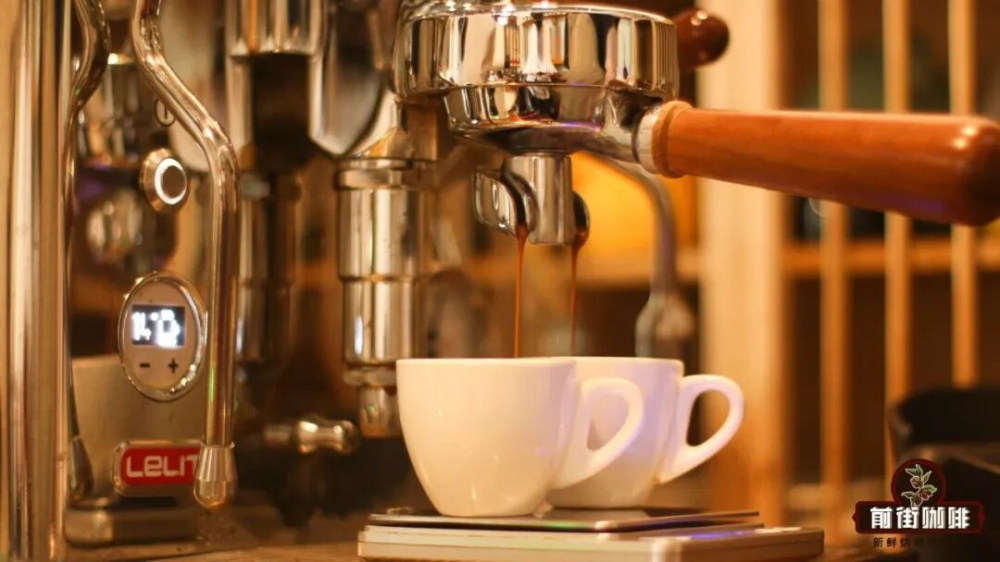
For example, Front Street Coffee extracts 40g of coffee liquid from 20g of Flower Queen SOE coffee grounds (18g of grounds corresponds to 36g of liquid). If the time is far under 25 seconds, the grind is too coarse and needs to be made finer; if the coffee liquid finishes flowing in about 30 seconds, the coarseness is basically fine and there's no need to change the setting.
Since SOE ultimately goes into fancy coffee drinks like Americanos, lattes, and flat whites, once the espresso is set, you also need to combine the SOE's own flavor profile and make some fine adjustments to the extraction plan in advance.
If you're using medium or medium-light roasted Ethiopian beans whose origin flavors are fresh profiles like floral notes, bright fruit acidity, and berries, the espresso easily has thin or even no crema—in that case you can compensate for the aromatic compounds by increasing the dose by 0.3 to 0.5g. For example, Front Street Coffee uses 20.5g of Flower Queen SOE coffee grounds and extracts 40g of coffee liquid in 31 seconds as the base; the resulting Americano is crisp and sweet-sour, and the latte's coffee intensity is also raised, letting you better perceive the aroma of the espresso combining with the milk.
When using a fruit-forward single origin that also carries some fermented flavor to make SOE, the espresso itself already has a rich sweet-and-sour taste. If you want the SOE Americano to also show abundant aroma, consider increasing the espresso extraction yield by 3 to 5g for higher sweetness and a longer finish; if you're making an SOE Latte and want to highlight the single-origin aroma, just reduce the amount of milk—say you originally used 200g of fresh milk, in this case you can change it to 160 to 180g.
The last common scenario: when using a medium-dark roasted single origin, if the SOE shows harsh flavors like tire, hay, smoke, or charcoal, it means the espresso has most likely overextracted, and the Americano or latte will naturally be hard to swallow. The fix is simple: reduce the coffee liquid extraction yield by 3 to 5g, and you can effectively remove the defective finish.
But if your coffee has a faint aroma, a short finish, and noticeably sour taste, that means the SOE may be underextracted, and you need to slightly fine up the grind to extend the extraction time by 2 to 3 seconds, thereby ensuring a moderate coffee intensity.
The above content is compiled by CoffeeHunters, a coffee news website.


