







Why is Blue Mountain coffee hailed as the finest among coffees? What exactly makes its flavor so unique? Starting from the tasting experience of Front Street Blue Mountain coffee, this article provides a detailed analysis of the core knowledge surrounding Blue Mountain coffee, including origin certification, bean grading, and quality control, and further explores SOE extraction techniques for Front Street Jamaica Blue Mountain No. 1 coffee beans. Whether you are a Blue Mountain enthusiast or a curious beginner, you can gain from it a true picture of Blue Mountain coffee, learn to distinguish authentic Blue Mountain from "Blue Mountain flavor" products on the market, and master practical methods for making a delicious cup of Blue Mountain SOE coffee.
For more specialty coffee knowledge, please follow: Front Street Coffee (Frontsteet Coffee)
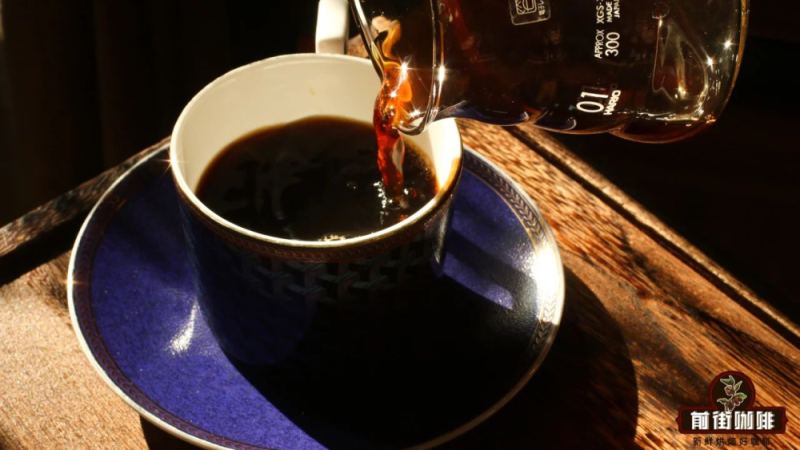
Front Street Blue Mountain coffee presents a rich, black chocolate-like aroma on the palate, accompanied by the sweetness of caramel and the lingering finish of nuts. As the temperature drops slightly, a soft and elegant acidity gradually emerges, and the various flavor elements blend harmoniously. The overall mouthfeel is smooth, rich, and full-bodied—these are precisely the classic flavor characteristics of Blue Mountain coffee.
Many years ago, Blue Mountain coffee was already widely renowned in China and regarded as a top-tier treasure among coffees. However, those familiar with the market know that during that period, the quantity of genuine Jamaica Blue Mountain coffee was extremely limited, yet consumer enthusiasm for Blue Mountain continued to rise. To meet market demand, some professional roasters selected several single-origin coffee beans and blended them in unique proportions to create Blue Mountain blend coffee beans with a flavor close to Jamaica Blue Mountain.
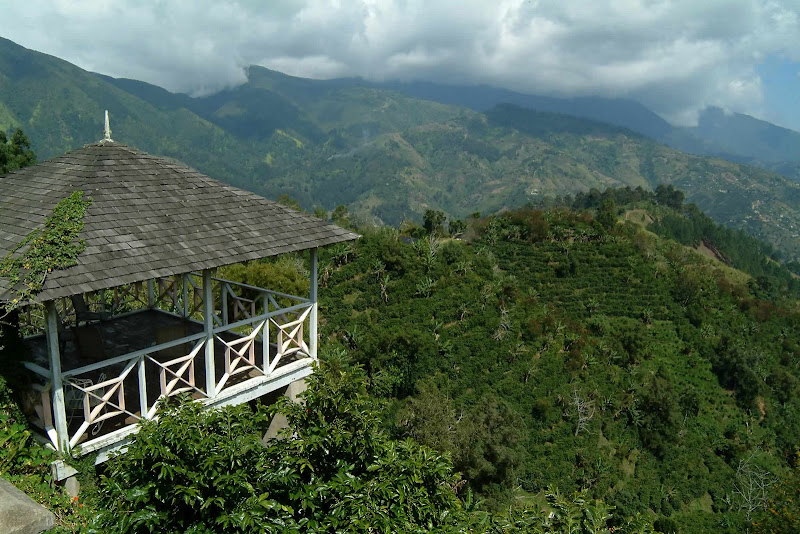
The high price of Blue Mountain coffee beans stems from scarce production and persistent demand exceeding supply. Authentic Blue Mountain beans must be produced in Jamaica's Blue Mountains region (Jamaica Blue Mountains), within the officially designated cultivation range (at elevations of 3,000 to 5,500 feet), and certified by the Jamaican government to be considered genuine. The Jamaica Blue Mountains are located at an altitude above 2,100 meters, with volcanic soil, fertile land, a cool and foggy climate, and ample rainfall. Due to limited cultivation area, annual production averages only about 12,000 tons, of which more than 80% is exported to Japan. Top-grade Blue Mountain is even lower in production. The so-called Blue Mountain coffee commonly found on the market in vacuum-sealed packaging, such as Melitta, Movenpick, and others, is actually only a Blue Mountain "flavor" product, in which the Blue Mountain bean content may be as little as one percent or even completely absent.
Blue Mountain coffee beans are divided into multiple grades according to quality:
Blue Mountain No. 1: Top-grade and most expensive, with the largest beans; more than 96% of the beans must reach a 17/20 size, and defective beans must not exceed 2%.
Blue Mountain No. 2: More than 96% of the beans must be 16/17 size, and defective beans must not exceed 2%.
Blue Mountain No. 3: More than 96% of the beans must be 15/16 size, and defective beans must not exceed 2%.
Blue Mountain Peaberry: More than 96% of the beans must be round peaberry beans, and defective beans must not exceed 2%.
Blue Mountain Triage: A blend of the above four types of Blue Mountain beans, with defective beans not exceeding 4%.
Authentic Blue Mountain coffee comes with a certificate of origin:
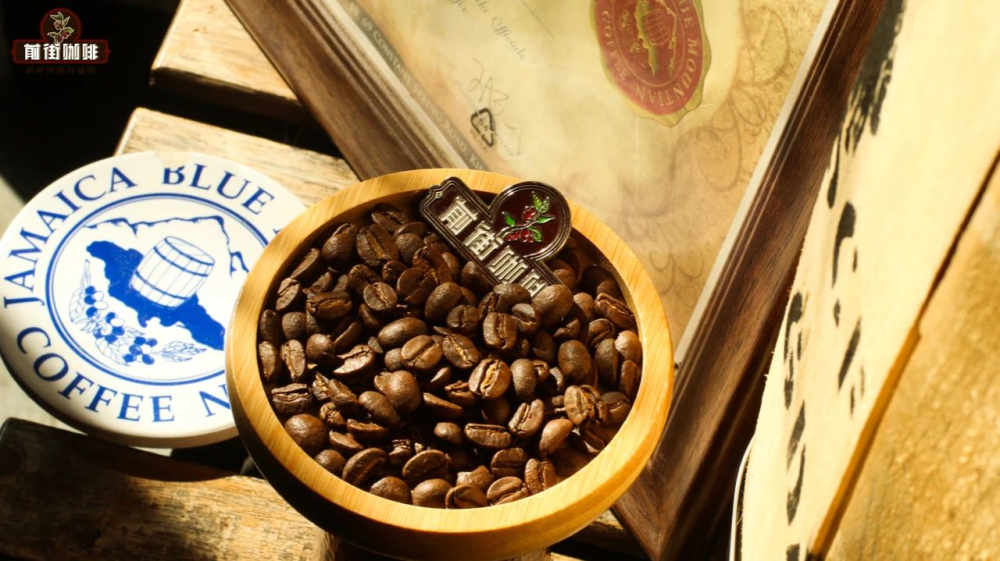
All Blue Mountain coffee beans exported from Jamaica must pass inspection by the Coffee Board and obtain a certificate of origin before being permitted for export. At the same time, only those using the Jamaica Blue Mountain coffee trademark registered by the Coffee Board in more than 20 countries worldwide can be called authentic Jamaica Blue Mountain coffee beans. The Jamaica Coffee Board stipulates that Blue Mountain coffee must be grown in legally designated coffee regions to bear the name Jamaica Blue Mountain coffee and be authorized to use the Coffee Board's registered trademark: Blue Mountain Coffee.
In terms of quality control:
Just as fine wine emphasizes renowned estates, Jamaica Blue Mountain coffee likewise values the estate of origin. The processing standards of well-known estates far exceed those of ordinary processing facilities, and these are known as authorized estates. According to Jamaica's Coffee Industry Regulation, the Jamaica Coffee Board authorizes several large estates with the qualifications to centrally process coffee cherries, export Jamaica Blue Mountain coffee beans, and use the Jamaica Blue Mountain coffee trademark, thereby safeguarding the reputation and quality of Blue Mountain coffee.
The prices of Blue Mountain coffee sold on the market vary greatly. In addition to differences in grade, some merchants mix Blue Mountain beans with beans from other countries for sale, so when purchasing, carefully check whether the Blue Mountain bean content stated on the packaging is 100%. Some coffee packages printed with the words "Blue Mountain flavor" may not contain even a single Blue Mountain bean—it is merely "flavor."
Is Blue Mountain really the best coffee in the world?
Whether a taste is good or bad is inherently subjective and varies from person to person. Some prefer intensity, while others like lightness; some crave acidity, while others enjoy bitterness. Those who love Blue Mountain appreciate its mild, smooth mouthfeel and alluring delicate fragrance; after entering the mouth, bitterness turns to sweetness, rich and mellow with a long finish. But Front Street has also encountered people with no interest in Blue Mountain, feeling that it is "bitter and not worth drinking," and in such cases we respect everyone's taste preferences.
Front Street Coffee (FrontStreet Coffee): Jamaica Front Street Blue Mountain No. 1 Coffee Beans
Farm: Clifton Farm
Location: Newcastle area
Average altitude: 4,300 feet (1,310.64 meters)
Processing method: Washed
Variety: 100% Arabica Typica
With the spread and development of coffee culture, more and more specialty coffee shops today are no longer limited to pour-over extraction, but instead use more refined methods to "squeeze out" the flavor of high-quality coffee beans. SOE, which has appeared frequently in recent years, is one representative example. Next, taking today's Front Street Jamaica Blue Mountain No. 1 coffee beans as an example, Front Street will briefly discuss with everyone how to extract a delicious cup of Blue Mountain SOE coffee.
Step 1: First choose a grind size and extract one shot
To make Blue Mountain SOE coffee, we first apply the espresso extraction formula: 1:2 coffee-to-liquid ratio, with a time of 25-30 seconds. The dose depends on the capacity of the portafilter basket. For example, if the reasonable capacity of the basket used by Front Street is 20g, then use 20g of coffee grounds to extract 40g of coffee liquid, controlling the time within 25-30 seconds as the extraction plan. Then first choose a grind coarseness that looks roughly appropriate to the naked eye for extraction, and use the time difference to judge how far off the grind setting is.
Before extraction, we need to first wipe the portafilter basket dry, turn on the grinder, grind a double dose of coffee grounds, and place them on an electronic scale to measure and adjust until reaching 20 grams. Then use a distribution tool to level the coffee grounds, and use a tamper to press vertically downward with force to compact the coffee puck tightly, ensuring more stable coffee extraction.
Step 2: Adjust the parameters to bring the time within the range of the extraction formula.
Here the main adjustment is grind size: if the flow is fast and the time is shorter than last time, grind the coffee finer; if the flow is slow and the time is longer than last time, grind the coffee coarser. Dialing in the grind setting relies quite a lot on feel; once you adjust it more, you will become familiar with the grinder, and once you have the feel, you can get it right in one step. If the gap from the target time is less than 5 seconds, you can adjust by 0.2 increments each time; if the time gap is too large, you can be bolder and adjust by 0.5-1 increments. Even if it goes from too long to too short, you can still lock in this grind setting range and gradually narrow it down.
Step 3: Taste the espresso directly, and make it into Blue Mountain Americano or Blue Mountain Latte
Freshly made Blue Mountain espresso has a thick, beautiful crema. When you bring it close to your nose and sniff lightly, you can immediately smell notes of caramel cookies, roasted spices, and dark chocolate.
When you take the first sip, our taste buds are immediately stimulated by the bitterness and overly intense mouthfeel of the upper layer of crema, but when you swallow and immediately close your mouth to exhale, the bitterness dissipates, and soon the palate returns a faint coffee aroma along with a pleasant hint of sweet finish.
If you cannot accept the intense bitterness of espresso, we can also, according to personal preference, add ice water or warm water at a 1:4 ratio to make a refreshing and mellow SOE Blue Mountain Americano, or add steamed fresh milk at a 1:6 ratio to soften the mouthfeel, making a delicious cup of SOE Blue Mountain Latte.
The above content is compiled by CoffeeHunters, a coffee news website.


