







Can Blue Mountain coffee be brewed as an SOE?
Yes. Jamaican Blue Mountain beans can be pulled as an SOE, meaning a single-origin espresso with no blend involved. Blue Mountain's mild, balanced profile shows up as a sweet, low-bitterness shot when ground fine and extracted at a moderate ratio. The article covers identification of authentic Blue Mountain, why its price stays high, and how to brew it.
Blue Mountain's fame grew from Jamaica's exceptional growing conditions and a long trade history: after a 1969 hurricane, Japan's UCC provided aid and cultivation support, and Jamaica agreed to supply about 90 percent of production to Japan for 30 years, leaving roughly 245 tons for other markets. Limited supply and tight trade channels helped push prices up.
Jamaican Blue Mountain coffee has long been regarded as the benchmark of the coffee world thanks to its unique flavor and long history. But what exactly does "Blue Mountain flavor" mean? Why does the price remain so high? And how should authentic Blue Mountain be identified and brewed? This article will start with the background of Blue Mountain coffee's rise to fame, its growing region environment, and how to tell the real from the fake, then further explore whether Blue Mountain coffee beans can be used to make SOE, while sharing Front Street Coffee's extraction parameters and operating steps, taking you through a comprehensive understanding of this legendary coffee's drinking methods and possibilities.
In an era when specialty coffee had not yet been widely accepted by the public, most coffee on the market was bitter, heavy, and intensely flavored. Yet Jamaican Blue Mountain coffee stood at the very top of the coffee world thanks to its extremely high reputation, almost always placing at the front in various coffee bean competitions. What exactly created Blue Mountain coffee's immense fame? What flavor does the often-mentioned "Blue Mountain flavor" actually refer to? If you want to drink a cup of truly authentic Blue Mountain coffee, what extraction method should be used? With these questions in mind, let us enter today's sharing from Front Street Coffee.
Why is Blue Mountain coffee so famous?
The exceptional natural conditions of Jamaica's Blue Mountains have nurtured the world-famous Blue Mountain coffee. As early as before the 1960s, coffee beans produced in Jamaica were already quite favored in the international market.
In 1969, the entire island of Jamaica suffered a severe hurricane disaster. Japan's UCC company not only provided financial aid to Jamaica, but also introduced scientific ecological cultivation methods to help the region restore Blue Mountain coffee production. To thank the Japanese company for its support, the Jamaican government signed a 30-year agreement with the Japanese side, promising to supply 90% of Blue Mountain coffee's production quota to Japan, with the remaining roughly 10%, about 245 tons, sold to other markets. As the saying goes, things are precious when they are scarce. Blue Mountain coffee itself had limited production, was highly monopolized through trade channels, and had demand further boosted by heavy promotion, so its price naturally climbed all the way up.
In fact, during the period of the agreement with Japan, Blue Mountain coffee was not entirely consumed within Japan itself. Some beans were resold at higher prices to other Asian countries and regions. Combined with Japan's continued intensification of promotion, coffee lovers in many nearby countries and regions also began to chase Blue Mountain coffee, such as Singapore, South Korea, China Taiwan, and China Hong Kong. After 2000, the "Blue Mountain craze" gradually spread to mainland China, so when we talk about coffee with our elders, the first name they often think of is "Blue Mountain."
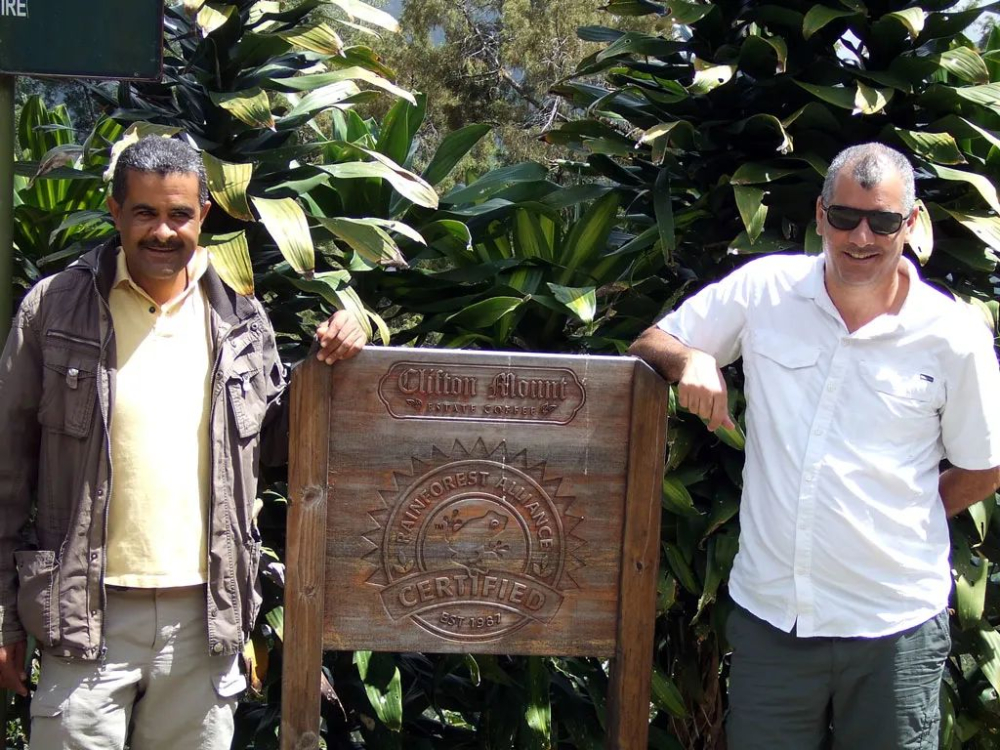
After the global economic crisis broke out in 2008, Jamaica tried to sell Blue Mountain coffee to more countries, and it happened that the agreement with Japan had also expired, so more quota was allocated to other markets. As China's coffee consumption demand continues to expand, many domestic merchants can now directly import Blue Mountain coffee beans from Jamaica. Front Street's Jamaican Blue Mountain No. 1 coffee comes from the locally long-established Clifton Estate and uses traditional washed processing.
What makes Blue Mountain coffee unique
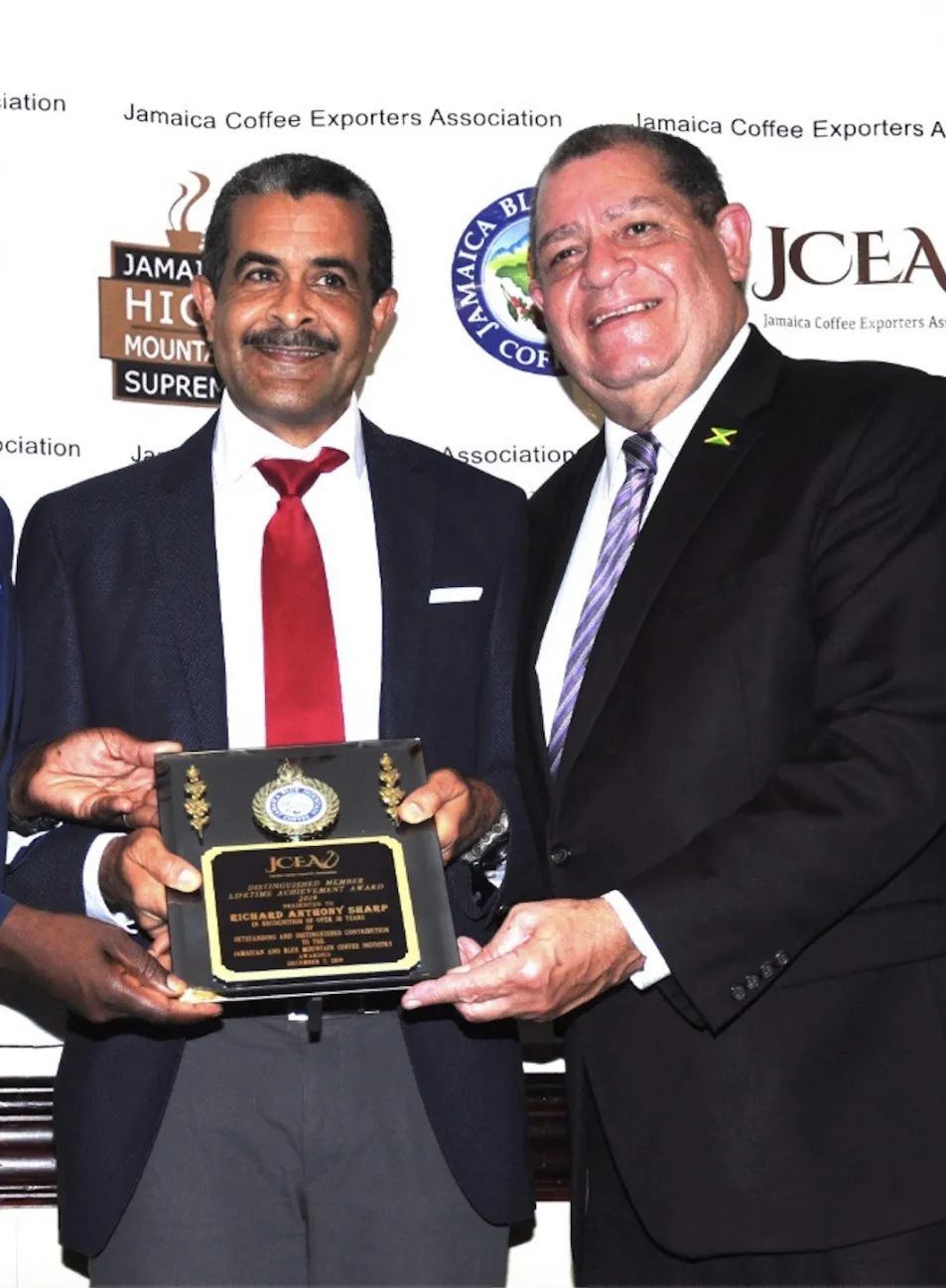
What makes high-quality Blue Mountain coffee so sought after is its signature Blue Mountain flavor, and the key to creating this flavor lies in the unreplicable growing environment of Blue Mountain coffee. Richard Sharp, owner of Jamaica's Clifton Estate, which produces Blue Mountain coffee, once explained in an interview why Blue Mountain coffee is so excellent: "It is the specific latitude, longitude, and the unique position of this Caribbean island that create a microclimate that exists nowhere else."
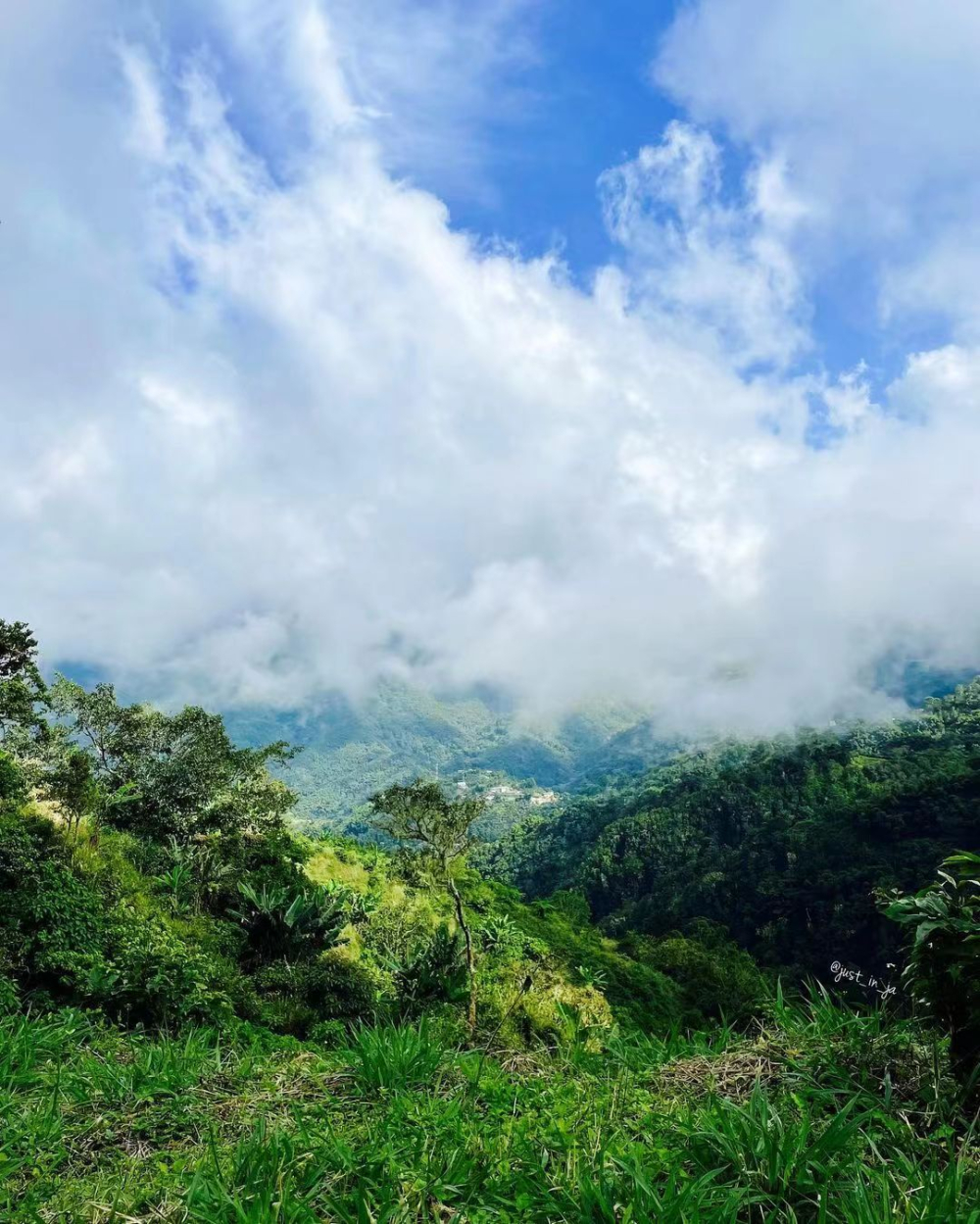
The Blue Mountains are located in eastern Jamaica, in an earthquake zone, where volcanic eruptions brought large amounts of fertile, mineral-rich soil to the area. The Blue Mountains have the highest peak in the entire Caribbean region, making them a famous local tourist destination as well. The air here is clean with very little pollution, and with frequent rain year-round and a humid, cool climate, coffee trees grow vigorously in an environment shrouded in mist and clouds. The large temperature difference between day and night brought by high altitude gives the coffee fruit more time to accumulate nutrients, ultimately presenting a mellow, sweet taste. The Blue Mountains span a wide area, but the terrain is not flat. Coffee trees are mostly planted on rugged slopes, making manual picking extremely difficult. Local farms hire skilled female workers to go up the mountain and hand-select sufficiently ripe coffee cherries to ensure coffee quality.
For many years, Jamaica has consistently insisted on planting only Arabica varieties, which has also allowed the local Typica to avoid crossbreeding and mutation, keeping its lineage pure. Unlike many coffee-producing regions, Jamaica is a relatively closed island nation, while also possessing innate microclimate advantages. Through more than two hundred years of domestication and adaptation, Blue Mountain Typica has evolved stronger disease resistance, especially better resistance to coffee berry disease than ordinary Typica, with more stable yield and quality as well.
What counts as "Blue Mountain flavor"? How much does a cup of Blue Mountain coffee cost?
As Front Street mentioned above, Blue Mountain is too famous, and combined with its high price and the difficulty of finding the genuine product, products of mixed authenticity are not uncommon on the market. Various inferior coffees bearing the word "Blue Mountain" often mislead consumers. For example, the commonly seen "Blue Mountain flavor," "Blue Mountain blend," and "Blue Mountain mix" on shopping platforms merely borrow the name of Blue Mountain and are far removed from real Blue Mountain coffee.
Since it is hailed as one of the best coffees in the world, the price naturally cannot be too low. Therefore, "Blue Mountain beans" selling for only a few dozen yuan are very unlikely to be real Blue Mountain. As consumers, we can judge by whether the merchant has the handmade oak barrels used to transport Blue Mountain green beans. Jamaica is the only producing region in the world that uses oak barrels as a coffee transport medium. Compared with coarse burlap sacks, oak barrels can absorb and release internal and external moisture while isolating the coffee aroma from escaping, keeping the beans at a more stable moisture content and thus making roasting more stable. Later, the barrel also became one of the symbols for identifying authentic Blue Mountain coffee.
In addition, dealers producing Blue Mountain coffee must obtain a license from the Jamaican government and be authorized by the Jamaica Coffee Industry Board. All Blue Mountain batches exported from the region must pass the Coffee Board's quality inspection and certification and carry the corresponding labels. Therefore, we can ask the merchant to present the relevant Blue Mountain certificates to distinguish authenticity. Front Street's Blue Mountain No. 1 coffee is produced by Clifton Estate and has a quality certificate issued by the Jamaica Coffee Industry Board, an authorized sales certificate issued by the Blue Mountain coffee producer, and a Jamaican Blue Mountain coffee certificate of origin. The Dongshankou store also displays the oak barrel used to hold Blue Mountain green beans.
Before the millennium, drinking a cup of Blue Mountain black coffee in China often cost several dozen or even over a hundred yuan, extremely luxurious by the consumption standards of the time, and it might not even be genuine. As the Jamaican government released more Blue Mountain quota to consumer markets in various countries, drinking a cup of truly authentic Blue Mountain coffee in China today has become much easier. Front Street Coffee's Blue Mountain No. 1 coffee beans are sold at 158 yuan per 100g single bag, with a tasting price at the Dongshankou store of 60 yuan per cup, about 200ml. The Blue Mountain No. 1 coffee purchased by Front Street comes from Jamaica's long-established Clifton Estate and belongs to the highest grade of Blue Mountain coffee.
For the refined flavor of high-quality Blue Mountain coffee, there is naturally more than one brewing method. In addition to the pour-over coffee Front Street often mentions, if you have a coffee machine at home, you can also make Front Street Blue Mountain coffee beans into SOE. Below, let Front Street demonstrate the operating steps.
SOE is the abbreviation of Single Origin Espresso, translated as espresso made from single-origin coffee beans. The proposal of the SOE concept came along with the popularization of specialty coffee and single-origin coffee concepts brought by the third wave of coffee.
So-called specialty coffee refers to high-quality coffee from producing regions with unique microclimates and geographical conditions, possessing positive aromas and a "taste of place." As more and more consumers learn about coffee bean origins and are willing to pay higher prices for high-quality coffee beans, producers naturally devote more effort to the source of specialty coffee, and thus single-origin coffee beans emphasizing a single origin appeared. Originally, single-origin coffee beans were generally extracted by pour-over, but later more and more single-origin beans were applied to espresso. Combined with promotion from various competitions and chain brands, the SOE concept became increasingly popular.
Therefore, any espresso made with single-origin coffee beans can be called SOE. It and espresso blends both belong to the category of espresso coffee terms. In contrast, espresso blends mix coffee beans from more than two origins, usually use medium-dark roasting, and present a rich and balanced taste. SOE, however, needs to highlight the unique flavor of the producing region, so the roast is lighter. For example, Front Street's Ethiopia natural Yirgacheffe Red Cherry coffee beans on the bean list produce an SOE with the sweet-tart flavors of berries and citrus.
The coffee machine at Front Street's store is the commercial single-group "Lelit Bianca," which can adjust extraction by changing pressure, with a maximum pressure of up to 11bar. A home coffee machine only needs to reach 9bar pressure to satisfy the functions of extraction and milk frothing, paired with an espresso grinder.
Sharing SOE coffee extraction parameters
Coffee beans: Front Street Ethiopia Natural Konga
Coffee dose: 20g
Coffee liquid yield: 40g
Dose-to-yield ratio: 1:2
Extraction time: 26–33 seconds
Grind setting: Galileo 2.0
Front Street uses a double basket capacity, with a dose of about 18–20 grams, and Front Street uses 20 grams of coffee powder when producing.
Usually the ratio of coffee powder to coffee liquid is between 1:1.5 and 1:2.5. Front Street's extraction ratio is 1:2, meaning 20 grams of coffee powder extracts 40 grams of coffee liquid. Time is related to the flow rate of the coffee powder. Generally, a single extraction is controlled at 20–35 seconds, because within 20 seconds the coffee usually tastes thin, while over 35 seconds it is prone to over-extraction and a burnt-bitter taste. Front Street's espresso mostly falls within the range of 28–30 seconds.
Front Street first wipes the basket dry, turns on the grinder, grinds out the amount for a double dose of coffee powder, and places it on an electronic scale to adjust up or down until it reaches 20 grams. Then use a tool to distribute the grounds evenly and tamp the coffee puck firmly to ensure more stable extraction.
Then turn on the extraction switch to release water, wetting the brew head while carrying away the coffee grounds stuck on it. Gently lock the portafilter onto the brew head and start the extraction. When the electronic scale shows that 40 grams of coffee liquid has been extracted, at about 28–33 seconds, you can pull down the extraction switch, and a cup of SOE espresso is complete. We can add an appropriate proportion of ice water or 80°C hot water according to our preference to make a cup of Yirgacheffe SOE americano.
When making an SOE hot latte, Front Street uses a 1:6 ratio. Add 40 grams of espresso liquid to a preheated coffee cup, then use the espresso machine steam to froth 240g of milk. The milk temperature is best controlled between 50–65°C so that it forms a dense milk foam with moderate thickness, then blend it evenly with the coffee liquid. The resulting Yirgacheffe SOE latte tastes like eating a lemon-flavored cookie at first sip, rich, fragrant, and smooth, and after drinking it you immediately feel warm all over.
The above content is compiled by CoffeeHunters, a coffee news website.


